Oil storage management requires correct decision-making because this approach improves operational efficiency while protecting safety and supporting sustainable development efforts. People who work in industrial, commercial, and residential environments need to understand different oil tank solutions, which include double-wall tanks, traditional storage methods, and bulk oil systems, because these solutions will impact their business operations. The guide explains oil storage systems by presenting their advantages, essential functions, and necessary factors that need to be considered for every storage system. The information we provide will help you decide between environmentally friendly solutions and efficient storage options that meet your specific requirements.
Introduction to Oil Tanks
What are Oil Tanks?
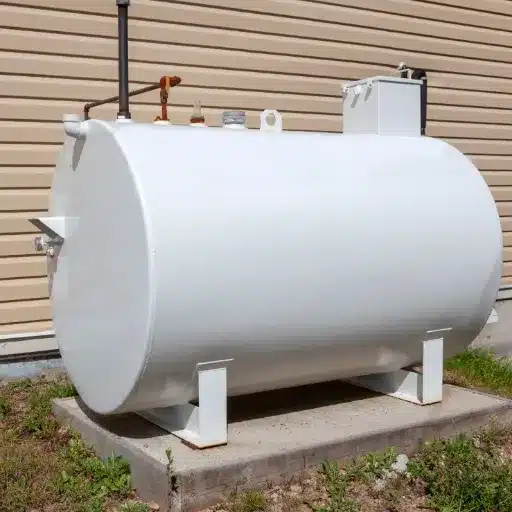
Oil tanks serve as specialized containers that enable safe and efficient storage and management of fuel oils, lubrication oils, and all petroleum-based liquids. The tanks come in different types and sizes, and materials that fulfill various requirements for agricultural operations and transportation needs, construction activities, and residential heating systems. Modern oil tanks meet environmental standards while their design protects against leaks and enables maximum storage capacity.
Oil tanks use two main construction methods, which include building single-wall tanks and double-wall tanks. Double-wall tanks have grown in popularity because they create extra protection against leaks, which helps decrease the chance of environmental pollution. Recent industry data shows that double-wall tanks have a 65% lower chance of causing spill incidents when compared to regular single-wall tanks. The system provides capacity options that start at 275 gallons for residential needs and extend beyond 10,000 gallons for industrial operations to meet different operational requirements.
The design of an oil tank depends on the specific materials that engineers choose to use. Steel, fiberglass, and polyethylene represent the materials that people commonly use. Steel tanks provide long-lasting strength and protection against fire hazards, while polyethylene tanks offer lightweight construction and resistance to corrosion. Technology advancements have created new developments such as smart monitoring systems, which enable users to monitor oil levels in real time and receive maintenance alerts, thus enhancing operational efficiency and safety.
The selection of an oil tank requires careful consideration because it must match both local regulations and operational needs, since improper storage methods will lead to environmental contamination and financial penalties. The details help businesses and homeowners understand safe and sustainable oil storage methods.
Importance of Choosing the Right Oil Tank
The selection process for an appropriate oil tank serves as an essential choice that affects operational functions and protective measures as well as financial expenses for both business and residential operations. The latest industry data shows that approximately 25% of environmental pollution cases related to oil storage originate from leaks in old and inadequately maintained oil tanks. Users benefit from newer tank models, which include high-grade plastic and double-walled steel materials, because these tanks offer reduced leakage potential and extended product protection through warranties. Modern oil tank systems now feature advanced technology that enables automatic spill containment and remote observation of tank operations.
Smart oil tanks equipped with IoT link capabilities, which contain sensors, enable users to learn their most efficient methods for managing oil supplies. The systems display current oil tank contents while predicting future consumption patterns and sending messages to customers about required refills and maintenance tasks. Household smart tank systems from the 2023 market report, which used smart tank systems, achieved energy cost savings of up to 15% each year through advanced monitoring systems, which reduced energy waste. The process of following local rules along with compliance requirements stands as a crucial requirement for all entities involved in this field.
The regulations now require bunded oil tanks in certain areas, which include industrial sites and home properties located close to water bodies, because this measure helps control environmental dangers. The tank size selection process requires business owners and homeowners to assess their actual requirements because tanks that are too small result in constant refilling, while tanks that are too large result in unneeded expenses. The development of safe oil storage practices, together with investment in superior quality tanks, enables effective environmental protection and maintains efficient operations throughout time.
Target Audience and Common Problems Solved
Oil tanks serve as storage solutions that various industries throughout the globe utilize for their residential, commercial, and industrial storage needs. Homeowners who need heating oil tanks and businesses that require fuel storage for their operational needs, and manufacturing facilities that use large quantities of oil for production purposes, represent the primary customer base for oil tank products. Customers face challenges when they try to choose appropriate materials and building techniques for their tank construction projects. The tank options available to customers include steel and polyethylene materials, which need testing to determine their resistance against corrosion and their performance under different environmental conditions. Steel tanks with a double-wall design become the preferred choice for areas experiencing extreme weather conditions because this design protects against structural damage while decreasing the chances of leaks occurring.
The main challenge that needs resolution during this operation involves finding ways to manage both the required maintenance costs and the resulting environmental damage from operational activities. Studies show that approximately 25% of oil tank incidents are caused by improper maintenance, which can lead to costly soil contamination. The current systems implement tanks that operate using advanced monitoring systems that monitor oil levels and identify leaks to help users maintain smooth operation.
Users must adhere to the environmental regulations that their local jurisdiction has established regarding equipment installation and operational practices. The United States Environmental Protection Agency (EPA) recommends that organizations implement secondary containment systems, which they should inspect during their routine evaluation process, as this practice will minimize the risk of leaks. The latest reports indicate that facilities that follow these standards have decreased their spill incidents by 40% during the last ten years.
Manufacturers and service providers create better oil storage solutions because their solutions to customer problems lead to new tank designs, ongoing maintenance practices, and regulatory compliance requirements.
Types of Oil Tanks
Single Wall vs. Double Wall Oil Tanks
- Single-Wall Oil Tanks
Single-wall oil tanks use one material layer, which functions as their storage capacity for oil. The tanks offer affordable solutions that require basic setup procedures, but their environmental risk increases because their system needs to be properly handled. The data indicate that single-wall tanks cause 30% of the documented oil storage accidents that occur every year because these tanks lack secondary containment systems. Organizations must implement the complete inspection protocols that the Environmental Protection Agency (EPA) established to protect their secured areas through enhanced security measures. - Double Wall Oil Tanks
Double-wall oil tanks protect their contents through two protective layers, which include an inner tank and an outer tank that provides emergency protection against leaks. The design will reduce the possibility of oil spills, which might occur during operations. Studies conducted in the industry demonstrate that double-wall tanks produce 90% less environmental contamination risk than single-wall systems. The majority of double-wall tanks come with built-in leak detection systems that let operators watch their system operations throughout the day. People prefer to use these products for home and business oil storage because their extended security benefits plus compliance requirements exceed their rising initial expenses.
Comparative Data and Trends
The market analysis shows that double-wall oil tanks have become the preferred option for markets. The 2023 global oil storage solutions report shows that 65% of new tank installations now use double-wall designs because of stringent environmental regulations, plus heightened safety awareness. The development of new materials, which include corrosion-resistant steel and high-density polyethylene, has enhanced the service life and strength of single-wall and double-wall tanks. The usage of advanced leak detection systems has expanded because more than 70% of new tank designs now feature these sophisticated monitoring technologies. The industry shows its dedication to sustainable development through these technological improvements, which also enhance workplace safety.
Steel Oil Tanks: Advantages and Uses
The steel oil tanks deliver unbreakable strength together with permanent durability, which enables their use in both home and industrial settings. The structures maintain their integrity against extreme heat and damaging substances because they protect against severe weather conditions. Steel material creates non-porous properties, which establish a complete barrier that prevents leaks, thus safeguarding vital materials while reducing environmental damage.
Recent data shows that steel oil tanks have become increasingly necessary in multiple industrial sectors. The global oil storage market will experience a 4.7% compound annual growth rate, which will result in a market value of $4.52 billion by 2030. Steel tanks serve as the preferred choice because they provide extended durability and superior pressure resistance when compared to alternative materials. The introduction of double-walled steel tanks has improved environmental protection measures and operational safety standards while decreasing the possibility of environmental contamination through spills.
Steel oil tanks achieve their operational productivity through modern technological improvements. The tank’s modular design enables operators to transport and set up tanks with greater efficiency. Steel tanks use epoxy and polyurethane coatings and linings to improve their ability to resist corrosion. The users benefit from decreased maintenance expenses and longer operational periods. The combination of these factors shows that steel oil tanks function as essential elements in global oil storage systems.
Roth and Granby Oil Tanks
Roth and Granby stand as major trusted companies within the oil tank manufacturing sector because their goods demonstrate advanced engineering together with high-quality materials. The construction of Roth oil tanks includes a double-wall design, which creates two separate walls. The design includes two tanks, which function as internal and external tanks, respectively. The double-wall system of the storage facility delivers secondary protection against leaks, which safeguards the environment and provides safe storage solutions for both residential and business environments.
Granby oil tanks are highly regarded for their durability and corrosion resistance. The company provides specialized enamel coatings in many of its products, which deliver exceptional protection against humidity and extreme weather conditions. Granby offers multiple tank sizes together with different configurations, which include both single-wall and double-wall tank options to meet the requirements of their various customers. Recent data shows that steel oil tanks, which Roth and Granby manufacture, have a lifespan of 20-30 years when maintained properly, which makes them an economical choice for long-term use.
Both brands have taken significant steps towards sustainability and compliance with global safety standards. The tanks that they produce have received UL (Underwriters Laboratories) certification, which confirms their compliance with strict safety standards. Environmental preservation has become more important to society, so these companies now develop manufacturing methods that use less energy while creating storage systems that decrease oil spill risks and lower carbon emissions.
Roth and Granby tanks provide consumers with security through their additional safety features, which include emergency shutoff valves, together with leak detection systems and 30-year warranties. The company maintains its global leadership position in oil storage through its commitment to developing new products and delivering high-quality products to the market.
Bulk Oil Storage Solutions
The effective and safe handling of large oil shipments in industrial and commercial settings requires bulk oil storage systems, which serve as a vital component of the supply chain. The global oil storage market will reach a value of about $12 billion USD by 2028, according to recent data, which projects a compound annual growth rate (CAGR) of 4.2% from 2023 to 2028. The increasing energy demand has resulted in the construction of new oil production facilities, while strategic petroleum reserves need to be established in critical regions, which require ongoing upkeep.
The development of bulk oil storage systems now includes tank materials that use fiberglass-reinforced plastic (FRP) and double-walled steel to build tanks that withstand corrosion and leakage while preserving their structural integrity. The combination of real-time monitoring systems and digital tank gauges enables operators to achieve better operational control because these systems help them detect disturbances before environmental accidents happen.
Industrial facilities use storage tanks that range in size from 1,000-gallon tanks to storage tanks that can hold more than 1 million barrels, depending on their specific operational needs. Major manufacturers now provide modular storage systems, which allow businesses to build up their storage capacity while simplifying the process of moving products to distant areas. The industry has moved toward greener business operations because environmental regulations now support companies in adopting more eco-friendly, safe storage solutions.
The bulk oil storage solutions in our present time help fulfill growing global energy needs while working to achieve sustainability through technological progress, which leads to environmental conservation and operational efficiency.
Maintenance and Safety of Oil Tanks
Routine Maintenance Tips for Steel Tanks
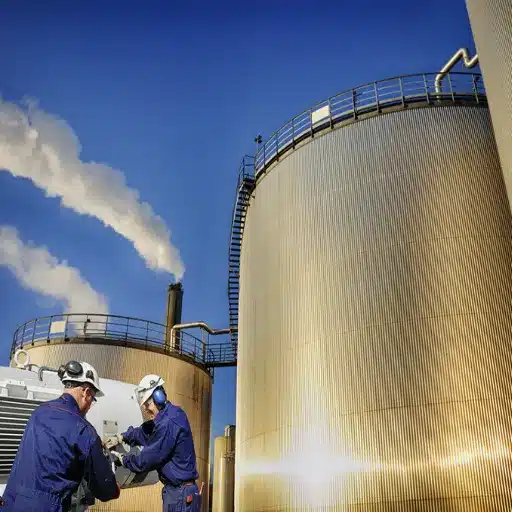
The maintenance of steel oil tanks functions as the primary procedure that ensures tank safety while stopping environmental damage through leak detection methods. The steel tank industry needs its tanks to receive periodic inspections together with maintenance activities, which help extend their operational lifetime by 10 to 20 years. The maintenance process needs to complete fundamental tasks, which consist of checking for corrosion, cleaning tank spaces, and evaluating the strength of the tank structure.
- Corrosion Prevention
Corrosion serves as the main maintenance issue that the steel tanks must tackle. The application of anti-corrosion coatings together with cathodic protection systems establishes an effective method that solves the corrosion problem. The American Petroleum Institute (API) published a 2023 study that demonstrated that advanced epoxy coatings applied to steel tanks reduced corrosion risk by 40% when compared to untreated steel tanks. - Cleaning and Residue Management
The cleaning process requires scheduled cleaning because it helps to stop sludge buildup, which creates pipeline blockages that harm operational performance. The study demonstrated that tanks that underwent cleaning at least once every 12-18 months achieved a 25% improvement in their fuel purity and flow rate. The cleaning process requires the use of non-toxic, biodegradable cleaning agents to fulfill environmental protection requirements. - Structural Integrity Monitoring
The ultrasonic thickness testing (UTT) method serves as a sophisticated technique that enables precise measurement of steel tank wall thickness. The latest UTT device technology now achieves a 98% success rate in identifying locations that exhibit weakness or reduced thickness. The system guarantees prompt maintenance work, which eliminates the risk of major operational breakdowns. - Data Integration and Monitoring
The current bulk oil storage facilities implement IoT-based sensors to continuously track tank conditions throughout the storage period. The current market analysis shows that facilities that adopt IoT technology experience operational cost savings of up to 30% while their productivity levels increase. The sensors generate data about temperature and pressure, and liquid levels, which allows for early identification of potential problems.
The combination of specific maintenance methods with cutting-edge technology enables companies to achieve safe and efficient operations for their bulk oil storage facilities.
Safety Precautions for Bulk Oil Storage
The storage of bulk oil needs three essential components, which include strong building systems, better equipment, and proper safety procedures. The recent study found that fire suppression systems, which include foam chambers and automatic sprinklers, can decrease fire hazards at large storage facilities by 40% when installed correctly. The organization needs to implement complete training programs for its employees because these programs will teach staff members how to handle emergency situations and manage dangerous situations.
The modern facilities use digital monitoring systems to ensure better safety results. The IoT sensors provide organizations with real-time information about tank conditions, which enables them to identify leaks, structural stress, and abnormal pressure levels before these problems become serious. indicate that predictive maintenance programs decrease the risk of equipment failure by 60% while extending machinery operational life by 20%. Secondary containment systems, which include dikes and double-walled tanks, must be installed to stop environmental pollution during spill incidents or leaks.
The implementation of international safety standards, which include API (American Petroleum Institute) guidelines, needs to occur. The standards establish requirements for tank design and operation and maintenance procedures, which help organizations achieve compliance and reduce their legal responsibilities. The combination of safety measures and modern technology enables bulk oil storage facilities to decrease their operational hazards while continuing their daily work activities.
Signs of Damage and When to Replace
The operation requires continuous inspection and observation work to find damage in bulk oil storage tanks. The most common problems that happen over time include corrosion, which shows visible rust and causes structural damage and leaks. Recent data shows that 80 percent of tank failures happen because of corrosion, which primarily affects older tank models. Manufacturing processes need anti-corrosion treatments because these treatments protect against corrosion and safeguard the production of corrosion-resistant materials.
The presence of deformation through bulging and denting creates another way to identify potential damage because these deformations make it impossible for tanks to maintain their proper pressure. The presence of undetected leaks becomes evident through changes in oil levels because these changes do not match expected output and usage patterns. The current industry standard utilizes advanced technologies that include ultrasonic testing and radiographic inspections to detect internal and external problems that are hidden from direct visual examination.
Replacement becomes necessary for organizations when they have exhausted all repair possibilities since repairs no longer allow safe work operations. The storage tank replacement guideline requires tanks to be replaced after their 20-30 year period based on inspection results, material quality, and operational conditions of the tanks. The failure to replace tanks that have reached severe damage levels results in substantial financial losses and environmental pollution, and potential legal consequences. Facilities achieve operational efficiency through active inspection methods and the adoption of advanced tank monitoring technologies, which enable safe operations throughout their entire operational period.
Installation Requirements for Oil Tanks
Site Preparation for Aboveground Tanks
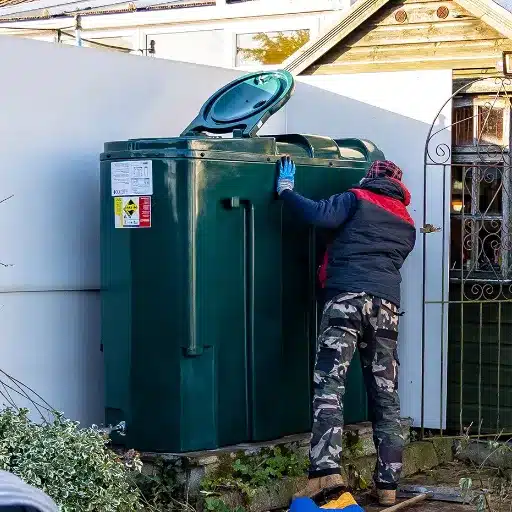
The process of establishing a site needs to be done correctly because it serves as the foundation for both safe and effective installation work on aboveground oil tanks. A site needs to meet industry standards, which require it to be level and stable so that the weight of the tank at its full capacity can safely rest on its surface. The recommended method for preventing tank movement and instability requires the installation of reinforced concrete pads or compacted gravel bases. The area around the facility needs to maintain three feet of open space, which extends to both nearby structures and plants, to enable routine inspection activities and maintenance work.
The procedure for tank installation needs to follow local building regulations, which frequently mandate the installation of secondary containment systems designed to reduce environmental hazards. Recent research findings demonstrate that spills that occur from aboveground storage tanks will lead to soil contamination within a distance of 10 meters when operators do not implement proper containment controls. The implementation of spill prevention measures, which include the installation of overfill alarms together with auto shutoff devices, will effectively decrease the probability of leaks occurring.
The Environmental Protection Agency (EPA) requires that tank installations must be located at a distance from water sources, which include streams and wells, because a single tank leak has the potential to contaminate 1,000 gallons of groundwater. Best practices require that site preparation include regular soil compaction tests together with load-bearing assessments to maintain safety standards and ensure compliance with regulations throughout the entire project duration. The use of advanced installation technology, including remote leak detection sensors, has become popular because it provides businesses with a real-time monitoring system that improves their operational dependability.
Understanding Tank Packages: Pump and Dispense Systems
Tank packages, which include pumps and dispense systems, are designed to enhance safety and operational efficiency, enabling users to handle liquids more effectively. The system, which operates in industrial and commercial settings, uses high-performance pumps together with precision metering devices and durable dispensing units. According to recent industry data, the global market for pump and dispense systems is projected to grow at a compound annual growth rate (CAGR) of 4.8% from 2023 to 2030, driven by increased demand in sectors such as agriculture, construction, and energy.
The systems now incorporate automated flow control and pressure monitoring, which eliminates the need for manual work while it decreases the possibility of accidental spillage and excessive product distribution. Through IoT-based remote monitoring systems, operators can track performance metrics and create maintenance schedules, which enables the system to decrease operational downtime. The results from recent case studies show that automated systems with flow sensors can improve dispensing accuracy to 95 percent.
Environmental considerations also play a key role. Modern systems enable industries to achieve their operational targets while decreasing their environmental impact because they use energy-saving components and materials that comply with rigorous standards.
Regulatory Compliance for Oil Tank Installation
The installation of oil tanks demands adherence to regulations since this process establishes safety measures and protects environmental resources while meeting the legal demands. The essential regulations for a specific location include two primary requirements, which mandate secondary containment systems to stop spills and establish safe installation distances from buildings and require regular leak and corrosion checks.
The United States Environmental Protection Agency (EPA) enforces the Spill Prevention Control and Countermeasure (SPCC) regulations, which require facilities to develop water protection plans that prevent oil spills. The regulations mandate that underground storage tanks (USTs) must have proper tank lining and leak detection systems in order to meet compliance requirements. The EPA reports that modern leak detection technologies in monitored facilities have achieved a 30% reduction of undetected leaks during the past ten years.
The Environment Agency of the UK provides specific regulations that govern oil storage through the Oil Storage Regulations for England. The new installations must use bunded tanks which have the ability to contain 110% of the tank contents. The implementation of these regulations has resulted in a 50% decrease in fuel-related pollution incidents since the rules first went into effect.
Modern monitoring systems enable organizations to monitor tank status through real-time tracking and reporting capabilities, which support compliance efforts. Organizations have adopted smart sensors and IoT systems as standard equipment because these technologies provide essential data that organizations need to fulfill increasing environmental and safety standards.
Reference Sources
-
OSTI (Office of Scientific and Technical Information): Design and construction of in-ground oil tanks at Akita Oil
This source discusses the feasibility study and technical examinations for in-ground oil tank construction. -
Development of analytical fragility curves for cylindrical steel oil tanks – This paper discusses the seismic performance of cylindrical steel oil tanks.
Frequently Asked Questions (FAQs)
What is a double-wall oil tank, and what are its benefits?
A double-wall oil tank serves as a storage tank that contains two separate containment systems. The inner tank holds the oil, while the outer tank protects against leaks and spills. The design provides two main benefits because it decreases environmental pollution risks while creating more durable protection. Industries that need to protect their workers and follow environmental laws prefer double-wall tanks as their primary storage solution.
What key factors should I evaluate to select a suitable storage tank system?
The selection process for storage tanks needs evaluation of three essential factors, which are the stored oil type needed storage capacity, and the selected installation location. The process requires verification that all environmental regulations and safety standards have been met. Storage tanks can be constructed from multiple materials, which include steel and polyethylene, because these materials offer different advantages in various work conditions. Users of the system can choose their desired features, which include both insulation and corrosion protection, to create custom solutions that fit their specific work needs.
What are bulk oil storage solutions, and what benefits do they provide to users?
The solution exists to assist businesses that require storage for substantial oil quantities at their operational facilities. The system produces two primary benefits, which enhance operations and create cost savings while reducing delivery service needs. The system combines modern technology, which delivers secure connection solutions with automatic stock management and protected product distribution systems. The automotive manufacturing and agricultural sectors depend on bulk options because these industries need reliable operational systems.
How can monitoring systems improve the management of oil tanks?
The modern monitoring systems enable users to track tank levels and temperatures and essential operational parameters because they use IoT technology to provide real-time tracking capabilities. The system generates alerts when it detects overfill situations, leakages, or maintenance requirements, which enables organizations to maintain their equipment at peak performance while improving safety standards. The implementation of smart sensors in companies enables them to decrease human error risks, which results in improved regulatory compliance and better operational performance.
What environmental factors need to be considered when storing oil in tanks?
Oil needs to be stored properly because it is necessary for environmental protection. The implementation of double-wall tanks together with additional containment systems establishes effective methods to control leakages and protect the ground from contamination. Businesses maintain environmental safety through their need to follow both local and international regulatory requirements. Businesses should invest in environmentally friendly solutions, which include using tanks that prevent spills, establishing cleanup methods, and implementing energy-saving designs.
Are there specific maintenance practices for storage tanks?
Storage tanks need regular maintenance to ensure safe operations and to extend the lifespan of their equipment. The inspection schedule needs to include assessments of corrosion and structural integrity and leak detection. The process of tank cleaning needs to be done periodically because it prevents sludge buildup, which would result in damage to the stored oil. The advanced monitoring systems of tanks enable easier maintenance through automated alerts that identify problems before they become serious. Equipment requires maintenance according to both manufacturer instructions and industry standards to achieve operational reliability.