The safety of dangerous environments depends on dependable, specialized lighting systems, which need to be implemented. The design of explosion-proof emergency lights enables them to endure extreme environmental conditions while they protect against dangerous ignition risks in explosive atmospheres. The lights provide essential emergency protection in oil refineries, chemical plants, and mining sites because they help to safeguard both people and assets during crisis situations. The article evaluates explosion-proof emergency lighting because it establishes essential characteristics that make it necessary for high-risk environments. The upcoming section will demonstrate how these advanced lighting systems improve safety standards and regulatory compliance for industries that operate under extreme conditions.
Understanding Explosion-proof Emergency Lighting
Definition and Importance of Explosion-proof Features
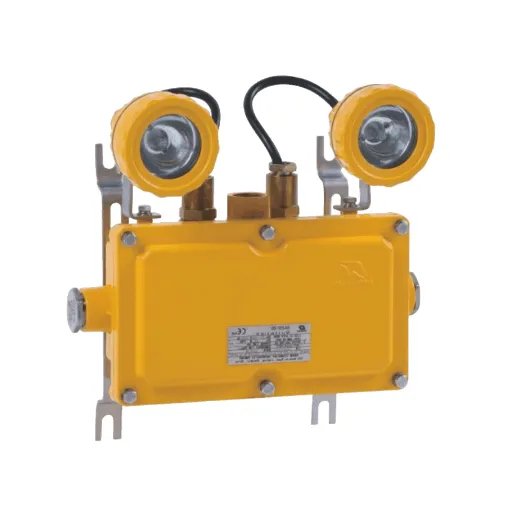
The purpose of explosion-proof emergency lighting systems is to prevent the initiation of fires in locations that contain explosive gases and vapors and combustible dust particles. The systems protect against fire risks because they keep all sparks, heat, and flames inside the light fixture. The technology serves as an essential requirement for businesses in oil and gas and chemical processing, mining, and manufacturing because they need to control explosion risks, which could lead to major disasters.
Explosion-proof systems maintain their first element throughout their entire existence because they need strong construction materials for their assembly. The lights use stainless steel and aluminum alloy as their primary material components, while their sealed enclosures deliver extra security for their protection system. According to current industry research, the global explosion-proof lighting market will grow at a 6.5 percent compound annual growth rate from 2021 to 2028 because high-risk industries show an increasing need for these products.
The emergency lighting systems need to meet international safety standards, which include ATEX regulations that Europe requires and UL certification, which the United States mandates. The lighting systems received certification, which confirms they met performance requirements and can operate in extreme environmental conditions.
Explosion-proof emergency lighting systems protect both people and facilities through their safety-focused design, which follows regulations and incorporates modern technology.
How Explosion-proof Lighting Differs from Traditional Emergency Lighting
Explosion-proof lighting is designed specifically for use in hazardous work environments that have both flammable gases and vapors and combustible dust dangers. The design of explosion-proof lights uses specific materials and specialized designs to create safety barriers that block ignition sources from hazardous materials found in their surrounding area.
The fixtures show their distinction through different methods used to build them. The construction of explosion-proof lights uses heavy-duty materials, which include metals that resist corrosion and glass that prevents shattering. The fixtures meet this requirement because they stop any internal sparks or heat from the lighting unit, which could escape to the dangerous outside environment. Traditional emergency lights need lightweight materials for their construction because these materials do not provide sufficient protection against emergency threats.
Explosion-proof lighting needs to satisfy strict testing requirements and certification standards, which include UL844, IECEx, and ATEX, based on the geographical area. The equipment has obtained certifications that confirm its compliance with safety standards needed for operation in hazardous areas. European ATEX-certified explosion-proof lights must follow specific regulations that control explosive environments and undergo testing in simulated dangerous conditions. The terminals found in traditional emergency lights need fewer compliance standards because their operation occurs in areas that do not present dangerous situations.
The current explosion-proof lighting market shows increasing demand, according to statistics that recent industry reports present. The global market will reach $971.1 million by 2028 because industrial development and safety regulations, and energy-efficient solutions for hazardous locations, create demand. The oil and gas industry, the mining sector, and the chemical manufacturing industry constitute major users of this technology because they use it to protect their workers.
Explosion-proof lighting serves as an essential requirement for workplaces that face hazardous conditions because regular emergency lighting cannot achieve safety and operational requirements.
Key Specifications of Explosion-proof Emergency Lights
Explosion-proof emergency lights are designed to operate safely in dangerous zones, which require safety standards to be met. The product demonstrates its advanced design components and its successful operational performance through the following established specifications and features.
- Durable Construction
Manufacturers create explosion-proof emergency lights using strong materials, which include aluminum alloys and stainless steel. The materials create protection against severe environmental conditions, which include extreme heat and corrosive substances, and physical damage. The products were made to meet all required safety regulations, which include ATEX and UL standards. - Ingress Protection (IP) Rating
The units achieve superior protection against dust and water entry through their high IP ratings, which include IP65 and IP66 and higher ratings. The equipment operates properly in outdoor environments that have high moisture levels, such as those that occur on oil rigs, at chemical plants, and in marine areas. - Long-lasting LED Technology
Explosion-proof lighting systems use high-performance LEDs, which deliver low energy usage and long operating periods of more than 50,000 hours and stable light intensity for their entire operational life. The solution decreases both maintenance needs and associated expenses while meeting the energy efficiency requirements, which are essential for contemporary industrial operations. - Battery Backup System
The emergency lights come with rechargeable batteries, which provide long-lasting brightness during electrical outages. The backup system offers different operational times, which extend from 3 hours to 8 hours or longer, depending on the specific product. - Luminous Output
Explosion-proof emergency lights produce different light output levels, which depend on the specific use case. The common light output options between 1,000 and 10,000 lumens deliver enough brightness to maintain safety and visibility in extensive hazardous zones. - Temperature Tolerance
The lights operate between two extreme temperature ranges, which extend from -40°F to 140°F, because they need to work in environments with extreme cold and extreme heat, which are found in heavy industrial applications. - Mounting Options
Explosion-proof lights can be installed using multiple mounting methods, which include wall-mounted and ceiling-mounted, and portable light setups. The system provides flexible installation options, which enable use in different types of buildings and work environments. - Applications Across Zones
The lights meet zone classification requirements for hazardous areas, which include Class I Division 1/Division 2 and Class II Division 1/Division 2 standards, because they can operate safely in areas that contain flammable gases and vapors and hazardous dust.
The combination of modern materials with intelligent design creates explosion-proof emergency lights that support safety protection throughout dangerous work environments. The systems maintain continuous functionality during extreme environmental conditions, which demonstrates their vital importance for essential industrial operations.
Safety Standards and Regulations
Overview of Relevant Safety Standards (UL, ATEX)
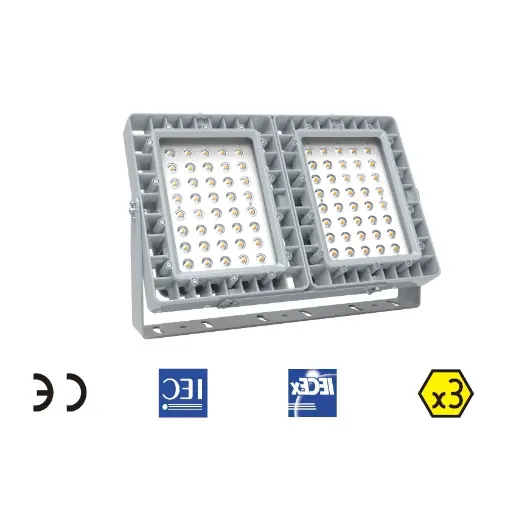
The UL certification process tests explosion-proof emergency lighting systems to ensure they meet safety standards and quality requirements that deal with hazardous environments. The UL 844 standard provides essential requirements for lighting systems used in Class I hazardous locations, which contain flammable gases and vapors, and Class II locations, which have combustible dust. The UL 844 certification process requires complete product testing to assess performance against three types of damage, including heat, corrosion and mechanical stress. Recent developments highlight the need for lighting solutions that provide energy efficiency and extended lifespan while meeting sustainability requirements.
The ATEX directive establishes requirements for equipment used in explosive environments, which must be followed by all European Union member states. The ATEX 2014/34/EU directive establishes safety standards that certified explosion-proof emergency lights must meet for their equipment. ATEX regulations divide hazard zones into three categories, which include Zone 0 and Zone 1, and Zone 2 for gases, and Zone 20 and Zone 21, and Zone 22 for dust. Explosion-proof LED lights, which use modern technology, meet ATEX standards to reduce operational risks that exist in petrochemical plants and refineries and grain storage facilities.
Key Data and Trends
- The global explosion-proof lighting market will experience a compound annual growth rate of 7.2% between 2023 and 2030, according to a recent study. The industrial sector experiences growth because of increased industrialization and the implementation of strict safety regulations.
- LED-based explosion-proof emergency lights dominate the market, which provides a lifespan of 50,000 hours and energy savings that reach 60% when compared to traditional lighting solutions.
- The adoption of UL and ATEX-certified products by North America and Europe has become an industry standard, which Asia-Pacific regions are now beginning to follow because their industrial infrastructure continues to expand.
These safety standards enable explosion-proof emergency lights to achieve compliance while delivering reliable performance in hazardous environments through their energy-efficient design and extended operational lifespan.
Classifications of Hazardous Locations
The classification system for hazardous locations separates areas into different categories based on their potential to contain flammable gases and vapors and combustible dust and fibers, which can ignite under specific situations. The established classifications serve as essential guidelines for selecting appropriate safety protocols and necessary equipment to maintain safe work environments.
The system divides classifications into three main parts, which include Classes, Divisions, and Zones. The system operates according to the following classification system:
1. Classes
- Class I: Locations that contain sufficient flammable gases or vapors need to be treated as dangerous areas that can produce explosive or ignitable mixtures. These materials are usually found in oil refineries, chemical plants, and fuel servicing facilities.
- The OSHA data shows that Class I locations were responsible for 65 percent of hazardous environment accidents that occurred in the energy industry.
- Class II: The area contains sufficient ignitable combustible dust, which can lead to fires at grain elevators, combustible powder processing plants, and metal powder facilities.
- Studies show that more than 500 dust explosion incidents happen every year across the world because Class II locations serve as the main sources of these events.
- Class III: Production facilities for textiles, woodworking, and paper products operate in areas that can easily ignite through their existing processes.
2. Divisions
The system divides each class into two separate divisions, which exist as independent entities.
- Division 1: Indicates conditions where hazardous materials are present under normal operating conditions.
- Division 2: Describes situations in which hazardous materials get stored and handled during emergency situations.
3. Zones (IEC-Based System)
The international IEC system divides hazardous locations into Zones according to how often hazardous substances become present in the area outside of North America.
- Zone 0: Areas that contain explosive atmospheric conditions persist throughout the day and night or for extended time periods because they exist inside fuel tanks or pipelines.
- Zone 1: Locations where explosive atmospheres are likely to occur during regular operations.
- Zone 2: Areas where explosive atmospheres are not regularly present but may arise for short durations.
Statistics and Industry Trends
- MarketsandMarkets published a report that forecasts the hazardous location equipment market growth through 2028 at an annual growth rate of 5.5 percent because of strict regulatory standards.
- The petrochemical, pharmaceutical, and mining industries have achieved better safety compliance through the global implementation of IEC and NEC classification systems, which has resulted in a 30 percent reduction of explosion incidents during the past ten years.
Industries can achieve their best operational efficiency through the correct use of certified safety systems, which correspond to specific hazardous location classifications.
Compliance and Certification Processes
Some rules provide for the control of the design of electro-mechanical systems that are in hazardous locations, and give certification for compliance. These bodies would include the NEC and IEC. As an example, the International Electrotechnical Commission Explosive Atmospheres (IECEx) scheme sets out the standards to be met in the design and construction of protective equipment for explosive atmospheres. In a similar vein, there are many classification codes and standards specified by NEC based on the magnitude of the hazard associated with the type of ambience existing and how often such a hazard is likely to occur or what type of explosion-proof emergency light will be required for that application (Class I Division I).
A recent research report extrapolates assurances that the hazardous environment equipment market with global operations is projected to reach around $14.8 billion, valued at the rate of 5.2 % compounded annually till the year 2030. The industries have grown, and there has been demand to avoid the negative impact of poor safety measures at workplaces and facilities like oil drilling and chemical/manufacturing plants, grain storage, and so many others. The evolution of technical knowledge, where, notwithstanding any deviation from safety regulations, assessments of processes can be determined and predicted with, for instance, the use of new wireless devices for dangerous areas such as the wireless explosion-proof emergency light, will also come into play.
To obtain certification, several stringent inspection methods for the material and/or components under extreme environmental conditions are required to test their penetrability. Evaluation methods, such as cassette, case study tests, grading tests, and assigning an ingress protection mark (otherwise referred to as an IP mark), may be some of them. Companies may liaise with certification bodies such as UL, FM Global, and TÜV Rheinland. This helps to ensure that appropriate protective measures meet global safety requirements. More so, in order to avoid any waiver of safety or regulations, it is as critical as procedures to adhere to the correct documents for customs checks and verification. This is the functionality of an explosion-proof emergency light.
Installation Guidelines for Explosion-proof Fixtures
Best Practices for Installation in Hazardous Areas
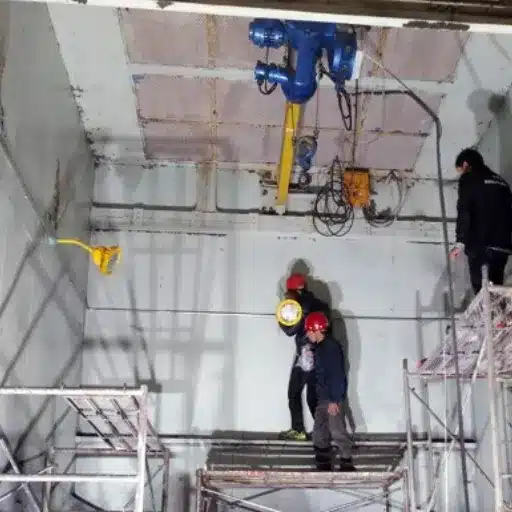
To begin this piece, there is a need to point out that when explosion-proof installations are to be placed in environments that are considered hazardous, planning will be done comprehensively, and all safety measures will be taken so that hazards are minimized right from the start of operation. Each of these steps is comprehensively explained below:
1. Identify the Level of Hazard in the Specified Area
- Ascertain a specification of the hazardous area in accordance with international codes like NEC (National Electrical Code), or IEC (International Electrotechnical Commission); for example Class I through Class III, and Zones or Divisions even if that means Zone 0 or Zone 1 or Zonal Zero though there was some undue apprehension as to whether such materials have ever been present and if so, for how long.
2. Use Explosives Fully Capable of the Task and Class
- All waveguides must include adequate labeling, such as manufacturer name and ATEX standards or IECEx, etc., for EES and all explosion-proof emergency light assemblies. An example of that ATEX qualified equipment is usually manufactured in Europe to satisfy the underlying structure of Europe’s safety regulatory measures approval, i.e., European norms.
- It has been established that more than thirty percent of safety events in hostile environments are the result of defects in equipment, an indicator that using the correct equipment is vital, or else, the equipment fails.
3. Install in Accordance with the manufacturing instructions
- Read the guidelines from the manufacturer and follow them precisely as recommended. The guidelines include detailed instructions to ensure that the equipment will be properly installed, wired, earthed, and adequately enclosed. This helps prevent any warranties from being rendered invalid in the absence of such requirements.
4. Sealing and Wiring Practices that Avoid Explosions
- using suitable explosion protection fittings to seal conduits and junction boxes to avoid entry of gas, dust, etc. Apply the appropriate sealant and check the connections for any loose joints.
- As for the wiring, use cables that are suitable for dangerous areas; examples include armoured cables as well as safe cables in and of themselves. This reduces the possibility of short-circuiting and sparking.
5. Inspection and Servicing regularly is Necessary.
- Perform routine evaluations in accordance with the OSHA or other relevant codes. In particular, ensure no components are worn, loosely fitted, rusty, or dusty, as any of these factors will lead to equipment damage.
- One research study released in 2022 states that the likelihood of dangerous accidents can be decreased by as much as 40% with preventive maintenance activities.
6. Facilitating Effective Ventilation Methods
- Make sure that the environment is equipped with appropriate ventilation in order to prevent the accumulation of explosive gases and dust. The explosion risk in a confined space can be dealt with by the use of ventilation.
7. Electrical Earthing and Strapping
- All equipment and installations should be grounded in order to avoid the accumulation of static charge capable of initiating combustion of inflammable substances. Ensure continuity of bonding through conventional practices.
8. Deployment of Explosion-Resistant Structures
- Install the appropriate enclosures for explosive atmosphere zones. Such enclosures help to keep hazardous conditions contained by blocking sparks or flares from entering the air.
9. Conduct Comprehensive Personnel Training
- It is very significant to train the workers on the proper methods of installation, operation and maintenance. Ensure to inculcate awareness up to the last personnel of the facility on area classifications and identify hazards.
10. Post-Installation
- Testing activities after installation must include: continuity testing, terminal screws torque, and seal integrity.
- Use devices such as thermal imaging cameras to allow the identification of hotspots or electrical faults that threaten the safety of the users.
When these are in place, safety risks within a hazardous workplace are considerably reduced, hence making it possible for adherence to the industry’s regulations and minimal possible violations.
Maintenance and Inspection Recommendations
Routine inspection and preventive maintenance are imperative in equipment with potential danger areas to prevent hazards. Recent studies on the topic say that consistent maintenance strategies reduce the cases of equipment malfunction by a factor of three. Adhering to the best practices entails the following:
- Visual Inspections: Carry out visual inspections for any visible indication of excessive wear, rusting, or any type of damage, often and regularly. It is stated that such preventive and remedial actions even allow for the control of the age of seventy percent of the equipment.
- Scheduled Maintenance Procedures: Considering statistics, proper maintenance scheduling and execution can only be done with the availability of measurement and reporting tools. Performance of the enterprises has also been demonstrated to be far superior with the use of predictive preventive maintenance equipment, since there can be 25% improvements.
- Record Keeping and Trend Review: Extensive logs should be kept of the inspections, repair work, and the replacement of equipment components. Analysis of past trends helps recognize the problem areas well in advance and thus helps in scheduling the solution at the precise moment. Exploiting historical data, for example, can help reduce unforeseen delays by as much as 50%.
- Engagement of Advanced Diagnostic Tools: Non-invasive procedures such as ultrasonic inspections, vibrational measurements, and IR thermography can be used to identify such anomalies. For instance, a recent study published in 2023 revealed that businesses adopting new age diagnostics made them 15% more effective in terms of use of their equipment.
In a well-regulated environment, with the given comprehensive approach, sores avoid any possible dangers, conform to stringiest safety standards, and go beyond expectations in operation.
Common Installation Mistakes to Avoid
- Mistaken choice of sizes
Incomplete or inappropriate sizes of equipment are one of the common mistakes during its installation. It has been reported recently that about 40% of equipment failure is as a result of mismatching systems and capacities. Equipment that is either too large or too small causes inefficiency, frequent breakages, and if not properly looked after, can greatly contribute to operating expenses. - Wrong Alignment of Machines
This can cause the machinery to vibrate, become noisy, and wear unevenly, thereby requiring her to fix it expensively. Studies show that alignment issues contribute to about 30% of mechanical downtime in industries. With the use of modern technologies, such as laser alignment systems, it is possible to eliminate these risks. - Inadequate Wire Joints
Electrical installation walls would include paintable ceilings having explosion proof emergency light at the entrance. Inadequate or, worse, loose electrical connections can lead to these issues easily, be it overheating or short-circuits. According to some current written works, given that more than twenty-five percent of all the faulty equipment is due to electrical failure, all installation processes have to be carried out by observing enhanced electrical safety. - Non-adherence to Manufacturer Instructions
As any manufacturer will attest, it is not only about the effectiveness of the system in place but also the warranty associated with it that is jeopardized once the installation manual is ignored. Sources emphasize that as much as 20% of all failures after installation in some industries are due to non-conformity to guidelines. - Poor Testing After Installations
However, a lack of proper post-installation testing can mean that certain problems may go unnoticed to the detriment of performance. According to data, when businesses engaged in regular post-installation and diagnostic activities, they cut down time by over 18%. - Industrial explosion-proof emergency light
By discussing Installation Instructions, these common errors, and applying data-driven strategies, companies are able to improve efficiency and extend the life of their machinery, in addition to cutting costs dramatically.
Maintain very sensitive equipment, such as an explosion-proof emergency light that otherwise would have cost a fortune.
Industry Applications of Explosion-proof Emergency Lights
Oil and Gas Sector Requirements
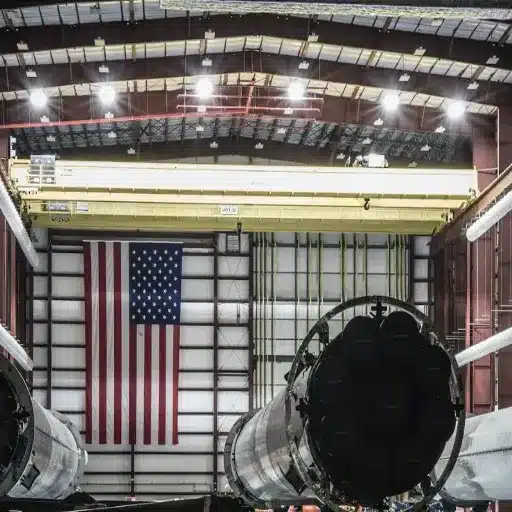
In the oil and gas industry, explosion-proof emergency light becomes significant more important than ever because of the operations thereof that are highly risky of causing injury or harm. A recent market research forecasts that the global explosion-proof lighting industry will grow at a compound annual growth rate (CAGR) of 6.7% from 2023 to 2030, attributed to the strict implementation of safety measures and the rise of energy production activities. With such interferences as flammable gas and combustible dust, there is still a possibility for them to function properly and help facilitate users who may cause blackouts or emergencies when needed.
One of the most demanded products/priorities in oil and gas production is lights and equipment that meet given standards like ATEX and IECEx, as they allow safe and efficient handling of processes. Further advances had been made in technology, and LED made it possible to produce the explosion-proof emergency light that consumes less power and is not affected by very high or low temperatures. So as to elaborate, nowadays equipment can operate within 40 degrees to 140 degrees Fahrenheit without anywhere close to previous electricity consumption costs, i.e., one notch down by 50%. This mode of operation minimizes the running of overheads since maintenance is made easy and there is no blowing of the devices even at the highest curve, which in itself is a jar of water.
The available data also shows that approximately three-quarters of areas in the world, including offshore oil and gas operations, have incorporated explosion-proof emergency light systems, further explaining how the elements have become more essential with regard to safety and efficiency.
Chemical Facilities and Safety Lighting Solutions
Chemical structures demand safety; as such, there are guidelines and standards that every institution has to abide by when it comes to choosing the appropriate lighting system. This is because improper lighting can result in accidents. Recent industry statistics indicate that explosion-proof lighting refers to enclosed lights that restrict the entry of air in the vicinity of dangerous gases or explosive dusts due to enclosed lighting sconces and light design.
Findings show that when such systems are installed in a workplace, accidents associated with the workplace decrease by the factor of 30% due to additional lighting, which is safe for the context. Furthermore, the development of energy-efficient light weapons, which incorporate explosion-proof emergency light fixtures in an LED version, shows that the energy consumption is minimized by 60 percent, supporting the view of environmental sustainability of most of the chemical plants. Moreover, the data presented for the year 2023 shows that the CAGR of hazardous area lighting installations’ safety features is expected to be 7 percent for the next five-year period.
The rising interest in and use of innovative technologies is actually increasing the efficiency of such lighting systems. The introduction of new concepts, such as IoT lighting conditions, allows continuous surveillance and adjustment without any delay to any risk element, preventing the danger from materializing. This increased effectiveness is not just contributing to occupational health and safety, but also aiding businesses in the avoidance of legal or enforcement issues, such as the National fire protection agency regulations, as well as OSHA requirements.
There are some solutions against this problem of identifying the areas that should not be given any light, like some illuminated soccer-shaped rings for faster movement; another example is a self-inflatable, explosion-proof emergency light.
Mining Operations: Special Considerations
The essential fact is that there are many challenges facing the application of safety lighting systems in mining, and understanding them is imperative. For instance, these environments are characterized by poor visibility and excessive hardness, which requires tough and well-engineered solutions. Most of the lighting systems installed in mining sites are made of LED lights because they have many advantages, such as being durable, consuming less energy or electricity, and having smoke-free lighting. Past studies have revealed that the energy consumed by these lights is almost 75% less than that of a common incandescent bulb and can last for over 25 times, very helpful to miners who always do shift work, and such.
In the same way, yes, there will be certain positions in the coal mine where using an explosion-proof emergency light won’t make any sense, rinse them out instead; but, obviously, otherwise, there isn’t any other solution within a pit.
As per 2023 research, more than 70% of the mining companies surveyed said that they had switched to LED light sources, and the few that had not yet implemented the lighting systems indicated their intention to do so in the next two years. This trend has been driven partly by regulation and partly by the desire to reduce the cost of operation. Additionally, even the introduction of the explosion-proof emergency light or smart monitoring, including sensors to underground operations, is being designed to help capture all possible hazards, such as explosions and the collapse of the walls of the caves on time. These devices have integrated sensors which help figure out and assist in operating the lights and serve for the reduction in waiting and injury of staff with its activities conducted remotely and condition-based maintenance.
The vegetation clean technology causes a penetration of and brings in possibly further miles for many advances. As an illustration, in many resource utilization careers, it has become common to design scaffold towers with sun-filled lighting masts for lighting equipment serving in rural areas. This is intended to reduce the use of diesel-driven power units and consequent greenhouse gases and emissions as well. There is also an image that this type of formulation helps the industrial aim of achieving the goal of net-zero emissions. They invested additional funds into more sophisticated safety illumination, and this allowed improvement of efficiency for the operations relating to mining, whilst also ensuring the health of miners and the preservation of the green initiatives.
Reference Sources
-
DOD-HDBK-289(SH): Lighting on Naval Ships – A handbook discussing explosion-proof lighting on naval ships.
-
Safe Lighting Practices in the Shipyard Industry – OSHA guidelines on explosion-proof lighting in shipyards.
Frequently Asked Questions (FAQs)
What is an emergency light fit for dangerous and explosive environments?
An explosion-proof emergency light is an emergency light that is configured to be suitable for flammable gases, liquids, or dust-laden environments. Such lightings are constructed in a way that no flame or flame-producing materials escape the inside of the fixtures even if a fault occurs. These lights are used in service hazardous areas, from ensuring the personnel’s safety to the properties, which are fundamental.
Where can I find an explosion-proof emergency light?
There is a possibility of an explosion-proof emergency light in places that have any chances of Sulphur, oil, or fuel. The reason is that these places do not accommodate heat, and therefore, there should be lights in compliance with anti-explosion standards. There should be only safe or explosion-proof approved lighting used in some of the areas.
How do explosion-proof emergency lights increase safety for workers?
In case of power loss or emergency in such areas, these light fixtures are important because without them, one would be working in the dark. Explosion-proof emergency lights enhance safety in and out for workers through lighting enough in case of any exit searches, and this, in turn, helps avoid injuries. Explosion-proof emergency light structures help mitigate such accidents through their design, which limits the hazards of electrical problems.
What proof is required for installing hazard lighting?
It is important to note that an explosion-proof emergency light should be certified and meet endorsement as well as regulatory standards that vary from one case to another and from one geographical location to another. The impediments to some areas may involve fittings which carry particular approval certificates and declarations of conformity, for example, ATEX, Underwriters Laboratories (UL) or IECEx for functioning in explosive restricted environments. The danger and the source of these materials may differ, but it is always required to avoid the ignition of these materials.
Are there energy-saving explosion-resistant lamps?
Currently, almost all explosion-proof emergency lamps use LED (light-emitting diode) technology since they are effective and save power. Therefore, energy usage is less compared to the conventional lamps, and they last longer. Also, the industry needs to curb energy expenditure and reduce the impact of the activities on the environment, hence the availability of energy-saving options.
Are explosion-proof emergency light fixtures available with a solar option?
Yes, some explosion-proof emergency lights are solar powered. This is ideal for facilities in remote areas, such as a mine, where power supply might be a challenge. Solar-powered lighting cuts off the need for fossil fuel use and the accompanying running expenses, without interfering with the industry’s policy on sustainable development and attainment of the net-zero emissions target through industrial activities.