Pumping Gas: The Basics
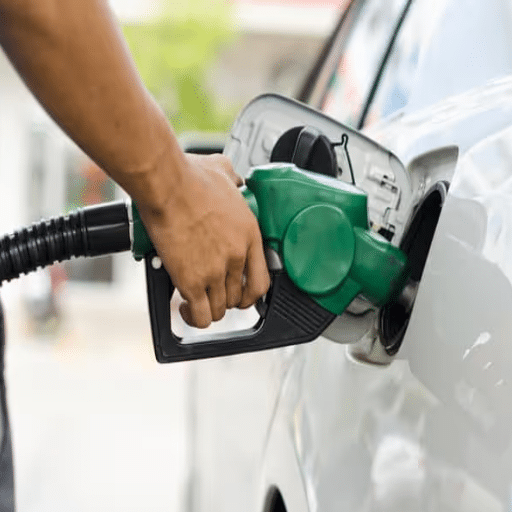
When you refuel your vehicle, there are several basic things to remember. The first is that fuel is temperature-sensitive, so the cooler fuel is denser and gives a little more energy per gallon. When it’s cool, fueling in the early morning or late evening might be a good idea to get the most efficiency. Another thing is that using a slower pump speed will help prevent vapor loss, which means that more fuel will stay in your tank rather than evaporating. Lastly, do not fill your tank to the brim as this may cause the fuel to spill or to be sucked up by the gas station’s vapor recovery system, therefore, waste money and cause unnecessary emissions.
Understanding the Gas Pump
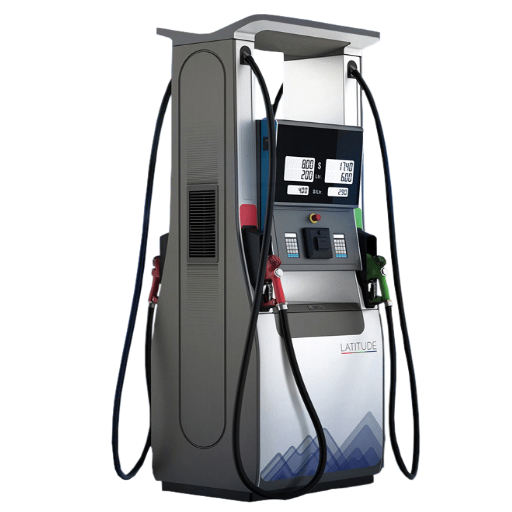
Gasoline dispensing machines are not only complicated constructions but also have very strict rules on how the gas and oil must be delivered to the pumps. The gas nozzle is pulled, and then a mechanical pump leads the fuel through the pipeline. To avoid accidents, pump manufacturers have installed flow control devices, for instance, the automatic shut-off feature, which depends on a small Venturi sensor. When the fuel reaches the nozzle’s tip, the sensor detects the pressure change and stops the flow to avoid overfilling the tank.
Moreover, the vapor recovery system, which is a part of the gas pump, captures fumes that are released during the process of fueling and prevents these fumes from polluting the environment to a very large extent. Usually, these systems are set up by regulations that prohibit the emission of harmful hydrocarbons into the air by pumping them back into the storage tanks or treatment processes.
Thanks to the precision pumping and measuring systems, the pricing of the gas is kept under control. The pumps have internal regulators, which are used for accurate fuel flow measurement, and thus, government standards are met. The consumers are then presented with the electronic display showing the readings, which are detailed and accurate. The complex design of the system guarantees the transfer of fuel in an efficient manner, along with safety and compliance with environmental and legal requirements.
How Fuel Dispensers Work
Fuel dispensers are a combination of mechanical, electronic, and hydraulic systems, ensuring the transfer of fuel from the storage tanks to the vehicles in a safe and efficient manner. To start the process, there is an internal pump that creates suction to pull up the fuel from the underground storage tanks. The fuel then goes through several filters, which make it clean before the flow meter. This flow meter is a significant part, very precisely adjusted to indicate the exact amount of fuel dispensed.
Then, the fuel moves through a pipe, which has sensors that check the pressure and flow, to the nozzle. The nozzle has a self-activating shut-off valve, which is meant to stop the fuel flow when the tank is full, thus preventing spillage. The electronic systems are synchronized with the mechanical parts and are transmitting the information relating to the fuel amount, price, and flow rate to the dispenser’s display for the consumer’s notice. Regulatory measures guarantee that these systems are always accurate and safe, thus meeting the environmental and industry compliance requirements. Fuel dispensers are a product of engineering precision and tough design combined; thus, they are indispensable in the refueling process.
The Science Behind Pumping Speed
The rate at which fuel is pumped from dispensers is the result of a mixture of fluid dynamics, mechanical engineering, and regulatory standards. On the one hand, the pumping speed is mainly determined by the power and configuration of the motor of the pump, the diameter and length of the delivery hoses, and the pressure built up in the system. Centrifugal pumps or positive displacement pumps are commonly used, and each type is designed to work at the highest flow efficiency and delivery rate consistency.
Moreover, the control of the flow rates is very precise so as to guarantee both speed and accuracy. Flow restrictors and pressure regulators are used to stop over-delivery or turbulence, thereby keeping accuracy even when the pump is operated at different levels. For example, the typical dispensing rates for consumer pumps are 10-40 liters per minute, while in high-flow commercial applications, such rates can even go beyond 120 liters per minute. Moreover, the adherence to safety and environmental regulations, such as not obstructing the vapor recovery system’s operation, also has a bearing on the maximum speeds allowed. Dispensers come to a pumping process that is both dependable and efficient while complying with the standards of the industry and law by working out these factors together.
The Benefits of Pumping Gas Slow
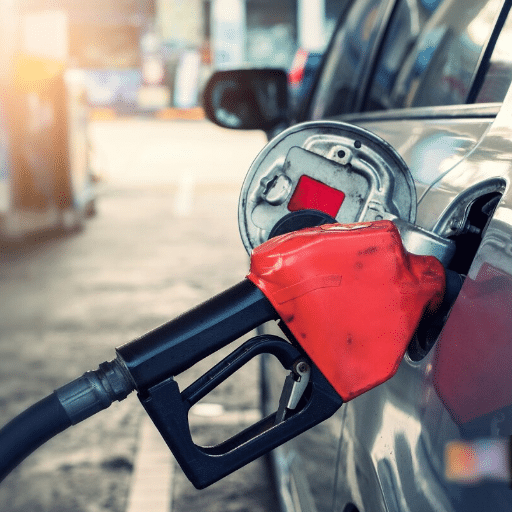
The practice of slower gas pumping has different advantages, and the main ones are outlined below. One of the main benefits is that it protects the environment and keeps it clean by reducing the chance of accidental spills as a result of less splashing during refueling. To add on, the decanting process is slow, which results in less vapor coming out from the tank, which indirectly leads to increased fuel efficiency, thus less air pollution. Furthermore, using the slow method for refilling saves the vapor recovery system from being damaged; this system is very important for meeting the standards of the environmental regulations. So all these benefits combined make the process of fueling a lot safer and environmentally friendly.
Slower Gives You More Gas
Choosing a slow flow rate when fueling your car has both practical and technical benefits that will make your car run better and be more environmentally friendly. The best sources on fueling efficiency and environmental impact say that gas pumping at a slow speed reduces the amount of fuel vapor and spillage. Fuel vaporization is when gasoline heats up and becomes vapor; thus, the volume of your tank receiving liquid fuel is reduced, and air pollution increases. By pumping gas slowly, you get a smoother fuel flow, and the true amount of fuel is measured more accurately.
Moreover, slower fueling is also a way to prevent the disruption of your car’s vapor recovery systems. These systems are created to hold fuel vapors and stop them from going into the air, serving important functions that correspond to environmental regulations. Fast pumping and overloading can lead to a reduction in these systems’ effectiveness and the release of noxious gases. In addition to that, through steady, slow fuel flow, you will not only get the fueling stations to last longer but also promote them to be less operationally risky and thus cheaper to maintain.
Lastly, a slow fueling rate minimizes the chances of overflowing or splashing, which means no waste and less risk of harm from spilled gasoline, such as chemical exposure, fire hazards, and contaminating the environment. These benefits illustrate why a slow fueling pace is a slight but very important step to power efficiency, waste reduction, and compliance with legal and individual standards.
Preventing Fuel Spillage
Preventing fuel spillage is of utmost importance for safety, environmental protection, and cost savings. The drivers and operators should, however, be very careful and follow the best practices to this end. The first one is to always refuel vehicles and equipment on a level surface so that stability is maintained and overflows are prevented. Using automatic shut-off nozzles is preferred to minimize the possibility of human error during refueling. Keep a constant watch on fuel levels while dispensing so as not to go beyond tank capacity, and stop immediately when the nozzle clicks or signals that the tank is full.
In addition, be sure that all caps and seals on fuel tanks are tight to eliminate the risk of leaks during operation or transport. Regular maintenance of fueling equipment is a must to eliminate the problem of malfunctioning nozzles or hoses that can cause spillage. Finally, refueling should be done away from water, drainage points, or storm sewers to lessen the impact on the environment in case of accidental spills.
Key Takeaway: The combination of sticking to these strategies and regular training on fuel handling procedures will greatly reduce the risk of spillage, thus meeting the requirements of both the environment and safety regulations.
Minimizing Vapor Loss
The significance of reducing vapor loss cannot be overstated, as it is the chief contributor to the environmental impact and non-compliance issues with air quality standards. The release of VOCs to the ambient air is mainly due to vapor loss that happens during the evaporation of fuel in storage, transport, or dispensing. One of the most recommended ways to reduce vapor loss is through the use of vapor recovery systems that trap and recycle the fuel vapors instead of letting them go during refueling operations. Moreover, it is vital to have storage tanks fitted with floating-roof or pressure-vacuum relief valves which will prevent evaporation due to temperature and pressure changes. Also, sealing components such as gaskets and fittings have to be checked and maintained regularly to ensure that the leaks contributing to vapor loss do not occur. These measures taken together will not only result in a systematic reduction of VOC emissions, but will also increase fuel efficiency and compliance with both federal and state regulatory agencies.
The Advantages of Pumping Gas Fast
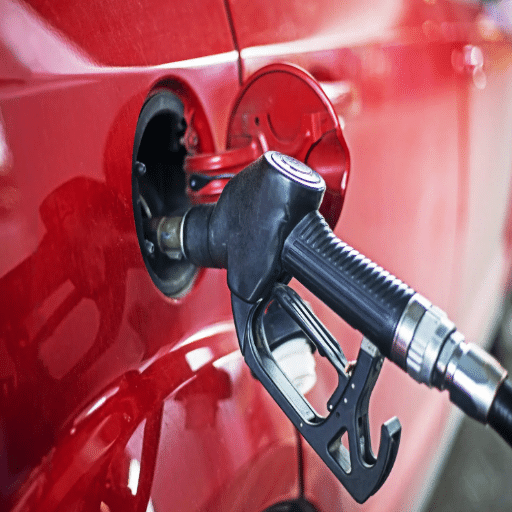
When gas is pumped at a quicker rate, the time taken for refueling is reduced, which is a way of saving time for drivers. Moreover, contemporary petrol station pumps are made in such a way that they do not allow any spillage or loss of vapor even during high-flow transactions; thus, they are eco-friendly without compromising safety or environmental standards. Speedy refueling is very helpful at times of heavy traffic, as it contributes to reducing crowding and enhancing the customer experience as a whole. However, one still needs to adhere to the manufacturer’s recommendations to prevent overfilling, which is a cause of wastage of fuel.
Time Efficiency at the Pump
Several elements influence the time efficiency of using the pump, such as the construction and speed of fuel dispensers, the management of queues at gas stations, and the behavior of customers. The use of high-speed pumps ensures that no time is wasted in delivering fuel, and at the same time, modern safety features are in place to prevent accidents and loss of vapor. Gas stations that have several fueling points and good traffic flow planning see reduced waiting times even during peak hours. On top of that, customers can make the process more efficient by choosing pay-at-the-pump options and adhering to station rules for smooth operation. The interplay of these actions results not only in quicker refueling times but also in a more efficient experience for drivers and gas station personnel alike.
Full Speed Fuel Dispensing
The full-speed fuel dispensing systems are designed to cut down on refueling times while ensuring safety and accuracy. These systems feature high-flow nozzles which can pour fuel at speeds ranging from 10 gallons per minute for passenger cars to even higher rates in the case of commercial and industrial. Accurate delivery is ensured by advanced flow meters and precision sensors together which also stop overfilling or spilling. Moreover, high-quality filters block the entry of contaminants to the vehicle’s fuel tank, thereby gradually losing engine performance. Besides, today’s dispensing technology incorporates vapor recovery systems, which not only cut down on undesirable emissions but also comply with environmental regulations.
In order to achieve maximum efficiency, the petrol stations have adopted ergonomic nozzle designs and automatic shutoff systems, being able to stop fueling when the tank is full, thus preventing fuel loss and avoiding safety risks. If the equipment is properly maintained, it will not cause downtime, as regular inspections will attend to wear and clogging in the dispensing mechanism. The stations are also optimizing the layout and payment systems, which include contactless payments and mobile apps, all this just to enhance customer experience and reduce transaction time even further. All these technological advances combine to provide fast, safe, and eco-friendly fuel that meets the needs of today’s drivers and industries.
Modern Fuel Technology and Fast Pumping
Today’s fuel technology is based on the pump efficiency, the fuel quality, and the automated control systems, which together speed up the refuelling process while putting safety first. New high-capacity fuel pumps, for instance, will be the industry capable of the fastest delivery rates without sacrificing the equipment’s wear and tear and measurement precision. To make it even more efficient, the upgraded vapor recovery systems will not only come to your rescue with the enactment of the environmental regulations by capturing fuel vapors during dispensing, but will also help you in reducing the overall emissions into the atmosphere.
Moreover, the digital tech incorporates sophisticated monitoring technology in order to have real-time detection of fuel flow rate and eventualities. The smart systems, consisting of the pump controlled via the app and the pay-at-the-pump option, have user-friendly built-in features that guarantee convenience and reliability. The industry breakthroughs in biofuel compatibility and ultra-low sulfur diesel have made it possible to achieve cleaner combustion and thus reduce carbon footprints, which are in line with the world’s sustainability goals. The innovations that have been integrated thus far not only emphasize the rapidity of the energy sector solution but also the environmental consideration.
Comparative Analysis: Slow vs Fast Pumping
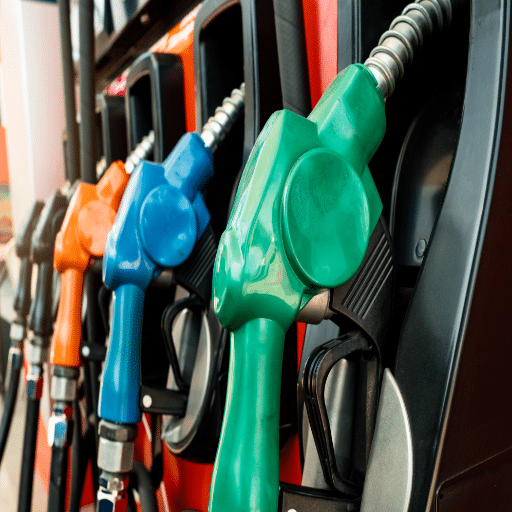
The slow and fast pumping techniques have different benefits, which depend on the context in which they are applied. Slow pumping is usually more accurate and reduces the possibility of overflows and spillage to such a degree that it can be considered the best option for smaller tanks or critical situations where accuracy is the top priority. Additionally, this method lessens aeration, which has the added benefit of improving fuel quality in certain sensitive applications. In contrast, fast pumping is an environmentally friendly and therefore preferred option that uses time efficiency as its main advantage by cutting refueling times down to very small fractions, especially for large vehicles or fleets. It is the option for areas with a very high-refuel-demand, and time constraints are the main concern. The two methods are equally effective but support different operational needs, highlighting accuracy or speed according to the circumstances.
| Aspect | Slow Pumping | Fast Pumping |
|---|---|---|
| Accuracy | Higher precision in fuel measurement | Slight variations possible at high flow rates |
| Time Efficiency | Longer refueling time | Significantly reduced refueling time |
| Vapor Loss | Minimal vapor emission | Controlled by modern vapor recovery systems |
| Spillage Risk | Very low risk | Low risk with automatic shut-off systems |
| Best Use Case | Small tanks, precision-critical situations | Large vehicles, fleets, high-demand areas |
Cost Implications of Pumping Speed
The financial aspect of pumping speed is not a simple issue, as it involves both short-term and long-term considerations. The drawback of slow pumping, which has the benefits of increasing accuracy and cutting down on spillage, is that it can lead to increased labor costs if the refueling time is extended, particularly in areas where labor is expensive. Also, equipment for precision pumping could be considerably costly initially, though the cost might be offset by savings from better fuel utilization and less waste in the future.
On the flip side, the fast pumping systems are usually more economical in their operation in case of high demand. The time saving in refueling is so significant that it could be reported as a direct increase in the operational efficiency of the concerned organization, thus making it possible to reduce fleets of vehicles to a minimum and to increase productivity to the maximum. Nevertheless, fast pumping equipment is usually very sturdy and may need to have additional maintenance or upgrading for handling the higher flow rates, which in turn, could mean that the maintenance costs would be higher than ever.
Important Consideration: Companies are to evaluate their unique operational requirements very cautiously, since they would have to weigh the initial and recurring costs of the pumping speed against the possible productivity gains or efficiency improvements. The best decision depends on the size of the operations, how often the refueling is done, and the preference for precision or speed.
Environmental Considerations
The aspect of pumping systems that affects the environment has a wide range that includes energy consumption, emissions, and, assuming there is even contamination. In general, high-speed pumps are more energy-consuming and thus carbon emissions are higher unless they are fed by renewable energy sources. The environmental impact of these systems varies directly with their operational efficiency; correctly maintained equipment does not contribute to energy waste, while poor maintenance leads to energy loss. Spillage or leakage, which is a problem with high-flow-rate systems, might compromise soil and water sources, hence the need for strong containment measures. Also, an organization must stick to the law; non-compliance with environmental regulations, e.g., the Clean Water Act or ISO 14001, results in fines and hampers sustainability efforts. Usage of non-toxic materials, applying energy-efficient techniques, and observing strict maintenance rules are some ways to lessen environmental impacts while keeping the systems effective.
Consumer Preferences and Experiences
The preferences of consumers are more and more determined by the three main factors, which are sustainability, transparency, and innovation. Studies that are being carried out these days suggest that consumers are more inclined towards the brands that adopt eco-friendly practices, use recyclable or biodegradable materials, and communicate their sustainability efforts clearly. Further, the concern of personalization has been raised to a more significant level, whereby the buyers go for the products that are specifically made for their needs or wants. The digital experiences are also a major factor; smooth online interfaces, personal recommendations, and quick delivery significantly contribute to customer satisfaction. Reports from the most significant market trends show that easy access, ethical production, and excellent user experience are the main forces that are influencing the purchasing habits of consumers today. Meeting such expectations is necessary to keep an edge over the competition in markets that are diverse.
Modern Fuel Dispensers and Efficiency
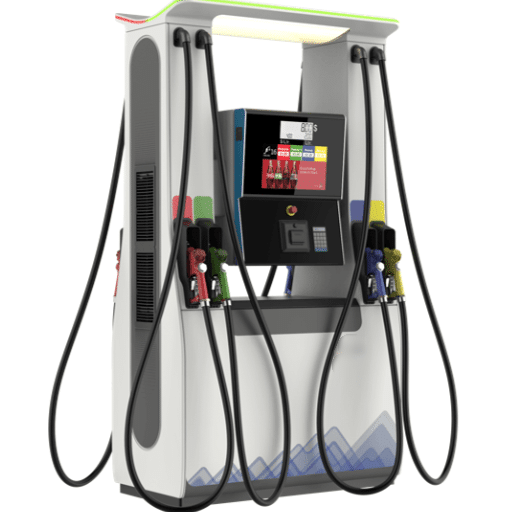
New-age fuel dispensers are made to optimize their performance by means of very accurate fuel measurement, less wastage, and longer life. The use of technologies like digital flow meters and automated control systems guarantees the delivery of fuel in a very accurate and environmentally friendly way. The application of high-efficiency pumps in the process of fuel dispensing cuts down on energy, and this is in line with the green movement in the energy industry. Also, new designs make it simple to maintain and operate the equipment, thus securing the best performance even in places with lots of people or very far away from civilization.
How Full Speed Affects Fuel Dispensing
The operation of fuel dispensers at maximum speed has a negative influence on the accuracy and efficiency of fuel delivery. Due to the high-flow rates, the turbulence in the whole system increases, and there is are chance that the volume dispensed may differ a little. This may happen because the flow meter cannot perform accurate measurements under high-pressure conditions. Besides, if the dispensing takes place at full speed, the evaporation or vaporization of fuel is more likely to happen, and even more, in the case of volatile fuel types, and this can lead to small losses.
From the maintenance point of view, a situation where the dispensers are always operated at maximum speed would be a situation where the internal components, such as seals, hoses, and pumps, would be frequently worn out and thus reduced in lifespan. As a result, the dispenser will have to be periodically inspected and calibrated more critically to ensure that its performance is kept within the standards set by the industry. Operators can also control the flow rate and run regular checks to make sure that system performance is at its best, thereby achieving a situation where speed and accuracy are both optimized, and the long-term use of the equipment is efficient.
Technological Advances in Gas Pumps
In my opinion, automation and accuracy are the main changes in gas pump technology. Today’s gas dispensers are equipped with smart sensing devices, sophisticated flow metering devices, and digital control panels, all to optimize accuracy and efficiency. The gains are that there is no or very little fuel wastage, accurate measuring, and adherence to strict industry regulations. Moreover, new things like cashless transactions and IoT connections make the user experience both smooth and very safe, while monitoring tools that work in real-time help operators to foresee maintenance requirements and thereby constantly keep the downtime low.
Environmental Considerations of Pumping Speed
Pumping speed determines the total ecological effect of a fluid transfer system, and this is particularly true for industrial applications. Operating at an inappropriate pumping speed can, to a large extent, consume energy unnecessarily, cause higher emissions, and eventually damage the environment. It is, therefore, wise to select a speed that ensures the system’s maximum efficiency; hence, the energy waste and greenhouse gas emissions will be significantly reduced. Too much pumping speed can also result in disturbances and spills, which may increase the likelihood of polluting nearby ecosystems, particularly when the spilled material is toxic. On the other hand, going down to very low speeds may increase the operational time, and thus, indirectly, energy consumption will be up. The good thing is that modern control systems like variable frequency drives (VFDs) and superior monitoring systems enable the operators to adjust pumping speeds in real-time according to the demand, which will result in both operational efficiency and environmental compliance.
| Factor | Impact on Environment | Mitigation Strategy |
|---|---|---|
| Energy Consumption | Higher speeds increase energy use and emissions | Use renewable energy sources and optimize pump speed |
| Vapor Emissions | VOC release contributes to air pollution | Implement vapor recovery systems |
| Spillage Risk | Contaminates soil and water sources | Use containment measures and proper maintenance |
| Equipment Efficiency | Poor maintenance increases energy waste | Regular inspections and calibration |
| Regulatory Compliance | Non-compliance leads to environmental harm | Follow Clean Water Act and ISO 14001 standards |
Summary and Conclusion
The choice between slow and fast pumping methods ultimately depends on your specific needs and priorities. Slow pumping offers superior accuracy, minimal vapor loss, and reduced spillage risk, making it ideal for environmental consciousness and fuel conservation. Fast pumping provides significant time savings and operational efficiency, particularly beneficial for commercial fleets and high-demand scenarios. Modern technology has made both methods safer and more environmentally friendly than ever before. Consider your individual circumstances, whether you prioritize precision and environmental impact or time efficiency and convenience, to make the best choice for your refueling needs. Regardless of your choice, following proper fueling practices and maintaining equipment ensures optimal performance, safety, and environmental responsibility.
Reference Sources
Southern Illinois University (SIU) News
Article: Changes in driving habits improve fuel efficiency
This source discusses fuel efficiency and driving habits, which may provide insights into fuel-related behaviors.
Milne Publishing – Introduction to Vacuum Systems
Chapter: An Introduction to Vacuum Systems
This chapter explains concepts like pumping speed and gas molecule removal, which may offer relevant technical insights.
Frequently Asked Questions (FAQs)
When you fill the tank, is it better to pump your gas either fast or slow?
The voluminous liquid fuel that is dispensed into your gas tank is not really affected by the speed of the pump—whether you pump fast or slow—because the pumps are made to measure and meter fuel accurately. Retail-grade pumps allow you to fill up fast, and it will not make much difference to the amount of fuel you get, though very slow pumping can at times lead to more foam or vapor formation, depending on the conditions.
Will you get more gas by pumping gas more slowly, or will you get less due to concerns about vaporization?
The assertion that if you pump slowly, it will be less and that the meter will read more is largely misleading. It is indeed true that a little vapor and splashback may occur, but with today’s pumps and nozzles, vapor loss is greatly minimized. In certain situations, pumping slowly may decrease splashback and foam, but that does not really contribute to the volume of fuel delivered at the meter, thereby not increasing it.
Is it possible for the pumping speed to affect the amount of fuel you finally have in your car’s gas tank?
Under normal conditions, the pump meter registers the volume of fuel regardless of the speed of pumping. High pumping rates can lead to more splashing or foam in the filler neck, and extremely slow rates might cause the formation of excess vapor in hot weather, but in neither case will you generally notice any difference in the amount of fuel in your tank.
Will fast filling of the tank result in vapor becoming and losing fuel as vapor?
Fast pumping can result in increased agitation and splashback, which might temporarily produce vapor; however, the amount lost as vapor is mostly prevented by the nozzle design and vapor recovery systems that are in place at many stations. Fuel can indeed vaporize when exposed to extreme heat, but the speed of pumping is not the main contributing factor to vapor loss that would lead to you being shortchanged.
Do pumps measure accurately at high flow? Does it matter for the meter fuel if the pump runs fast or slow?
Pumps are set to measure the amount of fuel that is dispensed, and most meters are accurate throughout the rated flow ranges. Accuracy could theoretically be affected if you were to use a pump well beyond its intended high flow setting (this is rare at retail stations), but under normal use, the pumps meter fuel correctly whether you pump fast or slow.
Does fast pumping influence the fuel efficiency or mileage of the vehicle after I have fled the gas station?
One’s pumping speed does not have any effect on the fuel consumption or mileage the car uses. Fuel economy is affected only by factors such as the amount of fuel consumed while driving, engine efficiency, and driving habits—not by how quickly or slowly the fuel was pumped into the tank. Only under scenarios in which there are errors in the pump measurement, or leaving the nozzle causing overflow, would the amount you actually receive be altered.
Are there differences between gasoline and diesel in terms of pump speed and getting less or more fuel?
Diesel fuel can exhibit different behavior owing to its viscosity and vapor pressure. With diesel, high flow rates will sometimes result in more splashback or foam in the filler neck, while a very slow pump can be used to reduce foaming while filling certain tank designs. However, pumps are still calibrated to deliver accurate volume for both gasoline and diesel in normal service conditions.