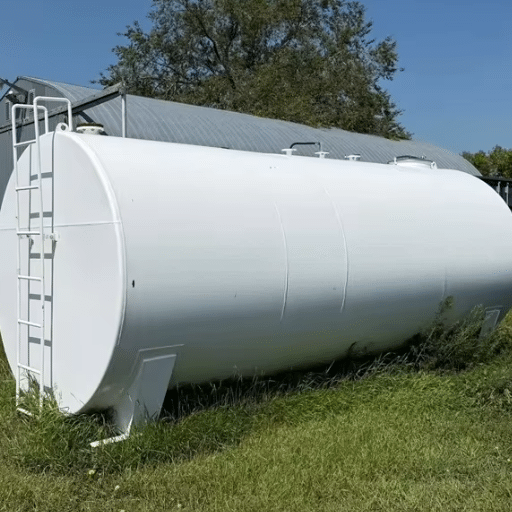
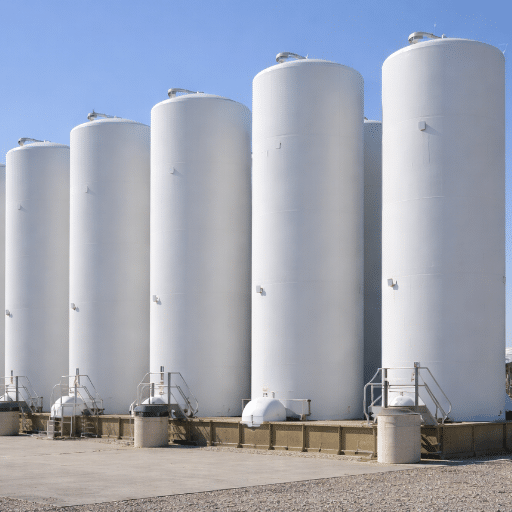
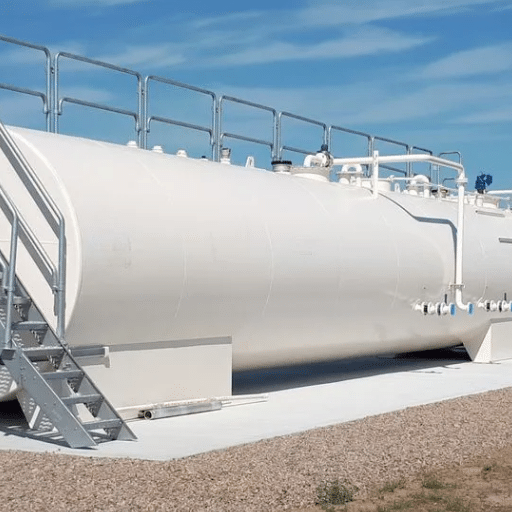
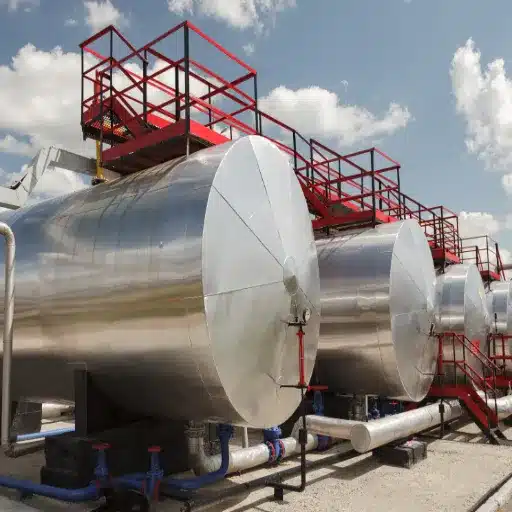
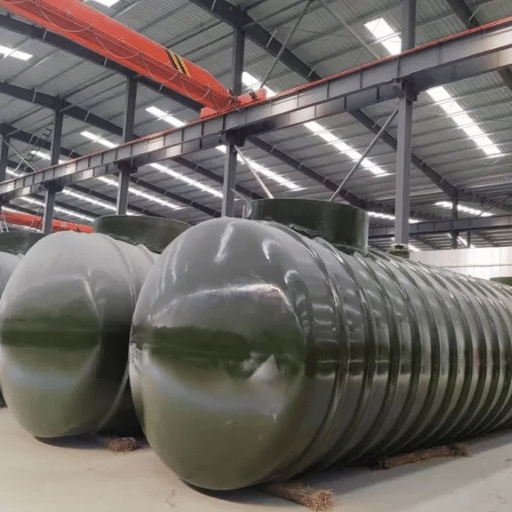
The secure operation of fuel facilities depends on above ground fuel storage tanks, which function as critical elements for all industrial activities. The tanks provide the agricultural, transportation, and construction industries with a secure and convenient method to store their fuel requirements. Organizations need proper knowledge about their vital requirements, together with their multiple benefits, to make effective decisions about AST usage. The blog post will provide complete information about above ground fuel storage tanks, which includes important regulations and safety factors, and their potential to enhance work efficiency. The text will present essential information that enables you to evaluate your requirements for ASTs.
Introduction to Above Ground Fuel Storage Tanks
Understanding Fuel Storage Needs
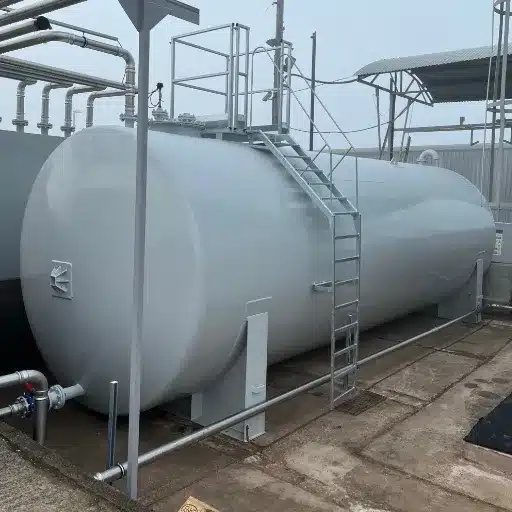
Fuel storage represents an essential requirement that various industries need to operate their businesses in agriculture, transportation, construction, and energy sectors. Above-ground fuel storage tanks (ASTs) serve as a secure, accessible, and efficient solution to meet their fuel storage needs. The 2023 survey results show that global fuel consumption keeps increasing because current demand reaches 100 million barrels per day, which shows that companies need reliable storage systems to conduct their business operations.
ASTs serve businesses and facilities that need flexible systems that provide simple maintenance and help with meeting government regulations. The storage facility receives a designed capacity to handle different fuel types, which include diesel, gasoline, biodiesel, and aviation fuel. The primary factor that determines storage capacity for storage facilities exists because ASTs come in multiple sizes, which range from 500-gallon tanks for personal use to industrial tanks that hold over 30,000 gallons. The system enables industries to select their required operational size because it matches their business requirements.
Modern ASTs come equipped with safety systems that protect their operations and deliver dependable performance. The latest designs include advanced features that enable users to detect leaks and control pressure while they implement spill containment and fire suppression systems. Reports show that safety measures can decrease fuel loss by 20 percent while protecting the environment from dangerous industrial activities.
The need for fuel storage facilities depends on two main factors, which include environmental regulations and operational requirements. The U. S. Environmental Protection Agency (EPA) requires all AST systems to comply with Spill Prevention Control and Countermeasure (SPCC) standards. Organizations face legal conflicts and financial penalties, which they must pay to the government, because environmental damage occurs due to their failure to comply with regulations.
Businesses can improve their operational performance through fuel storage technology advancements because they understand their business needs.
Common Pain Points in Fuel Storage
The task of storing fuel presents several operational difficulties that companies must resolve before they can fulfill their objectives of meeting regulations, achieving operational efficiency, and maintaining safe work environments. The most urgent problem for organizations involves the potential of leaks and spills to cause environmental damage. The EPA report shows that the United States records more than 14000 spills every year because most of these incidents happen due to improper maintenance of storage tanks, which lead to operational failures. The clean-up expenses from such incidents lead to serious financial burdens, while the environmental destruction results in both legal battles and damage to public image.
The third major issue for businesses involves fuel contamination, which produces significant operational challenges. Research indicates that fuel storage problems occur in 90 percent of cases because of water ingress, microbial growth, and sediment accumulation. Equipment breakdowns happen because contaminated fuel enters the system, which causes engine performance to decrease and downtime to increase. The solution for these problems requires businesses to conduct regular tank inspections and implement advanced filtration technologies.
The process of maintaining regulatory compliance stands as the primary hurdle that organizations must face. The storage tanks for fuel need to follow multiple regulations, which include both local and state, and federal regulations that require compliance with SPCC rules and federal emission regulations. The EPA reports that organizations that fail to meet regulations face financial penalties of $37500 for each civil violation, which may reach multimillion-dollar penalties for criminal violations.
Modern businesses need to allocate funds for building contemporary storage solutions that consist of double-walled tanks equipped with monitoring systems because this will help them streamline their operations. The latest advancements create an additional safety layer against leaks while they enable users to monitor fuel conditions in real time and maintain their environmental protection standards.
Importance of Compliance and Safety
The regulatory compliance process in fuel storage operations through safety measures serves two main functions which include meeting environmental protection requirements and safeguarding public health. The current data shows that the EPA maintains its strict enforcement of the Clean Water Act, together with other environmental regulations, which impose penalties that reach $53484 for each civil violation, according to inflation-adjusted figures. The criminal charges that organizations face for storage regulation violations create additional responsibilities that companies must manage.
Modern technologies function as a critical component that enhances security and regulatory compliance. The automatic tank gauging systems help businesses track their fuel levels and temperature changes, and any potential leaks, which enables them to detect environmental risks in real time. The Petroleum Equipment Institute reports that double-walled tank systems with secondary containment capability reduce leakage risk by 50 percent, which enables better protection against regulatory violations.
The latest technological developments provide benefits to workers because they enhance their safety. Automated systems reduce the need for manual inspections of hazardous areas, minimizing employee exposure to potentially harmful substances. Organizations use technology and safety training programs to establish secure work environments, which help them fulfill their safety obligations.
The financial and reputational impacts of non-compliance create a critical need for businesses to implement modern storage systems. Organizations now use compliance procedures to establish credibility with their customers, stakeholders and regulatory authorities, which leads to improved environmental protection.
Types of Above Ground Fuel Storage Tanks
Single Wall vs. Double Wall Tanks
- Single Wall Tanks
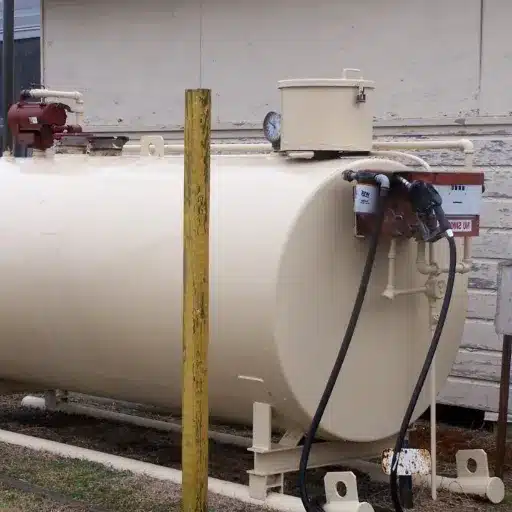
Single-wall above ground fuel storage tanks are designed to store fuel with their construction, which uses a single steel layer or another strong material to create an airtight container. These tanks have lower initial costs but need extra safety equipment because they require a spill containment basin to meet environmental rules. A research study from the Environmental Protection Agency (EPA) shows that single-wall tanks create more environmental hazards than double-wall tanks because any damage to a single-wall tank causes direct fuel spillage to the environment. - Double Wall Tanks
Double-wall tanks create an integrated containment system through their design, which combines an inner tank with an outer shell. The design provides better protection through its built-in safety system, which decreases the requirement for outside protection systems. Research studies show that double-wall tanks provide 60% better protection against leaks and spills. The design uses advanced technology that focuses on building leak detection features and making the system resistant to corrosion for effective long-term storage. The higher upfront expenses of double-wall tanks become budget-friendly because their enhanced safety measures and capacity to reduce penalties and safeguard the environment create cost savings throughout their entire operational period.
Market Trends and Data
The international above-ground fuel storage tank market shows strong expansion between 2023 and 2030, which will produce a compound annual growth rate of approximately 4.1% according to industry analysts. The market expansion occurs because of three factors, which include stronger government regulations, a greater need for eco-friendly fuel storage systems, and improvements in tank construction materials and technological systems. The latest storage systems, which double-wall tanks provide through smart tracking technology that monitors fuel levels and possible leaks, have become essential features of high-quality storage tanks.
The selection of proper tank equipment holds critical importance because it affects both compliance with regulations and the protection of operations, together with environmental preservation.
Steel vs. Other Materials
The storage tank selection process needs to understand material differences for its decision-making procedure. The industrial and commercial sector has selected steel as its main material because steel delivers both strength and long-lasting durability, as well as high heat resistance. The latest industry data shows that steel tanks make up about 45% of the worldwide storage tank industry because they can operate under high-pressure conditions and their materials resist deterioration throughout their useful life.
People currently choose polyethylene and fiberglass as their new material options because both choices provide corrosion protection and lightweight advantages. In agricultural and domestic applications, polyethylene tanks function as common storage solutions for water and chemical substances. The fiberglass tank system offers cost-effective maintenance requirements because it can handle areas that experience both chemical exposure and water vapor contact.
A market research report states that fiberglass tank demand will increase at a compound annual growth rate (CAGR) of 4% until 2028 because of its adaptable features and environmentally friendly properties. Steel tanks serve as the primary option for high-capacity storage sites because they preserve their structural integrity better than other materials during petroleum and industrial chemical storage. Advanced coatings and lining materials development has allowed alternative materials to improve their performance capabilities across various usage scenarios.
The process of choosing appropriate materials requires three key factors, which include storage substance characteristics, facility conditions, official standards, and financial limitations. The storage tank industry now develops new materials that improve operational efficiency, safety, and durability according to its changing requirements.
Gallon Capacity Options
Storage tanks offer various size options that can fulfill the storage demands of industrial and commercial applications. The most common capacities start at small-scale options of 100 gallons, which serve localized or residential needs, and extend to large-scale tanks exceeding 10 million gallons, which industrial facilities use in oil and gas operations, chemical processing, and water treatment facilities.
Modular tank systems now enable users to expand their storage capabilities through newly engineered tank designs. According to industry data, above-ground storage tanks have standard storage capacities of 10,000 gallons, 30,000 gallons, and 50,000 gallons, while underground tanks typically operate between 20,000 and 100,000 gallons. The growing demand for custom storage solutions has emerged because businesses require flexible systems that can adapt to their specific storage needs.
Material engineering breakthroughs enable the construction of bigger tanks, which include API 650 systems that can hold more than 2 million gallons and still endure extreme environmental conditions. Businesses now consider three factors when choosing their tank capacity, which include storage efficiency and environmental safety, and long-term cost-effectiveness.
Safety Benefits of Above Ground Fuel Storage
Environmental Protection Measures
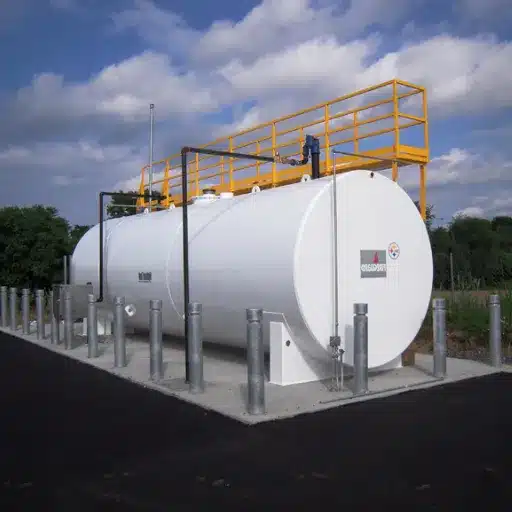
The construction of modern above-ground fuel storage tanks (ASTs) employs innovative technology solutions that ensure environmental protection while meeting all required legal standards. The U. S. Environmental Protection Agency (EPA) mandates that all ASTs must implement secondary containment systems that prevent leaks and spills from spreading to adjacent locations. The systems protect against fuel emergencies because they can contain more than double the total volume of the tank.
ASTs now use various safety systems that combine high-level alarms with automatic emergency shutoff valves and leak detection systems to detect potential incidents at an early stage. The tanks use fiberglass-reinforced plastic (FRP) and stainless steel materials because these corrosion-resistant materials help extend tank durability while minimizing environmental threats from material breakdown.
The research shows that regular tank maintenance and upgrades achieve a 30% reduction in operational efficiency and environmental protection expenses. Your organization demonstrates its dedication to sustainable operations through technological advancements that meet safety requirements and international environmental standards.
Leak Detection and Prevention Strategies
Organizations need to implement two detection techniques together with advanced technological solutions for detecting and preventing leaks. The latest industry research shows that companies that implement advanced monitoring systems that include automated leak detection sensors and real-time tracking software experience a 40% decrease in undetected leaks. The systems use advanced technologies that combine ultrasound with pressure monitoring and infrared imaging to detect even the most minor tank breaches.
Artificial intelligence (AI) and machine learning (ML) systems are now widely used to analyze sensor data because they can predict system failures and recommend maintenance activities that should occur before any breakdown happens. AI-driven predictive maintenance systems enable facilities to improve operational reliability by 25% while decreasing unexpected downtime.
The industry has adopted double-walled tanks and secondary containment systems to create extra security measures for its facilities. Secondary containment structures have been designed to capture spills and leaks while maintaining environmental protection and safety standards.
The government and industry organizations are pushing for improved monitoring requirements. The U. S. Environmental Protection Agency (EPA) reports that facilities with advanced leak detection systems achieved a 15% nationwide reduction in hazardous spills during the last ten years.
The combination of these strategies, together with scheduled inspections and strict enforcement of security measures, produces maximum operational effectiveness together with responsible business practices that protect the environment.
Emergency Response Preparedness
Emergency response preparedness functions as an essential element that helps reduce the effects of industrial accidents and spills. The latest research findings show that companies that establish complete emergency response protocols achieve 40% better results when managing hazardous incidents during their first 24 hours. The plans include high-speed spill containment methods that operate together with evacuation procedures and community alert systems that function effectively.
The facilities that implement AI-based predictive analysis through real-time monitoring systems experience better operational efficiency during emergencies. The National Safety Council (NSC) report shows that organizations that use advanced monitoring systems can decrease accident-related damages by as much as 30%. The organization conducts emergency drills every three months to prepare staff members, while studies show that trained teams can react 50% quicker than untrained workers.
Industries employ geographic information systems (GIS) mapping together with drone surveillance technologies to identify dangers and manage emergency situations, which leads to better protection for both people and the environment. The field of emergency preparedness recognizes that technology and systematic planning are essential for developing effective emergency response strategies.
Maintenance and Inspection of Fuel Storage Tanks
Regular Inspection Guidelines
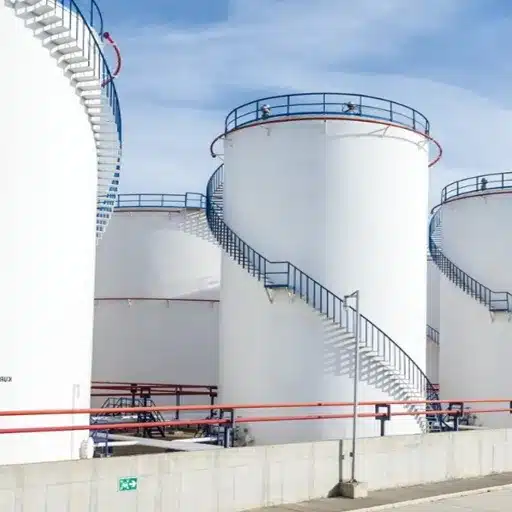
The process of conducting fuel storage tank inspections needs to be performed regularly because it serves two functions first, to assess tank protection status and second, to confirm operational safety and environmental compliance. The existing industry standards, together with current guidelines, supply the necessary details that help inspectors examine essential inspection elements during their evaluation process.
- Frequency of Inspections: Fuel storage tanks require visual inspections every month, together with internal inspections, which need to take place every 5 to 10 years based on their size and material, and usage. The reports demonstrate that following these schedules helps to decrease leak and failure risks in the system.
- Corrosion Monitoring: Advanced techniques such as ultrasonic testing, together with cathodic protection systems, work effectively for detecting and stopping corrosion. The research shows that implementing these methods can increase tank lifespan by more than 30 percent.
- Structural Integrity: Non-destructive testing NDT techniques use radiographic testing and magnetic particle inspection to detect surface cracks and structural defects.
- Leak Detection Systems: Modern leak detection systems use electronic sensors together with interstitial monitoring systems to identify potential leaks at their earliest stage. The implementation of these systems has resulted in a 25 percent reduction of environmental contamination incidents during the past five years, according to current statistics.
- Regulatory Compliance: Organizations achieve safe operations through following local and state, and federal regulations, which include Environmental Protection Agency EPA guidelines. The Environmental Protection Agency requires organizations to keep accurate maintenance documentation for three years as proof of their compliance obligations.
- Documentation and Reporting: Organizations need to establish detailed inspection reports that show all maintenance activities that they perform. The majority of industries now utilize digital tools together with cloud-based systems to manage their data, which results in better operational efficiency and easier data access.
The adoption of advanced data-driven practices enables industries to address both environmental protection dangers and operational disturbances while they maintain their fuel storage tank systems secure and dependable.
Maintenance Best Practices
Fuel storage tank systems achieve optimal performance through scheduled maintenance, which combines traditional maintenance methods with new technological maintenance methods. The study discovered that 60% of environmental fuel incidents occur because operators neglect to perform essential tank maintenance and monitoring tasks. The industrial sector implements automated tank gauging (ATG) systems as a solution to its operational challenges because these systems deliver real-time fuel level and temperature, and potential leak detection information to customers.
Drones function as advanced inspection tools that enable visual assessments of tank integrity through their capacity to reach inaccessible areas. The drones carry high-definition cameras and sensors that identify corrosion and structural defects. Organizations can now detect operational patterns through sensor data because artificial intelligence (AI) power advanced predictive analytics allows them to determine maintenance times and avoid tank failures.
Industrial organizations achieve their sustainability goals through the implementation of new technologies and training programs for maintenance personnel while maintaining complete compliance with all regulatory requirements. The organization needs to maintain its proactive maintenance approach, which protects operational efficiency and environmental sustainability throughout its entire maintenance schedule.
Signs of Wear and Tear
The capacity to detect wear and tear signals that impact tanks and vital machinery components establishes fundamental requirements for maintaining industrial facility operational efficiency and safety standards. The existence of corrosion, together with material fatigue and cracks, leaks, and structural integrity alterations, all function as evidence of material damage. The material will lose strength when it experiences moisture, chemical and extreme temperature exposure because this combination will cause corrosion. The National Association of Corrosion Engineers (NACE) conducted a study that revealed that corrosion results in worldwide economic losses that exceed $2.5 trillion every year.
Fatigue or micro-cracking represents a major environmental concern. Research indicates that mechanical stress applied to materials leads to a 50% reduction in lifespan, which results in dangerous Failure when operators fail to address the problem. Storage tank leaks create environmental risks because they damage tank contents and extend their dangerous effects. Environmental Protection Agency (EPA) data shows that a minor leak that produces one drop every second results in over 3,000 gallons of annual liquid waste that dramatically raises operational expenses.
Advanced monitoring systems, which combine sensor technology with data analytics, enable companies to detect their initial problems. Industries use real-time data together with predictive analytics to obtain accurate measurements of wear patterns while predicting future equipment failures and scheduling component replacements before critical failures happen. The business world uses active identification combined with active measures to increase equipment lifespan while meeting all regulatory requirements and achieving better sustainability results.
Reference Sources
-
Virginia Department of Environmental Quality (DEQ): Offers regulatory insights and environmental considerations for above-ground storage tanks. Read more here.
-
Climate Change and Aboveground Storage Tanks: An article analyzing the effects of climate and extreme weather on the physical condition and properties of above-ground storage tanks. Read the article here.
-
National Institute for Storage Tank Management (NISTM): A presentation on the installation of above-ground storage tanks, focusing on minimizing corrosion and proper installation techniques. Access it here.
Frequently Asked Questions (FAQs)
What are the essential requirements for Above Ground Fuel Storage Tanks (ASTs)?
All operational standards of above-ground fuel storage tanks require compliance with applicable regulations and industry standards, which ensure safe operation and proper performance. The standards require proper material selection, which mandates the use of steel or other durable materials that resist corrosion to achieve leak-proof and contamination-proof results. The tanks need to be equipped with secondary containment systems, which will help manage spills together with the necessary venting systems and devices that prevent overfilling. The process requires ongoing inspections together with system maintenance while ensuring compliance with all environmental regulations that operate at the local, state, and federal levels.
How can real-time monitoring benefit AST operations?
Through real-time monitoring, operators can use advanced sensors and data analytics technology to monitor fuel levels, detect leaks, and find structural weaknesses. The process of predictive analytics enables companies to determine their systems’ potential failure points, which permits them to schedule equipment replacement or repair work before system breakdowns occur. The system decreases environmental hazards while it boosts operational effectiveness and increases the duration of tank system operation.
What are the advantages of using Above Ground Fuel Storage Tanks?
Above-ground fuel storage tanks provide multiple key advantages to users. The installation and maintenance process for above-ground tanks requires less time and lower costs than the process for underground tanks. The design of ASTs enables quick inspection procedures because users can see the entire tank system and its parts. The design of AST systems includes advanced safety features that combine secondary containment with monitoring systems to decrease the possibility of spills and leaks.
What measures should be taken to ensure AST safety and sustainability?
The safety of AST systems requires secondary containment systems that capture spills, their need for efficient venting systems, and the requirement for using reinforced materials that decrease leak risks. The combination of regular maintenance with real-time monitoring and commitment to environmental policies serves as the core elements that maintain safety and sustainability throughout time. Through effective maintenance practices and the application of predictive technologies, businesses can minimize their environmental footprint.
Why is secondary containment for ASTs?
Secondary containment systems create an essential protective barrier that safeguards against spills and leaks while decreasing the likelihood of environmental harm. These systems are designed to capture and hold any spilled fuel, preventing it from contaminating surrounding soil or water sources. The organization achieves compliance with the regulations through this practice, which establishes dedication to maintaining secure and responsible fuel storage operations.
How does proper maintenance impact the lifespan of an AST?
The correct maintenance procedures extend an AST’s operational life because they stop all three types of equipment failure, which include corrosion and leaks and mechanical breakdowns. Organizations can detect early stages of equipment degradation through their scheduled maintenance activities, which include inspections and cleaning work, part replacement, and the use of real-time monitoring systems. The process of proactive maintenance allows businesses to prevent expensive repairs while guaranteeing the secure operation of the tank throughout its entire operational period.