Modern fueling systems require their primary functions to operate with both efficiency and reliability. The system’s advanced operations require a critical component that people tend to overlook. Your fueling system functions at its highest level of safety and operational efficiency through control cabinets that act as its primary system element. The article demonstrates how smart control cabinets transform fueling operations through their essential capabilities and international industrial advantages. Your business operations will use smart control cabinets as essential components, which will also support your future business requirements.
Understanding Control Cabinets
What is a Control Cabinet?
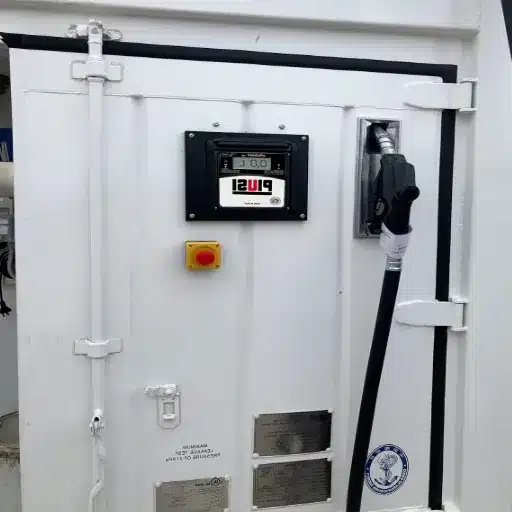
A control cabinet functions as a secure space that contains electrical equipment that manages industrial operations through its core components. The cabinets operate as the main operational hub, which oversees entire systems to make sure all equipment works properly and without hazards. The common control cabinet structure contains circuit breakers and relays along with power distribution units, switches, and programmable logic controllers (PLCs).
The latest control cabinets operate through advanced technologies that allow Internet of Things (IoT) sensors and remote monitoring systems to gather real-time system data while conducting equipment tests. The global industrial control cabinet market will reach $12.6 billion by 2028, according to recent studies, which show a compound annual growth rate (CAGR) of 5.2%. The increasing demand for automation, together with energy-efficient solutions, drives this market growth across multiple industries such as manufacturing, oil and gas, and transportation.
A control cabinet design requires three essential components, which include thermal management systems to shield electronic devices from excessive heat, compliance with UL 508A IEC 61439 safety standards, and efficient cable management, which minimizes upkeep time. The introduction of smart technologies into these cabinets leads to improved operational efficiency because these systems can plan maintenance tasks while reducing work disruptions in various industries.
Key Components of Smart Control Cabinets
Smart control cabinets use modern technologies to improve their operational performance and maintenance dependability, and system capabilities. The following section presents essential elements that demonstrate their value through contemporary research findings:
- Programmable Logic Controllers (PLCs)
Modern control cabinets depend on PLCs as their primary technology, which enables precise control of automated systems. The worldwide PLC market is expected to expand at a 5.6% annual growth rate between 2023 and 2030 because businesses are increasingly adopting automation technologies. The newest PLCs enable complete system connection through their support of OPC UA, which connects with IoT networks. - Human-Machine Interfaces (HMIs)
Operators use HMIs to access straightforward process monitoring, which allows them to handle control tasks. Touch-screen technology now exists in modern HMIs, which enables users to operate their systems through both mobile devices and web applications. Research shows that industries utilizing smart HMIs report a reduction in response time by up to 30%, improving overall operational efficiency. - Industrial IoT Sensors
These sensors deliver live data streams that support both equipment condition monitoring and operational performance improvement. The newest wireless sensors feature extended battery life and edge computing functions that perform equipment-level analysis with high precision. - Power Distribution Components
Smart control cabinets now feature real-time monitoring capabilities, which power distribution elements such as circuit breakers and relays, and other components. Smart circuit breakers use their monitoring system to alert operators when they detect current surges, which leads to automatic system protection that prevents equipment downtime. Studies estimate that these components can improve energy efficiency by up to 20% in industrial settings. - Thermal Management Systems
Heat exchangers and advanced fan systems serve as effective thermal management methods that keep electronic components at their required temperature range. The 2023 research data shows that thermal management upgrades can increase the lifetime of control cabinets through their ability to maintain operational temperatures.
The combination of these technological advancements with analytics-driven software solutions enables control cabinets to provide increased value to industries through their capabilities of optimized energy consumption and decreased maintenance requirements, and improved operational visibility. The future of industrial automation will be defined by the integration of advanced hardware systems together with Internet of Things IoT capabilities.
The Role of Traffic Control in Fueling Systems
The primary function of traffic control systems. The primary function of traffic control systems. The primary function of traffic control systems. The primary function of traffic control systems. Through their advanced traffic management systems. The operational performance of fueling systems improves because advanced traffic management technologies enable them to handle traffic challenges. The implementation of intelligent traffic management systems results in a 30% decrease of vehicle waiting time, which produces substantial savings in both fuel consumption and carbon emissions. The use of adaptive traffic signals, which change their operations according to current vehicle movement patterns, results in fuel consumption reductions between 10 and 15 percent for each vehicle.
Organizations achieve traffic pattern monitoring and peak traffic period identification through IoT-based traffic sensors and software systems that design efficient fueling schedules to maintain operational continuity. The data-driven method guarantees that fueling systems achieve both ecological sustainability and cost-effective performance. Companies that adopt these smart technologies for their operations will experience annual fuel cost savings that reach millions of dollars, while their sustainability initiatives will benefit from decreased greenhouse gas emissions. The combination of traffic control innovation with fueling system development creates solutions that transform entire supply chain operations.
Electrical Control Systems
Basics of Electrical Control in Fueling Systems
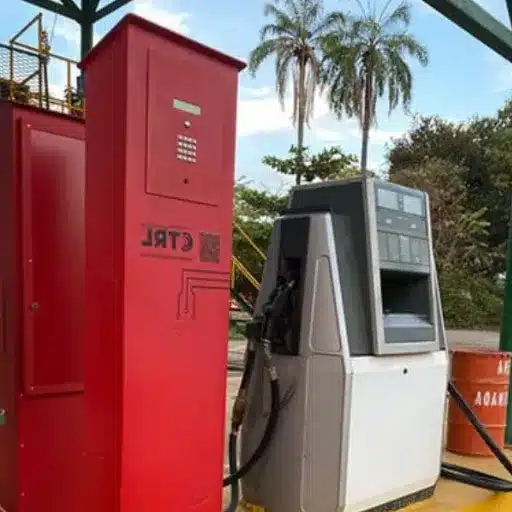
Electrical control systems serve essential functions for contemporary fueling operations through their ability to deliver precise results while maintaining safe conditions and operational productivity. The systems control electrical distribution, which powers pumps, valves and sensors to execute automated functions that minimize the need for human involvement and decrease mistakes. Fueling operations establish dependable systems through their combination of Programmable Logic Controllers with Supervisory Control and Data Acquisition systems, which provide both real-time monitoring and control capabilities.
Current research demonstrates that modern electrical control systems, which utilize advanced sensors and IoT technology, can increase energy efficiency at fueling stations by 30%. Automated shutdown mechanisms that use sensor data to activate shutdowns, prevent fuel spills and leaks, thereby decreasing environmental damage. The integration of smart energy management systems allows organizations to optimize their energy consumption, which helps them achieve sustainability goals and adhere to regulatory standards.
The field of predictive maintenance has reached another major milestone through the development of AI-based predictive maintenance systems. This method uses operational data from electrical components such as relays and circuit breakers to determine when a component will fail. Predictive maintenance offers operators financial benefits since it enables fueling systems to operate 25% more efficiently while reducing maintenance expenses by 20%, according to industry reports.
The combination of electrical control systems and data analytics technology enables fueling systems to operate more efficiently, thereby achieving their operational goals, which match current environmental standards and market demand for cost-effective solutions. The latest technological advancements demonstrate how organizations can create fuel delivery systems that prioritize safety, environmental responsibility, and financial sustainability.
Reliability of Electrical Control Solutions
The modern fueling systems achieve their operational efficiency through electrical control solutions, which establish system dependability. The advanced electrical control system implementation enables systems to operate without interruptions, which results in a 30% decrease of downtime. The introduction of predictive maintenance technologies enables operators to monitor equipment health, which helps them detect problems that may lead to expensive breakdowns.
The global market trends show a movement toward smart control systems, which operate through IoT (Internet of Things) devices. The systems provide better accuracy and flexibility while improving their ability to respond, which allows fueling operations to continue without interruption during times of high demand. Real-time data analytics, which drive automated fuel management systems, have been shown to boost operational efficiency by 25% while decreasing fuel waste by 15%.
The requirements for reliability extend beyond stable performance because it needs to incorporate both predictive capabilities and economic benefits from advanced technological solutions.
Innovations in Electrical Control Technologies
The progress of electrical control technology development enables different industries to develop smarter systems that use energy more efficiently. The industry now uses advanced programmable logic controllers (PLCs) with industrial IoT-enabled control systems as their primary innovative solution. The system uses smart technology to process real-time operational data, which enables performance optimization, equipment failure prediction, and operational downtime minimization. The recent industry report shows that companies that implement IoT-based electrical control systems experience operational cost reductions reaching 20% through improved energy efficiency and decreased unnecessary power usage.
The development of solid-state circuit breaker technology improvements strengthens both the operational capabilities and safety features of electrical systems. The devices achieve their trip cycles within microsecond time frames, which enables them to safeguard delicate devices from harm during power surges. AI-driven control algorithms are now establishing themselves as an essential technology trend that manufacturing facilities use throughout their entire operations. The advanced algorithms can automatically optimize complete production systems, which leads to productivity improvements of up to 30% according to actual operational results.
Sustainable development has become a vital element of contemporary environmental practices, which smart grids showcase. The combination of AI with machine learning for grid management has resulted in more accurate energy distribution, which now achieves an 8% reduction in energy waste. The system improvements create better operational results while helping businesses meet international energy efficiency targets, which support sustainable economic development.
Cabinet Solutions for Fueling Stations
Choosing the Right Control Cabinet Solutions
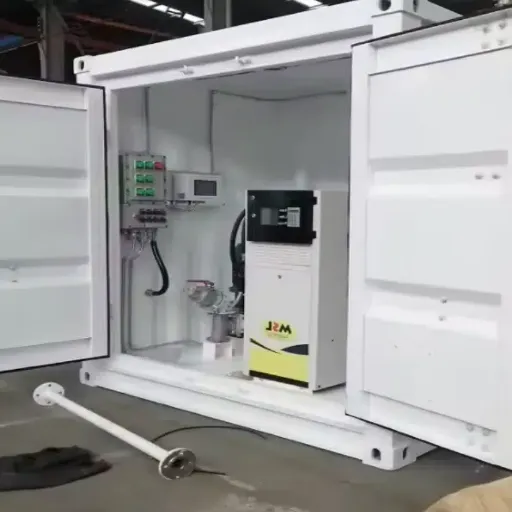
The selection of appropriate control cabinet systems for fueling stations functions as a vital component that helps maintain operational efficiency and protects safety while ensuring compliance with applicable regulations. The design of contemporary control cabinets enables them to endure extreme environmental challenges while their systems operate advanced automated functions. The selection process needs these two elements, which combine essential factors with verified information about multiple aspects of the solution.
- Durability and Weather Resistance
Fueling stations experience extreme weather conditions because they have to operate during periods of high temperature and high humidity and face attacks from corrosive chemicals. Reliable control cabinets feature robust materials like powder-coated steel or stainless steel, which provide IP65 or higher protection ratings that protect internal components from dust and water ingress. - Integration with Automation Technologies
Control cabinets need IoT and remote monitoring systems so their technology can be used in fueling station operations. The smart gas station industry will grow at a CAGR of 9.4% from 2023 to 2030 because of automation technology developments, according to a recent market analysis. Control cabinets designed for seamless integration with IoT can improve system responsiveness and reduce downtime. - Compliance with Safety Standards
Hazardous environments require safe operations, which depend on organizations to follow industry standards like UL, NEMA, and ATEX. The design of ATEX-certified cabinets protects environments that handle flammable substances from potential explosion hazards. - Energy Efficiency Features
Control cabinets, which enable energy conservation through their thermal management systems, maintain optimum performance by stopping overheating and decreasing power usage. A study from the Energy Efficiency Council highlights that up to 15% energy savings can be achieved with temperature-controlled cabinet solutions, which extend equipment lifespan while reducing operational expenses. - Scalability and Customization
The station requirements for fueling operations need specialized cabinet solutions, which must be developed to match their particular requirements. Control cabinet designs from manufacturers now provide modular systems that permit businesses to increase their operations through their expansion needs. The system provides flexible operation because its components can be updated without needing major system changes.
Modernizing control cabinet systems through investment in advanced control cabinet solutions, which use current technology, results in major productivity and safety improvements for fueling stations. The combination of innovative solutions with practical applications delivers permanent business benefits to organizations operating in the energy industry.
Customization Options for Cabinet Solutions
The control cabinet design for fueling stations enables businesses to create operational systems that fulfill their specific requirements through modern technological solutions. The main features of customization include the following options:
- Modular Designs – Modular systems allow businesses to add or remove components based on their needs. The data shows that businesses can achieve a 30% reduction in installation time through modular cabinet systems, which results in improved capacity to handle changes.
- Smart Monitoring Systems – IoT-enabled devices permit users to monitor system performance in real time through their monitoring capabilities. IoT applications in industrial sectors will reach a market size of $124 billion by 2026, which demonstrates the importance of interconnected systems according to the MarketsandMarkets report.
- Energy-Efficient Components – Energy-efficient solutions, such as low-loss transformers and optimized wiring layouts, can lower energy consumption by up to 20%, as noted by a recent study on industrial energy efficiency.
- Enhanced Safety Features – Modern control cabinets include features like gas detection systems, surge protection, and temperature regulation. These additions comply with strict safety standards such as IEC 61439, which ensures maximum protection for personnel and equipment.
- Weatherproof and Durable Materials – Corrosion-resistant materials, including stainless steel and specially designed coatings, deliver essential weather protection for maintenance-free performance under extreme climate conditions.
The advanced customization features enable fueling station operators to enhance their operational processes while safeguarding their systems against future technological developments that will transform the energy sector.
UL Certification and Its Importance
The UL Certification, which Underwriters Laboratories issues, requires products to meet international safety standards through its comprehensive safety assessments and performance evaluations, which involve multiple testing procedures and various regulatory requirements. The UL Certification testing procedure requires fueling stations that manage flammable and hazardous materials to conduct equipment testing, which helps organizations reduce their risk of fires, electrical accidents, and other operational hazards.
The UL Standards establish essential requirements for electrical systems and fire protection systems and environmental protection practices, which support vital business operations in mission-critical environments. The annual production of UL Certification Marks exceeds 22 billion worldwide, according to recent statistics, which demonstrates its importance for various industries.
The UL Certification process creates requirements that establish consumer trust and regulatory standards that fueling stations need to fulfill in order to operate their businesses across local and international markets. The UL 87 Standard establishes safe operational procedures and installation standards for fuel dispensing devices at gas stations. Organizations attain operational effectiveness through UL Standards implementation because those standards enable them to minimize liability exposure while enhancing their equipment operational efficiency and environmental performance.
Business operations obtain protection through UL-certified systems, which create a secure space that multiplies their industry value because energy companies must follow regulations while establishing client relationships based on trust.
Access Control Mechanisms

Importance of Access Control in Fueling Systems
The effective operation of fueling systems that serve gas stations and industrial fueling facilities depends on access control systems that protect their systems from unauthorized access. The systems establish access rules for equipment and locations, which help decrease the chances of unauthorized entry, equipment tampering, and safety incidents.
Radio Frequency Identification (RFID) cards and biometric authentication and PIN-based systems represent modern access control solutions which deliver better protection for users while simplifying entrance procedures. Research and Markets conducted a study which showed that the global access control market will achieve a value of $15 billion by 2027 because energy and transportation, and critical infrastructure sectors will drive market expansion.
The establishment of strong access control systems prevents fuel theft, which represents a major challenge for both the retail industry and industrial operations. According to a report by the National Association of Convenience Stores (NACS), fuel theft costs gas stations in the U. S. an estimated $400 million annually. The advanced systems use real-time monitoring to identify access pattern anomalies, which help them decrease security vulnerabilities.
Access control systems function as security measures that improve operational performance. For instance, businesses can use automated reporting tools to track fuel usage and employee access times, and equipment performance through these mechanisms, which help them optimize workflows while decreasing downtime. The development of IoT (Internet of Things) technologies will lead to the creation of advanced access control systems, which will deliver predictive analytics and user-friendly experiences.
The acquisition of access control systems serves two purposes, which include meeting regulatory requirements and protecting business assets while decreasing operational hazards and improving fueling operation security and system performance.
Types of Access Control Technologies
The development of access control technologies over multiple decades has resulted in systems that use modern technology to deliver enhanced security and improved operational efficiency. The following list contains primary access control technology systems that various sectors currently use across their operations:
- Biometric Access Control Systems
Biometric systems use unique physiological traits such as fingerprints, facial recognition, or iris scans to grant or restrict access. The biometric system market will grow from 36.6 billion US dollars in 2020 to 68.6 billion US dollars in 2025, according to MarketsandMarkets, because people want systems that provide secure and contactless access. The systems achieve precise performance in their operations while they block unauthorized users from entering secure locations. - Card-Based Access Control
People continue to use RFID (Radio Frequency Identification) and Smart Card systems because these technologies provide basic access control functions at low operational costs. The cards enable organizations to keep user data secure through encryption, while their main purpose of operation extends to corporate offices, government facilities and fueling stations. The global smart card market will reach 21.57 billion US dollars by 2030, according to Grand View Research, because multiple industries continue to adopt this technology. - Mobile-Based Access Control
People now prefer mobile access control systems because they need operational flexibility. Users can access facilities using smartphones equipped with NFC (Near Field Communication) or Bluetooth technology. This is especially important because more than 7.33 billion people worldwide used smartphones in 2023 which makes mobile systems better able to satisfy user needs. - Cloud-Based Access Control
Organizations can now operate their access control systems through remote secure management thanks to the access control changes brought by cloud technology. Cloud-based access control systems provide users with monitoring capabilities that operate in real time while delivering software updates to their access control systems. - AI-Powered Access Solutions
Artificial Intelligence (AI) provides access control systems with a complete transformation through its capability to forecast future events and operate automated systems. The system applies AI technology to detect unusual patterns of behavior while it delivers immediate assistance for decision-making processes. The report from PwC states that AI development will create economic growth that reaches $15.7 trillion by 2030 because security technologies receive major financial investments.
The technologies enable businesses to improve their operational performance while safeguarding their essential resources. Modern security strategies increasingly adopt access control systems as essential components because these systems continue to develop into more advanced technologies.
Integrating Access Control with Control Cabinets
All industrial operations and commercial spaces need to implement access control systems as part of their essential security operations. The system prevents unauthorized people from accessing critical equipment, which only authorized users can handle. The global access control market size will increase from $9.9 billion in 2021 to $20.5 billion by 2026, according to market research, which shows a compound annual growth rate of 15.4%. The various sectors present an increasing need for enhanced security solutions, which the market growth demonstrates.
Companies allocate their resources to develop advanced security systems, which include biometric authentication and RFID systems, together with IoT-enabled access control technology. RFID-enabled cabinets provide the capacity to monitor activities in real time while they establish access records, which help decrease the chances of operational errors. The implementation of access control systems within industrial cabinets leads to a 30% enhancement in safety performance, according to recent case study data, which shows their capacity to decrease human mistakes while protecting essential systems. Organizations now focus on digital transformations so the trend will continue to develop through their implementation of new security systems.
Reference Sources
-
Persistence Market Research
- Title: Centralized Control Cabinet Market Size & Forecast, 2033
- Key Insights: This report highlights the growing focus on industrial automation and smart manufacturing, emphasizing the role of control cabinets in enhancing operational efficiency and reliability.
- Source: Persistence Market Research
-
Frigate AI
- Title: Essential Factors To Consider When Sourcing Control Cabinets for Automation Systems
- Key Insights: Discusses the critical role of control cabinets in ensuring operational reliability, safety, and efficiency across various industries, making it a valuable resource for understanding their application in station automation.
- Source: Frigate AI
-
All About Industries
- Title: What Is a Control Cabinet?
- Key Insights: Explores the use of compact control cabinets in building technology for controlling and monitoring systems like lighting, ventilation, and security, showcasing their versatility and importance.
- Source: All About Industries
Frequently Asked Questions (FAQs)
What Are Smart Control Cabinets and How Do They Work?
Smart control cabinets serve as primary control systems, which allow industrial facilities to monitor and control their essential operational systems. The system operates through its advanced components, which include programmable logic controllers (PLCs), sensors, and access control systems. The cabinets deliver operational improvements through their process automation, which reduces human mistakes while delivering instantaneous system performance updates.
How Do Smart Control Cabinets Benefit Fueling Systems?
The multiple operational capabilities of fueling systems are controlled through smart control cabinets, which serve as the primary control system. The system provides exact control for three functions, which include fuel dispensing and inventory monitoring, and system diagnostics. The system uses automated alerts together with performance tracking to maintain safety while running operations, decrease operational interruptions, and improve resource efficiency.
What Features Should Businesses Look for in Smart Control Cabinets?
Businesses need to evaluate three specific features, which include scalability and modularity, and existing systems compatibility, when they choose a smart control cabinet. The system requires remote monitoring capabilities because it needs both customizable settings and IoT device integration as essential components for digital transformation. The system establishes data protection through access control systems, which work together with encrypted communication protocols that serve as basic security protections.
How Do Smart Control Cabinets Enhance Operational Safety?
The smart control cabinets improve safety because they handle complex tasks through automated systems, which decreases the need for human work, thus lowering accident chances. The system protects both staff members and facility assets through its combination of access logs, alarm systems, and emergency shut-off controls. The cabinets use real-time monitoring and predictive maintenance systems to stop incidents from happening in advance.
Are Smart Control Cabinets Easy to Maintain?
The maintenance process for smart control cabinets remains simple because their designers intended this feature. The system provides diagnostic tools and remote support capabilities, which enable technicians to detect problems and resolve them without needing to visit the site. The system uses modular designs, which allow technicians to replace components quickly, resulting in decreased system downtime and lower maintenance expenses.
Why Are Smart Control Cabinets Vital for Digital Transformation in Industries?
Smart control cabinets function as vital elements that support the implementation of digital transformation initiatives. The system enables users to control and monitor functions through a unified platform that supports seamless integration with advanced technologies, including IoT and data analytics. The solution improves operational performance while providing organizations with valuable insights that help them make strategic decisions to remain competitive in the digital-first business environment.