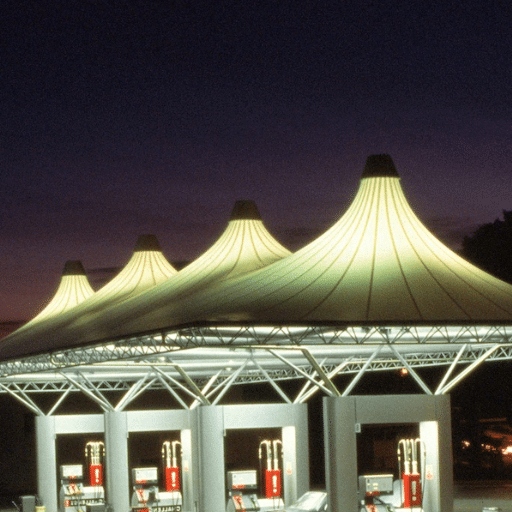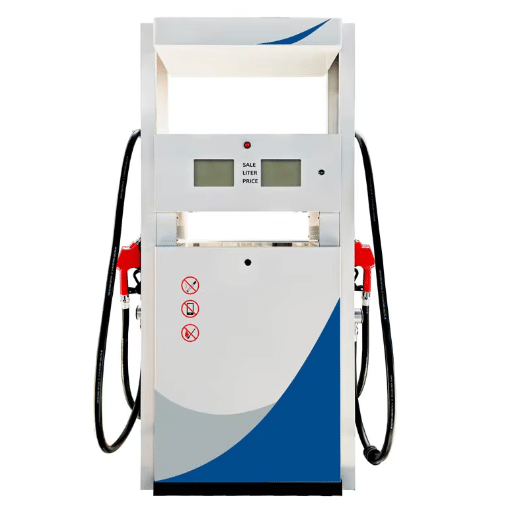
Last year, a standard examination closed Maria’s gas station in Dubai for three days, and it was not due to a leaking tank or a broken dispenser. The inefficient control cabinet failed to comply with the region’s revised ATEX certification standards. Changing it was a meager cost, especially in comparison with the revenue loss, but the conclusion was glaring: the correct control cabinet in dangerous settings is not only an issue regarding lavishness. It is about health and safety in the continuity of the operations.
For those who manage a service station, a factory, or another operation with dangerous areas, it’s important to have a good grip on control cabinets. These minor-looking boxes contain circuits for your operation and save vital parts from dust, water, and explosive hazards while ensuring the operation of the equipment.
By reading this article, you will come to know what control cabinets are, what the categories of such are, what goes into one, which standards they hold, and how to make these choices to fit the requirements of each situation. Upgrading the old system or working out the design for a totally new one, this article will provide a comprehensive explanation, facilitating appreciation of the options available, optimizing investment, and complying with the directives.
Want expert guidance on selecting control cabinets for your project? Contact our engineering team for a personalized assessment.
What Is a Control Cabinet?
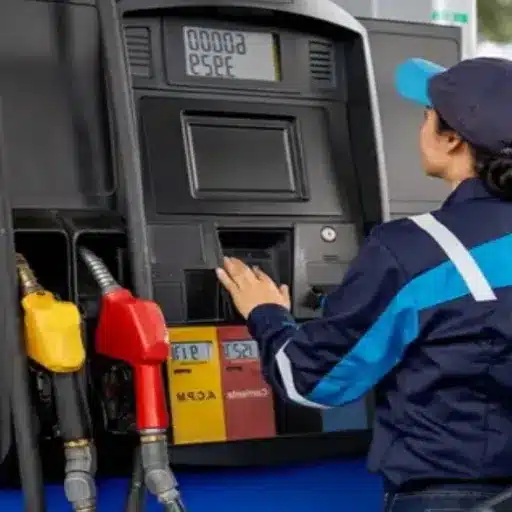
A control cabinet is a protective shell that houses electrical installations that monitor, control, and supply power to machines and systems. Consider it akin to the body’s central nervous system for electrical infrastructure. It puts the circuit breakers, contactors, PLCs, and wiring within secure, climate-controlled environments, protecting sensitive electronics against environmental threats.
Control cabinets are more complex than simple junction boxes, as they are engineered systems and provide protection against:
- Environmental protection against dust, moisture, extreme temperatures, and corrosive elements
- Safety of personnel-keeping them away from any accidental contact with live electrical components
- Structured utility for power distribution, control signals, and monitoring equipment
- Environmental control through ventilation, heating, or cooling systems that maintain perfect working standards.
In industrial and fueling environments, control cabinets are indeed considered to have an edge as they not only serve as a dispensing center but also incorporate all of the systems for leak detection. In addition, such cabinets are also expected to guarantee uninterrupted operations even when subjected to extreme conditions. Most importantly, such cabinets are designed to make maintenance and diagnostic operations a lot easier.
Control Cabinet vs Control Panel: What’s the Difference?
These terms are often used interchangeably, but they refer to distinct elements:
| Feature | Control Cabinet | Control Panel |
|---|---|---|
| Definition | Complete enclosed housing for all electrical components | Interface surface with controls, indicators, and displays |
| Physical Form | Full enclosure with walls, door, and mounting infrastructure | Flat surface (often the cabinet door) with mounted controls |
| Primary Function | Houses, protects, and organizes power distribution and control electronics | Provides a human-machine interface (HMI) for operation and monitoring |
| Typical Contents | Circuit breakers, contactors, wiring, transformers, PLCs | Buttons, switches, indicator lights, touchscreens, meters |
| Relationship | The “container” that holds everything | Often mounted on or inside the cabinet |
In practical terms, the control cabinet is the wardrobe that stores and protects your electrical infrastructure, while the control panel is the personal assistant interface that lets operators interact with the system. Most industrial setups use both in tandem.
Types of Control Cabinets
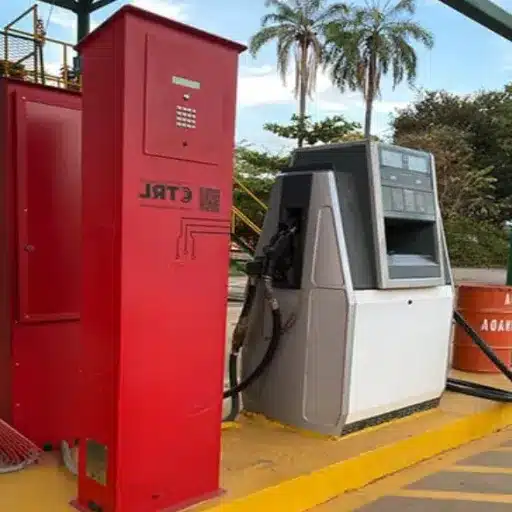
Control cabinets are engineered in different ways depending on the application and the environment in which they are to be used. Differentiating between these helps ensure that one is using the right equipment that suits their needs in terms of operations and safety.
Free-Standing vs Wall-Mounted Cabinets
Control cabinets classified as free-standing are installed on the ground and allow bigger modules to be mounted with an improved, easy maintenance support. These are the constructs mostly used in industries and fuel stations where heavy-duty power distribution devices are utilized. These are usually available in sizes of 600mm × 400mm × 200mm up to 2000mm × 800mm × 600mm for the very large ones.
Where space on the floor is of primary concern, wall-mounted enclosures prove effective for setups requiring less spreading out and more central control installations. They are handy in monitoring stations, for sectional control of equipment, or places with a limited area. They are much lighter and smaller in size, although less practical for solutions of dense configurations.
At the time of enlarging his gas station operations within the city of Riyadh, Ahmed went for wall-mounted cabinets to save on space for a start. However, he realized that he needed more space when he attached fuel management systems and smart monitoring. During the second stage of expansion, the use of free-standing cabinets ensured sufficient expansion capacity without fully restructuring the infrastructure.
Explosion-Proof and Hazardous Area Cabinets
Explosion-proof control cabinets must be instituted in the case of fuel stations, chemical factories, and all other such locations, where there is a possibility of flammable gas or vapor presence. The purpose of these enclosures is to protect internal devices, which may cause an explosion, from causing ignition of the explosive environment by means of several protective mechanisms.
Flameproof Design (Ex d): This uses machined surfaces to stop the explosion from within the enclosure. More structural components absorb the energy of the explosive internal pressure without splitting.
Pressurized Systems (Ex p): Such systems use purged air or other inert gases to build up pressure within a cabinet and thus block ingress of explosive atmospheres. In the event of loss of pressure, sound og light alarms are set off, or the shutdown procedure is initiated.
Increased Safety (Ex e): Methods of hardening prevent any minor arcing, sparking, or extreme heating that can result in ignition of explosive gases.
For hazardous areas in gas stations known as Class I, Division I areas, where there is a possible presence of explosive gases during normal operations, control cabinets are normally specified as Ex d IIB T4 Gb.
PLC and Automation Control Cabinets
Programmable Logic Controller (PLC) control cabinets are used to enclose automation systems for process control. The control cabinets consist of the following:
- A rack of PLC processors and input/output (I/O) cards
- Power supply units and distribution equipment
- Communication products for interfacing with external networks
- Terminal boards for neat arrangement of wiring
- Human-Machine Interface (HMI) screens
In recent times, intelligent PLC panels capable of Industry 4.0, IOT, remote control, and predictive maintenance are being produced. Every year, the global demand for intelligent control cabinets thrives at a rate of 7%, with 25% of all systems sold being IoT-enabled.
Power Distribution Cabinets
These cabinets focus on electrical power management rather than control logic. They typically house:
- Main circuit breakers and disconnects
- Distribution boards and busbars
- Surge protection devices
- Power monitoring equipment
- Residual current devices (RCDs)
In fuel station applications, power distribution cabinets must meet specific safety standards, including NEC 514.11 for emergency stop functionality and NEC 514.13 for individual dispenser circuit isolation.
Control Cabinet Components Explained
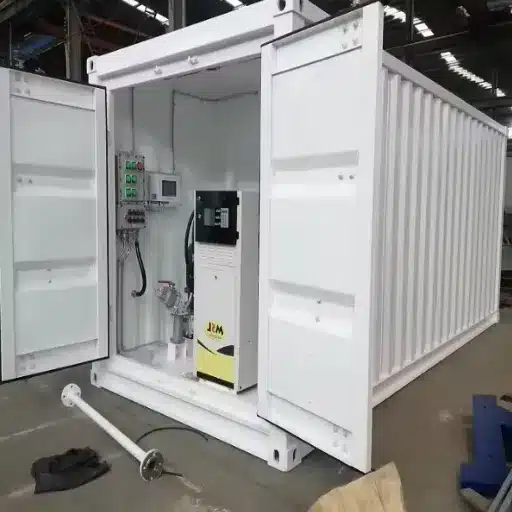
Understanding the key components inside a control cabinet helps you evaluate specifications and communicate effectively with suppliers and integrators.
Enclosure and Housing Materials
Thanks to the enclosure, the harmful effects of the surroundings are mitigated. The most frequently used include:
Carbon Steel (Q235B): Economical, which proves sturdy, and may have a powder coating to prevent rust. Ideal for installations that are indoors and used for industrial purposes.
Stainless Steel (304 or 316L): Made for the harshest conditions due to high corrosion resistance and is therefore preferred for coastal locations, industries processing chemicals, or those involved in food production, among others.
Aluminum Alloy: Because of its light nature and enhanced cooling efficiency. Most suitable for hanging cabinets, lighter than the normal counterparts, and for other applications.
Construction usually involves the use of double metal plates consisting of non-combustible spaces in between them, thermalized conformed to the relevant performance. Protection index ranges between IP 54 (dust and water sprinkling) for ordinary in-house applications, and IP 66 (dust and powerful water splash) for tougher outdoor conditions of usage.
Power Distribution Components
Circuit Breakers: Are the most effective devices to protect circuits against current overload and short circuits. In fuel station circuits, hearings should be designed to carry specific loads as well as provide adequate protection. The rating of the main breaker should, as a rule, not exceed 1.2 – 1.5 times the permissible full current of all installed equipment.
Power Contactors: Switches that conduct electric power to high-powered devices. They protect from high voltage and allow control of the operation of pumps, dispensers, and accessories.
Distribution Boards: Places where the power supply connects and is distributed over different circuits. These include busbars, terminal blocks, and features to support cable routing and maintenance.
Control and Automation Elements
Programmable Logic Controllers (PLCs): The brain parts of automation systems that work based on control logic, sensing inputs, and instructions provided. Today’s PLCs allow the connection to Ethernet, monitoring via remote devices, and the use of SCADA means.
Relays and Timers: Provide control sequence, delay, and safety interlocks. At gas stations, these devices can be used to control the sequence of operations when starting, allowing or disallowing certain submersible pump operations in conjunction with the other dispensers, and also turn-on and turn-off times of lights.
Variable Frequency Drives (VFDs): These devices control the motor’s speed for fan and pump systems, which in turn helps to save energy and minimize mechanical damage. Luckily, VFD generation happens at a lot of high temperatures, and control cabinets are adequately ventilated.
Safety and Protection Devices
Residual Current Devices (RCDs): These help in ground fault detection and isolation of the power supply so as to avoid any electric shocks. In gasoline dispensers, 30mA devices with an operating time of 0.1 seconds are considered suitable.
Surge Protection: Deals with the protection against lightning or power system transient events. Must meet IEEE C62.41 Category B and UL 1449 standards.
Emergency Stop Circuits: Such systems are manual devices that break the entire circuit of any powered dispenser. Required per NFPA 30A Section 6.7 and NEC 514.11 requirements for dispensing outlets.
Climate Control Systems
Heat is produced in any electronic device, hence reducing its operational efficiency as well as service on lengthy periods. Therefore, a centric environment controls implement measures such as:
Cooling Fans: These make use of fan-fin technology and are optimal for low and moderate heat emission, not involving any other equipment. There should be filter elements to prevent the occurrence of dust inside.
Air Conditioners: Used for removing heat where heat loads are high or in extremely hot environments. Used where control cabinets have VFDs or are in hot zones.
Heaters: They stop the condensation of elements inside control cabinets and ensure that these continue operating when it gets too cold. The majority of them are normally fitted with thermostats.
Heat Exchangers: They are closed circuits designed for the circulation of air within the cabinet only, to avoid the introduction of dirt or dust from the surrounding environment. They are recommended for use in areas that are dusty or that use chemical substances.
Standards and Certifications
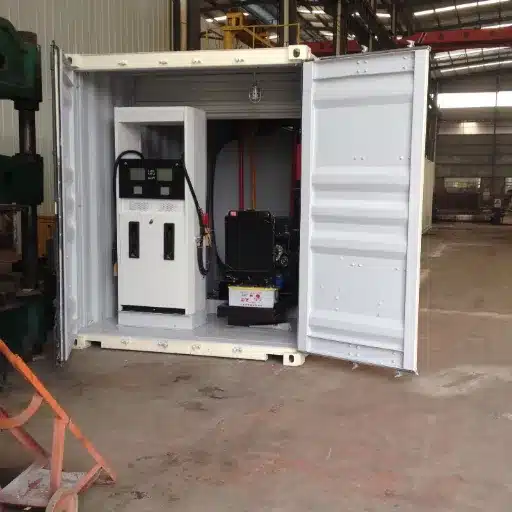
Compliance with industry standards ensures safety, reliability, and regulatory acceptance. Understanding these certifications helps you specify appropriate equipment for your application.
IP Ratings and NEMA Classifications
IP (Ingress Protection) ratings define protection levels against solids and liquids:
| Rating | Solid Protection | Liquid Protection |
|---|---|---|
| IP54 | Limited dust ingress | Protected against water splashing |
| IP65 | Dust-tight | Protected against water jets |
| IP66 | Dust-tight | Protected against powerful water jets |
| IP67 | Dust-tight | Protected against temporary immersion |
For outdoor fueling station applications, a rating of either IP65 or IP66 is generally advisable so as to endure weather conditions and cleaning interventions.
NEMA standards (which are the North American version) have a similar classification.
- NEMA 4: Water and dust penetration is sealed in equipment designed for either indoor or outdoor usage.
- NEMA 4X: Same as NEMA 4 but with enhanced corrosion resistance.
- NEMA 13: No oil or dust entry indoors (useful for most control cabinets in industries).
Explosion-Proof Certifications (ATEX, UL, IECEx)
Different certification schemes could apply depending on your region of hazardous environments.
ATEX Directive (Europe): Equipment that will be sold in Europe will need to comply with the laws of Explosive Atmospheres as laid down in the ATEX 114 Directive. Its certification includes:
- Zone classification: Zone 0 (continuous hazards), Zone 1 (expected during normal operation), and Zone 2 (unlikely, short duration)
- Equipment Protection Level (EPL): G for gas atmospheres, D for dust,
- Protection concept: Ex d (flameproof), Ex e (increased safety), Ex p (pressurized)
UL Standards (North America): For equipment going to North America, the Underwriters Laboratories evaluates it under hazardous locations using Class/Division or Class/Zone systems.
- Class I: Flammable gases or vapors
- Division 1: Hazardous atmosphere normally present
- Division 2: Hazardous atmosphere not normally present
- Groups: A (acetylene), B (hydrogen), C (ethylene), D (propane)
IECEx (International): This scheme for certification facilitates the global exchange of products and global acceptance of equipment that can be used safely in hazardous environments.
IIB T4 is necessary for gas station applications as characterized by Zone 1 under the regulations of UL.
Gas Station Safety Standards
The control cabinets of fuel stations should meet all requirements of this industry:
NEC 514.11: But are there optional, emergency stop switches that can disconnect all dispenser circuits simultaneously? Controls must include e-stop buttons that are clear and easy to reach on the control cabinet.
NEC 514.13: One preferred method is to provide separate individual breaker switches for each dispenser for maintenance lockout purposes so that technicians can separate individual dispensers without stopping the entire system.
NFPA 30A: This standard describes the fire protection and emergency requirements for the bulk storage of and retail dispensing of gasoline and other motor fuels.
PEI/RP500: Covers regular recommended practices from the Petroleum Equipment Institute, incorporating the latest amendments on how electrical gear can be introduced into places where motor fuel is sold.
Control Cabinet Applications
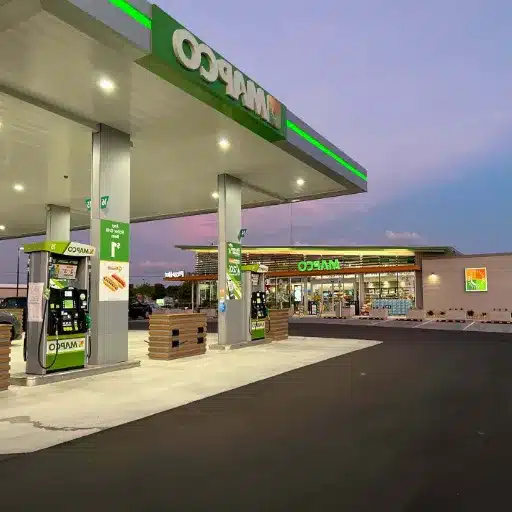
Control cabinets serve diverse functions across multiple industries. Understanding specific applications helps illustrate how these systems solve real operational challenges.
Fuel Station and Dispenser Control
The control cabinets in the retail industry for dispensing gas manage the hard task of handling dispensers, payment systems, tank gauges, and safety equipment. A routine fuel station control setup includes:
Automation Cabinet: becomes the central hub that links each pump to the station’s POS system. Modern systems such as the OPW FSC3000 are capable of managing up to 12 fuel island terminals along with 32 hoses operated simultaneously.
Safety Integration: Emergency stop functionality, leak detection interfaces, and the monitoring of vapor recovery systems. It activates the devices needed to lock out fuel flow when the safety situation is not acceptable.
Power Management: All dispensers, submersible pumps, as well as canopy lightings and auxiliary systems will be operational. Open circuit protection—and current monitoring in one-stop shop.
Standardization happened in Asia because of PetroMax stations and their decision to upgrade the systems of forecourts, which was a combination of fuel management, safety, and power distribution in one integrated control cabinet. This installation facilitated 40 percent faster while at the same time made centralized diagnostics easier for maintenance.
Industrial Automation Systems
Control cabinets are used in manufacturing and processing as follows:
Production Line Control: It involves the management of a number of industrial devices run by PLCs, such as conveyors, robot systems, and other types of machines.
Building Management: HVAC control; centralization of lighting systems; energy usage and control through control cabinets.
Process Control: It is the use of highly specialized cabinets by chemical engineers in refineries, pharmaceutical production, and chemical plants for processing automated functioning of temperatures, pressures, and flow rates.
Skid-Mounted Fuel Station Integration
Mobile and modular fuel stations necessitate control boxes that may be specifically configured from:
Compact Design: Space constraints require efficient component layout and often wall-mounted configurations.
Harsh Environment Rating: Harsh conditions, such as outdoor conditions, have to be protected by IP65+ and temperature from -40°C to +55°C.
Integrated Functionality: Skidder sacks, metal boxes house power distribution, nozzle control, tank monitoring, and security systems under a single enclosure.
Explosion-Proof Construction: Ex d IIB T4 Gb-rated cabinets are standard for skid-mounted stations handling gasoline and diesel.
Hazardous Environment Applications
There is the use of explosion-proof control cabinets above and beyond fuel stations, including:
Chemical Processing Plants: Property houses where pumps, mixers, and reactors are operated under the effect of volatile or pressurized solvents or gases.
Oil and Gas Operations: Out of all explosion-proof control cabinets, those installed on drilling sites, offshore platforms, and refineries are amongst the best.
Mining Operations: Generally, underground coal mines or mineral processing facilities are technically sound when they use inherently safe styles of explosion-proof control.
Pharmaceutical Manufacturing: Operations controlling processes in areas where combustible dusts are generated due to the bulk handling of powders.
How to Choose the Right Control Cabinet
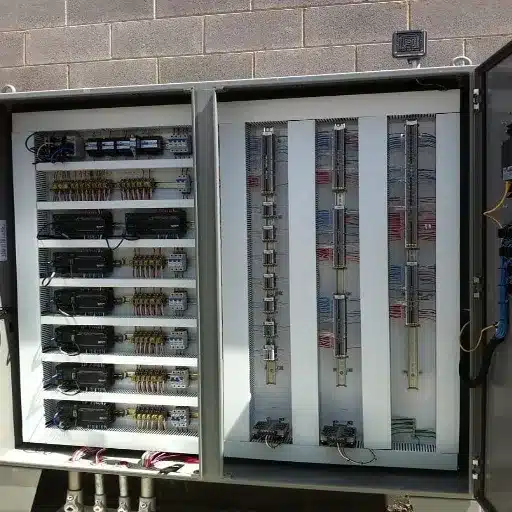
Selecting the appropriate control cabinet involves evaluating multiple factors to ensure safe, reliable operation that meets your specific requirements.
Assessing Your Requirements
Document how you operate this method:
Environmental Conditions:
- Indoor or outdoor setup?
- Extreme highs and lows of temperature?
- Affected by dust/moisture/chemicals or certain corrosive agents?
- Hazardous areas classification (Zone/Division)?
Electrical Specifications:
- Voltage requirements (120V, 230V, 480V)?
- Full current load and number of circuits desired?
- Induction of the use of variable frequency drives or heat-generating equipment?
- Criteria of power quality (surge protection, filtering)?
Control Complexity:
- Simple power distribution or something more complex?
- PLC-controlled or controlled with relays?
- The possibility of monitoring remotely and using it in communication?
- Now standardized for SCADA or in an existing BMS for mutual integration?
Sizing and Capacity Considerations
Appropriate space reserve where expansion may be addressed to will avoid overheating:
Internal Space: Equate approximately 20-30% reserve space to ease future modifications. Clamped motor drive units would lead to heating issues and are really hard to service.
Heat Dissipation: Sum up the heat output from all sources. VFDs, power supplies, and transformers all emit quite a lot of heat, which must be effectively managed. If you find that your thermal calculations are more due to the increase in sheer loads, specify the type and size of cooling fans used in air conditioning.
Access Requirements: Include enough space for maintenance, wiring, and new component replacement. The door swing, internal mounting plate access, and removable clearances would have to be taken into consideration.
Environmental Protection Ratings
Match the protection rating to your environment:
- IP54/NEMA 13: Suitable for clean indoor industrial environments
- IP65/NEMA 4: Appropriate for outdoor applications with weather exposure
- IP66/NEMA 4X: Required for harsh outdoor environments or heavy washdown areas
- Ex d/Ex p: Mandatory for hazardous area applications
Integration with Existing Systems
Assess how the new control cabinet interfaces with your existing infrastructure:
Communication Protocols: Make sure to check if it’s compatible with existing networks like Modbus, Ethernet/IP, Profinet, etc.
Physical Interfaces: Look for the same cable entry parameters, mounting configuration, and space limits.
Power Compatibility: See that voltage, frequency, and phase conform to the power supplied by your site’s electrical system.
Budget and Total Cost of Ownership
Mind that the cost follows the purchase:
Initial Costs: housing, parts, erection, startup
Operating Costs: energy consumption (esp. for air conditioning), maintenance, replacement parts
Lifecycle Costs: expected service life, capacity for upgrading, replacement part availability
When a better climate control cabinet is installed at an initial high cost, it can provide the owner with low costs over the duration and reliability in the long life of service.
Installation and Maintenance Best Practices
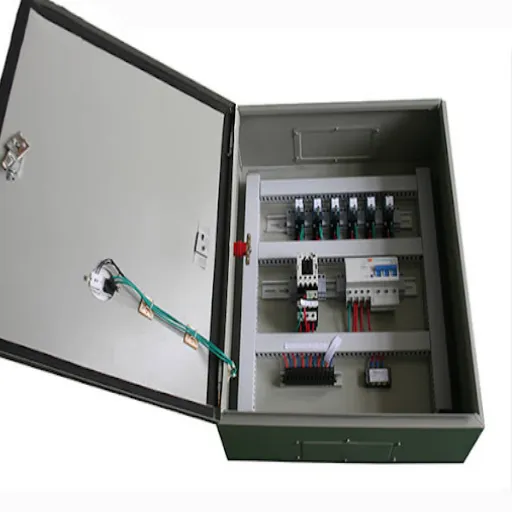
Proper installation and ongoing maintenance ensure your control cabinets deliver reliable performance throughout their service life.
Professional Installation Requirements
Qualified persons are needed to ensure proper control and installation of the panel for best practices about electric codes and for the purpose of safeguarding lives:
Electrical Contractors: The client must also ensure that his contractor is a licensed master electrician who has experience working with industrial controls, plus knowledge of the local electrical code.
Foundation and Mounting: It is extremely important to mount and support the cabinet properly, especially when such cabinets are either “free-standing” or “floor-mounted” in regions prone to earthquakes, and where cabinets are heavy enough to withstand the tremendous shaking, seismic motion may be dealt with.
Environmental Sealing: Complete the proper sealing of all cable entry points with corresponding glands and seal the enclosure. It may be necessary to have breather drains in order to prevent condensation while maintaining the protection rating.
Grounding: Install proper grounding systems in accordance with the NEC or local codes, particularly for most control cabinet construction instances that will require equipment grounding conductors and shall also require grounding for electromagnetic compatibility (EMC).
Routine Inspection Checklist
Regular inspections catch problems before they cause failures:
Monthly Checks:
- Visual inspection for damage, corrosion, or contamination
- Verify indicator lights and displays function correctly
- Check climate control systems (fans, air conditioners, heaters)
- Review any alarm logs or diagnostic messages
Quarterly Checks:
- Tighten terminal connections (thermal cycling can loosen connections)
- Inspect and clean or replace air filters
- Verify emergency stop functionality
- Test safety interlocks and shutdown systems
Annual Checks:
- Comprehensive thermal scan to identify hot spots
- Calibration verification for monitoring equipment
- Detailed inspection of surge protection devices
- Review and update documentation for any modifications
Common Troubleshooting Tips
Overheating: Examine air filters, fan operation, and ambient temperature, and see if there’s just too much overheating source for the cooling capacity of the cabinet.
Moisture/Condensation: Verify gasket sealing, confirm that the breather drains are not plugged, and consider installing heaters if the dew still persists.
Intermittent Operation: Loose connections are the most commonly found reason. Especially significant on vulnerable applications, assess the adequacy of terminal screw tightness.
Communication Failures: Fault-Verify the shield grounding, assess cable integrity, and check the cable for the correct termination of communication cables.
Maintenance Scheduling
Construct a plan for preventive maintenance, considering the manufacturer’s recommendations as well as the environment under which you operate. Adverse environmental conditions (dust, chemicals, and extreme temperatures) will demand increased frequency of inspection.
Maintain the following logs for good recordkeeping:
- The dates of inspection and results
- Parts replaced
- Modifications undertaken
- Test results for safety systems
This documentation, beyond the warranty claims, contributes to an investigation of repetitive problems and ensures compliance with rules and regulations.
Conclusion
Control Cabinets are not parts of your filling station or industrial establishment that can be spotted easily, but they are very essential components. The enclosure protects internal electrical connections that ensure everything is up and running safely, environments with high risks, and the entire physical module for new-age automation and control systems.
Key takeaways from this guide:
- Determine whether Control Cabinets or some other kind is required – could be, for e.g. a typical cabinet or a sealed type enclosure for explosion risk areas.
- Know the applicable standards and regulations in terms of certification for the particular installation, which include regional standards such as IP /NEMA and ATEX /UL certified installations for hazardous zones.
- Ensure appropriate physical dimensions are chosen, allowing for extra capacity with the right thermal management strategy based on the total heat dissipation.
- Make provisions for interfacing with the current setup and expansion possibilities.
- Put money into installing and servicing properly to assure dependability and longevity.
The worldwide market size for control cabinets is over 15 billion USD, and it is expected to increase as industrial automation processes expand. Today, more than a quarter of newly installed systems are smart and connected to the Internet of Things. The control cabinets that one selects and implements at present will make it easier to incorporate new functionalities whenever required.
Ready to specify control cabinets for your project? Shandong Shengrui Intelligent Equipment Co., Ltd. is involved with designing, manufacturing, and supplying control systems for gas stations and industrial applications around the world. All our products are UL-, ATEX-, and IECEx-certified, which allows our team to help end users with designing the specifications up to the installation of the equipment.
Request a personalized quote or contact our engineering team to discuss your specific requirements. We’ll help you select control cabinets that ensure safety, compliance, and reliable performance for years to come.