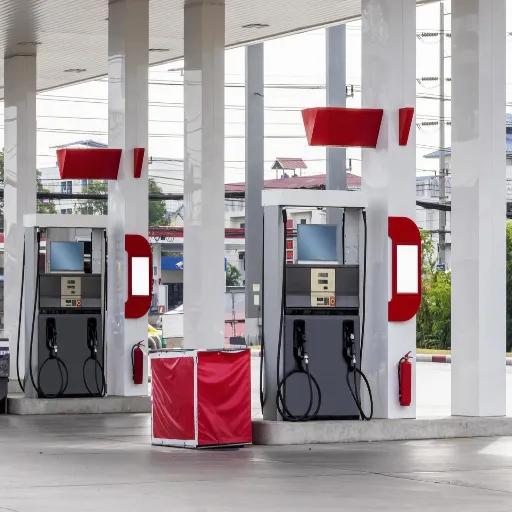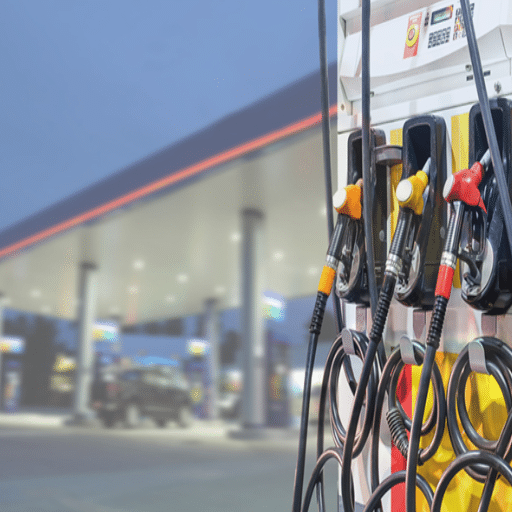
The various industries that operate diesel storage tanks need these tanks as their core equipment to handle fuel storage operations. Diesel storage tank selection provides crucial advantages that diesel-dependent industries like agriculture, construction, and transportation sectors need to improve their operational performance and financial results. The guide provides complete information about diesel storage tanks, which includes their advantages and different types, and existing regulations and methods for selecting the best storage system to match your requirements. The article provides information that helps readers select appropriate fuel storage systems for their business needs, from small operations to extensive industrial facilities.
Introduction to Diesel Storage Tanks
What is a Diesel Storage Tank?
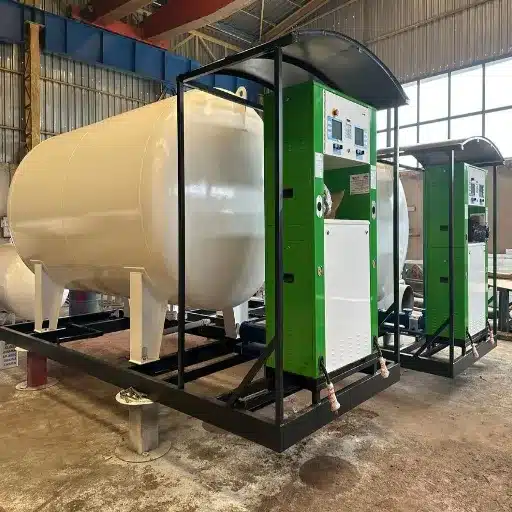
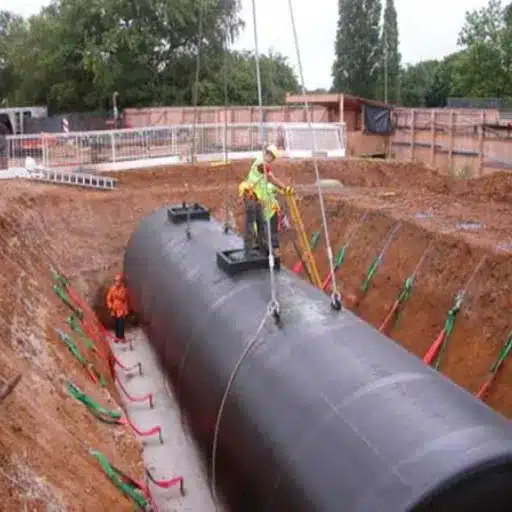
The design of diesel storage tanks enables them to function as secure storage units that contain diesel fuel used by multiple industrial sectors, including transportation, construction, agriculture, and manufacturing. The tanks function as safety equipment that protects diesel storage operations from spoilage while maintaining environmental safety and operational integrity through their design. The systems provide organizations with different size options and material choices, and design variations that help them fulfill their specific operational requirements.
Diesel storage tanks are typically classified into two types based on their installation method: above-ground storage tanks (ASTs) and underground storage tanks (USTs). Above-ground tanks require more space for installation and inspection, while underground tanks need less surface area to operate because they protect fuel from outside temperature effects. Diesel tanks commonly use steel, fiberglass, and polyethylene as materials because these substances provide exceptional strength and resistance to corrosion.
Industry estimates indicate that standard diesel storage tanks have capacities that range between 50 gallons and 50,000 gallons, with small portable tanks reaching their lower capacity limit and large industrial operations reaching their upper capacity limit. Diesel storage tank design and installation and maintenance procedures need to follow regulations established by the Environmental Protection Agency (EPA) and local authorities because these rules protect public health and safeguard the environment.
The technological advancements of today have developed diesel storage tanks that include new leak detection systems, secondary containment measures, and automatic fuel monitoring and pump integration features. The systems reduce environmental risks while providing safe equipment usage.
The proper understanding of diesel storage tank operations, their features, and regulatory requirements enables efficient operation, which protects essential resources while reducing potential threats.
Types of Diesel Tanks Available
The different tank types found in diesel storage facilities enable operators to handle their operational needs and different use situations. The main tank classifications are three types, which include:
- Above-Ground Storage Tanks (ASTs).
Operators of ASTs gain easy access to tank inspection points, which enable them to perform maintenance work on the tanks. The tanks can store between hundreds of gallons and over a thousand gallons because they use either steel or polyethylene as their construction material. Many ASTs feature protective coatings or double-wall designs, which serve to prevent both corrosion and leaks. According to research findings, ASTs serve as the preferred choice for industries that need tank systems that can be relocated and installed at lower expenses. - Underground Storage Tanks (USTs)
USTs function as underground systems, which require installation to occur below ground level. The UST design enables underground installation, which creates additional space while safeguarding the system from environmental hazards. USTs can store significant amounts of diesel fuel, but their operation demands strict security measures because the tanks pose risks of soil and groundwater pollution through leakages. According to the Environmental Protection Agency (EPA), there are more than 550,000 USTs in operation throughout the United States today, and the industry is increasingly adopting advanced technologies for leak prevention. - Portable Diesel Tanks
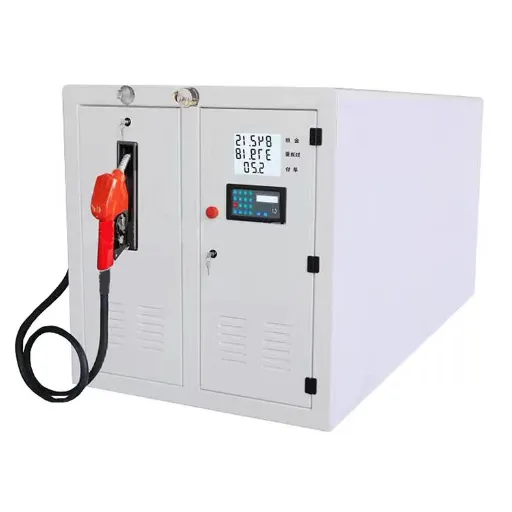
The tanks serve as fuel transport systems, which enable agricultural and construction workers to move diesel fuel between their job sites. Portable diesel tanks have a size range that starts at 50 gallons and extends to 1,000 gallons, while their design includes built-in pumps and transfer hoses, which enable efficient fuel distribution operations. - Horizontal and Vertical Tanks
A diesel tank requires a specific orientation for its proper usage. The design of horizontal tanks makes them suitable for use in both mobile operations and temporary storage, while vertical tanks serve as stationary solutions for locations with limited storage capacity.
The various tank types provide distinct storage benefits, which enable users to select the optimal solution for their diesel storage requirements because each tank type has different track operational needs and track legal requirements. The diesel storage systems achieve optimal performance through regular maintenance, which, combined with monitoring systems, increases system efficiency and protection.
Applications of Diesel Storage Tanks in Various Industries
Diesel storage tanks function as vital systems that enable industrial facilities to maintain essential fuel resources required for their business operations and efficiency upgrades. The following list presents the main uses that provide specific advantages to those applications:
- Agriculture Industry
Farm operations depend on diesel fuel to operate all agricultural machinery, including tractors, irrigation equipment, and generators. Farmers can use storage tanks to keep fuel at their farms, which helps them to work more efficiently by cutting down on the time needed for refueling. Recent industry data shows that U. S. agricultural operations use approximately 3.5 billion gallons of diesel fuel each year. The storage systems that receive proper maintenance enable efficient operations while supporting continuous work processes throughout the planting and harvest periods. - Construction Industry
Construction sites need large amounts of diesel fuel because they operate heavy machinery, which includes bulldozers, cranes, and excavators. Remote areas benefit from portable diesel tanks, which provide various fueling options. The global construction equipment market, which reached a valuation of $190 billion in 2022, depends on diesel fuel because it offers energy efficiency and availability to users. - Transportation and Logistics
Trucking fleets and rail systems, and shipping vessels depend on diesel fuel for their movement and freight operations. On-site storage tanks at distribution centers or depots enable companies to purchase fuel in bulk and reduce costs. According to a 2023 report, which establishes its vital role in global logistics operations, diesel fuel powers more than 75% of worldwide transported goods. - Mining Sector
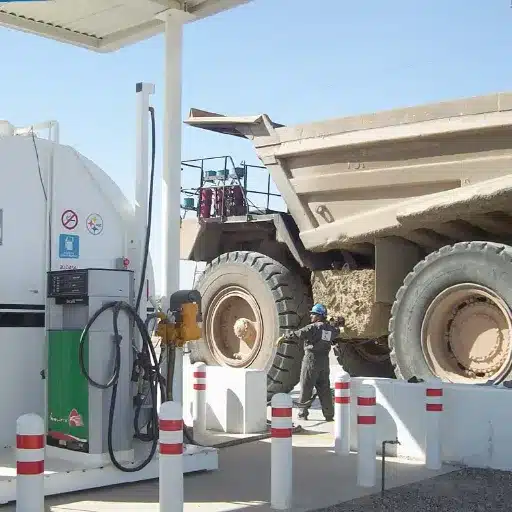
Mining operations need fuel for their equipment, which mining companies must store at mining sites that lack access to fuel supplies. Diesel storage tanks guarantee operators receive continuous fuel, which powers both their equipment and vehicles and backup generators throughout the operational day. The mining industry uses diesel fuel extensively because its operations depend on heavy machinery usage. - Manufacturing and Industrial Facilities
Industrial plants depend on diesel fuel as their secondary power resource, which operates specific equipment during electrical outages. Facilities equipped with storage tanks can operate continuously in emergencies, which enables them to avoid expensive downtime costs. Diesel generators provide 62% of all backup power systems used in manufacturing facilities throughout the United States. - Energy and Utilities Providers
Diesel storage tanks support power generation systems that operate in remote locations without access to electrical grids. The power plants generate electricity during peak demand hours. Major energy companies worldwide depend on diesel tanks to provide power during maintenance and outage situations, which helps them maintain service continuity. - Emergency Services and Critical Infrastructure
Emergency backup systems at hospitals, fire departments, and communication centers use diesel storage as their power source. Diesel generators serve as essential power sources that protect communities during natural disasters and power grid failures. Diesel systems operated throughout the states that were affected by Hurricane Ian in 2022 to sustain vital operations at essential facilities.
Diesel storage systems enable operational support for diverse industrial sectors because they allow equipment and essential infrastructure to function without interruption. Modern tank designs combined with advanced monitoring systems enable diesel tanks to achieve operational flexibility while fulfilling safety requirements and environmental regulations.
Importance of Fuel Storage in Industrial Applications
Role of Diesel Fuel in Operations
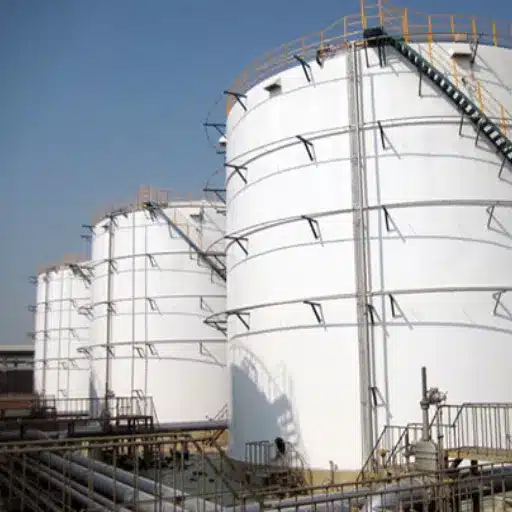
The industrial sector depends on diesel fuel, which provides energy to construction work, manufacturing operations, transportation activities, and agricultural processes. Diesel fuel drives approximately 28% of worldwide energy use in the transportation sector because it powers most heavy-duty vehicles, which include trucks, buses, and ships. The construction and mining industries rely on diesel fuel to power bulldozers, excavators, and other heavy machinery, which helps work sites maintain their operational productivity.
Backup systems in locations that experience regular power outages receive their main electricity supply from diesel fuel. The International Energy Agency reports that diesel generators deliver emergency power to vital facilities such as hospitals and data centers, and critical infrastructure that needs power during grid outages. Advanced diesel engines deliver better fuel efficiency, which decreases operational expenses while sustaining high performance standards. The introduction of new technologies, which include low-sulfur diesel and biodiesel blends, enables businesses to reduce their environmental footprint through emission control while sustaining energy production capabilities. The latest developments prove that diesel fuel remains vital for achieving industrial operational efficiency and sustainable practices.
Benefits of Reliable Fuel Storage Solutions
Businesses across multiple sectors, such as healthcare, data centers, agriculture, and manufacturing, rely on secure fuel storage systems to support their ongoing business operations. The advanced fuel storage systems safeguard their energy assets against three potential threats, which include contamination and evaporation, and leakage, to avoid operational interruptions that result in substantial unplanned downtime costs.
The global fuel storage market will grow from $1.2 billion in 2021 to $1.7 billion by 2026, according to a recent MarketsandMarkets report, which shows a compound annual growth rate of 7.3%. The need for backup power systems, together with new environmental regulations that mandate better containment systems, drives this market expansion.
Today, storage tanks utilize stainless steel and fiberglass materials because these components safeguard against corrosion damage while increasing the tanks’ operational lifespan. The fuel level, temperature, and leak detection systems now use smart monitoring technology to track real-time data, which helps organizations achieve efficient operations while preventing resource wastage. The new technologies serve critical purposes, which include emergency response systems and large-scale energy supply networks.
Businesses achieve energy security and lower maintenance expenses, and meet environmental requirements through their investment in dependable fuel storage systems, which help them achieve operational excellence and environmentally sustainable objectives.
Impact of Fuel Storage Regulations and Standards
The regulations and standards for fuel storage operations have become more demanding because of the need to protect safety, environmental protection, and operational needs. The regulations that apply to different regions of the world actually have their main purpose of protecting the environment while stopping leaks and ensuring proper fuel handling. The U. S. Environmental Protection Agency (EPA) requires facilities that store more than 1,320 gallons of fuel in aboveground storage tanks to follow the Spill Prevention Control and Countermeasure (SPCC) rule because it protects against oil spill disasters. The European Union enforces its Environmental Liability Directive to make sure industries will take responsibility for environmental damage that results from their hazardous storage methods.
The current data shows that these standards have vital significance. The market analysis reports show that the worldwide demand for fuel storage solutions that comply with regulations will increase at a compound annual growth rate (CAGR) of 4.8% between 2023 and 2030. The market demand will increase because customers now want to acquire double-walled tanks together with secondary containment systems and leak detection technologies, which are essential for meeting current regulatory standards.
Energy companies now use sustainable materials and green technologies as the foundation for their storage systems. Research shows that 60% of the world’s major fuel storage companies now allocate funds to develop environmentally friendly technologies, which include solar-powered monitoring systems and recycled materials for tank construction. The new technologies enable companies to meet regulatory needs while they support worldwide sustainability objectives because they decrease the total carbon emissions from energy activities.
Businesses must learn these regulations. The employees must comply with these rules because the regulations provide them protection against financial penalties and judicial issues. The regulations enable companies to create safer energy infrastructure systems that protect people throughout the world.
Benefits of Different Materials Used in Construction
Steel Tanks: Pros and Cons
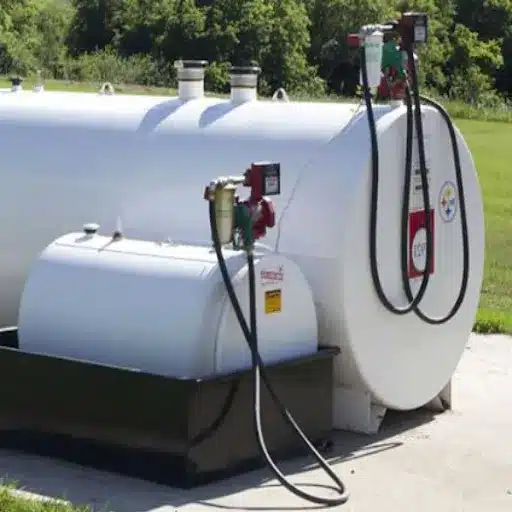
The industrial sectors depend on steel tanks because these tanks combine their strong structural properties with their capacity to endure long periods of use. The steel tanks offer various advantages because they can withstand extreme temperatures, while their extended operational time enables them to store large quantities of both liquid and gas materials. The most recent research findings prove that proper maintenance of steel tanks enables their operation to exceed 30 years, which results in significant savings during their entire operational period. Current systems maintain their functionality under extreme environmental conditions because they use protective coatings together with corrosion-resistant alloys.
Steel tanks need proper treatment because they develop rust and corrosion problems, which occur after they experience extended exposure to specific chemicals and moisture. The installation process requires extra steps for steel tanks because their weight exceeds that of tanks that use lighter materials. The current industry research shows that businesses need to consider rising raw steel prices as a budget element because this price increase will raise their project costs between 10 and 20 percent. The newly developed recycling methods enable sustainable environmental practices for steel tank disposal because they decrease waste while using recycled materials.
Plastic vs. Metal Tanks: Which is Better?
The evaluation of plastic and metal tanks requires assessment of their performance attributes, which include their durability, cost, and environmental effects, and their capacity to meet different operational needs. The manufacturers produce plastic tanks from polyethylene materials, which provide lightweight and corrosion-resistant features that cost less than metal tank systems. The products deliver superior performance when users need to transport and install them at multiple sites. The cost of polyethylene tanks for residential or small industrial purposes stands at 20-30% lower than the price of steel tanks, which have equivalent storage capacity. The tanks provide effective chemical and liquid storage solutions because their non-reactive surfaces prevent any contamination and structural damage from rusting materials.
The manufacturers construct metal tanks with stainless steel materials to provide users with their strongest and most durable product. The tanks demonstrate their ability to withstand extreme temperature and high-pressure conditions, which makes them appropriate for oil and gas operations, food processing facilities, and heavy-duty water storage systems. Metal tanks, which require a 40-60% higher upfront cost than plastic tanks, justify their expenses through their ability to provide service for multiple decades when maintained correctly. The products present an environmental advantage through their recyclability because most materials that enter recycling operations become reusable.
The application needs of a project determine which option becomes more suitable for the project. Project managers require plastic tanks as their best solution because their projects involve small-scale work, which needs both cost-saving measures and tank movement capabilities. Metal tanks deliver sustained benefits for industrial projects that operate in extreme environments, even though they demand higher spending at the start.
Durability and Longevity of Fuel Storage Tanks
The ability of fuel storage tanks to maintain their structural strength and operational lifespan depends on three main elements, which include the selection of materials, the actual environmental conditions, and the methods used for maintenance. Builders use steel and aluminum materials to construct metal fuel tanks, which demonstrate strength and toughness properties that have established these tanks as reliable. The industry estimates that steel fuel tanks, which receive correct maintenance, will last between 20 and 40 years, while their actual lifespan depends on their environmental conditions and the application of corrosion prevention systems. Aluminum tanks present better protection against corrosion, whereas their lighter weight enables operational performance that lasts more than 30 years when users maintain the tanks according to recommended operational limits.
Manufacturers produce plastic fuel tanks through high-density polyethylene (HDPE) production, which the industry has adopted because these tanks deliver superior protection against corrosion damage. The tanks achieve a lifespan of 20 years or more through proper maintenance when their UV radiation exposure remains at controlled levels. The HDPE tanks provide better protection against denting and structural failure when compared to metal tanks.
The double-wall tank design system improves durability because it adds an extra protective system, which prevents leaks from causing environmental harm. Research conducted recently has shown that double-wall tanks achieve more than 90% reduction in contamination levels. The implementation of leak detection systems together with pressure change monitoring systems has enhanced safety measures for fuel storage while extending operational time for these systems.
Fuel storage tanks reach their maximum operational lifespan through continuous maintenance, which requires knowledge of their specific material composition. Industry safety regulations, together with the process of cleaning and inspecting for rust or damage, help reduce operational downtime. Modern tanks can successfully withstand the challenges of extended fuel storage operations in different environmental conditions because of developments in manufacturing and advancements in protective coating technology.
Safety Considerations for Diesel Storage
Spill Prevention and Containment Measures
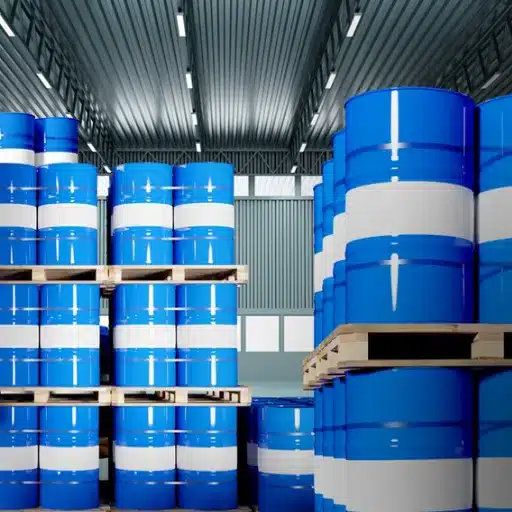
The diesel storage operations require environmental safety standards that mandate the installation of protective systems that must include equipment for containing spills. The need for effective preventive measures becomes obvious because spill incidents create soil contamination and water pollution and expose organizations to financial penalties. The installation of secondary containment systems, which include berms and dikes and double-walled tanks, serves as a key element in preventing spills because these systems function as emergency spill containment systems that will safeguard against potential leaks. The Environmental Protection Agency requires storage tank systems to have secondary containment systems that can hold 110% of their largest storage capacity because this design enables effective management of unexpected leakage events. The regular inspection and maintenance activities for tanks and pipelines become essential tasks because they allow staff members to identify early warning signs that indicate equipment deterioration or imminent failure.
SPCC plans serve as the fundamental method for overseeing diesel storage facilities. SPCC plans establish explicit methods that organizations use to stop spills from happening while reducing their environmental damage. The Environmental Protection Agency requires facilities that store more than 1,320 gallons of diesel to create a documented plan that details both proactive measures and emergency response procedures. Automated tank monitoring systems function as advanced technology that helps organizations decrease their risk of operational spills. The system uses its sensor technology to identify leaks and overfills while monitoring these events in real-time and executing automatic corrections for detected problems. Facilities that implement modern technologies experience significant reductions in spill incidents because these technologies lead to a 30% decrease in dangerous material leaks.
The training of operators represents the primary factor that enables organizations to lower their health and safety risks through successful practices of preventing spills. The training program provides staff members with the knowledge that enables them to handle diesel fuel safely and perform storage monitoring duties, and respond properly to emergencies. Comprehensive training programs at facilities lead to a 20% reduction in accidental spills, which exceeds the results obtained from implementing minimal training procedures.
Facilities achieve better spill prevention and containment operations through the combination of proper equipment, regulatory compliance, advanced monitoring systems, and trained personnel, which results in safer and environmentally friendly diesel storage operations.
Compliance with UL Standards
The diesel storage systems must meet Underwriters Laboratories (UL) standards for their safe operation and reliable performance. The UL standards establish UL 142 and UL 2085 as specific regulations that demand above-ground storage tanks to meet exacting standards of structural strength, fire protection, and environmental safeguarding. The UL 142-certified tanks protect against spills and maintain their strength for use in both stationary and portable applications, while UL 2085 tanks create advanced protection through their fire-resistant and impact-resistant design, which enables handling of dangerous storage environments.
The research shows that various industries now use UL-compliant tanks according to the latest study results. The 2023 survey proved that 85% of UL-certified storage facilities achieved a 30% reduction in spill incidents while their storage tanks experienced an extra 15 years of operational life. The management system of UL-certified tanks runs on advanced monitoring technologies that provide real-time fuel level updates and tank status assessment to enable fast response during emergencies.
The facilities achieve two major advantages from standard compliance because they meet legal obligations and they boost their operational effectiveness while protecting the environment. The tanks will resist extreme environmental conditions because UL compliance ensures their protection, which maintains personnel safety and environmental safety throughout their operational lifespan.
Emergency Procedures and Safety Equipment
The procedures that handle emergencies need to be defined specifically, while safety equipment needs to be accessible at all times to achieve safe operations. All facilities must create an Emergency Response Plan (ERP), which they should update regularly to detail their emergency response procedures for fuel spills and fires, and leaks. The emergency response plan (ERP) needs to contain complete communication rules and emergency evacuation paths, and all staff members need to understand their specific duties, which will help decrease confusion during emergency situations.
Facilities need to maintain their safety equipment on-site, which includes fire extinguishers and spill containment kits, gas detectors, and personal protective equipment (PPE), which consists of gloves, goggles, and respirators. The National Fire Protection Association (NFPA) reports that about 30% of industrial fires occur because people do not handle hazardous materials correctly, which makes it essential to have fire suppression systems designed for each fuel storage facility.
The implementation of advanced safety technologies, which include automatic shut-off systems together with leak detection solutions, provides improved protection against possible dangers. The latest industry analytics show that modern leak detectors use sensors that can detect very small changes in pressure and moisture with 99.7% accuracy for early leak detection.
The organization requires regular safety training sessions to be conducted for all staff members. The statistics demonstrate that effective training programs have the ability to decrease incident rates by more than 40%, which makes it essential to provide all team members with knowledge about safety protocols, together with emergency equipment handling procedures. The organization enhances its operational preparedness through technology integration by using digital dashboards that enable tank monitoring within its actual operational environment.
Facilities can achieve effective protection for their workers and the environment through their combination of advanced safety technologies and development of detailed operational emergency response procedures.
Maintenance Tips for Diesel Storage Tanks
Regular Inspection and Maintenance Practices
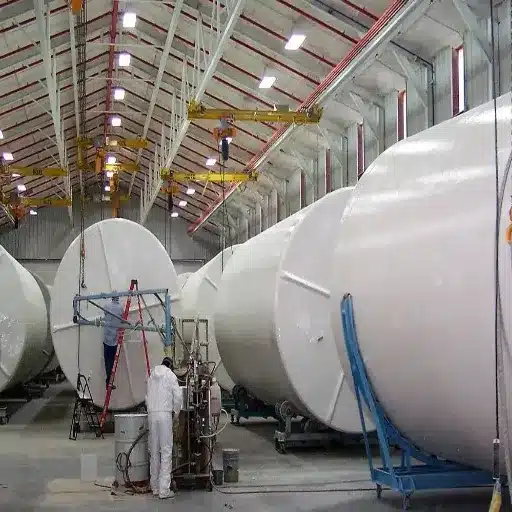
The establishment of a strict inspection schedule is necessary for diesel storage tank operations because tank upkeep requires this process to stop any leaks or contamination and environmental damage from happening. Aboveground storage tanks (ASTs) need their first tank inspection after one year from installation, which becomes due for a complete tank inspection every ten years. The inspection process requires ultrasonic testing to locate all instances of tank wall corrosion and thinning, while pressure testing assesses the tank’s ability to withstand pressure.
Diesel storage tank operations experience their highest operational efficiency threat from water accumulation in diesel storage tanks. Microbial growth and corrosion develop because water buildup results from condensation. Tank operators need to implement water monitoring systems and water-absorbing filters to reduce this potential danger. Industry data indicates that water-related problems create 90% of all diesel contamination cases, which shows the need for regular water drainage and water filtration maintenance.
Fuel quality management technology implementation enables maintenance work to receive support. The system uses digital sensors to track diesel quality and tank temperature, and pressure changes, which help identify problems before they develop further. Research shows that automated fuel management systems reduce contamination risks by 25% or more. The implementation of these practices leads to better operational outcomes while ensuring environmental protection and compliance with regulatory requirements.
Cleaning and Testing Your Fuel Storage Tank
Your fuel storage tank system requires ongoing testing and cleaning work to achieve maximum operational time. Existing sludge and microbial growth, together with sediment accumulation, will cause fuel quality deterioration, which results in equipment malfunction. Organizations that perform regular cleaning activities achieve more than a 30 percent decrease in contamination risks while their fuel purity and operational performance remain intact, according to research.
Advanced testing methods can identify impurities through fuel sampling and ASTM-standardized tests, which determine water contamination and fuel degradation. Studies show that storage tanks experience microbial growth problems because water contamination exists in about 90 percent of their cases. The combination of water detection paste and anti-microbial treatments will provide an effective solution to this issue.
Ultrasonic thickness testing (UTT) delivers accurate measurements of tank structural integrity, which enables the identification of initial corrosion development. UTT technology provides structural examinations with 20 percent improved accuracy because it uses advanced capabilities that protect against leak detection.
The combination of cleaning procedures with testing methods enables organizations to meet environmental standards that the EPA sets while decreasing their need for equipment repairs and minimizing operational interruptions, thus creating a safer and more environmentally friendly workplace.
Signs of Wear and When to Replace Your Tank
The correct time for replacing tanks leads to two essential results, which include decreasing expenses through preventing failures and ensuring safe operation of equipment. Recent industry data shows that tanks have a lifespan of 10 to 20 years, which varies according to material type, environmental factors, and maintenance practices. Steel tanks that experience both chemical exposure and humid conditions will develop faster corrosion processes, which will lead to their early operational shutdown.
The most effective method to identify wear signs involves conducting visual inspections. The inspection process should focus on identifying typical problems, which include rust, pitting, cracks, and weld defects. The ultrasonic tests (UTT) can identify wall thinning and hidden internal damage, which remains undetectable through basic observation methods. The advanced UTT equipment enables operators to measure tank dimensions within a precision range that reaches 0.001 inches, which provides them with the ability to identify early warning indicators before tank structural failure occurs.
The recent study results indicate that 30% of industrial tank failures occur because operators cannot identify corrosion and material fatigue. The protective measures require organizations to create maintenance schedules that they need to follow after they dispose of tanks that have finished their service life. Industrial Internet of Things (IIoT) sensor technologies now provide tank health monitoring systems that use real-time data to deliver predictive analytics that notify operators about upcoming problems before they develop into major crises.
Reference Sources
-
Effect of Tank Diameter on Thermal Behavior of Gasoline and Diesel Storage Tank Fires
This study explores the thermal behavior of diesel storage tanks under different conditions, providing insights into safety and design considerations.
Read the paper -
Long-Term Storage of Biodiesel/Petrol Diesel Blends in Polyethylene Fuel Tanks
This research examines the long-term storage effects of diesel blends in polyethylene tanks, focusing on material compatibility and fuel stability.
Read the paper -
Quantification of Microbial Load in Diesel Storage Tanks Using Culture- and qPCR-Based Approaches
This paper investigates microbial contamination in diesel storage tanks, which is critical for assessing storage feasibility and maintenance.
Read the paper
Frequently Asked Questions (FAQs)
What advantages does diesel storage tank usage provide?
The primary function of diesel storage tanks is to deliver secure and consistent fuel storage capabilities, which enable fuel to remain stored for extensive time periods. The tanks are constructed to withstand damage, while their spill prevention systems help minimize fuel loss and environmental harm during operation. Businesses can reduce their tank replacement requirements because UL Standards-compliant high-quality tanks provide extended product longevity, which leads to ongoing financial benefits. Diesel storage tanks provide fuel access, which businesses in industrial and agricultural sectors and generator backup systems can use efficiently.
How Do I Ensure Proper Spill Prevention and Containment?
A permanent diesel spill prevention system requires the use of tanks that have built-in spill protection systems, which include double-walled tanks or secondary containment systems. The inspection process needs to examine all components for possible leaks, cracks, and seal degradation. The establishment of local regulations requires organizations to follow these guidelines while using their tanks, which need to have both spill kits and containment bins to reduce environmental damage and legal violations.
What Maintenance Practices Help Prolong the Longevity of Diesel Tanks?
The operational lifespan of diesel storage tanks extends through their essential maintenance requirement, which mandates both regular inspections and necessary cleaning procedures. All personnel must conduct thorough inspections to identify any signs of corrosion or rust damage or structural deterioration, and they should immediately address any problems that they find. The scheduled tank cleaning process eliminates sediment buildup, which threatens to decrease the quality of the fuel. The tank testing process determines its strength and integrity, which confirms that it meets safety regulations while protecting against expensive repair and replacement needs.
How Can I Determine When to Replace My Diesel Storage Tank?
The tank needs immediate replacement when it shows active leaks, together with visible corrosion and any type of structural damage. The tank needs replacement when it fails to meet current UL standards because it cannot ensure safe fuel storage. The tank monitoring process, together with professional inspections, will determine the point at which tank operation ends.
Are UL Standards Mandatory For Diesel Tanks?
The diesel storage tanks require compliance with UL Standards because they establish essential safety requirements. The standards require tanks to meet two different safety standards, one durability standard and one operational performance standard. The tanks that display UL certification let customers purchase equipment that has been engineered to protect against hazards like spills, fires, and fuel contamination.
What Emergency Procedures Should Be in Place?
Emergency preparedness is essential when handling diesel storage tanks. The storage area should have fire extinguishers, spill kits, and personal protective equipment. The organization needs to establish spill, fire, and leak response protocols that require personnel to undergo proper training. Emergency drills and procedure updates help organizations maintain safety compliance while preparing for unexpected events.