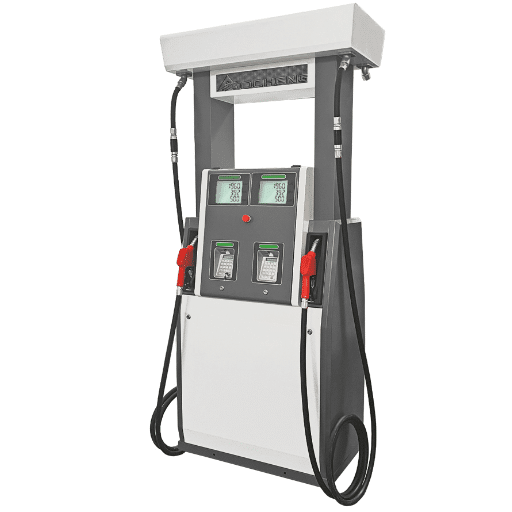
Setting up a gas station is not only a business that can earn money but also a tough task that will demand a well-elaborated financial plan and a good grasp of the initial investment. The expenses involved, from land and construction to fuel supply and permit applications, can easily mount. In this article, an extensive examination of the costs to open a gas station is provided, with major factors such as location, equipment, operational expenses, and brand partnership being dissected. The financial commitments that you need to consider to actualize your idea will be elaborated on, whether you choose to run an independent business or adopt a franchise model; this guide will open your eyes to the entire process.
Understanding the Costs to Open a Gas Station
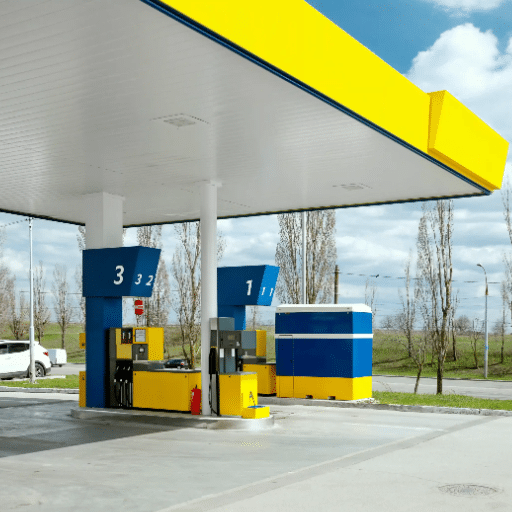
Initial Investment Breakdown
In the process of opening a gas station, the investor must have a large sum of money on hand, covering at least between $250,000 and $2,000,000. The amount will depend on the location, the cost of real estate, the size of the station, etc. Besides land purchase or lease, the other main expenditures are construction or renovation of a building and installation of fuel storage tanks and dispensers. Permits and licenses, which are necessary for the running of the business, usually add a significant amount to the operating costs as well.
Operating Expenses
Employee salaries, light, heat, and power bills, purchase of fuel, and upkeep of machines like pumps and tanks are the main items on the regular operating costs list of a gas station. Insurance also takes a large chunk of the budget, especially liability, property, and environmental coverage. Although these costs may fluctuate, it is very important to make an accurate monthly expense prediction to avoid running into financial problems.
Brand Affiliation Costs
Going the route of a franchise or brand affiliation is beneficial in terms of the fees charged, such as franchise fee or royalty payments, besides the recognition and established customer bases, and supplier relationships. The fee might be anywhere from $10,000 to $50,000 or even higher, with impacts on the company’s finances over the long term.
Key Takeaway: It is important to understand these costs and create a thorough financial plan as they play a vital role in the decision-making on the opening of a gas station in terms of feasibility and profitability.
Overview of Startup Costs
Opening a gas station requires a huge upfront capital, which includes a lot of different costs. The average startup costs go from $250,000 to $2,500,000, depending on the size, location of the station, and whether you are building a new one or buying an existing one. Major cost elements are real estate buying or leasing ($100,000–$300,000), building and site development ($50,000–$1,000,000), and necessary machinery like gas pumps, tanks, and payment systems that usually take around $200,000 to $400,000. Also, there are varied licensing and permits that are charged differently by the states but typically fall within the range of $5,000 to $15,000, plus working capital for fueling and retail inventory that would run up to $50,000–$150,000. Surely, insurance, staff, and other costs will contribute an extra $50,000–$100,000. Those who go with the franchise model will have to bear the additional burden of the earlier-mentioned franchise fees and royalties. Comprehensive financial planning and intensive market research are key to a low-risk and high-return operation.
Breakdown of Initial Investments
The amount of money required at first to set up a gas station business is distributed among the main areas. Here is a summary of costs estimated according to the combined insights from top industry sources:
Real Estate Acquisition or Leasing
The buying price of land for a gas station varies from $100,000 to $3,000,000, depending on the location, size, and market trends. Leasing might be a good option if one does not want to invest a large amount upfront, but usually it includes long-term binding contracts.
Construction and Renovation
A new gas station building is usually priced in the range of $250,000 to $2,000,000. It is already cheaper to modernize an existing station, the costs being $200,000 to $800,000, depending on how much upgrading is needed and adherence to environmental protection law.
Fuel Storage and Equipment
The cost of money in underground fuel storage tanks and pumps is very high, with the price ranging $100,000 $400,000 on average. This amount includes the operation of federal and state safety standards.
Initial Inventory
Fuel inventory that becomes the station’s base will require about $50,000–$100,000, while other products for convenience stores or sprinkled services will add $30,000–$70,000 to the total cost.
Licensing and Permits
The money for fuel dispensing, environmental compliance, and convenience store operation licenses will normally be around $10,000–$30,000. Included are the conducting of environmental studies and the carrying out of safety inspections.
Operational Setup and Working Capital
The allocation of $50,000–$150,000 as working capital ensures business operations can be launched smoothly. It is a sum for staffing, marketing, insurance, and miscellaneous expenses.
Franchise Model Costs (if applicable)
Those who want to run a franchise will need to include one-time franchise fees of $30,000 to $100,000 in their budget. Furthermore, monthly royalties can be up to 3-7 percent of the company’s revenue.
Important Note: The outline of costs here reveals the huge capital necessary for the establishment of a gas station and underlines the need for meticulous financial planning and the acquisition of enough finance before the start of operations.
Factors Influencing Costs
The costs of both gas station establishment and operation are influenced by several crucial factors. The most important ones are as follows, which have been revealed through the thorough analysis of the relevant industry data:
Location and Real Estate Prices
The location chosen can either make or break the case regarding the costs of a gas station’s start-up and operation. Real property in urban areas with heavy traffic always incurs high demand and, thus, high prices, which is the reason why an investment would still be substantial at the very start. On the other hand, rural or less downtown spots may be more affordable but also have the corresponding minimum customer flow.
Construction and Renovation Expenses
The construction costs of building a completely new gas station or renovating an existing one can greatly vary depending on the design, the size, and the necessary infrastructure. Moreover, specialized construction to meet safety and environmental codes can be an added expense.
Licensing, Permits, and Compliance
There are local, state, and federal regulations in place that require a gas station to have various permits and licenses in order to operate legally. Compliance with environmental standards, safety audits, and zoning requirements adds both initial and recurring costs, which can vary widely by region.
Fuel Supply Contracts
The supplier contracts directly influence operational costs. The terms for purchasing, delivery, and pricing are often dictated by these contracts, and branded stations generally bear higher costs in return for better recognition and marketing support.
Labor and Staffing Costs
The main components of the ongoing expenses are salaries, employee benefits, and training. The local labor regulations and wage standards have a major impact on the staffing budget.
Equipment and Technology
Buying fuel pumps, underground storage tanks, and point-of-sale systems is an investment that entails high upfront costs. In addition, advanced technologies such as fleet management systems or digital payment platforms can be very expensive but improve operational efficiency.
Key Point: To understand these cost factors is important for prospective gas station owners to have a thorough financial plan and a sustainable business model.
Business Plan for Starting a Gas Station
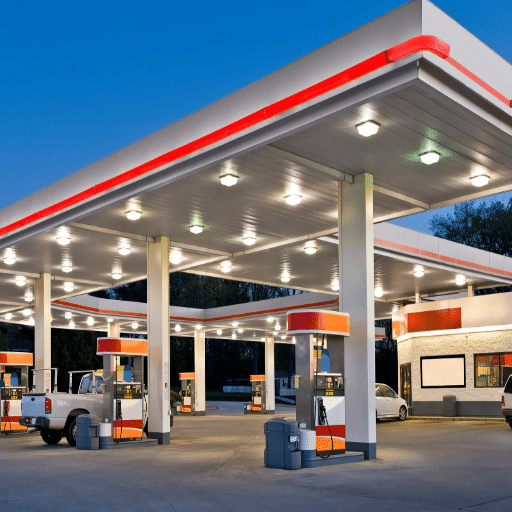
Market Analysis
Before anything else, a detailed market analysis should be done to recognize customers’ characteristics, the existence of competitors, and local demand for fuel and convenience store products. Knowing which roads get the most traffic and how close the location is to highways is very important.
Location Selection
Pick a location that is not only well-situated but also easy to see and access. It is recommended to be near the residential areas, at the intersections, or on the commuter routes so that the customer traffic will be maximized.
Regulatory Compliance
Investigate and follow zoning laws, environmental regulations, and licensing requirements that the fuel retail operation will be subjected to. Also, make sure that the underground storage tanks are installed properly as per the safety and environmental standards.
Cost and Funding
Estimate the initial and operational costs, which will cover infrastructure, equipment, inventory, and employees’ salaries. Come up with a funding plan by looking for loans, investors, or partnerships to acquire the needed capital.
Service Offerings
Decide on your service portfolio that could consist of different types of fuel, convenience store items, and value-added services like auto repair or car wash. The offerings should be adapted to the market’s requirements.
Marketing Strategy
Customer attraction and retention should be done through targeted marketing efforts like loyalty programs, promotional pricing, and strategic signage. Besides, digital platforms will be very helpful for marketing engagement on a broader scale.
Operational Plan
Operational procedures for staffing, inventory control, and maintenance should be set up. Fuel delivery, payment processing, and customer service should have efficient systems to ensure smooth daily operations.
Financial Projections
Prepare realistic revenue, expense, and profit projections for the first three to five years. Performance metrics should be regularly monitored to ascertain the profitability of the business and thus the need for business strategy adjustment.
Success Tip: Attending to these aspects with great detail will enable would-be gas station owners to formulate a business plan that is both actionable and sustainable.
Creating a Comprehensive Business Plan
What is the overall mission and vision of your business?
The mission is, to some extent, to provide fast and very reliable high-quality fuel and convenience services to the community in an efficient way. The vision is to be a gas station that is trusted and focused on customers, and known for its excellent service and smooth operations.
What products or services will your gas station offer?
Main products will be gasoline of all grades, diesel, and electric vehicle charging stations. Convenience store, car wash, propane refill, and loyalty programs to enhance customer satisfaction may be included as additional services.
What is your target market?
Your target market will include locals who commute, long-distance travellers, fleet operators, as well as eco-friendly drivers who are looking for charging stations. The market segmentation should be based on demographics, location, and customer preferences.
What is your competitive advantage?
The competitive advantages could be providing flexible payment options, using modern fuel management systems, making the most of customer loyalty programs, having lower operational costs, and choosing strategic locations that are very visible and have good traffic flow.
What is your marketing plan?
Digital and traditional marketing channels will be used, like local advertising, search engine optimization, social media campaigns, and cooperation with neighboring businesses will be among the main techniques. Discounts and rewards, for instance, will be among the promotional methods that will stimulate customer retention.
What are the estimated startup costs and financing options?
The initial costs usually cover land purchase, gas station construction, fuel procurement equipment, permits, and licenses. There are numerous financing options, such as bank loans, small business administration loans, partnerships, or investor funding.
Planning Insight: These brief but precise answers can help in building a highly profitable gas station with a business plan that adapts well to the competition in the market.
Financial Projections and Budgeting
In a gas station business, accurate financial projections and thorough budgeting are imperative for both sustainability and profitability. The following is a short and easy-to-follow summary of major points:
Revenue Projections
The main sources of income for a gas station are usually sales of fuel, retail in the convenience store, car washes, and other services such as lottery tickets or food. A small gas station generates yearly revenues of around $2 to $5 million on average, but this is highly dependent on location, demand for fuel, and diversification of service. Detailed analysis of traffic and market research is indispensable to estimate these figures more accurately.
Costs of Operating
The costs of operating usually consist of procurement of inventory (fuel and store goods), employee salaries, power supply, maintenance, transportation costs, and marketing. The monthly operating costs of a small to mid-sized gas station can vary from $50,000 to $130,000, and it depends on the size and the services offered. The management of these expenses in a proper manner, together with the offering of quality service, can significantly impact the profitability of the business.
Profit Margin
The sales of gasoline have average net profit margins that are quite low, usually between 1% to 3%. But, by selling convenience items, providing car washes, or offering food services, higher margins can be obtained, and these usually are 10% to 30%. The proper mix of these revenue streams is necessary for the financial success of the business in the long run.
Capital for Startup
The initial investment needed is usually between $250,000 and $2 million, based on where the gas station is located, how big it is, and if it is a franchise or independent venture. The money spent covers land purchase or leasing, building or remodeling, getting licenses, permits, and stocking the inventory.
Point of Break-Even
A gas station is expected to reach a break-even point in about 6 to 18 months, usually, if costs are properly managed, and demand remains steady. A meticulous break-even analysis incorporating fixed and variable costs is key in determining when the business will start to be profitable.
Options for Financing
Business persons can, for instance, take bank loans, obtain SBA (Small Business Administration) loans, enter into franchising agreements, or find private investors to fund their projects. Furthermore, there are some brands or fuel suppliers who may offer incentives or financing programs to partners under certain agreements. It is necessary to look into and evaluate these options so that one can get the most advantageous rates and a flexible process.
Financial Success: Through carefully researched projections and budgeting with great attention to detail, a gas station can not only enhance its revenue streams but also lower the risk of financial failure, thus creating a stronghold for profitability in the long run.
Identifying Funding Sources
One way to come up with the money for a gas station is to use a combination of private investments, loans, and partnerships. Private investors, including venture capitalists and angel investors, are most likely to fund a project in return for a share in ownership or the profit. Regular loans from banks or credit unions give you structured financing options that almost invariably require a comprehensive business plan and security. Also, partnerships with fuel suppliers or affiliated brands can offer very attractive opportunities, such as lower fuel prices or even financing for equipment, but only if the business conforms to the operational agreements. A thorough searching and comparing of terms, interest rates, and repayment conditions among these options will yield a smart and customized decision that is fitting to the particular business needs.
Licenses and Permits Required
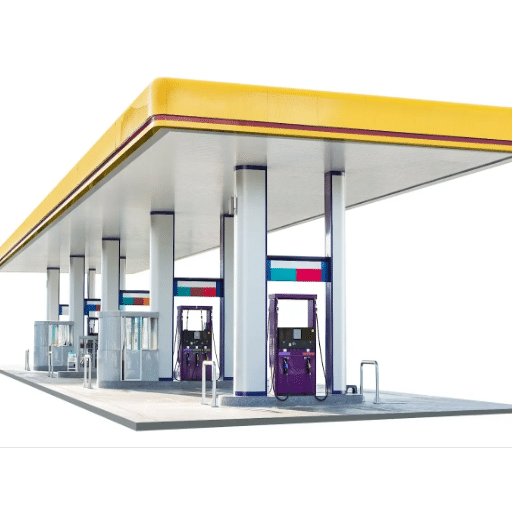
To run a gas station legally, obtaining the relevant licenses and permits is of utmost importance. The main requirements usually include:
- Business License: A basic license that allows you to run a business legally in your area.
- Fuel License: Permission to trade in gasoline and other fuels, as determined by state or local authorities.
- Environmental Permits: Meeting environmental standards, particularly in relation to the storage of fuel tanks and handling of waste.
- Fire Department Permits: Approval to confirm that you are following fire safety regulations and that flammable materials are stored properly.
- Health and Safety Permits: Special permits that relate to any convenience store operation, food handling, or employee safety standards.
Compliance Reminder: It is of utmost importance that you check with local, state, and federal agencies about the exact requirements so that you can be sure to comply in full before your business opens.
Essential Licenses for Gas Station Ownership
To run a gas station is not an easy task, as it will require the owner to go through a series of legal and regulatory processes to get different licenses and permits. Below are the most important ones that you will need:
Business License
It is the top requirement for starting a business, and it varies from municipality to municipality. The business license issued by the local authority signifies that your gas station is allowed to carry out commercial operations.
Fuel Tank Storage Permit
This permit guarantees that the tanks (both underground and above ground) comply with environmental regulations. Usually, it includes routine checks to detect any leaks or contamination.
Environmental Permits
The requirements for these permits are very stringent due to the nature of the business of gas stations, which involves air pollution, water discharge, as well as disposal of hazardous materials. The permits are mostly monitored by environmental agencies at both the state and federal levels.
Alcohol and Tobacco Sales Permit (if applicable)
When a gas station intends to market alcohol or tobacco products, it has to get this permit as per the laws set by the states and the federal government.
Weights and Measures Certification
Fuel retailers must comply with this regulation as it guarantees that the pumps do not dispense more than what is indicated, and thus, consumers are safeguarded, and fraudulent practices are hindered. The certification is usually provided by state government agencies.
Fire Safety Permit
It is primarily for controlling the flammability of substances used. Local fire departments or fire marshals conduct inspections and issue these permits.
Professional Advice: It is advisable to consult with legal or regulatory professionals and then verify all requirements with local, state, and federal agencies. Individual licenses may differ according to the location of your gas station and the particular services that it provides. Easing the process of doing business by following the law and being efficient is possible through strict compliance with these requirements.
Understanding Local Regulations
It is essential to understand and follow the local regulations for setting up a gas station, as they are the requirements to be met for compliance and safety. These local rules usually cover zoning, environmental, and safety requirements in the workplace laws, among others. Zoning ordinances determine the location of the gas stations so that they would be compatible with the neighboring area, and hence, no conflict will occur. Environmental regulations include proper fuel storage, prevention of leaks, and disposal of hazardous wastes concerning the local ecosystem. Workplace safety laws involve proper training of staff, emergency measures, and clear marking of flammable materials in the area.
Referring to government websites like the EPA and OSHA will provide you with reliable information on federal standards. Besides, local city planning offices and state environmental agencies will have the details that are specific to your locality. The combination of these resources gives you a complete understanding of your obligations, and you will be in a position to meet the required standards of the regulations efficiently.
Permit Application Process
The process of getting a permit includes many important steps to confirm that the project is following the rules. The first step is to find out which permit is needed by looking at the guidelines given by the different agencies, like the EPA, OSHA, or the local city officials. After all the relevant documents required will be collected, environmental assessments, construction plans, operational safety plans, etc, according to the agency’s regulations. The project may need to classify different forms or provide details on scope, environmental impacts, and measures to be taken, depending on the permit and its requirements.
When all the papers are prepared, the application is to be filed via the official website indicated by the governing body. Keep in mind the application fees and the review time that may differ by area and regulatory agency. Several agencies, among them the EPA, offer online facilities to monitor the status of your application. It is also advisable to conduct pre-application meetings with the local officials or compliance experts to make the requirements clear and not incur any expensive delays. Following all the directions will help the process of getting approval go faster and make it easier to start the project.
Gas Station Franchise Opportunities
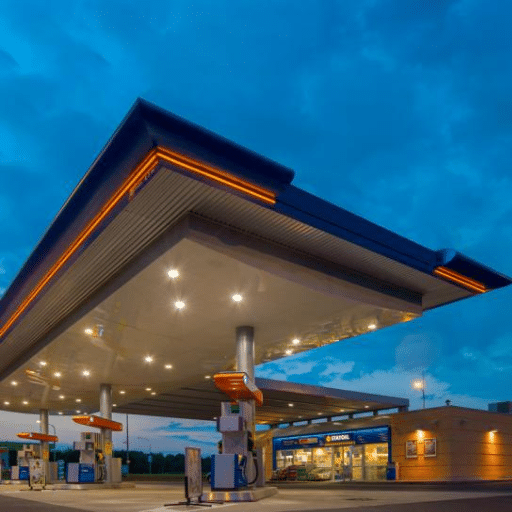
Franchise gas stations are among the most attractive business opportunities because of their regular demand and high brand recognition. When considering these chances, you should take into account the following important factors:
Initial Investment and Fees
Taking into account the total startup costs, franchise fees, construction expenses, and equipment purchases. The costs can greatly differ from one brand and location to another.
Location Suitability
A successful gas station needs to be located in a place where there is a lot of traffic and where access is easy. Before you settle on a location, make sure to research the traffic patterns, how much competition there is in the area, and the zoning regulations.
Support from the Franchisor
A well-established franchisor is likely to provide you with training, marketing support, and supply chain access. Make sure these resources are clearly stated in the franchise agreement.
Profit Margins
Look into the different sources of income, such as fuel sales, convenience-store items, and additional services like car washes. It is necessary to know how the fixed costs relate to revenue.
Regulatory Compliance
When you run a gas station, there are a number of environmental and safety regulations that you have to follow. Make sure that the franchisor will help you in maintaining compliance with regulations.
Franchise Success: Meticulous research and planning will lead you to the right franchise, which, in turn, will assure your business’s success in the long run.
Advantages of Buying a Franchise
Established Brand Recognition
The franchise purchase gives you the right to conduct business using a famous brand name, and thus, you have instant credibility and customer trust. It is a much faster and easier process if you compare it with the independent business, starting from the time to create your image and gain customers.
Proven Business Model
Franchising is always based on a proven system, which in turn has been thoroughly tested and improved over the years. It is a way of giving new business owners the ability to bypass the trial-and-error phase and push through with success owing to the structured method of operations, marketing, and customer service.
Franchisor Support and Training
Franchisees receive daily support from the franchisor, comprehensive training programs, operational manuals, and all the necessary resources. These resources will make sure that you are able to run your business properly, even though you do not have any previous experience in the industry.
Marketing and Advertising Assistance
A lot of franchises pour in major money for national and regional marketing campaigns, which means franchisees will get to use the best advertising strategies. The joint effort in this campaign is a major factor in directing customers to and creating the brand that is the same in all locations.
Economies of Scale
Franchisees are in a position to purchase supplies, equipment, and inventory at lower prices as a result of the franchise’s buying power. This ability to get lower prices not only enhances profit margins but also provides a competitive edge to the franchisee over the independent competitors.
Lower Risk of Failure
The statistics show that franchises have a higher success rate than new independent businesses. The combination of branding, systems, and support greatly minimizes the risks involved with the new business venture.
Entrepreneurship Gateway: Franchising becomes the gateway to entrepreneurship where the aspiring business persons are equipped with the right means and a path that has been walked on successfully, thus establishing a stronghold for long-term success.
Cost Considerations in Franchising
Cost evaluation for franchising is a two-fold process in which one should consider the total amount of money invested plus the daily running cost. Depending on the brand and industry, the initial franchise fee usually lies somewhere between $20,000 and $50,000. This fee lets the franchisee take advantage of the franchisor’s intellectual property, operational systems, and training programs. In addition to this fee, the startup costs may include the purchase of necessary equipment, stocks, setting up a place to conduct business, and promotion, with total initial investments stretching from $50,000 to over $1 million.
Then again, ongoing costs represent another large portion of the verdict. The franchisee pays a royalty fee, most likely based on a percentage of overall sales, and this fee usually amounts to anything between 4% and 12%. Besides this, there may also be marketing or advertising contributions, which make up anywhere from 1% to 4% of sales. Though these costs are ones that the franchises have to incur to get brand support and operational consistency, they should be included in the financial plan with great care.
Franchising can also include hidden costs, which are like renewal fees, hiring and training new staff, and development of the territory where the franchise is. A new franchisee should read the Franchise Disclosure Document (FDD) very carefully to gain a full understanding of all the financial commitments. Conducting detailed research and consulting financial experts beforehand can be the winning factors in good decision-making and longevity in business.
Popular Gas Station Franchises
When investigating the most favored gas station franchises, the names that are accredited in the first place due to their brand recognition, established operational structures, and profitability remain constant throughout the years. Three gas station franchises that are prominent among the rest of the crowd are mentioned below:
Shell
Shell is a global fuel provider that is not only the largest but also the most recognized company in the field. The company is also well-known for its commitment to sustainability and advanced technology. Apart from these advantages, the company offers franchisees a well-known business under its competitive brand support and extensive training programs. An investment of $500,000 to $3 million is the typical range for initial costs, and ongoing fees covering royalties and marketing contributions are included in that.
Chevron
Chevron is famous for its superlative fuel products and high-performance additives that cater to a wide range of customers. Strong brand trust and operational support are both very important factors for Chevron franchises. The initial investment for a Chevron franchise is usually in the range of $1 million, and this amount will cover real estate and construction costs, among others. The franchisees will be assisted in the areas of equipment, training, and inventory management.
ExxonMobil
ExxonMobil gives its franchisees the chance to work with a worldwide recognized brand that has a strong network of customer loyalty. The emphasis on the franchise model is on innovation and the efficient operation of the business. The initial investment to be made can vary from $250,000 to $1.5 million according to location and size, and ExxonMobil gives the franchisee complete support in the fields of technology integration, marketing, and day-to-day operations.
Franchise Selection: All these franchise opportunities come with and bear their own financial expectations and support programs. It is advisable for the potential franchisee to scrutinize the FDD thoroughly to acquire detailed costs and operational requirements before making the choice of the franchise that is in line with their financial capability and business goals.
Operational Costs of Running a Gas Station
Running a gas station means dealing with a number of primary expenses that should be monitored continuously. The major costs include fuel purchasing, which is often the biggest of all, and employees’ salaries, which cover not only the hourly staff but also the managers’ salaries. Other costs are utilities for electricity, water, and heating, plus repairs and maintenance for both the station building and the fuel dispensing equipment. Also, gas stations pay insurance as a mandatory cost, which helps to cover them against lawsuits or unpredictable events. Besides, there are other minor operational costs such as purchasing goods for the store, renewing the license, and advertising every now and then. Therefore, it is essential to manage these costs in an efficient way to keep the gas station profitable.
Ongoing Expenses to Consider
Running a company means dealing with several recurring costs that should be properly managed to keep the business running and making profits. One of the highest costs is team salaries and benefits because they are very important for the daily functioning of the business. Utility costs that include electricity, water, gas, and heating can vary depending on the season and the region’s energy prices. Maintenance costs, which cover the repair and upkeep of machines and properties, are considered inevitable since they are closely related to achieving operational efficiency. Furthermore, the company must take out insurance policies that cover the assets against events such as accidents and natural disasters. Another recurring cost is the licensing and regulatory fees that the company needs to pay to comply with the law, along with inventory replenishment of the retail component, if any. Marketing and tech upgrades also count as financial obligations that the company will face regularly. A proactive approach towards these expenses can lead to healthy finances in the long run.
Supplier Agreements and Costs
Supplier agreements that are well-structured and effective have a very important function in the control of operational costs and in the constant availability of top-quality products or services. To this end, these agreements should distinctly indicate the price patterns, the timings for each delivery, the quantity of the order, and the terms of payment so that there is no ambiguity or financial uncertainty. On the other hand, the use of flexible contract terms that would allow for a change in the market, such as a shift in demand or a change in the price of raw materials, can keep the costs effective. Moreover, having long-term alliances with trustworthy suppliers might result in volume discounts and regular prices. Supplier audits and performance reviews conducted regularly will not only ensure that the standards set in the contract are being followed but will also help find ways of reducing costs through either switching to a cheaper supplier or renegotiating the terms. It is of great importance to the operational and financial efficiency that the supplier’s reliability and the price competitiveness are balanced properly.
Insurance and Liability Costs
One of the main factors in the process of managing risks and securing financial stability for the operation is insurance and liability costs. Those costs include the payment of premiums for general liability, property, and workers’ compensation insurance, which are sources of protection against possible loss and lawsuits. In order to keep those costs down, companies can conduct risk assessments to pinpoint areas of weakness and then take actions such as training workers for safety or setting up a program for maintaining equipment. Comparing policies from different insurance companies can help find the most competitive rates, while also combining protection areas with a single insurer may bring more savings. By continually checking the amount of insurance, the frequency with which claims arise, and how the organization’s risk profile is changing, it is possible to ensure that the insurance is well adapted to the organization’s needs, thus preventing both overpaying and under-insuring.
Marketing Strategies for a New Gas Station
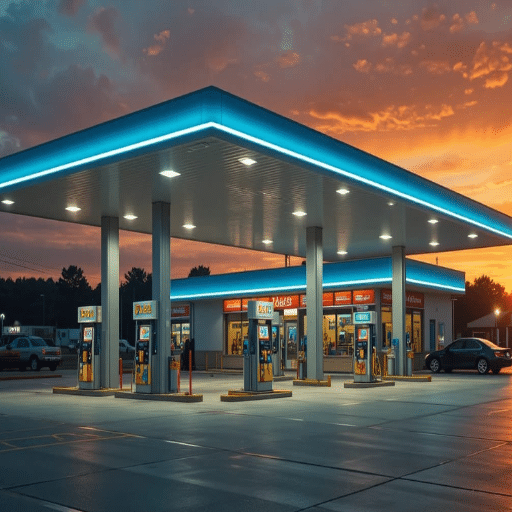
Promotional Discounts
In the opening weeks, provide limited-time offers such as lower fuel prices or loyalty rewards to attract first customers and create a lasting customer base.
Enhanced Convenience
The accessibility features, such as cleanliness, the various payment options, and the long hours, are the main points to focus on to keep the customers happy and loyal.
Local Advertising
Residents and commuters can be effectively reached through targeted local advertising on digital platforms, in local newspapers, and on the radio.
Partnerships with Local Businesses
Team up with nearby businesses to offer joint promotions of the kind where buying at partner stores leads to discounted fuel.
Value-Added Services
The introduction of a convenience store, a car wash, and air-pumping stations on-site are some of the ways to increase the number of customers and the generation of revenue through diversification.
Community Engagement
Gain the local community’s trust and loyalty by developing a relationship with them through events, sponsorships, or donations.
Strategy Summary: Overall, the strategies here consider the customer’s preferences as well as the gas station’s reliability and usefulness to the customers in that area.
Promoting Your Gas Station Effectively
The visibility of the station, the attraction to repeat customers, and the use of the unique selling points are among the strategies that should be incorporated for the purpose of effectively promoting a gas station. The first step is to take digital marketing as the top priority. To do this, the gas station’s Google Business Profile has to be claimed first, then accurate and up-to-date information provided, and finally, the station has to be actively engaging with customer reviews. Social media accounts, such as Instagram and Facebook, can also be utilized to promote the gas station’s loyalty programs, seasonal discounts, or other promotions.
Loyalty programs, as a second tactic, are one of the strongest attractions of customers to the gas station; it does not matter whether they are based on points, the use of an app, or being fuel-discounted for if they are regular customers, this system is going to bring them back. In addition, consider forming a partnership with the food chain or coffee shop that is located on the site for a better traffic increase.
Posters and logos are the third critical factor the gas station can’t afford to overlook. Allocate funds toward signs that are both very visible to passersby and in mint condition, which indicate fuel prices as well as promotional offers. Having branded merchandise and a neat, illuminated station significantly improves brand perception and customer experience.
Involvement with the community will boost reputation; sponsoring local events, supporting charities, and being involved in school programs will all contribute to good relations with the surrounding residents. Uniting these digital methods, on-site presence, and community interaction will lead to the steady increase of customers and brand loyalty.
Building Customer Loyalty
To be able to win the trust of customers, my main strategy is to provide excellent service, keep the quality up to the mark all the time, and most importantly, build personal relationships. Understanding customer needs, providing solutions according to their needs, and communicating with them through meaningful interactions, both face-to-face and online, are my priorities. It is by constantly going beyond what is expected and building trust that I plan on creating long-term bonds that will not only bring about customers coming back but also make referrals through good comments.
Utilizing Digital Marketing
Digital marketing has become a vital resource for establishing a powerful online presence, creating customer connections, and boosting business growth. Businesses can access their target market effectively and increase their brand’s presence by using different channels that include but are not limited to search engine optimization (SEO), social media marketing, email marketing, and pay-per-click (PPC) advertising. SEO guarantees that your site will be among the first ten listed in the search results, thus making it easier for your potential customers to find you. Social media not only facilitates direct communication but also helps in establishing a devoted following around your product. Email marketing, on the other hand, is still one of the most cost-effective methods for personalized communication, lead nurturing, and driving sales. Through PPC campaigns, businesses can achieve precise audience targeting and get instant results. Together with analytics and data-driven strategies, businesses can track their performance, fine-tune their campaigns, and get the most out of their investment. It is of utmost importance that your business has a digital marketing strategy that is integrated and customized according to your goals in order to keep up with the competition in the modern market.
Summary and Key Takeaways
| Cost Category | Estimated Range |
|---|---|
| Total Startup Investment | $250,000 – $2,500,000 |
| Real Estate Acquisition/Leasing | $100,000 – $3,000,000 |
| Construction and Renovation | $200,000 – $2,000,000 |
| Fuel Storage and Equipment | $100,000 – $400,000 |
| Initial Inventory | $80,000 – $170,000 |
| Licensing and Permits | $10,000 – $30,000 |
| Working Capital | $50,000 – $150,000 |
| Franchise Fees (if applicable) | $30,000 – $100,000 |
| Monthly Operating Costs | $50,000 – $130,000 |
| Annual Revenue Potential | $2,000,000 – $5,000,000 |
Final Recommendations
- Conduct thorough market research and feasibility studies before investing
- Develop a comprehensive business plan covering all financial aspects
- Secure adequate funding through a combination of loans, investors, and partnerships
- Obtain all necessary licenses and permits to ensure legal compliance
- Consider franchise opportunities for established brand recognition and support
- Implement effective marketing strategies to attract and retain customers
- Focus on diversifying revenue streams beyond fuel sales
- Maintain strict operational efficiency to maximize profitability
- Build strong relationships with suppliers and the local community
- Regularly monitor financial performance and adjust strategies accordingly
Reference Sources
“Optimizing Number and Locations of Alternative-Fuel Stations Using a Multi-Criteria Approach”
Frequently Asked Questions (FAQs)
Gas station owners incur what costs concerning business insurance and liability insurance?
The gas station business would be significantly protected with business insurance and liability insurance in place. The policies commonly include general liability, property, environmental liability for the underground tanks, and the commercial auto if the service offered is provided. The specific coverage required might differ; however, many experienced owners of gas stations are taking coverage limits that can lead to premiums in the range of thousands to tens of thousands per annum. Plus, in operations considered risky, you might need environmental coverage that would bloat the cost drastically. Engage an insurance broker to ensure that your coverage fits the specific needs of your gas station and the regulations in your area.
How significant will the cost of staff and payroll be as a factor in starting a gas station business?
Payroll is a recurrent cost that you will have to plan for when starting the new gas station. Hotel staff hired depends on whether the station is full-time attended or self-service, and whether a convenience store is in operation. Positions you will be paying for include attendants, clerks, managers, and janitorial personnel; payroll for one small full-service operation can be between tens to hundreds of thousands yearly. Also, consider payroll taxes, benefits, training, and scheduling to keep your station running without a hitch.
Is it more economical to acquire a gas station or develop a gas station business from scratch?
Purchasing or developing impacts both the initial costs and the timeline. When you acquire an existing gas station, you can plan to have your station operational much faster, as you won’t have to go through construction and permitting processes, but you may still need to do renovation or environmental clean-up. With the construction of a new gas station, you will have the freedom to determine the layout, and the cost will come from the construction of the facility and the time it takes to get permits. When making the decision, factor in the purchase price, the cost of the inventory, necessary upgrades, and potential revenue.
In what ways do suppliers’ relationships impact the gas station business in terms of cost and profitability?
The terms of the gas suppliers will influence factors such as the cost of fuel, payment terms, and brand (branded vs. unbranded fuel). Suppliers might set a minimum monthly volume that you must purchase, determine the price of gas that you pay (which is mostly related to the cents per gallon in the market and the rack price), and, at times, even tell you where to put your fuel pumps or what signs to use. Good supplier terms and gas price monitoring at your location can help keep your gas station productive while still being able to offer competitive prices that draw customers in.
What are the concealed costs that must be accounted for when launching a new gas station or service station?
Some of the concealed costs consist of environmental studies and clean-ups, old underground tank removal or new tank installation, utility improvements, local government fees for the construction’s impact, delays in obtaining permits, and overruns on the construction budget that were not expected. You will also need to include the costs of acquiring point-of-sale systems, security cameras, signage, and marketing, since once you open the doors, you will need to start marketing. Effective budgeting and setting aside contingency funds, usually 10% to 20% of your total budget, are essential to securing against shortfalls in cash.
Is it possible for a gas station to be profitable to the point where the initial investment will be justified, and how do gas stations get customers?
Most of the gas stations become profitable if they are placed in high traffic spots and there is a convenience store next to them. The profit on gasoline is usually in cents per gallon; thus, the majority of operators have to rely on sales from the store, car wash, or repair department for the high margins. To bring in customers, place your emphasis on the location of your station, the price of your gas should be competitive, have rewards programs, provide clean facilities, and run effective advertising. The future of your gas station depends on the amount of traffic, how efficiently you run your operations, and how well you manage sales from other sources.