
The Underground Lifeline of Total Integrity.
Engineered for zero-leakage fuel transmission. From composite piping to specialized station accessories, we ensure 30+ years of uncompromised operational safety.
The Engineering Advantage
Pioneering underground safety through molecular-level bonding and advanced multi-layer polymer science.

Electro-fusion Integration
Molecular bonding through high-precision electrical welding creates a seamless, homogenous joint that is stronger than the pipe itself, eliminating common leak points.
Anti-Static Safety Layer
A specialized conductive internal lining ensures safe dissipation of static electricity generated by fuel friction, meeting the most stringent ATEX/IEC safety standards.
Multi-Layer Co-extrusion
Advanced EVOH barrier technology prevents fuel permeation and soil contamination, providing an impenetrable shield against hydrocarbons and moisture.


Performance & Compliance Matrix
| Technical Parameter | Composite Piping (PE-RT) | Secondary Containment | Global Standards |
|---|---|---|---|
| Operating Pressure | PN 10 / PN 16 Bar | Pressure Rated Outer Layer | EN 14125 Compliant |
| Temperature Range | -40°C to +50°C | High Thermal Stability | ASTM D2996 |
| Static Dissipation | < 10^6 Ω (Conductive) | Spark-Proof Barrier | ATEX Certified |
| Chemical Resistance | Methanol / Ethanol / Bio-Fuel | Hydrocarbon Impermeable | UL 971 Listed |
| Permeation Rate | Zero (EVOH Barrier) | Double-Wall Protection | EPA Approved |
| Design Life | 30+ Years Guaranteed | Corrosion-Free HDPE | ISO 9001:2026 |
Technical Engineering Support
Beyond premium parts, we provide the engineering intelligence required for zero-fault station construction.
BIM Pipe Modeling
3D digital twins of your underground infrastructure to detect piping clashes and optimize flow dynamics before ground-breaking.
Regulatory Guidance
Expert consultation on meeting local environmental codes and international standards like UL 971 and EN 14125.
Installation Oversight
Global field support and certified welder training to ensure electro-fusion joints and containment sumps are flawlessly executed.
Piping System Insights & FAQ
Why choose composite piping over traditional seamless steel pipes?
How does the secondary containment system help with environmental compliance?
What is the maintenance requirement for HDPE Manhole Wells and Sumps?
Are these piping systems compatible with Bio-fuels and Ethanol blends?
Complete Ecosystem Integration
Seamlessly connecting underground fluid systems with professional surface infrastructure.
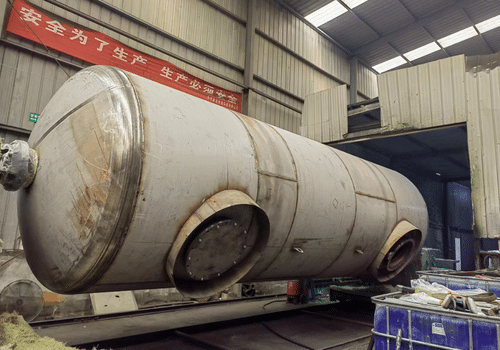
SF Double-Layer Tank
Anti-corrosion storage solutions with leakage monitoring, perfectly synced with our piping systems.
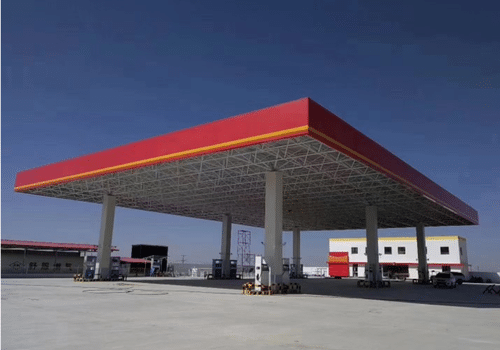
Gas Station Layout
Expert site planning to optimize vehicle flow and underground utility routing for maximum efficiency.
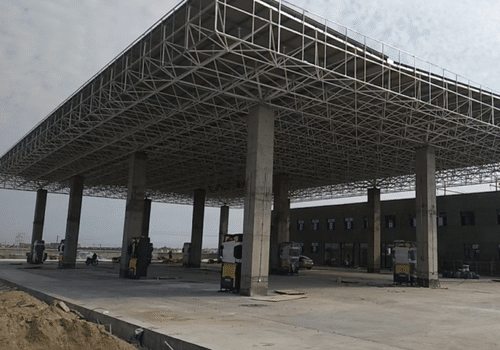
Gas Station Canopy
High-durability structural solutions providing iconic branding and weather protection for fueling islands.
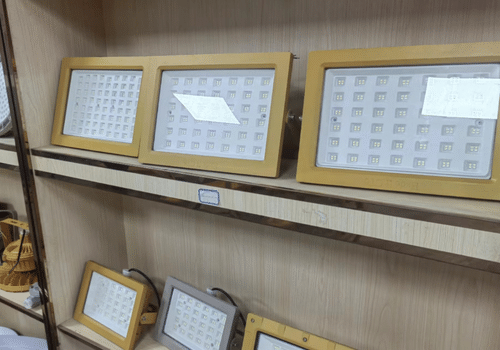
Canopy Lighting
Advanced LED ecosystems designed to increase retail attraction and safety at the fuel dispenser area.