In every industry where fuel management and on-site refueling need to be very efficient, portable fuel dispenser machines have proven to be very useful devices. These small but powerful machines can provide accuracy, convenience, and sturdiness during the whole process of fuelling, whether it be for a construction site, agricultural machines, or vehicles for emergency services. The objective of this guide is to present a very thorough study of portable fuel dispenser machines, revealing their main parts, how they work, and the advantages they have over traditional fueling systems. After going through this article, you will have a complete knowledge of the functioning of these machines, the critical aspects to think about when choosing one, and their remarkable applications in today’s industries. Whether you are a fleet manager aiming for the best use of fuel or a professional desiring portable refueling options, this in-depth guide will turn out to be your main reference point.
Understanding Portable Fuel Dispensers
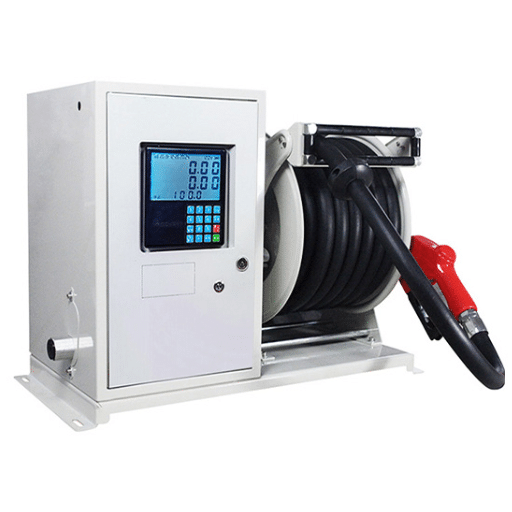
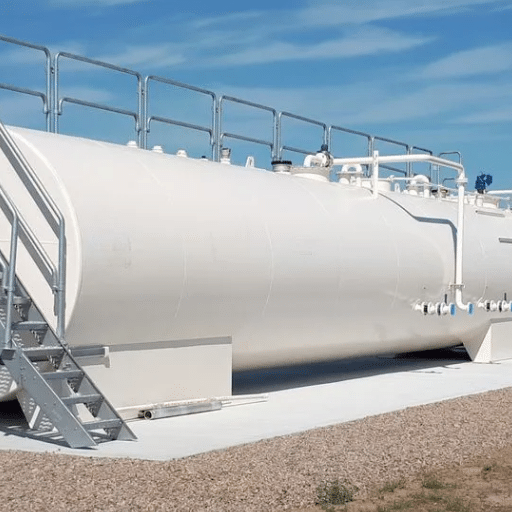
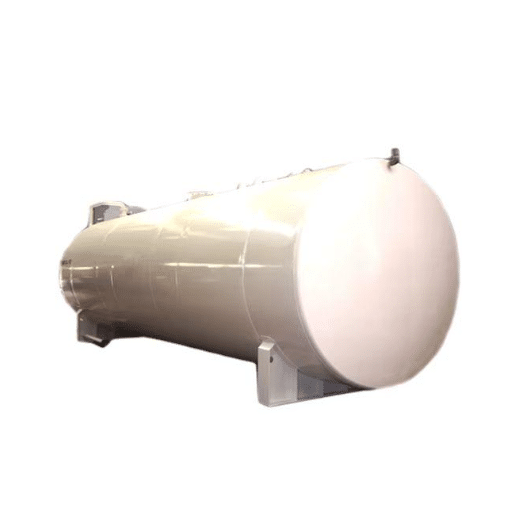
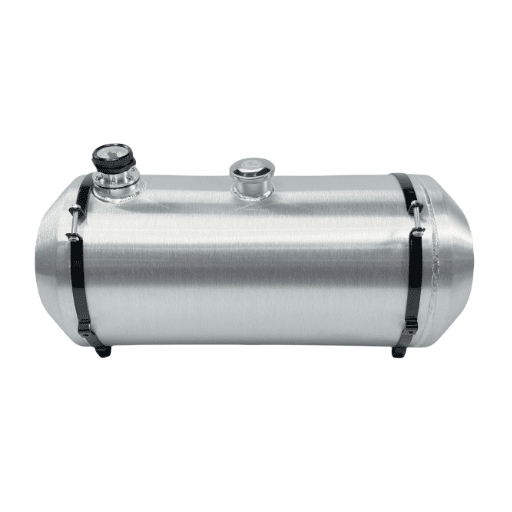
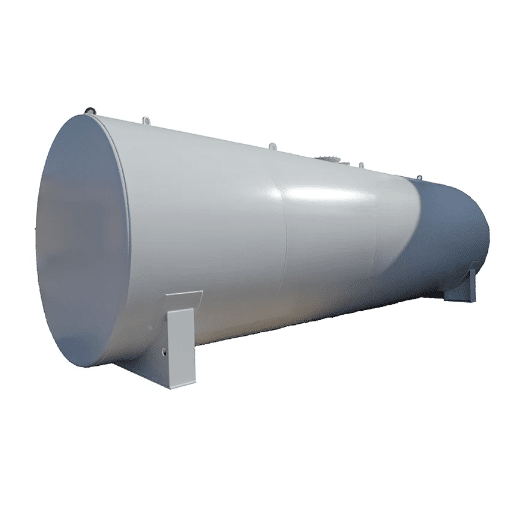
Portable fuel dispensers are compact, self-contained systems that allow for the efficient storage, pumping, and distribution of fuel over different locations. They usually include a fuel tank, pump, hose, and nozzle, thus providing a trustworthy and mobile method for the refueling of vehicles, machines, or equipment. The dispensers are highly admired for their adaptability and are often found in agriculture, construction, and logistics as the main fueling sites where on-site refueling is crucial. Their design focuses on tough, user-friendly, and safety-compliant standards, thus guaranteeing reliable operation in demanding situations.
What is a Portable Fuel Dispenser?
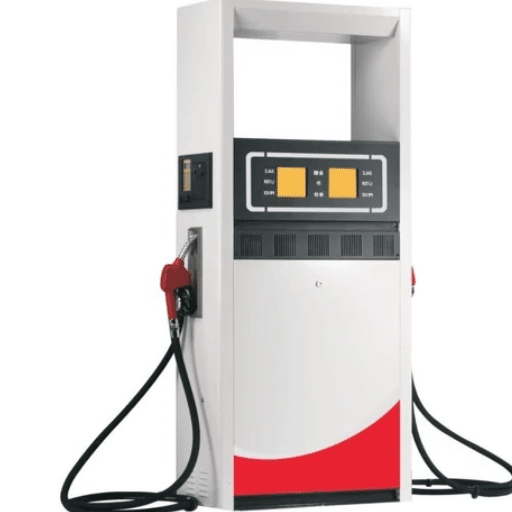
A portable fuel dispenser is a small, self-sufficient unit that has been created for the quick and easy supplying of fuel at places that do not have a permanent fueling installation. It usually incorporates parts like a fuel pump, tank, hose, and nozzle filled with the latest technology to provide safe and regulated fuel transfer. These dispensers are usually operated by electricity, batteries, or a manual system, thus satisfying different operational requirements. They are firmly and widely used in the agriculture, construction, and transport sectors, where their portability feature greatly minimizes downtime through on-site refueling of vehicles and equipment. Their design conforms to stringent safety and environmental regulations, thus making them reliable and eliminating spillage or contamination during operations.
Types of Portable Fuel Dispensers
Electric Portable Fuel Dispensers
Electric dispensers receive their power directly from an electrical source. The exact control of flow they offer makes them perfect for fuel distribution and industries where speed and accuracy are the main goals. The dispensers often come with sophisticated functions such as digital meters and automatic shut-off systems.
Battery-Powered Portable Fuel Dispensers
The battery-powered dispensers come with great portability and ease of use since they do not need an external power supply during the entire operation. They perfectly fit the application in areas far away from civilization or fieldwork, where power supply is not available. Often, these dispensers are seen in agriculture and emergencies since they are so versatile.
Manual Portable Fuel Dispensers
The manual dispensers work with hand pumps and are the least complex in terms of technology. They involve more physical effort from the user but are less expensive and rely on no power from outside. Their simplicity and reliability make them the most used devices for small-scale applications and in rural or off-the-grid areas.
The different types of dispensers are suitable for different operations, and the decision on which one to use is generally based on the environment, volume, and power supply.
Key Features of Portable Fuel Dispensers
Portable fuel dispensers are the epitome of flexibility and efficiency, fitting the bill for different sectors and field work. Quickly, the key features are:
Mobility and Compactness
The portable fuel that are portable is made light and compact for transportation and remote or on-site deployment to be very easy. Plus, many models come with wheels or handles fitted to top up their portability.
Flow Control and Accuracy of Fuel
Dispensers have excellent flow meters and valves to guarantee accurate measurement and controlled dispensing. There is often a digital meter that offers real-time monitoring and accuracy enhancement.
Dealing with Multiple Fuels
Portable ones are usually able to take a variety of fuels such as diesel, gasoline, kerosene, and even some biodiesels, thus being very adaptable to several operational needs.
Strong Build for the Toughest Conditions
These dispensers are made of strong materials like stainless steel or reinforced polymers and are thus able to endure even the most unforgiving environments, temperatures that are even extreme, corrosive fuels, and physical wear and tear.
Power Options
Portable dispensers usually provide several choices for the power source, e.g., manual operation, battery-powered pumps, or connecting to the vehicle’s power system, thereby allowing adaptability in different situations.
Safety and Compliance
The devices are equipped with features like automatic shut-off nozzles, anti-leak seals, and pressure regulators that not only ensure safety but also comply with industry standards and regulations for safe operation.
Advantages of Using Portable Fuel Stations

Convenience
The portable fuel stations give an option for replenishing the fuel on the move, thus eliminating the need for searching for the usual locations of refueling and in places that are remote or high-demand, time-saving as well.
Efficiency
Portable fuel stations make it possible to have very quick and direct access to fuel, hence the very little operational downtime in industries like construction, agriculture, and transport.
Flexibility
Portable fuel stations, due to their mobile design, can be moved to another location if necessary, which makes them suitable for temporary job sites or events.
Cost-Effectiveness
The transportation and setup costs of portable fuel stations are much lower than those of the permanent fuel infrastructure, which makes these stations a practical option for short-term or dynamic operations.
Enhanced Safety
Leak prevention systems and strong construction are among the many features that come with portable fuel stations, thus guaranteeing the very safe handling and storage of fuel in all kinds of places and conditions.
Flexibility and Mobility
The portable fuel stations provide unmatched versatility that serves a huge number of sectors and applications. These stations, which are made for quick relocation and deployment, can be transported with great ease to remote areas, building sites, or places for emergency responses. The modular construction allows the stations to be adapted easily and quickly to the different operational needs. In contrast to the fixed fuel infrastructure, portable stations can be adjusted to demand, hence the fuel supply will always be according to the on-site needs. This mobility not only minimizes the time lost during the changeover but also allows for the most efficient allocation of resources, which is why these stations are so essential in the transition and quick adaptability that depend on the reliability and efficiency of the environment in which they are located.
Cost-Effectiveness
The use of portable fuel stations is a highly cost-effective option for companies that need to refuel their equipment on-site. They are not like traditional fuel stations that require a huge investment for the installation of a permanent structure and going through the licensing process, but rather, they are a way of saving money. The presence of their modular construction entails that they can be expanded to suit the needs of the customers, and therefore, they will not incur costs for the unused capacity or waste resources. They also save on transportation costs because they are installed where the fuel is being used, thus the company will not have to keep calling for delivery of fuel from outside suppliers. The combination of the above-mentioned factors – letting go of the investment in infrastructure, superior allocation of resources, and lower transport costs – is what makes the use of portable fuel stations an economical option for numerous industries.
Compliance and Safety Standards
Complying with safety standards laid down by regulatory authorities is a major aspect that comes with the use of portable fuel stations. These stations must reach the level of protection prescribed by the environmental regulatory bodies like the EPA, by preventing spills and, thus, making it impossible for the soil and water to be polluted. Moreover, the OSHA and NFPA standards are followed to regulate the safe fuel handling, storage, and dispensing so as to avoid fire and explosion risks entirely. Among the design elements, spill containment systems, emergency shutoff valves, and suitable venting systems are required to exceed these measures. Regular inspections, training of personnel, and the execution of a rigorous maintenance schedule are also necessary for the safety of the operation and continuing conformity with local, national, and industry regulations. The risks of operating without permission may result in not only huge fines but also legal suits.
Best Practices for Operating a Portable Fuel Dispenser

- Inspect Before Operations: Always check the fuel dispenser prior to its use and make sure there is no visible damage, leaks, or malfunctions. Inspect the hoses, nozzles, and connections for wear and proper working condition.
- Use Approved Fuel Goats: Only dispense fuel into containers that are up to safety standards to avoid spills and fire hazards.
- Follow Manufacturer Guidelines: The dispenser must be operated according to the manufacturer’s instructions, which include correct handling of controls and strict adherence to safety protocols.
- Guarantee Proper Ventilation: Beware of vaporizing flammable fumes, so dispense fuel only in places with good ventilation.
- Utilize Safety Equipment: Always wear protective gear consisting of gloves and safety glasses, so that you are exposed to fuel and vapors as little as possible.
- Prevent Overfilling: A great way to spill fewer containers is not to overfill them. If the automatic shutoff is available, use it.
- Store and Transport Safely: After dispensing is finished, ensure the dispenser is stored and transported in a way that securely restricts movement and leakage.
These practices will not just help you achieve but also maintain the highest degree of safety and efficiency while operating portable fuel dispensers and ensuring regulatory compliance.
Setting Up Your Portable Fuel Station
Setting up a portable fuel station necessitates detailed preparations, strict observance of safety measures, and complete conformance with the laws. Here is a brief guide that has been produced through a combination of best practices:
- Select an Appropriate Location: Pick out a location under the sky, on a flat, stable surface that has good ventilation and is away from any ignition sources, busy people passing by, or areas that are sensitive to the environment. Verify the site against local zoning and environmental regulations.
- Check Equipment Specifications: Make sure that the components of the portable fuel station, such as dispensing units, storage tanks, and hoses, all comply with the applicable regulations. Also, carry out a full inspection to check for leaks, damage, or wear before the equipment is used.
- Install Protective Features: The fuel station must be fitted with measures such as spill containment, fire extinguishers, and safety signage. If appropriate, make sure the place has barriers to stop unauthorized persons from entering or unintentional collisions from occurring.
- Follow Fuel Handling Procedures: Connections during the setup should be done very carefully and checked to be secure and free from leaks. Also, grounding connections must be made to prevent static discharge during fuel dispensing.
- Test the System: A complete system test should be performed before operation to ensure that the pumps, valves, and emergency shutoff systems work properly. Any problems that are found should be fixed immediately to prevent hazards during operations.
- Maintain Regulatory Compliance: Have all the licenses, permits, and certificates that meet the requirements of local, state, and federal regulations. Periodic inspections and keeping records of compliance will help you avoid legal issues.
If you take these steps, you will be able to create a portable fuel station that is safe and efficient while still meeting the standards of the industry and protecting both users and the environment.
Regular Maintenance and Inspection
The longevity and safe operation of a portable fuel station will depend on regular maintenance and inspection. Daily checks should be conducted to detect leaks, corrosion, and tank damage, in addition to the dispensing system, and all problems that have been discovered should be rectified without delay. Periodic inspections should be scheduled to check the safety features’ performance, e.g., pressure relief valves and automatic shutdown mechanisms. It is important to ensure the proper functioning of all electrical parts, including grounding systems, to limit fire risks. Always follow the manufacturer’s specifications meticulously for cleaning filters, changing worn-out parts, and testing equipment. Keep thorough records of all inspections and repairs, as they are necessary for compliance with regulatory requirements and can also point out recurring issues. A proactive maintenance program will not only reduce the chances of failures but also improve the operational efficiency and guarantee the safety of the environment and the users.
Training Staff for Safe Operation
Training everyone involved in the safe usage of the equipment is of high priority in the overall process of risk minimization and complying with safety standards. The first step in this direction is to introduce a well-organized training program that includes the main principles of safe operation, e.g., risk recognition, appropriate utilization of personal protective equipment (PPE), and compliance with standard operating procedures (SOPs). Make use of recognized training materials and apply the guidelines set by the industry to secure unity and precision in teaching.
Practical training sessions should be added in order to make the staff acquainted with the equipment’s operation, emergency cut-off points, and repair procedures. Assessment regularly, which consists of practical tests and written examinations, can be very helpful in determining understanding and also in reinforcing the process of learning. Moreover, in-house training and information updates related to the latest safety procedures or equipment technology are the main part of keeping the operational safety standards intact. The whole process of engaging staff in responsible equipment handling and risk prevention is further supported by fostering a safety culture through effective communication, provision of resources, and participation.
Portable Fuel Dispenser Accessories
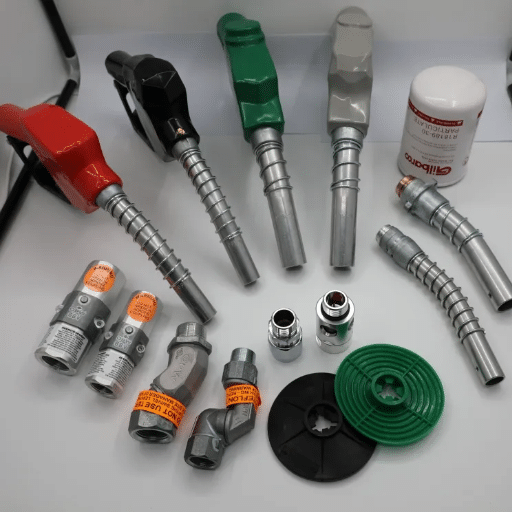
Portable fuel dispensers are usually fitted with a wide variety of necessary accessories to improve both functionality and efficiency. The most important accessories consist of:
- Nozzles: Automatic or manual nozzles, which are specifically designed for accurate fuel delivery and better control.
- Hoses: Strong and flexible hoses that can withstand different fuel types and are resistant to wear and tear.
- Flow Meters: Instruments that can measure the amount of fuel dispensed with high accuracy, thus ensuring reliability and accountability.
- Filters: Inline or tank-mounted filters that actually get rid of impurities and keep the equipment safe.
- Pump Kits: Either electric or manual pumps that are responsible for the fuel being transferred efficiently.
- Control Valves: These are the devices that manage the flow of fuel so that there is minimal wastage and the operations are safe.
The choice of these accessories is always made taking into consideration the operational needs and the compatibility with the fuel type, thereby ensuring safe and efficient dispensing.
Essential Accessories for Efficient Dispensing
The effective dispensing of fuel is dependent on certain crucial accessories for the operation to be precise, having minimal downtime, and being safe. The main accessories are as follows:
- Fuel Meters: Extremely accurate fuel meters are fundamental when it comes to recording the fuel sold and ensuring the dispensing is exact. Depending on the operational requirements, either digital or mechanical types are selected; these come with real-time monitoring features that facilitate responsibility.
- Nozzles: Automatic shut-off nozzles are the ones that dispense the fuel and then stop the flow by themselves. The first is the most effective for avoiding spills during dispensing, and the second is the least effective for reducing waste. The nozzles should be strong enough to last long and compatible with various types of fuel for optimal functioning.
- Filters: Inline or bulk fuel filters are very much involved in purifying the fuel and thus preventing the contamination of water, dirt, and rust particles that could otherwise damage equipment. Setting up a regular maintenance schedule for the filters is the key to achieving a long-lasting, reliable operation.
The above-mentioned accessories not only work as a team but also individually by enhancing the safety, accuracy, and efficiency of fuel dispensing systems and, thus, ensuring compliance with operational and environmental standards.
Upgrading Your Fuel Storage System
In essence, upgrading your fuel storage system is an intricate process that brings together safety, operational, and environmental standards compliance, and at the same time, efficiency in the ordeal. Among the main activities involved are: storage capacity evaluation, which is determined by usage demand, and ensuring that tanks are made of materials and designs like double-walled and corrosion-resistant steel to meet the standards, besides bringing in the latest monitoring technologies for leak detection and inventory management. Besides, upgrading of ancillary components like fuel pumps, filtration systems, and spill containment to be in place is also part of the risk that contamination and spillage can occur; therefore, their installation and servicing should be done perfectly to avoid such situations. Furthermore, compliance with federal, state, and local regulations—such as EPA’s Spill Prevention, Control, and Countermeasure (SPCC) requirements—ensures your fuel storage system is in the legal and environmental framework. Therefore, investing in durable equipment and advanced technologies is equal to having a more reliable operation with less maintenance cost and becoming part of sustainable fuel storage practices.
Choosing the Right Hose and Nozzle
Selecting the proper hose and nozzle for your fuel system is a key factor in securing not only safety but also efficiency and meeting the requirements of the industry standards. First, you should evaluate the chemical compatibility of the hose material with the type of fuel being dispensed, as using an incompatible hose can eventually lead to corrosion or degradation. Premium hoses are usually made of nitrile rubber or thermoplastic materials mainly because they can easily resist being affected by gasoline, diesel, and even certain biodiesel blends.
When selecting a nozzle, it is vital to check the flow rate requirements of your system so that over-pressurization or inefficiency in operation does not occur. Subsequently, automatic shutoff nozzles are usually the first choice in this regard as they effectively minimize spill risks during refueling. Moreover, consider the nozzle’s compatibility with vapor recovery systems if necessary; this way, you are certain to abide by the environmental emissions standards. Look up guidance from reputable bodies such as UL (Underwriters Laboratories) or API (American Petroleum Institute) for your parts to be technically and safety certified. Your hose and nozzle selection can be matched carefully to the specific operational demands of your fuel storage system, thus leading to optimized performance while still maintaining safety and compliance with regulations as a high priority.
Comparing Fuel Types: Gasoline vs. Diesel

Both gasoline and diesel are fuels that are commonly used, yet the differences regarding composition, performance, and applications are quite significant. Gasoline is less dense and more volatile than diesel, thus it can be used in smaller engines like those of cars and motorcycles. Diesel, in contrast, is heavier and gives off more energy, making it less costly to use; thus, it is the best option for the transport of goods and for running industrial machines that require power, such as trucks and generators. Diesel engines usually last longer than gasoline ones and are, of course, quite powerful, producing higher torque, while the gasoline ones are usually smooth and quiet-operating. Among those differences, the most important ones regarding the decision of which type of fuel to use are vehicle type, operating cost, and intended use.
Properties of Gasoline and Diesel Fuel
Gasoline and diesel fuel are quite different in their chemical makeup, energy density, and combustion characteristics; thus, the different applications are the result of such differences. Gasoline, mainly made up of lighter hydrocarbons, has a lower energy density than diesel but offers a high-octane rating, which allows for the effective combustion of the fuel in spark-ignition engines. It evaporates quickly, bringing it to the light, fast vehicle use, but again, it suffers from the fact that it generates higher amounts of VOCs.
Looking at the other side of the coin, diesel fuel, which contains longer hydrocarbon chains, has an energy density per gallon that is almost double that of gasoline, and it also gives better mileage for heavy-duty trucks. The high cetane rating of diesel helps in the ignition of the fuel in CI engines, which rely on heat instead of a spark for the combustion process. Diesel can burn more completely at high compression ratios, which results in the production of more torque; thus, it is being used in trucks and machinery. On the other hand, the burning of diesel fuel emits the pollutants of particulate matter (PM) and nitrogen oxides (NOx), although the modern control of emissions technology has reduced the generation of these pollutants to a great extent.
When it comes to the choice of gasoline vs. diesel, one has to take into account the cost of fuel, engine efficiency, the vehicle that is to be used, maintenance, and emissions, which each vary depending on the specific operating conditions and technological advancements in engine design.
Choosing the Right Fuel for Your Application
In making the decision of the best fuel for my application, I take into account the efficiency requirements of the engine, the expected operating conditions, and the cost-effectiveness of the fuel. Gasoline would be an option for applications where smooth performance and lower upfront costs are priorities, but on the other hand, diesel is often considered for heavy-duty jobs due to its higher energy density and consumption efficiency. Besides, the environmental impact of each option is one of my considerations, where I evaluate each one’s emissions according to the availability of modern emission control technologies and the extent of their alignment with sustainability goals.
Environmental Considerations
In assessing the environmental impact of gasoline versus diesel, one has to take into account emissions, fuel refining, and technological progress. The emissions of gasoline motors are always lower when it comes to nitrous oxides (NOx), but at the same time, they contribute more carbon dioxide (CO2) and uncombusted hydrocarbons, which ultimately lead to smog creation. Diesel motors, on the other hand, have a reputation for producing more NOx and PM, but they also produce less CO2 on a per-mile basis because of better fuel utilization.
Furthermore, diesel engines’ environmental footprint has been greatly lessened by the latest emission control technology advancements, such as particulate filters and selective catalytic reduction systems. While the cleaner gasoline formulations have one of their aims to limit air pollution through the use of cleaner additives. There are no perfect solutions, but it is indeed possible to reduce the ecological impact by using ultra-modern engines that meet tough environmental standards. The ultimate decision between diesel and gasoline will have to coincide with the regulatory and sustainability frameworks.
Comparison Table: Gasoline vs. Diesel
| Characteristic | Gasoline | Diesel |
|---|---|---|
| Density | Less dense and more volatile | Heavier and denser |
| Energy Density | Lower energy density | Almost double that of gasoline |
| Engine Type | Spark-ignition engines | Compression-ignition (CI) engines |
| Primary Use | Cars, motorcycles, light vehicles | Trucks, heavy-duty machinery, generators |
| Performance | Smooth and quiet operation | Higher torque production |
| Fuel Efficiency | Lower fuel efficiency | Better mileage and efficiency |
| Emissions – NOx | Lower NOx emissions | Higher NOx emissions |
| Emissions – CO2 | Higher CO2 emissions | Lower CO2 per mile |
| Emissions – PM | Lower particulate matter | Higher particulate matter |
| Engine Durability | Standard durability | Longer-lasting engines |
| Cost | Lower upfront costs | More cost-effective for heavy-duty use |
Reference Sources
This document outlines proper procedures and safety measures for fuel dispensing, which can be relevant for portable fuel dispenser operations.
This research focuses on the development of control systems for fuel metering pumps, offering technical insights into fuel dispensing mechanisms.
Frequently Asked Questions (FAQs)
How does a mobile pump portable fuel dispenser machine work for on-site refueling?
With the assistance of a mobile pump portable fuel dispenser machine, fuel can be transferred from the tank or trailer into a vehicle or equipment using a fuel transfer pump and fuel flow meter. Systems are typically equipped with an electronic control system, a hose reel, and a nozzle to ensure safe petrol filling or diesel refueling. The operator starts the pump, checks the gauge for volume and flow, and stops as soon as the desired volume is reached. They enable fueling on the move in industries like construction, farming, and trucking, where access to a traditional gas station is limited.
What is the best portable fuel capacity, and how do I choose the right tank size?
Choosing the best portable fuel capacity depends on vehicle or fleet needs, distance from the gas station, and frequency of mobile refueling. Small portable mobile units may hold 50–200 liters for light-duty use, while trailers and truck-mounted tanks can offer capacities from 500 liters to several thousand liters. Fuel flow requirements should be considered, along with checking the tank gauge and safety features, such as the inclusion of compartments for ethanol, AdBlue, or other fuels. An accurate gauge and an electronic control system make the unit work efficiently and keep it from overfilling.
Has a portable fuel pump been customized to fit particular industries such as farming and construction?
Yes, lots of companies offer customized petrol/diesel and portable fueling solutions tailored specifically to industrial requirements. You can customize tank compartments for diesel, gasoline, ethanol blends, or AdBlue pressurized fueling systems in mobile fueling applications. Tanker pumps can be submersible or exterior with hydraulic open-and-close nozzles joining a hose reel with roll-up option and electric meters-features which include electrically operated spill containment and cabinets with recyclable locks. Other options for farm construction applications also include trailer mounting, truck mounting, or robust components designed for use under remote or harsh environments.
Is mobile diesel refueling safe, and what safety measures should be looked for?
Mobile fuel dispensers, whether tankless or wheeled, can generally be quite safe, provided they are equipped with the necessary safeguards against potential accidents. Hence, the safety solutions we ought to consider in any fuel transfer pump for ensuring a radiant no-fuss performance include emergency cut-off valves, earth bonding, coupled grounding arrangements, catch basins, flame arrestors, overfill preventors, and some hoses and nozzles to make sure they are certified. This can be heightened with automatic cut-off enabled tamper protection against safety considerations. Choose units different from one district to another that naturally carry the needed certifications as stipulated by their countries of origin. The credentials for warranty and quality assure the customer that they are collaborating with appropriate vessels.
How do fuel transfer pumps and fuel flow meters impact the performance of a petrol dispenser?
Fuel transfer pumps are the deciding factor in terms of how rapidly and efficiently a service station can refuel vehicles; high-capacity pumps allow high fuel flow rate but require corresponding power. Precise fuel flow meters and electronic controls ensure precision in dispensing and are crucial for carrying out fleet management and billing. High-quality fuel transfer pumps and meters reduce downtimes, promote accountability, and help maintain efficient fueling without contamination and/or air entrapment.
Can fuel dispensers be used as an alternative to the gas station for operations in remote areas?
A portable fuel dispenser is most capable of replacing traditional reliance on gas stations in numerous remote high-impact locations. A certain solution provides petrol delivery or provides a diesel delivery on the spot or at the hour to expertly undertake jobs where access to a public fuel station option is less attainable. All-light as they are, they make high-quality options for industries such as construction, farming, mining, and remote events. However, bear in mind that a gas pump station is also required for high turnover in public refuelling.
What is the maintenance schedule and warranty for a reliable portable fuel dispenser?
Routine maintenance includes checking and servicing fuel transfer pumps, inspecting hoses, replacing filters, calibrating and setting fuel flow meters, and calibrating electronic control systems and gauges. Always insist on a manufacturer’s warranty to get spare parts as well. Regular inspection for leaks, corrosion, and proper grounding will ensure the most efficient functionality and good quality delivery ever.
Is mobile refueling a cost-effective method for fueling a fleet of trucks when compared to running to the nearest gas station?
Mobile refueling is both efficient and money-saving when it eliminates downtime, travel to out-of-the-zone gas stations, and expenses associated with transporting tankers to the off-site refueling arrangement. With this system in operation, which includes a number of good transfer pumps and gas outlets running directly from the storage room to fill tanks in the yard, aboveground fuel tanks (AFTs) increase operational efficiency and productivity. However, considering fuel pricing, maintenance, compliance, and initial investment, mobile refueling often fosters a high rate of return and an advantageous level of fiscal control over fuel quality and consumption for large fleets or remote operations.