To set up a gas station that distinguishes itself from competitors, sales must not only be increased, but also there must be improved operational efficiency, payment security, and customer satisfaction, etc. A modern POS system is the most crucial tool needed to meet all these needs, as it allows the gas station owner to manage business activities, control stock, monitor sales, and even provide customer service. Selecting the right POS from the many available options may quickly turn into a tiring task. This guide is designed to focus on gas station POS systems’ benefits, features, and criteria to consider when making a selection. It does not matter whether you need to replace an old one with a new one or you will be starting from scratch; this article will provide you with all the necessary information to make a wise, strategic choice with your gas station’s future success in mind.
Understanding Gas Station POS Systems
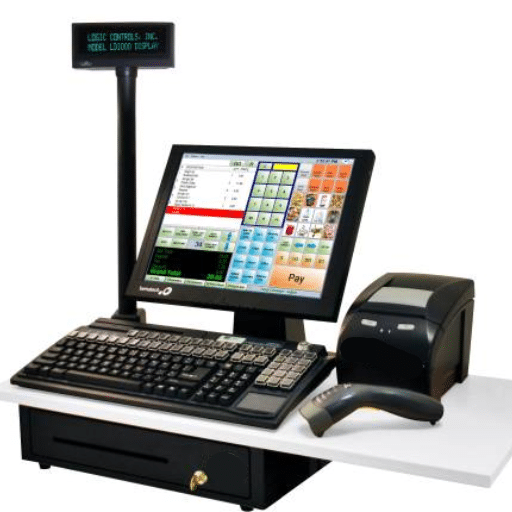
Sophisticated gas station POS systems are not just controlling the gas station, but also the fuel sales and the interactions with the customers in the store. They are vastly different from regular POS systems since they take care of the pump, stock, and cash and card transactions while still following the laws of the industry. Immediate reporting, very secure payment processing methods, and integration with efficient loyalty programs are the main features of this technology. They usually aim to increase the efficiency of operating the station, decrease the occurrence of mistakes, and provide a great customer service experience. A gas station management system that is suitable for the station is in accordance with the size and needs of the station.
What is a Gas Station POS System?
A gas station POS (Point of Sale) system is an integrated package of software and hardware that caters to the operational needs of gas stations and convenience stores, among other areas. The system is responsible for not only fuel sales but also stock checking, cash handling, and some features like pump control, price changes, and loyalty program management. Real-time monitoring, reporting tools, and advanced security measures are usually the components of such systems in order to ensure maximum efficiency and compliance with the standards set by the industry. The gas station POS system helps the operators to automate their critical tasks, thus minimizing errors, maximizing their time, and eventually, the revenue generated from both the store and the pump.
Key Features of a Gas Station POS System
Fuel Pump Integration
Real-time control and automatic operations are enabled through the integration of gas station POS systems with the fuel pumps. The system permits the POS to start, stop, and check the pump’s operation while at the same time updating the prices on all pumps simultaneously.
Multi-Payment Support
Moreover, the systems can effortlessly handle a variety of payment methods, such as cash, credit, debit, mobile payments, and fleet cards. Therefore, the transaction time is significantly reduced since all customers can pay at their convenience.
Inventory Management
Modern inventory management is utilized by the operators as a means to be continuously informed about the stock levels, receive alerts when it is time to place new orders, and manage both fuel and non-fuel inventories, etc., all in a very efficient manner. The application of this methodology ultimately leads to improved supply chain management and product availability.
Customer Loyalty Programs
The integration of loyalty programs with the POS systems has become an accepted practice that not only attracts customers through benefits, discounts, and personalized marketing but also convinces them to come back more often, thus increasing sales in the long run.
Real-Time Reporting and Analytics
Thanks to the profound reporting tools, the company can explore sales, fuel consumption, and stock turnover, among others. Analytics not only help to make decisions using data but also support the improvement of operational effectiveness and revenue forecasting.
Compliance and Security
The contemporary gas station POS systems not only comply with the PCI standard, the industry’s strictest requirement for payment security, but also provide secure payment processing and protect the customers’ personal information. The security might even include fraud detection features as part of its security infrastructure.
User-Friendly Interfaces
The high-performance systems come with easy and user-friendly interfaces that not only aid in the training of employees but also make the daily operations very fast, thus reducing errors and increasing the speed of customer service.
In the provision of these features, POS systems in gas stations become indispensable players in the process of operational precision enhancement, customer satisfaction uplift, and overall profit increase.
Benefits of Using a POS System for Gas Stations
The benefits of gas stations modernizing their sales with a POS system are so great that it simply can’t be ignored as a matter of general operational efficiency and customer satisfaction. To begin with, it streamlines the sales procedure by integrating fuel and non-fuel sales into one point of sale, which in turn results in shorter queues and quicker service. Moreover, thanks to the very inventory management aspect of the system, it becomes possible to keep an eye on the stock levels of all the convenience store items at once and, therefore, save on both over-stocking and stock-outs.
However, on the other hand, gas stations’ systems provide reporting and analytical tools that are quite advanced and enable owners to make the right judgment based on data about sales trends, pricing strategy, and overall profitability. Furthermore, safe processing becomes possible with the systems because they accept all types of payments, such as credit cards, contactless payments, and mobile apps, while at the same time ensuring that the most recent payment security standards, like PCI DSS, are being followed. Besides, the fact that customer loyalty programs are integrated into the systems makes it easier for gas stations to keep their customers because they give rewards to the frequent ones, and thus it is a way of driving repeat business or customers.
In summary, the gas station POS system not only made the quick and efficient operation modern but also changed the customer`s perception about gas stations and contributed a large share to the companies’ profits, hence they are completely necessary in the rapidly evolving retail fuel industry of today.
Essential Features to Look for in a Gas Station POS
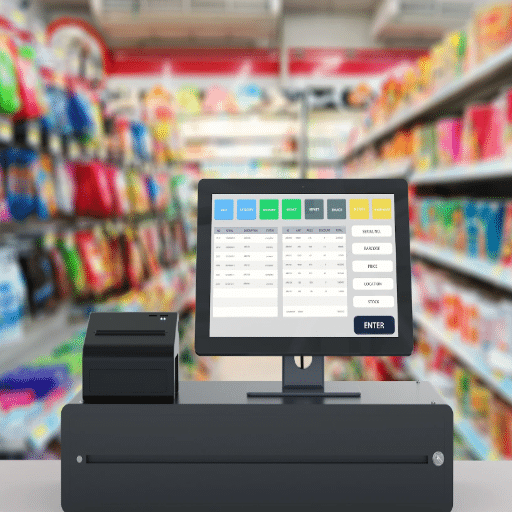
Critical Features Checklist:
- Fuel Pump Integration: Integrating with fuel pumps should be a smooth process that allows for the simultaneous accurate registration of sales, inventory, and prices.
- Real-Time Inventory Management: Keep a watch on the stock levels all the time, and this is a strong system that will ensure running out of stock and wasting the stock to a minimum.
- Payment Versatility: Different payment methods, such as credit/debit cards, contactless payments, and digital wallets, etc. will guarantee the customers have no interruptions in transactions.
- Loyalty Program Support: Linking loyalty programs with gas stations not only helps in customer retention but also makes it easier for them to earn and redeem rewards.
- User-Friendly Interface: A simple and user-friendly interface being there will not only speed up the process of employee training but also reduce the likelihood of operational mistakes.
- Regulatory Compliance: The use of tools that meet the highest standards of compliance, such as PCI DSS, will guarantee transaction security and data privacy.
- Detailed Reporting and Analytics: Having full reports on sales, stock, and customers will easily allow the organization to carry out data-driven decision-making.
The gas station POS systems can be made effective, safe, and customer-friendly through the incorporation of key features.
Inventory Management Capabilities
There is one running and one making issue at gas stations, which is the effective inventory control, and that is why it is a management position. The contemporary point-of-sale systems come with a variety of enhanced functionalities, including tracking the stock level in real-time, triggering reordering alerts automatically, and integrating suppliers to ensure first-class inventory management. These systems allow complete visibility into the on-hand items and thus minimize the risk of both overstocking and stockouts at the same time. Moreover, inventory segmentation and thorough reporting enable station owners to quickly identify fast-moving products and slow movers, thus a better stocking strategy is possible. The gas station operators are able to lower the number of times they have to take inventory, lessen waste, and optimize income potential by utilizing these capabilities.
Payment Processing Options: EMV and Contactless Payments
Contemporary gas stations are required to implement the best payment processing technologies in the market for both security reasons and customer satisfaction needs. EMV or Europay, Mastercard, and Visa technology plays a crucial role in making the transactions secure by utilizing the card’s embedded chips, which in turn generate unique and encrypted transaction information. Using this technique significantly reduces the possibility of fraud compared to using the obsolete magnetic stripe cards. However, one cannot escape the expenses incurred through the reimbursement of false or fraudulent transactions if one does not comply with the EMV regulations.
Among the different kinds of payments, contactless payments are definitely the most effortless and fastest ones. Various ways of contactless payment, such as cards with NFC (Near Field Communication), mobile wallets (like Apple Pay and Google Pay), and QR codes, are not only the easiest but also the fastest approaches in terms of transaction time. Such modern payment methods, besides addressing the hygiene issue efficiently and dealing with other matters, indeed result in customer satisfaction enhancement through the reduction of waiting time and the provision of no-contact payment. The pair of EMV and contactless payment systems will save the gas station owners from the future hassles of payment systems’ compatibility issues—and they will also keep them mindful that they are always offering the best customer service in the dynamically changing retail landscape.
Integration with Fuel Pumps and Other Systems
One of the most significant elements in the case of gas station operation efficiency and customer satisfaction improvement is the payment systems and fuel dispensers being perfectly integrated. It is a must that today’s EMV and contactless payment technologies will be linked not only to POS systems but also to fuel pumps and forecourt controllers so as to secure transactions that are uninterrupted. Generally, this integration will often take place according to some industry standards like the International Forecourt Standards Forum (IFSF) and different API frameworks that aim at connecting hardware with software.
Moreover, such a powerful integration can result in real-time data synchronization, which enables station operators to efficiently monitor sales, manage stock, and even automate their whole operations. Technology vendors should be carefully chosen as those who will provide the solutions that not only can grow with the business but also can adapt to the new technologies that would come in, like mobile wallets, loyalty programs, and fleet management integrations. Payment Card Industry Data Security Standards (PCI DSS) compliance and system infrastructure constant upgrading are significant factors in both making security a priority and remaining in line with the best practices in the industry.
Best Gas Station POS Systems on the Market
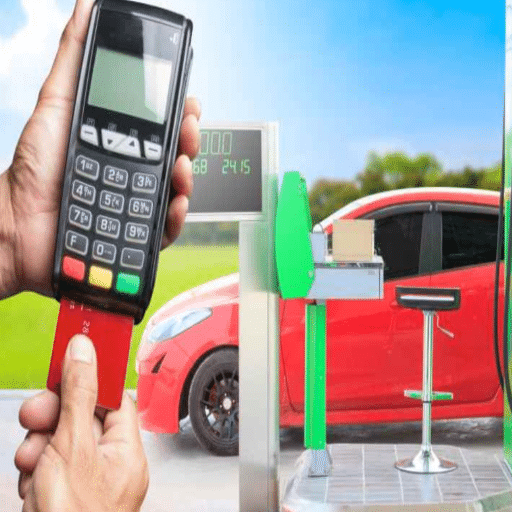
Square for Retail
Square is a software application that is not only easy to use but also specially designed for gas stations of a small and medium size. Its powerful inventory management, payment processing without interruptions, and an online or physical store selling option make it a complete package. Apart from these features, the system runs smoothly and offers advanced reporting tools.
Clover POS
Clover stands out for its flexibility and easy upgrade. Apart from multiple payment options, it includes a customer loyalty program and integration with third-party apps, which contribute to improving customer engagement in gas stations.
PDI Enterprise
PDI Enterprise is an oil and gas industry specialist that offers customized management solutions like fuel management, pricing optimization, and compliance tools, tailored specifically for the oil sector and complex gas station operations.
Verifone Commander
Verifone Commander excels in scaling and integrating. A larger operations descriptor comes with the entire factory, apart from the state-of-the-art payment processing, stunning fuel dispenser operation, and control of the system from one location.
The systems mentioned are just a small representation of the many other options that are highly reliable, feature-packed, and customizable to meet varying business requirements, while at the same time providing the utmost level of efficiency and security.
Top Choices for Fuel Retailers
Efficiency, integration, and security must be in mind when choosing the best fuel retailer management systems. The analysis of the leading sources has given the three systems below as the best options for the future.
Gilbarco Passport
The Gilbarco Passport POS system is a blend of reliability and great user experience. The integration between the gas station’s POS and the station’s system is excellent. The system provides a wide range of functionalities like very high-tech level stock tracking, offering a range of secure payment methods, and providing a reporting system that the user can even dictate the custom-built needs. Small-scale and large operators alike can benefit from the system as it is designed to grow with the business.
Verifone Commander
Verifone Commander is giving a complete solution for the retail outlets that are the top in sales. The software design is such that while the retailer is expanding he/she/it is also enjoying the advantages of remote access and control, better payment security, and automatic monitoring of the fuel pump. The system’s high integration capabilities allow it to communicate with various software applications, which in turn leads to improved operational flows.
Wayne NAMOS
The Wayne NAMOS platform actually takes the fuel retailing business to a whole new level. It grants access to real-time data, which in turn makes managing much simpler. It can perform transactions in multiple currencies, connect wirelessly for loyalty programs, and provide system access control from a single point. Thus, it is appropriate for both local and international businesses.
However, all these systems possess excellent foundational elements and are easily adaptable to cater to the oil retailers’ existing operations.
Comparative Analysis of Best POS Systems
When the point-of-sale (POS) systems for the retail industry of fuel are judged, three major solutions with their performances and advanced functionalities always come up: Square POS, Clover POS, and Lightspeed Retail POS.
Square POS
The Square POS is very easy to use, has really powerful management features that include tracking inventory, real-time sales analytics, and customer relationship management, and is very scalable. In addition to these, the cloud-based system ensures that there are no more hassles when it comes to constant updates and offers access at any time from any place. The Square is best suited for small and medium-sized fuel dealers because of its clear pricing and simple installation, but may also lack some of the specialized features required by large, multi-site corporations.
Clover POS
Clover has an edge over its rivals thanks to its comprehensive offering of hardware and software solutions that can be used in all industry sectors, including fuel retail. The modularity of the system allows companies to choose different combinations of features, including employee management, customer loyalty programs, and multi-location reporting. Clover is also very adaptable, which is why it is often put together with third-party software, but that might come at a higher price for a company that requires advanced customization, so it really is important that they weigh their needs against their budget.
POS Toast
Toast POS is a cloud-based system that has been developed for high-demand environments and later entered into other sectors apart from the food and drinks industry. It includes basic features for inventory control, sales processing, and customer data, as well as extensive reporting capabilities. Also, Toast’s ease of use and excellent tech support have placed it among the top choices. Nonetheless, it may not meet the needs of specific fuel retail practices that need specialized functionalities tailored for the industry.
Different systems have different strengths. The main advantage of Square is its simplicity and low cost, Clover’s merit is its customization and flexibility, and Toast’s offer is its premium functionality that caters to businesses that demand in-depth analytics and operational efficiency. However, fuel retailers should closely assess their operation size, required features, and budget limits to identify the best solution for them.
NRS Petro POS: A Case Study
NRS Petro POS system is regarded as a good pick among the small and medium fuel retail dealers because of its user-friendly interface, great efficiency, and low price. The system made for the independent fuel retail industry provides a tool and an array of options for managing the inventory. Therefore, the operators are capable of recording fuel and merchandise sales simultaneously, which leads to better stock control and reduced losses. The built-in payment processing is very secure and meets the EMV and contactless payment standards, hence the system effortlessly caters to the needs of modern customers.
On top of that, the NRS Petro POS system has additional features like fuel price management and reporting systems, which are designed to increase retailers’ profits. Besides, it offers a loyalty program, which is a huge marketing strategy to attract consumers by rewarding them for their repeat purchases. The system is reasonably priced, and its scalability makes it ideal for small and medium-sized enterprises that are seeking to modernize their operations with minimal investment.
What differentiates this system from the rest is the sales analytics and customizable reporting options, which completely change the operational efficiency of the retailers. It offers fuel retailers a POS solution that not only supports daily operations but also extends to long-term growth through its NRS Petro POS’s user-friendly interface, top-notch payment security, and industry-specific features.
Choosing the Right POS System for Your Gas Station

Dependability, extensibility, and user-friendliness should be the main factors when choosing the best POS system for your gas station. The system in question should certainly include fuel management integration, secure payment processing, and automated sales tracking at least. Among enhanced operations, the opportunity of reporting capabilities tailored to your specific needs and the compatibility of the software with the existing hardware are some possibilities opened up. Besides, in case the POS system is equipped with excellent customer support and regular software updates, its efficiency will be maintained for a long time. By giving priority to these core factors, you can choose a POS that is not only suitable for your current requirements but also capable of helping you achieve your future growth aspirations.
Factors to Consider When Choosing a POS
Functionality and Scalability
First of all, it is necessary to identify and elaborate on the small functional areas that your firm can not do without, and it is necessary to mention, as well, the example of the necessary areas like inventory management, sales tracking, customer relations, etc. Besides, consider whether this solution can adapt to the growth of your company with an increased number of users, locations, or integrations at a reasonable price and without long downtimes.
Ease of Integration and Compatibility
There is no doubt about the fact that the POS system must not only be able to “work together” with your existing hardware and software, like accounting systems and online sales platforms, but also be integrated with absolutely no complications. With compatibility in place, it means that there will be a lot fewer interruptions in running the business, and the implementation phase will be a much smoother one.
Security and Compliance
A good POS system will for sure meet the industry’s maximum security standards, covering the whole process with encryption as well as PCI compliance. Such security measures will not only protect the sensitive customer data but will also eliminate the risk of fraudulent use or breach of the data.
User Experience & Training Requirements
The company will choose the system with the easiest-to-use interface, which will enable the workers to get accustomed to the system more quickly. The presence of training materials and customer support will, in a great way, elevate the utilization of the solution and, consequently, the productivity of the entire system.
Cost and Return on Investment
In measuring the different alternatives, one should not consider only the initial cost but also the periodic which include subscription fees or maintenance costs. Do the figures reflecting this impact on operational efficiency and revenue growth suggest that the long-term ROI is worth the investment more than enough?
Having these points discussed in a structured manner, you will discover a POS solution that caters to your business’s precise needs, and it will also have the power and strength to help the company grow in the future.
How to Evaluate POS Hardware and Software
When assessing the hardware and software of the POS, there are a few thus mentioned very good criteria that you should consider to make sure that the system is suitable for your company´s needs. The following are the guidelines that are already distilled from the best sources and are easy and nice to read:
Functionality and Features
Take the pivotal software features into account. They could be inventory control, sales reporting, employee tracking, and customer relations management. Remember to ascertain that the solution is aligned with the needs of your sector, whether it be a retail store, food service, or a service-oriented business. Furthermore, also check if the high-end features, such as loyalty programs or connecting with e-commerce sites, are included.
Ease of Use and Training
The POS system should be so simple that it will be user-friendly for your team and non-complicated at all. Check the interface and look into the user-friendliness of the onboarding and training process. Systems that are accompanied by detailed documentation, short tutorials, and responsive customer support will not only lower the training cost but also increase the speed of user adoption.
Compatibility with Hardware
Verify that the POS software is compatible with your hardware very well most compatible, and if needed, check the specifications for the new hardware. In addition, consider compatibility with peripherals such as barcode scanners, receipt printers, cash drawers, and card readers. If mobility is your main concern, then opt for those systems that have mobile POS setups, which offer flexibility.
Scalability for Growth
Scalability is a feature that will not just be available when investing in a POS solution that will be able to cope with your business changes. The system will not only support the incorporation of multiple locations with ease but will also accommodate new product lines and integration with other platforms. A scalable POS system is a bailout option for future business growth without being faced with the costly upgrades that accompany the system replacement.
Cost and ROI
Take into account the total cost of ownership that includes hardware purchase, subscription fees, as well as hidden costs like transaction charges or maintenance. The total benefit will be calculated in a systematic way by considering time savings from the system, preventing errors, and increased revenue from better data utilization and smoother operations.
Security and Compliance
Make sure the system meets the necessary data protection and payment security standards of the industry, for instance, the PCI DSS compliance. Business and customer data can only be guarded if strong encryption, tokenization, and secure cloud backup are involved.
Integration Capabilities
An excellent POS system should allow integration with your other business tools, such as accounting software, marketing platforms, and supply chain systems, without any fuss. This will result in a decrease in the number of manual processes, data will be merged, and thus, there will be greater productivity.
By carefully considering all these factors, you will be able to choose a solution that fits your operational goals, budget, and plans perfectly.
Integrating Loyalty Programs and Marketing Tools
When you incorporate loyalty programs and marketing tools alongside your POS system, not only are customers involved, but also their time with you is extended. One of the benefits of having one unified system is that by observing customer purchasing behaviors, you will be able to slice the market into smaller cohorts and then come up with a unique loyalty reward for each one. These systems’ integration can take over the whole reward management process, tracking redemption rates and providing analytics on customer behavior all at the same time. Moreover, the combination of these tools makes omnichannel marketing easier since it treats email, SMS, and in-app promotions according to the same rules and thus creates a uniform message across the different communication channels.
The top-notch POS systems also allow for the automatic handling of the most popular loyalty programs, which in turn makes it easy to transfer customer information among various systems. Hence, the result will be the reduction of errors from manual input, speedier process, and better experience all the way. Besides that, bringing together both POS and marketing data can lead to a company’s marketing performance being trained anew, which in turn, the entire operation would be recalibrated to yield the highest return on investment. All in all, the merger of these tools is a potent, slow but surely winning game plan for customer loyalty creation and revenue growth that lasts forever.
Future Trends in Gas Station POS Systems
Cloud-Based Solutions
Cloud-based POS systems are highly regarded by users of different businesses for their capabilities and flexibility. Virtual access is one of the system’s major features, alongside the company securing its growth according to its needs through getting real-time data everywhere. In addition to that, these systems offer the possibility of managing the system remotely and the comfort of having automatic updates.
Contactless Payment Integration
The changeover to cashless transactions is a gradual process, and the POS technology at fueling stations is already utilizing NFC to make mobile wallet and contactless card payments easy. The use of this technology not only accelerates the transactions but also enhances their security.
Enhanced Data Analytics
Next-generation systems will be heavily relying on advanced analytics, which will allow fuel station owners to see the different sales patterns, the customers that they are attracting, as well as the operational efficiencies; therefore, the path to data-driven decision-making will be opened.
Self-Service Kiosks
Automated self-service kiosks are slowly becoming popular, making it possible for customers to get fuel and pay for it very fast, without having to go through the line. This not only adds convenience but also lessens the load of operations during peak hours.
Sustainability Initiatives
The shifts that are happening in the point-of-sale (POS) systems are, however, to include the support of electric vehicle (EV) charging stations, which not only signify the rising usage of EVs but also point to the fuel industry’s adoption of green practices.
These trends not only point out the movement of the sector towards the provision of convenience, efficiency, and flexibility that meet the changing consumer and technological landscapes.
The Shift Towards Cloud-Based POS Solutions
The POS (point of sale) transition to cloud-based solutions has been an extraordinary change in the industry by providing the mentioned three scales of benefits, cost-efficiency, and advanced operational flexibility. The main differentiator between on-premises and the cloud is that the latter keeps its data in secure remote servers instead of local servers. This latter allows for real-time access and updates of the data by any authorized person or device with an internet connection. Thus, the need for hardware investment is eliminated, while maintenance costs are also decreased.
One of the advantages of cloud-based POS systems over traditional on-premises systems is enhanced data security, which is achieved through the use of advanced encryption protocols and automatic backups that reduce the risk of data loss and breaches. These systems are also able to integrate perfectly with other software vendors like inventory management or customer relationship management (CRM), thus making the operation of the business more efficient and the customer interaction more pleasant.
The remote management feature is another new-critical benefit provided by these systems to their users that enables them to monitor sales, control the staff, and assess the performance of the business in real-time from literally anywhere. Regular software updates ensure the user is always in sync with the latest technological developments. This shift of the whole industry could be viewed as an enormous leap forward in serving the needs of digital-first and fast-paced marketplaces that exist today.
Emerging Technologies and Innovations
Among tech developments and innovations, it is my opinion that the progress in AI and machine learning is the most influential one. The requirements of business operations are changing significantly because AI and ML are allowing predictive analytics and creating personalization of every customer interaction. In addition, the use of IoT devices is building more intelligent and interconnected environments, whereas the usage of blockchain is helping to secure data and increase visibility over it. All these technologies are working in concert to not only modernize but also to stretch the limits of various sectors in terms of their performance and flexibility.
Preparing for the Future of Fuel Retailing
For business establishments to survive in the future fuel retailing environment, they need to be able to integrate cutting-edge technologies, broaden energy portfolios, and improve parent-child relationships with customers. The gradual transition to electric vehicles (EVs) that are widely accepted and used is causing the fuel retailing world to change; thus, it will take very much money to build the charging stations for EVs, which are later on going to be occupied by the customers, and the numbers are going to be increasing day by day. Besides, the use of the latest data analysis and AI investment can be the key to unlocking the various benefits in supply chain management, operational efficiency, and customer experience personalization.
Moreover, fuel retailers can diversely apply alternative sources of energy like hydrogen and biofuels as part of their portfolio to meet the whole spectrum of energy needs and, at the same time, contribute to the global sustainability goals. Payment by digital means, provision of services through machines, and customer loyalty programs are among the activities that need to be continually improved for the purposes of attracting customers and building customer loyalty. All in all, selling in the changing markets implies being flexible, taking an innovative approach that is positioned in advance, and maintaining a high standard regarding both environment and technology.
Conclusion
Selecting the right POS system for your gas station is a critical decision that impacts every aspect of your business operations. From fuel pump integration and payment processing to inventory management and customer loyalty programs, the ideal system should offer comprehensive features that enhance efficiency, security, and customer satisfaction. As the industry continues to evolve with emerging technologies like cloud-based solutions, AI analytics, and contactless payments, choosing a scalable and future-ready POS system becomes even more essential. By carefully evaluating your specific needs, budget, and growth objectives, you can invest in a POS solution that not only meets your current operational requirements but also positions your gas station for long-term success in an increasingly competitive market.
Reference Sources
Gas Station Transaction System
Published by Assumption University, this academic report discusses the design and functionality of gas station transaction systems.
Design on Controlling-Management System of a Gas Station
This paper explores the integration of POS terminals with tanker systems for efficient gas station management.
Design and Implementation of Gas Station Convenience Store Management System Based on Vue
Published by the ACM Digital Library, this article focuses on the development of management systems for gas station convenience stores.
Frequently Asked Questions (FAQs)
What method is used by a gas station’s POS system to process and monitor transactions at each pump simultaneously?
The gas station POS system is very sophisticated, as it not only keeps but also records in parallel the transactions occurring at each pump by indicating fuel sale, pump number, and payment method. Moreover, high-end POS systems are able to connect not only to the gas pumps but also to the back-office software, managing fuel levels, inventory, and transaction records, thus allowing the reconciliation of sales, monitoring of transaction fees, and managing of fuel sales for multiple gas stations.
What are the important features that must be included in a real-time fuel reporting and pump management system?
Real-time fuel reporting is never stale and has the latest info on the fuel levels, pump status, and sales per pump, which enables quick actions for pump management as well as inventory control. Gas station software most often provides back-office dashboards that keep you informed about low fuel, deliveries with mismatched amounts, and difficulties at the pump, directly so that you can secure and streamline the operations of convenience stores.
What are the advantages of the integration of checkout and back office systems for convenience store operations?
The integration of checkout and back office systems illuminates the store sales, inventory control, and accounting processes. A unified POS system not only integrates at the pumps for the sales of lottery tickets, alcohol, and general merchandise but also with back office reporting to support payroll, taxes, and the gas station or convenience store’s needs.
The gas station pos system, which can process fleet cards together with credit cards, is the one you are looking for.
Go through the list of POS features that authorize fleet cards and process credit cards via certified card readers and terminals, e.g., Verifone or national retail solutions. Secure EMV processing must be included in the features, such as NRS EMV EZ Pump compatibility, low transaction fees, and the implementation of customer data protection measures while allowing for corporate fleet billing and reporting.
Can a gas station software that has everything handle car wash and loyalty programs?
By all means, complete gas station software generally comes with car wash integration modules and loyalty programs that help in customer retention. The all-in-one POS system connects car wash controls, loyalty points, coupons, and rewards with checkout and back office to monitor promotions and boost store sales.
Do gas pump integrations necessitate the use of hardware like a Verifone pos terminal or card reader?
Pump integrations at times necessitate the use of certified hardware like a Verifone POS terminal or certain card readers to ensure secure payments at the pump. Adhering to industry standards and utilizing NRS EMV EZ Pump makes it possible to conduct safe EMV transactions at the pump, thereby reducing the risk of fraud, supporting convenience store operations, and providing per-pump reporting.
Which management features are beneficial for operating the multi-store gas stations effectively?
Gas station management features consist of central inventory management, sales reporting being consolidated, real-time monitoring of fuel, and access controls based on roles. You can compare store performance, manage fuel pricing, and create promotions across locations using back office tools—meeting the needs of a gas station group and providing uniform POS features at all locations.
In what way does a fuel station POS ensure compliance and minimize risks linked with fuel sales?
A powerful POS system ensures compliance by following EMV standards, securing credit card processing, and keeping detailed audit trails for transactions. It assists in managing fuel taxes, the sale of restricted items such as alcohol, and sending out alerts for unusual pump activity—thus helping gas stations to avoid compliance mistakes and fraud that could cost them a fortune.
What criteria should be considered by a gas station when deciding on software for both gas and pump management?
While deciding on gas station software, check whether the POS system includes pump management, real-time reporting, and inventory tracking alongside back office software and support for extra services like car wash and fleet card processing. Don’t forget to confirm that the solution can handle per-pump transactions, is compatible with national retail solutions if required, and includes the necessary POS features for your gas station convenience business.