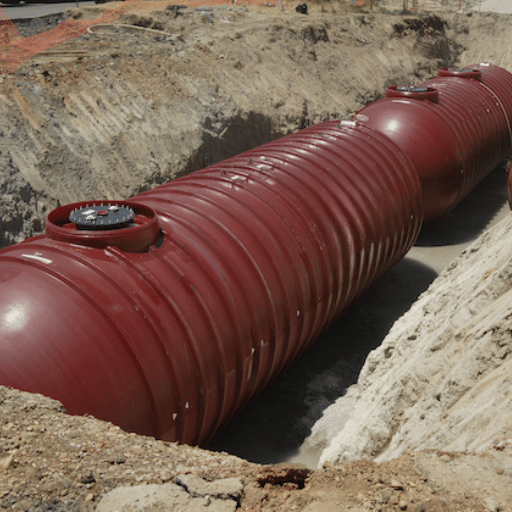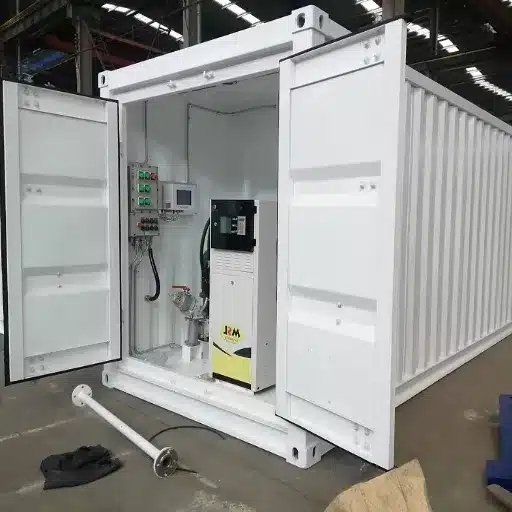
Gas station canopy design has to include modularity, safety, and brand appeal as the first priority since the canopy does more than just provide shelter; in fact, it is an important factor in protecting customers from all forms of weather conditions and the first impression a customer creates on seeing a particular station. This paper aims to focus on the elements of gas station canopy design, presenting design philosophies that will set the station apart in performance as well as curb appeal by intelligent engineering and aesthetics. Whether you have a new build or are renovating your existing setup, realize how a well-thought-out canopy design will surely aid the operation by keeping your clientele in a state of awe for a long time to come.
Understanding Gas Station Canopies
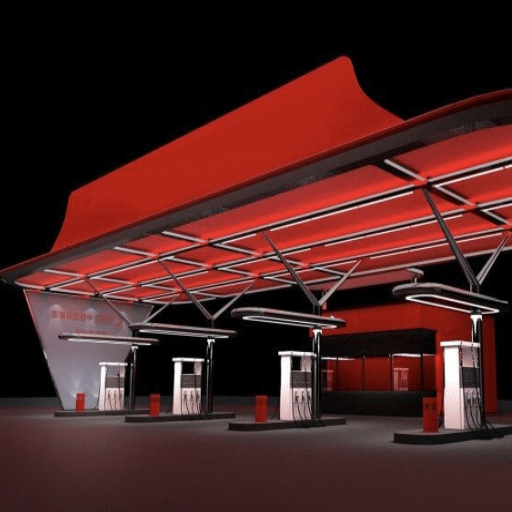
Gas station canopies wear countless hats, including signature shelter, heightened visibility, and increased safety. Canopies provide customers and their means of transportation with some form of comfort and usability, protecting both from weather conditions and allowing both to move around. With such engaging brand marking and lighting designs, the canopies have a grand effect on the station’s nighttime visibility and identification. It would be clear that the design of an A+ canopy would also ensure that regulatory safety features can flourish with respect to structure and ensure long-term usage from impacts such as wind or heavy snow loads.
What is a Gas Station Canopy?
A gas station canopy, an overhead structure, is built for protection as a shelter for the fueling areas from adverse weather like rain, snow, and excessive sun. Anything used in its construction is typically steel or aluminum for strength to ensure further safety and durability, and it is rendered immune to all environmental aspects that threaten it from above. Both visual function and safety integration into night operation with lighting are used, as well as the branding or identification of the gas station. Care is taken while developing these canopies due to the need to balance utility function, strength in structures, and aestheticism to guarantee safe and operational fueling functionalities.
Importance of Canopy Design
The canopy construction plays a paramount role and has an influence on the station operations. Basically, the canopy must ensure a high standard of protection from harsh weather conditions such as rain, wind, and UV rays; hence, safely securing the interior against possible detrimental forces for the customers and staff. Modern designs are taking advantage of advanced materials and engineering techniques to meet high safety standards and also withstand harsh environmental exposures.
Through the encompassing features of a canopy, this enhances the pavement space with well-designed drainage, desired illumination for visibility, and clearance suited for various vehicle dimensions; besides, canopies unfold branding materials that openly exhibit the station’s colors, logo, and branding elements, apportioning customer recognition and trust. Equally important are the ergonomic aspects and aesthetics; good canopy design can boost service satisfaction, ultimately increasing customers’ presence.
Finally, sustainability becomes more and more in the foreground in canopy design. Many designs presently incorporate eco-friendly solutions, including photovoltaic panels, energy-efficient LED lighting, and rainwater collection systems. These technological innovations are not only capable of cutting operational costs; they also match well with the growing consumer appreciation of eco-friendly ways. Indeed, the design of the canopy serves as an enhancement in safe and efficient managerial operation, branding, and thus towards sustainability in the infrastructure of gas stations.
The Main Characteristics of Gas Station Canopies
Gas station canopies are an important component serving several high-priority purposes regarding shelter. The same also improves visibility for customers and wide avenues of branding opportunities. Generally, these products are housed on steel or aluminum frames and roofing designed out of weather-resistant materials. These designs thus meet safety standards, obtaining proper clearance from the constraints of load support, resistance to fire, and adequate ventilation.
Lighting is vital as well; LED fixtures that use the minimum power while ensuring more light for safe transactions truly increase the visibility at prices that do not overburden cash costs. Drainage works greatly to cut erosion risk and eliminate standing water. Some systems capture rainwater. Finally, from every marketing or branding opportunity, a customized canopy drop sign to a corporate-logo-decorated canopy design can really pull in customers.
Best direction to grow – many contemporary canopies are being designed to carry solar panels, which not only generate green energy but also make the gas station less expensive to run. Mostly, gas station canopies are treated through their engineering for bringing meaningful and eco-appealing assistants to represent the mutual safety and regulatory commitments.
Design Considerations for Gas Station Canopies
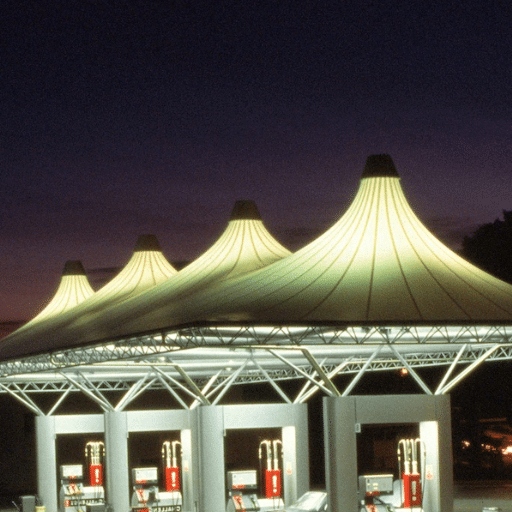
Structural Durability And Materials
The choice of material indicates maintenance of sound structural durability, with any gasoline station being built, whether it is steel, aluminum, concrete, or even reinforced concrete. Being quite strong, most of these materials can withstand inevitable deformation from environmental stress such as excessive force applied by wind, heavy snow loads, and UV radiation. To better prolong the structure’s life in harsh climates, methods of contentment for corrosion ought to be used.
Safety Standards And Compliance
Gas station canopies have to respect local and international safety regulations referring to burning rules, structural stability, and electricity use. Incorporating fireresistant materials and proper ventilation could help mitigate the flammable risks associated with gaseous materials. Then, the canopies have to be designed with sufficient clearance for any erected permissions of a vehicle for the sake of pedestrian safety.
Integrating Technology
Integration of systems that include fuel dispensing and point of sale systems with the new advancement enables the operator to not only run an efficient and more attractive business, but can also benefit from advances in customer service. Innovations like cameras will allow operators to monitor operational activities in real-time, which will enable them to respond promptly to any alarms or incidents.
Energy Efficiency
Energy efficiency in canopy lighting design can aid in reducing operation costs for the owner, in addition to revenue generation for any other profit-oriented facility. Operational costs, such as utility bill expenses, can account for a large portion of a facility’s expenses. Consider using light-emitting diodes for the canopy’s illumination to ensure energy-efficient lighting.
Modern gas station canopies have to conform to modern technologies like solar panels, EV charging points, and smart sensors. The integration of these features helps not only in the energy-saving measures, but also in changing customers’ expectations towards digitalization and sustainability. A thorough blueprint should accommodate the newly inserted technology components that must fit with the look and feel of the canopy.
Materials and Aesthetics
Durability, weather-resistance, and ease of maintenance are indispensable prerequisites to consider when opting for gas station canopy materials. The usefulness of steel, aluminium, and composite panels in these stations cannot be missed. While steel provides heavy-duty structural support, aluminium beats it all in being lightweight and corrosion-resistant. Composite panels with their accommodating characteristics prove to be such versatile materials to freely play around complex designs.
Aesthetics can help substantiate a brand’s identity and enhance its appeal to customers. Providing them with very fine and minimalistic modern designs, these gas station canopies render an elegant impression with a touch of color while gelling with the color scheme in line with corporate branding. The inclusion of LED lighting and textured finishes forpure aesthetic value serves dual functional purposes, such as enhancing visibility and safety. Materials chosen, along with the integrated design element, play a major part in producing an efficient and visually appealing canopy.
Functional Design Elements
In terms of structural implications, it is standard practice for gas station canopies to prioritize durability, safety, and efficiency. The canopy itself must be made up of quality material, such as aluminum or steel, to withstand extreme conditions and prevent degrading or subsequent weakening under normal pressures. Drainage is essential to limit water that collects underneath, minimizing the more onerous aspects of maintaining this portion. Safety features include the use of LED lighting to facilitate visibility for drivers while minimizing energy use. These impressive canopies provide plenty of height clearance, generally more than is required by the industry, allowing heavy-duty and extended-height vehicles to freely circulate through the plot. Fresh air systems may also be utilized to ventilate any potentially noxious vapors, in this way significantly reducing the toxic fumes that could be inhaled by customers and staff. Additionally, modular designs contribute toward an invaluable advantage when it comes to adaptability/alterability over expanding sites through such mechanisms in an immediate fashion. Listed together, these practical elements harness the use of beautifully functional design.
Safety and Compliance in Canopy Design
Canopies have to apply robust safety measures to be way ahead of all security threats. All materials and entire cover must meet or exceed the requirements of local structural quality regulations in terms of load capacity, weather, storm, snow, etc. Siding materials are required to be non-combustible or to have their respective fire protection ratings. This helps in the spread and ignition of fire. Lighting should be good enough and visibility clear for any pedestrian or vehicular traffic safety, mainly in a quite busy environment. The design of any canopy must meet a minimum number of one particular criterion in addressing accessibility or ADA (Americans with Disabilities Act) regarding the design in such an arrangement of walks, heights, and amenities that allow full access to any and all users. Properly planned inspections and maintenance are also among the factors to be assessed by the safety control. By living up to these standards, one acquires a wave of confidence in concern for not overly bending over backward to meet statutory requirements and expectations concerning trust towards customers or stakeholders.
Installation of Gas Station Canopies
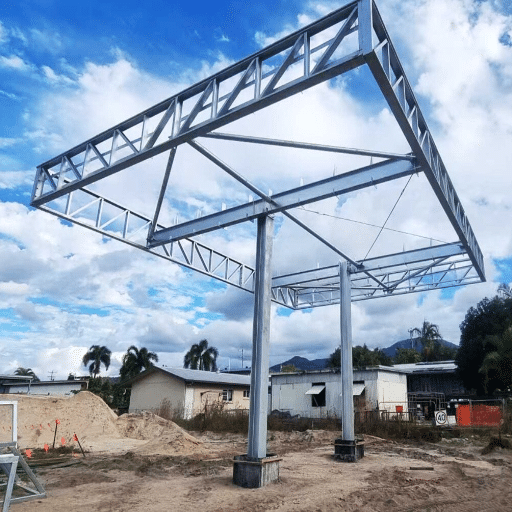
Construction of canopy structures for fueling stations is an extensive phased procedure of several crucial steps to maintain the facility’s structural integrity and comply with the safety codes. The initial stage of the program would involve the construction site preparation, that is, setting up the ground and positioning the necessary and appropriate foundation works that protect the canopy from being blown away. Then the steel members are erected, and roofing panels are fixed in place to provide weather protection. Wiring is installed to buffers light supply and cater to other electrical needs. However, the final steps usually include an inspection to ensure that the very structure is code compliant on both structural and safety scales, thereby ensuring that the canopy is safer and operable for everyday use.
Planning and Site Preparation
For any construction project, including a canopy installation, efficient planning and site preparation are required to guarantee success. An essential aspect here is to carry out a thorough site analysis to evaluate the stability of the ground, drainage conditions, and the possible environmental impacts that could affect the project. Permits needed for site construction in the area where the canopy structure is to be positioned have to be acquired, and the zoning laws of that local area must be conserved. Utility surveys have to be conducted to show no interference with underground lines. A very clear and engineered project layout shall be formulated, determining all materials required, their dimensions, and the plan’s quantity. Finally, the site has to be cleared of any obstacles and leveled so that a stable foundation can be prepared to allow for the easy and safe installation of the canopy. Each step has to be in consonance with industry regulations and the very best practices to ensure maximum safety and durable, yet functional, installation.
Choosing the Right Materials
When driving power into a construction project, it is important to have suitable materials that ensure longevity, structural strength, and concrete construction cost efficiency. Evaluate the environmental conditions for the project’s location, including, for example, exposure to weather elements, such as temperature excursions, and the possibility of corrosive factors. High-grade steel or aluminum alloys would be the common choices because of their high strength in relation to weight and resistance to corrosion that is required for structural framework design.
Regarding the project aesthetics, all materials such as tempered glass or special coatings that are suitable for enhancing an aesthetically pleasing profile without compromising strength should be considered. However, materials that have been tested in conformance with ISO and ASTM Standards for quality, material product performance, or with future maintenance or life cycle costs should be given top importance. Finally, materials that will require minimal maintenance only are preferred to ensure low operational expenditure. A balance amidst strength, compatibility, and sustainability would lead to making the appropriate material choice for the canopy structure, either in compliance with the standards or following the demands of reality.
Compliance with Safety Standards
Compliance with safety standards ensures structural integrity, public safety, and regulatory conformity. To meet this requirement, the main priority differs in adopting required international standards, such as ISO 45001 for occupational health and safety and EN 1090 for structural steels. In these contexts, compliance with local building codes and guidelines must be maintained under the premise that the law should be rigorously adhered to. Regular safety assessments must also be performed to examine any possible fire-resistant materials, while care is taken to include full consideration of load-bearing calculations. Quite a few rules may require documentation and certification, including, for certain types of construction, third-party inspections. As an additional assurance to legal and safety compliance, one has to, over time, keep oneself abreast of the increasing number of codes and standards.
Maintenance of Gas Station Canopies
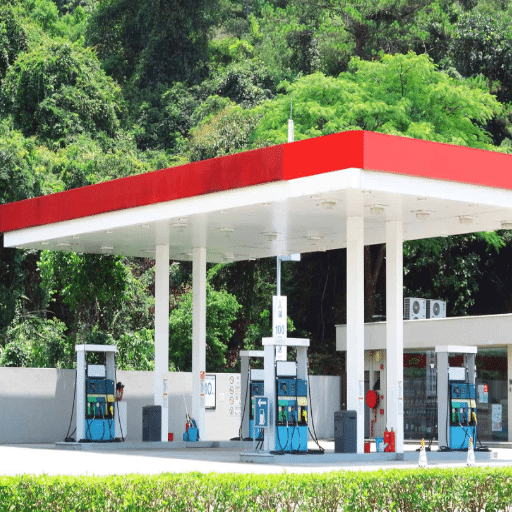
Doing substructure gas station canopy maintenance in particular is important for the structural integrity and users’ safety. Where regular inspection is carried out to recognize corroded, worn-out, or structurally damaged materials, regularly cleaning the canopy skin prevents a pile of sundries that might potentially impact the structure. This too involves cleaning off the drainage system and making sure it is functional and does not harbor any settling water that would place undue stress on the structure. All electricals, like lighting and wiring, ought to be assessed for health and functionality. Promptness in handling identified defectiveness is assumed to elongate the canopy life and ameliorate the wholesome safety environment.
Regular Maintenance Practices
Stable maintenance of canopies is demanded for the durability, function, and safety of them to be preserved. The first stage includes a check of visible damage that can be done to the structure, be it a tear, rust, or deformation; hence, it will be repaired there and then. On a day-to-day basis, any sort of cleaning will make the canopy as charming as it was first set up. Cleaning should be done with no-rough materials not to cause damage to the canopy, and mild detergents should be used to remove dirt and any remnants; avoid the use of tough chemicals, as there is known damage to the cloth. Keeping the gutters and drainage systems free of choking is crucial as standing water can exert undue stress by causing the formation of mold; if left unattended, the damage will aggravate. It is important that these systems are surveyed for loose wiring, open circuits, fraying, or any sign of water penetration. When using UV protective sprays on the canopy materials, this becomes quite added protection against the wear and tear of the sun. Prudence and regular performance in these ways can substantially lengthen the life expectancy of your canopy, keeping it safe and functional.
Repairing Common Issues
Timely intervention and proper methodology are critical to maintain functionality and safety when dealing with common tent canopy issues. For canopy material that is torn or punctured in some places, a better alternative would be the application of waterproof repair tape as a temporary solution, although a more permanent solution entails patching with adhesive-backed fabric patches meant for outdoor usage. As far as frame components are concerned, sometimes bent or broken structure components may be remedied by the discretion of the manufacturers, to ensure the fabric canopy structure’s soundness. In actuality, minor bends can be managed correctly by easy methods such as the use of clamps or even rubber mallets. Usually, it remains a contamination even on metal frames, because it will definitely try to cause some scant amount of rust; in certain situations, a simple brush-off should be good enough, i.e., a wire brush or fine-grained sandpaper could keep most of the rust accumulation at bay. Finally, the disassembled metal should be painted with a corrosion-resistant primer/paint to withstand further rusting.
Addressing issues concerning the stability of the canopy—the anchoring has become loose—can be somewhat taken care of when stakes, guy lines, and weights are checked to a great extent. Components that have withstood extended use should be replaced with much care to render them quite adaptable to different weather conditions. Also, for things such as retractable canopies, you have to ensure proper movement of the moving parts by lubricating them with a biodegradable silicone-based product that will offer better movement and wear less. Purposefully seeing the common problems a bit early on and solving them certainly helps a long way in fortifying the lifespan and reliability of canopies.
Upgrading Canopy Designs
Upgrading canopy designs on the whole would be about getting advancements in materials, innovativeness in mechanisms, and the end-product’s improved user efficiency. Today, certain fabrics – chiefly the polyester-acrylic mixes – exhibit qualities of wear-resistance, water resistance, and heightened ultraviolet protection, thereby making the materials more suitable for longer use outdoors. Although not all their systems are mechanized, the motorized retractable division or the smarter canopies are automated in such a way as to operate more smoothly and adapt themselves better to the different weather conditions that prevail in the surroundings. Likewise, frame designs influenced by the modular property constructed from updated aluminum or steel make the canopy far more stable because they fully prevent corrosion. At least the dependence on some “green” legislation in the handling of materials and more proactive design will ensure a longer lifecycle, apart from the weather-resilience advantage. Therefore, in the long run, this would appeal to both homeowners and commercial applications.
Innovative Gas Station Canopy Designs
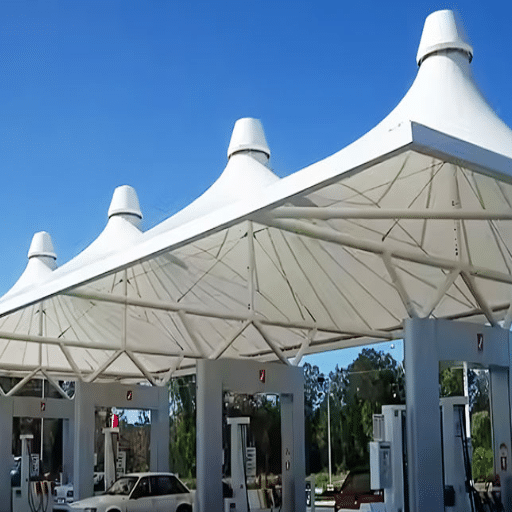
Modern gas station canopies are creatively designed to focus on utility, strength, and energy management. They can now include LED light systems for better visibility and lower energy consumption. Furthermore, solar panels are being used increasingly to offer sustainable energy generation, while they would also help to bring in lower operational costs. With properly designed drainage structures, facility operators are wise today in making sure that water is well managed against carrying away surfaces during excessive rains and flooding. In addition, heat-reflective coating systems for canopy surfaces help regulate temperatures in a way that would benefit its customers while inside its attractive confines. These designs are directed toward saving energy, thus leading to the remaining demands on gas stations.
Modern Trends in Canopy Design
The more contemporary canopy designs incorporate emergent technologies with sustainable principles fixed at core purposes, namely, utility and environmental concerns. One of the most remarkable examples of the said norms is the attached incorporation of advanced biotechnology in the bodily support of the canopy system. This set-up could actually generate sustainable resources on-site, reduce carbon emissions, and save on utility costs in no time. The construction technology of module design optimization came up as a great idea, as this would reduce on-site construction time, creating higher adaptability to specific site conditions for myriad canopy requirements. Simultaneously, easy-to-maintain and durable materials such as lightweight composites and stainless steel are the materials that are currently being used. Therefore, smart lights with LED bulbs and motion sensors, accompany energy-saving features of lighting foremost for security, also speed up the march towards innovation that could fuel the savings and safety scenarios. Then is where the very essentials are said to be sustainability, mesocity, and flexibility in the canopy-design concept.
Eco-Friendly Canopy Solutions
Eco-friendly canopy solutions prefer to engage in the use of renewable materials, energy-efficient technologies, and design strategies aimed at lessening their adverse impacts on the environment. In this neat coexistence, it becomes necessary for these critical elements in the form of using renewable materials, including recycled aluminum and sustainably sourced timber, and using features such as solar panels and advanced solar coatings to ensure benefits for the ecology and the long-term economics. My approach would entail the creation of designs that literally lie midway between functionality and sustainability, guaranteeing the fulfillment of the current regulatory standards and realizing dreams of greener infrastructure.
Case Studies: Successful Gas Station Canopies
Energy-efficient Canopies in Shell
Shell has integrated various types of energy-efficient canopies on its premises with LED lighting systems that lower the power consumption significantly. These canopies are constructed by reluctant, recyclable materials that show inherent minimal environmental evil and provide durable services. Many a time, these designs also include solar panels that produce the required renewable energy to run the local lights. These deliverables all work to support Shell’s overall goals of sustainability and certainly help reduce running costs.
Tell me about the Modular Canopy Systems of BP
BP modules were made with the idea of technological efficiency and great timing for assembly, cost-effectiveness, and scalability. The functional aspect of the canopy is severely punctuated by creating a canopy that could handle the modalities of lightness and strength. These are achieved through reduced weight of aluminum and high-grade composites for easy transportation and quick assembly. Advanced weatherproofing methods and long-lasting UV-resistant coatings are helping to ensure the canopy maintains a high degree of structural integrity with a largely modern effect in appearance.
Smart Energy Canopy Designs of ExxonMobil
In their growing embrace of intelligent energy solutions, ExxonMobil is beginning to utilize Internet of Things-enabled AI systems to monitor energy usage and modulate light levels based on actual conditions. These canopies incorporate top-quality thermal insulation so that less heat can be blocked out when a cooler environment is maintained below. Using some truly green materials and unique drainage systems is yet another demonstration of dedication to sustainability and quality performance.
Key Takeaways
- Multifunctional Design: Gas station canopies serve multiple purposes, including weather protection, branding, safety enhancement, and energy generation through integrated solar panels.
- Material Selection: The choice between steel, aluminum, and composite materials significantly impacts durability, maintenance requirements, and overall lifecycle costs.
- Safety Compliance: Adherence to local and international safety standards, including fire resistance, structural integrity, and ADA accessibility, is non-negotiable in canopy design.
- Energy Efficiency: Modern canopies incorporate LED lighting, solar panels, and smart sensors to reduce operational costs and support sustainability goals.
- Regular Maintenance: Consistent inspection and maintenance practices are essential for preserving structural integrity, safety, and aesthetic appeal over time.
- Innovation Integration: Contemporary designs embrace IoT systems, advanced drainage solutions, and modular construction for enhanced functionality and adaptability.
Reference Sources
This resource explains the structural purpose of fueling canopies in protecting customers and equipment.
This guideline includes canopy lighting standards and design considerations for gas stations.
New York State Department of Transportation
This document provides structural performance requirements for pre-engineered canopies.
Frequently Asked Questions (FAQs)
Columns and posts ideally used for a gas station canopy design?
Ideal post and column selections depend on load considerations, aesthetic expectations, and spatial conditions. Steel posts and reinforced concrete columns are traditional choices for robustness and capacity. However, for corners that can be rapidly corroded, readymade composite or fiberglass posts are a better choice. The best option should take into account the span and loads, wind and earthquake forces, canopy membrane attachment, signage integration, and maintenance associated with a gas station. It is best to contact a specialist to match the post size and connection detailing with your particular gas station structural system.
What are the criteria for the selection of canopy connections and membrane interfaces?
The selection process commences with the structural analysis meant to define loads and the action effect, so that the type of connections must be next, such as welds, bolts, or anchor-posts, as appropriate to the post material. In the case where the cradled ceiling is of a membrane type, real detail is necessary regarding those attachment necessities to accompany any flashing while aiding in water-fertilization [on a steep slope]. A lot of the mutual running between the structural designers, roofers, and the installation embodies heavy-duty, watertight joint action possibilities under weighing trauma and fueling-area climates.
Do fiberglass posts present a low-cost or high-turn opportunity for the columns under gas station canopies?
Fiberglass poles feature low maintenance and corrosion resistance, hence providing a reasonably long-term option in registered environments or chemical environments. However, the value of the initial material cost with their limited load capacity vis-à-vis steel and concrete poles should be weighed. Steel members still represent a mainstream selection for projects that have high capacities to span. Still, fiberglass might be considered for some lightweight, aesthetic, or place-specific coastal purposes.
How do some of the questions of slope and drainage affect the design of canopy size?
Canopy slope and drainage are instrumental in the performance of the canopy – the wrong slope results in water collection and can weaken the membrane and the structural system. Designers determined the size of the canopy and roof slope to ensure proper drainage toward scuppers or gutters with downspouts that would not interfere with fueling operations or signage. The slope chosen also had to consider forces generated by wind uplift, slope requirements of the membrane system, and the creation of long spans underneath the canopy.
Can signage and lighting be integrated on canopy posts that directly support the frame?
Advertisement and lights are primarily installed at canopy columns-post joints, but they do need delicate detailing. The structural design should pursue the inclusion of signage loads, wind pressures, and attachment points in order to safely transfer forces into connections that secure the system. Install signage brackets with due regard to the alignment of the posts or ledges, or use reinforcement with separate attachment plates to maintain high performance while avoiding structural materials’ failure or insufficiency.
How do contemporary architectural conveniences work with traditional styles at all?
The best option could be to utilize monolithic/ expansion-based structural systems that are easy for multi-configuration of fascia options, LED light fittings, and interchangeability of signage panels. Incorporating masonry-clad columns and structural steel viaducts as structural elements gives the project a classic presence while ensuring wide spans for unencumbered activities. Cladding, color, and canopy profile are the second-tier outfitings to the architectural design and functionality, in the optimum balance of brand identity and operational efficiency.
Who should one involve to ensure that the process of designing the canopy meets safety, code, and functional requirements?
Engage a thorough team from start to finish that includes structural engineers, roofing and membrane specialists, architects, and local code officials. This group should address the multiple systems involved in gas station safety, fueling equipment clearance, fire codes, local permitting, and early coordination, which adds assurance that post-sizing, connections, spans, and material choices will meet budget and performance goals while supporting convenience, signage, and the desired store image.