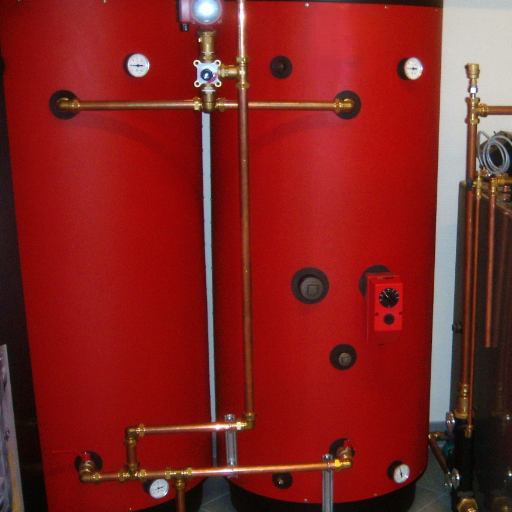
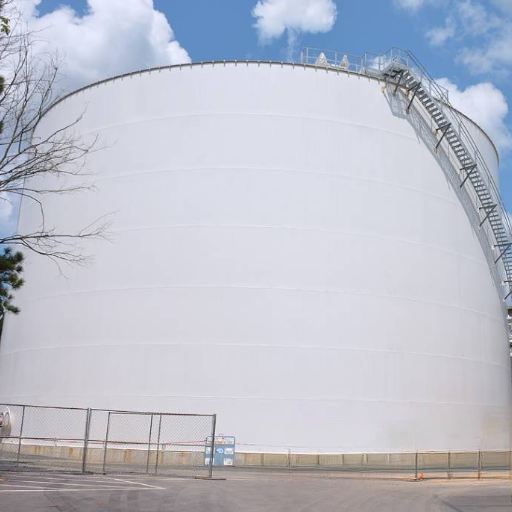
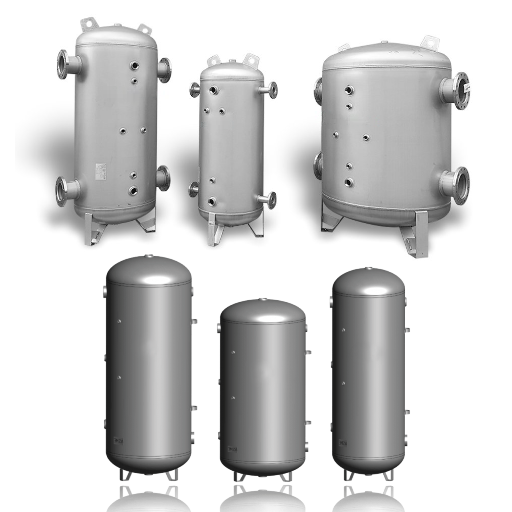
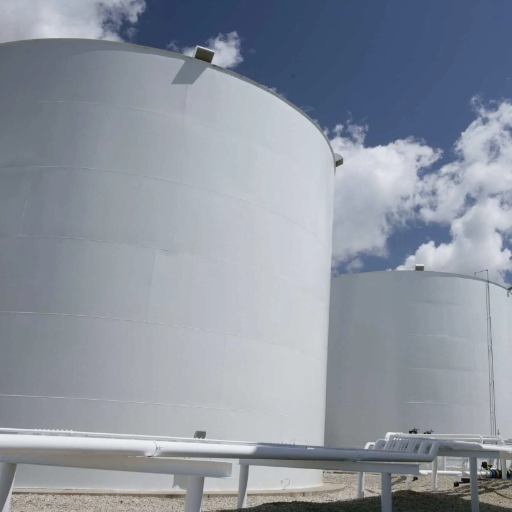
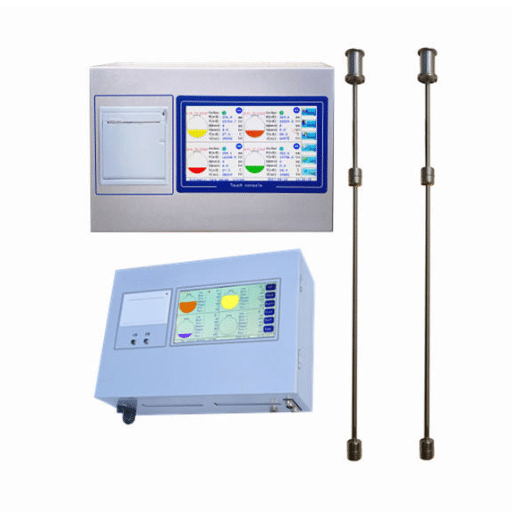
The industries need storage solutions that can withstand heavy use and provide multiple functions, and maintain operational efficiency, so they depend on steel tanks as their primary storage system. Carbon steel represents the best material choice because it provides exceptional strength and cost benefits and works in different application areas. The long-term storage solution of carbon steel tanks proves reliable for storing water, industrial chemicals, and various other substances. The article demonstrates how carbon steel storage tanks provide advantages through their various uses, which explain their popularity among different business sectors. This blog post provides complete information about robust storage systems for both industrial decision-makers and technology enthusiasts.
Introduction to Carbon Steel Storage Tanks
The Importance of Steel Storage Tanks in Industry
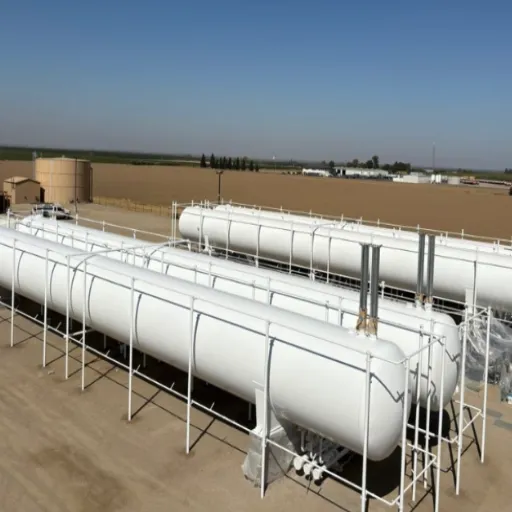
Steel storage tanks provide essential functions because their durability, storage capacity, and application flexibility make them essential for various industrial operations. The tanks function as storage containers for various liquids, which include water, chemicals, oil, and different industrial materials, which allow for secure and effective storage even during extreme operational conditions.
The industry recognizes carbon steel as a preferred material for storage tank production because it provides both structural strength and resistance against material degradation. The latest industry research projects that the global steel storage tank market will reach a value of $16.2 billion by 2027, which will increase at a compound annual growth rate of 4.6 percent between 2022 and 2027. The growth results from rising market needs across various sectors, which include chemical production and oil and gas operations, power generation, and water treatment facilities.
Carbon steel storage tanks demonstrate the ability to endure both high temperature and high pressure conditions, which enables their use in situations where other materials would break down. Carbon steel provides a more economical solution than both plastic and stainless steel while maintaining strong performance capabilities throughout extended usage periods. The solution becomes particularly appealing for businesses that need to store substantial quantities of materials while implementing rigorous safety measures and maintaining product excellence.
Modern steel storage tanks now include advanced corrosion protection systems, which allow for the creation of modular tank systems that can be customized according to user requirements because of developments in fabrication technologies. The new solutions extend equipment lifespan while guaranteeing adherence to environmental regulations and safety requirements which makes them essential for industrial operations.
Overview of Carbon Steel as a Material
Carbon steel remains a popular metal alloy that contains iron and carbon to provide high strength and flexible usage at low production costs. The material possesses different characteristics that depend on the carbon content because it mainly consists of iron and carbon. The three categories of carbon steel establish specific uses for each steel grade, which contains different carbon percentages. Low-carbon steel with a maximum carbon content of 0.3% exhibits malleability, which makes it suitable for use in constructing structural frameworks. Medium-carbon steel, which contains between 0.3% and 0.6% carbon, delivers an optimal combination of strength and ductility, which makes it appropriate for manufacturing gears and automotive components. High-carbon steel contains more than 0.6% carbon, which makes it extremely hard and suitable for producing cutting tools and machinery equipment.
Industry Insight
Carbon steel production accounts for approximately 90% of total steel output worldwide, according to current industry research, because the material offers low production costs and versatile application possibilities. The global carbon steel market will exceed $1 billion by 2030 because of rising demand from the construction and automotive, and energy industries.
The primary benefits of carbon steel include its recyclable nature, which helps sustain environmentally friendly practices, and its capacity for precise structural design through heat treatment methods.
Carbon steel develops problems because it becomes vulnerable to rust and corrosion when exposed to wet conditions, which requires protective solutions such as coatings and galvanization. The development of high-strength low-alloy HSLA carbon steels represents a solution for the existing problems, which also improves performance. The latest developments maintain carbon steel as a core industrial material that construction, transportation and manufacturing industries depend on for their operations.
Target Applications for Carbon Steel Tanks
The various industrial sectors rely on carbon steel tanks because they provide both durable performance and strong structural capabilities at a low cost. The upcoming section displays vital application domains that contain existing research results.
Oil and Gas Sector
The oil and gas industry depends on carbon steel tanks as vital storage solutions, which they require to store both crude oil and refined petroleum products and chemical substances. The global oil storage market had a valuation of $12.2 billion in 2022, according to industry reports, which predicted future market growth to drive up the need for durable storage systems that include carbon steel tanks. The materials are suitable for those applications because they can endure extreme pressure circumstances.
Water Treatment and Storage
Both public and private organizations depend on carbon steel tanks as their main solution for treating and storing water. The tanks function as storage containers for three different types of water, including portable water, treated water, and wastewater. The material maintains its original shape throughout its entire lifespan, which allows it to endure continuous operation without damage. The global water storage systems market will expand at a 6.8% compound annual growth rate from 2023 to 2032, according to current research, which shows that carbon steel materials will be necessary for this development.
Chemical and Manufacturing Industries
Carbon steel serves as the ideal material solution for chemical storage tanks because it delivers high mechanical strength and coated protection against moderate corrosion. The tanks store and process materials essential for fertilizer, paint and chemical production operations. The recent developments in coating materials and galvanization techniques have improved both the application potential and service life of these products.
Food and Beverage Industry
Carbon steel tanks serve multiple purposes in the food and beverage industry because these tanks store non-drinking water and support early-stage processing activities. Businesses choose carbon steel as their budget-friendly storage solution because it provides an economical option to stainless steel, which they use for their ultra-clean storage areas.
Agriculture and Farming Applications
Farmers use carbon steel tanks to store irrigation water and liquid fertilizers, and grain. The bins maintain their strength to store large volumes, while current design improvements create new possibilities for agricultural use.
The combination of ongoing manufacturing and treatment advancements with carbon steel’s versatile properties enables its continued use as a material for constructing tanks in numerous industries. The demand for these tanks will increase according to industry forecasts, which show that the material performs vital functions in both modern infrastructure systems and manufacturing processes.
Material Properties and Benefits of Carbon Steel
Corrosion Resistance of Carbon Steel
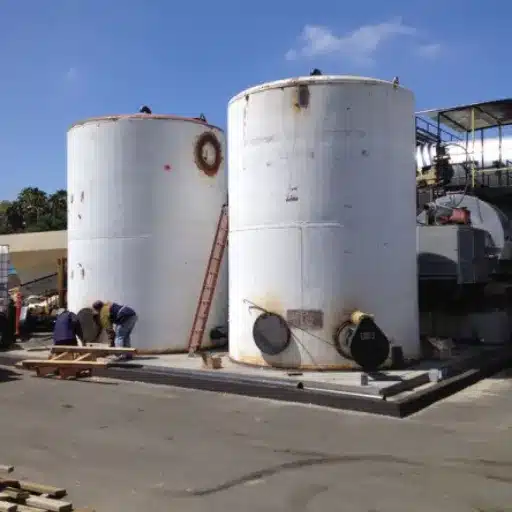
The corrosion resistance of carbon steel varies according to its particular composition and applied surface treatment methods. The standard carbon steel material shows high rust susceptibility when exposed to humid conditions or corrosive environments. The introduction of chromium and nickel in small quantities leads to improved protection against oxidation and corrosion.
According to recent data, the worldwide anti-corrosion coating market reached a value of about $26 billion in 2022, with most of its budget on protecting carbon steel structures used in various industries. The protective measure galvanization demonstrates high effectiveness because it enables carbon steel to endure severe conditions for 50% longer than its normal lifespan.
The modern techniques of cathodic protection and specialized paint development establish carbon steel as a dependable material for essential infrastructure projects, which include pipelines, storage tanks and bridges. The innovations allow carbon steel to maintain its structural integrity while achieving economical and environmentally sustainable operations.
Durability and Longevity of Carbon Steel Tanks
The industrial sector widely uses carbon steel tanks because they provide both exceptional durability and extended operational lifetimes. Product service life depends on material quality and environmental factors, which interact with protective measures that include coatings and cathodic protection. Research shows that carbon steel tanks have a lifespan of 20 to 40 years when maintained through protective measures, but some tanks exceed this range.
The modern protective technologies that scientists developed demonstrate advanced capabilities in effectively safeguarding tank structures. The epoxy-coated carbon steel material exhibits excellent protection against all types of corrosion that can occur in environments with moisture and chemicals and extreme temperature conditions. The 2023 industry report states that epoxy coatings provide carbon steel tanks with an additional 30% lifespan extension, which decreases the need for frequent replacements and decreases long-term expenses.
The implementation of cathodic protection systems effectively helps maintain the structural integrity of carbon steel tanks. The National Association of Corrosion Engineers (NACE) published a study that shows that corroded tanks equipped with cathodic protection systems experience decreased corrosion damage. The combination of this technology and specialized anti-corrosion paints ensures that carbon steel tanks serve as dependable storage solutions for water, chemicals and hazardous materials in extreme environmental conditions.
The sustainability aspect of modern infrastructure development has grown in importance because carbon steel tanks meet sustainability objectives through their recyclable nature and lower environmental impacts. According to current statistics, 90% of the steel used in these tanks can be recycled, which supports the circular economy while these tanks maintain their strength and durability for important industrial applications.
Cost-Effectiveness of Carbon Steel Compared to Stainless Steel
The cost-effectiveness assessment between carbon steel tanks and stainless steel tanks shows that carbon steel provides significant benefits for large industrial operations. Current market data shows that carbon steel prices stand at a lower level compared to stainless steel prices because carbon steel costs between $500 and $800 per ton while stainless steel prices range from $2,000 to $3,000 per ton, depending on grade and quality. The significant price difference between carbon steel and stainless steel makes carbon steel tanks an economical choice for projects with budget restrictions.
The costs for manufacturing and maintaining carbon steel tanks come at lower rates compared to other materials. The manufacturing process becomes easier because the material allows for quick welding and machining thus requiring less labor than stainless steel, which needs special tools for its production process. Protective coatings applied to carbon steel tanks create a budget-friendly solution that enables the tanks to function effectively throughout their lifetime, although stainless steel provides better resistance against corrosion.
The various factors lead cost-conscious industries in agriculture, water treatment, and petroleum storage to select carbon steel tanks as their preferred option. Carbon steel provides a practical solution for applications where stainless steel special capabilities do not provide the necessary advantages.
Common Industrial Applications of Carbon Steel Tanks
Liquid Storage Solutions
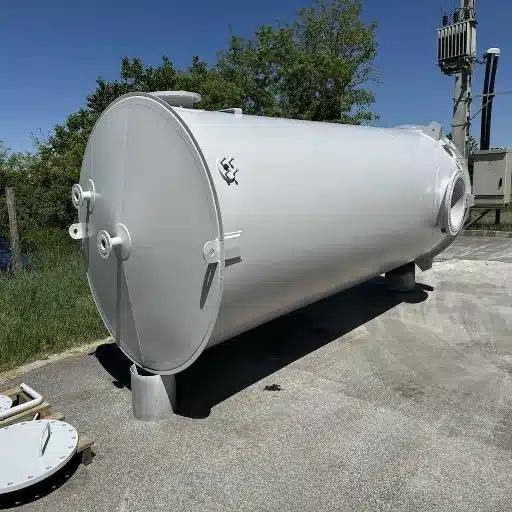
Carbon steel tanks serve as the primary solution for liquid storage needs across many industrial sectors because of their ability to endure extended use and their combination of strength and affordable pricing. The agricultural industry uses these tanks to keep water, fertilizers and liquid feed, while water treatment facilities use them to store both drinking water and wastewater. Current research shows that carbon steel storage tanks have storage capacities that range between 300 gallons and 50000 gallons, which meet different industrial requirements.
The petroleum industry depends on carbon steel tanks to provide secure storage facilities for crude oil, gasoline and various other petroleum products. The API 650 standards establish industry guidelines that maintain the structural integrity of large-diameter carbon steel oil storage tanks. The materials maintain their effectiveness because they can withstand both high temperatures and high-pressure situations.
Chemical processing plants select these tanks to safely keep non-corrosive chemicals because additional linings or coatings can be implemented to protect the steel from future damage. The latest advancements in technology have made it possible to implement cutting-edge monitoring systems in carbon steel tanks, which provide continuous liquid level tracking and prevent overflow and leakage incidents. Carbon steel tanks serve as highly functional and adaptable industrial liquid storage systems because of their multiple operational capabilities.
Use Cases in Heat Exchangers
Engineers choose carbon steel as the primary material for creating heat exchangers because of its ability to endure use and its thermal conductivity, and its economical price. The recent industry research shows that carbon steel heat exchangers demonstrate their highest performance when used in industrial settings that operate at both elevated pressure and high temperatures, which are typical of oil refineries and chemical processing facilities. The material’s high tensile strength enables it to endure mechanical forces when exposed to both physical stress and corrosive substances after receiving appropriate processing.
The development of modern engineering technology has produced carbon steel alloys that protect against both wear and corrosion, thus increasing equipment operational time. The global market study reveals that almost 40% of all heat exchangers in operation today use carbon steel or its related materials, which are essential for industries that need dependable heat transfer capabilities. The systems function as essential components that boost operational efficiency by providing stable thermal conditions and driving down energy expenses.
The implementation of advanced coatings and precision welding techniques represents the current approach, which aims to enhance the performance of carbon steel heat exchangers according to the changing requirements of industrial operations.
Custom Carbon Steel Solutions for Unique Needs
The design of custom carbon steel heat exchangers serves to meet the distinct operational needs of various industrial sectors. The material selection process allows for the creation of solutions that provide both operational flexibility and effective performance through the use of design choices and advanced production methods. The mechanical properties of carbon steel, combined with its ability to resist corrosion, make it suitable for use in oil refineries, chemical plants and power generation facilities.
The latest industry data shows that demand for carbon steel heat exchangers continues to grow. The worldwide heat exchanger market will reach a CAGR of 5.1% between 2023 and 2030, according to research, which shows that energy-efficient and sustainable industrial advancements drive market growth. The adoption of carbon steel as an innovative material has brought about this expansion because it provides both strength and affordability.
The combination of computer-aided design (CAD) and automated welding systems within modern production facilities enables manufacturers to create customized carbon steel solutions that comply with ASME and API industry standards. The implemented technologies enable manufacturers to create heat exchangers that achieve maximum efficiency while maintaining precise thermal conductivity and sustaining performance over time. Industries that need specialized thermal management systems rely on carbon steel solutions because they provide multiple options for customization.
Maintenance and Longevity Considerations
Scheduled Maintenance Activities
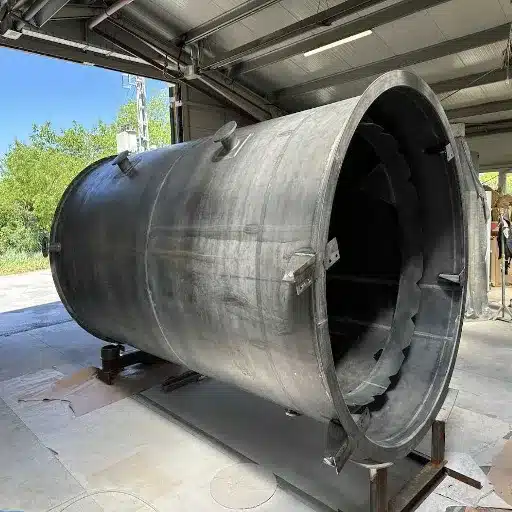
The carbon steel heat exchangers experience their best operational performance through a maintenance program that requires scheduled maintenance tasks. The core maintenance practice requires staff to conduct system inspections at regular intervals to find out when components start to experience damage or pipe system blockages or pipe system blockages. The cleaning of heat exchanger surfaces requires completion every 6-12 months according to industry standards because this practice prevents scale deposits from forming and it enhances the thermal conductivity of the system. The research demonstrates that a contaminated heat exchanger operates at 30 percent reduced energy efficiency, which leads to increased operational expenditures for the equipment.
⚠️ Maintenance Best Practice
Facilities that utilize NDT as a standard operating procedure experience a 25 percent decrease in unexpected equipment failures, according to data from a 2022 industry report.
The advanced cleaning techniques of hydro-jetting and chemical cleaning enable the complete removal of deposits while maintaining the integrity of materials. The maintenance programs of facilities must assess the performance of gaskets and seals because these components will experience both aging and wear which leads to leakage issues. The system requires immediate part replacements because the manufacturer’s standards state this requirement for maintaining operational reliability.
Ultrasonic thickness gauging and dye penetrant testing function as non-destructive testing (NDT) techniques that assess carbon steel structural integrity and detect hidden defects. Facilities that utilize NDT as a standard operating procedure experience a 25 percent decrease in unexpected equipment failures, according to data from a 2022 industry report. The proactive method, which maintains safety standards through this approach, leads to an extended equipment lifespan.
The facilities must maintain their inspection and repair documentation system because this practice enables them to track performance trends and develop scheduled maintenance tasks. The digital implementation of maintenance management software through digital tools enables organizations to improve their efficiency by decreasing equipment downtime and boosting overall operational effectiveness.
Inspection Protocols for Steel Tanks
Steel tank inspections serve as critical procedures that guarantee that tanks maintain structural strength while protecting their operational safety and meeting the necessary regulatory requirements. According to recent data, corrosion is one of the leading causes of steel tank failures, accounting for approximately 30% of structural issues in storage tanks worldwide. The inspection process needs to concentrate on identifying areas that have a high risk of corrosion, such as weld seams and tank bottoms and places that experience high humidity and chemical exposure.
Modern inspection methods use ultrasonic testing (UT) and acoustic emission (AE) technology because these methods provide accurate results without causing any damage to the tested materials. Through ultrasonic thickness measurements, operators can detect wall thinning patterns, which enables them to create repairs before any visible damage happens. Advanced inspection techniques that maintenance programs use have shown that they decrease tank failure risk by more than 40 percent, according to the latest research findings.
The use of drone inspection systems has become a widespread practice for inspecting above-ground storage tanks (ASTs). Drones equipped with high-resolution cameras and thermal imaging technology can conduct visual inspections at a fast speed, which helps to safeguard personnel while they check areas that people cannot reach through normal methods. Drones help organizations save substantial costs because 2023 research shows they reduce inspection time by almost 60 percent.
API 653 standards function as reliable guidelines that outline specific inspection procedures and assessment methods for above-ground storage tanks (ASTs). The combination of conventional inspection methods with modern inspection technologies enables facilities to extend the operational lifespan of their steel tanks while meeting safety requirements and compliance regulations.
Extending the Life of Carbon Steel Tanks
The operational lifespan of carbon steel tanks depends on maintenance work that safeguards their integrity, and on protective measures that satisfy established industry standards. The primary reason tanks deteriorate comes from corrosion, which requires the implementation of effective protective measures to control its impact.
The application of high-quality coatings and linings serves as a critical method. Studies show that epoxy and polyurethane coatings protect carbon steel tanks in aggressive environments by decreasing their corrosion rates. Tank systems need to implement cathodic protection systems because this solution prevents electrochemical processes that create rust.
The basic elements that prolong carbon steel tank systems require regular system evaluations and prompt component replacements. The National Association of Corrosion Engineers (NACE) data shows that annual visual inspections, together with ultrasonic testing every three to five years, help detect early signs of equipment damage. The operation enables facilities to fix issues that occur when wall thickness decreases and localized pitting happens.
Environmental factors must also be considered. Operating tank facilities at appropriate temperature levels, together with effective tank environment monitoring systems, helps minimize material contact with moisture and corrosive substances. The advanced technologies that organizations use for precise tank condition evaluation include robots and drones that carry high-resolution imaging equipment and sensors. The traditional inspection methods face competition from automated inspections, which accomplish 20 percent more defect detection while providing superior inspection precision.
The facilities reach operational success through their maintenance program, which integrates protective measures with regular inspections and advanced technological solutions. The European Union Directorate-General for Enterprise offers an extensive website that covers all aspects of its operations.
Compliance and Standards in the Industry
API and ASME Standards for Carbon Steel Tanks
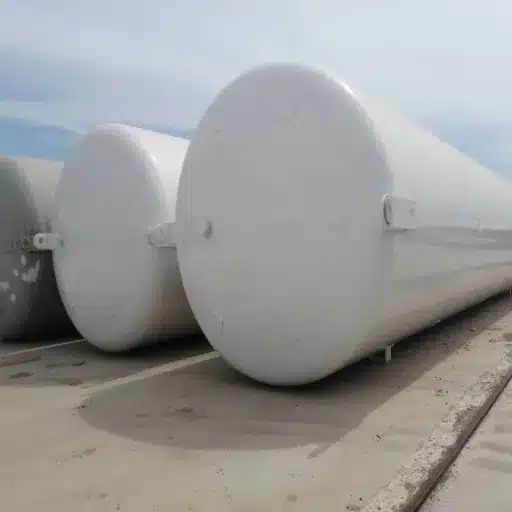
The operational efficiency and safety standards of carbon steel tanks need to meet both API and ASME established standards. The API Standard 650 defines specifications which required to design and build of welded steel storage tanks through its established material and fabrication, testing and inspection standards. The design specifications for API 650 tanks require tanks to endure both seismic and wind forces, which depend on the particular conditions at each site.
The ASME Boiler and Pressure Vessel Code, BPVC Section VIII, establishes pressure vessel regulations that include material selection and fabrication and testing requirements for pressure tank production. The current research indicates that following these standards will decrease structural failure incidents by 40%, which results in substantial safety improvements and cost savings for operations.
The advancement of technology comes through combining API and ASME standards with robotic inspections and computational modeling technology. The industry reports that AI automated compliance checks improve inspection accuracy by 25%, which enables facilities to meet regulatory requirements while reducing downtime. The industry introduces these updates as a unified strategy to uphold strict quality and safety, and performance standards throughout the sector.
Understanding UL Certifications
UL certifications established by Underwriters Laboratories function as a worldwide standard for evaluating product safety and operational effectiveness, and environmental sustainability. These certifications hold great importance in industries that need to meet rigorous safety requirements, which include manufacturing and electrical engineering, and consumer goods production.
The current industry information indicates that manufacturers must conduct complete product evaluations according to national testing standards to obtain a UL certification. UL 94 stands as one of the most commonly referenced standards that assesses the flammability of plastic materials used in devices and equipment. More than 90% of American households use products that have received UL certification, according to recent data demonstrating the organization’s widespread role in product safety verification.
UL has adopted digital tools and remote testing as innovative methods to improve its certification process. The new improvements enable faster approvals, which decrease the time needed for product certification by 30% and support businesses in achieving their market launch objectives without compromising safety. The introduction of eco-labels by UL for environmentally friendly products demonstrates the organization’s commitment to sustainability, which aligns with worldwide green initiatives.
UL standards enable companies to enhance their consumer trust while achieving regulatory compliance and sustaining their market position against international competitors.
Importance of Compliance in Procurement
Businesses need to maintain ethical, legal and operational standards through procurement compliance, which serves as an essential requirement. Organizations can lower their supply chain disruption risk by 30%, according to a 2023 procurement trend report, which shows that investing in strong compliance systems brings this benefit. The 68% of procurement leaders who now use blockchain and AI to boost supply chain traceability and transparency show that companies are increasingly selecting digital solutions to solve their compliance issues. The tools make it easy to track supplier compliance with regulations while reducing the chances of encountering fake products and unethical sourcing methods.
AI-powered analytics enable organizations to discover irregularities in supplier performance data, which helps them decrease the chances of fraudulent activities. Blockchain technology creates secure permanent records for procurement transactions, which show compliance with environmental regulations and labor laws through traceable documentation. The EU Corporate Sustainability Reporting Directive CSRD and other global regulatory requirements force businesses to prove their sustainable sourcing practices and responsible environmental practices.
The current trend of using technology for compliance purposes shows how organizations increasingly value their dedication to building procurement systems that will sustain their resilience, ethical behavior, and operational efficiency. Businesses need to comply with procurement regulations because violations lead to legal penalties, reputation loss, and operational disruptions.
Reference Sources
Current Methods and Technologies for Storage Tank Assessment
This study explores industry practices for storage tank assessment and highlights possibilities for improving inspection methods.
Carbon Steel Storage Tank Market’s Role in Emerging Tech
This report analyzes the booming carbon steel storage tank market, including key trends, drivers, and restraints shaping the industry.
Carbon Steel Storage Tank Market Report
This comprehensive market report projects significant growth in the global carbon steel storage tank market, supported by quantitative analysis and expert insights.
Frequently Asked Questions (FAQs)
What are the benefits of using carbon steel storage tanks?
The storage tanks made from carbon steel exhibit exceptional durability because of their high strength, which allows them to function in various industrial settings. The tanks maintain their operational capabilities during extreme conditions because of their ability to withstand both impacts and high-pressure environments. The tanks provide an economical storage solution because they cost less than other materials while maintaining safety and quality standards.
What industries commonly use carbon steel storage tanks?
The industrial sectors that use carbon steel storage tanks include oil and gas operations, chemical processing facilities, water treatment plants, agricultural sites and food production facilities. The tanks have gained popularity in industries that need dependable storage systems because they can store different liquids, including chemicals and fuels, and drinking water.
How does corrosion affect carbon steel storage tanks, and what measures can be taken to prevent it?
The robust nature of carbon steel becomes compromised through corrosion, which deteriorates its structure when the metal comes into contact with either water or various chemical substances. Industry professionals use protective coatings and linings and cathodic protection systems, and corrosion-resistant alloy carbon steel tanks as common methods to stop corrosion from occurring. The protective measures establish tank durability, which extends the duration of operational capacity and preservation of trustworthy performance in environments with corrosive substances.
What factors should be considered when selecting a steel tank for storage?
The selection of a carbon steel storage tank requires evaluation of both storage requirements and necessary tank capacity, material specifications and environmental conditions, which include temperature and pressure, and applicable industry standards. The assessment of specific coating and lining needs for corrosion protection ensures maximum system effectiveness.
Are carbon steel tanks suitable for storing potable water?
Carbon steel tanks have the capability to function as potable water storage tanks. The tank must receive proper food-grade coatings to fulfill health and safety requirements. The process of regular maintenance needs to work together with inspection activities in order to sustain water quality while avoiding problems from corrosion and contamination.
What is the typical lifespan of a carbon steel storage tank?
The operational lifespan of a carbon steel storage tank depends on three fundamental factors, which include its operational environment, maintenance procedures and corrosion defense methods. The tanks provide a long-lasting storage solution that remains affordable for multiple uses when they receive proper maintenance.