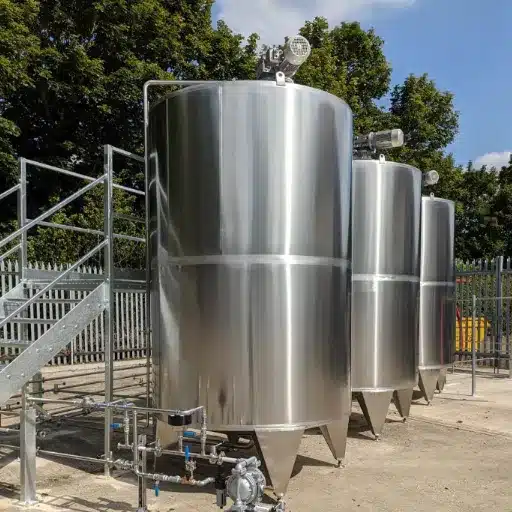
According to experts, stainless steel represents the safest and most effective solution for storing oil. Stainless steel oil storage systems deliver outstanding strength and protection against corrosion, which allows their operation to continue for extended periods. The guide explains why stainless steel oil tanks are the primary storage solution that both industries and residential areas choose. The article provides complete information about their distinctive benefits, essential characteristics and maintenance procedures to assist readers in making educated choices. The guide provides all essential details about stainless steel oil tanks, which you need for system upgrades or for acquiring a reliable long-term solution.
Introduction to Stainless Steel Oil Tanks
Understanding the Importance of Oil Storage
Oil storage operations function as essential systems that provide residential and commercial properties with necessary fuel and lubricant supplies throughout their operational times. The application of improper storage methods results in three detrimental effects that lead to product contamination, evaporation, and spoilage, which decrease both the quality and performance abilities of oil products. The use of stainless steel oil tanks serves as the best choice because their durability and ability to resist corrosion enable them to preserve oil purity throughout extended periods.
According to recent information, worldwide oil consumption reached 100 million barrels per day in 2023 because people require better methods to safeguard their oil resources. Proper storage procedures enable businesses to reduce their spill and leak risks, which protects the environment and helps them avoid costly fines. The study demonstrates that stainless steel tanks provide a cost-efficient solution because they can function for 20 to 30 years without needing significant upkeep.
Stainless steel tanks possess the ability to withstand high and low temperature extremes, which enables them to protect different oil products that include diesel and heating oil, and kerosene. The use of double-walled and insulated systems provides enhanced safety features because these systems protect against potential hazards while they extend the period during which oil can be stored safely. The implementation of stainless steel tanks as reliable oil storage solutions helps users protect their assets while they achieve both environmental compliance and operational efficiency.
Common Challenges in Oil Storage
The multiple challenges of oil storage operations impact three key areas, which include safety and efficiency and regulatory compliance. The main danger of corrosion exists because tanks and pipelines that experience water contact will lose structural integrity, which results in pipeline leaks and spills. The problem becomes worse in areas that experience temperature variations because tank condensation causes faster bacterial growth inside the tanks. The oil and gas industry incurs annual expenses exceeding $2.5 trillion because of corrosion problems, which makes it vital to use stainless steel as a protective material against these types of challenges.
The challenge of controlling oil temperature arises because extreme cold weather leads to oil solidification, while high temperatures result in oil quality deterioration. The research shows that crude oil becomes much denser, which creates operational difficulties when temperatures drop below 40°F (4.4°C). Automatic heating systems now combine with temperature monitoring systems to solve this specific problem.
The management of environmental compliance requirements is a critical necessity for business operations. The storage facilities need to implement double-walled tanks which include leak detection systems, because they must follow the new restrictions on emissions and spill prevention methods. Organizations need to establish protective measures because oil storage regulations impose daily fines of up to $50,000 for each ongoing violation, according to U. S. regulations.
The majority of people ignore the importance of performing inspections and maintaining equipment. The study showed that performing inspection and cleaning activities reduced contamination and mechanical failure issues by 30 percent. The implementation of advanced monitoring technology through the deployment of IoT-enabled sensors allows users to monitor tank conditions in real time while detecting potential problems before they turn serious.
The implementation of advanced materials together with monitoring systems and compliance with environmental regulations enables businesses to improve the performance and operational security of their oil storage facilities.
Benefits of Choosing Stainless Steel
The oil storage tank industry depends on stainless steel as its primary material because of its ability to endure extended periods without suffering from corrosion and other forms of damage. The material provides one essential benefit which enables it to endure extreme environmental conditions that include both chemical and thermal, and humid exposure. The Steel Tank Institute report shows that stainless steel storage tanks can operate for more than 30 years without needing maintenance, while carbon steel tanks require earlier maintenance because of their more frequent repair needs.
Stainless steel provides multiple environmental advantages. Its recyclable nature ensures a sustainable lifecycle, as up to 90% of stainless steel can be reprocessed without losing its properties. This process supports worldwide environmental initiatives that aim to decrease industrial waste production. The use of stainless steel tanks instead of alternative storage materials decreases environmental damage because it decreases both leakage and corrosion-related failures.
The data establishes that stainless steel provides better standards of cleanliness. The British Stainless Steel Association study shows that stainless steel tanks need 50 percent less effort for cleaning and sanitation compared to other tank materials. The combination of these benefits with cost efficiency creates a long-term solution that makes stainless steel an environmentally responsible choice for contemporary oil storage needs.
Durability of Stainless Steel Oil Tanks
Material Properties and Longevity
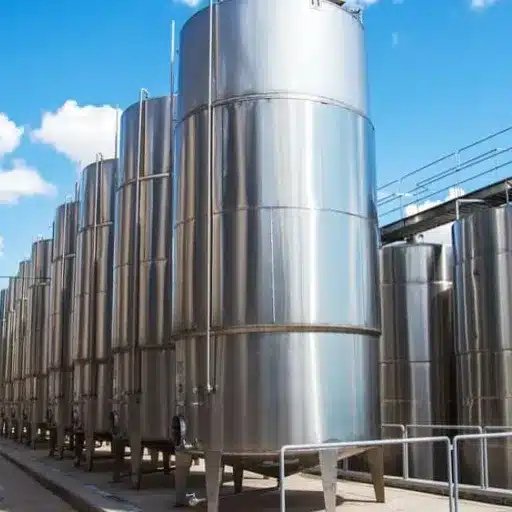
Stainless steel oil tanks possess exceptional durability because their materials create specific construction characteristics. The chromium content of stainless steel forms a protective oxide layer which enables the material to resist corrosive elements yet keeps its chromium content. Industry data shows that stainless steel storage tanks maintain operational capacity beyond 30 years when operators perform simple maintenance tasks, making this solution financially sensible for long-term service.
The metal displays superior mechanical strength, which enables it to endure extreme temperature conditions, thus meeting the needs of industries that need secure oil storage solutions. The 2022 study demonstrated that stainless steel tanks show 40% less material degradation over 20 years when compared to carbon steel tanks. The material shows improved reliability, which helps prevent structural failures that might happen during actual industrial processes that involve temperature shifts and chemical contact. The new welding and fabrication methods lead to better weld seam strength, which makes seams capable of preventing leaks for several decades.
Resistance to Corrosion and Environmental Factors
Research shows that material science has created advanced methods that enable materials to withstand both corrosion and environmental damage. The study shows that 304 and 316 stainless steel alloys produce strong protection against pitting and crevice corrosion when they face chloride-rich conditions. The study demonstrates that 316 stainless steel contains molybdenum which enables the metal to achieve 50% better resistance against saltwater corrosion when compared to 304 stainless steel.
The new protective coatings, which include ceramic and epoxy-based materials, have shown their ability to extend industrial component lifespan because laboratory tests show a 60% decrease in corrosion rates that occur in high-humidity environments. Industries can create proactive maintenance programs through the use of advanced monitoring systems, which combine these technological developments with IoT sensors that track environmental stressors. The new system advances reduce equipment downtime while maintaining critical infrastructure safety through multiple years of reliable performance.
Comparing Stainless Steel to Other Materials
Stainless steel stands as the best material alternative because it combines corrosion resistance with strength and durability to operate successfully in multiple environments. The research findings demonstrate that stainless steel shows better longevity in extreme environments than carbon steel and aluminum which are conventional materials. Studies show that stainless steel can endure saltwater contact for more than 30 years without suffering any major deterioration, while carbon steel experiences severe corrosion within 5 to 10 years when it lacks proper defense.
The maintenance requirements of stainless steel sustain its economical value throughout its entire lifetime, which results from its need for less upkeep. Performance evaluations of industrial materials show that stainless steel structures need 90% less maintenance costs than carbon steel structures for their entire 20-year lifespan. Stainless steel serves as an eco-friendly material because its recycling rate surpasses 80% across all countries.
Stainless steel provides multiple benefits that make it suitable for various applications that include large-scale infrastructure projects, medical equipment, and common household items.
Industry Applications of Stainless Steel Oil Tanks
Oil and Gas Industry
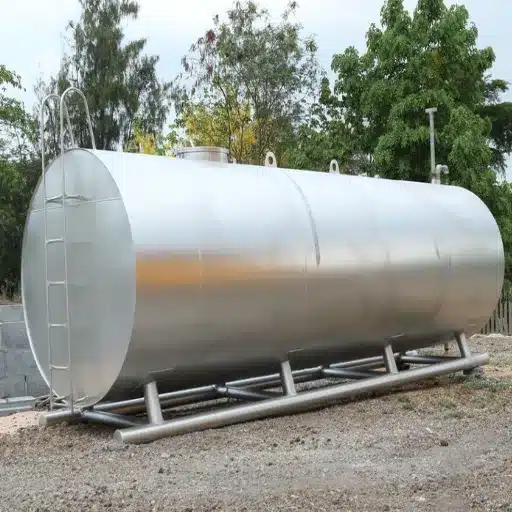
The oil and gas industry selects stainless steel oil tanks because these tanks deliver superior corrosion protection, together with prolonged durability and the capability to withstand extreme temperatures. The tanks provide essential support to all three operational sectors, which include upstream activities, midstream operations and downstream processes. Upstream operations require stainless steel tanks to store and transport crude oil and production chemicals because these tanks deliver dependable service during extreme environmental conditions.
Recent industry data shows that the global stainless steel market currently experiences substantial growth, which will continue until 2030 with a projected annual growth rate of 5.8 percent. Energy-intensive sectors, like oil and gas, require storage solutions that provide long-lasting, efficient performance, which drives this demand. The superior contamination prevention capability of stainless steel makes it the ideal material for safeguarding the untainted state of stored materials inside these tanks.
Stainless steel tanks function as essential components for refineries because they enable safe operations in processing environments that operate at both high pressure and high temperature. The use of stainless steel in these applications provides equipment life cycle extensions of 25% which leads to reduced downtime and increased operational efficiency according to industry reports.
Food Processing and Chemical Storage
Stainless steel serves as a vital material for food processing and chemical storage applications because it remains non-reactive while maintaining sanitary conditions. The global stainless steel market for food processing applications will grow at a compound annual growth rate of 6.5 percent from 2023 to 2030, according to recent data, which shows increasing demand for this market. The corrosion-resistant properties of stainless steel enable it to safeguard food and chemical products from contamination, which occurs during extended storage time.
Food processing facilities commonly use Grade 304 stainless steel because it protects equipment from damage that occurs when exposed to acidic and alkaline solutions that are typical of storage tanks and mixing vessels, and piping systems. The smooth surface of stainless steel enables easy cleaning, which helps facilities meet the strict hygiene requirements established by organizations such as the FDA and EU. Industry experts report that stainless steel usage leads to maintenance cost reductions while extending the life of storage and processing equipment by approximately 40%. The combination of reliable performance with hygienic properties makes stainless steel essential for maintaining safe and effective operations in these vital industries.
Agricultural Uses and Benefits
Modern agriculture depends on stainless steel because it provides durable materials that resist corrosion while maintaining hygienic standards. Farmers use stainless steel for building equipment that includes silos and irrigation systems and harvesting machinery, and animal feeding stations. Recent data shows that stainless steel components can last up to 20 years longer than traditional materials such as galvanized steel, which leads to significant cost savings for farmers. The materials exhibit reduced rusting tendencies, which enable them to maintain peak performance throughout extremely wet conditions and agricultural fertilizer exposure situations.
Stainless steel surfaces remain smooth, which helps prevent bacterial growth, a requirement that must be followed for both livestock farming and animal product processing. Research shows that using stainless steel for livestock housing improves both cleanliness and animal health, which results in a 15% boost to productivity. Farmers have increased their use of stainless steel for traditional farming operations because this material enables effective water management through its implementation in automated irrigation and mechanical systems. Stainless steel serves as a vital resource that enables farmers to implement sustainable agricultural methods across all countries.
Maintenance Requirements for Stainless Steel Oil Tanks
Regular Inspections and Cleaning Procedures
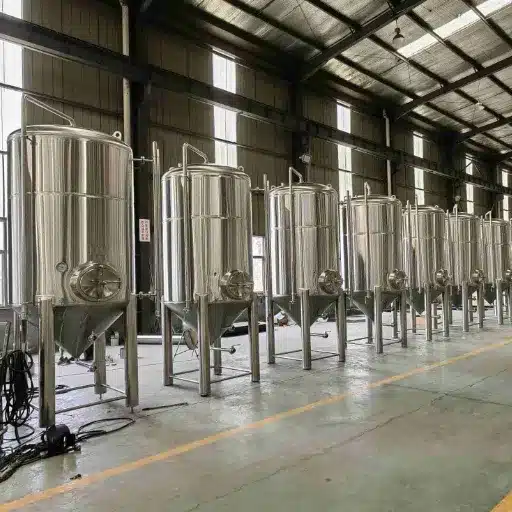
The maintenance process of stainless steel oil tanks needs to follow a systematic method that guarantees their operational efficiency and extended service life. The inspection process requires the conduct of two annual inspections, which should examine the equipment for any indications of corrosion or cracks or leaks. Regular maintenance inspections, which operators must conduct between tank inspections, cause a 20 percent reduction in tank lifespan according to industry experts. The remote inspection technologies, which include ultrasonic testing and drones become necessary for inspecting areas that need to be checked both inside and outside their boundaries.
The organization needs to establish cleaning procedures that require material-based cleaning operations to conduct their cleaning activities. The recommended cleaning schedule for oil tanks requires operators to clean the tanks at intervals that range from one to two years to stop sludge buildup, which results in liquid contamination and storage space reduction. The process of removing deposits from stainless steel surfaces can be accomplished through high-pressure water jets and chemical cleaning agents, which were specifically created for this function. The data from construction material surveys show that tanks that undergo proper cleaning according to recommended cleaning intervals have a 30 percent lower chance of operational failures throughout their entire lifespan.
The implementation of automated cleaning systems leads to significant time and labor savings while guaranteeing complete cleaning results. The common use of rotating spray ball systems enables tanks to achieve complete interior coverage, which results in a 40 percent increase in cleaning efficiency and water conservation. The combination of thorough inspections and effective cleaning techniques enables organizations to preserve the structural integrity of stainless steel tanks while achieving their environmental conservation targets.
Common Maintenance Issues and Solutions
- Corrosion and Pitting
The primary operational issue of stainless steel tanks arises from corrosion, which develops when tanks encounter severe chemical treatment and prolonged exposure to water. Pitting corrosion damages the tank structure because it attacks the metal surface area of the tank. The research results demonstrate that passivation treatments, which remove free iron from surfaces, enhance corrosion protection by 30% according to their study findings. The tank monitoring system detects initial corrosion signs through its continuous chemical testing process. - Biofilm Accumulation
The buildup of biofilm inside tanks used for food, pharmaceuticals or water storage creates contamination risks, which also decrease system efficiency. Ultrasonic cleaning systems represent a recent cleaning technology, which can eliminate 99% of biofilm at a microscopic level. The systems function by sending high-frequency sound waves into the tank, which dislodge residues that are stored in difficult-to-reach parts. - Weld Seam Failures
Weld seams leak and become weak points because of either incorrect welding techniques or the stress experienced during the welding process. Non-Destructive Testing (NDT) methods, which use radiographic and ultrasonic inspection techniques, enable operators to detect welding defects without harming the structural integrity of the tank. The industry information shows that NDT inspections enable tanks to operate up to 15% longer than their original operational lifespan. - Equipment Downtime Due to Cleaning
Tank cleaning methods create extended operational delays, which lead to significant equipment unavailability. A 2023 study found that Clean-In-Place systems with programmable logic controllers reduced their cleaning time by 50% while they optimized their water and cleaning agent usage. The CIP systems use monitoring sensors that deliver immediate feedback to identify undercleaning and overcleaning situations, thus improving their overall operational efficiency.
The application of technological advancements together with strict maintenance practices empowers businesses to solve their typical problems while achieving environmental sustainability and operational effectiveness.
Best Practices for Longevity
The combination of advanced technologies together with updated industry standards needs to be implemented for Clean-in-Place systems to achieve their maximum operational lifespan and performance capacity. Research findings demonstrate that regular water quality assessments lead to improvements in system operational efficiency. Water contamination problems result in scaling and corrosion, which decrease the cleaning process efficiency. The use of reverse osmosis (RO) systems enables businesses to decrease their scaling risk by 80%, according to data, which helps them maintain reliable operational outcomes throughout their business activities.
Research studies show that automation serves as an essential component for CIP operations. Advanced programmable logic controllers (PLCs) enable systems to achieve exceptional accuracy when they measure temperature and pressure and chemical concentration levels. The efficiency of automated parameter adjustment systems shows a 25% improvement when compared to systems that require manual operation.
The application of predictive maintenance through Internet of Things (IoT) technologies enables organizations to identify potential equipment problems before they become serious maintenance problems. The best manufacturing companies in the industry achieve a 30% reduction in unscheduled downtime because they continuously monitor their equipment through real-time equipment status assessments. The use of advanced tools together with complete strategic frameworks will enable companies to achieve both extended operational life and financial savings, and enhanced environmental business performance.
Safety Standards and Compliance
Industry Regulations for Oil Storage
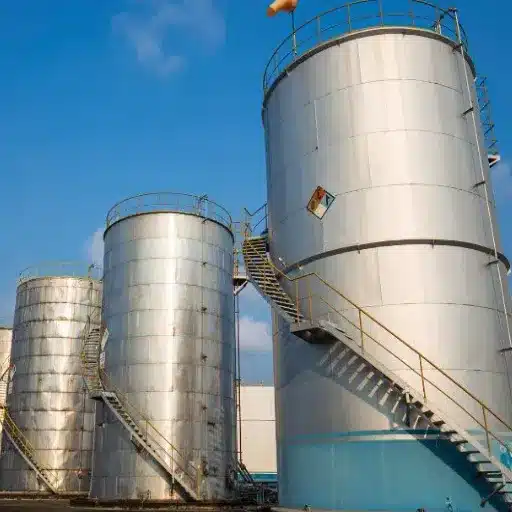
The regulations that control oil storage operations require facilities to follow all requirements because this approach safeguards the environment and enables efficient facility operations while minimizing serious risks. The main regulatory framework in the United States combines the Environmental Protection Agency’s (EPA) Spill Prevention Control and Countermeasure (SPCC) Rule which requires facilities to create complete oil spill prevention strategies when they keep more than 1,320 gallons of oil in aboveground storage tanks. The plans must include secondary containment systems, which use berms or dikes to prevent spills from reaching water bodies.
The American Petroleum Institute (API) establishes standards, which include API Standard 650 and 653, to show the proper procedures for building and maintaining oil storage tanks while conducting inspections that will keep the tanks safe to use. The API 653 standard requires operators to inspect all tank components, which include the shell and roof, and foundation parts, to detect any signs of corrosion or potential structural problems before they become operational failures.
The International Maritime Organization (IMO) establishes regulations for shipboard oil storage through its MARPOL 73/78 convention, which sets marine pollution discharge limits for vessels. The European Union implements the SEVESO III Directive, which aims to stop serious accidents that involve dangerous substances, including oil.
The recent data shows that compliance has significant importance. The 2022 Market Research Future report shows that North America and Europe have raised their environmental standards, which results in increased funding for advanced storage systems that will drive the industrial oil storage sector to achieve a 3.47 percent compound annual growth rate between 2023 and 2030. The companies that follow these standards will reduce environmental harm while avoiding financial penalties, cleanup expenses and lawsuits, which will enable them to run their businesses sustainably while achieving economic success.
Environmental Considerations and Spill Prevention
The industrial oil storage market has experienced major changes because of growing environmental protection requirements and the introduction of tougher environmental rules. The global industrial oil storage market size reached approximately USD 1.35 billion in 2022, according to recent reports, and it will grow to USD 1.8 billion by 2030 with a compound annual growth rate of 3.47%. Organizations need advanced storage solutions because their operations must be safeguarded against environmental damage that results from leaks and spills, and contamination events.
North America and Europe have established strict spill prevention measures, which include double-wall tank systems and regular inspection requirements to protect the environment from potential disasters. Remote monitoring technology has developed through IoT-enabled sensors, which now enable real-time detection of storage facility structural problems that reduce risks before they lead to major damage. Automated leak detection technology enables organizations to decrease their spill response time by 50%, which results in reduced environmental costs and decreased financial costs. The measures increase operational efficiency while maintaining regulatory compliance, which protects organizations from penalties and upholds their industry standing.
Biofuels now require special storage systems which utilize materials that prevent both corrosion and contamination because of their need for special storage systems. The market continues to advance toward sustainability and environmental protection through its exclusive commitment to eco-friendly business methods.
Importance of Proper Installation and Maintenance
The proper establishment and continuous maintenance of storage facilities serve as essential requirements for sustaining their effective operations and complete operational life in hazardous material handling facilities that process sensitive environmental substances. The research shows that about 40% of industrial spills happen because companies fail to install their equipment correctly and maintain it properly, so they need better supervision of their operations.
Recent studies demonstrate that organizations that use automated monitoring technology decrease their leakage and equipment failure rates by 30% because the monitoring devices detect minor faults before they develop into critical system failures. Allied Market Research reports that the global industrial spill containment market will achieve a market size of $27.5 billion by the year 2030 with a 5.8% compound annual growth rate. The current trend shows that organizations spend more money to establish successful systems that stop spills from happening.
The biofuel and renewable energy liquid sectors experience substantial advantages through the implementation of regular equipment maintenance programs. The process of keeping storage tanks clean from all dangerous substances and persistent rust damage maintains material quality while meeting environmental protection requirements. Research shows that organizations that implement both predictive maintenance and preventive maintenance systems achieve maintenance cost savings that reach 25% of their total expenses.
The combination of strict installation procedures together with high-level maintenance methods enables industries to protect natural resources while achieving financial savings and meeting regulations and increasing their operational dependability.
Reference Sources
-
HTF Market Insights – Stainless Steel Tank Market Report
- The report presents a comprehensive examination of the worldwide stainless steel tank market, which the report divides into two main categories based on three application sectors and two tank types. The study demonstrates that stainless steel tanks provide industries with a practical solution because they combine three essential features.
- Source Link
-
Research and Markets – Stainless Steel Tanks Market Report
- The report provides information about the stainless steel tank market growth, which occurs because of industrial development and the need for hygienic storage solutions and tank design improvements. The study demonstrates that stainless steel tanks function as effective storage solutions for oil because they withstand extreme conditions and meet safety requirements.
- Source Link
Frequently Asked Questions (FAQs)
What are the advantages that stainless steel provides for oil storage tanks?
Stainless steel oil storage tanks provide the best solution for long-term oil storage because they combine exceptional strength with complete protection against corrosion. The tanks safeguard against all environmental factors which include water and temperature variations, and contact with chemicals, because of their strong design. The tanks achieve environmental safety standards and regulatory compliance through their environmentally friendly design and non-reactive features, which allow for secure and efficient storage operations.
How do stainless steel oil tanks decrease operational expenses for businesses?
The operational lifespan of stainless steel oil tanks produces significant financial benefits because their higher initial costs exceed those of other materials. The system benefits from two factors that contribute to lower maintenance costs. Industries that use predictive maintenance for their tanks achieve major cost reductions through decreased need for repairs and preserved system uptime.
Are stainless steel oil tanks environmentally friendly?
Yes, stainless steel functions as one of the most environmentally responsible materials used for oil storage. The tank becomes recyclable after its useful life ends, which helps decrease its environmental footprint. The tanks maintain non-reactive properties which protect against leaks or contamination, while they comply with high industrial storage environmental safety regulations.
What maintenance practices are recommended for stainless steel oil tanks?
The performance and durability of stainless steel oil tanks require regular inspections and cleaning procedures. The implementation of predictive maintenance methods that include ultrasonic testing and corrosion monitoring enables the detection of emerging problems before they reach critical levels. The cleaning procedures require non-abrasive agents because they protect the tank surface while stopping contaminants from ruining the stored materials.
What advantages do stainless steel tanks hold over carbon steel tanks?
Stainless steel tanks provide better corrosion protection than carbon steel tanks because they maintain their integrity for extended periods in environments with high humidity and chemical exposure. The upfront cost of carbon steel materials remains lower than that of their counterparts. The complete expenses of carbon steel materials increase throughout their entire operational period because they require ongoing maintenance. The environmentally friendly and hygienic nature of stainless steel makes it suitable for food and oil storage industries.
What are the standard sizes and customization options for stainless steel oil tanks?
Stainless steel oil tanks provide multiple standard size options that fulfill the storage requirements of both small-scale operations and large industrial facilities. The industry provides multiple manufacturers who offer customizable solutions that allow industries to modify their tank dimensions and wall thickness while selecting additional components such as heating systems and pressure gauges. The process of customization allows tanks to fulfill particular needs that exist for both operational use and regulatory compliance.