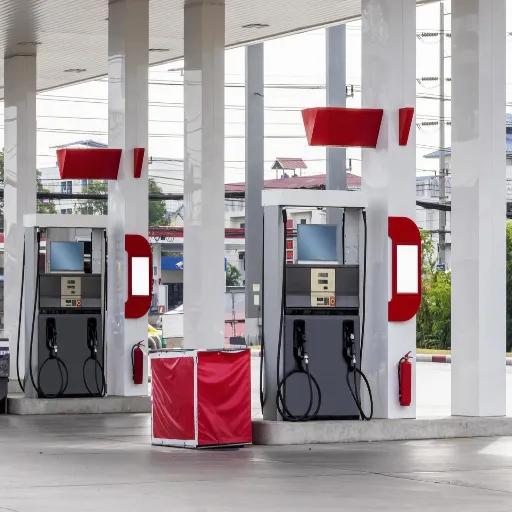
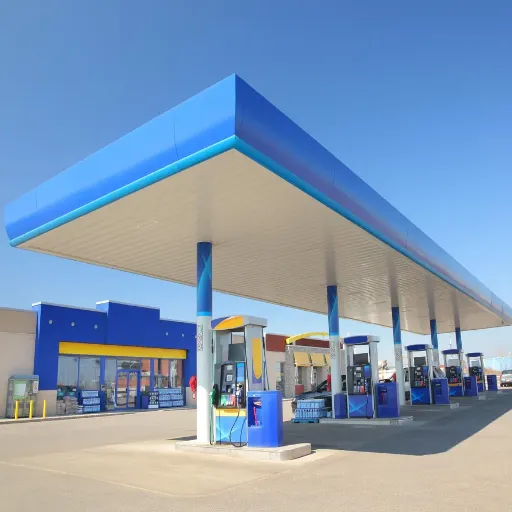
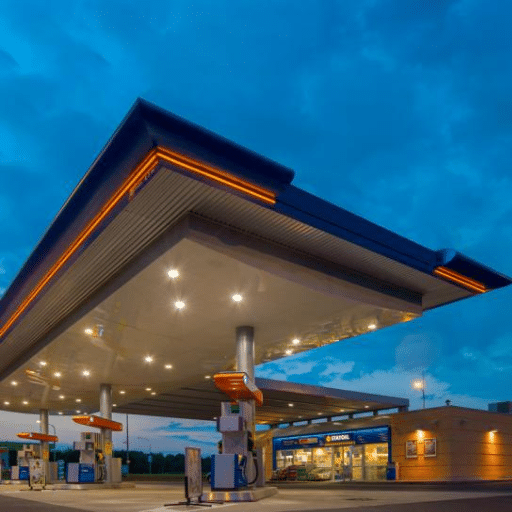
The Peterson family incurred $340000 in cleanup costs after discovering a fuel leak at their Ohio station. The culprit? Corroded steel pipes, which had been silently breaking down for eight years. The situation became more frustrating because the disaster had been completely avoidable. The use of composite pipe technology, which has existed for many years, would have completely prevented any risk of corrosion.
People who plan to build new fuel stations or who want to improve their current systems must decide between using steel or composite materials. The decision you make will impact your maintenance costs, regulatory compliance, and environmental liability for the next thirty years. The guide provides essential information that leads to an informed decision-making process.
You will learn about composite pipe material properties through a comparison of its various types, which lets you understand installation requirements and methods to calculate actual return on investment. The result will provide you with complete knowledge about the piping system that suits your project needs because it explains why thousands of station owners selected that solution.
What is a Composite Pipe?
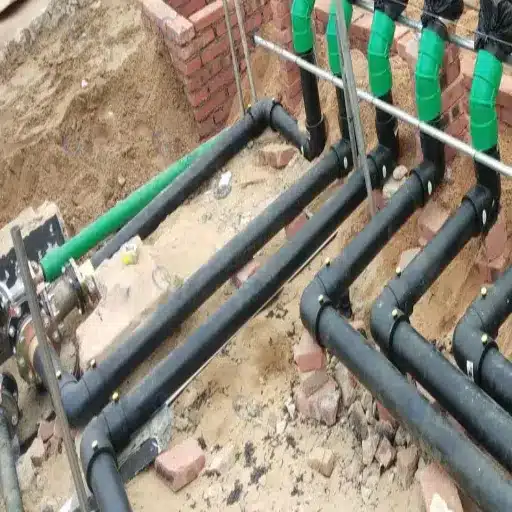
A composite pipe is a multi-layer piping system engineered specifically for transporting fuel from underground storage tanks to dispensers. Unlike traditional steel pipes, which consist of a single material, composite pipes combine several layers—each serving a distinct function—to create a corrosion-proof, leak-resistant fuel delivery system.
How Multi-Layer Construction Works
The standard composite pipe used in fuel stations contains three essential components.
Inner Layer (HDPE/EVOH Barrier): The inner tube of the pipe serves as the main pathway for fuel and protects against chemical attacks. High-density polyethylene (HDPE) forms the foundation, which manufacturers enhance with EVOH (ethylene vinyl alcohol) to achieve better resistance against material penetration. The EVOH barrier functions as the most important component since it prevents fuel vapor from escaping with 10,000 times greater efficiency than standard polyethylene.
Reinforcement Layer: The pipe type determines that this layer uses fiberglass strands, steel wire mesh or composite fibers, which engineers wrap around the inner pipe. This layer provides structural strength to the pipe while maintaining its pressure resistance capacity, which permits operation at pressures reaching 40 bar (580 psi) and above.
Outer Protective Layer: The exterior HDPE coating provides protection against physical damage and prevents UV light and soil chemicals from reaching the stored material. The outer layer of double-wall systems functions as a secondary containment feature, which creates a pipe-within-pipe system that captures any rare leaks from the inner layer.
The Technology Behind Fuel Transport
The composite pipes use multiple design methods to support their fuel transportation capabilities. The smooth inner surface of the system reduces friction losses, which enables fuel to flow through the system while using less energy from the pumps. The electrofusion welding technique used to join pipe sections creates seamless, monolithic connections—eliminating the threaded joints where traditional steel pipes typically fail.
The design includes static electricity management features. The HDPE material contains conductive additives that keep electrical resistance under 10⁴ ohms to stop hazardous static discharge during fuel transfer. The built-in safety feature of this system provides more protection than steel pipes, which require extra grounding systems for safety.
Ready to see how composite piping fits your station layout? Contact our engineering team for a free technical consultation.
Types of Composite Pipes for Fuel Stations
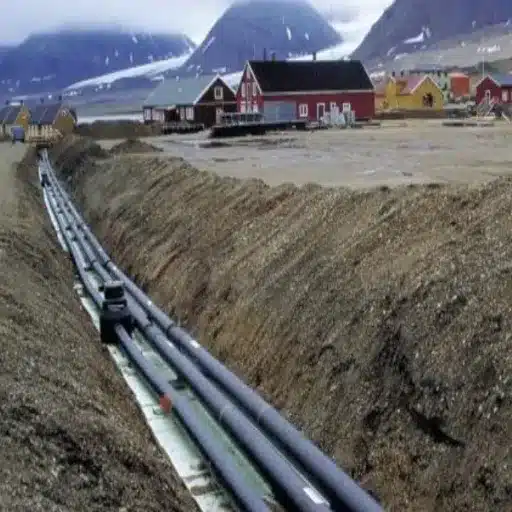
Not all composite pipes are created equal. Three main categories dominate the fuel station market, each with specific advantages for different applications.
HDPE Composite Pipes (UPP Systems)
Retail fuel stations choose UPP (Underground Petroleum Pipe) systems as their primary piping solution. The semi-rigid pipes develop their protective EVOH permeation barrier through multi-layer construction, which includes conductive elements embedded within the HDPE framework.
Key specifications include:
- Operating temperature range: -40°C to +50°C
- Maximum operating pressure: 10 bar (standard) to 16 bar (high-pressure variants)
- Available diameters: 63mm, 75mm, 90mm, 110mm, 125mm
- Standards compliance: EN14125, UL 971, ULC listed
The UPP systems perform well in typical retail locations, which depend on moderate pressure requirements and simple installation procedures. The installers can use HDPE flexibility to create pipe routes that navigate around obstacles, while the electrofusion welding method produces dependable joints within 20 minutes when used in optimal conditions.
Fiberglass Reinforced Plastic (FRP/GRP)
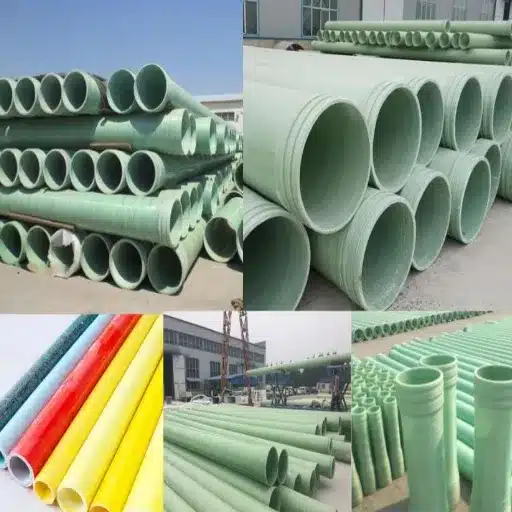
The fiberglass reinforced pipes deliver better results when used in high-pressure situations or extreme chemical environments. The products use filament-wound fiberglass with epoxy resin matrices to create exceptional strength-to-weight ratios through their use of NOV’s Dualoy 3000/L and Red Thread IIA.
The specifications for FRP systems contain the following elements:
- The primary piping system achieves pressure ratings that reach 250 psig (17 bar) when tested under its operational conditions.
- The system maintains functionality at temperatures reaching 150°F (66°C).
- The system maintains chemical compatibility with gasoline, diesel, and ethanol blends that reach E100, as well as methanol and MTBE.
- The system has obtained UL 971 certification for underground fuel handling purposes.
The installation procedure becomes more difficult because of this compromise. The process of joining FRP pipes requires adhesive application through two-part epoxy compounds, which need eight hours to cure under cold weather conditions. The design of fiberglass requires more connections because of its inflexible characteristics. The durability benefits of FRP materials make them worth the extra work needed for installation at industrial fuel terminals and high-throughput stations, and locations where corrosive soil conditions exist.
Steel Wire Reinforced HDPE (SRTP)
Steel Wire Reinforced Thermoplastic Pipe (SRTP) bridges the gap between pure HDPE and FRP systems. A steel wire mesh embedded in the HDPE wall provides pressure resistance up to PN25 (25 bar) while maintaining the corrosion immunity of plastic.
SRTP characteristics include:
- Pressure classes: PN10, PN16, PN25
- Lower thermal expansion than pure plastic pipes
- High tensile strength for demanding installations
- Cost positioning between standard HDPE and FRP
This hybrid approach works well for high-pressure fueling systems, mining operations, and fleet fueling facilities where standard HDPE pressure ratings fall short but full FRP installation complexity is unnecessary.
Composite Pipe vs Steel Pipe: The Real Comparison
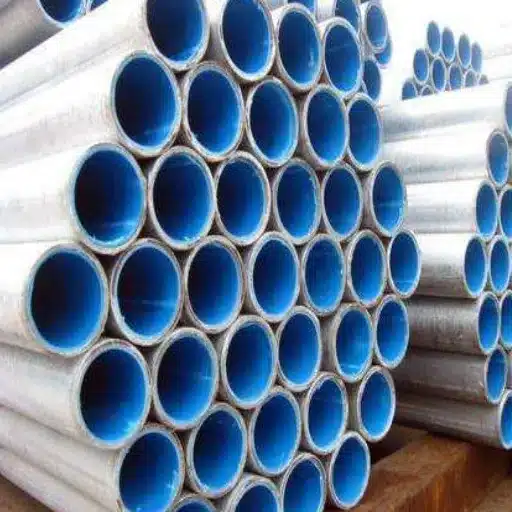
The debate between composite and steel piping has largely been settled in the industry—composite systems now dominate new installations in developed markets. Understanding why requires examining five critical comparison points.
Corrosion Resistance: The Deciding Factor
Steel pipes undergo corrosion. Galvanized steel fuel piping under neutral soil conditions shows an average lifespan of eight to ten years until corrosion results in wall thickness failure. The lifespan of this material decreases to five years or less in acidic or alkaline soil. The presence of corrosion in every section generates two dangers, which include leak formation and environmental damage potential.
The chemical composition of composite pipes remains unchanged through time. HDPE and fiberglass materials maintain their chemical stability against soil chemicals, moisture, and fuel products. The system runs without any decline in performance for 30 years because its components function in total immunity to external factors.
The numbers tell the story. A steel pipe system installed in 2015 may already need replacement in 2025. A composite system installed the same year will likely still be operating in 2050.
Installation Experience
When Chen’s Construction bid a station project in Malaysia, they estimated steel pipe installation at 240 labor hours. When they switched to composite UPP piping for a similar project six months later, the same scope required only 140 hours. The difference? No welding certification requirements, lighter materials, and faster joint completion.
Weight matters significantly in installation economics. Composite pipes weigh approximately 75% less than equivalent steel pipes. A 100-meter run of a 3-inch steel pipe might require four workers and lifting equipment. The same composite pipe run can be handled by two workers carrying sections by hand.
Steel installation demands specialized welding equipment and certified welders. Threaded connections require precise alignment and sealant application. Composite electrofusion welding, by contrast, uses portable equipment that technicians can master in days rather than months.
Lifecycle Cost Analysis
| Cost Factor | Steel Pipe (30 years) | Composite Pipe (30 years) |
|---|---|---|
| Initial material | $8,000 | $12,000 |
| Installation labor | $6,000 | $4,000 |
| Maintenance (cathodic protection, repairs) | $15,000 | $2,000 |
| Replacement (2 cycles) | $28,000 | $0 |
| Total Lifecycle Cost | $57,000 | $18,000 |
Typical costs for a medium-sized station (4 dispensers, ~200m total piping)
The 30-40% lower total cost of ownership for composite pipes comes from eliminating replacement cycles and reducing maintenance. Cathodic protection systems for steel pipes require ongoing monitoring and anode replacement. Composite pipes need no corrosion protection—because there is no corrosion.
Safety Features Built In
Double-wall composite systems provide secondary containment as standard. The outer pipe captures any fuel that might escape the inner carrier pipe, directing it to monitoring points where leak detection systems can alert operators immediately.
Static electricity control is another inherent advantage. The conductive properties of fuel-grade composite pipes prevent the static buildup that can cause ignition hazards with non-conductive materials or poorly grounded steel systems.
Regulatory Compliance
Environmental regulations restrict composite solutions currently established to meet regulatory requirements. The EPA regulations for underground storage tanks mandate leak prevention, while composite systems demonstrate their compliance by preventing leaks through their permeation and corrosion resistance.
Steel pipes need regular testing procedures, which include documentation of their cathodic protection systems. The protection system of composite systems provides built-in defense which enables organizations to maintain compliance records without needing extra monitoring procedures.
Installation Guide: What to Expect
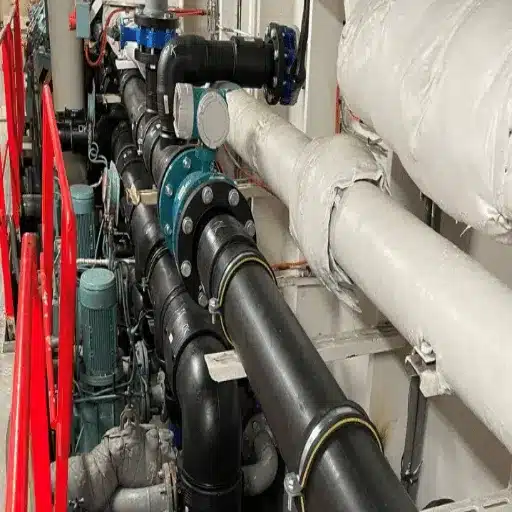
Understanding the installation process helps project planners set realistic timelines and budgets accurately.
Pre-Installation Requirements
Site preparation begins with trench excavation to an appropriate depth—typically 450mm to 600mm below grade for vehicle loading areas. The trench bottom requires 100mm of compacted sand or fine gravel bedding free of sharp objects that could damage the pipe exterior.
Entry seals for tank sumps and dispenser islands must be positioned before pipe installation. Laser alignment ensures proper positioning, as adjustments after pipe installation become expensive.
Safety protocol is critical. All welding equipment must be kept away from fuel vapors. In renovation projects, nitrogen purging of existing tanks and sumps eliminates explosive atmospheres before work begins.
The Installation Process Step-by-Step
Step 1: Pipe Handling
Operators must use special techniques to uncoil composite pipes that arrive at their destination in coils because the pipes maintain dangerous levels of stored energy. Uncoiling should be conducted by two-person teams who need to use ropes to control the pipe’s uncoiling process. The installation process becomes easier when workers let the coiled pipe material straighten out through the night before they begin their work.
Step 2: Cutting and Preparation
Welders need square cuts as their fundamental requirement because it ensures perfect welding results. The HDPE pipe cutters produce pipe ends that maintain complete cleanliness. The insertion depth needs to be marked on the pipe ends according to fitting specifications, which will ensure proper penetration during electrofusion.
Technicians must scrape the surface until they reach fresh material after they remove the outer oxide layer. The technician needs to scrape beyond the weld area by 10mm. The technician must clean the scraped surfaces with isopropanol or acetone before welding, which prohibits contact between the cleaned surfaces and bare skin.
Step 3: Electrofusion Welding
The pipes need clamping into fittings because this method reduces stress on the joint. The operator needs to connect the electrofusion machine cables to the fitting terminals. The machine uses its automatic system to control heating time and temperature based on pipe size, which results in typical fusion durations that range from 8 minutes to 25 minutes according to pipe diameter.
Welding indicators on fittings extend when proper fusion occurs. The installer must write down the date and time of the completed welds for warranty purposes, which requires him to use his certification number.
Step 4: Cooling and Testing
The clamps require a minimum of 30 minutes to cool down before they can be removed, which needs to be extended during hot weather conditions. The operators must not put any weight on joints during the cooling process. After the cooling period ends, the system pressure test needs to be conducted with nitrogen because compressed air should never be used near fuel vapors to confirm joint integrity.
Common Installation Mistakes
The most expensive error involves skipping the scraping step during preparation. Oxide layers prevent proper fusion, creating weak joints that may fail under pressure. Another frequent mistake is insufficient cooling time—impatience here creates leaks that appear months later.
Improper backfill also causes problems. Sharp stones or debris in backfill material can puncture pipe walls. Always use clean, screened backfill material around the pipe envelope.
Cost Analysis and ROI Calculation
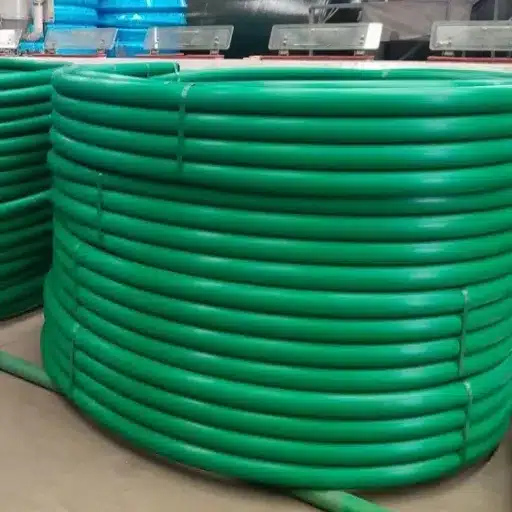
Understanding true project costs requires looking beyond material pricing to the complete system investment.
Material Pricing Structure
| Pipe Type | Diameter | Price per Meter |
|---|---|---|
| Standard HDPE UPP | 63mm | $4-6 |
| Conductive UPP (double-wall) | 75mm | $8-12 |
| High-pressure UPP | 90mm | $12-18 |
| FRP (Dualoy/Red Thread) | 3-inch | $25-40 |
| SRTP (PN16) | 110mm | $15-25 |
Fittings typically add 15-25% to material costs. Electrofusion fittings cost more than standard compression fittings but provide superior reliability for fuel applications.
Total Project Estimates
Small Station (2-4 dispensers, single product):
- Piping: $3,000-5,000
- Fittings and accessories: $1,000-2,000
- Installation labor: $2,000-3,000
- Total: $6,000-10,000
Medium Station (4-8 dispensers, multiple products):
- Piping: $8,000-12,000
- Fittings and accessories: $3,000-5,000
- Installation labor: $4,000-6,000
- Total: $15,000-23,000
Large Station (8+ dispensers, complex layout):
- Piping: $15,000-25,000
- Fittings and accessories: $6,000-10,000
- Installation labor: $8,000-12,000
- Total: $29,000-47,000
Return on Investment
The ROI calculation for composite pipe relies on lifecycle cost evaluation instead of assessing initial expenditure. Consider a medium station over 30 years:
- Steel system initial cost: 14,000.
- Steel replacement at year 10: 14,000.
- Steel replacement at year 10: 18,000 (inflation-adjusted)
- Steel replacement at year 20: 24,000(inflation−adjusted)
- Steelmaintenance(cathodicprotection,repairs):24,000(inflation−adjusted)
- Steelmaintenance(cathodicprotection,repairs):12,000
Steel total: $68,000
- Composite system initial cost: 19,000
- Composite maintenance(minimal):19,000
- Compositemaintenance(minimal):3,000
- Composite total: $22,000
Net savings: $46,000 over 30 years
The calculation omits possible liability expenses that arise from leaks because one major spill can result in cleanup costs plus legal fees that surpass total piping system expenses.
Standards and Certifications
Compliance with recognized standards ensures system reliability and regulatory acceptance.
EN14125 (European Standard)
EN14125 defines the standards that thermoplastic and multi-layer piping systems must meet to be used in fuel stations. Pipes that pass this certification standard undergo extensive testing, which includes:
- Permeation resistance (fuel vapor escape prevention)
- Pressure resistance at elevated temperatures
- Chemical compatibility with petroleum products
- Impact resistance and durability
The standard categorizes pipes by application type—petrol, diesel, biofuels—and pressure ratings. Always verify the EN14125 certification matches your specific fuel types.
UL 971 and ULC (North American Standards)
Underwriters Laboratories Standard 971 covers nonmetallic underground piping for motor vehicle fuels. UL listing requires testing for:
- Fire resistance characteristics
- Pressure and vacuum performance
- Permeation rates
- Chemical compatibility
ULC (Underwriters Laboratories Canada) provides equivalent Canadian certification. Most major composite pipe manufacturers maintain both certifications for North American market access.
EPA Compliance for UST Systems
In the United States, EPA underground storage tank regulations require secondary containment or financial responsibility for all UST piping. Double-wall composite systems automatically satisfy secondary containment requirements. Single-wall systems require additional containment measures.
The EPA’s emphasis on leak detection aligns well with composite pipe advantages—the inherent corrosion resistance dramatically reduces leak likelihood compared to steel alternatives.
Maintenance and Troubleshooting
One of composite piping’s major advantages is minimal maintenance requirements. Understanding proper care ensures optimal performance.
Routine Inspection Checklist
Annual Inspection:
- Verify leak detection system functionality (if secondary containment is present)
- Inspect entry seals for deterioration or displacement
- Check dispenser island connections for physical damage
- Review pressure test records for any degradation trends
Five-Year Inspection:
- Conduct a full system pressure test
- Examine accessible joints for external damage
- Review installation documentation for any undocumented modifications
- Update as-built drawings if changes occurred
Common Issues and Solutions
Issue: Pressure drop in product lines
Possible causes: Filter blockage, dispenser valve issue, or rarely, pipe damage.
Solution: Check dispenser components first—true pipe failures are rare. If pipe damage is suspected, pressure testing isolates the section.
Issue: Leak detection alarm (double-wall systems)
Possible causes: Condensation in the interstitial space, actual inner pipe leak, or sensor malfunction.
Solution: A professional leak detection service can distinguish between false alarms and genuine leaks using pressure decay testing.
Issue: Reduced flow rates
Possible causes: Pump issues, filter blockage, or long-term deposit buildup (rare with clean fuel).
Solution: Check the pumping system and filtration before suspecting pipe interior deposits.
When to Replace vs Repair
Composite pipes rarely require replacement due to material failure—their 30+ year lifespan handles normal service life. Replacement typically becomes necessary only due to:
- Physical damage from excavation or construction
- System upgrades requiring larger diameter piping
- Station reconfiguration requires a different routing
Use of electrofusion couplings can make patching structural damage without having to change the complete system a simple task. Most companies will offer guidance to repair issues and at best, warranty the installations.
Conclusion
The transition from steel to composite pipes at gas stations is not just another change in the material, but indeed a major step forward in terms of reliability, safety, and economics. It has this crucial advantage of not only reducing corrosion, while reducing the principal breakdown cause for the steel systems that have suffered over so many years, but it also provides a financial advantage which runs about 30-40 percent less over time for the entire station operating life.
Key takeaways for your decision:
- Corrosion immunity provides 30+ year service life versus 8-10 years for steel
- Installation efficiency reduces labor costs and project timelines
- Built-in safety features, including secondary containment and static control, exceed steel capabilities
- Regulatory compliance is simplified with inherent leak prevention
- Total cost of ownership savings of 30-40% justify a modest initial premium
Whether you are building a new station or replacing aging steel infrastructure, composite pipe technology offers the performance and peace of mind that modern fuel operations demand.
Ready to specify a composite pipe for your project? Contact Shandong Shengrui for technical specifications, custom engineering support, and competitive pricing on complete fuel station piping systems.