When the operations manager of a copper mine right in the middle of the Australian desert checked its fuel logistics budget, one number surprised him. It was not exactly cheap to carry 10 truckloads of diesel 500 kilometers from the nearest fuel station to the site. It costs $2 million per year for transporting all of that, paying a driver, and wearing out the truck. A permanent fuel station at the site would take 2 million in transportation, driver wages, and vehicle wear per year and 18 months to construct, ultimately requiring $4 million of capital investment. They discovered their answer in a 40-foot container fuel station, operational within 45 days, and paid. This way, it ended up paying for itself in a year and two months.
An imperfect scenario where it proves that gas deployment can be through temporary construction in remote locations, being managed, or in need of speedy fuel deployment: you must have come to terms with such production. It takes several months or years to construct traditional infrastructure designed for fuel handling. It’s a daily torture for keeping an organization in jeopardy, as well as increasing project complexity and accruing costs due to the nonavailability of on-site fueling on those days.
Self-contained fuel service from mini local moveable stations is a single answer to this problem. With this guide, however, you receive the most comprehensive primer on how to evaluate, specify, and deploy a mini mobile station solution. The guide takes you through the spectrum of types of available ones, the technical specifications that cover safety and compliance, proper cost structures favoring investment in the technology, and methods of deployment that ensure the operational phase of, say, a few weeks rather than the traditional nine months of a fully operational term. Probably, through the completion of this training, and with an amazing market growth estimate of 6% next year, you will chart the appropriate direction for your own journey.
What Is a Mini Mobile Station?
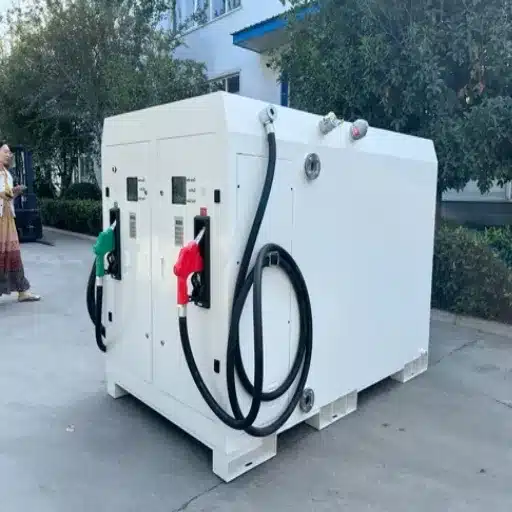
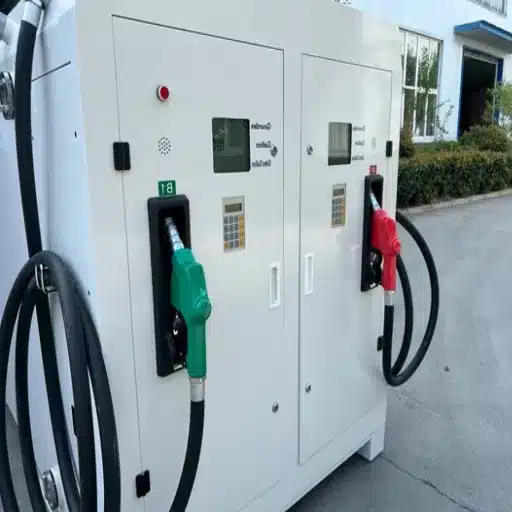
A mini mobile station is a fully integrated, self-contained fueling system where storage tanks, dispensing equipment, pumping systems, and safety components are pre-assembled on a transportable steel frame or within a modified shipping container. Unlike traditional fuel stations that require extensive civil works, these units arrive ready for connection and operation.
Core Components and Configuration
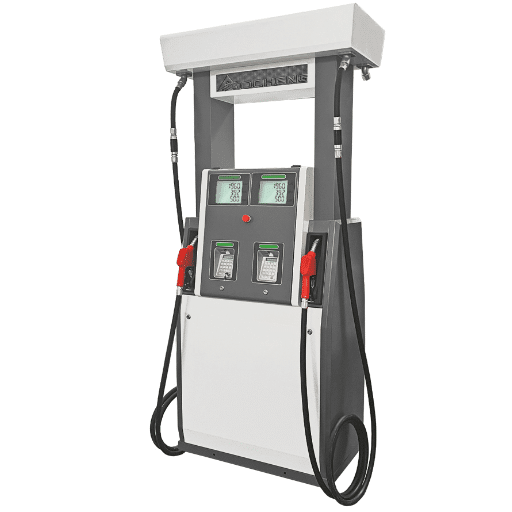
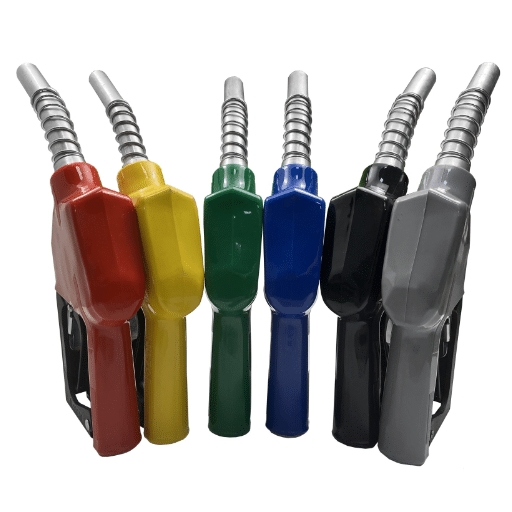
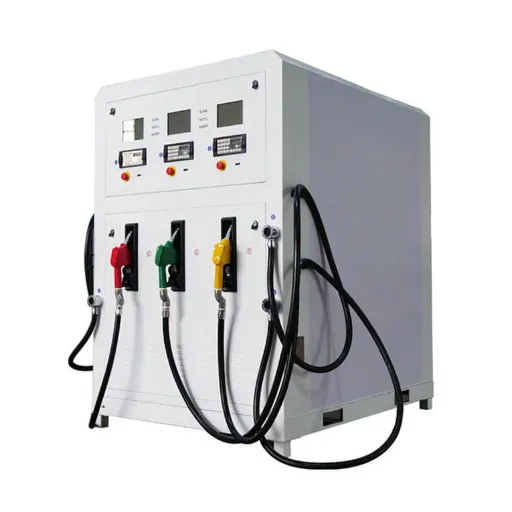
Mini mobile stations contain several integrated subsystems working together. A double-wall storage system is most commonly used and is equipped with a leak detector between the inner and outer walls. These tanks range in size from 1,000 liters for small units to 68,000 liters for big installations. The dispensing system consists of fuel-dispensing means-through-flow meters, hoses, nozzles, and automated shutoff controls. Control systems handle inventory, transactions, and safety monitoring. Systems include treatment for fires, spill containment, vapor recovery, and emergency shutdown.
How Self-Contained Fueling Works
Fuel will arrive in a tanker with a transfer into an integrated storage tank, after which there are protected filling points. The system that manages these filling stations looks after tank levels as well as the quality of the fuel, including environmental factors. When vehicles arrive at the site, operators use the dispensing equipment to transfer fuel from storage systems into vehicle tanks. Effective filtering, however, usually involves the use of rocks to remove contaminants from stored liquids. Automated systems manage metering and can accept payments if so configured. triggers to monitor for leaks or fires, or notify operators or initiate shutdowns under abnormal conditions.
The design should provide everything that is typically found in a tank farm, be it pump houses or a series of islands, including dispensing facilities.
Types of Mini Mobile Stations
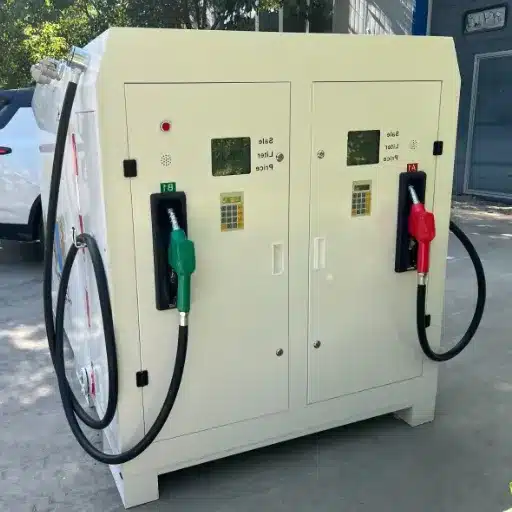
Several configurations serve different operational needs. Understanding the options helps you select the right solution for your specific application.
Container Fuel Stations
Fuel stations designed in a container include a modified 20-foot and 40-foot ISO shipping container housing, which is also used as the container’s structural assembly. These fueling outlet facilities are distinguished by their transportability since being a standard container means they can easily be transported by trucks, roads, or the sea without needing special handling for delivery.
Almost similar, the fuel stations built inside a 20-foot wing container normally carry fuel capacities ranging from 10,000 to 20,000 liters. It can sport one or two dispensing points that increase its penetration of constrained sites and also solve the smaller application problems. A 40-foot container contains more than that usually, with an absolute length of above 50 feet and can comfortably impart 68,000 liters of storage capacity through a high degree of mechanization and double-digit dispensers.
The container shell is the site’s security against weather-supported hazards as well as deformation. Its standard designs will be moved using such equipment; so there are very few things to tackle when logistics are planned because both complicated and lower transport costs are meant to be taken care of.
Skid-Mounted Configurations
Skid-mounted stations are those installations that have all their equipment mounted on a steel framework or skid rather than within a box. This design permits good access for ventilation and does not hinder any form of maintenance service plan. Transportation of the skid can simply be achieved through either lifting points for vehicles or forklift slots integrated into the skid or by use of a truck or trailer crane means.
Skid-mounted technology offers a great deal more in terms of flexibility when it comes to layouts as well as the arrangement of components. There are just so many tank shapes, pumping systems and dispensing configurations that find it easier to accommodate on open frames by means of customization and prepared for skids than wedged within the dimensions of a fixed container. It, therefore, requires less complex visual inspection and routine maintenance.
Capacity Classifications
The market segments mini mobile stations by weight class and capacity:
| Class | Capacity Range | Typical Applications |
|---|---|---|
| Mini (below 10 tons) | 1,000-10,000 liters | Compact sites, backup fueling, single dispenser |
| Standard (10-20 tons) | 10,000-40,000 liters | Fleet operations, construction sites, and remote mining |
| Large (above 20 tons) | 40,000-68,000 liters | High-volume industrial, distribution hubs |
The 10-20 ton standard class dominates the market, representing approximately 42% of installations. This category balances capacity, mobility, and cost for most commercial and industrial applications.
Fuel Type Variations
The equipment of a mini mobile station of a modern generation allows the use of many new types of fuel, as it is not limited to traditional gasoline and diesel. Fuel concepts such as LNG or CNG also have re-gas and high-pressure decanting units for vehicles fueled by natural gas. These facilities as any other facilities dealing with traditional fuels, assist in the shape of replacement fuels for many vehicles and earth-moving machinery.
While LPG Stations apply to vehicles that use propane or butane tanks, forklifts, and hearths. They use special containers, pumping systems, and refilling equipment because of the properties of the liquefied petroleum gas itself.
The Hydrogen vehicle refueling station serves as a novelty. Skid hydrogen stations are now available to compress hydrogen either at 35MPa or 70MPa and serve fuel cell automobiles. It fights the uphill battle for adoption, especially in nations promoting clean transport.
Mini Mobile vs Traditional Gas Station
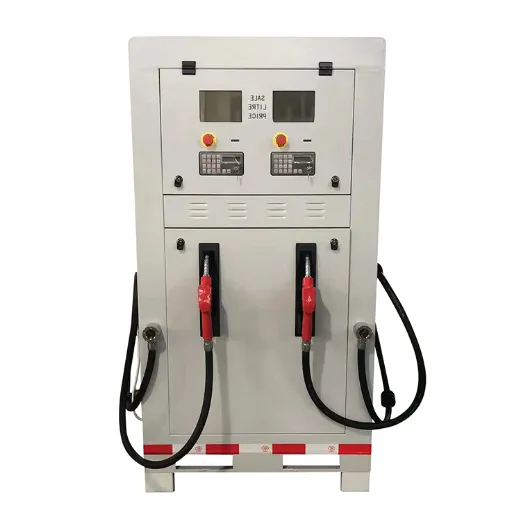
Understanding the differences between mini mobile and traditional fuel stations clarifies when each approach makes sense.
Capital Cost Comparison
Traditional gas stations require extensive civil works, which include excavation, foundations, installation of underground tanks, building the canopy, and extending electrical services. The costs for such work tend to be in the range of about 500,000 to about 2 million, depending on the location and the size of the station.
Such large civil works are not involved in the construction of the Mini Mobile Station. So it suffices to have a flat site which will take the unit loading, an electricity supply, and an approach road. In total, expenses vary from a simple 20-foot container filled with 6,000 l fuel for gas stations, up to 150,000 l fuel capacity containers with all the necessary equipment. A big bulk of the construction costs under such circumstances is usually in the order of 80% from previously built stations.
Deployment Timeline
A traditional fueling station takes an average of 6-12 months from design through construction before it is operational. The contents of this time frame constitute permitting, civil works, construction, the fitting of equipment, inspection and putting into operation. More delays occur in the construction of sites as any other portion of the prepared project moves on to the next phase.
However, a mini mobile station is deployed very quickly. Manufacturing requires a production cycle of 30 to 60 days. An additional 15 to 45 days is expected by distance for shipping to the location. The time frame attributable to sorting out issues, compliance, and handover is 7-14 days. It can take 45–90 days from placing the order to operationalization of the facility, about three times faster than constructing a normal station.
The firm responsible for constructing the highway extension in southeastern Asia, without pausing to fuel on site, understood that it could not wait for a gas station to be erected and functioning until after the completion of the project. It is a 40ft container temporary diesel station, which was ordered and delivered within 60 days. It comes with the project, which lasted for 18 months and was easily transferred to another site where the company was working. The mobility of Mini Mobile Station components shifted the focus of expenditure from a total expense in capital cost to capital savings.
Flexibility and Mobility
Traditional stations have the unique attribute of being non-movable. When there is a change in the operation’s environmental demand and a relocation is not possible, capitalization in that area remains consistent. It is impossible to move them to another station.
The service pattern of the Mini Mobile Station is entirely different. Whenever mine sags even a single layer with filled-up ores dug out in a span of five kilometers radius, that is when the fuel station is moved. Its removal is also apparent when construction camps come to an end. Such mobility of the objects makes it possible not to allow those objects to lose their value when the business changes focus.
Regulatory Complexity
Traditional stations tend to be associated with many administrative procedures in relation to design, environmental activity, fire protection, and equipment operation. The plans are scrutinized by various bodies, the constructions are inspected, and the operations are approved. Such huddles drive time, cost, and most importantly, abandonment.
Thanks to standardized factory-assembled construction, mini mobile stations do not rely on credit but benefit from it. Therefore, in practice, the manufacturer guarantees certain standards in assembly, with all units going through the proper procedure of adjustments. Building permits concentrate on the location and connections of the units with minimal facilities and equipment permitting. This efficiency reduces bureaucracy and eases faster build time.
Need to determine the best fueling solution for your remote operation? Contact our engineering team for a site assessment and customized recommendation.
Applications and Use Cases
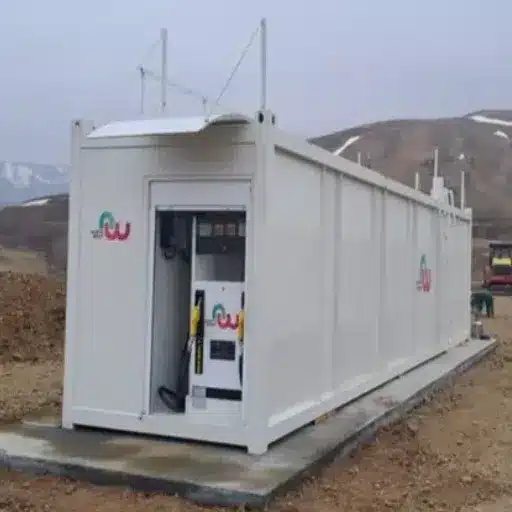
Mini mobile stations serve diverse industries where traditional fuel infrastructure is impractical or uneconomical.
Mining and Remote Resource Operations
Challenges when fuel logistics are faced are insulation, usually at mining sites located in remote areas. Huge quantities of fuel consumption are usually present in haul trucks, excavators, and other supporting equipment. Fuel has to be transported over greater distances, adding to cost as well as disruption at operation due to inaccessibility by roads during bad weather.
The proximity of container fuel stations in operational areas solves these problems. For example, one typical open-pit copper mine in South America came up with a 40-foot container fuel station, provisioned with a capacity of 40,000 liters, and with two dispensers. The station gets its weekly supplies of bulk fuel, thereby discontinuing the truck runs every day to a distant town. Over the course of the first year, there was a total savings of at least $1.2 million in logistics and increased performance as the availability of fuel began to decrease.
Fleet Operations
Bus companies, trucking fleets, and municipal vehicle pools can reap the benefits of dedicated fueling infrastructure. On-site stations reduce driver man-hours traveling to fuel outlets, optimize fuel expenses through bulk purchasing, and simplify centralized transaction recording.
In Europe, a city bus authority has converted its fueling facility from retail to a skid-mounted CNG station to serve Buses 200. The entire 20-foot-long unit could be installed within the already constrained depot they owned. The cost of fuel came down by 40% as against diesel after using compressed natural gas here. It is an environmentally friendly method of fueling existing fuels. The time taken from order until the end of running was 11 weeks.
Construction Sites
Construction demands that construction equipment to be fueled. Excavators, cranes, generators, and trucks all consume fuel during operations on each project site. It is hard to find a significant temporal justification for permanent fuel facilities when the construction site duration lasts for only months or a few years. A very easy solution is mini mobile stations that were transported back as soon as the construction projects realized their operational goal.
A contractor was in East Africa for a 30-month dam job. They shipped in a 40-foot container service station with separate diesel and gasoline tanks inside. Serviced 150 pieces of equipment throughout the project. Whenever this project is completed, they will move the container to their next major project, and all these additions will be spread over some sites.
Emergency and Disaster Relief
In the case of hurricanes, earthquakes, and wars that hit and disturb the fuel infrastructure, the provision of rapid fueling needs to be immediately dispatched and performed because of a containerized form that can be flown, shipped, or driven into areas where need arises for saving life, power generation capability, and community support.
In the aftermath of a massive earthquake that hit Southeast Asia, container fuel stations had been mobilized within 72 hours by the emergency team, which placed them in strategic locations. These units had enough supply of fuel for emergency support vehicles, hospital generators, and water pumping stations until full recovery of the permanent infrastructure. The self-contained design made it operate by its design even in areas where utilities and traditional services are lost.
Urban and Commercial Applications
Restricted spaces in the city sometimes do not adopt older fuel establishments, caused by land prices, zoning constraints, and environmental issues. The compact mini mobile stations can easily fit into places where traditional stations are not feasible.
A logistics company in a graceless city occupies a central place in Europe. Twenty-foot containers are erected in space on distribution soils at the front right corner of a distribution hall. The unit serves a 50-vehicle fleet of trucks. The project will be serviced without touching the retail space or acquiring zoning changes. Automated access control shall be operated there. This is an operation around the clock.
Technical Specifications and Standards
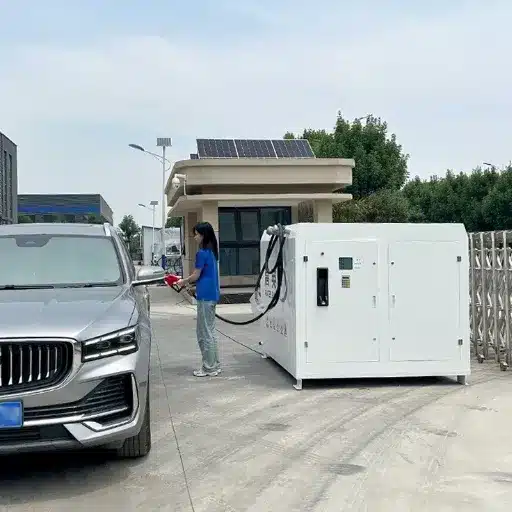
Quality mini mobile stations comply with rigorous international standards, ensuring safety, reliability, and regulatory acceptance.
Design and Construction Standards
Pressure vessel secrets in accordance with ASME BPVC Section VIII in North American storehouses. This standard details material selection, fabrication, tests, and services along with the certification processes in order to ensure that a tank can function effectively under the actual pressure and environmental loading conditions it has to deal with.
EN 13480 explains the European regulations concerning metallic industrial pipeline systems, especially for the fuel lineup distribution. Indeed, in general, the schemes guarantee that the pipework experiences, at least, pressure, temperature, and mechanical loads experienced throughout operational life.
GB50156 applies to China and most other places, embracing the design of fuel and gas for automobiles and gas stations. It is a supplement to other ISO standards. That means site selection, safety distance, construction, equipment, operation-monitoring, and safety maintenance are standardly covered.
Safety System Requirements
Exploding preventive electrical equipment prevents fuel vapors in safe zones from igniting. Erection of likely electrical instruments in hazardous zones is obligatory under standards ATEX or IECEx for safeguarding against sparks or igniting agents. This applies to pumps, sensors, lighting appliances, and control systems.
Leak detection systems are placed into the interstitial space separating the double-wall layers of a tank. These sensors are triggered by the accumulation of fuel or vapor within, revealing the indicators of leaks within a tank. With the automatic triggering of alarms, operators are apprised of the necessity to act before damage is inflicted on the environment.
With the use of automatic high-level sensors for signaling emergency stop valves, the strength of the fuel delivery system, overfill prevention, entails the suspension of transmission once a tank is filled through these channels. Automatic shut-offs are one of the most efficient means of preventing spills that result during tanker truck unloading-such is a highly dangerous method of refueling.
Pressure relief valves protect tanks and piping from being over-pressurized. Once it reaches a limit beyond 110% of the normal operating pressure, it opens the valve to dissolve what is harmful and then tightly seals it after gauging normal conditions. This protection prevents tank rupture, which can be disastrous.
Environmental Compliance Features
The main characteristic of double-wall tank construction is that it provides a primary and secondary containment. In the first instance, induction, the outer wall of the tank contains spills until the spill is detected and the site is repaired. In instances of spills from the inside of the tank, the spill containment concept underlines the prevention of soil and groundwater contamination in single-wall tanks.
Spill containment systems are mainly constructed to capture released fuel during refueling, maintenance, or emergencies. The systems used are containment sumps, absorbent materials, and drainage controls to prevent the vapor of released fuel from reaching the surrounding environment.
Vapor recovery systems collect the vapors of the rudiments of fuel dispensed to fuel a vehicle. These vapors are returned to storage or under processing to prevent releasing them into the atmosphere. Recovery of vapor decreases emissions and hence improves security and product utilization.
Operating Parameters
Common compact mobile stations usually operate at very wide ranges of temperature, extending from -40°C to above +55°C. Cold-weather kits commonly include heating within tanks and on lines for the very extreme conditions. And hot-weather configurations mainly support ventilation and vapor management.
The temperature should change the dimensions of each indicator, which is also essential. Liquid fuels generally perform at atmospheric pressures or lower pump pressures. Compressed natural gas has a range of 200-250 bar. Hydrogen stations have a somewhat higher number at 350-700 bar and demand better engineering.
Flow rates are specified to fit each application: for example, a legal dispensing rate would be around 40-50 liters per minute in standard vehicles. This could be optimized with a high-flow nozzle that allows a flow rate of up to 80-120 liters per minute-nozzle that allows tanks to be filled very quickly.
Installation and Deployment
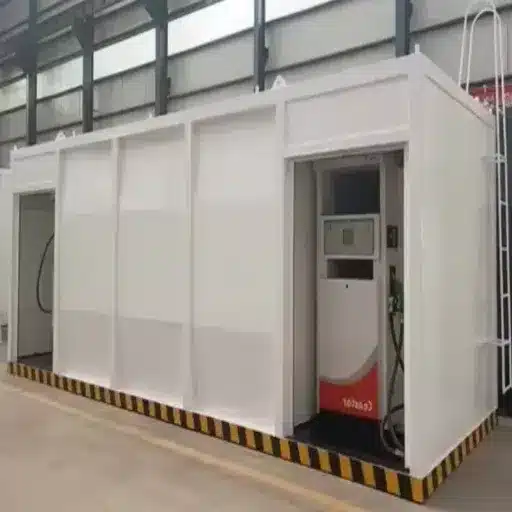
Successful mini mobile station deployment requires attention to site preparation, regulatory compliance, and installation procedures.
Site Requirements
Base requirements terminate to an uneven concrete, paved surface required to maintain station weight plus fuel load. Standard units. Usually, a 300-millimeter gravel or concrete pad, to be compacted It would have to extend to a meter beyond the unit’s footprint, which was nevertheless stated for one type of footing. Nevertheless, about 5 to 10 tons per square meter of soil-bearing carrying capacity is recommended in case the unit is not so heavy.
Distances for safety from buildings, property lines, and other such structures, possible odds of fire ignition, and distance for these regs vary with the country within the global standards, such as NFPA 30A. The typical standards underline a minimum of 3 meters from a certain area of the house, 6 meters from the public road. Clearance is also emphasized in the case of underground utilities for installation and connection.
Tank truck deliveries as heavy as 40 tons must be facilitated on these roads; so, cloud grading or turning radius and a certain height above last clearance, as well as restrictions on the provision of loads such as underground utilities, are examples of the roads that support tanker truck delivery.
Installation Process
Positioning during the delivery is carried out using cranes, forklifts, or rollback trucks, which are determined by the weight of the unit as well as access in the installation site. Those product lines that are of a bigger size require mobile cranes with 20 to 50 ton capacity. Proper rigging and lifting points prevent scratches on placement.
Requirements with connection involve power, electricity, a grounding system, and communication lines if remotely monitored. Fuel connections must also be connected to those tanker truck offloads. Dispensing unions confirm the operation is proper before it can be commissioned.
Before being prepared for the variant, one should test fire safety, calibrate dispensers, verify, and train others about how to deal with leak detection switches. Testing is usually done at the manufacturer’s plant before shipment to provide a final check in the form of acceptance at the site, or, often in view of local laws or legislation regulating installations.
Regulatory Approval Process
The permit refers to an environmental permission on the problem of legal hazard transfer, which can be dissolved. General applications are provided here with references to technique activities, spill control devices, and spill response plans, along with absolute reliance on their standards.
Fire service regulations determine how well the emergency control system operates as well as its response strategy in case of the occurrence as potential hazards. Moreover, it requires a check to see that the provisions on the performance requirements of the sprinkler system set out in relation to the design, manufacture, and installation of each piece of equipment are completed according to these requirements.
For on-site sales outlets, the verification of weight and measures authorities refers to the compliance of the accuracy of the dispenser for the sale of those products. Documentation evidencing calibration soundness and testing support, along with the license application of an installation.
In certain jurisdictions, there is a requirement that safety facilities have to be designed, fabricated, and commissioned in concurrence with the main equipment. Testing and qualifying for use and operation can only be performed after a satisfactory safety system is in place.
Cost Analysis and ROI
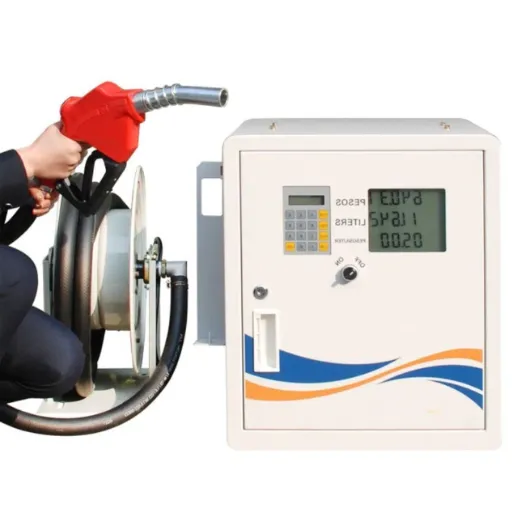
Understanding the total cost of ownership helps justify mini mobile station investments.
Pricing Breakdown by Category
Suitable for low-volume applications with relatively low demands, the entry-level 20-foot CSA Stations with basic single-wall tanks and manual dispensers start from 6,000 to 15,000. On the other hand, the capacity range for the basic model is approximately between 600 and 1200 gallons.
Standard 40-foot CSA Stations can have an automated dispenser, double-walled tanks, and a comprehensive safety system. They are rated at 12,000 to 25,000 and perfectly fit applications that include commercial and industrial purposes.
High-capacity special CSA Stations will usually have large tanks, multiple dispensers, alternative fuel capabilities, and extreme climate packages, which range from 30,000 to 150,000. Also, advanced automation, remote monitoring, and extended warranty coverage are premium.
Cost Factors Affecting Price
The impact of certifications is substantial in premium, while explosion-proof certification for either ATEX or IECEx increases percentages by between 15-25% more than non-explosion-proof normal electrical equivalents. ASME-Stamped pressure vessels are more costly than alternatives, not so certified, but enable legal operation in regulated markets.
Tank configuration directly impacts pricing. Doubling the wall thickness and providing a leak detection option in tanks raised the cost by 20-30% over single-walled vessel design due to requisite regulations in nearly all states and countries.
Selections begin from very simple mechanical units up to state-of-the-art electronic dispensers that have payment processing, fleet card readers, and telemetry. The price goes up with the respective functionalities but brings operational cost savings that would exceed the investment in them.
Return on Investment Calculation
Numerous haulage operations, such as any fuel-hauling trips with round-trip distances of about 250 km to the nearest town, require the daily delivery of truckloads. Such operations can consume a huge quantity of 100,000 liters of fuel a month, equivalent to the exact number of truck deliveries made a day. The total transportation cost consists of transportation charges and all the variable fees that the laborer demands while functioning. It is equal to the total of all such costs, depreciation of vehicles used in hauling, and the vehicle maintenance charges, compared to $0.15 per liter delivered.
The 120,000-mini mobile filling stations will prove to be immensely powerful because abundant fuel for 4 days is equivalent to 120,000-mini mobile filling stations with 40,000 liter capacity, then there won’t be any haulage charges, which could further be reduced to $0.03 per liter. Over a year, around 144,000 will develop by way of simple payback within only 10 months. Five years’ cumulative savings are likely to exceed 144,000, and the established cumulative savings exceed 700,000. It shows that the company has almost a 6x return on investment.
Operationally, being improved through better machinery availability, fuel theft risk reduction and operational flexibility were just a few things that added a whole lot of hard-to-quantify values.
Financing and Ownership Options
Purchase provides maximum long-term value for operations with stable, ongoing fuel needs. Ownership enables depreciation, customization, and unrestricted relocation.
Leasing arrangements suit temporary projects or organizations preferring operational expense treatment over capital investment. Lease terms typically run 3 to 5 years with options to purchase, extend, or return equipment.
Rental options exist for very short-term needs under one year. Daily or monthly rental rates are higher than ownership costs but eliminate long-term commitment and maintenance responsibility.
Regulations and Compliance
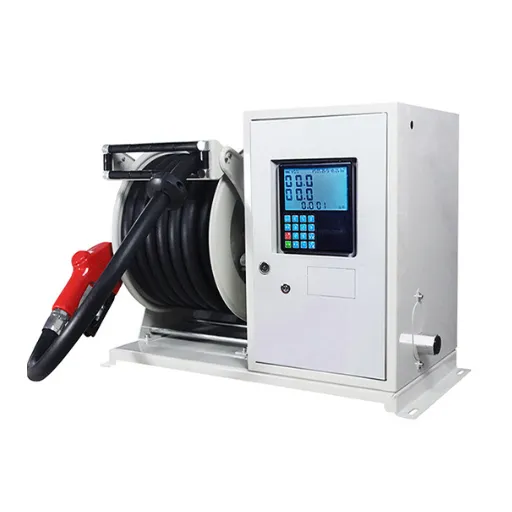
Global regulatory frameworks govern mini mobile station design, installation, and operation. Understanding requirements ensures legal compliance and safe operations.
North American Requirements
The National Fire Protection Association standard for motor fuel dispensing facilities and repair garages, NFPA 30A, establishes procedures to be followed for safe fueling operations. Accordingly, this standard outlines the specifications for equipment, distance restrictions, fire protection, and operational procedures.
EPA regulations regarding the underground storage tanks apply to stationary fuels, which is the possibility of using mobile stations at fixed places. Storage tanks should be regulated, and equipment should be used for leak detection, spill prevention, manner of cleanups, and possible expenditures on damage recovery or cleanup.
The DOT rules transport fuel trucks to mini mobile stations, and regulations on the transportation of fuel from these places are needed. The tankers that transport the fuel must follow and comply with other DOT rules on hazardous material transportation, such as driver certification, the marking of tanks, and securing the load.
European Standards
ATEX directives regulate equipment designed for potentially explosive atmospheres. All electrical equipment in fuel vapor zones must carry ATEX certification verifying protection levels as appropriate for zone classifications.
The PED Pressure Equipment Directive covers pressure equipment, among which fuel storage tanks are included. Tanks must be CE marked to prove compliance with the stated requirements in relation to the preceding design, manufacture, and testing standards.
National regulations around local member states put in effect they should ensure the implementation of EU directives within their territories, but with certain unique requirements in France, Germany, and most of the major markets beyond the EU standards.
Asia-Pacific Standards
GB50156 in China provides comprehensive standards for fuel station design and construction. This standard covers site selection, safety distances, equipment specifications, fire protection, and environmental protection.
Australian Standard, including AS 1940 for the storage of flammable liquids, applies to the mini mobile stations. The compliance application is very specific to the various aspects, such as spill containment, fire protection, and environmental safeguards.
Japanese regulations, such as the Fire Service Act and High Pressure Gas Safety Act, cover regulations on the storage and dispensing of fuels. It stipulates specific construction standards and inspection protocols in the storage areas.
International Certification Acceptance
Several jurisdictions regard internationally recognized certifications as nearly adequate to local standards. ASME certification is valid for the United States, or ATEX for Europe, while IECEx international certification is viable wherever local regulations are lightened with minimal additional documentation.
Manufacturers are required to come up with a complete certification package, one that includes certificates of material, test records for hydrostatic conditions, welder qualifications, and compatibility declarations. English documents are usually used for international projects, but are required by some markets to be translated into a local language.
Maintenance and Operations
Proper maintenance ensures reliable operation and maximizes equipment lifespan.
Routine Maintenance Requirements
Daily checkups help assure the integrity of the system and reveal any noticeable damage. The materials that service line operators should inspect include tanks, piping, dispensers, as well as most safety hardware-a reasonable check to make sure there are no leaks or that nothing has been tampered with.
Weekly testing includes operational testing of the leak detection system, checking the dispenser using certified measures against its accuracy, as well as the fire suppression system equipment examination. The gathered data is stored in records, creating a historical record for maintenance in support of warranty claims and regulatory compliance.
Monthly site calibration, troubleshooting, and proactive maintenance of filters and control systems. Regular filter replacement will prevent fuel contamination in dispensers and associated components. Calibration ensures that all measurements remain properly traceable for commercial transactions to be precise.
The annual admission, along with petrochemical distribution, involves testing the integrity of the tank, coating conditions, electrical systems, and structural elements. Pressure and non-destructive tests are necessary, based upon local regulations and insurance requirements.
Operational Best Practices
Inappropriate fuel management systems keep contamination away and maintain quality. Regular water bottom checks help in detecting the presence of moisture, which contributes to microbial growth and corrosion. Filtration of fuel corrects several problems when the fuel is dispensed or delivered, removing particulate matter that can damage vehicle fuel systems.
It is protective of personnel and assets. Static grounding during fueling prevents any spark ignition. Rules against smoking, permits for hot works, and controlled entry provide limits to sources of ignition. Emergency response procedures focus on helping all personnel to be readied for spills, fires, or injuries.
Inventory management gives the balance between the security of supply and the efficiency of working capital. A minimum stock is put up to allow for continuous operations between deliveries. A maximum limit is placed on the stock to prevent the risk of overfilling queues and minimise the spoilage of fuel from long storage in the storage tank.
Troubleshooting Common Issues
Dispenser flow problems generally arise from clogged filters, vapor lock in lines, or pump issues. By isolating the problem systematically, it becomes easy to tell whether the problem is fuel-related, mechanical, or electrical.
Leak detection alarms should compel immediate action. Possible causes of false alarms include condensation, sensor drift, or electrical interference. Proper leaks may demand quick containment, repair, and an environmental response.
Control system failures cover a range of detailed configurations, from the replacement of a simple fuse to complex software concerns. The manufacturer’s technical support and documentation guide troubleshooting. Most of today’s systems have remote diagnostic capability, allowing remote experts to assist without having to visit a site.
Future Trends in Mini Mobile Stations
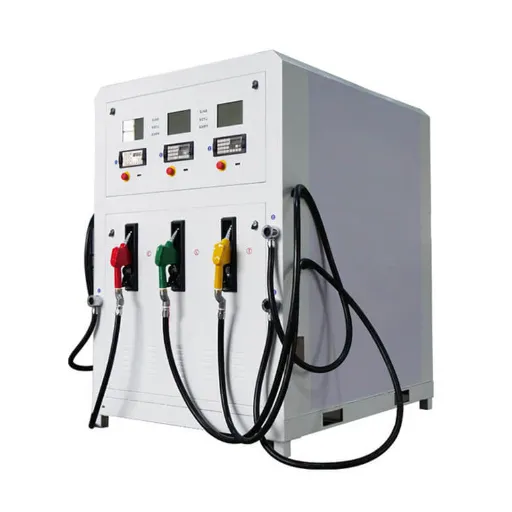
Technology evolution continues expanding mini mobile station capabilities and applications.
Hydrogen Fuel Integration
The quickest-growing mini vehicle industry market segment is a compact mobile hydrogen refueling station mounted on a skid. Besides displacing vehicles with fuel cells, these also handle those places where permanent stations would be unjustifiably high.
Most of the hydrogen compression, storage, and dispensing equipment can be accommodated with a rectangular footprint container. For business vehicles, hydrogen refueling systems run at 35 MPa, while for passenger vehicles, it might be more around 70 MPa. By holding 15% of the engineered mini mobile market, H2 stations, as per forecasts, should amount to something tangible by 2030.
Internet of Things and Smart Controls
By incorporating IoT at various levels, the organization was able to harness capabilities that confer to it quantum advantages over competitors. Sensors record parameters related to fuel levels, temperatures, pressure, and flow rate at any time. The cloud-based platform interprets and analyzes data to optimize delivery planning, detect anomalies, and foresee maintenance needs.
Telemetry integration, through which consume track data points for fueling, build patterns in consumption, and prevent unauthorized use, becomes available to fleet managers. Mobile applications allow operators to review the status of remote data, receive alerts, and control systems from any place.
Sustainability Focus
Reduction in station carbon footprint by integrating renewable energy. For light, pumps, and control system management, solar panels on container roofs are powering everything. Low-light operation is possible due to the battery that is integrated within. Some installations achieve net-zero energy consumption for normal operations.
Alternative fuel expansion could well go beyond hydrogen into such areas as biofuel blending, synthetic fuels, and ammonia. The initial construction is proposed in such a way that it can accommodate the changing fuel requirements, given that markets evolve and regulations so guide.
Conclusion
Mini mobile stations ease fuel logistics for situations including operations far from cities, short-term projects, and niche markets. These apply as both an infrastructure-less fueling solution and are a commercial product to all of the sectors that still face this problem for many years to come.
Key takeaways for your evaluation:
- Deployment speed: 30-90 days to order and operation compared to 6-12 months dedicated to traditional construction.
- Capital efficiency: Approximately 60-90% cheaper in building charges for fixed filling stations.
- Operational flexibility: Should be such that the movement itself preserves the value of assets and adapts to the changes in demand for them.
- Regulatory compliance: Factory-made, prefabricated, and pre-certified units in the factory help to simplify the approval process.
- Market growth: Worldwide growth is about 6% per year as hydrogen applications are picking up speed.
From mining to construction fleet management and having fueling-at-the-minute competency, regardless of emergency fueling capability, built-up mini mobile stations offer a solution that has been proven for rapid ROI compliance with safety and stringent environmental standards.
Ready to explore mini mobile station solutions for your operation? Contact Shandong Shengrui for technical specifications, site assessment, and customized proposals for your specific fueling requirements.