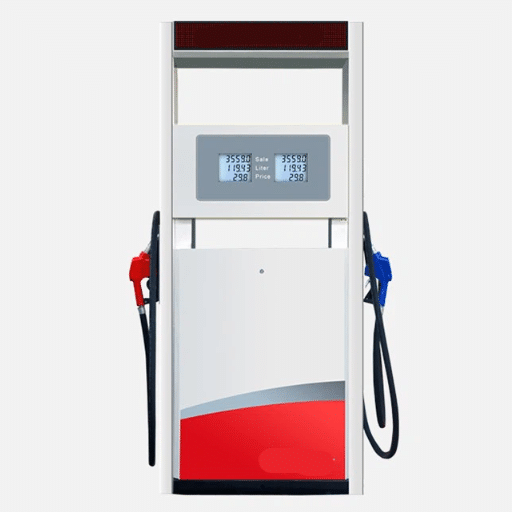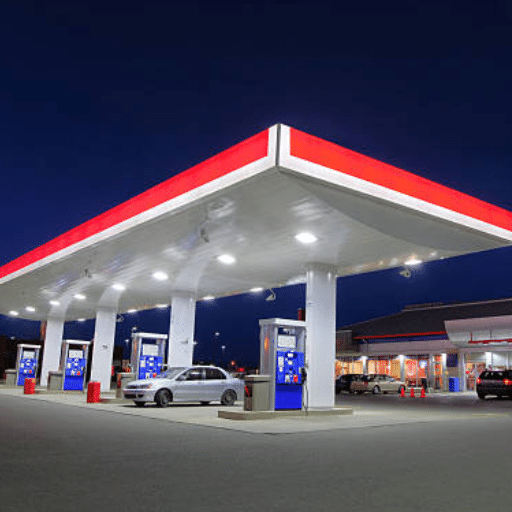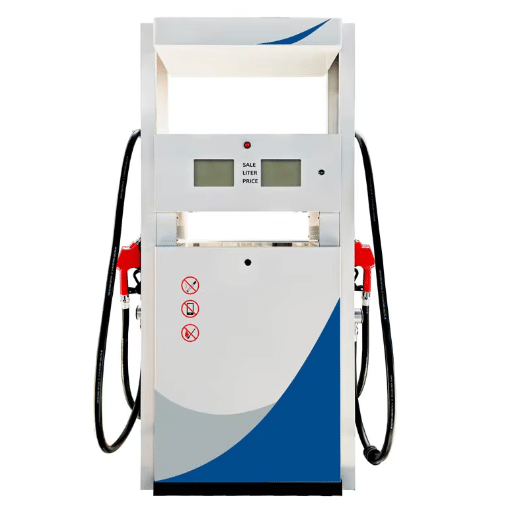
Adebola, a project developer in the Lagos region, would always budget for fuel dispensers from one supplier, storage tanks from another and canopy steel from a different company. The tanks were however, delayed, and when they came, there were no mounting flanges for the fuel dispensers. For the next six weeks, there was no work as he sorted out the mess of how to return the tanks and order the missing parts. The “savings” made him spend for this lapse in efficiency are bulky, almost $15,000 are wasted due to this absenteeism incurred, costs for a storage site as well as fast shipping of new supplies.
If you are envisioning a new gas station to be built, you are probably dealing with some variation of the same problem. Should you get each piece from a different manufacturer and hope it will all match at the end? Or put your trust in a single entity to supply every aspect of the systems?
With definite and accurate responses, this guide will explain it. The contents of a gas station China turnkey package will be clear: what it is, what is included, how much it costs, which certifications one may seek after, and how to choose suppliers who promise a turnkey gas station. Finally, by the end of this writing, you will gauge if a turnkey mentality suits your endeavor, and what can be done to prevent falling into the same traps where the unready clients take a plunge.
Need more information about Chinese gas station equipment? Please click on our guide about Chinese gas station equipment.
What Is a Turnkey Gas Station?

Definition and Scope
A turnkey gas station is a concept in which, goods and services are provided by a single supplier who deals with all equipment, engineering documentation, and installation assistance necessary for introducing and operating the fuel station. The equipment supplier makes necessary drawings and other specifications for each part, including the underground tanks, PVC structures and all the other systems so that after the consumer receives the equipment, one is assured that the flanges of the dispenser match the outlets of the tank and that the piping sizes coincide with those of the pump.
A bound scope is helpful when we work on a particular component specified for contract. The domain converged on equipment supplied by the vendor: the factory outlet and its related services. The process of division of burden is understood this way and it is very useful in that it removes any chances of conflict later on and any additional costs that may occur. You know what you or your local builder will be doing: civil job, associated services, fueling and laying the pipes, and approval by the relevant authorities.
Typical Deliverables
A comprehensive turnkey fuel station China package from an established manufacturer includes:
- Fuel storage tanks. SF double-wall underground tanks or above-ground tanks for skid-mounted systems, with capacities from one cubic meter to one hundred cubic meters
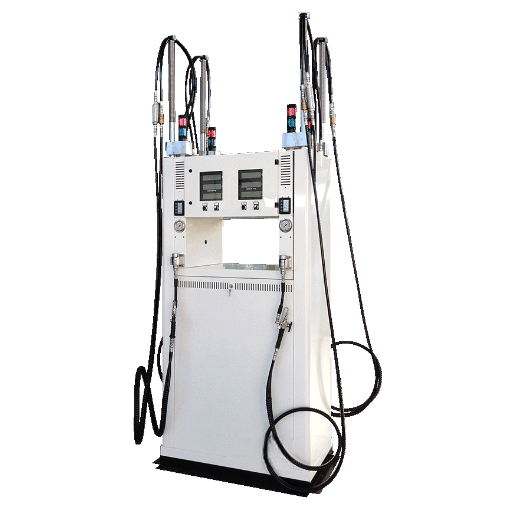
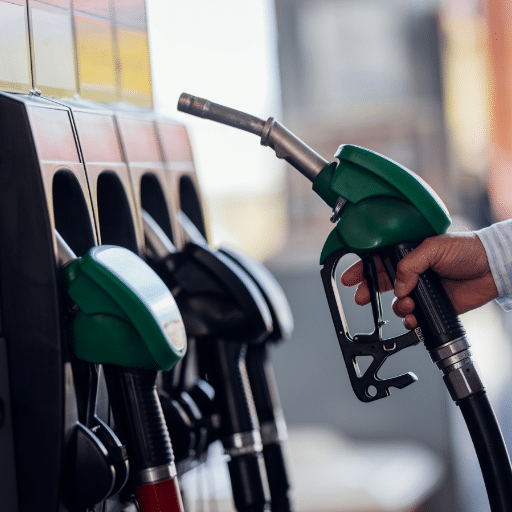
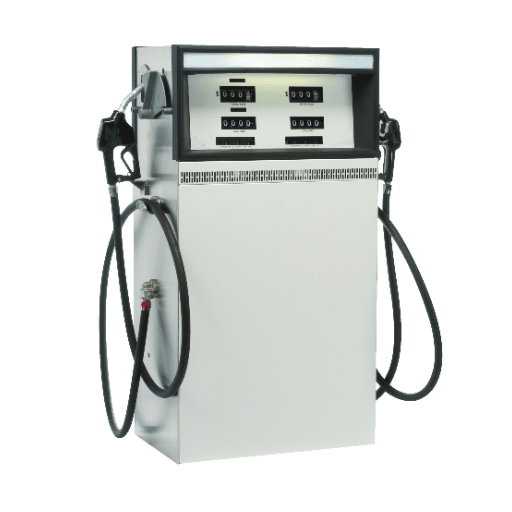
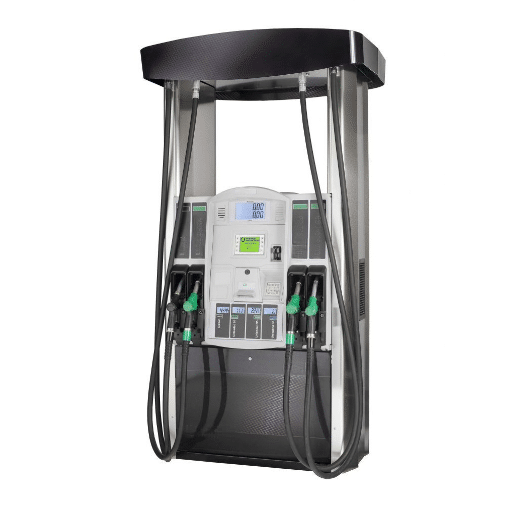
- Fuel dispensers. Multi-product units with OIML-certified flow meters, hoses, nozzles, and breakaway devices
- Piping and infrastructure. Corrosion-resistant composite fuel piping, manhole wells, dispenser sumps, and entry boots
- Safety systems. Explosion-proof barriers, leak detectors, automatic shut-off valves, fire cabinets, and static grounding equipment
- Structural canopy. Prefabricated bolt-ball grid space frames or steel truss canopies engineered for wind and seismic loads
- Control systems. Automatic tank gauging, fuel management software, and remote monitoring interfaces
Every item ships with coordinated documentation. That matters when customs officials in Lagos, Nairobi, or Riyadh ask for certificates of conformity.
Why Turnkey Beats Piecemeal for Most Buyers
Having a number of small-scale requirements works when you have potent local resources, trust in the team’s expertise and the capacity to handle multiple vendors. However, for most project management challenges, Gas Station Turnkey Solution contracts in China are highly beneficial as they shorten the transition times, simplify the after-sales service coordination and warranty management. The queries are addressed by one person. The bug is fixed only in one cage. The customs are cleared by only one bill of lading.
Want to see how a turnkey package fits your specific project? Request a detailed equipment specification tailored to your site requirements and fuel types.
Why China Leads Turnkey Gas Station Manufacturing
After abridgment, China’s share of global gas station equipment output is currently at 20% threshold. According to Future Market Insights, the apparatus sector of the country is projected to increase at a rate of 6.3% per annum, which is very aggressive compared to other major economies and even global average of 4.7%.
Furthermore, the conglomeration of technology and hardware industries in Shandong, Henan, Hubei and Zhejiang facilitates the fabrication of such industrial equipment containing gasoline dispensers, parts of the dispensers, or accessories regarding the fuel measurement devices, both for liquid and CNG. The markets in these regions of China often include expansion joints (rubber bellows), steel fabric piston boxes, and other industrial equipment manufacturing industries associated with gas stations.
It is also worth noting that cost is another consideration to Chinese gas station operators. The cost is at an intersection of thirty to sixty percent and is inexpensive for the Chinese equipment as compared to companies such as Gilbarco, Wayne, or Tokheim of Western origin. Such action does not lead to incurring a violation of ISO, UL or ATEX standards. At this growth level there are real specifics in place, namely, sourcing of materials and production that do not incur a lot of costs by walking the international trade chain all the way to designed and delivered products.
What’s Included in a Turnkey Gas Station Package?

Fuel Storage Systems
When paying for oil, customer appeal becomes paramount to the dispensing facility. The whole facility, including tanks that are built according to appropriate material, volume requirements and geographical location, is called a turnkey package
Underground tanks with double walls are now the most sophisticated design used for developing filling stations instead of structures with single walls. These tanks have inner walls that are made of Q235-B carbon steel and outside shells manufactured from fiberglass-reinforced plastic (FRP). The space between the two walls assists in the leak detection process. In cases where offices are in motion or if they are temporary, the tanks are placed above the ground and are in the form of skid packages, enabling faster setup without much earthwork.
Fuel Dispensing Systems
Equipment like fuel dispensers is considered one of the most important components to the actual structure of the business. The complete system equipment comes with OIML Type Approved flow meters, which are characterized by an accuracy of 0.25% (plus or minus). Thus, four nozzle fueling configurations can serve equivalent amounts of gas, diesel oil and various biofuels by one fuel island. Depending on the type of fuel used, submersible turbine pumps or suction pumps are selected to suit the tank location and the required discharge rate.
Piping and Infrastructure
Non-corrosive high-pressure fuel lines link storage to dispensers with exception-free performance for life cycles exceeding more than twenty years. Quite often, composite fuel line containment fittings for tank access and dispenser sumps for concrete work were only added separately as part of the fuel system. But in a ready made gas station in China, these parts are correctly sized and do come out as an interlinked system.
Safety and Environmental Equipment
Safety is not an add-on. It is a core design requirement.
Main manufacturers strive to minimize threats due to ignition by using HAN technology with Class B1 fire Sheet metal and fire-resistant coating for the boundary. By installing gas detectors, an automatic emergency system, fire-fighting equipment and an earthen protective device for conductors each segment is protected in the chain. Both the top and Central principles are to protect your possessions and protect the public. Pre-owned double framing and the usage of the fills and sectional space also meet the environmental requirements in many regions.
Structural and Canopy Systems
An overhead fuel dispenser and gas station canopy is much more than waterproof, which shields people from getting wet. It helps systemize the internal traffic patterns, socializing and equipping the fitting out works with lighting devices with the appropriate signboards as well as the outside weather-sealed cabin encloses the equipment.
The concept of the prefabricated bolt-ball grid space frames and steel truss canopies has been introduced, both in the form of bolted-together kits and installed onsite, more or less made of such autoshops. These structural designs are optimized according to external dimensions of local wind resistance, wind loads, thermal bridge factor such as snowfall load and its orientation and even possible seismic activity of the area. LED explosion-proof luminaires are integrated into the canopy.
Control and Management Systems
Modern stations run on data. Automatic tank gauging systems monitor fuel levels, temperature, and water content in real time.
A wet stock reconciliation system is an example of fuel management software. The remote monitoring system is capable of detecting and signalling to the operator leaks, very low wet stock, or failures of equipment before they reach critical levels which require immediate corrective action. Both these systems and any others are constructed and designed to work together where necessary – they are not retrofitted afterwards.
Types of Turnkey Gas Station Solutions from China

Skid-Mounted Mobile Stations
Skids with inclusion equipment are fabricated on a steel base in workshops. They are transported in one piece and require only a level support and utility connections.
These are the stations that deliver fuel to remote areas – for example, the mining camps, construction sites, vehicle maintenance centers, and road accident sites among others – where permanent infrastructure cannot be constructed. The capacity of these tanks ranges from one thousand litre tanks to sixty thousand litre tanks.
It is usually indicated that deployment takes two to four weeks from the date of the placement of the order to the first drop of fuel and the cost, excluding taxes, starts from about fifteen thousand dollars. This will however vary according to the size and safety features of the unit.
Containerized Fuel Stations
Fuel depots and other remote stations have equipment installed and enclosed within forty-foot standard containers equipped with proper racking and fixtures. Such structures are very popular, as they are economical to construct and suitable for the purpose.
Some schemes find it advantageous to store fuel and dispense it in capacities sufficient enough. Many customers of the company prefer this kind of stations for the temporary organization of events, military bases, and regions where the load on infrastructure is low. Basic configurations like these portable stations at prices begin at five thousand dollars.
Fixed Traditional Stations
There are retail fuel stations that could also be categorized as fully turnkey. These are typically the most detailed projects that come with underground fuel tanks, fueling systems consisting of several dispenser islands, broad canopies, additions to the store units, and all required safety measures.
Cost trends ultimately fluctuate from a hundred thousand to half a million dollars contingent upon the fuel capacity base, the dimensions of the canopy, the local government rules and regulations. Implementation time from three to six months. This is still better than the usual methods because the building and the equipment are manufactured almost at the same time.
| Feature | Skid-Mounted | Containerized | Fixed Traditional |
|---|---|---|---|
| Deployment time | 2–4 weeks | 1–3 weeks | 3–6 months |
| Civil work required | Minimal | Minimal | Extensive |
| Capacity range | 1,000L–60,000L | 1,000L–60,000L | 20,000L–100,000L+ |
| Relocatable | Yes | Yes | No |
| Best for | Remote/industrial | Rapid/temporary | Permanent retail |
| Price range | 15,000 –80,000+ | 5,000 –50,000 | 100,000 –500,000+ |
Turnkey Gas Station Cost Breakdown: What to Budget For
Equipment and Manufacturing
The initial pricing of the base package is of importance and will differ depending on the type of station, the size of the tanks, the number of fueling dispensers, and the level of customization. A standard package for a basic Gas Station, which commences with a tank of 10,000 litres and two dispensing nozzles, would ordinarily be considered to be within the price range of fifteen thousand to thirty thousand US dollars. However, SF double-layer tanks, large facades, with four to eight dispensers, normally begin from one hundred thousand US dollars and each type of station has its primary structural cost.
Customizing the station increases the cost; however, higher productivity is observed over time. Cold climate packages, solar power, a dispenser that allows a mix of fuels, and the appearance will be highly affected when patients with swimmers undergo surgery for rectocoele in combination designs are the usual enhancements of such facilities.
Shipping and Logistics
In selling its solid transport equipment, the majority of the East Asian producers, including the Chinese, normally employ explicit Free-On-Board (FOB) prices in which you pay for the transportation, insurance, and handling at the destination port. Another advantage of selling containerized filling stations is the benefit in shipping them. The structures are easily accommodated in standard ISO containers and do not require special support.
To ship the skid-mounted equipment and equipment installed at one place, you may have to go for flat-rack or break-bulk shipping. Make sure you are aware of the current Incoterms regulations prior to entering into any agreements. A supplier with a good reputation will be able to carry out the necessary classification for hazardous cargo with respect to fuel equipment and prepare the required bills of lading.
Import Duties and Compliance Certificates
Your landed cost includes more than freight. Many countries require pre-shipment certificates:
- SONCAP for Nigeria
- COC / PVoC for Kenya, Uganda, and Tanzania
- SASO for Saudi Arabia
- EAC for East African Community member states
The exact cost of the certificate will depend on where you apply and, of course, how urgent you need it. Manufacturers of complete gas stations in China had overcome similar barriers in the past and will provide compliance support for the client prior to production. Preventing drug manufacturing and marketing practices without the necessary approvals is a great concern in today’s trade.
Local Installation and Commissioning
But even the well-constructed turnkey package has its practical limits. For skid-mounted and container stations, a level pad covered with concrete is a must and of course, a power supply cable of proper capacity has to be available.
Total Cost of Ownership vs. Upfront Price
When one of the largest cement factories in Zambia, with over a hundred engineers and technicians, started working on its full excavation with earthworks and drilling exceeding fifty meters in depth, the operation was too far from the cement mine and power stations to deliver transactions at the site on a seasonal basis. It would have been a huge undertaking, moving wood and other materials many miles over bad terrain.
The solution was to fly in a gas station kit from China that was mounted on a skid. It was already erected on an iron frame when it reached the place. Nearby workers freed the land and a power source was connected and pump operations kicked off after eleven days.
The mine foreman told us later that it was the quickest setting up of facilities they had ever done in the history of the company.
The lesson holds more value than merely focusing on pace. When it comes to maintenance, SF double-walled tanks are said to have 10% of the maintenance that would be carried out on a single-walled steel tank over a period that spans between 30 and 50 years. The downtime has also been reduced with the usage of the pre-integrated systems. Single-point responsibility for warranties eliminates the conundrum of finger-pointing in case anything goes wrong. In case no comprehensive warranty is given, it does not mean the warranty should be assumed to be zero.
Certifications and Compliance for Turnkey Export

Product Certifications to Verify
Before you commit to a supplier, validate that their equipment carries certifications recognized in your market:
- ISO 9001, Quality management system certification indicating consistent manufacturing processes
- OIML R 117, International standard for fuel dispenser metering accuracy
- ATEX / IECEx, Certification for explosion-proof equipment used in hazardous fuel vapor zones
- UL / cUL, North American safety standards for electrical and structural components
- ASME, Pressure vessel engineering standards for tanks and piping systems
- CE, European conformity marking for machinery and electrical equipment
Request certificate copies and verify them with issuing bodies when possible. A legitimate manufacturer has no objection to sharing documentation.
Regional Import Certifications
The quality of the product or equipment can be established through the conformity of its product certification. In illusion countries, they talk of import certifications when customs and standard bodies of their home country are complying or convening. Reliable providers of Chinese-manufactured turnkey filling stations are well aware of these facets. As a result, they should know the exact documents the destination requires and more importantly, whether they can facilitate the pre-shipment inspection and certification.
Environmental and Safety Standards
External laws are more inclined towards saving the natural environment. For several countries, the installation of double-wall tanks is mandated for new installations due to changes in environmental laws.
Vapor recovery systems, for example, help to reduce emissions, and this can be beneficial for employee health. Such things as leak detection with secondary containment help to avoid soil and groundwater contamination by oil products. A company that is used to supplying on a global level, where these options are incorporated in every product, as opposed to where the extras can be demanded.
How to Evaluate a Turnkey Gas Station Supplier in China
Manufacturing Capability
First, please confirm that the vendor is not just a middleman; he does a lot of manufacturing activities as well. Ask to watch the video with the shop, showing the process for oil tank, dispenser, and steel-building construction. For a vertically integrated manufacturer, the inspections are performed at every level, with full responsibility assigned to quality control. In the latter case, they will be more prone to change the designs since in this case, each site also has its own peculiarities.
Engineering and Customization Support
The distribution of the fuel stations differs from each other. Therefore, in case of providing fuel stations in cities, the turnkey fuel station shezi OEM and ODM services must adapt to the fuel tanks, dispensers, shell, power distribution norms and existing civil compact petrol stations in South Africa, canopies possible for the specific project. One of the key indicators is the drawing and 3D rendering support. Ask for examples of previous drawings.
Documentation and Export Experience
Exporting fuel equipment requires specific knowledge to be exported. The supplier should understand Incoterms, dangerous goods classification, container stuffing and customs requirements specific to the destination. The supplier should also provide operational instructions in English along with manuals on the installation and connection of the product. The lack of such materials says a lot about the quality of the service.
After-Sales and Installation Support
Equipment breaks. Questions arise. Local contractors need guidance.
More sophisticated companies will support you further and provide assistance through videoconferencing. Some may encourage a dispatch of an engineer to the installation location for supervision and startup of the equipment. Make sure to ask how much the after-sales kit is, where the spare parts are stored and how long it takes to arrive and if any other terms are imposed before ordering.
Red Flags
Walk away from suppliers who exhibit any of the following:
- Prices fifty percent or more below market average
- Refusal to provide factory video or accept third-party audits
- Missing ISO 9001 or relevant product certifications
- No referenceable international customers in your region
- Vague or evasive answers about documentation and customs support
Turnkey vs. Traditional Construction: Timeline and Risk Comparison
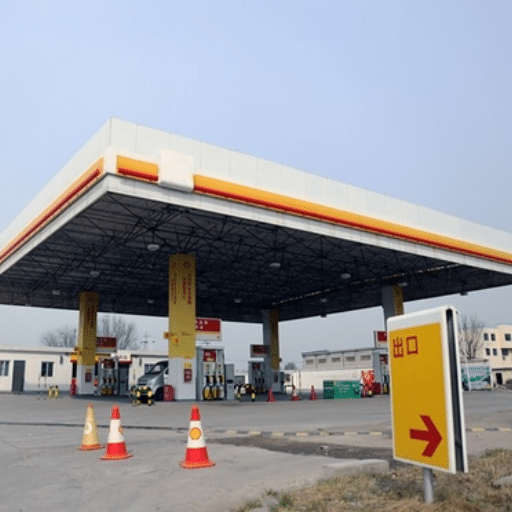
Traditional Build Timeline
This is how a typical on-site gas station development from scratch progresses. Designs and coordinates all clearance requirements, takes 2-4 months.
After that the work on earthworks, foundations, walls and partitions of buildings extends for a further three to six months. The duration is characterized by the purchase and assembling of stations, additional equipment necessary, which again will be between two and three months. And then another month will be spent for testing and starting operations.
Total timeline: eight to fourteen months. Any delay in one phase cascades into the next.
Turnkey Deployment Timeline
China gas station turnkey solutions make the market significantly smaller. Plan and conception processes demand two to four weeks’ time due to the fact that the plants are usually based on already established standards.
Manufacturing runs four to eight weeks in parallel with your local permitting. Shipping takes two to six weeks depending on the destination. On-site assembly and commissioning require one to four weeks.
Total timeline: two to five months for most projects.
Risk Comparison
This minimizes the integration risk as the same producer is engineering all the parts to be able to work together whenever they are compatible. On the other hand, risk with crashes is reduced since most of the time, it is easier to control and manage factory production forecasts rather than construction work on various sites due to weather conditions. In turnkey contracts, change orders are few, hence there are few misgivings among vendors about scope creep and extensions. Unlike in multiple contract management, there is accountability on a single point of contact change others.
Who Should Choose a Turnkey Gas Station from China?
Turnkey solutions are not universal. They excel in specific scenarios.
It is advantageous for small station owners to take pre-engineered help since it helps them manage the compatibility aspects. Even though these categories, such as remote and industrial entities, mines, construction sites, and fleet depots, want immediate movements, skid-mounted and containerised stations are a possible solution.
People who build things in markets with growing economies mostly find that they need to comply with various import regulations. Sometimes, a single document for products from one source can be of great help in lessening the headaches of customs officers. But all these benefits are frugal compared to the one that is going to be spoken about.
A quotation is possible for example in the case of a contract for a fleet depot with the government as seen by a user in Malaysia, Ravi. The shortest period for which he could do it was six months. His competitors were planning the usual process which includes two months of the survey and eight to ten months of the construction.
Therefore, Ravi submitted his tender based on a custom-built turnkey station of Chinese origin, while the design had pre-fabricated overhangs and safety measures that are integrated in the design. The week the station was brought back to the plant after the performance test was cleared was week four. The station was and passed by the commission on week fourteen after being shipped in week six.
Conclusion
Turnkey Chinese petrol station is not just a gas station but a gas station already completely equipped, documented and certified in accordance with all local and international technical and hygiene standards that are secure for citizens, experts, vehicles, transportation and environmental safety.
The challenges of an iGas station are what components are delivered by your equipment as a part of the package, what are up to the local reseller of equipment and how to ensure that your supplier is able to fulfill their part of the promises.
The key is to understand accurately what is offered in your package, what is done by your dealers, and what could be remedied or cannot be in the future. Remember, such a tank for China’s station can be designed only minimally. Remove steel grades, FRP quality, interstitial leak detection level and installation, dispenser calibrations, canopy decorating level, and the capability for a checklist of the exporter of the equipment. Report contacts in your area. Ask for information on the formation of inspections directly through production. Make a negotiation about services and maintenance as well so that a clear understanding is drawn.