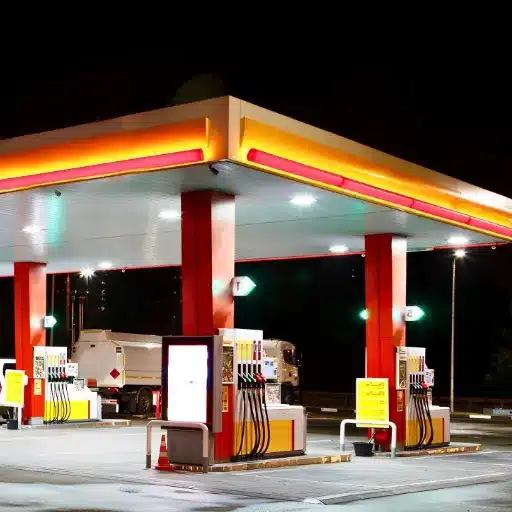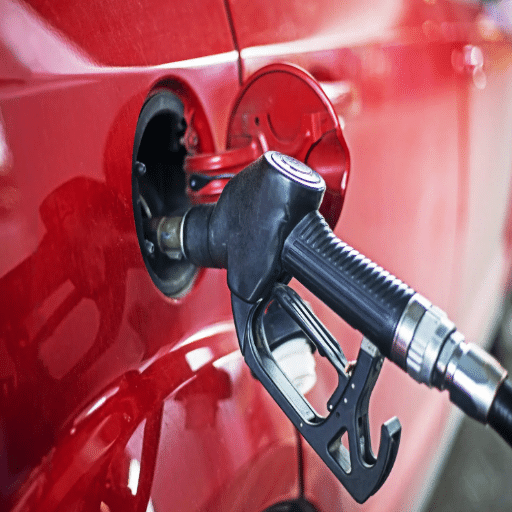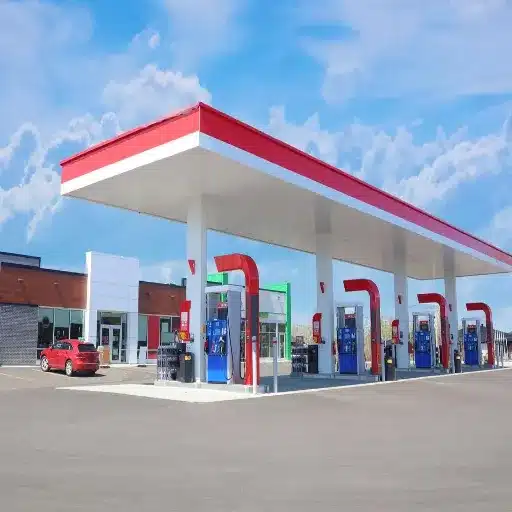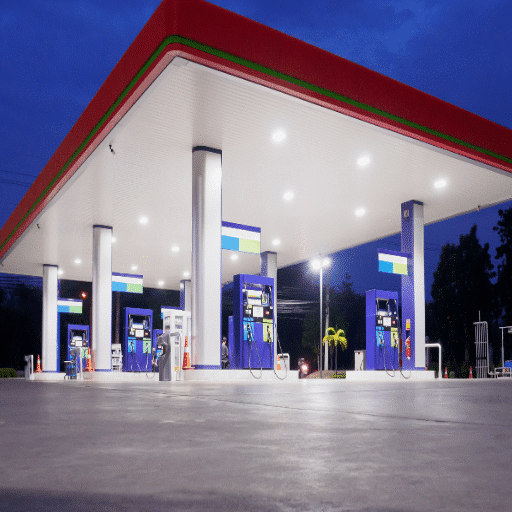
The lighting system functions as a fundamental component that creates a secure, inviting, and productive environment for your gas station operations. The correct lighting system provides both security and enhanced visibility, which creates a pleasant atmosphere that makes customers prefer your station to other options. Gas canopy LED lights have emerged as a game-changer in this regard, which combines energy efficiency and durability with superior performance to meet the unique demands of gas stations. The blog post presents evidence that demonstrates that gas station canopies should use LED lighting because these lights deliver essential advantages and product functions that current fuel operation services need to implement. The upcoming section will demonstrate how your station will benefit from LED upgrades, which will improve the station’s overall appearance.
Understanding LED Canopy Lights
What are LED Canopy Lights?
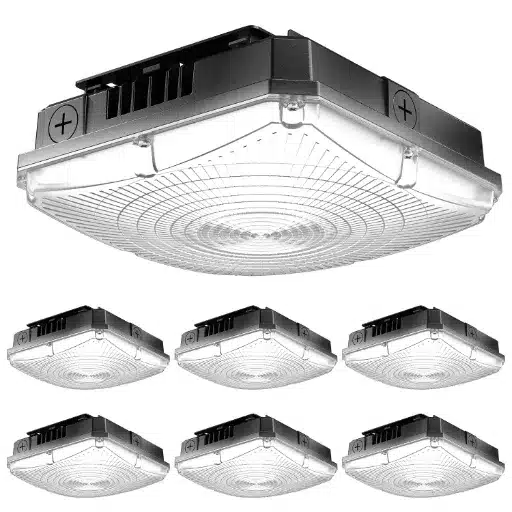
LED canopy lights function as overhead lighting systems that gas station canopies and parking garages, and building entrances use for their operational needs. The lights operate using Light Emitting Diode (LED) technology, which delivers energy efficiency and long-lasting performance, and high-quality lighting. LED canopy lights provide better functionality than traditional lighting because they can sustain their performance in both busy areas and locations that experience extreme weather conditions.
LED canopy lights produce bright and uniform illumination while consuming less energy than traditional lighting systems, which use high-pressure sodium (HPS) and metal halide (MH) lamps. Modern LED canopy lights achieve energy savings of up to 70% while providing 50,000 to 100,000 hours of service before needing to be switched out. The system not only decreases electricity expenses but also decreases maintenance costs throughout its operational lifespan.
The design of LED canopy lights enables them to operate effectively in outdoor environments. The fixtures achieve high IP (Ingress Protection) ratings, which enable them to withstand exposure to water and dust and extremely high and low temperature conditions. LED canopy lights come with modern technology, which includes features like dimming and motion detection, and color temperature control that enable users to create their own customized lighting systems.
Recent studies emphasize the economic and environmental benefits of switching to LED technology. The U. S. Department of Energy estimates that LED technology will achieve widespread use by 2035, which will result in annual electricity savings of 348 TWh, which equals the yearly output of 44 large power plants. The system enables gas stations to achieve significant cost reductions while delivering exceptional safety and visibility performance to their patrons.
Gas station operators who implement LED canopy lights will achieve three major benefits through these lights, which include improved location attractiveness, lower operational expenses and increased environmental sustainability, thereby making these fixtures essential assets for businesses that operate in current market conditions.
Benefits of LED Canopy Lights for Gas Stations
- Energy Efficiency and Cost Savings
LED canopy lights achieve exceptional energy efficiency because their power consumption decreases by 75% when compared to standard halogen and HID lighting systems. The United States Department of Energy states that if LED technology becomes widely adopted by 2030their implementation would generate 348 TWh of annual electricity savings, which equals the yearly electricity consumption of 44 million households. Gas stations that operate around the clock experience significant energy savings because their operational efficiency leads to reduced energy costs, which save the business thousands of dollars each year. - Longevity and Durability
LED canopy lights provide a longer lifespan than conventional lighting systems because their operational time exceeds 50000 hours before any need for replacement. The product’s strong construction minimizes both its need for maintenance and its need for replacement, which benefits operations by reducing downtime and equipment failure times. The system delivers business advantages through its ability to lower maintenance costs while maintaining better system performance throughout its entire operational period. - Enhanced Visibility for Safety and Customer Experience
Gas stations need proper lighting systems that provide safe movement for their users while creating an inviting atmosphere. LED canopy lights create bright light that distributes evenly throughout the area while achieving high color rendering index (CRI) standards that display all colors as they actually appear. The system provides better visibility for customers and employees, which results in safer operations and a visually appealing area. - Environmental Benefits
LEDs provide an environmentally sustainable option for lighting. The lights do not contain any dangerous substances, which include mercury found in fluorescent lamps, and they can be recycled completely. The energy savings achieved through LED lighting result in a decrease of carbon emissions, which enables organizations to fulfill their sustainability targets while meeting environmental protection standards. - Smart Control Features
LED canopy lights now come with intelligent control systems that contain motion detectors, dimming functions, and remote system monitoring capabilities. Gas station operators use these technologies to manage energy consumption by modifying light intensity according to different times of the day and operational patterns, which results in better energy efficiency and operational simplicity.
Gas station operators create better customer experiences through their use of advanced LED technology while they achieve operational cost reductions and support environmental sustainability efforts.
Comparison with Traditional Lighting Options
LED lighting systems offer users affordable solutions that operate at higher efficiency levels and longer operational periods than traditional fluorescent and metal halide lamp systems. The latest data shows that LED lights consume 75 percent less energy than standard lighting systems, and their operational life exceeds 25 times the duration of typical lighting systems. An LED lamp provides over 50000 hours of operational time, which decreases the need for bulb replacements and maintenance expenses, while a metal halide bulb provides 6000 to 15000 hours of functionality.
LEDs produce better light quality, which users can adjust to different brightness settings, thus making them suitable for building safe and well-lit environments that extend throughout gas station facilities. This system enables users to obtain immediate lighting because it operates without any warm-up time that traditional lighting systems require. The U. S. Department of Energy study shows that LED lighting technology adoption will enable industries to save approximately 348 terawatt-hours of energy by 2035, which will result in energy cost reductions of almost 46 billion dollars.
LED lights become safer for disposal because they lack hazardous substances such as mercury, which exists in fluorescent bulbs. Their energy-saving benefits result in two outcomes, which include reduced greenhouse gas emissions and improved global sustainability support. The multiple advantages of LED technology make it a more sustainable and efficient choice compared to traditional lighting systems.
Key Features of Gas Station Canopy Lighting
Energy Efficiency and Cost Savings
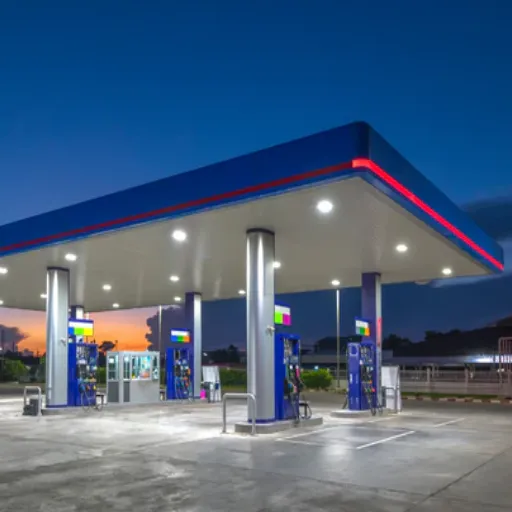
The current LED lights installed at gas station canopies provide better energy efficiency results than traditional lighting systems, which use metal halide and fluorescent light fixtures. The LED lights use 70 percent less energy, which leads to substantial decreases in electricity expenses. The standard gas station achieves annual energy savings of several thousand kilowatt-hours by swapping its 400-watt metal halide lights for 120-watt LED canopy lights.
The U. S. Department of Energy reports that LED lights have a lifespan between 25,000 and 50,000 hours, which exceeds the operational life of standard light bulbs. The extended lifespan of this product leads to decreased maintenance needs, which results in financial and operational advantages for enterprises. The LEDs create a light output of 140 lumens per watt, which allows them to produce bright light that maintains visual consistency while using minimal power, which gas station operators need to protect their vehicles and customers better.
The systems show exceptional energy efficiency, which results in operational cost reductions and decreased energy emissions that support worldwide carbon reduction efforts. The implementation of LED canopy lighting allows gas station operators to reduce operational expenses while decreasing their impact on the environment.
Durability and Weather Resistance
Gas station operations depend on LED canopy lights because they can withstand extreme weather conditions throughout their entire lifespan. The lighting systems use die-cast aluminum and weatherproof seals to create a design that protects against water, dust and extreme heat conditions. Recent studies in the industry demonstrate that high-quality LED canopy lights maintain their performance in temperatures between -40°F and 122°F (-40°C to 50°C). The product functions correctly in all weather conditions, which range from severe cold to intense heat.
LED fixtures achieve high IP ratings through their design, which enables them to withstand both water and dust infiltration, proving suitable for outdoor areas that face rain, snow, and strong winds. The product’s built-in design makes it suitable for outdoor spaces that experience rain, snow, and heavy wind conditions. The operational life of LEDs exceeds 50,000 hours because their performance capabilities remain constant, which results in lower maintenance expenses and equipment replacement requirements. The LED canopy lights show their advantages through their long-lasting performance and budget-friendly operation, which make them the best gas station lighting solution for areas that need ongoing and trustworthy illumination.
Customization Options for Different Needs
LED canopy lights provide multiple customization alternatives, which enable users to design lighting systems that meet the specific needs of gas stations, parking structures, and industrial facilities. The latest LED technology enables manufacturers to create products that support multiple color temperatures and wattage settings and dimming functions, and smart control systems.
The use of adjustable color temperature LEDs, which range from 3000K to 5000K helps businesses create attractive and secure environments that improve customers’ experience at gas stations through proper light distribution. The use of dimmable lights allows energy management during off-peak times while supporting eco-friendly objectives.
The industry reports monitor LED canopy lights, which achieve energy savings of up to 70 percent through their energy-efficient design when compared to standard metal halide and fluorescent lighting systems. The combination of smart lighting technology and motion sensors enables users to achieve electricity savings that exceed 30 percent to 40 percent, which makes LEDs an environmentally friendly lighting solution.
The design customization process includes multiple mounting options and housing designs, which let users combine aesthetics with operational needs. Industrial and outdoor applications benefit from modern LED technology, which uses an IP65 rating and above to provide complete protection against environmental factors and dust, and water intrusion.
LED canopy lights enable businesses to enhance their operations through their customizable features and cutting-edge technology, which helps them save energy while developing design solutions that meet their various operational needs.
Installation of LED Gas Station Canopy Lights
Step-by-Step Installation Guide
1. Preparation and Planning
The gas station canopy area requires evaluation as the initial step for LED light installation. The existing structure needs assessment to confirm its stability and wiring capacity, which must meet requirements for the new lighting system installation. The evaluation process needs to start with space measurement, which will establish the number of required lights needed to achieve proper light distribution. The current data indicates that gas stations should maintain lighting levels between 150 and 200 lux because this range ensures both safety and visibility at their facilities.
2. Gather Necessary Tools and Equipment
The team needs to gather essential equipment, which includes a ladder, screwdriver, mounting brackets, wiring connectors and a voltage detector. The testing process should check whether the selected LED canopy lights can operate with the standard power voltage of 100 to 277V AC used in most commercial environments.
3. Turn Off the Power Supply
The main power supply needs to be switched off before installation work begins because this action helps to protect against electrical dangers. The area where work will be conducted needs to be tested with a voltage detector to confirm that all power has been stopped.
4. Remove Existing Fixtures
The existing lighting fixtures need to be removed through a careful process, which involves disassembling all components. The disposal process needs to follow local recycling and waste disposal rules because many the older fixtures contain polluted materials, which include mercury.
5. Install Mounting Brackets
The LED canopy lights need their mounting brackets to be installed on the canopy structure using the brackets that come with the lights. The brackets need to be installed in a way that they provide secure fastening because this method will stop any future bracket displacements.
6. Wire the LED Lights
The LED canopy lights need their wires connected to the power source through color-coded wiring connectors. The typical wiring system uses the following color code
The manufacturer’s wiring diagram provides all the necessary details to follow for proper installation. The energy usage of modern LED fixtures enables them to consume 50 to 70 percent less power than traditional metal halide and fluorescent lighting systems.
- Black live wire
- White neutral wire
- Green ground wire
7. Mount the LED Fixtures
The LED fixtures need to be attached to the mounting brackets after completing the wiring process. The fixtures need to be arranged to distribute light evenly across the entire gas station canopy area.
8. Test the Installation
The power supply needs to be turned back on for testing purposes to confirm whether the lights work properly. The final inspection process needs to confirm that illumination levels reach proper standards, which gas stations require to maintain between 5000K and 5700K for their operating lights.
The following steps, combined with advanced LED technology implementation, enable businesses to decrease their energy expenses by 80 percent through operational cost reduction while developing secure and well-illuminated spaces for their customers and staff.
Common Installation Challenges and Solutions
- Ensuring Proper Wiring Connections
The installation process for LED gas station lights will experience its most frequent difficulties because workers need to handle electrical wires correctly. The lights will malfunction when workers use incorrect connections because these connections cause operational problems. The solution requires following the manufacturer’s wiring diagrams to establish system compatibility between existing electrical components and the provided instructions. The company can minimize equipment failures through regular inspections and by implementing high-quality connectors for its operations. - Dealing with Existing Fixtures
The process of retrofitting LED lights into existing fixtures will encounter compatibility issues because the two systems differ in their required fixture sizes and their heat dissipation capabilities. The modern LED retrofit kits enable users to install LED technology into their existing systems without needing extensive system upgrades. The industry reports indicate that installation time decreases by 30% when using such kits for system upgrades instead of performing complete system replacements. - Weather and Environmental Factors
Gas stations face a range of environmental challenges, which include both extreme temperature conditions and heavy rainfall and dust exposure. The use of IP65-rated LED fixtures or higher rating systems delivers protection against environmental damage in extreme weather conditions. Research demonstrates that outdoor conditions lead IP-rated LED lights to extend their operational life by 20% when compared to non-rated alternatives. - Achieving Uniform Illumination
Gas stations experience problems with uneven lighting, which decreases both their visual attractiveness and their security level. The advanced LED fixtures with precision optics technology provide enhanced capabilities for distributing light throughout their operational space. The 2023 analysis found that gas stations using LEDs with beam angles between 120-150 degrees achieved a 15% increase in illumination uniformity, which improved visibility for customers. - Managing Upfront Costs
The initial expenses for LED installations require businesses to spend more money upfront but government programs and energy rebate programs help reduce these expenses. The U. S. Department of Energy provides rebates that cover up to 30% of installation expenses for energy-efficient LED solutions. The company will regain its investment after 1-2 years because energy savings from their new system will cut their energy usage by 80%, according to previous research.
Businesses can achieve their gas station lighting system objectives through modern solutions, which help them solve operational challenges due to their system upgrade choices.
Safety Considerations During Installation
Gas stations need to implement safety measures during the process of installing energy-efficient LED lighting, which needs to meet both safety requirements and industry regulations. The latest guidelines show that when organizations create safety plans and follow established protocols, their operational risks decrease significantly. The installation process requires electrical personnel to establish that all electrical links comply with NEC standards, which confirm their suitability for dangerous areas such as gas stations.
Professionals need to perform a complete site evaluation for their lighting system replacements or upgrades so they can discover all current equipment problems and outdated electrical components. Experts recommend using explosion-proof fixtures specifically designed for environments where flammable gases or vapors may be present. The research data shows that about 25% of gas station electrical accidents occur because workers who lack proper installation training do the work, which proves that only certified electricians should handle such tasks.
The current LED systems include surge protection systems because outdoor equipment studies show that voltage spikes cause approximately 37% of equipment failures. Surge-protected systems will extend your lighting system’s lifespan while decreasing your need for costly equipment replacements. The business needs to implement these safety measures because they create a process that provides secure, efficient and long-lasting results for their lighting system upgrades.
Long-Term Advantages of Upgrading to LED Lighting
Improved Visibility and Safety
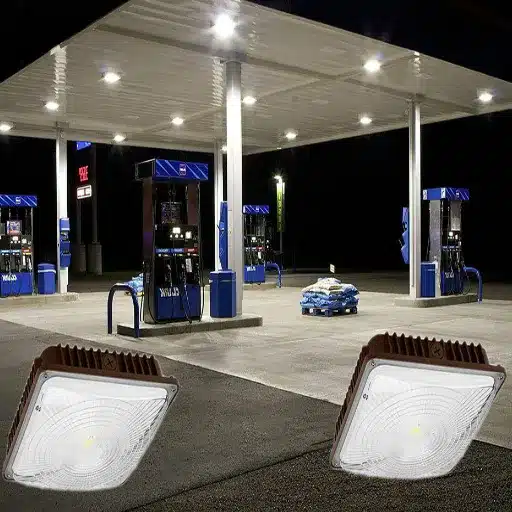
The installation of LED lighting systems brings major visibility enhancements to all types of indoor and outdoor environments. LED lights produce bright light output, which creates targeted illumination that helps viewers see better because it reduces shadow formation. Manufacturing and warehousing operations, together with outdoor public space activities, require proper lighting because it establishes secure work environments that reduce workplace accidents.
Recent research demonstrates that suitable illumination enhances safety protocols. The U. S. Department of Transportation report states that well-illuminated roadways decrease nighttime traffic accidents by 30 percent. The National Institute for Occupational Safety and Health (NIOSH) study shows that workplaces need proper lighting because it decreases accident rates by 21 percent, which shows its essential role in creating safe work environments.
LED lights provide current technological features that allow users to modify their color temperature and use advanced control systems. Spaces for relaxation need warmer lighting tones, while spaces for active work require cooler lighting tones to deliver optimal visibility, which protects people while providing them with comfort. LED lighting systems produce stable light output without flickering, which enables users to see better in dark situations while minimizing their eye strain.
The adoption of LED solutions by businesses and municipalities creates improved visibility and better safety conditions, which benefits entire communities while establishing a secure environment that protects all individuals.
Impact on Customer Experience
The introduction of LED lighting systems has led to substantial enhancements that benefit customer experiences across various business sectors. The latest research shows that companies that use LED lights achieve energy cost reductions between 30 and 50 percent because of their energy-efficient design and extended operational lifespan. LEDs generate authentic daylight simulations that enhance visual comfort for retail customers, thus increasing their time spent in stores by 20 percent.
Smart LED systems with tunable white and RGB lighting have become standard tools because they let users establish specific atmospheres that improve customer satisfaction. Studies indicate that 70% of shoppers are drawn to stores with well-lit displays and tailored light designs, which influence purchasing decisions positively. The implementation of LED lighting in hotels, restaurants and public areas has improved customer feedback because these lights combine aesthetic value with practical benefits.
Businesses can develop an exceptional and tailor-made customer experience through the use of LED technology with smart controls and sensors, which will result in higher customer engagement and retention while they focus on sustainable energy-efficient operations.
Environmental Benefits of LED Technology
Research studies have established that LED technology provides significant environmental benefits through its energy-saving capabilities. Studies demonstrate that LED bulbs use 75% less energy than traditional incandescent and fluorescent bulbs while providing a lifespan that lasts 25 times longer than incandescent lighting. The energy-efficient system produces fewer greenhouse gas emissions because its reduced electricity consumption leads to less need for fossil fuel power generation.
LED lights create a safer manufacturing process because they do not contain hazardous materials, which fluorescent lights typically have, including mercury. The recent progress of LED technology has made their recyclability better, which helps decrease their landfill space requirement. The United States could achieve annual electricity savings of 348 terawatt-hours by 2027 if it implemented complete LED lighting solutions, which would match the yearly power production of 44 major power stations. The environmental benefits demonstrate that LED technology leads the way in creating sustainable solutions.
Reference Sources
-
IEEE Xplore: Application considerations for LED light fixtures in process industry production environments
This paper discusses the performance and lifetime of LED light fixtures in various environments, which could be relevant for gas canopy applications.
Frequently Asked Questions (FAQs)
What Are Gas Canopy LED Lights and How Do They Work?
Gas canopy LED lights function as dedicated lighting systems that illuminate the canopy areas of gas stations. The lights use Light-Emitting Diode (LED) technology to deliver energy-efficient lighting that creates bright and even light distribution across fueling areas. The gas canopy LED lights use high efficiency because their semiconductors need minimal energy to show light which converts electrical power. The lights function as suitable equipment for gas station locations because they operate through extended periods and can resist outdoor weather conditions.
Why Are Gas Canopy LED Lights Considered the Ultimate Lighting Solution for Gas Stations?
The ultimate solution at gas stations these days operates through gas canopy LED lights because of their energy-efficient systems, which provide long-lasting lights and high-quality illumination. The LED lights use less power than traditional metal halide or fluorescent systems, which results in lower operational expenses. The lights maintain their functionality through extended periods, which leads to reduced need for repairs. Gas canopy LED lights deliver maximum illumination together with uniform light distribution, which enables drivers and pedestrians to see clearly at gas stations, which improves safety around the facility.
How Do Gas Canopy LED Lights Contribute to Sustainability?
Gas canopy LED lights create multiple environmental benefits through their installation. The lights need less energy for functioning, which results in decreased electricity needs and reduced greenhouse gas emissions. The increased recyclability of LED technology has developed through present-day technical enhancements, which decrease environmental waste. The adoption of LED lighting systems enables gas stations to implement sustainable business operations, which decrease their carbon emissions.
What Are the Installation Benefits of Gas Canopy LED Lights?
Gas canopy LED lights can be installed through simple procedures that use retrofit kits to upgrade current lighting systems. The lights operate through standard canopy systems, which allow for quick installation without wasting time. The lightweight design of LEDs enables two elements to give complete illumination, which simplifies installation while decreasing long-term expenses.
Are Gas Canopy LED Lights Cost-Effective in the Long Run?
Gas canopy LED lights deliver excellent value through their cost efficiency. The energy savings and lower maintenance expenses create financial benefits that make up for the higher upfront costs of the equipment. Gas station operators report that they achieve financial recovery within the first three years. Gas canopy LED lights generate ongoing economic benefits through their strong build quality and extended product lifespan.
How Do Gas Canopy LED Lights Enhance the Customer Experience?
Gas stations need proper lighting systems that create inviting spaces that keep people safe. Gas canopy LED lights produce strong and steady light, which helps drivers refuel their vehicles while also improving security at the location. The lighting system design creates an attractive customer experience, which leads to better business results because customers associate well-lit stations with safety and business expertise.