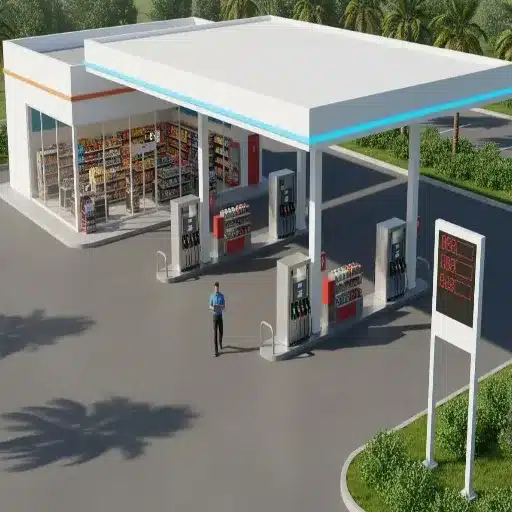
Gas stations need proper lighting solutions that create better visibility while their lights save energy and reduce costs, and enhance customer satisfaction. The current traditional lighting systems need to be replaced by advanced LED technology because it provides an eco-friendly, modern lighting solution that effectively illuminates both canopy areas and station grounds. The article will demonstrate that gas station LED lights function as the preferred solution for businesses seeking to improve safety while decreasing costs and creating a positive environment for their customers. The main advantages of this revolutionary technology, which changes the future of canopy illumination, will be revealed to you in our upcoming presentation.
Introduction to Gas Station LED Lighting
The Growing Popularity of LED Lights in the Industry
Gas stations have adopted LED lighting because it provides superior energy efficiency, long-lasting durability, and affordable operational costs. According to recent data, LED lights require 75% less energy than conventional lighting systems, which use both fluorescent and halogen lights. The business benefits from this significant decrease in energy use because it enables them to cut their operational expenses while decreasing their ecological footprint.
The lifespan of LEDs extends from 50,000 hours to 100,000 hours, which makes them more durable than standard lighting options. Gas station operators will save money in the long term because this solution decreases their expenses for maintenance and replacement.
LEDs produce concentrated bright light, which improves nighttime safety for staff members and customers at gas stations. Research indicates that well-lit spaces prevent criminal behavior while creating inviting spaces that build customer confidence and satisfaction.
The global LED lighting market experiences rapid expansion because these technologies deliver multiple benefits to businesses. According to a Grand View Research report the LED market will reach a valuation of $135 billion by 2030 because commercial spaces, including gas stations, will increase their LED adoption. The industry now recognizes LEDs as an advanced lighting solution that will meet future requirements.
Importance of Effective Lighting for Gas Stations
Gas stations use effective lighting systems, which determine their business performance because these systems affect operational needs and the way customers experience their services. The right lighting system improves visibility which protects customer safety and employee safety during the night. Research shows that well-lit gas stations create a more appealing atmosphere, which prevents criminal activities because bright lights eliminate dark areas and make people more visible to others.
Gas stations obtain essential benefits from modern LED lighting systems because these systems work better than previous lighting methods. The lights provide energy efficiency together with cost efficiency, which results in lower electricity expenses and reduced operational costs. According to recent data, LED lighting consumes 75% less energy than traditional systems, yet provides 25 times longer lifespan. The rise of energy prices worldwide makes LEDs an affordable, sustainable lighting solution that users can maintain for extended periods.
Effective lighting serves as a business tool that directly impacts how customers interact with the store. Research shows that customers prefer to stop at stations that maintain bright and clean environments because this atmosphere makes them feel safe and trusted. Gas stations now use advanced lighting technologies, which allow them to operate smart control systems that adjust their brightness levels for optimal energy efficiency.
Modern lighting system upgrades provide operational safety and cost reductions to gas stations while creating customer spaces that build loyalty in today’s competitive market. The essential nature of effective lighting for gas stations makes it necessary for all gas station owners to invest in these systems.
Overview of LED Canopy Lighting Benefits
Gas station owners benefit from LED canopy lighting, which delivers energy efficiency, cost savings, and improved visual attractiveness. According to recent data, LED lighting systems typically consume 75% less energy than metal halide or fluorescent lighting systems. The reduced energy consumption results in major energy savings, which will lower utility expenses in the long term.
LED lights provide extended service life to their users, which exceeds 50,000 hours because this feature decreases the need for maintenance and replacement. The gas station industry requires this extended lifespan because it needs dependable lighting, which will deliver continuous service for customer safety and complete satisfaction. The advanced LED technology offers high-quality light output, which produces better color rendering to establish a brighter and more appealing space.
The systems offer a second benefit through their ability to adapt and their intelligent capabilities. Many modern LED systems integrate motion sensors or dimming capabilities, which enable energy savings by adjusting light output according to activity levels and time of day. Studies reveal that energy savings increase by 20% or more with the implementation of these smart technologies.
LED canopy lights reduce carbon emissions through energy efficiency, which supports environmental sustainability. The adoption of LED solutions enables gas stations to position themselves as sustainable enterprises that attract environmentally conscious customers because of the growing environmental protection movement among governments and organizations. Gas stations use LED canopy lighting because it combines efficiency and durability with advanced technology for modern operations.
Benefits of Switching to LED Canopy Lights
Energy Efficiency and Cost Savings
The use of LED canopy lights produces more efficient energy usage than all other available lighting options. LED lighting systems show lower energy usage when compared to traditional lighting systems that use metal halide and high-pressure sodium lamps. The U. S. Department of Energy states that LED lights consume 75% less power while lasting 25 times longer than incandescent lights. Gas stations that operate throughout the day and night achieve major electricity savings through this practice. Gas stations can save between 40 and 70 percent of their energy costs when they install LED lighting because their savings depend on the specific lighting system they use.
Gas stations incur lower replacement costs because their LED lights remain operational for longer periods. LED canopy lights provide light for 50,000 to 100,000 hours, which exceeds the operational duration of standard lighting systems. Gas station operators will experience decreased maintenance costs because they will require fewer staff members and replacement materials for light bulb changes. LED canopy lighting produces financial benefits that combine with energy-efficient upgrades to provide potential tax benefits and rebate options.
Enhanced Brightness for Improved Visibility and Safety
LED canopy lights provide high levels of brightness, which create safe work environments at gas station facilities. The current industry data indicates that LED canopy lights produce between 5,000 and 30,000 lumens, depending on which model and application users select. The exceptional brightness level enables customers to see fueling stations and payment interfaces as well as signage throughout both daytime and nighttime hours.
The LED technology produces consistent light output, which creates even illumination across all areas of the space with reduced shadow and dark spot formation. The presence of bright lighting creates a safer environment because it decreases accident chances and protects against vandalism and theft attempts. Research shows that well-lit spaces can decrease criminal activity by 20%, which makes LED lighting an essential security component.
The majority of these lighting systems display color temperatures that range from 4,000K to 6,500K, which closely match natural daylight. The technology provides improved visibility for drivers and pedestrians while reducing their eye fatigue. Many modern LED systems come equipped with smart dimming technology, which allows users to control brightness based on current time and traffic patterns, thus conserving energy and ensuring safety.
Longer Lifespan and Reduced Maintenance Needs
The extended lifespan of LED lighting systems makes them more durable than traditional lighting systems. High-quality LED lights provide an average operational lifespan that ranges from 50,000 to 100,000 hours, which exceeds the operational lifespan of sodium vapor and fluorescent lights by two to four times. The long-lasting nature of this product decreases replacement needs, which leads to a decrease in maintenance expenses throughout its lifespan. Cities that implemented LED street lights experienced maintenance cost reductions of 60% because they required fewer replacements and their lights performed better.
The LED lights use their durable construction to withstand environmental conditions, which include rain and extreme temperature changes, and vibrations. A case study conducted in Los Angeles showed that LED street light implementation reduced energy costs by more than $8 million annually because the lights needed less maintenance due to their lower failure rates. The combination of these features makes LEDs suitable for use in both urban settings and rural environments because they provide dependable operation throughout their entire operational period.
Environmental Impact of LED Lighting
Reducing Carbon Footprints
LED lighting achieves carbon emission reductions because it consumes less energy than traditional incandescent and fluorescent bulbs. The recent research findings indicate that LEDs require 75% less energy and operate for 25 times longer than incandescent lights. The 2023 report showed that when people adopt LED lighting worldwide, they will decrease global CO2 emissions by 1.4 gigatons each year, which equals the yearly emissions from 300 million vehicles.
LED lights provide a better environmental solution because they do not contain harmful substances like mercury, which other light sources typically use. Cities throughout the world have achieved substantial benefits from their energy-efficient LED street lighting systems, which have enabled them to decrease their street lighting energy consumption by over 50%. The developments demonstrate how LED technology can help achieve global sustainability targets while providing essential solutions for climate change.
Supporting Sustainability Goals in the Industry
Sustainable practices have become the main priority for multiple industries, which includes the lighting industry. The International Energy Agency (IEA) reports that lighting uses almost 15% of global electricity, which makes it essential for organizations to enhance their energy performance. Organizations and municipalities can achieve significant energy reductions through their transition to LED technology. Modern LED lighting systems provide 90% greater efficiency compared to traditional incandescent bulbs, which enables businesses to cut their energy expenses while reducing their greenhouse gas emissions.
The global LED lighting market will experience a 13.4% compound annual growth rate (CAGR) expansion from 2021 until 2028, according to McKinsey, which attributes this growth to government policies and increasing environmental impact awareness. The European Union’s Green Deal includes initiatives that promote LED technology adoption to help achieve carbon neutrality by 2050. The streetlight modernization program in Los Angeles has produced significant benefits through its installation of 215,000 LED fixtures, which results in estimated annual savings of $9 million for energy and maintenance expenses.
Businesses now implement advanced technologies such as smart sensors and automated lighting systems to establish more effective energy management practices. Smart LED lighting systems automatically modify their brightness levels during periods with few people present, and they control their light output based on how many people are present. The U. S. Department of Energy conducted a study that found that combining LED technology with smart systems would result in a 35% decrease in energy use. The adoption of LED technology leads to sustainability benefits for businesses while delivering financial advantages that extend throughout all global markets.
Comparison with Traditional Lighting Options
The comparison between LEDs and traditional lighting systems, which include incandescent and fluorescent bulbs, reveals major differences in how they use energy, how long they last, and their effects on the environment. The U. S. Department of Energy report shows that LED lights consume at least 75% less energy than incandescent lights, and they provide 25 times more operational lifespan. The fluorescent lamps provide better energy efficiency than incandescent bulbs, but they do not match the performance of LEDs because they contain mercury, which creates environmental hazards.
The latest studies show that households can save around $225 each year through LED lighting adoption because it decreases their energy expenses. The energy savings from replacing traditional lighting with LED systems in a 100,000-square-foot warehouse enable businesses to achieve annual savings of 50,000 kWh, which leads to major reductions in their utility expenses. The environmental advantages include a major reduction in carbon emissions because LEDs require less energy to operate.
The technological developments of LED systems enhance their ability to become adaptable. Smart LED systems allow users to create energy-efficient remote dimming and motion detection, and scheduling features through IoT (Internet of Things) device integration. The innovations show how LEDs have evolved from basic lighting solutions into comprehensive technological advances, which create environmentally friendly methods that include efficient long-term operation at minimal costs.
Maintenance Guidelines for LED Lighting Systems
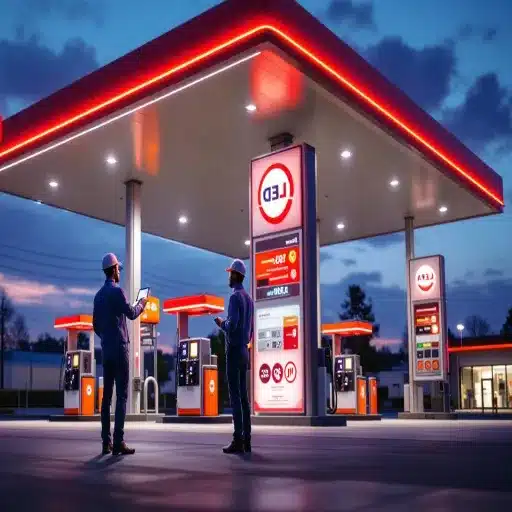
Ensuring Longevity and Reliability
The maintenance of LED lighting systems requires people to follow established maintenance procedures while using the systems correctly. Recent industry data shows that most high-quality LED lights can operate for more than 50,000 hours, which leads to lower replacement expenses when compared to conventional lighting systems. The central achievement of lasting performance depends on these essential maintenance practices, which include:
- Regular Cleaning
Dust and dirt accumulation on LED fixtures leads to two problems, which include light output reduction and overheating of the fixtures. The fixtures need cleaning at regular intervals, when operators should use soft lint-free cloths along with mild cleaning solutions to achieve their optimal operational efficiency. - Proper Ventilation
LEDs experience high sensitivity towards heat, which leads to shortened operational life when they undergo continual excessive heating. The installation of fixtures requires placement in locations that provide ample airflow, while their installation near heat-producing devices must be avoided to stop thermal damage. - Voltage Consistency
LEDs experience operational lifespan reduction because voltage fluctuations cause either permanent damage or decreased operational efficiency. The installation of surge protectors and voltage regulators protects the system from power supply interruptions, which occur because of voltage fluctuations. - Monitoring Ambient Temperatures
LEDs operate at their highest efficiency when their temperature remains within an optimal range that extends from -4°F to 113°F, which equals -20°C to 45°C based on their product design. Extreme temperatures during extended periods of time will lead to performance issues. Outdoor systems require weatherproof or waterproof fixtures to protect against environmental conditions. - Adhering to Manufacturer Guidelines
The manufacturer provides specific instructions that must be followed to complete both the installation process and maintenance tasks. The guidelines provide information about suitable dimmers and drivers and environmental elements that help users achieve optimal system operation and energy efficiency. - Adopting Smart Controls
The implementation of IoT technology in advanced LED systems enables automatic monitoring and system adjustments for the lighting system. The system achieves further operational efficiency through smart scheduling and motion-sensing capabilities, which help decrease system components’ operational time.
The maintenance activities that teams perform lead to two results: they maintain LED systems in proper working condition, while they decrease energy usage and operational costs. Statistics show that well-maintained LEDs consume up to 80% less energy than traditional incandescent bulbs, which makes them a sustainable and economical choice for both residential and commercial applications.
Best Practices for Routine Checks and Upkeep
- Clean the Fixtures Regularly
The accumulation of dust and debris on LED fixtures over time decreases their operational efficiency and light output. The latest recommendations state that fixture cleaning should be done between three and six months’ intervals to achieve maximum light output restoration. The cleaning process requires a soft, damp cloth, while all power must be turned off for maintenance work. - Check for Proper Ventilation
LEDs experience overheating problems, which result in shorter operational lifespans. The fixtures need proper airflow because their design must not allow any heat to build up in enclosed areas. Research demonstrates that LEDs that receive proper ventilation will function for 50,000 hours or longer while their brightness remains at full capacity throughout their operational life. - Inspect Connections and Wiring
The electrical system experiences problems when connections become loose or faulty. The scheduled inspection of all wiring and connections should occur between six and twelve months to stop electrical problems and equipment damage. Most modern LED systems come with built-in surge protection, yet users must perform regular system checks to obtain maximum protection and operational dependability. - Monitor Energy Consumption
The advanced LED systems provide detailed energy monitoring capabilities through their smart control systems. The latest research demonstrates that smart-controlled LEDs achieve energy savings between 15 to 20 percent in addition to their existing efficiency. The systems enable energy usage tracking while their capacity to detect problems before they become major issues. - Replace Dimming Components When Necessary
The dimming controls that LED systems provide become less effective because of natural system deterioration. The research findings demonstrate that proper dimmer calibration will lead to better energy performance and stable operation of all lighting systems.
The implementation of best practices enables individuals and companies to extend their LED systems’ operational life while improving their energy efficiency. The development of an effective maintenance schedule delivers two key benefits, which include reliable performance and energy efficiency improvements that support long-term environmental conservation efforts.
Understanding DLC and UL Certifications
The process of choosing LED lighting systems needs expertise in DLC and UL certification standards, which determine system quality and safety and operational performance requirements. Utility companies use DLC certification to identify energy-efficient lighting products that meet their rebate program requirements. Recent data shows that businesses and consumers save costs by choosing DLC-listed products, which provide 50% higher energy savings than traditional options. DLC certification provides long-lasting advantages through its delivery of high-quality light and extended product life benefits.
UL certification establishes safety testing requirements that products must meet to achieve compliance. The testing process evaluates LED systems to verify their compliance with safety standards, which protect against electrical hazards and overheating, and fire risks. The UL mark on a product indicates that the product underwent comprehensive testing, which confirmed its ability to function safely across different operating conditions. The combination of DLC and UL certification establishes a complete standard that organizations and individuals can use to assess LED products for their purchasing needs.
Reference Sources
-
LED Lighting for Oil and Gas Facilities – Examines LED lighting technology, standards, and retrofit studies in oil and gas facilities.
-
Energy management for light system in the convenience stores: Case study of gas station in Thailand – A case study on lighting systems in gas station convenience stores, comparing LED and traditional lighting.
Frequently Asked Questions (FAQs)
Which advantages does LED lighting provide for gas station canopy illumination?
Gas station canopy lighting systems receive multiple advantages from the implementation of LED lights. LED lights use only a small portion of their required electricity to operate when compared to traditional lighting systems that use metal halide and fluorescent fixtures. LED lights benefit gas stations because their extended operational life decreases the need for maintenance and replacement work in areas with high foot traffic. The system delivers exceptionally bright and consistent light output, which enhances visibility for both customers and employees, making it the ideal choice for their canopy lighting requirements.
Which certification process establishes high standards for LED lighting performance through DLC?
The DesignLights Consortium (DLC) certification system establishes specific performance standards that LED lighting products must meet to achieve energy efficiency certification. The DLC certification process offers gas station owners certified canopy lights, which deliver trustworthy and cost-effective lighting solutions. The utility rebate programs require DLC-certified products, which will decrease initial costs for gas stations that transition to LED lighting systems.
Do UL-certified LED lights provide increased safety features for gas station work areas?
UL-certified LED lights undergo thorough testing procedures that establish their compliance with stringent safety regulations, thus making them suitable for use in gas station environments. The UL testing procedure assesses various danger situations which include risks from electrical systems, fire hazards, and the possibility of equipment overheating. The use of UL-certified LED products assures customers that the lighting system will function properly in the special environmental and operational conditions that exist at gas station canopies, which include exposure to high temperatures, water, and dust particles.
Does upgrading to LED lighting provide savings that extend over an extended period?
Yes, it does. The total cost of upgrading to LED lights for gas station canopy lighting presents a substantial initial investment, but this expense generates major savings throughout the entire operational lifespan. Traditional lighting systems use 75 percent more energy than LED lights, which leads to substantial savings on electricity costs. The extended lifespan of systems leads to fewer equipment replacements, which results in reduced maintenance expenses throughout their operational period. Gas stations will gain significant financial advantages from these multiple factors.
How does adequate lighting contribute to maintaining safety at gas stations?
Gas stations require proper lighting as their fundamental security protection system. LED canopy lights provide constant illumination, which removes dark spots and shadows that create potential theft and vandalism risk areas. The improved visibility inside the gas station enhances customer security and trust and enables patrons to use the building without feeling anxious throughout the entire day. Properly lit gas station areas will decrease criminal activity while improving security camera operation through better video recording capabilities.
Which environmental benefits result from LED usage?
LEDs serve as an ecologically sustainable lighting solution because they require lower energy consumption, which leads to reduced greenhouse gas emissions from power generation. Traditional lighting systems, which use certain technologies, include mercury as a dangerous material, while LEDs do not contain this harmful substance. The extended product lifespan results in reduced waste because manufacturers need to create and dispose of fewer fixtures during the entire product duration. The environmentally friendly characteristics of LED lights make them suitable for use in gas station canopy lighting systems.