Waiting at the gas pump for what seems like ages can be a major annoyance, especially if you’re in a hurry. But have you ever thought about the reason behind a gas pump suddenly becoming so slow during the process of filling a tank? This issue that occurs quite often could be due to many things, from machinery troubles to weather conditions. Knowing the factors that lead to this slowdown will not only allow you to manage your time wisely but also help you avoid unpleasantness and costs associated with the pump or vehicle becoming faulty. This post aims to inform you of the most common reasons why gas pumping takes longer than usual and offer practical solutions for speeding up your refueling process. The content is directed at various groups, including drivers, gas station proprietors, and just curious individuals who want to know more about the mechanics of fueling stations.
Understanding Gas Pump Performance
Clogged Fuel Filters
The gas pumps are fitted with fuel filters that work like a barrier to shield the fuel flow from entering through dirt and other contaminants. Eventually, the filters will become clogged, and only a slow gas flow will result in the slower pumping speed.
Low Tank Pressure
The underground storages are designed to work with a proper pressure level that allows an optimal flow rate. A decrease in tank pressure, which often happens due to poor ventilation, can lower the pumping efficiency.
Worn-Out Pump Components
The life span of the pump parts is over. Parts like the nozzle or the internal motor of the pump may have worn out, and they can’t deliver the expected gas quality anymore. Regular maintenance is the only way to overcome this problem.
External Blockages or Kinks in Hoses
If there is a physical obstruction or a kink in the fuel hose, it will interrupt the flow of gas, and thus, the speed at which fuel is delivered to your vehicle will be correspondingly decreased.
Key Takeaway: You can significantly increase the efficiency of gas pumping and also get a less bothersome refueling experience by locating and fixing these problems.
How Gas Pumps Work
Gasoline dispensers use a mixture of mechanical as well as electronic techniques to deliver fuel properly. The moment a customer picks up the nozzle and indicates their preferred fuel grade, a signal will be transmitted to the pump for the activation of the internal system. In the pump, an electric motor rotates a suction pump, which pumps fuel from the underground storage tank through the pipes.
Sensors in the dispensary unit control the flow and pressure of the fuel. A flow meter counts the amount of fuel that is being distributed and thus ensures the delivery is accurate. Afterward, the fuel goes to the nozzle that has a shut-off system fitted inside. This system employs a small venturi tube to monitor air pressure changes; when the tank gets full, the pressure goes up, and that signals the pump to stop the flow automatically.
Furthermore, gas station installations depend on the latest electronic controls to speed up the payment and fuel grading process; at the same time, they are perfectly integrated with point-of-sale systems for a customer-friendly refueling experience. The latest dispensers also feature durability-enhancing devices, such as pressure regulators and anti-siphon valves, to reduce the chance of accidents and bankrupt the whole process. This system, which is complicated but very accurate at the same time, is a true reflection of the engineering talent behind technology that is so widely used.
Factors Affecting Pump Speed
Several principal factors determine the speed at which a gas pump dispenses fuel. The flow rate of the pump is one of the most important factors, and this rate is mainly determined by the pump’s construction and the motor’s power output. Moreover, the pressure system of the underground storage tank is another great contributing factor; more pressurized systems can, in fact, increase the flow rates. The width and length of the fuel hose are also important since if it is too narrow or very long, it may create resistance, thus slowing down the dispensing process.
Amongst other factors, the number of pumps that are actively drawing from the same fuel line at the same time becomes a major external influence. In such cases, the pumps create a combined demand for the fuel flow, which, in return, limits the efficiency of each pump. Oftentimes, government agencies place a limit on the maximum flow rate that machines can dispense to consumers in the interest of safety, most especially to avoid spillage while filling the tank. All these mechanical and procedural arrangements work together to define the dispensing capability of the gas pump.
Typical Gas Pump Specifications
Gas pumps, sometimes referred to as fuel dispensers, are built with distinct qualities for performance and safety to deliver the fuel effectively and safely. Ordinary gas pumps are characteristically fitted with flow rates that vary from 5 to 10 gallons per minute (GPM) for regular vehicles, whereas pumps that are built for commercial and heavy-duty purposes can have a flow rate of up to 60 GPM. Today’s fuel dispensers are designed with highly accurate metering systems and are often subjected to an accuracy of ±0.3% in order to comply with the industry standards.
| Specification | Details |
|---|---|
| Flow Rate (Regular Vehicles) | 5-10 GPM |
| Flow Rate (Commercial/Heavy-Duty) | Up to 60 GPM |
| Metering Accuracy | ±0.3% |
| Safety Features | Automatic shut-off nozzles, pressure regulators, anti-siphon valves |
| Payment Security | EMV-compliant card readers |
The entire fueling operation is in control of sophisticated electronic overseer systems, which are composed of sensors that take care of the pressure, leak detection, and fuel level monitoring. These systems are put in place in accordance with stringent environmental regulations laid down by the Environmental Protection Agency (EPA), which are intended to minimize emissions and inhibit the occurrence of fuel loss. Besides, most pumps come with fail-safe mechanisms, one of which is the automatic shut-off nozzles that stop functioning when the tank is filled. They also present case-friendly features with digital displays that convey transaction information and thereby assure the ease of use.
The selection of materials for the fabrication of gas pumps is based mainly on the factors of sturdiness and non-corrosiveness to fuels, including ethanol blends. Also, the installation of flexible hoses and breakaway couplings ensures safety in case of accidental disconnection. Moreover, modern gas pumps are frequently provided with payment security features such as EMV-compliant card readers, which serve the purpose of securing sensitive customer data during transactions. The combination of these specifications, thus, assigns gas pumps the attribute of being both efficient and dependable for uninterrupted operation.
Common Causes of Slow Gas Pumping
- Clogged Fuel Filters – Eventually, dirt and other substances will build up in the pump’s fuel filter, which will cut down the nozzle’s fuel supply. This is one of the main reasons for the slowdown in pumping speed.
- Low Fuel Tank Levels – If the underground storage tank is almost empty, the fuel pump may not be able to operate at normal flow rates due to a lack of supply.
- Malfunctioning Pump Components – Essential parts such as the motor and valves are running down and resulting in less output and slower dispensing.
- Blocked or Damaged Hoses – The hose may have a kink, a crack, or an internal obstruction that will affect the smooth passing of fuel to the nozzle.
- Temperature-Related Fuel Viscosity – Very cold weather will thicken the fuel and, thus, it will take a longer time to pass through the pump system.
Important: Regular maintenance and checking are crucial to recognizing and correcting these problems quickly, thereby maintaining the desired performance.
Clogged Filters and Nozzles
One of the main reasons for the reduction of the fuel flow and the drop in the system’s efficiency has always been the clogged filters and nozzles. In the long run, the filters take in dirt, rust, and other fuel impurities as well as dust and dirt. So, the fuel cannot easily pass, thereby resulting in low flow rates and putting more pressure on the pump system. In the same way, nozzles can be blocked by residue or sediment, which, in turn, can affect the accuracy and uniformity of fuel dispensing. To curb these problems, the timely replacement of filters as per the manufacturer’s recommendations and the checking of nozzles at intervals are essential. The use of advanced filtration systems together with proper fuel handling practices can also prevent contamination-related blockages, thus ensuring performance and reliability at an optimal level.
Issues with Fuel Flow Rate
Inconsistencies in fuel flow rate can be attributed to a variety of reasons, the most likely being problems in equipment, fuel quality, or the surrounding environment. Air entrainment in fuel lines is one of the main reasons why steady flow is interrupted and efficiency is lowered. Regular system bleeding and fittings that are perfectly sealed are necessary to eliminate this problem. Furthermore, blockage or small size of filters can cause flow restriction and pressure drops, which makes it necessary to upgrade filters or replace them timely manner according to the system’s specs.
Fuel temperature fluctuations may also have a considerable effect on flow rates since fuel expands or contracts depending on the heat. The installation of temperature compensators or keeping the temperature of operating environments even can help prevent these effects. Also, insufficient pumping capacity or a worn-out pumping component can, in the long run, affect fluid delivery. Along with maintenance, a possible upgrade to more powerful pumps can also take care of the issues, ensuring a steady operation. Real-time monitoring devices can even further support system diagnostics and stabilize flow rate, enhancing the performance of fuel dispensing to its optimal level.
Temperature and Its Effects on Pump Operation
The temperature changes have a major influence on the pumping process, mainly impacting the factors of viscosity, pressure, and material durability. A reduction in temperature means the fluids will get more viscous, which in turn could lead to higher energy consumption to ensure the same flow rates through the pump. On the other hand, a high temperature might result in a decrease in viscosity, but at the same time, it could cause cavitation, which means the efficiency will be lower and there is a risk of damage to the pump’s inner parts. Additionally, the extreme heat can cause seals and gaskets to break down, which would in turn result in leaks or total breakdowns.
Operators should think about the use of pumps that are especially made for the specific temperature ranges to counter these negative impacts. They can use insulation or heating in the cold areas and cooling systems in the hot ones to keep the performance stable. Constantly monitoring the temperature enables the operators to get very important information from which they can quickly make decisions about the needed adjustments, thus, the system can be operating under the most favorable conditions. By conducting regular maintenance and adopting the use of materials that can withstand extreme temperatures, like specialized elastomers or alloys, the system will come to be very dependable and not easily affected by thermal stress, thus having a long life.
Improving Gas Pump Speed
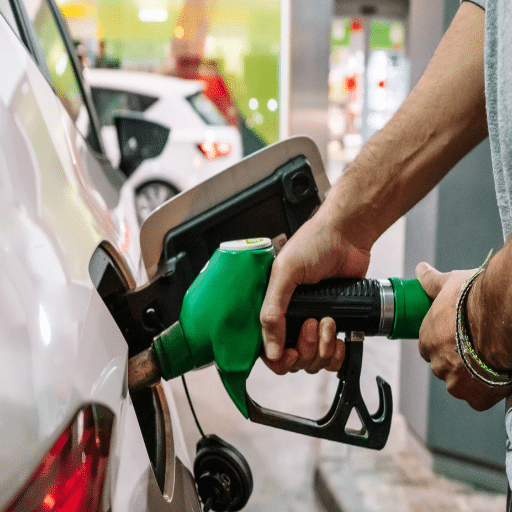
- Maximize Pump Flow Rate
The motor of the pump and the flow meter should be correctly calibrated to output the highest possible amount without risking safety or losing precision. - Pump Parts Upgrade
Outdated nozzles, hoses, or filters can be replaced with modern, high-flow ones to eliminate the slowdown caused in the dispensing process. - Preventive Maintenance Implementation
Dispensers, filters, and valves are to be regularly inspected and cleaned so as to prevent clogs or inefficiencies that would slow down fueling. - Fuel Line Design Improvement
Fuel lines must be designed to have a straight route with no bends or restrictions, hence facilitating a smoother and faster fuel transfer. - Automation Systems Installation
Go for automated diagnostics and fuel monitoring systems to be able to identify problems at an early stage and to ensure consistent performance.
Note: These methods, when applied in the right combination, can lead to a significant increase in gas pump speed; however, safety and reliability will not be compromised.
Maintenance Tips for Better Performance
Regularly Inspect Pump Components
Conduct periodic wear, leak, or damage inspections on nozzles, hoses, and connections. It is always a good practice to eliminate even minor issues beforehand to avoid larger operational failures and thus maintain uninterrupted functionality.
Clean Filters and Strainers
Fuel dispenser filters that are blocked can lead to a reduction of flow rates and thereby lower productivity. Regularly cleaning or changing filters and strainers is necessary to keep up with the throughput and also to stop contaminants from entering the fuel system.
Monitor Calibration Accuracy
To guarantee that fuel pumps are dispensing the right amounts, it is necessary to do checks and thus ensure compliance with regulations and also keep customer trust. Certified calibration equipment should be used to find and correct discrepancies without delay.
Lubricate Moving Parts
The maintenance of all mechanical moving parts, such as hinges, gears, and nozzles, should always be done with good lubrication. The correct application of oil decreases wear and tear and thus prolongs the lifespan of the parts.
Test Electronic Systems
The functionality of the automated sensors and diagnostic systems should be checked regularly. Software updates and diagnostics are a good way of spotting potential performance problems and dealing with them before they become bigger issues.
If these practices are followed, operators will get a pump that works at its best, better fuel flow rates, and fewer chances of downtime.
When to Contact Professionals
There are situations where it is recommended to get professional help in order to operate your equipment safely and effectively. In case you detect strange noises, very strong vibrations, or a sudden decrease in performance, these could be signs of hidden mechanical problems that need an expert’s opinion. Continuous leaks, electrical faults, or even the system completely stopping are not only indications but also require the quickest professional help. Besides, if the maintenance that was done routinely does not take care of the problems anymore, or if you do not have the right tools or knowledge to figure out complicated issues, getting in touch with a qualified technician is a must. For vital systems, professional inspections at regular intervals are recommended in order not only to avoid long-term damage but also to ensure compliance with safety standards.
Upgrading Your Gas Pump: Is It Worth It?
Upgrading your gas pump can provide considerable advantages, especially in the context of the ever-increasing technological innovations and changing industry standards. The latest models usually come with better efficiency, longer life spans, and meet the latest environmental and safety rules. For instance, pumps with digital displays allow for faster and more precise handling, besides which they usually have better security features to protect against fraud and skimming. What is more, upgrading can bring about long-term savings in maintenance costs as modern systems have been built to be both reliable and easy to service.
Yet, the choice is primarily contingent upon the age and condition of your current equipment, along with your operating requirements and the money available. If your existing pump is still effective and complies with regulatory standards, then an upgrade may not be needed right away. On the other hand, old and faulty pumps not only incur higher maintenance costs but may also cause production delays and poor customer service. Relying on a technician and carrying out a cost-to-benefit analysis are important steps in deciding whether an upgrade is a profitable investment for your company or not.
Consumer Experiences with Slow Gas Pumps
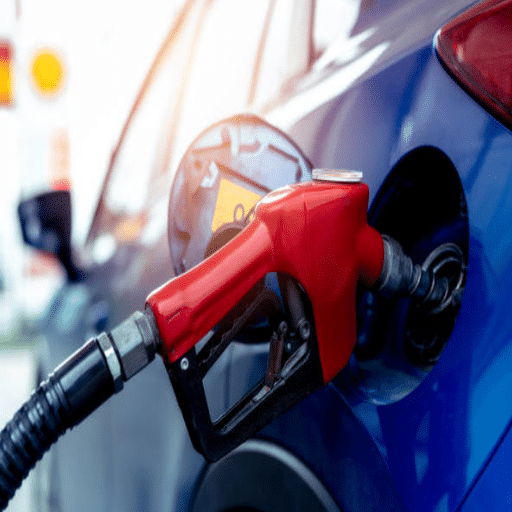
Slow gas pumps can put a damper on the overall consumer experience. Customers frequently express their annoyance and displeasure when the refueling takes longer than it should, particularly during the busiest hours. Besides, delays lead to longer lines, less convenience, and time wasted, all of which might deter customers from coming back. Research has indicated that a lot of customers consider speed and efficiency as the main factors of their gas station choice, thus making pump performance an important aspect of customer retention. Fixing slow pump problems quickly can support businesses’ efforts to gain customer satisfaction and keep their competitive edge.
Common Frustrations at the Pump
Slow Fueling Speeds
Slow pumping speeds are usually due to clogged fuel filters, defective filters, or outdated pump technology, and it sometimes happens during high-demand periods. Regular maintenance and upgrading to high-capacity pumps will greatly cut the number of delays. Furthermore, off-peak fueling times and a sufficient number of operational pumps can be combined to enhance throughput and cut down on customer waiting times.
Payment System Failures
Customers whose payment terminals are non-functional or outdated suffer the most because they are the ones mostly affected and are very frustrated, especially when they are using mobile payment options or credit cards. Introducing modern, secure, and user-friendly payment solutions such as tap-to-pay systems will greatly increase the dependability of the system. To make the system more reliable, regular testing and software updates are also important steps.
Unclear Pump Instructions
Some customers may be slow to comprehend how to use the pump and consequently be displeased with the service if the interface and instructions are difficult and/or unclear. Customers can pump their gas in a fast manner with the help of clear and easy-to-understand on-screen prompts, as well as the concise labeling of fueling steps. Providing multilingual language options to account for diverse customers can also be helpful.
Gas station operators can thus offer a more convenient and speedy fueling experience and customer satisfaction to the extent that they can identify, tackle, and eliminate these issues through the application of proactive measures while still being competitive in the market.
How Different Stations Compare
The key aspects to consider when evaluating different fuel stations are fuel price, service quality, amenities, and innovations. Stations of major oil companies like Shell, Exxon, and Chevron generally perform well in price competition while also stressing quality, since they use special additives to get the best performance and efficiency of the engine. Along with this, these stations often promote reward programs, which give discounts or points, making regular customers quite comfortable with their choice of station.
Contrarily, budget gas stations offering low prices at the pump may lose out on features like quick payment methods and luxurious restrooms, but they remain popular with price-conscious customers. Mid-range stations often provide a solution to the problem by charging normal prices while offering necessary services like bright-lit parking areas, clean bathrooms, and the sale of daily items at the store. Technological differences in mobile app integrations, digital payment systems, advanced pump interface, etc., bring more distinction in brand value and user experience.
In the end, the decision between the gas stations boils down to personal inclinations in terms of cost-saving, convenience, and extra perks. By taking into account these factors, consumers will be able to figure out which station is the most compatible with their needs.
Customer Tips for Faster Refueling
- Plan Your Visit Timing: Mornings, usually between 7-9 AM, and evenings, around 5-7 PM, are the peak hours when traffic is the most. Therefore, refraining from going at these times will not only make your refueling period shorter but also let you have a faster time overall at the respective outlet.
- Use Mobile Apps for Navigation: Get the most out of fuel station apps or mapping service integrations, like Google Maps or Waze, as they will guide you to the places with the right fuel supply. Some apps give you the lengths of the queues, which is really helpful as you can take a route with fewer people.
- Set Up Digital Payment Methods: In case the station does not support digital payment, such as contactless mobile wallets or prepaid station apps, register beforehand so as to avoid being delayed at the pump. Generally, these methods of payment are quicker than cash or physical cards.
- Check Your Vehicle in Advance: Prior to your visit, make sure that the gas tank cap is not only accessible but also functional. Knowing which side of the car the fuel cap is on will prevent you from wasting time positioning the car against the pump.
- Choose Express Pump Lanes: Many stations have started to introduce “express lanes” just for fuelling up vehicles that do not even have access to other services like car washes or shopping. However, using these lanes can lead to a drastic decrease in waiting times.
Applying such tactics, consumers can maximize their refilling experience and minimize their time spent at gas stations.
Conclusion: Navigating Slow Gas Pumps
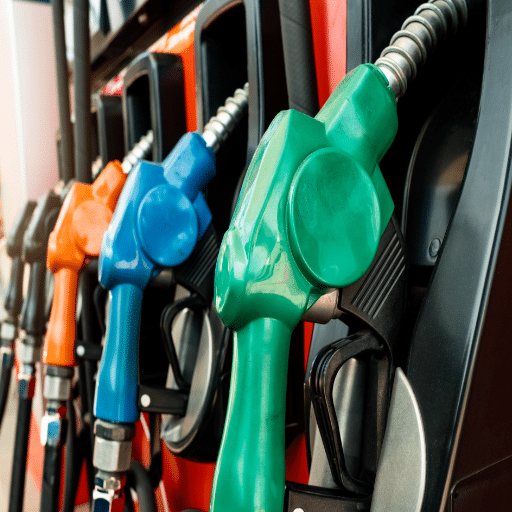
In order to tackle the problem of gas pumps that take a long time, it is better to direct attention towards a few main strategies. First of all, check if the station you have chosen is in good condition, because servicing the machine well usually results in the pump working well. Usually, express lanes are much faster than the regular lanes, so it is wise to get into them where it is possible. In addition, make the tanks full at times when the gas station is not busy to circumvent the crowd and possibly waiting. All these ways will not only cut off some minutes from the pump but also provide an efficient experience.
Tips for a Faster Refueling Experience
- Choose the Right Gas Station
Use maps or apps for navigation to find the fastest stations with the lowest prices. Gas stations situated near highways or city centers usually attract more customers; however, selecting a station a bit further might save you some time. - Make Proper Preparation
It is important to know the fuel type of your vehicle as well as the mode of payment you would like to use, even before getting to the station. Besides, payment apps or contactless payment systems can speed up the transactions, and also make sure that you can easily access your gas cap before entering the station. - Skip the Most Crowded Hours
The most crowded hours for refueling are usually during the morning and the evening when people are commuting to and from work. Refueling late at night or during the midday hours is more often than not associated with shorter lines and quicker servicing. - Take Advantage of Loyalty Programs
A lot of gas stations offer discounts and express lanes to their regular customers. Therefore, signing up for these programs can sometimes mean faster service and lower prices. - Check the Pumps Before Arriving
Before you make a stop, it is advisable to see if there are several pumps open so that you will not experience any delays at all. Come ready to just drive in the moment a pump becomes available to cut down on the time you would otherwise spend idling or waiting in line.
When to Seek Professional Help
I can handle basic car maintenance such as fueling and checking the fluids, but if I see signs like continuous engine trouble, strange sounds, or a major reduction in gas mileage, that’s when I know it’s time to consult a mechanic. In addition, if I find myself with difficulties that are too complicated for me to fix, such as problems with the gasoline system or indicators lit up on the dashboard, I would rather trust the experts to take care of my car’s safety and dependability.
Future of Gas Pump Technology
The gas pump technology future is going to be influenced by the three major factors: automation, connectivity, and sustainability. Customer-oriented automated fueling systems are emerging to make the whole process smooth and easy, with such features as payments without contact and mobile app connectivity getting intertwined. The systems will bear not only less waiting time but also more convenience for the users. Another thing, the Internet of Things (IoT) technology is taking smart pump management to the next level by combining remote monitoring and predictive maintenance. Thus, operational efficiency is ensured, and station owners’ downtime is minimized.
Sustainability is the other factor that drives the change of gas pumps. It is not unusual to see hybrid fueling stations that are capable of powering cars with both traditional fuels and electric charging being set up. Thus, the wind-up in fueling stations is a slow but sure answer to the call for clean energy alternatives. Hydrogen fueling is also improving and becoming a more viable option through the extensive research and development of faster, safer, and more affordable refueling systems for hydrogen vehicles. With all the above, the future of fueling stations will be a combination of efficiency, a smaller environmental footprint, and customer satisfaction.
Reference Sources
“Benefits of slow-speed pumping”
“Effect of gaseous fluids on submersible pump performance”
“Evaluation of dynamic properties of gas pumping units according to the results of experimental research”
Frequently Asked Questions (FAQs)
What are the reasons behind the slowness of the gas pump at my station, and which types of pumps are generally responsible for such a situation?
A lot of reasons exist to support the cause of the slow gas pump, with old hardware, flow-regulating recovery systems, and low pump pressure being the leading causes punctuating the pump’s frequent slowness. The mechanical problems, such as worn pistons, clogged lines, and poor maintenance, can slow down the passage of fuel, while the eco-factors and municipal laws may, as part of compliance, require the pump to literally slow down to fit the safety or vapor recovery policies.
Is it possible that venting issues or vapor recovery might be the cause of the gas pump being so slow when I am filling the tank?
Nonetheless, it is indeed possible. The vapor recovery setup, along with the fuel tank venting systems, captures vapors the moment the fuel enters the vehicle; clogged or misaligned systems will slow the gas flow down, and in some instances, even the pump may stop due to pressure build-up or interruption. A restrictive vent will result getting poor vaporization of the fuel, or a vapor lock could be created inside the tank, causing the fuel to flow slowly into the vehicle.
In what way do vehicle problems, such as the EVAP system, affect the reason for the gas pump being so slow?
The speed of filling the tank with gas is influenced mainly by your vehicle’s fuel system and the EVAP system. In case the vehicle has vent lines that are blocked or damaged, a leak somewhere, or a defective rollover valve, pressure build-up in the tank will not allow the pump to operate normally, and that will be the reason the filling process takes longer than expected. Check the fuel components of your vehicle if you are regularly having slow gas problems at different stations.
Can cold fuel or environmental factors be at the back of the reasons for the slow gas pump so slow during some periods?
Yes, environmental factors can play a significant role in determining the rate of fuel flow. The density of cold fuel is greater, and this could mean it flows slowly, as ambient temperature can also change the vapor pressure, which will require more time for the fuel to settle. Moreover, high altitude or extreme temperatures can be a double-edged sword with vapor recovery and may lead to reduced pump flow as a means to prevent vapor formation.
Could dirty filters or older pumps justify why the gas pump is so slow compared to modern pumps?
Definitely. Dirty filters in a station’s filtration system or older pumps having low pump pressure are two major mechanical problems that hinder the flow. Older pumps may have parts that are worn out, thus resulting in a decrease in fuel flow; carrying out maintenance on the station’s system and replacing clogged filters can help in delivering faster, accurate fuel.
If I’m having slow gas at one station, is going to another gas station a good remedy, and do pumps differ often?
Switching gas stations can be effective as the pumps at different stations vary in age, maintenance, and calibration. A different station or full service vs. self-serve can let you know if the problem is at the station or with your car. The differences from station to station in recovery systems, pump pressure, and system maintenance will determine how fast the fuel gets dispensed.
Could vapor lock, pressure build-up, or a leak somewhere be among the reasons why the gas pump is so slow when I try to fill?
That is true; vapor lock or pressure build-up inside the tank, a malfunctioning vent, or a leak in the vehicle’s fuel tank venting system can halt a fuel delivery very effectively, and with that comes slowness. These problems will not only delay the fuel flow into the tank, but they could also trigger the pump to eventually slow down or stop until equilibrium is restored.
What could station operators and drivers do to help diagnose slow gas? What would be the procedure for diagnosing slow gas?
The station operators should inspect the pumps for any mechanical issues, check the filters, make sure that the recovery systems are working properly, confirm that the pump pressure is accurate, and perform preventive system maintenance. The drivers should consider using a different pump or station, check their vehicle’s fuel venting system, and keep an eye on the patterns (only at certain pumps or always). If many factors point to the station, report the issue so the station can eliminate the possibility of leaks or malfunctioning pumps. If the problem is found to follow your vehicle, have a mechanic check the EVAP and venting parts.