Understanding Diesel Fuel Dispensing Systems
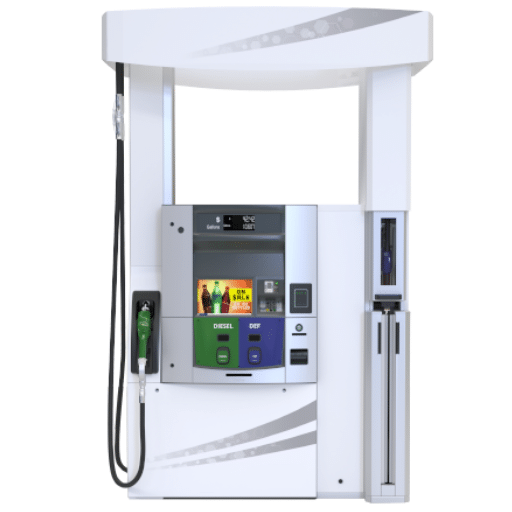
Diesel fuel dispensing systems are made to measure, transfer, and deliver fuel to cars or machines with high precision. Among them are the main elements, like pumps, flow meters, hoses, and nozzles, which enable efficient and accurate dispensing of fuel by functioning together properly. These systems play an important role in fuel conservation, safety measures, and the protection of the environment through compliance with regulations. Today’s systems are sometimes fitted with automated controls and monitoring features for better operational efficiency and user experience.
What is a Diesel Fuel Dispensing Machine?
A diesel fuel dispensing machine is a dedicated apparatus that transfers diesel fuel from a storage tank to vehicles, machinery, or equipment efficiently and safely. These machines generally include parts such as a pump to push the fuel, a flow meter to account for and adjust the amount discharged, high-grade hoses to carry the fuel without any risk, and nozzles to manage the fuel flow. Cutting-edge machines very often have characteristics like digital screens, automatic shut-off devices, and fuel management systems as a way of making certain that they are accurate, saving on fuel, and having better operational monitoring. They are found in multiple sectors like transportation, agriculture, construction, and logistics, and are built to meet tough safety and environmental rules, thus preventing any possible situations like leaks, spills, or contamination during the process of fuel transfer.
Components of a Diesel Dispensing System
A diesel dispensing system consists of a number of main parts that work in cooperation to guarantee smooth, safe, and accurate fuel transfer. The main parts are listed below:
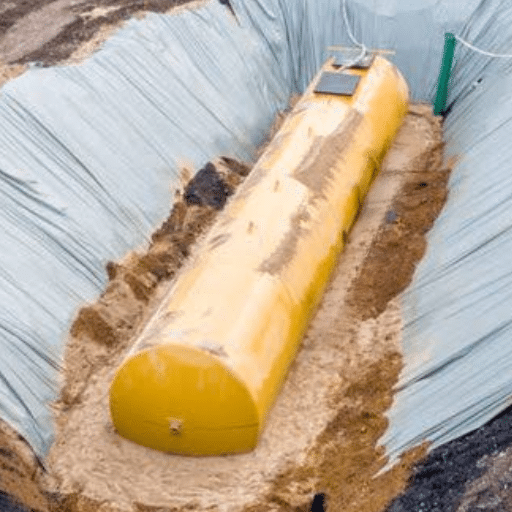
- Fuel Storage Tank – It is the main source of diesel and comes in different sizes and shapes, for example, above-ground or underground, so as to fulfill the requirements of certain applications.
- Pump Unit – It is in charge of transferring fuel from the storage tank to the vehicle or equipment and is available in three types: manual, electric, and pneumatic, with the latter being the most common in industrial and commercial settings.
- Flow Meter – A very precise device that gauges the amount of diesel that has been used, thus allowing proper monitoring and accountability of fuel usage.
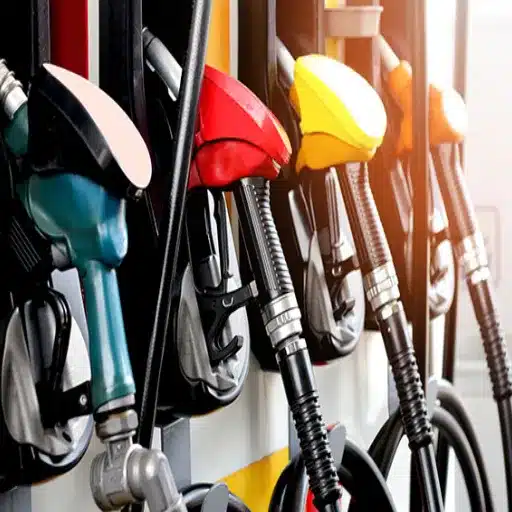
- Hose and Nozzle Assembly – Tough and diesel-compound-compliant hoses are used for dispensing, while nozzles control the flow into the receiving tank. Usually, automatic shut-off nozzles are employed to avert overfilling.
- Filters – To make sure that no harmful substances are present in the system and, thus, saving the equipment from damage, dirt, water, and debris are among the contaminants that are usually removed.
- Control System – Highly automated systems have electronic displays for fuel consumption monitoring, settings of flow rates, and connection to automated systems for data filing and operation analyses.
- Safety and Auxiliary Components – These comprise pressure relief valves, overfill prevention devices, and grounding cables that, when combined, will facilitate the safe handling of fuel and adherence to the regulations.
A diesel dispensing system’s configuration can be individualized in line with the specific application, surroundings, and industry requirements, giving priority to safety, efficiency, and compliance with the law.
Types of Diesel Dispensers
Diesel dispensers, depending on their installation, application, and operating characteristics, can be classified into different categories. The main types are mentioned below:
Fixed Diesel Dispensers
They are fixed at the places of their installation, such as the fueling stations, fleet terminals, or industrial sites. Being designed for high-volume operations, these dispensers often come along with sophisticated metering systems, integrated control panels, and automation compatibility with fleet management solutions. Dispensers of this type are generally in use in places with an unbroken demand for fuel on a large scale.
Mobile Diesel Dispensers
Mobile dispensers can be mounted on trucks or trailers and transported easily, and then directly dispensed at the location where the fuel is needed, for example, construction sites, remote industrial zones, or agricultural lands. This type of dispenser usually consists of lightweight tanks, compact meters, and hose reels that enable efficient fuel transfer even in the most difficult-to-reach areas.
High-Speed Diesel Dispensers
Dispensers for high-speed diesel are especially made for fast fueling and thus can handle considerable flow rates. In fact, they are generally used for heavy-duty vehicles, ships, or large machines where minimizing downtime is a priority. These dispensers are made with strong materials to cope with the pressure in the pipe during large-volume transfers.
The different types of diesel dispensers are each specialized for particular operating conditions, thus providing a range of options for industries such as those involved in transportation, farming, building, and warehousing. The most suitable one should be chosen based on parameters like fuel quantity, place of installation, and weather conditions.
Key Features of Fuel Dispensing Equipment
Accuracy in Measurement
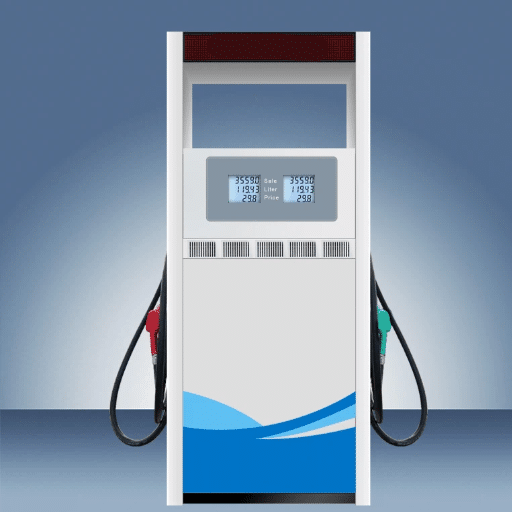
Fuel dispensing machines are equipped with state-of-the-art metering systems that guarantee exact fuel dispensing, and discrepancies during the transaction are reduced to a minimum.
Durable Construction
Only the best materials are utilized to create robust machines that endure harsh environments and constant use, thus assuring long-lasting performance.
Flow Control Mechanisms
Utilizes sophisticated nozzles and pumps for controlling the flow of fuel, which not only avoids spilling but also secures a safe working atmosphere.
Compatibility
It is capable of dealing with the full spectrum of fuel types from diesel and gasoline to biodiesel, thus catering to various operational needs.
Safety Features
Has the highest level of operational safety and the least liability of industry standards due to the presence of automatic shut-off systems and anti-backflow designs.
Ease of Maintenance
Custom-built layouts allow for fast maintenance, which in turn cuts down on the time required for servicing and maximizes the efficiency of the plant.
Automation and Monitoring
Numerous models come with digital monitors and the ability to connect for tracking fuel usage and operational data.
High Flow vs. Standard Pumps
One essential distinction that sets high flow pumps apart from standard pumps is their flow rate and suitability for application. High flow pumps, also known as super pumps, can shift fluids above 50 gallons per minute (GPM) and sometimes even more, thereby reducing the time needed for the process greatly. These pumps are best used in large industrial applications, for the transfer of heavy-duty machines, or in the case of quickly supplying fluids, like with fuelling fleets or tanks of high capacity. Contrary to this, standard pumps are used at lower flow rates ranging between 5 and 50 GPM, depending on the model. Thus, they are more suited for smaller-scale operations like individual vehicle refuelling or light-duty applications.
| Feature | High Flow Pumps | Standard Pumps |
|---|---|---|
| Flow Rate | Above 50 GPM and higher | 5-50 GPM |
| Best Use | Large industrial applications, heavy-duty machines, fleet fueling | Individual vehicle refueling, light-duty applications |
| Construction | Tough and durable components for increased pressure and volume | More basic design focused on efficiency and reliability |
| Features | Automatic shut-off, corrosion-resistant materials, digital flow meters | Basic features, lower operating costs, less maintenance |
| Maintenance | Requires regular maintenance due to heavy use | Minimal maintenance required |
High flow pumps most of the time consist of tough and durable parts to cope with the increased pressure and volume, thereby guaranteeing constant performance even with excessive use. As a standard, they might possess automatic shut-off systems, making use of plastic that resists corrosion, and digital flow meters for precise monitoring, which are all very advanced. Whereas standard pumps are more basic, they still keep the customer’s focus on their major advantages, which are high efficiency and low operating cost, with less maintenance being required.
If you are choosing between high-flow and standard pumps, you need to take into account factors like required transfer rate, type of fluid being handled, and specific operational demands to make sure there is compatibility and optimal performance. The pump type must be aligned with the volume and frequency of use in order to achieve the maximum advantage in terms of efficiency, and also ensure the process of operations is smooth.
Importance of Fuel Filters and Nozzles
Fuel filters and nozzles have a very important function in keeping fuel systems long-lasting and efficient in various applications. Fuel filters are specifically made to eliminate unwanted particles like dirt, rust, and debris from the fuel before it enters the engine. Filters then prevent clogging, lessen wear on internal parts, and keep fuel economy high by allowing only clean fuel to enter the system. The continuous maintenance and timely change of filters are very important to avoid harm to the engine or inefficiencies in operation due to a lack of fuel flow that has been compromised.
In the same way, fuel nozzles are key to the very accurate delivery of fuel. Nozzles are designed to determine the flow rate, and at the same time, fuel is being atomized, thus ensuring burning is very consistent and efficient. Good quality nozzles are such that they do not allow fuel to be wasted, while at the same time they make the engine perform optimally. A nozzle that works improperly might distribute fuel unevenly, decrease efficiency, and raise emissions. Hence, it is very important to choose the right fuel filters and nozzles and stick to the maintenance schedule in order to keep the system reliability and operational performance for a long time.
Electric and Manual Pump Options
Electric and manual pumps provide unique benefits, depending on the operational necessities and application particulars. Electric pumps are highly efficient and built for automation, offering a constant flow rate along with the elimination of manual labor and the capacity for large or continuous operations. They usually have sophisticated control systems allowing accurate settings, thus being perfect for industrial and high-demand environments. However, they may need a reliable power supply and regular maintenance of the electrical parts.
In contrast, manual pumps are much simpler in their design and operation. They are sometimes used in places where electricity is not available or where portability is the main concern. They are tough, cheap, and easy to repair; hence, they are suitable for small-scale or occasional tasks. Manual pumps are especially appreciated for their reliability in remote or rough places where simplicity in operation helps to prevent technical failures.
In the end, the decision between the electric and manual pump choices is made considering the scale of the operation, the need for automation, power availability, and budget limitations. By considering these factors, one can be sure to choose the right solution that is specifically designed for the operational needs.
Choosing the Right Diesel Fuel Transfer System
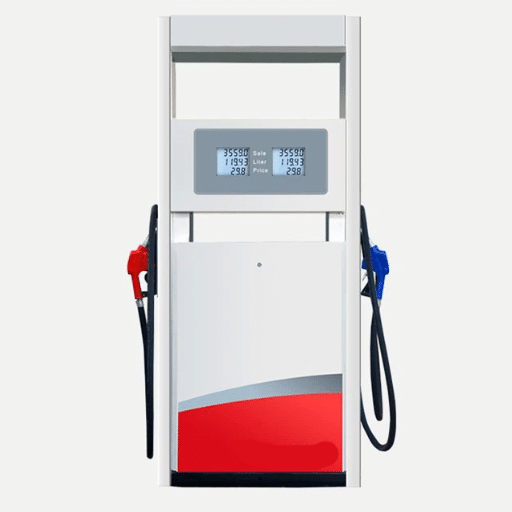
In a diesel fuel transfer system selection, put efficiency, reliability, and compatibility with your operation at the top. To begin with, take the necessary flow rate and assess it so the system can meet the demands of your fuel transfer process. After that, consider the available power; electric pumps are convenient in places with steady power, while manual or battery-operated systems are ideal for remote areas. Durability is of prime importance; go for systems that are made of high-quality materials so that they can resist frequent use and tough environments. Last but not least, check the system’s adherence to the industry safety regulations so that risks during operation are reduced to a minimum.
Portable Diesel Transfer Pump Kits
Portable diesel transfer pump kits are great tools for helping you refuel your equipment in a very convenient and efficient way, no matter where you are. However, there are several important considerations when choosing a kit:
Flow rate and pump capacity
Check the pump flow rate, usually measured in gallons per minute (GPM), and make sure it complies with your refueling requirements. The higher flow rates will be the best choice for the large tanks; on the other hand, lower flow rates are more suitable for small operations to avoid overflow.
Power source compatibility
The modern kits are of different power sources, i.e., AC-powered pumps for industrial applications, DC-powered pumps for vehicle-mounted operations, and manual pumps for remote areas without electricity. Just make sure that the pump is compatible with your working environment.
Durability and build quality
Select pumps made from tough materials such as steel or aluminum that can withstand corrosion and wear from diesel fuel. Additionally, consider the kits that come with sealed motors and reinforced hoses to provide extra durability under extreme conditions.
Portability and ease of use
Portable and easy to use are terms that best describe compact, lightweight designs with comfortable handles. Quick-connect couplings and pre-assembled parts are also ways through which you can deploy the pumps with little or no hassle.
Safety features and compliance
Before using the kit, check if it meets the industry safety regulations like ATEX or UL certifications, which should lessen the risks of fire and provide safe handling of the fuel. Automatic shut-off nozzles and anti-static grounding are some of the built-in features that are intended to improve safety during operations.
Through the evaluation of these vital points and choosing a pump kit that fits your particular needs, you will be able to perform fuel transfers in an efficient manner while also ensuring the safety and reliability of the process.
Considerations for Diesel Fuel Flow Rates
The analysis of diesel fuel flow rates is essential for the purpose of good efficiency and safety of operations. The flow rate selection must be according to the equipment needs, the standards of the industry, and the operational requirements. The flow rate range for diesel pumps is usually from 10 gallons per minute (GPM) for smaller applications to over 100 GPM for large refueling systems. The use of high flow rates during fuel transferring results in less time being spent in that process, but it may also lead to tank turbulence, which could block air or give rise to foam, and this can affect the precision of fuel measurement.
There are a few factors that would be essential, such as the size of the pump in relation to the tank and the type of vehicles or machines being refueled. An example could be given to large commercial fleets or heavy-duty equipment, which may require high flow rates in order to comply with operational timelines, while small systems operate under regulated, moderate flow rates, which eliminate chances of spills or overfills. Moreover, it is important to note how the viscosity of diesel fuel is affected by extreme temperatures, since this might cause flow performance issues and thereby necessitate the use of pumps with variable flow control.
Making the right evaluation of your operation’s needs and selecting a pump system with a suitable flow rate, you will reap the benefits of efficient fuel transfer, reduced equipment wear, and staying within the industry’s best practices.
Evaluating Price and Budget for Equipment
It is very important to consider the total cost of ownership when determining the budget for fuel equipment, and not only the initial expenses. Start with the comparison of the pump systems’ initial prices, considering their features like flow rate, durability, and compatibility with your specific use case. The energy consumption, maintenance, and service intervals make up the operational costs, and these are the factors that can greatly influence the long-term expenses.
Moreover, the pricing structures of different manufacturers and suppliers should be evaluated, and factors such as warranties, availability of replacement parts, and customer support should be taken into account. Reading reviews and listening to the industry could provide helpful information about the reliability and the lifespan of the equipment, thus helping in making cost-effective decisions. It’s possible to maximize your budget while at the same time making sure that the equipment meets your technical and performance requirements by striking a balance between quality and price, as well as considering operational costs.
Installation and Maintenance of Fuel Dispensing Machines

The proper setting up of the fuel dispensing machines is crucial for the safety of the place, the working of the machines, and the meeting of the regulations set by the authorities. The entire process of installation starts with the choice of the right location where stable ground is provided, then the fuel machine is connected to the storage tanks in accordance with the manufacturer’s instructions and local laws. Almost all these connections, electrical and pump ones, are to be examined and assured to be well done and tested before the start of the operation.
Regular inspection is to be the main activity in the maintenance of the machine by checking for leaks, checking the condition of hoses and nozzles, and checking the accuracy of the fuel dispensed. Filters are to be changed according to the period specified, and the calibration is to be done as per the recommendation to keep the efficiency and reliability in place. A preventive maintenance plan, together with the use of certified technicians, will not only avert but also prolong the time between the repairs and the equipment issues.
Turnkey Solutions for Diesel Dispensing Stations
Turnkey solutions for diesel dispensing stations offer great convenience in the installation and operation of the pumping system by presenting complete, pre-designed systems customized to meet the specific needs of the fuel dispensing. Storage tanks, fuel pumps, dispensing units, pipework, and safety components are usually included in these systems and are all integrated into one setup. The main benefit of turnkey solutions is their efficiency and simplicity, as they shorten the project lead time and do away with the necessity of having many contractors or dealing with complicated integrations. The top suppliers are also those who make sure that every aspect of the solution complies with the set industry standards (environmental and safety regulations included), and they even give the customers the option of customizing the solution to suit their operational workflows. What is more, the provider’s support services, such as installation, calibration, and constant maintenance, usually come along with the turnkey solution, thus guaranteeing a fully managed service aimed at optimizing the fuel station’s performance and reliability. For industries, it is the least cost option to invest in these kinds of systems that promise no or minimal downtime, higher accuracy in fuel management, and finally, savings from a well-designed and maintained system.
Regular Maintenance Practices for Longevity
Regular maintenance is a must for fuel station equipment to be efficient, safe, and have a long life. The main practices include routine inspections to find out the signs of wear, leaks, or any potential failures in the system at an early stage. Equipment, including pumps, hoses, and storage tanks, should undergo routine checks for corrosion, blockages, or technical errors. The practice of cleaning and calibrating fuel dispensers regularly is very important for precision in fuel measurement and to avoid the contamination of fuel.
The oiling of moving parts and changing of worn-out parts at the right time keep the machinery running smoothly. Another thing is to keep an eye on the fuel quality by checking for water, sediments, or microbial growth in the storage tanks. The automated systems should have the latest software and firmware to close off the potential threats and keep the measurements accurate. Lastly, good maintenance documents also play a role in tracking the service intervals and allowing the use of predictive maintenance strategies, thus cutting down on the downtime and at the same time increasing the lifespan of the equipment.
Common Issues and Troubleshooting Tips
Fuel Contamination
Issue: Contamination of the fuel tanks with water, dirt, or microbes can lead to inefficient operation or even breakdown of the system.
Troubleshooting: Use standard testing kits to test the fuel regularly for contamination. Install fuel polishing systems or apply biocides to keep the microbes under control. Set up regular tank cleaning and use good sealing practices to reduce the chances of moisture getting into the tanks.
Sensor Calibration Errors
Issue: The automated systems could show different readings at different times because of the sensors’ drift or faults.
Troubleshooting: Carry out regular scheduled sensor calibrations with certified reference standards. Don’t delay in replacing or recalibrating the faulty sensors. Make sure that the environmental conditions, like temperature or humidity, do not go beyond the operating range of the sensor.
Mechanical Wear and Tear
Issue: Worn-out parts of pumps or valves, for instance, lead to inefficient operations or breakdowns.
Troubleshooting: Do visual inspections and vibration analysis to find abnormal wear and tear. Change seals, bearings, and other wear-prone components during regular maintenance intervals, as they will be more likely to fail if not replaced. Use predictive maintenance to catch equipment failure before it happens.
Software Malfunctions
Issue: Software that is either out of date or incorrectly set up can cause inconsistent automation and sometimes even failure of data logging.
Troubleshooting: Keep software and firmware updated following the manufacturer’s recommendations. Back up the system configurations and conduct regular tests to make sure that the automation processes are working as they should.
Power Supply Instabilities
Issue: A power supply that is fluctuating or an outage that is not expected can cause operations to be disrupted or equipment to be damaged.
Troubleshooting: Use uninterruptible power supply (UPS) systems and surge protectors to even out the electricity flow. Measure the power quality and have a secondary power source as a fail-safe.
Organizations will be able to ensure they have maximized the performance and longevity of their equipment by tackling these common issues beforehand and being committed to following troubleshooting protocols strictly.
Future Trends in Diesel Dispensing Technology
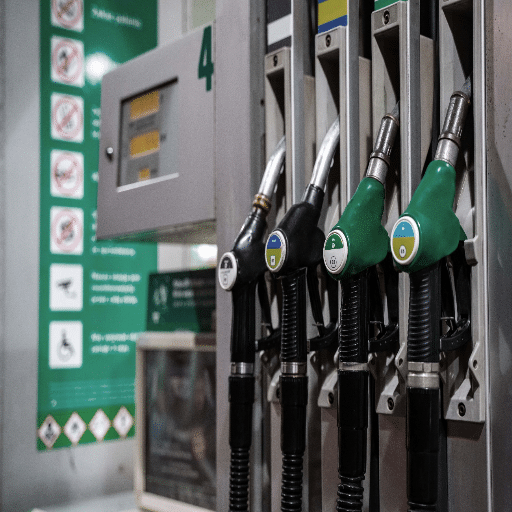
Diesel dispensing technology is moving into a future where the focus is on efficiency, automation, and sustainability. In this context, advanced digital systems are being developed to measure fuel with great accuracy and to eliminate any possibility of waste. Integration of the Internet of Things (IoT) has made it possible to have automation that is also real-time monitoring, predictive maintenance, and uninterrupted operation. Moreover, the installation of dispensers that are compatible with biodiesel is indicative of the environmental considerations that are becoming more and more important, which is in line with the efforts to cut down on carbon emissions. These changes are aimed at making the delivery of fuel more efficient while still being in tune with the energy sector’s changing demands.
Advancements in Fuel Management Systems
Over the past years, fuel management systems have undergone tremendous progress and have, thus, become part of high technology that regulates, monitors, and keeps track of the environment with easy-to-use compliance. Current systems mainly rely on automated technologies like RFID (Radio Frequency Identification) and cloud-based applications to perform real-time fuel monitoring across all stations, limit losses, and make data easier to analyze. Telematics will provide the highly accurate engine monitoring that finally paves the way for fleet managers to alter their usage patterns, identify, and rectify inefficiencies quickly. Moreover, AI and machine learning-enabled advanced analytics will be the source of the predictive insights that eventually lead to proactive maintenance and better operational decision-making. Environmental standards are very much in focus for these systems; they even have the capacity to handle the most eco-friendly fuels like biodiesel, which is a precursor to reducing the overall carbon footprint. To conclude, all these innovations are targeted at not just supporting but also making the energy management process simpler, and finally delivering sustainability and cost effectiveness.
The Role of Automation in Fuel Dispensing
The use of automation in the process of dispensing fuel has a major impact by making the operations smoother, increasing the obvious correctness of the figures, and lowering the number of human mistakes. In my opinion, the machines that do the work themselves can measure very accurately, keep track of the stock levels in the store through monitoring of real-time monitoring, and give the management all the necessary data in the form of analytics that would be great for making decisions. The above-mentioned developments are not only making the process faster but also still affecting the end-users in a way that they save on costs and become more eco-friendly, thus indicating the ever-growing role of technology in energy management.
Environmental Considerations in Diesel Fuel Transfer
The environmental impact of diesel fuel transfer operations can be considerable, if not managed accordingly, prompting the need for stringent compliance with regulations and the use of best practices. Spill prevention is one of the most important issues, for even a minor leak can cause soil and water table pollution. Leveraging double-walled tanks for fuel transfer, along with spill containment systems, goes a long way in minimizing these hazards. Emission of volatile organic compounds (VOCs) during fuel handling is also significantly reduced by the use of vapor recovery systems.
In addition, monitoring and maintaining equipment are very instrumental in the reduction of oil leaks, and, in turn, the overall environmental footprint is less. Regular inspections, sensor technology, and automated shut-off mechanisms not only establish safety but also ensure compliance with the environmental standards set by the EPA (Environmental Protection Agency). Moreover, the practice of disposing of or recycling unused diesel and contaminated materials properly helps to avoid environmental degradation that is purely unnecessary. The implementation of these practices guarantees that the diesel transfer systems will not only conform to the regulatory requirements but will also be a part of sustainable energy management.
Reference Sources
PCC Facilities Management – Fuel Dispensing Procedures
This document outlines detailed procedures for fuel dispensing, including safety and operational guidelines.
USDA – Dispensers and Fueling Equipment Reference Guide
A comprehensive guide from the U.S. Department of Agriculture covering various types of fuel dispensers, including diesel.
Tennessee Department of Environment and Conservation – Diesel Storage and Dispensing Systems
This guide provides practical tips for maintaining diesel storage and dispensing systems, focusing on minimizing contamination and ensuring system cleanliness.
Frequently Asked Questions (FAQs)
How does a Pius fuel dispenser function for diesel refueling and pumps?
A piusi fuel dispenser for diesel is built to provide controlled diesel filling through precision meters and pumps. It mostly combines either a vane pump or a rotary vane with a meter and an automatic nozzle to ensure the exact dispensing into the vehicle tanks. These fuel pumps can either be manual or can be part of a full self-service package linked with fuel management software for monitoring fleet utilities.
Is it feasible to use an electric diesel pump or a 12V DC unit for the refueling of remote tanks?
Yes, electric 12V DC and AC diesel pumps are available and are widely used to refill remote tanks and machinery. The portable fuel pump options and DC-powered units facilitate diesel filling, making the installation easy and also suitable for off-grid sites, thus providing a cost-effective solution for contractors and fleet operators.
What are the advantages of using an automatic nozzle and a fuel dispenser along with them in the case of fleet fuel management?
Automatic nozzles prevent overflow and reduce the chance of spilling fuel during refueling, thus enhancing safety and compliance. If a fuel dispenser and fuel management software are incorporated, the fleet fuel consumption monitoring is done in real time, which results in efficient tracking of transactions, planning of ranges, and cost allocation among multiple vehicles.
Is a piusi self-service or rotary meter system appropriate for commercial gas and diesel sites?
Piusi self-service systems, usually comprising rotary or vane meters, are best for commercial gas and diesel sites. They assure secure access control, precise metering for billing, and sturdy steel construction for high-traffic areas. These systems allow the sites to provide unattended refueling while still being accountable.
How do meter accuracy and rotary vs vane pump designs impact diesel filling performance?
Meter accuracy plays a vital role in precise diesel filling; quality meters significantly reduce discrepancies in the volumes dispensed. Both rotary and vane pumps are steady-flow providers, but the latter are sometimes favored due to their suction power and less pulsatile flow. Hiring the right pump and meter combo ensures that there will always be high performance, even with various flow ranges.
Can a small site easily mount a portable fuel pump or a steel-mounted dispenser?
Many models of portable fuel pumps and compact steel-mounted fuel dispensers are easy to install and can be installed requiring little or no civil works at all. Kits and packages usually contain hoses, nozzles, and mounting hardware, making it possible for an engineer to finish installation quickly. For remote or temporary sites, portable options present a convenient and inexpensive solution.
What are the safety and maintenance aspects of a 12V diesel fuel dispenser that comes with a hose and an automatic nozzle?
Safety measures include grounding, examining hoses and automatic nozzles for wear and tear regularly, and precision routine calibration of the meter. For the 12V systems, take care of securing and moisture-proofing the battery and DC connections. Periodic maintenance by a certified technician prolongs the lifespan and precision of dispensing.
How is fuel management software combined with fuel pumps, meters, and dispenser range?
Fuel management software works hand in hand with the meters and pumps for the purpose of recording every transaction, controlling access, and generating reports on consumption, range, and cost per asset. The integration can either be wired or wireless, and the systems often have support for multiple dispensers at each site, which leads to centralized fleet fuel control and reconciliation.
Are there any budget-friendly packages that consist of a fuel dispenser, hose, meter, and automatic nozzle for diesel fleet refills?
Sure, manufacturers and dealers have bundled packs that comprise a fuel dispenser with a meter, hose, automatic nozzle, and mounting hardware at an economical price. These packages can be customized according to the fleet fuel specifications and usually present alternatives like piusi self-service modules or portable fuel pump variants to cater to the different operational requirements.