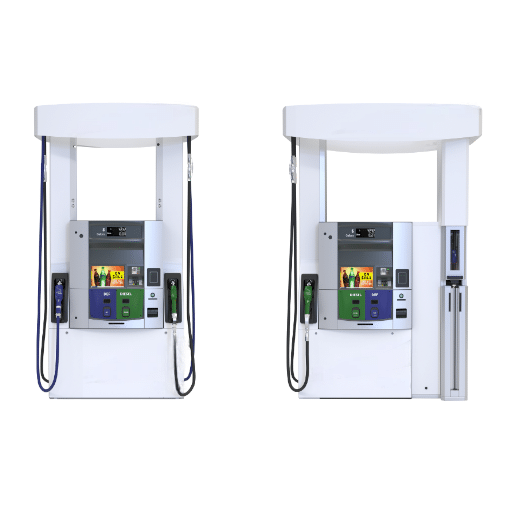
Technology has been evolving, and one of the most affected areas was consumer-business interaction; the fuel sector was no exception. The transformation is mainly due to the gas station payment terminals, which are sleek, modern systems that are meant to ease the fueling process and, at the same time, enhance the quality of consumer experience by making it more secure and efficient. These high-tech payment terminals are not only for paying and getting paid, but they also come to be known as the customer’s interaction centers, being able to offer such features as contacting without touching the machine, integrating with loyalty programs, and communicating instantly. The present article will provide how the payment terminals at gas stations are transforming the drivers’ experience, the technical innovations that cause their acceptance, and the advantages they bring to the parties involved—consumers as well as business operators. Get ready to find out how these appliances are creating a new era in fuel payment solutions and letting the modern gas station be seen in a different light.
Understanding Gas Station Payment Terminals
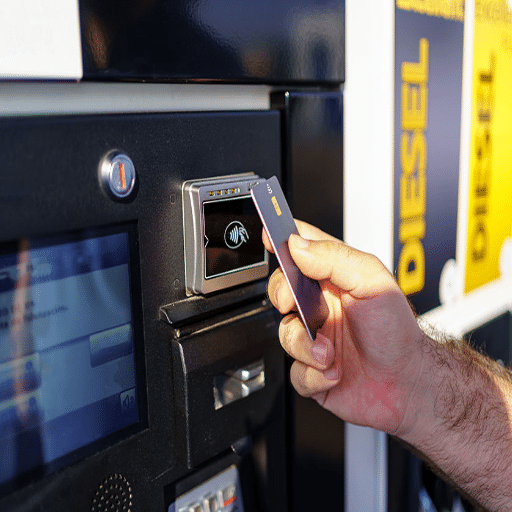
Payment terminals at gas stations are electronic systems that allow customers to conveniently pay for fuel and other services either at the pump or in the store. These terminals are equipped with secure payment technologies like EMV chip readers and NFC, which are contactless, making the credit and debit card transactions fast and secure. They are designed for user-friendliness and usually provide some extra functions like touchscreen control, printing of receipts, and being linked to loyalty schemes. The terminals have made the payment process faster, and as a result, not only have the customers’ experiences been upgraded, but also the gas station managers’ operational efficiency has been improved.
What is a Payment Terminal?
A payment terminal, also called a point of sale terminal, is a physical device that makes it possible to securely get and handle payments by card electronically at different selling locations. It gives merchants the capability to handle the different card payments: credit and debit, visualize the cardholder, and finalize the sale with different means like EMV chips, magnetic stripe readers, and contactless NFC payments. Employees at the point of sale might even take advantage of new features like entering a PIN, capturing a signature, and being able to process payments from wallets via smartphones. These devices have become indispensable in providing every industry with secure, reliable, and fast payment processing anytime and anywhere.
Types of Payment Methods Supported
Payment terminals encompass a large variety of payment methods so as to meet the different consumers’ wants and also guarantee smooth transactions. These methods include:
Credit and Debit Card Payments
Almost all payment terminals can handle the processing of card payments, including credit and debit cards, by using EMV chips for secure authentication, reading magnetic strips for the traditional swipe-based transactions, and also the verification of PINs or signatures for extra security.
Contactless Payments
Payment systems that don’t require physical contact, such as the ones that employ the NFC (Near Field Communication) technology, allow customers to just tap their cards or smartphones on the terminal. Payments made with contactless-enabled cards and mobile wallets like Apple Pay, Google Pay, and Samsung Pay fall under this category.
Mobile and Digital Wallets
Payment terminals quite often have integration with the digital wallet platforms, thus making it possible for consumers to pay directly through their smartphones, wearables, or other NFC-enabled devices. Though digital wallets are more convenient, they also come with added security as they use tokenization of sensitive card information.
QR Code and App-Based Payments
Certain new-age payment terminals make it possible to conduct payments by scanning QR codes or through interaction with mobile apps. This payment method is quite common in places where app-based payment systems like Alipay or PayPal are dominant.
Alternative and International Methods
Highly sophisticated payment terminals may also accept unconventional payment methods like prepaid cards, gift cards, and cryptocurrency. Moreover, they tend to support the international payment standards, thus making them an ideal solution for cross-border transactions.
This whole variety of payment modes gives businesses the opportunity to not only satisfy their customers but also maximize their sales chances while sticking to the latest industry security standards.
The Role of POS Systems in Gas Stations
In contemporary gas stations, Point of Sale (POS) systems are the backbone of the whole operation. Their role is not limited to the processing of fuel sales only, but they are, in fact, sophisticated management hubs that comprise the common functions of a gas station. Through POS systems, sales operations are integrated smoothly, including fuel payments, in-store purchases, and the provision of other services like car washes, all done using one interface. They are customer-friendly regarding payment methods as they can process everyone’s preferred way, be it the old-fashioned card payment, the latest contactless method, or the new mobile wallet.
Modern gas station POS systems not only take care of sales but also provide a full package of stock control, automatically monitoring the quantity of stock, notifying, and suggesting the time for replenishment. They are further capable of recognizing the product selling patterns and thus, consumer preferences, and also provide the knowledge on when to upscale or downsize certain products. Besides, they have the potential to run integrated loyalty programs and all kinds of marketing promotions, thereby increasing customer loyalty and getting more customers in return.
Security is yet another important characteristic of these systems. The systems adhere to stringent industry criteria, such as PCI DSS, thereby guaranteeing the confidentiality of customer transactions. POS systems are also capable of collaborating with fuel pump controllers to provide live data and accurate reports of the amounts of gasoline being sold and used. Which, consequently, helps gas stations to cut down their expenses and eliminate the wastage of their resources and time. In short, the adoption of POS systems in gas stations has made their operations more efficient, error-free, and better-managed as they become more reliant on data-backed decisions.
Benefits of Modern POS Systems for Gas Stations

Gas station operations have been significantly changed by modern POS systems that come with various advantages that are great for both the convenience and the profitability of the station:
- Better Transaction Speed: Make it possible to process customer payments that are quicker and accurately, causing the reduction of wait times and the enhancement of customer satisfaction.
- Management of Inventory: Make real-time monitoring of the levels of stock possible, thus making sure the refueling and retail items are done in an efficient manner.
- Monitoring and Reporting of Sales: Supply the sales data that is detailed, thus making revenue analysis easier and facilitating the making of decisions based on data.
- Compliance with Security Standards: Make sure that standards such as PCI DSS are followed, thus keeping the information of customer payments that are sensitive protected.
- Possibility of Integration: Easily link up with the fuel pump systems for better control, monitoring, and operational synchronization.
These advantages, when taken together, make daily operation more efficient, reduce mistakes, and provide gas station owners with a competitive advantage.
Secure Payment Solutions
For gas station operations, secure payment solutions are key not only to protecting customer data but also to improving transactional efficiency. The adoption of such systems comes with the use of advanced encryption technologies like end-to-end encryption (E2EE) and tokenization to keep unauthorized personnel away from sensitive payment data. Moreover, adherence to security standards, such as PCI DSS, is a must since such practices ensure the proper handling of cardholder data, minimizing the risk of data breaches among others.
That being said, modern payment systems no longer support EMV chip card technology; instead, they provide an option for safe transactions, which means no fake cards can be used, hence ruling out the amount of fraud. Further to this, cashless payment methods, including the use of mobile wallets such as Apple Pay and Google Pay, which are the current BitPay payment options, are easily incorporated into the new system, acknowledging the changing tastes of customers. In addition, fraud detection algorithms are commonly built into these systems, which are responsible for monitoring transactions for suspicious activity and preventing fraud. Gas stations that have established strong, secure payment infrastructure not only keep their customers’ financial information safe but also gain their trust and make their checkout process efficient.
Integration with Fuel Payment Solutions
The merging of the payment systems with the fuel payment solutions has completely changed the refueling experience, giving great convenience and efficiency to both customers and gas station owners. The new fuel payment platforms offer contactless payment options, mobile app integration, and automatic loyalty programs, which enable customers to pay without entering the store at the pump. These solutions utilize cutting-edge technologies like RFID, IoT, and AI for enabling features such as pay-at-the-pump, fund preauthorization, and real-time monitoring of transactions.
The top implementations also place a lot of emphasis on interoperability, which guarantees the compatibility of different third-party platforms, including fleet management systems and fuel card networks. This integration decreases the complexity of operations while providing the operators with detailed reporting and analytics for performance optimization. Moreover, secure APIs and encrypted connections are used to safeguard the customer data and to meet the requirements of standards like PCI DSS. Gas stations that have implemented these innovative systems can increase their operational efficiency, cut down wait times, and provide customers with an excellent, secure experience.
Streamlining the Payment Process
The gas stations’ payment flow convenience for the customers comes with the utilization of recent payment techniques, inter alia, the contactless payments, the mobile wallets, and EMV-compliant card readers, which shorten the transaction time and at the same time make it safer. Furthermore, the installation of well-equipped point-of-sale (POS) systems with multi-network capabilities can accommodate different payment options—for instance, credit cards, mobile apps, and fleet cards—thus providing the flexibility that meets the various customer preferences. Besides, using real-time payment processing and automated reconciliation tools eliminates human error and enhances operational efficiency. Furthermore, advanced software solutions grant real-time data synchronization, and thus the gas stations are able to keep an eye on the sales, manage the inventory, and understand customer behavior even more efficiently. The operators of gas stations, by making use of these technologies, can do a lot in terms of speeding up transactions, cutting down on inefficiencies, and complying with industry standards.
Common Payment Solutions in Gas Stations
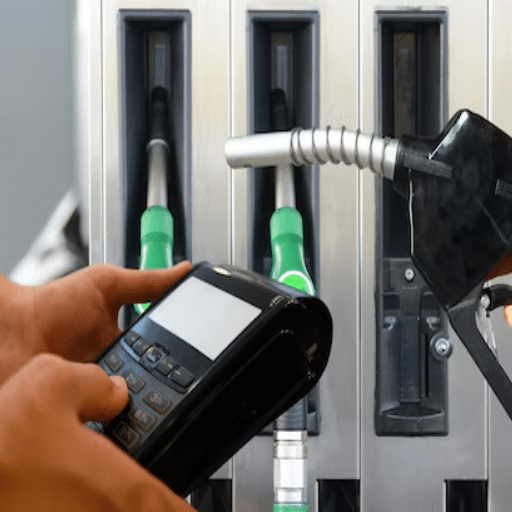
| Payment Method | Description | Key Features |
|---|---|---|
| Card Payments | Credit and debit cards are the most common ways to pay at the gas stations | Secure POS terminals with contactless payment options |
| Mobile Payment Apps | Digital wallets for smartphone-based payments | Apple Pay, Google Pay, and fuel station apps for easy and secure payments |
| Prepaid Fuel Cards | Prepaid or fleet fuel cards given out by stations | Popular among businesses for managing and monitoring fuel expenses |
| Cash Payments | The traditional payment method is still accepted | Available for customers who prefer this method despite cashless trends |
| Subscription or RFID Systems | Advanced payment technologies for regular customers | Fast and contactless transactions using subscription models or RFID |
All these methods let the customer choose the one that is most convenient for them while still keeping the standards of accessibility and security.
Contactless Payment Options
The speed, convenience, and improved security have made contactless payment options quickly one of the most preferred methods. These systems are based on technologies like Near Field Communication (NFC) or Radio Frequency Identification (RFID), which allow making transactions without the need for physical contact, usually with smartphones, smartwatches, or dedicated payment cards. The most common methods are mobile wallets like Apple Pay, Google Pay, and Samsung Pay, which keep customers’ payment credentials safe and make payments easy just by tapping the device. Moreover, some gas stations are now putting RFID-embedded stickers or tags on the cars of regular customers, which will automatically deduct the amount from their account while they are refueling, thus saving time for the transaction. Moreover, contactless payments reduce the risk of virus transmission by minimizing the touching of equipment and surfaces with fingers.
Fleet Card Integration
Fleet card integration makes it easier for businesses to manage fuel by offering a single solution for tracking consumption, keeping an eye on costs, and managing fuel-related expenditure. These cards are usually assigned to certain cars or drivers, which permits the fleet managers to receive detailed reports concerning fuel consumption, road efficiency, and other performance indicators. The main players in the fleet card market provide top-notch service features like applying spending limits according to customer choice, real-time transaction monitoring, and measures for the protection against fraud, thus guaranteeing both the efficiency and safety of business operations.
Today’s payment systems integration heightens the usability factor as numerous fleet card schemes are now allowing contactless payments and automatic invoicing that are compatible with the accounting software. This streamlines the administrative process and also improves cost tracking reliability due to the high transparency involved. By using the GPS and IoT technology, while some systems already allow long-distance vehicle maintenance and diagnostics, it is the fuel consumption that has been made environmentally friendly by the reduction of unnecessary fuel consumption in the process of route optimization.
Cost-effective Payment Methods
The use of effective methods for payment that, to some extent, lower costs is the mainstay of fleet management. Fleet cards with their unique characteristics, including discounting on fuel purchases, imposing limits on expenditures, and monitoring transactions instantly, are the main option. There are several suppliers with personalized programs that remove the non-essential fees, give rebates, and work right alongside the financial management tools for complete expenditure control. The use of virtual payment solutions or mobile wallets in fleet systems will not only ensure cost reduction in processing but also enable better management of cash flow. Maintaining a focus on openness and utilizing payment platforms with state-of-the-art controls, the companies can bring down the total operational costs by a large margin.
Enhancing Customer Experience with POS Systems

Point-of-sale (POS) systems improve customer experience by speeding up transactions, lowering wait times, and offering a variety of payment options, among which are contactless methods. These systems, on the other hand, via customer data, create personalized experiences, and thus, businesses can customize promotions, loyalty programs, and services according to individual tastes. Dependable POS systems help in providing a smooth and quick checkout process, which in turn guarantees greater satisfaction and encourages the customer to return.
Loyalty Programs and Customer Engagement
The loyalty programs are crucial in the customer retention market, alongside giving birth to new customers through incentivized customer engagement. Usually, these programs reward constant customers with points, discounts, or gifts depending on their buying behavior, thus stimulating them to make periodic visits. Today’s loyalty systems use sophisticated data analytics to create personalized customer experiences that first equip businesses with the capability to study the purchasing habits and preferences deeply. Moreover, the compatibility with digital media helps the customers to register and keep track of their rewards easily through mobile applications, email, or SMS notifications, making it straightforward for clients to take part in the process. By treating customers like they are special and giving them rewards, such as well-planned loyalty programs, not only increases customer satisfaction greatly but also results in the company’s revenues and brand loyalty in the long term.
Inventory Management and Reporting
Inventory management and reporting are essential to the efficient running of the business operation. They make it possible for companies to keep the perfect stock and, at the same time, cut costs. The advanced inventory management systems built in the tracking and automating processes are giving firms very accurate information on the current stock, how long it takes for the stock to turn over, and what the demand is like. These systems are most of the time integrated with the point-of-sale (POS) and enterprise resource planning (ERP) software so that there can be continuous updating and synchronization of the different sales and warehouse locations. Furthermore, the reporting instruments provide data that can be acted upon, like the discovery of the slow-moving stock or the forecast of the seasonal demand fluctuations, which all help in making the right decision based on data. The businesses that practice robust inventory management can effectively reduce overstocking, avoid stockouts, and at the same time improve the overall supply chain visibility, which will ultimately lead to profitability and customer satisfaction.
All-in-One Solutions for Gas Stations
Modern gas stations operate under a lot of challenges, having to deal with everything from fuel management to retail aspects. The all-in-one solutions that integrate the necessary operations into one system that is easier to handle and more cost-effective for the whole gas station. Those platforms usually consist of point of sale (POS) systems, inventory management, fuel monitoring, payment processing, and analytics tools. The advanced software automates the whole process of fuel tracking, ensuring adherence to regulations, and gives the operator real-time information about the stock levels, thus avoiding fuel shortages or overstocking.
On the retail side, the convenience stores, fleet management, and loyalty programs are also made easier to operate. A lot of these solutions come with support for various payments, such as EMV, contactless, and mobile wallets, thereby making it easier and faster for customers to pay, thus enhancing their experience. Besides, the data analytics feature allows the station owners to monitor the market trends, adjust their prices, and make accurate demand forecasts. By bringing all the operations together under one platform, the all-in-one solutions allow the owners of gas stations to not only be more efficient but also to keep their competitiveness in a changing market.
Future Trends in Payment Terminals for Gas Stations
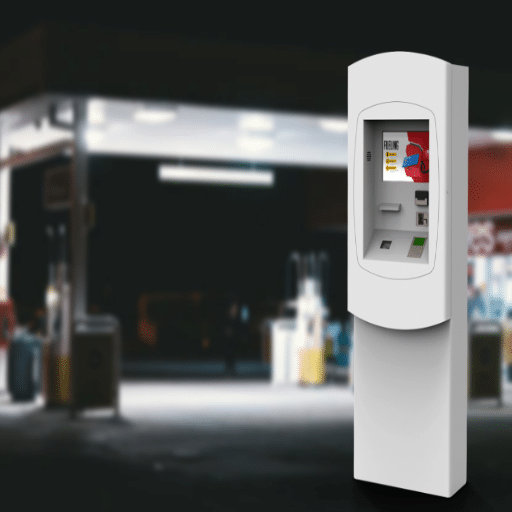
The gas station’s future payment terminals are going to be mainly about being smooth, safe, and focusing on the customer. Along with that, contactless payment methods like NFC cards and mobile wallets will still be in the limelight as the consumer’s appetite for fast and clean transactions is growing. Fingerprint or facial recognition types of biometrics could be adopted to not only provide more secure but also faster payment transactions. And, accepting cryptocurrency payments might be a common feature if digital currency is successfully implemented. Besides, the implementation of energy-consuming designs and cloud connection will also be a basic factor, which will support real-time updates, remote diagnostics, and software upgrades, making the systems more reliable and scalable. All these innovations are meant to catch up with the changing consumer tastes and, at the same time, to keep up with the new laws and regulations in the market.
EMV Compliance and Its Importance
EMV compliance is the worldwide requirement for credit and debit card payments that was established by Europay, Mastercard, and Visa. The quality of the standard is that it uses chip technology, thus replacing the traditional magnetic stripe cards and thereby increasing the payment security. The EMV-enabled cards and terminals have the same authentication methods, which are virtually impossible to duplicate. This has brought about a huge reduction in card-present fraud by making it very hard to duplicate card data.
The significance of EMV compliance is mainly in its ability to protect both consumers and businesses. For businesses, it reduces the legal boundaries that would have been imposed by the fraudsters, and the fraud liability can usually be said to be with the parties either having or lacking the EMV technology. When it comes to consumers, EMV is offering improved security against data theft and loss, as the chip-based cards are very difficult to clone. Non-compliance could easily result in businesses suffering financially, losing their good name, and being subjected to regulatory penalties.
EMV compliance is becoming more and more important as the use of contactless payments and mobile wallets, which share the same core security principles, increases. Besides, those that stay compliant are assured of being on the safer side of the fraud risk in the current ever-evolving payment landscape. They will also have the opportunity to keep their customers’ trust and represent themselves as industry-best practices.
Advancements in Payment Technology
Technological improvements in payment systems have resulted in transactions that are safer, quicker, and more efficient. As for me, I envision innovations such as blockchain, biometric authentication, and AI fraud detection to change the payment handling process completely. These techniques not only have security as a major feature but also lead to faster processing, and customer interaction is the main winner, thus allowing the firms to be at the forefront in the quickly changing digital economy.
Reliable Payment Systems for the Future
Future payment systems that are reliable have to give priority to security, speed, and technological advancements. Blockchain technology is a significant enabler, providing the decentralization and transparency of transaction processing, which in turn minimizes the risks of fraud and tampering. Integrating biometric authentication, such as fingerprints or facial scans, not only improves identity verification but also guarantees secure access. Moreover, AI is inseparable from the process as it analyzes the data and signals of fraud cases, thereby taking real-time measures to prevent them. Besides, the new systems are also providing the smoothest payment experience imaginable through the use of contactless payment tools, an ability to do cross-border transactions, and thus, they are meeting the ever-higher global e-commerce demand. When these technologies are in unison, companies will be able to create domains that are very secure and at the same time efficient, as their payment infrastructures will be in tune with the growing needs of the digital economy.
Reference Sources
University of Illinois – Gas Pump Skimmer App: Highlights advancements in detecting skimmers on gas pump payment terminals. Read more here.
University of Pittsburgh – Clover Terminal Instructions: Provides an overview of Clover payment devices and their functionalities. Read more here.
Gas Station Cash Register User Guide: Explains how payment terminals enable various payment methods and integrate fuel pumps with cash registers. Read more here.
Frequently Asked Questions (FAQs)
How do pump payment terminals enhance secure payment processing at a gas station point of sale?
A pump payment terminal, usually an outdoor payment terminal installed on the forecourt, is an effective solution for secure and reliable processing since it encrypts card data at the nozzle and works with PCI-compliant hardware and software. This type of secure processing lowers the risk of fraud, protects customers’ privacy, and allows the gas station’s staff to engage in other operations while customers are self-servicing. Integration with a reliable POS system and secure payment processing services guarantees that transactions are smooth and disputes are minimized, thus enhancing the overall quality of service and customer satisfaction.
What should be the main supported features of the gas station pos systems that would enable payment acceptance and revenue increase?
The gas station POS systems should support as many payment methods as possible, including EMV chip, contactless, mobile wallets, fleet cards, vouchers, and coupons, and at the same time, smoothly handle interchanges between pump and in-store c-store sales. Multilingual displays, barcode scanner support, and loyalty integration are just a few of the tools that can help attract and retain customers while boosting sales. The automation of price updates, real-time reporting, and business insights provides data that can be used to improve inventory management, pricing, and promotions to maximize ROI and drive revenue.
Can pump and gas station pos terminals work independently, without the presence of an attendant, yet provide the same reliable payment processing as with an attendant?
Yes. Unattended outdoor payment terminals intended for use at the forecourt are designed to be resilient and secure; they can provide secure processing even when an attendant is not present on-site. These systems blend the durability of their hardware with the monitoring, alerts, and secure connectivity of remote services to ensure reliable payment processing. When integrated with a robust POS system and automation, unattended terminals effectively reduce total operational costs, support multiple payment methods, and release staff to attend to customer service inside the store.
How do gas station pos systems connect with the c-store and forecourt to boost efficiency and customer satisfaction?
The marriage of gas station POS and dispenser control to the in-store point-of-sale system guarantees that the price, promotions, and loyalty programs at the pump and the store are all the same. This smooth communication allows for different kinds of customer engagement, such as cross-promotions, the use of vouchers and coupons, and combining receipts—all of which improve the customer experience. The seamless flow of real-time business insights supported by integration helps managers make better decisions regarding staffing and inventory, thus increasing efficiency and customer satisfaction while also driving higher sales.
What are the advantages of selecting a powerful POS system from the likes of Gilbarco or Patriot for petrol and petroleum sites?
Gilbarco and Patriot solutions are forecourt-centric and incorporate secure and dependable hardware along with software specifically designed for petroleum usage. Advantages consist of built-in dispenser protocol support, dependable link to outdoor payment terminals, and particular capabilities for fleet and loyalty programs. These platforms cut down on outages, deliver sector-specific business intelligence, and improve ROI by making operations more efficient, requiring less manual intervention, and allowing staff to concentrate on providing services that add value.
What is the impact of adding pump-level multimedia and self-service options on a gas station’s total cost and sales?
Incorporating multimedia elements and self-service features at the pump can lead to a decrease in the total cost of the gas station since fewer employees will be required, and it will facilitate non-attended operation while bringing in more sales through marketing and upselling. The video feed can show ads, discounts, and loyalty points, while it can also let the customers redeem the coupons at checkout, which encourages them to buy more. Consequently, the process becomes more efficient, and customers are happier, conversion rates go up, and the return on investment for the ads and promotional campaigns can be measured.
What are the security and privacy measures that a gas station pos system should have in place to reduce the risks and fulfill the policy requirements?
A gas station POS system should apply methods like end-to-end encryption, tokenization, frequent software updates, and strict access controls to secure sensitive information during processing. A solid privacy policy, audit trails, and automatic alerts for unusual activity are measures to mitigate risk and safeguard customers’ information. On top of that, gas stations should provide physical protection for outdoor payment terminals, detection of tampering, and secure updates of firmware as part of their strategy to maintain secure and dependable operations at the pump and throughout the forecourt.
How can gas station owners assess the return on investment and total cost of ownership when upgrading pump and gas station pos systems?
The owners must consider the costs of delivery and installation up front, together with the costs of ongoing maintenance, payment processing fees, and the projected increases in automation, efficiency, and sales. Also, think about the advantages of lower shrinkage, speedy transaction times, the capacity to process a diverse range of payment methods, and new income from multimedia advertising.