Gas stations depend on the efficient work of the fuel dispensers. The efficient operation of the fuel pumps allows businesses and consumers to have easy operations. However, servicing such equipment is a fairly complicated practice, which involves extreme diligence, compliance with the safety regulations, and a regular maintenance work schedule. If maintenance is not done properly, repairs could easily cost thousands, stall the equipment, or even cause injury, all things which will deem a station unprofitable and a low-ranking station. The objective of this article is to highlight vital precautions to be observed in the maintenance of any service station fuel pumps that can assist gas station operators in increasing their productivity, reducing the wear and tear of the equipment, and maintaining the standards of the business. Learn the usual processing to high end resolution, even learn the process of troubleshooting to keep fuel pumps always sound and up to date.
Understanding Fuel Pump Systems
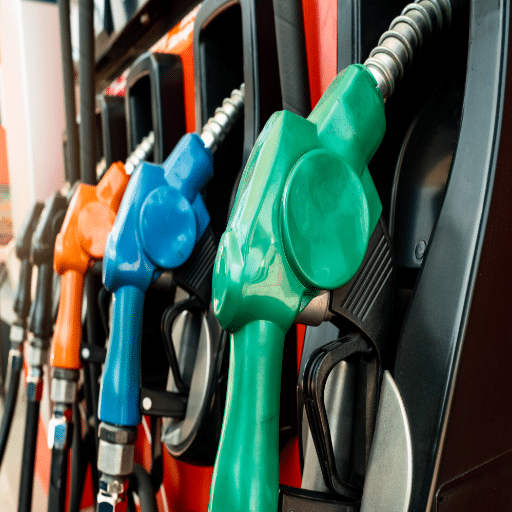
Gas transfer systems are necessary for making fuel from underground tanks available at dispensers on a fuel pump at a gas station. Every unit of this kind has several major parts, including the motor, pump unit, filters, and metering devices. All those parts are involved in mechanisms that feed the fuel in the right quantity. One should understand how these elements work in a system, why a pump unit is required to create suction or positive pressure to transfer the fuel, why filters are used to remove particles from the liquid, and how to achieve accurate measurement of the fuel. It is imperative that all machinery systems be maintained properly to maintain high efficiencies, the least number of breakdowns during operations, and meet all health, safety, and environmental regulations.
Types of Fuel Pumps
Fuel pumps can be grouped according to several design and operational architecture features, and these include some of the most important parts of any fuel system. There are several different types of fuel delivery pumps, including mechanical pumps, electric fuel pumps, and also high pressure pumps that are used in direct injections.
Mechanical Fuel Pumps
This is a feature of older cars, more specifically, cars with carbureted engines. They work in the gas station’s pump maintenance. There is a spring tension connected to a diaphragm connected to a cam, which is then connected to the ECAM. Older vehicles, with their carbureted engines, use simple, reliable mechanical pumps that work at low fuel pressure.
Electric Fuel Pumps
Increasingly common in modern fuel-injected engines, electric fuel pumps are installed inside or near the fuel tank. They are crucial since they maintain continuous high-pressure for the fuel injection system. To avoid situations such as vapor lock and/or over- pressurization, some of these electric motors have all the necessary components, including a pressure regulator and other parts as well.
High-Pressure Pumps for DI Engines
With the rise of DI engines, the HPFP (High-Pressure Fuel Pump) has become a necessity. These pumps work with the electric fuel pumps, increasing the received fuel to the high pressures necessary in DI. They are usually camshaft-driven and are meant to optimize fuel metering, and yet still endure those levels of high pressure.
Key Point: Each of the available fuel pump types is tailored to certain functions and provides its own level of performance, making the proper choice and servicing of the pump also essential in order to secure the effective functioning of an engine.
Components of Fuel Dispensers
Gas station pumps are manufactured among other systems, specifically to manage, stock, and serve fuel to cars. They have a lot of different compartments that serve an intended purpose:
Hydraulic System
The system of hydraulics has a pump, which is meant to work as a pump, valves, and meters. This is enhanced by the presence of a rigid pump which extracts the fuel from the tank and various flow control valves which stage the delivery of the fuel. There are also meters that keep track of the amount of fuel given by the pump.
Automatic Nozzles
Those nozzles are, however, the advanced control’s automatic nozzles, where one has no worries about overfilling because they can initiate a cut-off. The lubricant delivery system of gasoline dispensing nozzles is perfectly adequate in its purpose: delivering fuel to a vehicle and maximizing safety and performance while refueling.
Pipes and Hoses
Mainly, weather-resistant, as fluid issues from the dispenser to the nozzle do require durable, tough, flexible pipes and hoses.
Control and Display Section
Its a sophisticated electronic module which determines and displays the amount of fuel drawn and the cost of the same in real-time. Most of the modern-day dispensers have also got the latest technologies integrated to provide more precision and comfort to their users.
Vapor Recovery Apparatus
Some particular dispensers to meet the green norms, such as VOC, are designed with a vapor recovery system that collects the vapors from the fueling operations and directs them to the tank, hence reducing the pollution.
Fuel Filters
These are incorporated in the fuel dispenser to remove any dirt and debris from the fuel to be delivered, to prevent engine damage or other vehicle parts from failing.
Assembling these parts, one can understand how fuel dispensers function efficiently and how many rigid rules are observed regarding their accuracy, safety, and environmental standards. Any of these elements should be exaggerated into functioning in excess of usual operation to preserve the extent and normal functioning of the system.
Importance of Reliable Fuel Systems
Efficient operation of modern vehicles and machinery is greatly dependent on reliable fuel systems. These systems make sure the engine gets the right amount of fuel that allows it to function properly and reduces emissions. Fuel systems that do not function well can cause engine damage and poor fuel economy, making the quality and dependability of fuel systems very important.
The use of fuel dispensers with a high degree of precision helps in ensuring that environmental standards are met as they minimize the chances of any spills or leaks from occurring while filling the fuel tank. High-quality filtration systems are required to protect the engines from harmful foreign matter such as water, dust, and other foreign material, which could severely damage the engines’ sensitive parts. Furthermore, contemporary fuel system designs accommodate various fuels such as those with biodiesel or ethanol, among others, enabling them to function effectively, therefore making gas station pump maintenance versatile in the changing energy landscape.
Every piece of equipment has a life span, and to minimize its breakdown during its legitimate operational life span, we have to conduct regular gas station pump maintenance, including replacing filters and calibrating the equipment. Cutting-edge monitoring technologies are also fitted for the fuel systems, which aid diagnosis and capture the impending failures before it occurs, thereby saving time. Therefore, all these issues prove the importance of strong and properly operating fuel systems for the improvement of operational effectiveness and environmental practices.
Regular Maintenance for Optimal Performance
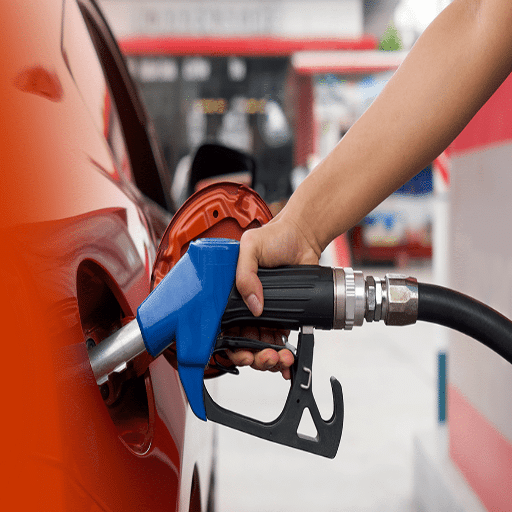
In order to achieve peak functionality and use, proper maintenance heralds priority. Such activities include regular filter change, leak detection, system calibration, and cleaning the unit thoroughly of any debris or contaminants. These activities are more effective because of advanced diagnostic equipment, which offers accuracy in delivering the necessary steps and consideration for all risks. Part of achieving sustained efficiency and prolonged maintenance of the system includes using components as part and parcel of the recommended intervals and components by the manufacturer.
Pump Maintenance Checklist
Regular Cleaning and Replacing of Filters
Every 3-6 months, depending on the operation of the system and the environmental factors, the membranes need to be checked. The performance of the pump can be reduced by up to 30% during operation when the filters are clogged or dirty. The high-efficiency filters need to be changed to optimize the performance of the pump.
Look for any leaks and check the sealing
It is advisable to regularly check if the seals, gaskets, and other connections have developed any leaks. Even small leakages can contribute to energy costs due to pressure loss. Researches show that the costs of operation can be reduced by as much as 10 percent annually, courtesy of leakage repairs.
Make System Components Functionally Proper
All pumps, as well as the associated components such as pressure sensors and flow meters, must be recalibrated at least once a year, so as to maintain the focused goal of maximizing the performance statistics. Failure to calibrate correctly has upper overloading as another profound effect, and this can shorten the Pump working duration by about 15%.
Clean Up All the Surface and Dispose of Bric-a-Brac
The accumulation of debris could rise to occlude pump intakes and discharges so that they overheat and hamper normal operations. A quarterly schedule for restorations can be implemented to sustain the flow and work efficiency, and also to avoid expensive breakdowns.
Watch The Noise Levels
Check the mechanical condition, evaluate the intake of misalignments or defects in the powertrain out of balance with the use of vibration analysis equipment. Increased levels of unwanted vibration often indicate an early problem with the bearings or an off-center impeller. As per evidence, vibration measurement also decreases unscheduled maintenance by an average of 25 percent.
Grease The Bearings And Other Moving Parts
Bearings or any other moving parts should be lubricated as per the manufacturer’s specifications whenever possible, so about 500-1000 operating hours. Premature wear or component failure due to over- or under-lubricating occurs in approximately 36 percent of component failures.
Examine Proper Operation Of The Pump
Carry out efficiency tests at regular intervals so as to ascertain if the pump is functioning at the recommended level. Any pump that operates way below 60% work efficiency usually requires an overhaul or a change.
Ensure Use of Maintenance Journals
All maintenance work carried out should be documented, including the time, the parts replaced, and the calibration done. A sufficient journal made of all these activities encourages the determination of trends, thereby assisting in carrying out preventive maintenance whenever necessary.
Important: By doing so, it is easy to ensure that pumping systems remain in good condition, achieve a reduction in energy consumption and operational expenses, and prolong working life. Remember always to observe the operator’s manual from the manufacturer for complete instructions on how to maintain your pump model.
Inspection Procedures for Technicians
To guarantee the competent functioning of the pump system, workers must conduct all the necessary checks in the following manner:
Make Observations
Look at the pump and other operational parts of the system to identify if there are any visible symptoms of deterioration, corrosion, or leakage. Include checking in cases such as broken seals, misalignment of couplings, or loss of bolts, which may disrupt and lead to a breakdown of the system.
Analysis of the System’s Performance
Observe and document the key indicators of performance, namely, the change of flow rates, pressure, or temperature. The achieved number should be compared with the baseline or the manufacturer’s numbers to spot any deviations.
Vibration and Noise Assessment
To detect possible malfunctions that under normal operating conditions should not be present in subsets, bearing fault, misalignment, unbalance, and vibration analysis may be used. Identify any strange sounds that may suggest cavitation or other mechanical malfunctions.
Inspection of Lubrication
Check and diagnose the levels of the grease and oils inside the bearings and other components that keep the pump rotation and movement. Apply or change these lubricants as recommended by manufacturers in order to avoid friction problems.
Examination of the system’s electrical components
Check the condition of power connections, motors, or even winding resistances in motors. Make use of various diagnostic apparatus to check for the presence of voltages, overheating in a load case, or current consumption instabilities.
Evaluation of hydraulic systems
Set aside a moment to observe and examine the suction and discharge tubes for the presence of any obstructions or leaks of air. Check if the valves have an easy swing and also whether the gauges are insensitive to proper readings.
Following this step-by-step inspection procedure, technicians can spot the threats beforehand, avoid the repair expenditures, and ensure smooth functioning of the pumping system. Ensure that prescribed diagnostic instruments are employed along with the manufacturer’s instructions, followed when carrying out the inspections.
Identifying Potential Issues Promptly
Efficient and effective preventive pump maintenance and diagnostics must be able to detect any signs of problems in the system on time to avoid expenses or failures. Some of the warning signals for problems include unusual sound or vibration, erratic pressure, and a drop in the volume of output. These signs may be due to many factors, such as cavitation, failure of mechanical seals to function properly, and a worn-out impeller. This will require the technicians to employ best practices through optimum monitoring of parameters such as pressure, temperature, etc., to enable diagnosis based on vibration indicators, flow meters, and so on. This includes examination of seals, bearings, and impellers to determine whether any damage or wear exists. Incorporating recommendations of manufacturers and best practices from the industry also contributes to preventive measures and increases reliability in the system maintenance.
Fuel Equipment Maintenance Strategies

Routine gas station pump maintenance is essential for maximizing operational efficiency and longevity of the equipment. Some of the main preventive measures include regular inspections, filter cleaning to avoid clogging, and fuel flow meter calibration to ensure the measurements are correct. Also, appropriate conditions of the fuel, such as temperatures and the amount of moisture in it, should be controlled in order to avoid contamination. Good practice entails following the maintenance schedule prescribed by the manufacturer and employing proper spare parts when necessary. Such procedures aim at lessening the amount of time wasted on the equipment as well as improving the performance and life of the equipment.
Best Practices for Gas Pump Maintenance
Maintaining effective and thorough gas station pump maintenance is vital for the good use of the pumps as well as longer service life. Therefore, it is advisable to frequently check for signs of damage to other parts, such as cracks on hoses, nozzles, and seals. Most failures that occur in pumps are related to stiffness and leaks, hence the need to observe maintenance.
Blockages and resultant impaired flow of fuel in the pumps can be eliminated through regular cleaning of the filters, while a high level of accuracy in calibrating the dispensing meters reduces these errors and ensures the right volume is dispensed. Fuel is also a very important factor in the operation of a pump, and for this reason, fuel has to be kept under constant conditions where it is the least likely to be contaminated with moisture or heat changes. Normal operation of the system includes regular leakage tests found vital in meeting the environmental control laws, and therefore enables the prevention of spills that may risk the environment. Timely greasing of the moving parts, as well as parts replacement in the event of defect or wear, considerably increases the lifespan of the equipment.
In order to ensure that pump maintenance history is created and updated accordingly, the operator is advised to adhere to the manufacturer’s instructions on service, use quality spare parts, and keep records of all activities. Such measures reduce downtime, enhance customer satisfaction, and ensure safety and operational efficiency.
Safety Warning: Gas station pump maintenance is essential. Proper service procedures need to be followed to install, operate, and maintain the equipment in good working conditions. During the operation and maintenance of the equipment, the operator can be tempted to break a few operational and safety procedures like rehabilitation of machines while they are still connected to power.
Fuel Filter Management
Gas station pump maintenance is important since much of the energy expenditure is directed towards the function of this part of the car. A fuel filter’s primary task is to filter the fuel from particles such as dirt, rust, and other elements before reaching the engine. These elements’ wear and tear over time leads to clogging of the fuel filter, which in turn disrupts fuel flow to the engine.
In order to keep the fuel filter working at its best, one has to schedule regular check-ups and replace it whenever it becomes necessary. Many fuel filters of current automobiles need to be changed every 20,000 – 30,000 miles; however, this might also depend on other causes, such as the driving habits of the user and the quality of fuel available at gas stations. Such symptoms as loss of power of the engine, excessive fuel consumption, light-headedness when trying to start the car, and others.
In the process of fuel filter replacement, only high-quality, compatible with the engine generic parts are used, and the engine manufacturer’s instructions for correct fixing are followed. Furthermore, writing details of the actions aids the preparations by keeping a clear service log for the services to be performed in the future. Following these procedures is feasible for the maintenance of fuel filters, to make them long-lasting, and compliant engines, as they prolong the use of these engines without failure.
Addressing Common Fuel Equipment Issues
Stopped Up Fuel Filters
A clogged fuel filter is quite common in the fuel systems of most appliances. As a result, the supply of fuel to the engine is compromised to the extent that the engine’s efficiency is jeopardized. In many cases, it could be attributed to excessive dirt or the types of deposits emanating from the fuel. The solution to this problem is regularly doing away with activities that can come in intervals or when a certain period of time specified by the manufacturer has elapsed. In addition, knowing the importance of uninterrupted activity of the systems, only safe fuels should be used.
Fuel Pump Failure
Several causes explain a loss of power due to fuel pump failure. The diagnosis of this challenge is mainly done by assessing the levels that are approved by formal means and checking the wires. Perhaps the fuel pump as well, but a new one of the same model and make as the original will surely work well.
Presence of Air in Fuel System
Removal of an air pocket from the system needs gas station pump maintenance, as they are developing a vacuum. Overall, while transferring from one pump to another or during piping maintenance, the water level will go down, bringing air into the system. Causing problems with the pipelines due to too much air in the water column. Odor problems in hot water systems occur as air is entrained in them, and in practice, over time, such systems waste energy.
Engines that operate with gasoline and diesel fuel can have issues with the fuel supply, which seem to occur more often. Intelligent engines can be managed because they break down fuel when the wrong items have been found in the fuel mixture, especially air and water. In most instances, this situation occurs during the upgrading of fuel tanks. Air pockets left after priming or bleeding of fuel tanks can be blocked by completely obliterating the fuel system, thanks to air expansion and contraction. The presence of any leaks in the system needs to be minimized as much as possible by bleeding the trapped air out, and inspecting as well as tightening any connections.
Presence Of Water In The Fuel System
The water presence in the tanks is another common problem, in particular, seeking dilution and corrosion. During storage, a wetted tank can easily be generated by the humid, careless, and poor handling of the fuel or fuel tank. Such items are disastrous, hence will need implementing water separators and gauze filters, which allow fuel tanks to be cleaned properly and all moisture drained.
It is not only these that you would need. However, taking care of such systems and equipment will also entail replacing units that have worn out beyond repair quite frequently, wherever necessary, and safe gas station pump maintenance procedures as given in the maintenance manual. This is because, in the long run, the condition of the equipment will be sustained and its operating groundwork will improve as well.
Cost Management and Downtime Prevention

Managing maintenance effectively involves keeping a good plan and maintenance schedule to lessen the costs and downtimes. Inspecting and servicing a piece of machinery helps detect small operational issues before they become major repairs. Having a stock of key spare components also ensures no time is lost in fixing the equipment because of the unavailability of parts. On the other hand, the education of the personnel on the correct use and maintenance of the machines serves to extend the life of the equipment and to minimize mistakes. Improving the situation further, the acquisition of superior parts and replacement, as accredited by the manufacturer, is cost-effective due to decreased incidence of failures without notice.
Understanding the Cost of Neglect
Failure to adhere to the processes and procedures in the equipment maintenance causes economic loss and operational contention within the respective organizations. Primarily, customers lose almost all revenue after the machines break down, and that causes a delay in the supply of their services, resulting in losses due to the incidental breakdown of their equipment. Secondly, failure to perform maintenance on equipment is a common cause of deteriorating conditions, which, if continued lead to expensive repairs, avoidable if regular inspections are performed. On a long-term perspective, derifen in the usage of equipments which are in disrepair due to energy efficiency leads to excessive consumption of energy, leading to an increase in the cost of operation. Additionally, when the equipment fails, the chances for injuries to employees increase significantly, and therefore, there may be breaches of legal standards and associated costs. Finally, the neglect of the gas station pump maintenance for a long time shortens the useful life of the machine, increasing the provision for replacement and unexpected CAPEX, which in turn affects the financial capacity of the entity. Therefore, sustaining consistency of maintenance activities is not just a mechanical issue but is beneficial in improving efficiency as well as reducing risks and costs.
Strategies to Minimize Downtime
There’s a need to establish proper predictive, preventive, and responsive interventions in efforts geared to reduce downtime. First is the establishment of a full-scale preventive maintenance program. Equipment should be habitually checked and repaired so that small problems do not become big ones. Complementary predictive maintenance methods, including the installation of IoT sensors and analytical solutions powered by AI, further support this cause, as it ensures the equipment is under surveillance always, enabling the detection of any deviations and accurate prediction of any possible failure.
Spare parts management and inventory optimization are other important points. If there is a delay in replacing parts, users will suffer more downtime, and hence spare parts should be accessible and stocked in the meantime. Furthermore, well-conducted training of employees concerning the operations and the most common troubleshooting techniques helps increase the speed of responses while at the same time lessens the extent of human mistakes, which is one primary reason for unplanned disconnection occurrences.
It is also critical to minimize the extent of the effects of the adversities by making use of the automated systems as well as redundancy. For instance, while the use of automation can be more organized and less prone to human errors, backup systems or failover features of redundancy allow the operations to continue in the event of a primary system failure. Lastly, regularly assessing and improving the performance of processes serves to guarantee the efficiency of the processes, further enhancing the reliability of the same, which eventually reduces downtime. Altogether, this helps all of the strategies be firm and adequate, preventing any disruption in the performance of the organization.
Benefits of Regular Fuel Pump Inspections
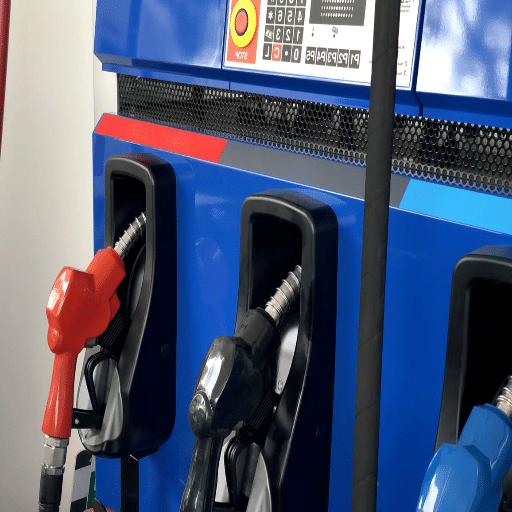
In order to ensure optimal and expected performance of engines in a vehicle, the fuel pump should be inspected regularly so that it remains in good condition at all times. Routine inspections eventually assist in the prevention of possible breakdowns and expensive repairs if not worn parts, clogging, or any leaking is discovered. Maintaining optimum fuel pressure and delivery is another effective step, as a weak fuel pump is likely to do the engine no good. What is more, periodic checks decrease the chances of contaminating the components of the engine since no fuel can reach the system. These preventative strategies can be taken to reduce fuel consumption and emissions, while also increasing reliability. Gas station pump maintenance should always be incorporated in vehicle maintenance.
Identifying Potential Issues in Fuel Systems
It is important to have a systematic inspection of fuel systems for the purposes of evaluating how well the fuel systems are functioning. There are certain symptoms that could show that there is decreasing output of the engine’s output or that a specific component is not working. These symptoms include: the engine is not giving enough power as it should, it takes a long time to start, or there is a whining sound from the fuel pump. Other issues might be fuel leakage, dirty fuel filters, and intermittent fuel pressure. As a result, diagnosing the above mentioned problems entails the use of diagnostic equipment that plays a role in determining the fuel pressure as well as checking fuel lines for any desired distortions and proper function of the electrical contact and sensors. If these problems are detected early enough and resolved, the wear and tear of the system is reduced, and this makes sure that the engine functions properly.
Common Fuel Pump Problems
Most of the fuel system ills are easy to detect. It is a matter of remembering cars that are hard to start, loss of power when accelerating, strange sounds coming from the direction of the gas tank, etc. Problems like avoiding the fuel system because of a leaking or blocked filter within reasonable hours indicate a possibility of loss of the pump (or pumps in some cases). I use various tools to check the fuel pressure and other places like connections and via electrical departure ‘Fid’, which makes sure that all is working as it should be. I hope that in taking care of all these issues quickly, I will be capable of avoiding adverse effects and keeping an optimal motor performance.
Signs Indicating Pump Repair is Needed
A broken gas station pump may exhibit some easily observable symptoms that might affect the operation of a car. The vibe that should alert you that something is not right is that you can’t start the car easily, or standing in front of the car pushing the key to start it does no good, since the pump is wrecked and lacks enough pressure to feed the car. A crude car can also come third on the list. This occurs when the gas is not well supplied, and more so at much higher speeds. Such as the instantaneous consumption of fuel may be reduced, or the vehicle might be running on the gas, sort of in the gas tank. Most importantly, if someone tries to accelerate or tries climbing mountains and there is a power shortage, it simply means that the pump is weakening and is not able to supply enough fuel. This is going out of tune with your car, or these symptoms must be treated immediately before returning to the road to ease the wear and tear of the engine or reduce the chances of getting stranded.
| Maintenance Task | Frequency | Impact on Performance | Cost Savings |
|---|---|---|---|
| Filter Cleaning/Replacement | Every 3-6 months | Up to 30% performance reduction if neglected | Prevents major repairs |
| Leak Inspection | Monthly | Pressure loss affects efficiency | 10% annual cost reduction |
| System Calibration | Annually | 15% lifespan reduction if not calibrated | Prevents overloading |
| Vibration Monitoring | Quarterly | Early detection of bearing issues | 25% reduction in unscheduled maintenance |
| Lubrication | Every 500-1000 hours | Prevents premature wear | Reduces 36% of component failures |
| Efficiency Testing | Quarterly | Below 60% requires an overhaul | Prevents catastrophic failure |
Summary
Gas station pump maintenance is a critical aspect of fuel station operations that directly impacts profitability, safety, and customer satisfaction. By implementing a comprehensive maintenance program that includes regular inspections, filter management, calibration, and prompt issue resolution, operators can significantly reduce downtime, extend equipment lifespan, and minimize costly repairs. The strategies outlined in this guide provide a roadmap for maintaining fuel dispensing systems at optimal performance levels while ensuring compliance with safety and environmental regulations. Remember that preventive maintenance is always more cost-effective than reactive repairs, and proper documentation of all maintenance activities enables better trend analysis and predictive maintenance planning.
Reference Sources
Fuel Pump Monthly Inspection – University of North Carolina
This document provides guidelines for monthly inspections of fuel pumps, including safety measures like replacing sump pump covers and addressing fall hazards.
Vehicle Fueling and Bulk Receiving – Standard Operating Procedure – County College of Morris
Provides standard operating procedures for fueling, including labeling fuel pump master shut-off switches and maintaining accessibility.
Frequently Asked Questions (FAQs)
Fuel gasket maintenance: What are some regular checks that station owners perform?
It is recommended that station owners and maintenance custodians perform visual inspections of the dispensing equipment (hoses, their fittings, the functions of hose retractors), overfill alarms, and containment systems during the routine maintenance of the stations. Some of the important elements that need to be checked regularly reduce the chances of any cases of structural leaks and enable the station to take the necessary remedial action in time, reducing the costs of expensive repairs, or worse, shutting down the serviceable parts of the pump.
Fleet and gas station: In what ways does pump maintenance facilitate the running of a fleet?
A fleet of buses is primarily kept in service when fuel is managed and fueling pumps are managed with care to avoid breakdowns by performing such tasks as testing the stress of the flow, recording any loss of pressure and downtime, and reviewing fuel management controls, even in an arid zone. Pipes transmitting petroleum, USTs, dispensers, and UDCS are examined all the time in order to optimize the operations of the areas of high service utilization.
Area inspection intervals for service areas and tanks – what keeps them in line?
Service stations or service areas, underground storage tanks (USTs), as well as UDCS should be regularly monitored in sequence – routine visual inspections every day, comprehensive examinations every month, and competent examinations every year. Performing regular checks lets one isolate and rectify such issues (e.g., wear and tear), water ingress plus containment breakdowns before it is too late, which otherwise leads to non-compliance and financial expenditure.
Reporting events: At what point should a station owner ask maintenance contractors or REO Service to step in?
If station owners are experiencing low-performance levels, leaking issues, loss of pressure, and more leaks of breakaways, hose retractors, overfill alarms, and other such problems in general, maintenance providers or REO Service should be called immediately. Also, if any of the critical components are understood not to be working as they should, pure environmental and operational losses may occur if the inspection done exposes rust, water entry, or any similar issues. Make sure to escalate the issue in this case.
What is the role of manufacturers such as Wayne with respect to equipment reliability?
Wayne, being one of the equipment manufacturers, provides dispensing equipment and other components essential for station operations that have to be installed and maintained properly. It is important for stationators to use original equipment and adhere to manufacturer recommendations to ensure that meters, hoses, and valve assemblies are working properly, and their condition and performance are maintained over a long period. This also helps station owners in managing the possible wear and tear or damage ahead of time.
For better and efficient maintenance while the pumps are still in use helps to avoid: Explain how maintenance reduces the risk of expensive oil spillages and sanctions.
Even with other proactive maintenance mechanisms and assessing support systems, infiltration and barricade loss, as well as non-assessed damage of USTs is bound to escape detection, hence environmental policy contravention may easily occur. Timely findings of such forms of damage as water ingress, tank leakage, and failed UDCS will minimize costly repairs, decommissioning, and levying of fines. This will allow the fuel site to remain within environmental standards.
From the underground storage tanks and UDC system point of view, what are the inspections that are specifically needed?
Check the UST seams for any signs of corrosion, inspect the connections, test the leak detectors and overfill alarms, and make sure that the UDC components are in place. Ensure regular operation of monitoring devices and containment sumps to detect and control any risks in time to avoid spillages and maintain healthy payback periods with respect to environmental and customer regulations.
UDC operational readiness: What are the indicators of wear and tear or damage that warrant concern in the early stages of problems?
It is common to recognize wear or damage as lower flow rates, longer transaction durations, visible burnouts or crack-outs of hoses, leaks at junctions, breakaway or retractor mechanisms not operational, meters giving incorrect readings, and even water stagnating in the sumps. It is very useful to do an eye examination at regular intervals and fix these problems in a timely manner because this guarantees the timely repair of the pumps and the reduction of expenses for their repair.