The equipment and systems for fuel stations are transforming constantly; technological advancements and the need for more efficient, safer, and greener systems are the main factors behind this change. Thus, it is imperative for those running fuel stations and those involved in the industry to be aware of the new solutions and innovations. This article takes a look at the state-of-the-art technologies and systems that are influencing today’s fuel operations, and it illuminates their role in the optimization of performance, compliance, and the smoothness of operator-customer interactions. No matter if you want to enhance your existing setup or want to examine the new trends, this write-up will accompany you to the important aspects of the current fueling industry that are worth noticing.
Introduction to Sustainable Gas Station Equipment
The Importance of Sustainability in the Energy Sector
Sustainability has turned out to be a very important factor in the energy sector and the main reason for that is the world fighting against global warming and carbon dioxide emissions. The gas stations, which are very important for the continuity of the energy production industry, are increasingly making their operations and equipment environmental-friendly which is the same with the new global eco-standards. The International Energy Agency (IEA) report claims that the energy sector is responsible for more than 40% of the world’s CO2 emissions which clearly indicates the necessity for sustainable solutions.
One way of making the energy sector more eco-friendly is to use renewable energy sources. To that end, many gas stations are investing in the installation of solar panels or wind turbines to produce their everyday power which in turn cuts down the use of fossil fuels. Moreover, highly developed vapor recovery methods are now capturing the toxic emissions that could be released into the air during the gas transfer going on at the gas stations. They are achieving compliance with the regulatory measures through these innovative methods that also help in air quality improvement and at the same time the carbon footprint is being reduced.
The Role of Equipment in Service Stations
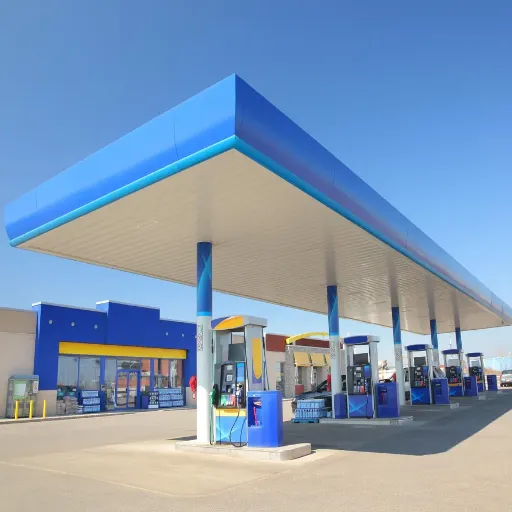
Every new or improved piece of equipment in the service station will have more say as to what extent the station will be operating efficiently, safety and even making the customers satisfied. The modern fuel dispensers are just one example, they all have digital displays, which means that the fuel is accurately measured and the payment can be made at the same time without any interruption. Reports say the fuel dispenser market around the world is likely to see a CAGR of 5.7% and hit $4.5 billion in the year 2027. The consumer demand is growing and this is one of the factors that underscore the need for upgrading the service station infrastructure.
Moreover, there has been a technological breakthrough in car wash machinery with the automatic and water-wise machines gaining popularity. The latter not only results in more satisfied customers but also contributes towards the sustainability goals as they consume less water (up to 50% less than the conventional method) besides providing the same quality of service.
Current Trends in Sustainable Gas Station Equipment
Innovations in Fuel Dispensing Technologies
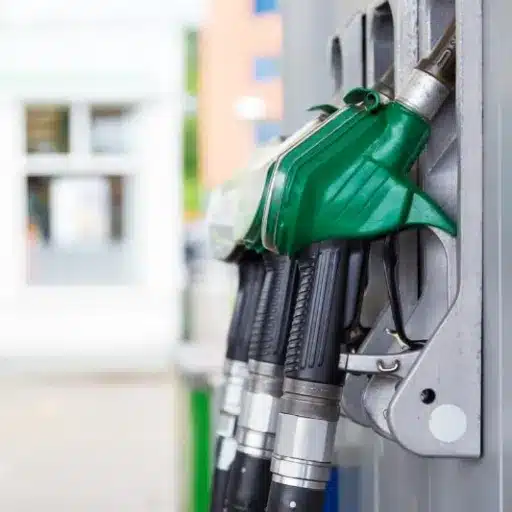
The fuel dispensing business is experiencing a transformative quality change that is primarily caused by the adoption of greener technologies and more efficient systems. Fuel dispensers have gone through a major facelift these days with sophistication such as integrated IoT (Internet of Things) making it possible to monitor the operations and manage them remotely in real-time. The features enable gas station owners to manage the fuel inventory, reduce losses due to leakage and make the staff deployment most effective. Smart dispensers, for example, can inform the operators about the need for maintenance before the failure, thus minimizing malfunction time and repair expense.
In addition, the newer metering technology is rendering more precise fuel measurement thus ensuring customers are not short-changed and discrepancies are reduced to a minimum. Some of the systems even harness cloud-based analytics to give customer insights that can lead to personalized marketing and hence better forecasting of fuel demand.
Electric Vehicle Charging Stations
The increasing popularity of electric vehicles is the main reason for the considerable improvement in charging infrastructure throughout the world. Market researches carried out recently show that the global EV charging station market will probably be growing at a compound annual growth rate (CAGR) of more than 30% during the period of 2023 to 2030. Support from governments, people’s growing acceptance of renewable energy, and the drive to reduce carbon emissions in the transport sector are the primary factors behind this surge.
The modern EV charging station can be categorized into three main types according to their charging speed: Level 1 (slow), Level 2 (medium), and DC fast chargers (quick). DC fast chargers, which deliver power from 50 kW to 350 kW, can charge a car’s battery up to 80% in 15-30 minutes, depending on the quality of the battery, thus facilitating long-distance trips. For example, Tesla’s Supercharger V3 stations, which provide 250 kW output, allow an electric vehicle to gain a range of 75 miles in just 5 minutes.
Benefits of Adopting Sustainable Equipment
Environmental Impact and Emission Reduction
The use of eco-friendly fuel alternatives and sustainably sourced equipment has a huge impact on the environment and the amount of greenhouse gases released into the air. The U. S. Environmental Protection Agency (EPA) states that around 27% of the total greenhouse gas emissions in the U. S. come from transportation, with the biggest part coming from vehicles running on fossil fuels. Transitioning from gasoline to electric vehicles (EVs) and the direct use of power from renewable sources like wind and solar can have a drastic effect on the amount of carbon that is released.
Moreover, the use of a variety sustainable equipment like energy-efficient industrial machines, green building materials, and waste reduction technologies impacts positively the carbon footprint in different sectors. The IEA (International Energy Agency) has pointed out that if energy-efficient solutions were generally accepted, they could help to reduce carbon emissions almost by 2.3 gigatons every year by the year 2030.
Economic Benefits for Service Stations
Not only the service stations’ implementation of environmentally friendly practices and technologies will give them the opportunity to reduce their operating costs, but will also position them as attractive partners in the renewable energy sector. Already, the service stations that have invested in solar panels and other factors are not paying their regular electricity bills anymore. They are also enjoying the benefits of cutting down their daily consumption of power and saving money thereby. Furthermore, studies show that there is basically a correlation between installing EV (electric vehicle) charging points at service stations and the increase in revenue from sales related to EVs, thus the market of EVs is expected to surpass $207 billion by 2030.
Through the use of energy management systems monitoring and optimizing electricity consumption, facility operation is also improved. For example, smart energy systems can reduce energy consumption by 25% which in turn affects the margins directly. Besides, the move to sustainable fuel options like biofuels or hydrogen not only meets the environmental regulations but also generates new income because the market for such mobility solutions is increasing. Firms that put environment-friendly practices at the core of their operations are more likely to get favor from the environmentally conscious customers which would result in larger market share and enhanced brand loyalty.
Future Outlook and Challenges
Potential Advancements in Gas Station Equipment
The gas station market is going through a drastic transformation due to the introduction of new technologies and the move towards greener operations which affect its functionality. One of the main actions taken in this direction is the rollout of smart fuel dispensers with contactless payment systems. A market report claims that the uptake of contactless payment technology is going to increase by 20.8% compound annual growth rate (CAGR) from 2023 to 2030 and the main driver behind this will be the demand from customers looking for fast and easy service.
Furthermore, the inclusion of EV charging points at conventional gas stations is seen as a turning point in the industry. The global acceptability of electric vehicles is expected to exceed 125 million by 2030, which will lead to a big increase in the need for charging stations. Upgrading gas stations with ultra-quick charging systems that provide power ranging from 200 to 350 kW can cut down charging time to just about 15 minutes, thus making it a feasible option for daily use.
Challenges Facing the Industry
The gas station sector is undergoing tremendous changes due to the fast pace of technological innovations, the altering of consumer habits, and the tightening of environmental regulations. One of the major concerns is the global trend of moving towards electric vehicles (EVs) which is consequently reducing the use of the traditional fossil fuels. A report by BloombergNEF indicates that by 2040, EVs will hold 55% of the new car sales worldwide, thus spilling over the traditional gas station revenues.
Moreover, oil prices’ fluctuations coupled with political instability in the oil-producing countries add to the complexity thus making it increasingly hard for industry players to engage in long-term planning. A research by Deloitte shows that the demand for alternative fuels by consumers, together with the government’s escalating pressure to cut down carbon emissions, is turning biofuels and renewable energy solutions into current trends. This transition compels gas stations to modernize, thus bearing the brunt of the cost and complexity involved in upgrading the infrastructure by putting up charging points and alternative fuel dispensing systems.
Reference Sources
-
Hydrogen Fuel Cell Technology and Applications
- This fact sheet discusses the design and operation of a self-sustainable hydrogen fueling station powered by renewable energy sources. It highlights the potential of hydrogen as a clean fuel alternative.
Source: University of Oklahoma
- This fact sheet discusses the design and operation of a self-sustainable hydrogen fueling station powered by renewable energy sources. It highlights the potential of hydrogen as a clean fuel alternative.
-
Natural Gas as a Bridge to Hydrogen Transportation Fuel
- This literature review explores the role of natural gas as a transitional fuel towards hydrogen-based transportation, focusing on its potential for zero-emission fuel cell vehicles.
Source: UC Davis
- This literature review explores the role of natural gas as a transitional fuel towards hydrogen-based transportation, focusing on its potential for zero-emission fuel cell vehicles.
-
Going Green with Gasoline: How Ingevity is Fueling the Transportation Industry
- This article highlights Ingevity’s Nuchar® adsorption technology, which reduces vapor emissions in gasoline and diesel engines, contributing to more sustainable fueling solutions.
Source: University of Pittsburgh
- This article highlights Ingevity’s Nuchar® adsorption technology, which reduces vapor emissions in gasoline and diesel engines, contributing to more sustainable fueling solutions.
Frequently Asked Questions (FAQs)
What are some of the ways charging of electric vehicles can be integrated into the operation of the stations and lead to higher efficiency?
A site power capacity assessment, energy-efficient charger installations, and load management software application all contribute to EV chargers’ peak demand being prevented. The charging stations can be made more efficient by coupling the chargers with renewable energy or on-site energy storage. A range of technologies like smart billing and demand-response systems not only help in reclaiming the wasted energy but also contribute to a cleaner and more efficient station model.
What are the lighting improvements by the featured products and which products account for such improvements?
Energy-efficient lighting fixtures, occupancy sensors, daylight harvesting controls, and high-efficiency HVAC conditioning units come under the featured products that help reduce energy consumption. LED lighting and smart controls not only decrease the electricity bills but also enhance safety in forecourts and convenience stores. A lot of these products are either recyclable or come in recyclable packaging which is in accordance with eco-conscious purchasing policies.
What actions should be taken regarding fuel tank safety and detection so as to ensure sustainability?
Sustainable fuel tank management measures include installing leak detectors that work continuously, secondary containment, regular maintenance schedules, and corrosion-resistant tanks. Remote monitoring with advanced alerts uses system notification to help contamination risk reduction and faster response times for withdrawal from the contaminated area.
What does it take for the stations to circle in recycling and recyclable packaging strategies of foods and drinks?
Stations can set up recycling bins for the customers, change over to recyclable food and beverage packaging, and create partnerships with suppliers that will provide either compostable or recyclable options. Clear signage, convenient bin placement, and staff training are ways to encourage the desired recycling behavior.