Proper fuel storage procedures protect safety while delivering operational efficiency benefits and extending the useful life of all stored resources. Homeowners who require emergency fuel supplies and businesses that need fuel management, together with industrial workers who need to operate, will benefit from using various fuel storage methods, which include essential safety procedures and optimal operational procedures. The guide provides essential information that helps you select appropriate storage solutions while decreasing operational risks and improving your fuel management operations. The article will provide you with complete knowledge about fuel storage, which will help you make decisions that match your specific requirements and preferences.
Understanding Fuel Storage
What is Fuel Storage?
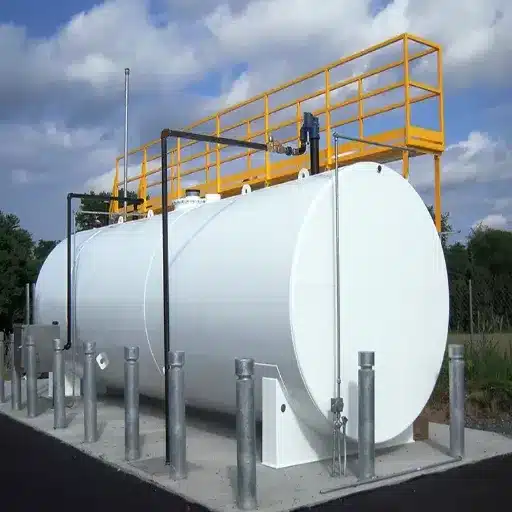
Fuel storage systems provide secure storage solutions for multiple fuel types, which include gasoline, diesel, natural gas, and propane, to ensure future fuel accessibility. The system remains essential for industries that include transportation and agriculture, and energy production, because these sectors need a continuous fuel supply. Proper fuel storage methods help preserve fuel quality throughout storage duration while decreasing the chances of fuel leaks, contamination, and fuel evaporation.
Modern fuel storage systems use advanced technologies that enhance their operational performance and safety systems. The industry employs double-walled tanks as common equipment to stop fuel leaks, while vapor recovery systems function to manage emission levels. The global market for fuel storage tanks will experience a compound annual growth rate (CAGR) of approximately 4% from 2023 to 2028, according to industry data. The market will expand because energy demand is rising and environmental rules are becoming stricter.
Different storage options exist for various fuel types, depending on particular operational needs. The two main types of storage tanks used in the industry are above-ground storage tanks (ASTs) and underground storage tanks (USTs), which companies prefer to install because they require less time and maintenance work. USTs serve as storage solutions for operations requiring minimal space or having attractive appearance needs. Organizations must evaluate their capacity needs, site characteristics, safety measures, and regulatory requirements to choose the best storage solution.
Importance of Proper Fuel Storage
Proper fuel storage practices are essential for maintaining safe operations and achieving maximum efficiency and permanent financial benefits. Recent studies show that poorly maintained fuel storage systems, together with insufficiently designed systems, create contamination problems and leakage issues and evaporation losses, which affect both operational performance and environmental health. The Environmental Protection Agency (EPA) reports that underground storage tanks (USTs), which leak, create a major environmental hazard because they have documented more than 500000 leaks across the United States, which now contaminate soil and groundwater.
Modern storage tanks for fuel use advanced technological solutions to minimize dangers that arise during their operations. The double-walled tanks offer additional protection against spills, while electronic monitoring systems provide tools to find early signs of leaks and pressure changes. Field experts from the industry show that using these systems will decrease fuel losses up to 95%, which will make operations more sustainable. Storage tanks need to comply with both local and international regulations, which include the EPA’s Spill Prevention Control and Countermeasure (SPCC) rule, because these regulations establish mandatory safety and environmental requirements that storage tanks must meet.
The correct methods for storing fuel should include both regular maintenance and fuel quality testing procedures. Research shows that contaminated fuel decreases engine performance, which causes maintenance expenses to increase between 20 percent and 30 percent each year. Organizations that implement preventive measures together with modern monitoring technologies will achieve safer operations while they gain operational efficiency savings, which accumulate over time.
Types of Fuel Storage Tanks
Different fuel storage tank designs and configurations exist because their operational requirements depend on their specific operational needs and installation locations, and storage purposes. The next section explains all primary fuel storage tank types, which contain detailed tank information and complete tank specifications.
- Aboveground Storage Tanks (ASTs):
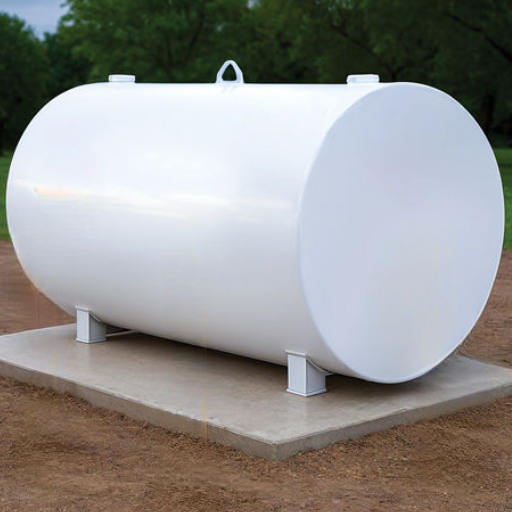
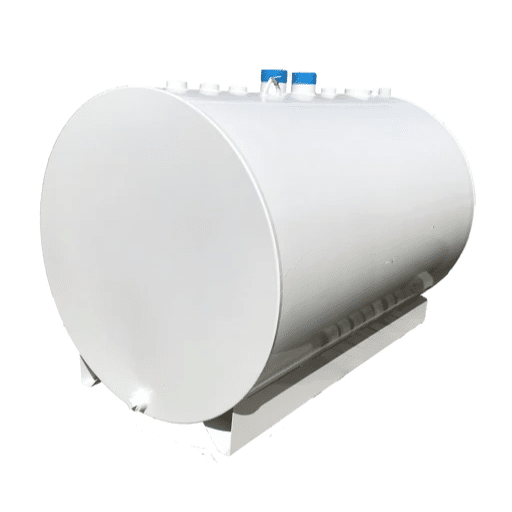
The tanks at above-ground level make it easy for operators to perform their installation work, their maintenance tasks, and their inspection procedures. Facilities that lack adequate space for their operations and face challenging environmental conditions can use ASTs for their temporary storage requirements. The current market shows that standard carbon steel prices for aboveground tanks range between $500 and $900 per ton based on their size and double-wall protection feature. - Underground Storage Tanks (USTs):
The USTs operate as underground systems that help reduce their environmental impact on surrounding areas. They function as storage facilities that allow fuel to be kept for extended periods in locations with dense populations and restricted storage capacity. The process of their installation and operation requires higher expenses because environmental protection protocols need to be followed. The Environmental Protection Agency (EPA) estimates that improper UST maintenance could lead to fuel leakage, with cleanup costs averaging $1 million per incident. - Horizontal and Vertical Tanks:
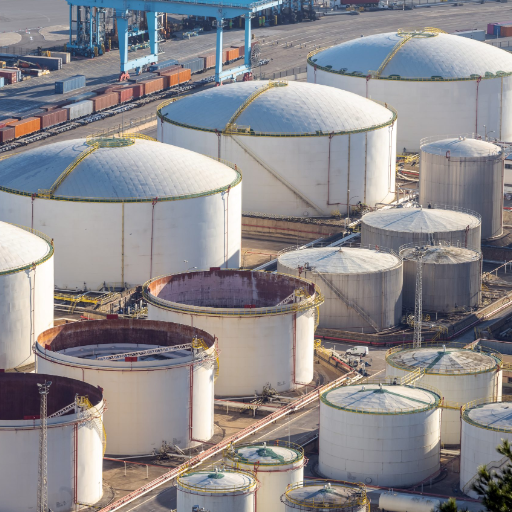
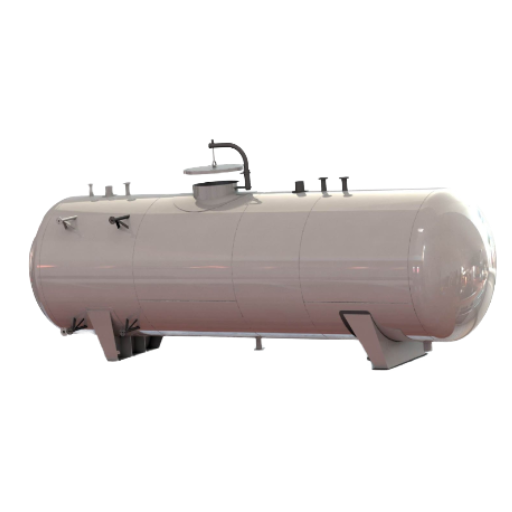
Tank classification depends on the way tanks are positioned. Horizontal tanks serve as effective storage solutions for spaces with limited vertical space, while vertical tanks enable better storage capacity in minimal space. Industrial vertical tanks have higher storage limits because some of their models can store more than 50,000 gallons. - Portable Fuel Tanks:
The tanks function as mobile fuel storage solutions, which find common application in agricultural work, construction projects, and emergency response situations. The Department of Transportation (DOT) enforces strict regulations on portable tanks, which have a capacity range between 10 and 1,000 gallons, to ensure that no fuel spills occur and no contamination happens. - Double-Walled Storage Tanks:
The tanks contain a secondary containment system that protects fuel from leaking and generating environmental contamination. Double-walled tanks decrease the frequency of spills by almost 40 percent, according to research studies, which have become required equipment for companies that handle hazardous materials.
The selection process for appropriate fuel storage tanks needs to be conducted because it directly impacts three essential factors, which include operational effectiveness, adherence to regulations, and protection of the environment. Recent industry studies show that advanced systems with real-time monitoring capabilities for tank level detection and temperature control have achieved 15-20 percent cost reductions for maintenance expenses.
Fuel Types and Their Storage Requirements
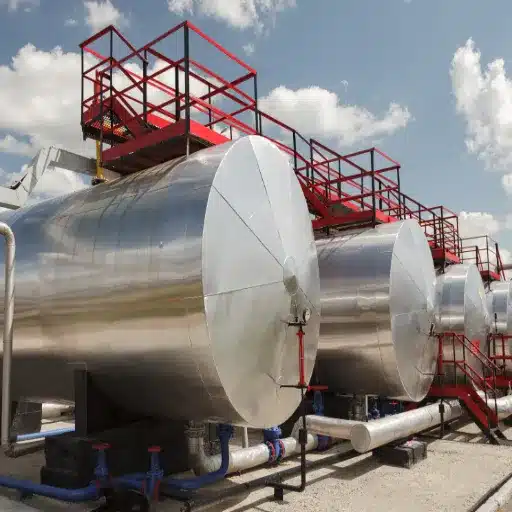
Gasoline and Diesel Fuel Storage
The storage of gasoline and diesel fuels requires adherence to stringent safety and environmental standards because these fuels contain flammable and hazardous elements. Gasoline must be stored in tanks that use approved materials that include steel and fiberglass-reinforced plastic to stop leaks that would lead to groundwater contamination. Diesel fuel needs proper containment because it has a higher flash point than gasoline, which makes it less volatile.
Modern storage systems use advanced leak detection systems, automatic overfill prevention devices, and corrosion-resistant coatings as their standard features. According to a recent report from the Environmental Protection Agency (EPA) the implementation of double-walled storage tanks has significantly reduced underground fuel storage incidents by nearly 30% over the past decade. These tanks also comply with federal and state regulations that require secondary containment for added safety.
Temperature control represents a vital aspect of diesel fuel management because diesel fuel becomes gelled when exposed to low temperatures. Automated heating systems and insulation create a standard method for maintaining fuel quality in regions that experience cold weather. Organizations like the National Fire Protection Association (NFPA) require regular tank inspections and maintenance to decrease risks while maintaining long-term storage efficiency. Businesses achieve performance optimization through regulatory compliance, which creates environmental protection for their fuel storage practices.
Propane and Kerosene Storage Considerations
Propane storage needs both secure methods and effective methods to achieve safe implementation of propane storage. Pressurized tanks function as the standard method for propane storage because these tanks keep gas in a liquid state through all temperature variations. According to the U. S. Energy Information Administration (EIA), propane storage tanks range in size from small 20-pound cylinders, which people use for grills, to large tanks that exceed 1,000 gallons, which serve residential or commercial heating purposes. Propane tank storage needs safe storage because firefighters need to access storage areas, and they need to control the safe storage of both items during emergencies. The system requires both regular leak detection procedures and valve testing to achieve safe functioning standards.
Kerosene storage requires two essential considerations, which involve selecting appropriate storage container materials and defining correct environmental storage conditions. Kerosene requires storage in sealed metal containers or fuel-grade plastic containers that display correct labeling. The industry standards state that kerosene will begin to deteriorate after a specific time period because both moisture and temperature fluctuations will result in fuel contamination. The National Renewable Energy Laboratory (NREL) research shows that the best storage conditions for fuel require storage in cool, dry areas that need to stay completely shielded from sunlight because sunlight exposure speeds up chemical breakdown. Experts recommend adding fuel stabilizers to kerosene because they extend the shelf life of this fuel, which ranges from one to three years based on how it is stored.
The secure storage of propane and kerosene needs strict safety measures, which require complete equipment checks to maintain operational efficiency while protecting both staff members and environmental assets.
Portable and Mobile Fuel Storage Solutions
The creation of portable mobile fuel storage systems reached its current level of development, which now fulfills three essential needs. The existing fuel storage systems provide safe transportation methods for propane, kerosene, diesel, and gasoline through their design of strong fuel storage containers and storage tanks, and transport vehicles.
All current industry regulations demand that portable fuel containers meet all relevant safety standards, which include OSHA regulations, United States DOT requirements, and other applicable safety standards. The two most popular tank materials in the industry today are high-density polyethylene and corrosion-resistant steel because both materials deliver outstanding strength and complete protection against leaks.
New research demonstrates that portable fuel tanks now range from 5-gallon to 100-gallon capacities, which provide both small users and industrial users with suitable fuel storage options. The modular storage systems permit users to build customized storage solutions because their container stacking feature generates a secure and effective storage space. The mobile tanks now incorporate electric and mechanical fuel pumps as their systems, which provide accurate and efficient fuel distribution functions.
The research industry reports predict that between 2023 and 2030, the global market for portable fuel storage solutions will grow at a rate of 5 percent per year. The market expansion occurs because energy needs rise and emergency response capabilities increase, while fuel storage technology develops new products. The modern solutions achieve both operational efficiency and environmental sustainability through their use of strong materials and high-tech monitoring systems, which meet environmental regulations.
Safety Regulations in Fuel Storage
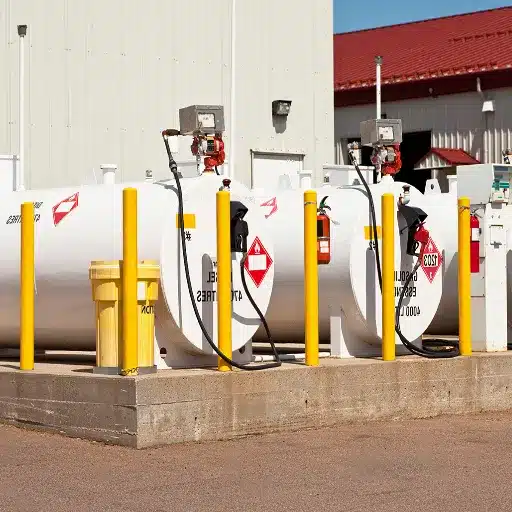
EPA Regulations and Compliance
The Environmental Protection Agency (EPA) created comprehensive regulations that protect the security of fuel storage facilities and their environmental impact through its established procedures. The regulations design provisions that prevent fuel spills and preserve both underground water resources and atmospheric safety during the management of Underground Storage Tank (UST) facilities.
The EPA UST regulations require all fuel storage systems to establish corrosion protection systems, which operators must install to safeguard against spills and overfilling while maintaining continuous leak monitoring capabilities. The 2023 tank system compliance requirements mandate all operators to establish secondary containment systems for their tanks and piping, which operators must test and inspect according to specified time intervals. The tank owners need to maintain precise documentation that demonstrates their consistent adherence to regulatory requirements. When the organization breaches established regulations, it faces substantial monetary penalties and must execute obligatory remedial actions.
The research shows that environmental hazards become a critical danger when operators do not properly control fuel storage tank operations. The 2022 EPA study discovered that more than 550,000 underground tanks throughout the United States have been registered, while approximately 67,000 tanks need upgrades or repairs to meet current standards. The statistics demonstrate that organizations must perform maintenance activities before their environmental health risks to the public will be reduced through the implementation of EPA standards.
The EPA encourages organizations to implement technological advancements that improve their environmental monitoring abilities and sustainable development through automatic tank measurement systems and vapor recovery systems. The new technology helps organizations meet regulatory requirements while it supports the agency’s mission, which aims to decrease greenhouse gas emissions and develop sustainable fuel management systems. The EPA website provides both compliance materials and compliance resources, which help stakeholders understand new regulatory requirements that they must follow.
Flammable Material Handling and Safety Precautions
People need to store and handle flammable materials at their homes and workplaces to keep these materials managed safely. The National Fire Protection Association (NFPA)has established that improper storage solutions for flammable liquids represent the primary cause of fire-related incidents, according to recent data. The organization requires all personnel to handle static electricity hazards by using certified containers and following grounding procedures. Through proper space maintenance, people can achieve better airflow, which leads to safer environments because flammable vapors exist at lower concentrations.
The implementation of modern fire suppression systems with their ability to track system performance has created new advancements in industrial safety. The current digital sensors have achieved their best performance, which allows them to detect gas leaks and volatile organic compounds (VOCs) with maximum accuracy. The research reports indicate that organizations that use this technology will experience a 40% reduction in fire hazard risks.
The main method to reduce workplace hazards depends on training employees about proper safety practices. The Occupational Safety and Health Administration (OSHA) requires hazardous material workers to receive yearly certification training, together with scheduled equipment checks. Businesses can achieve regulatory compliance through advanced technological systems and comprehensive training programs, which protect their staff members and environmental resources.
Emergency Procedures and Equipment
The ability to manage situations properly depends on two main factors, which include having emergency plans and maintaining operational equipment. The study results demonstrate that workplaces that implement complete emergency response plans achieve 50 percent better accident handling than workplaces that lack such plans. Fire drills must be practiced at regular intervals while emergency exit access needs to stay open at all times. Businesses should adopt contemporary safety technologies that include IoT-enabled devices to detect hazards and notify staff within the shortest possible time.
The implementation of automated external defibrillators (AEDs) at workstations has led to a 70 percent increase in survival rates from cardiac events through their application during the initial three minutes after a cardiac crisis. The National Fire Protection Association (NFPA) states that fire suppression systems, which include automatic sprinklers, can decrease property damage by up to 65 percent. The practice of regularly inspecting and maintaining equipment helps to create safer work environments because it ensures equipment will function properly during emergencies.
The organization uses its current employee training programs to achieve safety compliance, which exists because of evidence-based data.
Maintenance Best Practices for Fuel Storage Tanks
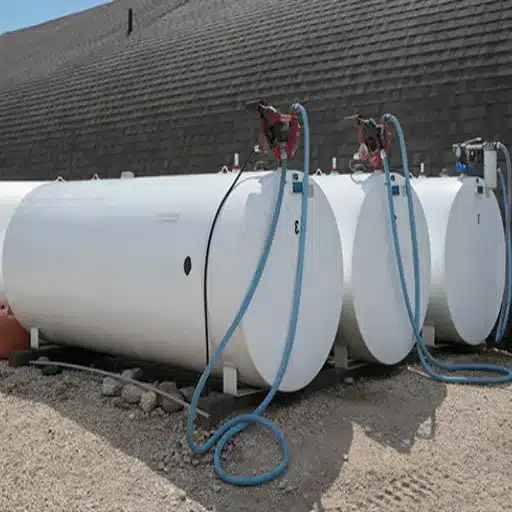
Regular Inspections and Monitoring
Fuel storage tanks require thorough inspections together with ongoing monitoring practices to maintain their safe operation and extended useful life, and compliance with industry safety standards. The current guidelines mandate that storage tanks must undergo visual inspections, which need to be conducted on a monthly basis to identify any signs of corrosion, cracking or leaking problems. The advanced methods of ultrasonic testing (UT) and magnetic flux leakage (MFL) testing enable investigators to discover concealed internal damage that remains invisible to typical inspection methods. The methods enable the detection of any existing defects, which allows organizations to avert major operational breakdowns.
The deployment of automated tank monitoring systems, which use advanced IoT technology, has changed the way organizations implement their safety procedures. The sensors produce immediate data about fuel use and temperature changes, and possible leaks, which users can access through cloud-based systems. A study found that organizations that adopted these systems achieved operational efficiency increases of up to 40% while they also decreased their environmental impact.
Tank owners need to carry out inspections according to Environmental Protection Agency (EPA) standards while also maintaining documentation of all maintenance activities conducted on their tanks. Organizations use secondary containment systems together with their ongoing integrity testing programs to protect themselves from environmental accidents while meeting their legal obligations. The combination of regular inspections with real-time monitoring-based predictive maintenance develops essential protections for both the workplace and nearby natural areas.
Cleaning and Maintenance of Fuel Tanks
The process of cleaning and maintaining fuel tanks effectively establishes their ability to operate efficiently over extended periods. According to industry best practices, fuel tanks should be inspected and cleaned at least once every 3 to 5 years, depending on usage, fuel type, and environmental conditions. The cleaning process requires technicians to eliminate all sludge and sediment and water contamination, and microbial growth that has built up in the system, because these materials will diminish the quality of the fuel.
A 2023 report from industry experts shows that fuel tanks now experience 20 percent more microbial contamination than they did ten years ago because biofuels have become more common, which allows water to enter fuel tanks and leads to microbial infection. The cleaning process now undergoes transformation through advanced technologies, which include robotic tank cleaning systems and ultrasonic inspection tools, because these innovations decrease operational interruptions while increasing cleaning precision. The tools provide real-time data, which assists in detecting problem areas and predicting maintenance requirements, which helps to decrease the possibility of expensive tank breakdowns.
Modern maintenance procedures require organizations to check their tank coatings because these coatings create barriers that prevent corrosion damage. Microbe-induced corrosion causes up to 40 percent of tank failure events, according to multiple global surveys. The implementation of a comprehensive cleaning and maintenance schedule enables organizations to meet regulatory requirements while protecting their equipment, reducing environmental dangers, and maintaining fuel quality for maximum system efficiency.
Common Issues and Solutions
The storage tanks face a major problem because water damages their metal parts through extended contact with water and through contact with bacteria. Recent research shows that storage tanks develop water accumulation through condensation and leakage, which creates a space that allows microbes to thrive. The environment contains microbes that produce acidic substances that accelerate corrosion processes and cause destruction to materials and tank systems. The data from industry reports shows that tanks that have lost their structural strength face a 60% higher chance of needing emergency maintenance, which results in expensive and time-consuming repairs.
The solution to these problems requires the development of advanced monitoring systems as a fundamental need. Modern tank monitoring systems, which use IoT sensors, provide continuous monitoring of temperature, humidity, and liquid levels, which helps to identify early signs of contamination and internal damage. Current industry trends show that epoxy-based protective coatings achieve an 85% success rate for corrosion prevention when maintenance protocols are used according to current industry trends. The popularity of fuel polishing systems exists because they successfully eliminate water and bacterial contaminants from fuel tanks, which protects fuel quality while extending tank operational life. The adoption of technological advancements by companies leads to improved work processes and results in major savings for their operating costs.
Environmental Considerations in Fuel Storage
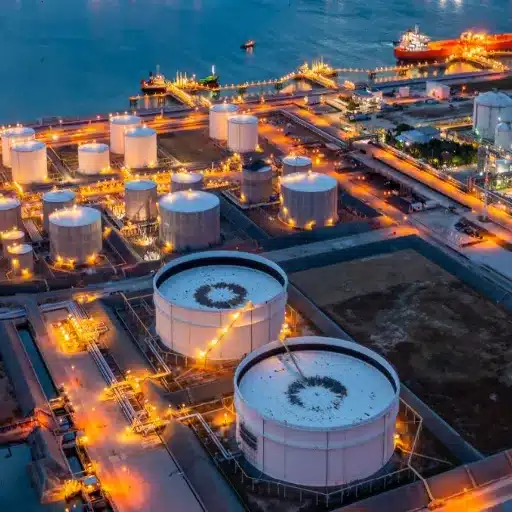
Environmental Effects from Fuel Storage Facilities
The storage of fuel creates environmental problems for storage sites when the facilities fail to maintain proper safety and containment requirements. The leakage and spillage of storage tanks result in the contamination of soil and groundwater, which creates environmental destruction and health risks for humans. The Environmental Protection Agency (EPA) considers underground storage tank (UST) leaks to be a major problem because one gallon of fuel can make more than one million gallons of water unsafe for drinking.
The process of fuel transfer and storage creates air pollution because it releases volatile organic compounds (VOCs), which generate ground-level ozone. The current research shows that storage tanks that lack proper venting systems become major sources of VOC emissions, which worsen climate change and urban air quality issues.
The industrial sector adopts double-walled tanks, advanced leak detection systems, and vapor recovery technologies as its primary method for risk reduction. The research shows that these protective measures lower the risk of leaks by 50 percent while also decreasing dangerous emissions by the same amount. The new technology enables organizations to protect the environment while decreasing their future expenses for environmental clean-up and regulatory compliance.
Best Practices for Minimizing Environmental Risks
Companies need to implement best practices together with advanced technology and operational standards to achieve successful environmental risk reduction in their industrial operations. The environmental monitoring technology market worldwide will experience growth at a compound annual growth rate (CAGR) of 8% until 2030 because of stronger regulation and business sustainability initiatives. Organizations use real-time leak detection sensors with automated shutdown systems and artificial intelligence-based predictive analytics as essential components for their environmental risk reduction efforts.
The implementation of predictive maintenance software enables organizations to achieve a 70 percent reduction in equipment failure rates, which helps them avoid unexpected environmental hazards. The implementation of vapor recovery systems enables industries to recover and reuse more than 95 percent of their emissions, which occur during storage and transfer operations. The process of reclaiming emissions results in economic benefits that increase profitability while reducing environmental impact. Organizations achieve enhanced risk management and operational performance and environmental protection by combining these technologies with their employee training programs on environmental safety.
The Role of Advanced Materials in Fuel Storage
The present-day developments in fuel storage technology demonstrate how advanced materials, including carbon fiber composites and advanced alloys, deliver essential advantages. The recent study shows that carbon fiber reinforced tanks weigh less than traditional steel tanks, but they demonstrate better resistance to wear and protection against corrosion. The system achieves cost reductions for maintenance activities and extends operational lifetime.
Recent studies show that tank coatings that use nanotechnology can achieve a 70 percent reduction in fuel permeation, which leads to decreased environmental contamination. Internet of Things (IoT) technology allows automated monitoring systems to perform real-time emission level tracking, which enables organizations to detect leaks and operational issues with greater speed. The developed innovations enable organizations to create safer and environmentally friendly fuel storage techniques, which support worldwide efforts to decrease carbon emissions from all sectors.
Advanced materials and digital technologies work together to improve fuel storage systems because they create safer operations that result in less environmental impact. The energy sector is developing sustainable storage solutions for fuel through the implementation of current technology and digital monitoring systems.
Reference Sources
-
Hydrogen Vehicles: An Evaluation of Fuel Storage, Performance, Safety, Environmental Impacts, and Cost
Source Link -
Electrochemical Hydrogen Storage: Opportunities for Fuel Storage, Batteries, Fuel Cells, and Supercapacitors
Source Link -
Safety and Security of Commercial Spent Nuclear Fuel Storage: Public Report
Source Link -
Porous Metal–Organic Frameworks for Fuel Storage
Source Link
Frequently Asked Questions (FAQs)
What are the different types of fuel storage systems?
Multiple fuel storage systems exist because their different designs accommodate multiple storage requirements. The fuel storage systems use above-ground storage tanks, underground storage tanks, portable storage tanks, and mobile refueling systems as their main storage facilities. Above-ground tanks enable easier inspection and maintenance activities, while underground storage tanks serve as compact storage units that protect against environmental dangers. Portable and mobile solutions provide industries with flexible fueling options, which become essential for their operational needs in agriculture and construction work.
How can fuel storage systems promote safety and reliability?
The design, installation, and maintenance processes of essential safety features enable fuel storage systems to achieve their safety and reliability goals. Modern storage facilities use advanced materials and double-walled tanks, and monitoring systems to stop leaks and identify system malfunctions. The organization improves safety through regular inspections and compliance with industry standards, which reduces contamination risks and fuel spill incidents. The organization achieves best practice implementation through training programs that educate employees on storage and handling procedures.
What are the best practices for maintaining fuel storage systems?
The process of maintaining fuel storage systems requires organizations to conduct regular inspections and cleaning activities. The procedure involves assessing the system for corrosion and leaks, and damaged fittings. The system requires calibration and operational functioning to enable swift detection of system irregularities. The organization needs to follow industry standards and legal regulations, which include permits and environmental requirements. The storage area for fuel needs to maintain a safe distance from open flames and chemical sources to control potential hazards.
How do fuel storage solutions align with sustainability goals?
Modern storage facilities use environmental protection elements in their design through the implementation of spill containment systems, vapor recovery units, and environmentally friendly tank coatings. The solutions prevent fuel loss, which leads to soil and water contamination through their leak control system. The organization achieves energy efficiency through advanced technologies and materials, while its systems that use renewable energy sources and low-carbon operations preserve global sustainability goals in the energy sector.
What are the regulations for fuel storage systems?
Fuel storage systems must comply with numerous regulations that exist at local, national, and international levels. The regulations require organizations to follow environmental protection standards, including U.S. Environmental Protection Agency (EPA) guidelines. The operators must fulfill all requirements, which include tank installation monitoring, spill containment, and reporting. The American Petroleum Institute (API) codes establish specific standards that protect both safety and operational efficiency.
How can digital tools enhance fuel storage management?
Digital tools and technologies, which include automated monitoring systems and Internet of Things (IoT) devices, provide organizations with real-time information about their fuel levels, temperature, and leak detection capability. Cloud-based platforms enable organizations to monitor their storage operation capabilities while maintaining safety compliance. The organization uses these tools to decrease inspection requirements while improving operational procedures and processes, and maintaining system reliability through predictive maintenance.