Last updated:
The number of gas stations in China exceeded 110,000 at year-end 2025, according to the industry overview in Yanchang Petroleum Group’s 2025 bond annual report. This is a historical estimate from the issuer. It is not a verified exact national total for 2026. The cited passage does not explain how the stations were counted.
If you need the number of gas stations in China for a market report, first check what each source counts. A national estimate, a branded network and a list of businesses can cover different groups. This guide puts the dated figures side by side, explains the company reports and shows how to use the 2026 news without confusing it with a station count.
Key Takeaways
- The national indication above concerns end-2025, not today’s operating network.
- Sinopec and PetroChina publish dated company metrics with different labels.
- PetroChina’s self-operated stations form a subset of its Group network.
- Charging equipment, station sites and refined-oil retail outlets need separate definitions.
- A national network count provides market context; it cannot specify a local equipment project.
The Number of Gas Stations in China: What the Dated Figures Show
A dated historical national indication
Yanchang Petroleum’s filing on the Shanghai Stock Exchange describes more than 110,000 stations at end-2025 on page 10. When citing the number of gas stations in China, keep the words ‘more than’ and the date. This is an industry overview from a company, not a government census. The passage does not explain how it counted the sites.
The rows below separate that national estimate from company networks. Read across each row before comparing it with another one. You can trace each value to a named report, but the sources do not all count the same group of sites. The dates also show which rows describe year-end and which describe the middle of the next year.
| Source and reported metric | Reference date | Reported count | Reading boundary |
|---|---|---|---|
| Yanchang Petroleum, national industry overview | End-2025 | More than 110,000 | Approximate historical description; methodology not supplied in passage |
| Sinopec, Sinopec-branded service stations | 31 December 2025 | 31,195 | Company-branded network |
| Sinopec, Sinopec-branded service stations | 30 June 2026 | 31,278 | Interim company snapshot |
| PetroChina, Group gas stations | 31 December 2025 | 22,127 | Reporting Group network |
| PetroChina, Group gas stations | 30 June 2026 | 21,932 | Interim Group snapshot |
Sources: Yanchang annual filing; Sinopec annual report, printed page 14 and interim issuer release; PetroChina annual report, printed page 25 and interim report, printed page 19, reproduced on a document mirror.
What the table can establish
These sources do not give an exact number of gas stations in China for 2026. Adding the two company totals would still leave other operators outside the table. Dividing them by the broad industry estimate would also mix different groups and methods. Keep the rows separate unless a source explains how they fit together.
For a slide or market note, copy the date and the full label with the count. A heading such as ‘China stations, 2026’ would lose the detail that makes the row useful. Compare the source and scope columns first, then choose the row that answers your question. Use the opening table as your source checklist before quoting a total.
Understanding Gas Stations in China
Which physical outlets are included?
China’s Ministry of Commerce distinguishes retail outlets from narrower station terminology. Article 41 of its refined-oil circulation rules includes gas stations and refuelling points within refined-oil retail outlets. The refuelling-point category includes rural diesel-only outlets and floating refuelling facilities. Article 44 sets the effective date as 1 September 2025.
This rule helps explain why the number of gas stations in China may differ from a count of ‘retail outlets.’ The latter term can cover more types of outlet. It does not tell us which types Yanchang included in its estimate. For that, we would need the method behind the estimate itself.
Ask whether each source counts sites that are open, sites with a licence, or entries in a business list. A licence or a listing alone does not tell you what the source means by an operating site. Check the area covered too. A company Group total should keep that label unless the report states a more precise geographic scope.
Why charging equipment is a different unit
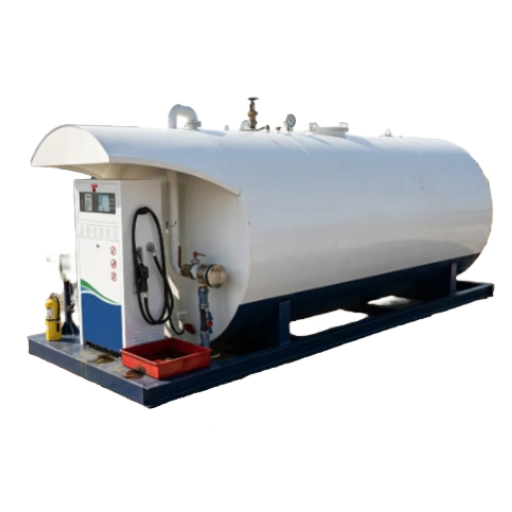
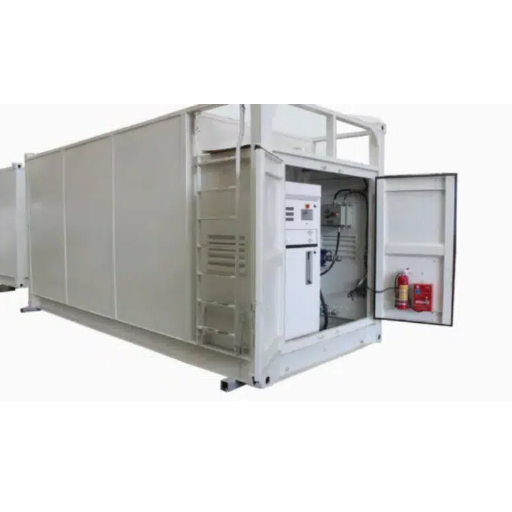
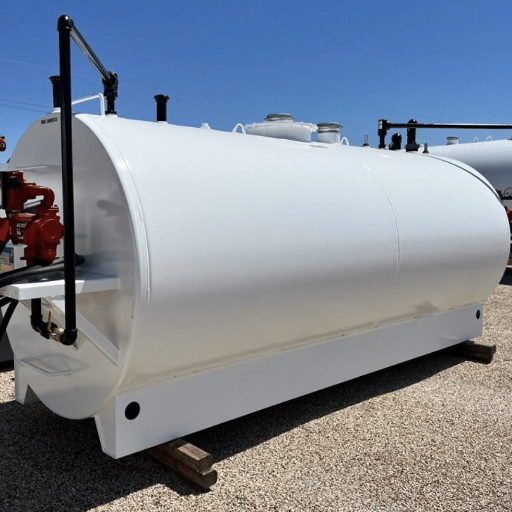
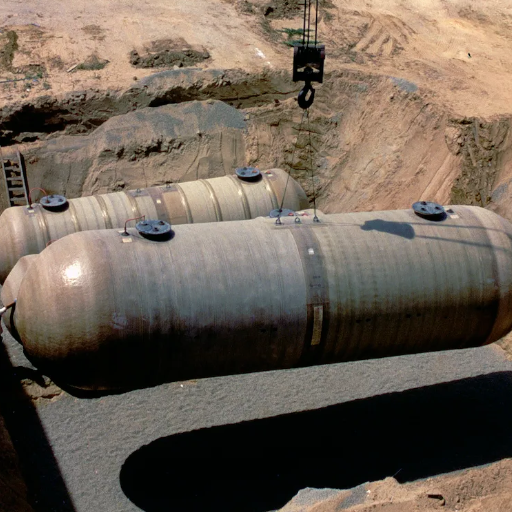
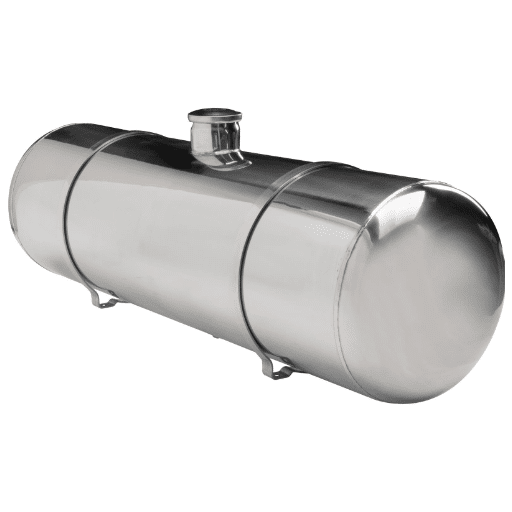
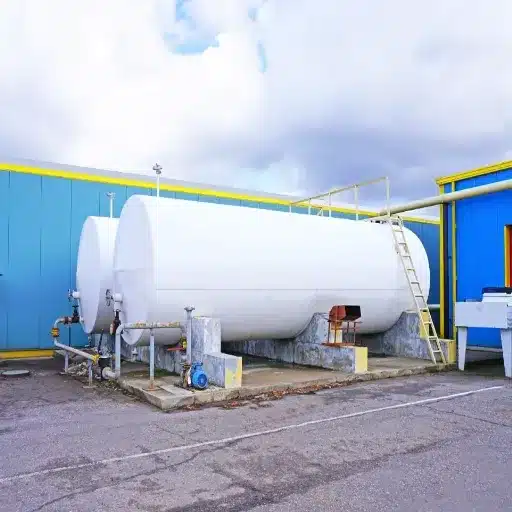
A dispenser, a nozzle, a charging connector and a physical station describe different units. Adding services to a location does not by itself demonstrate that another fuel station has opened. The same distinction applies to fuel storage tanks: equipment within a site is not a count of sites.
Illustrative scenario: A researcher sees chargers added to a petrol station and enters a new site in a spreadsheet. They want to track the number of gas stations in China, so they first check the counting rules. The fuel site may still be one location, while a separate series counts the chargers. A photograph alone cannot settle which row should change.
Before comparing the number of gas stations in China across sources, ask four questions: What is one counted unit? Which area does the count cover? Must a site be open to qualify? What date does it describe? If the source leaves an answer unclear, note the gap beside the value. Do not fill it with an assumption.
Sinopec and PetroChina: Reading the Network Figures
Sinopec: year-end and interim snapshots
Sinopec’s 2025 annual report lists 30,987 Sinopec-branded service stations at 31 December 2024 and 31,195 at 31 December 2025. Its 2026 interim results release, issued on 23 August 2026, reports 31,278 at 30 June 2026.
Keep both dates beside Sinopec’s figures. The June count describes the network at mid-year; it is not a year-end result. Keep the word ‘branded’ too, since that is the label the company uses. Dropping the label can make a company count look broader than the source says it is.
Sinopec’s reports help readers who research the number of gas stations in China, but they answer a company-network question. They do not show how all Chinese stations changed over that period. To measure a national change, you need a national series with the same scope and rules at each date.
PetroChina: Group network and self-operated subset
PetroChina’s 2025 annual report reports 22,441 Group gas stations at end-2024 and 22,127 at end-2025. Within that total, self-operated stations were 20,429 and 20,482, respectively. These subset values describe part of the Group network, not extra stations to add to it.
The 2026 interim report gives 21,932 Group stations and 20,387 self-operated stations at 30 June 2026. The linked copy is the issuer report reproduced on a document mirror. Its printed page 19 provides the marketing table; the annual comparison appears on printed page 25 of the annual report.
| PetroChina reporting metric | 31 December 2024 | 31 December 2025 | 30 June 2026 |
|---|---|---|---|
| Group gas stations | 22,441 | 22,127 | 21,932 |
| Self-operated stations, included within Group total | 20,429 | 20,482 | 20,387 |
Use PetroChina, the company named in the report, for these rows. Replacing that name with its parent CNPC would change what the label claims to cover. When researching the number of gas stations in China, keep the reporting company distinct from its wider group. The name is part of the meaning of the count.
Why two networks are not a national total
Two company networks cannot establish the number of gas stations in China. Their reports name the companies and explain their own measures. They do not match those networks to every site nationwide. You also cannot subtract them from an approximate national estimate and call the remainder independent stations without proof that the groups and dates match.
Illustrative scenario: An analyst builds a slide about Sinopec and PetroChina. They give each company a row, keep dates in the column headings and show the self-operated subset beneath PetroChina’s total. The slide supports a company comparison. It does not claim to show the full number of gas stations in China or a measured share of that total.
This layout also helps when the next report arrives. Check the new date and label before replacing a row. If the measure has changed, explain the change first. Keep the older source in your notes so another reader can see whether the figures form a comparable series.
Why the Number of Gas Stations in China Varies by Source
Data dates and the sites covered
A page dated 2026 may describe the number of gas stations in China in 2025 or an earlier year. Record when the page appeared and when its count applies. The two dates answer different questions. A recent page label cannot make an old figure current, even if it places that figure near news from this year.
Next, identify the source type. Use this comparison to decide what question a figure can answer:
| Source type | What to inspect | Useful question |
|---|---|---|
| Company report | Issuer, network label and reference date | How large was this reported company network? |
| Industry overview | Author, underlying source and stated method | What historical national context does the author describe? |
| Commercial directory | Listing coverage, record date and removal rules | What businesses does this database list? |
| Administrative series | Outlet definition, geographic scope and status rules | What registered or operating population does this series measure? |
Different totals do not prove that sites opened or closed. Check whether both sources count the same group before claiming a trend. If they cover different groups, taking an average would hide the mismatch. Use the number of gas stations in China only with the date and scope that its source supports.
Forecasts and directories are not a census
A plan to build stations describes future work. To assess the number of gas stations in China after that plan, look for evidence of what opened by the stated date. A forecast is not a record of completed sites. A search snippet or a new page title cannot prove that the plan was carried out.
For a reusable research record, keep these fields together:
- Source and document: identify the actual issuer or author.
- Metric: preserve terms such as branded, Group or self-operated.
- Reference date: use the date of the count, not just the webpage year.
- Coverage and method: record what the source actually discloses.
- Limitations: state any unresolved geographic or counting boundary.
If a source does not explain its method, write that limit beside the value. You may still use it as a dated estimate from a named source. You should not turn it into an exact number of gas stations in China. The first table follows this rule: it keeps the broad estimate separate from the more narrowly defined company networks.
Energy Service Stations: The Future of Gas Stations
What integration changes at an existing site
Changes in services do not necessarily change the number of gas stations in China. One site may add charging or other services while remaining a single fuel station. Ask whether the news describes a new site or new work at an existing one. This distinction helps you read network reports and energy-service news together without treating them as the same measure.
A China Petroleum News report dated 18 June 2026, published on CNPC’s news website, discusses integrated energy-service transformation. Its discussion includes differentiated upgrading and the need to consider local resources and market needs. It supports a documented direction of development, rather than a claim that every station has completed the same conversion.
For a site owner, the next question is which services the location should offer. The number of gas stations in China cannot tell you how much land or grid power one location has. Nor can it show how long its customers stay or what they need. Those questions call for site-level facts, even when national reports provide useful market context.
A reported example and its limits
The June report identifies Fuzhou Fuyuan station in Fujian as an integrated site combining solar generation, storage and charging with fuel, electricity and non-fuel services. This is an attributed public reporting example. It illustrates the meaning of service integration without establishing a national adoption rate.
The example shows what one named report means by an integrated site. It does not show how many stations nationwide use that service mix, or prove that another site can use the same layout. The report also does not establish work by this website’s supplier. Keep the example tied to its source rather than turning it into a product or commercial promise.
If you’re assessing a project, separate the desired service mix from the national network total. The gas station equipment buying guide provides a related continuation for equipment questions. Treat the source table here as market context, then build a project-specific list of requirements before comparing equipment options.
Gas Station Industry Research and Insights for 2026
A dated regulatory development
On 16 October 2026, China’s State Administration for Market Regulation published a briefing on tackling fuel-dispenser manipulation. The transcript discusses enforcement and smart supervision. It adds a dated operational development to the network overview, while leaving the national station-count question separate.
This briefing concerns supervision, not the number of gas stations in China. It does not tell us how common a problem is across the whole network. It also does not certify a supplier, product or site. Use it to understand the dated enforcement topic, while checking the actual rules and records needed for your project.
For terminology about measurement checks, readers can continue to the existing fuel dispenser calibration article. A terminology overview does not replace the applicable requirements or responsible authority’s instructions for a specific project.
What an equipment buyer should ask next
The number of gas stations in China can help frame a market note. A local equipment brief needs a different set of facts. Start with the actual site and the way it will operate. Ask questions that the site team can answer through a survey, an operating plan and a check of the project documents:
- Which fuels and vehicles will the location serve?
- Is the work a new installation, replacement or broader service upgrade?
- What storage, dispensing and site interfaces must the equipment match?
- Which measurement, safety and approval documents must the project team check?
- Who will operate, maintain and verify the installed equipment?
Use the answers to build a short project brief. List the fuels, vehicles and equipment connections, then name the person who must check each item. Mark an item open if the team has not checked it yet. This keeps the next decision tied to site facts rather than an assumption about the wider market.
Treat the number of gas stations in China as background for that brief. It cannot set the number of dispensers, tank size, cost or work schedule at one site. The questions above do not promise that a supplier can meet every need. They also do not mean that every project follows the same approval route.
Illustrative scenario: A project manager starts with a China market report, then receives a request for an equipment budget. They do not multiply the number of gas stations in China by a guessed cost per site. Instead, they ask for the fuel mix, operating needs and site limits. The market report and the equipment brief now support two different decisions.
For that next step, use the China fuel dispenser sourcing guide to organize specification questions. Keep any request for a quotation tied to the actual project. None of the counts above establishes equipment orders, achievable savings or the profitability of a new location.
Frequently Asked Questions
How many gas stations are in China now?
The sources reviewed here do not establish an exact number of gas stations in China for 2026. Yanchang Petroleum’s 2025 bond annual report describes more than 110,000 stations at end-2025. Cite this as a dated estimate from that company, with the limit that the passage does not explain its counting method.
What can be said about year-end 2025?
For the number of gas stations in China at end-2025, the issuer overview gives approximate national context. Sinopec separately reports 31,195 branded service stations, while PetroChina reports 22,127 Group stations. Both company counts refer to 31 December 2025. They cover narrower networks and should remain separate from the national estimate.
Are the operator counts the national total?
No. They describe the named companies’ networks, not the full number of gas stations in China. They do not account for every station nationwide. PetroChina’s self-operated sites also sit within its Group total. Adding that subset again would count part of the same network twice rather than add new sites.
Do charging points count as gas stations?
A charging point and a fuel station are different units. To track the number of gas stations in China, use the counting rules for that series. A site with both services needs to fit those rules. Do not add connector totals to a fuel-site count or assume that added charging means a new station.
Do these figures prove national growth?
No. A change in the number of gas stations in China needs a national series with consistent rules and dates. These sources give company snapshots and a separate, approximate national estimate. Neither the two networks nor an old plan for new stations can stand in for a measured national trend.
Can a national count define equipment demand?
The number of gas stations in China gives market context, not an order forecast. Keep the source, date and scope in your market note. Then assess the site’s fuel needs, vehicles, layout and required documents. For the next step, use the China fuel dispenser sourcing guide to prepare project questions before seeking a quote.