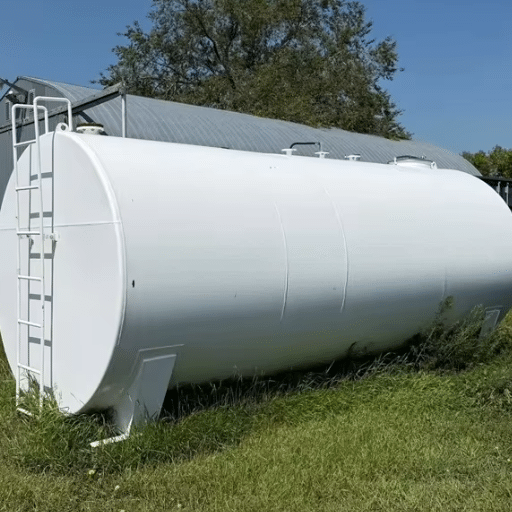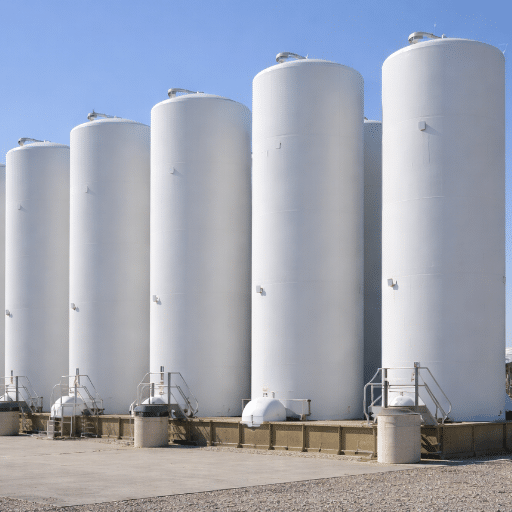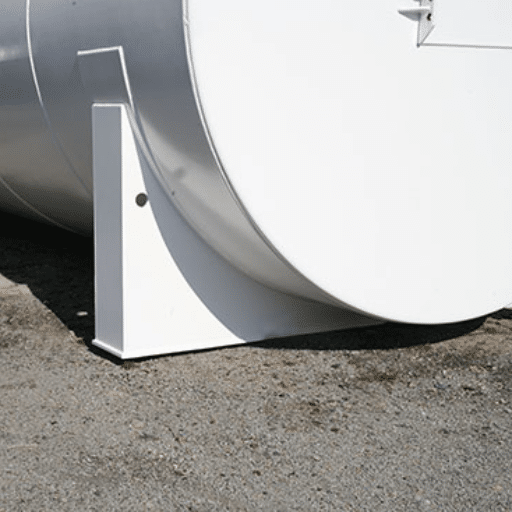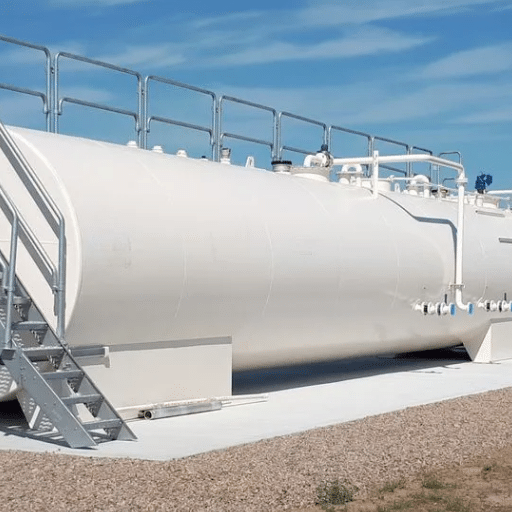
The development of tanks for dangerous situations demands precise maintenance of safety standards together with operational dependability requirements. Industries that handle dangerous materials daily, which include oil and gas operations, chemical manufacturing, and energy production, require the use of explosion-proof tanks. The special tanks protect people and facilities through their design, which enables them to resist extreme pressure while preventing severe breakdowns. This article will explore the key safety features that are essential to explosion-proof tank design because they protect facilities which handle dangerous materials in unstable environments. The guide will help both industry experts and safety enthusiasts who want to understand how crucial systems work by explaining the technology and concepts behind these essential systems.
Understanding Explosion-Proof Tanks
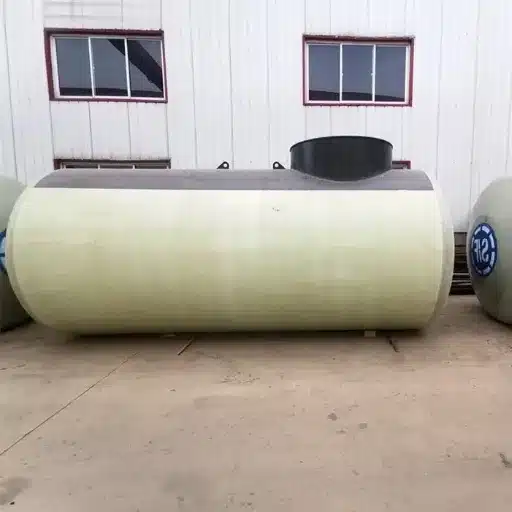
Definition and Importance of Explosion-Proof Tanks
Explosion-proof tanks function as specialized storage facilities that protect hazardous materials, including flammable liquids and gases, and chemicals. The tanks maintain operational security through their design, which prevents actual explosion and fire and structural collapse during situations with extreme pressure and heat and unintentional material spills. The system relies on robust construction standards that use premium materials, which include stainless steel and carbon steel, together with complete insulation and venting systems to maintain internal pressure and temperature.
Recent industry data shows that explosion-proof tanks serve essential purposes in energy and chemical manufacturing and transportation industries, which frequently store combustible materials. The global market for explosion-proof equipment will experience a growth rate of 5.9% between 2023 and 2028, according to a study by MarketsandMarkets, which demonstrates rising demand for safety-compliant solutions. The proper tank design will reduce industrial accident risks, which protects human life, company resources, and natural surroundings.
The tanks include fail-safe systems, which consist of pressure relief valves and advanced monitoring systems, and emergency shutdown mechanisms. The organizations that develop regulatory standards, including OSHA and API, establish particular requirements that explosion-proof tanks must meet for their building and operation, to ensure that all industry members follow safety standards. Explosion-proof tanks maintain worksite safety while protecting against catastrophic incidents through their combination of modern technology and strict regulatory compliance.
Key Features of Explosion-Proof Design
Explosion-proof tanks are equipped with several advanced features designed to ensure the highest level of safety and operational efficiency in hazardous environments. Below are some key details and supporting data related to their design enhancements:
- Thick-Walled Construction
Explosion-proof tanks utilize thick, reinforced steel or other durable materials to withstand high internal pressures. According to a 2023 industry report, steel thickness in such tanks often ranges from 6 mm to over 20 mm, depending on the application, ensuring structural integrity even under extreme conditions. - Pressure Relief Mechanisms
A key safety feature is the inclusion of pressure relief valves, which prevent dangerous pressure buildup inside the tanks. Research indicates that modern pressure relief systems can handle surges up to 20% above operational pressure limits, releasing excess pressure effectively to mitigate risks. - Advanced Venting Systems
Proper venting is essential to prevent flammable vapors from accumulating within the tank. Many explosion-proof designs incorporate flame arresters within their venting systems, which are capable of extinguishing flames while maintaining airflow. This technology significantly reduces the risk of external sparks igniting vaporized flammable substances. - Antistatic Coatings
To avoid static electricity generation, many tanks are lined with specialized antistatic coatings. These coatings dissipate static charges to reduce ignition sources. According to recent advancements, such coatings offer long-term durability and are tested to exceed minimum safety requirements by up to 40%. - Temperature Control Systems
Explosion-proof tanks often integrate temperature monitoring and control technologies. These systems help maintain optimal storage conditions, particularly for volatile chemicals. Data from a 2022 review highlights that automated temperature control systems contribute to a 25% reduction in overheating incidents compared to older models. - Compliance with Stringent Standards
Explosion-proof tanks are rigorously tested to meet certification requirements such as ATEX for European markets or UL standards in North America. Studies show that tanks meeting these standards exhibit failure rates less than 0.01% during operational use, significantly reducing safety incidents.
By integrating these state-of-the-art design elements, explosion-proof tanks serve as a pivotal safety measure across industries, including petrochemical, mining, and manufacturing. This blend of innovative engineering and strict adherence to regulatory compliance ensures both the protection of personnel and the sustainability of operations.
Common Applications in High-Risk Areas
Explosion-proof tanks are utilized across various high-risk sectors where the storage and handling of flammable or hazardous materials are critical. Here are some detailed applications and relevant data:
- Petrochemical Industry
Explosion-proof tanks play a vital role in storing volatile substances like crude oil, gasoline, and natural gas. According to recent industry statistics, global demand for safer storage solutions in the petrochemical sector is projected to grow by 5.3% annually, driven by advancements in leak prevention technology and stricter safety regulations. - Mining Operations
Flammable materials such as fuels and explosives are commonplace in mining environments. Explosion-proof tanks mitigate the risk of accidents by incorporating corrosion-resistant materials and pressure-relief mechanisms. Current data reveals that over 20% of mining accident reductions since 2015 are directly attributed to improved containment solutions. - Manufacturing and Chemical Production
In facilities producing chemicals, paints, or other hazardous goods, explosion-proof tanks ensure secure containment of reactive substances. Studies indicate a 31% decrease in chemical reaction incidents in plants outfitted with advanced tank systems featuring real-time monitoring and emergency venting solutions. - Agricultural Sector
Farms and agricultural processing plants often use explosion-proof tanks to store pesticides, fertilizers, and fuel. Technological improvements, such as automated pressure management systems, have enhanced their usability and reliability, with a 12% increase in efficiency reported in modern facilities.
By employing explosion-proof tanks in these applications, industries can significantly reduce operational risks, protect lives, and comply with international safety standards like ISO 28300. The continuous evolution of technology further ensures that these solutions remain indispensable for safeguarding high-risk domains.
Core Design Considerations for Effective Storage
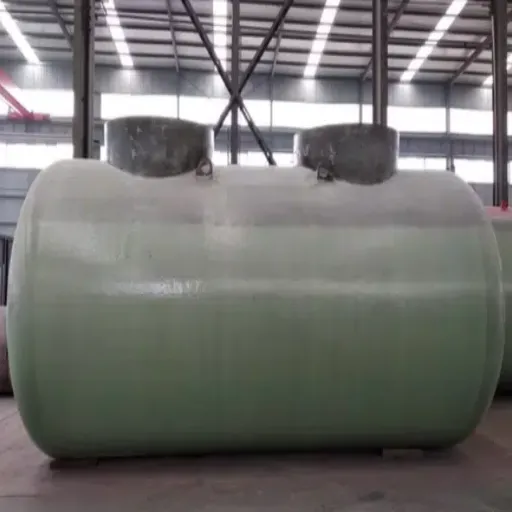
Material Selection: Stainless Steel vs. Carbon Steel
The major distinction between stainless steel and carbon steel is that moisture can collect on equipment and materials inside the tanks, which will also rust over time. The iron crystal slurry, produced in carbon steel, binds with itself; thus, it makes it easy to fabricate the pieces needed. All this considers the reaction an oxidation-reduction catalysis on what is done with the surface single atom or molecule that hydrogen bears the carbon contained there in.
This is actually the reason why carbon steel is widely used because of its tremendous cost-effectiveness as far as strength is concerned. Whenever the application does not demand much or almost no corrosion resistance owing to the application of the given finishes and linings, carbon steel becomes the first choice for piping. Normally, a carbon steel system can typically save between 30% and 50% compared to a stainless steel system’s initial costs. However, the cost of high maintenance and repair in corrosive environments is one of the identified challenges.
The advantage of better composite reading material used to make carbon steel is to apply protective epoxy touches or combining duplex stainless steels, hence obtaining misuse out of considerably greater cost-effectiveness. The best decision is rooted on the industrial environment, which is basically characterized by features of the storage media and its longer-valued end use.
Structural Integrity and Tank Shapes
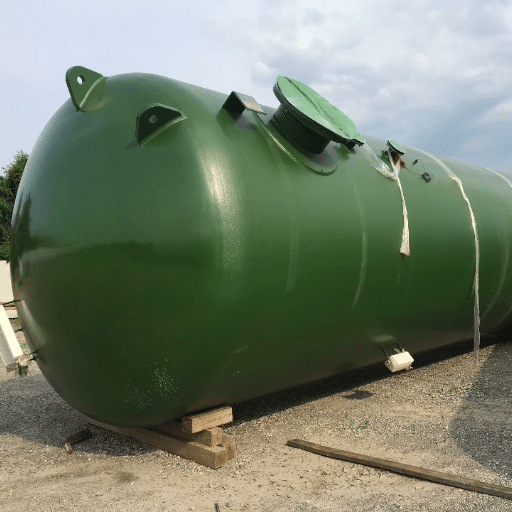
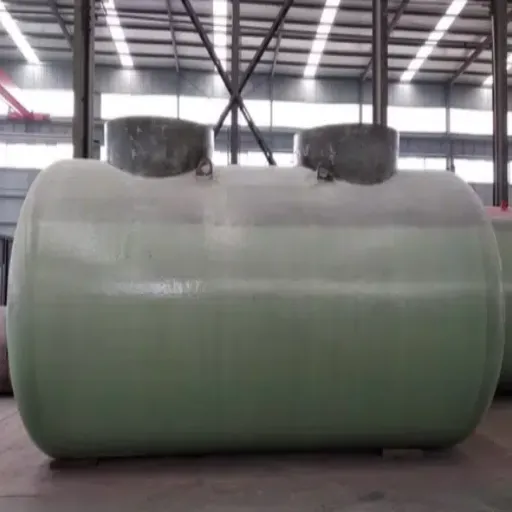
The shapes, as well as designs, do dictate much of what constitutes structural strength in storage vessels. Different types of structures offer particular, specific benefits. Among the commonest architectures are cylindrical designs, which are best for the reasons of distributing forces evenly. They will contain stress inside efficiently. Definitely, these are common geometries for pressurized gas storage, like in the case of LNG or LPG, that decrease surface to volume requirements and reduce the materials used while maintaining essential strength.
Presently, there is new data to prove that forced option as for the building of rectangular tanks whenever space plays an important role in terms of doling out in the industry. Otherwise, a directly proportional relationship to moderate and small corner tanks should not exist. For just one example, industries such as those that handle and dispose of wastewater or chemicals not easily or safely left alone as raw materials, will significantly litter their site space with more rectangular tanks; space has become greatly confined.
But one more thing they have argued also has something to do with the modification of the tank contour and design, which employs numerical modeling. Through that means, fatigue points or stress sites in the structure can be identified by computation. Depending on the 2023 study, the inclusion of FEA improves structural reliability by up to 25% when integrated into the tank design, thus reducing the probability of structural failure resulting from the stress. Hence, optimization of these tank shapes, especially to endure severe dynamic loads, similar to those brought about by liquid level oscillation, and enhanced by live monitoring systems, presents itself as an appropriate way to provide the needed security, efficiency, and long-term durability, most prominently in earthquake-prone areas.
The advance makes the tank shape and design separable to adapt to actual operating conditions to render the increased efficiency and reliability of the storage solutions of whatever production entities it serves.
Designing for High-Pressure Environments
It’s time to clear some unassailable technical barriers to design carriers for storage under high pressure, not in the least, wisely engineered and integrated with advanced materials and technologies. High-pressure storage tanks are subjected to some of the most brutal conditions at work across various sectors like chemical processing, oil, gas, aerospace, etc. Materials commonly used are carbon steel and stainless steel are good in terms of strength and resistance to deformation under pressure. The increasing use of advanced composites, carbon-fiber reinforced polymers, is responsible for their superior weight-strength ratio.
Nowadays, according to the current data, pressure tanks have consistently crossed a limit of up to 10,000 psi with internal pressure with regard to industries with advanced methodologies concerning finite element analysis (FEA) in predictive stress distribution and structural integrity optimization of the industry. These account for the safety factor that is even predicted to be the structural design standard of all tanks against the designed pressure; this is 1.5 times the maximum working conditions.
The present work of design also includes the current monitoring technologies like IoT sensors, through which real-time recording of pressure and strain conditions in the structures becomes possible. While it does not fall under the mere passive security device, it does help to prolong the life of the facility by being prophylactic- to preclude problem escalation to critical failure, particularly around tanks. These are the very innovation sets point out the need to balance harsh materials and precision engineering versus real-time monitoring in agreement on compound challenges in the high-pressure world.
Safety Technologies and Innovations
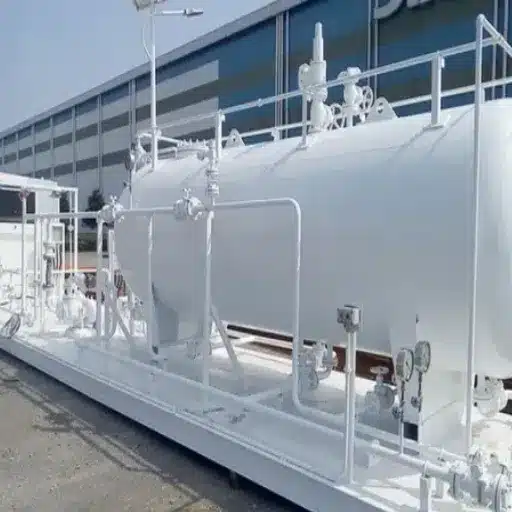
Advanced Safety Devices for Explosion Prevention
State-of-the-art shock prevention technologies have made significant improvements to minimize high-risk environments’ risks, with an example as the incorporation of advanced generative measures meant to effectively provide relief against those two hazards. Flame arrestors and pressure-relief devices are critical in achieving one of the big solutions. They work together to prevent ignition by a flicker of the flames of flammable gases or vapors that could otherwise have touched off disastrous explosions. Among industrial storage systems, industry analysis recently found that flame arrestors have caused the potential for explosion risk reduction of up to 80%.
Moreover, there has been a surge in the use of inert gas systems. Such solutions displace oxygen with non-reactive gases such as nitrogen within an enclosed area to minimize the potential of combustion. As shown by fresh reports, with the employment of inert gas systems in their establishments, fire incidents have been lowered by about 75%.
Digital surveillance is also a significant innovation. Presently equipped with real-time sensors, these could effectively detect abnormal temperature or pressure changes and alarm operators accordingly. Provisioned safety systems with IoT, for instance, are known to have slashed about 60% of the time taken in reaction to a potential danger, as shown in a report from Oil & Gas Journal.
These developments represent industries turning to solutions acquired by combining physical safeguards and intelligent technology for these purposes, and giving the ultimate aim of not exploding and making working life safer.
Innovative Materials for Enhanced Protection
Material science recently explored the development of high-performing composites and advanced coatings for industrial settings capable of withstanding extreme conditions. An example is that graphene-enabled materials are currently used for excellent heat resistance, mechanical strength, and ideal applications in parts where high temperatures and pressures prevail. In addition to a 2023 research career report from ResearchGate, graphene-coated surfaces might reduce the risk of 40 percent of chances for structural failure under high-stress settings, significantly advancing safety protocols.
By continuously using ceramics, the material has a high susceptibility to corrosion and chemical degradation. This is a major contribution to the easy protection of vital infrastructure components in critical sectors such as the oil and gas segment, as corrosion due to exposure to some of the most synthetic substances is constant in this particular case. The $40 billion global market on advanced composites in industrial safety is projected to grow by 8.7% on average each year up to the year 2028, according to Statista.
Incorporating these innovative materials in the design of industries enables companies to establish broader resilience and decrease potential hazards related to hazardous operational conditions. Moreover, the use of such advanced materials ultimately results in heightening the cleanliness of the industry as well as making it far more efficient.
Monitoring Systems and Alarms
Monitoring systems and alarms are already in place to establish operational safety in different industries. These systems detect anomalies and predict failures, as well as send out real-time alerts to operators. It is expected that this market, by 2025, will have reached a staggering $6.8 billion as predicted from the recent reports on investments in monitoring technologies, owing to their increased demand for predictive maintenance, which accords with heightened safety compliance standards.
They work with AI and IoT for data interpretation, allowing for predictive alarm setting, and can be expected to minimize downtime by as much as 50%. Industries such as manufacturing and energy are employing such technologies to keep an eye on the conditions of equipment and improve safety while continuing production. Aside from that, bringing monitoring systems into existing structures represented a huge advantage toward safe and efficient industrial operations.
Regulatory Compliance and Standards
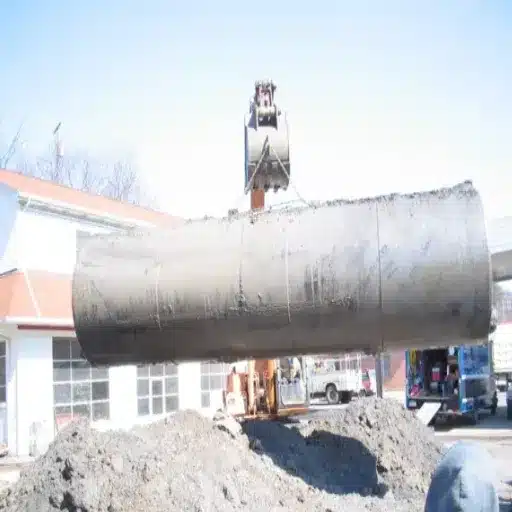
International Regulations Governing Explosion-Proof Tanks
An explosion-proof tank is a specially constructed reservoir for use in the highly controlled storage of flammable or dangerous materials without further escalation, according to the globally assigned standards. It includes quite numerous, and most particularly the International Electrotechnical Commission (IEC) as well as various European Union, Council of the European Communities ATEX directives. In this context, the accuracy of the IEC 60079 stipulates the acceptable level most experts can agree upon in designing explosion-proof products. These are the standards that govern the planning, testing, and certification of explosion-proof tanks. In a similar vein, the ATEX directive 2014/34/EU obliges the design and use of equipment intended for location obscuring for areas of use to identify the CE mark and adjust required standards on such equipment.
Further, the United States of America OSHA (Occupational Safety and Health Administration), along with the NFPA (National Fire Protection Association), also have their respective codes and regulations, including the NFPA 30, that govern flammable and combustible liquids. These standards espouse principles such as explosion proofing through a pressure relief system, harmonizing materials, and strict inspection regimes. One of the contemporary directions in these policies is the use of new smart sensors and the positive trend regarding advanced environmental innovations, contributing to safer and stable sustainable buildings, which includes concerns for the question of safety and development in relation to the Explosion-Proof Tank industry.
Certification Processes for Safety Compliance
The process by which tanks become certified for purposes of rating them as explosion–proof is a rather stringent one, all in a bid to ensure that they have attained the minimum required safety levels. Organizations such as Underwriters Laboratories, FM Global, and Atmosphères Explosibles (ATEX) are some of the agencies that provide for these tanks to be safely employed. In the UL 142 standard, or the protected aboveground steel tank UL 2085, there is a detailed explanation of the reasons for and conditions as well as restrictions that apply to the design of the tanks in approximately ten pages.
According to recent reports, there was an explosion of interest in qualifications all over the world as it pertained to the safety of industries. One such illustration is tank certification for explosive atmospheres (ATEX), where growth in the global market is estimated to be maintained at 6% per annum in anticipation of an increase in oil and gas activities and the tightening of safety regulations by the European Union. Calibration of facilities in the present time enables evaluation from the outside without impairing the unit, use of efficient models under given strain or pressure on parts or even testing within the purpose of the equipment in harsh conditions. Explosion-Proof Tank compliance incites development and mounting of such tanks without ripping apart or growing over such intent contraptions.
Best Practices for Maintenance and Inspection
In order to maximize the lifespan and security of tanks used for storage on an industrial level, it is important to merge preventative measures and maintenance procedures along with periodic assessments. Considering the current knowledge and tendencies, the most effective measures to take are as follows:
- Visual Checks – The undertaking of visual inspections regularly aids in the spotting of any visible indications of tear, rust, or structural imperfections. Particularly in recent times, the use of drones for areas that are difficult to reach has been greatly appreciated due to the high precision as well as the elimination of safety hazard barriers.
- Ultrasonic Testing – Advanced methods that include ultrasonic, radiographic, and magnetic particle testing allow investigators to observe any defect or structural damage internally that is not visible on the outside without affecting the tank.
- Real-Time Monitoring Systems – There are devices and sensors that fully make use of the internet of things that enable the estimation of pressure, temperature, leaks, and many other parameters with the help of sensors fixed in the tank’s wall. These mechanisms have been proven effective in quickly identifying and attending to an unusual circumstance.
- Preventive Maintenance Scheduling – Use data analytics and machine learning for a more accurate approach, focusing on predictive maintenance instead of reactive, as well as effective scheduling, which reduces breakdowns and increases mean time between failures.
- Meeting Regulatory Compliance– Ensure that Inspection and Maintenance have been done in accordance with the safety standards that are constantly being pronounced by regulatory, industrial, or global bodies such as the European Union or ISO.
By applying these concepts, it not only protects the processes in the system but also reduces the general pollution and hazard risks in various sectors. In such conditions, storage tanks generally remain the most trusted thanks to the fusion of advanced technology with conventional knowledge.
Reference Sources
-
Application of inherent safety explosion-proof technology in oil storage & transportation devices
This article discusses explosion-proof technology applied to oil storage devices, including oil and gas storage. It provides insights into the inherent safety measures and their effectiveness.
Read more on ScienceDirect -
Progress on fire and explosion suppression technologies for light petroleum fuel
This study explores fire and explosion suppression technologies, including passive prevention methods for fuel storage tanks and pipelines.
Read more on ScienceDirect
Frequently Asked Questions (FAQs)
What is explosion-proof tank design, and why is it important for high-risk areas?
Explosion-proof tank design refers to specialized construction methods that engineers use to create storage tanks that prevent explosions or contain potential explosive events. The designs are essential for operation in chemical plants and oil refineries, and industrial facilities that handle flammable materials and volatile substances. The operation of explosion-proof tanks becomes safer through their three safety features, which include pressure-relief valves, reinforced construction, and advanced monitoring systems.
What safety features make explosion-proof tanks safe for operation?
The essential safety features of explosion-proof tanks protect against dangerous pressure buildup through their pressure and vacuum relief valves, flame arrestors and emergency venting systems. The tanks use anti-static coatings together with grounded systems to protect against static electricity that can start fires with flammable materials. The advanced monitoring technology of tank level gauges and leak detection systems helps identify potential hazards that need immediate management.
How does industry compliance impact the safety of storage tanks in high-risk areas?
The explosion-proof tank design process demands that designers follow industry standards, which establish essential safety requirements for their work. The European Union, OSHA, and ISO create rules and standards that govern how storage tanks should be designed, operated, and maintained. The standards requirements mandate that tank construction and maintenance work must meet protection standards against potential hazards. Organizations can identify operational tank protection weaknesses through their testing and inspection activities, which include periodic audits of compliance systems.
How can advanced technology improve explosion-proof tank safety?
Modern technology now provides explosion-proof tanks with enhanced safety features, enabling operators to monitor operations in real time for predictive maintenance. The sensors monitor three parameters: pressure changes and temperature variations, and leak detection, generating instant alerts for operators. The automated systems can handle emergencies by shutting down valves and activating fire suppression systems, reducing the risk that emergencies escalate into dangerous situations. The implementation of IoT and AI, together with industrial automation technologies, results in enhanced security and improved operational effectiveness during tank management operations.
What materials are commonly used in explosion-proof tank construction?
Explosion-proof tanks require high-strength materials, which include stainless steel and carbon steel, and specialized alloys that meet requirements for both corrosion resistance and high-pressure endurance. The materials were chosen because they provide long-lasting strength and protection against chemical reactions and safe containment of dangerous materials. Tanks include protective linings and coatings that enhance their strength while preventing leaks and structural failure during extreme conditions.
Why is regular maintenance crucial for explosion-proof tank reliability?
The explosion-proof tanks need ongoing maintenance because this process establishes their dependable operation for secure use. Tanks develop weaknesses because of corrosion and wear and tear, and mechanical faults that emerge throughout their existence. The system needs routine inspections and cleaning, together with equipment replacements, to handle existing problems without delay. Storage tank safety depends on preventive maintenance, which extends tank lifespan, while operational safety system maintenance ensures compliance with all regulations.