Towards the end of March 2023, a contractor working for a gas station in Texas noticed a severe flaw whilst inspecting. It turned out that the manhole cover of a monitoring well constructed three years back was indeed strong enough for pedestrian traffic, but not enough for delivery trucks traversing the highway H20 each day. This cover had a concrete enclosure that was already shattered, and the seal on this cover had given way ages ago, resulting in rainwater entry to the interstitial monitoring layer. It cost more to replace it than $15,000, and it raised a concern in the report, which led to a complete assessment of the system.
This situation is alarmingly common. Manhole Wells are one of the basic overlooked sections of underground storage tank systems, yet they are perhaps the most important. These manholes are installed on the ground to provide access to the equipment below the surface as well as prevent it from intrusion, degradation, and precipitation.
In this comprehensive guide, you’ll learn:
- The five types of manhole wells and their specific functions
- Material options and load rating requirements for different applications
- International standards and compliance considerations
- How to select the right manhole system for your project
Whether you’re designing a new fueling facility, upgrading existing infrastructure, or sourcing equipment for international deployment, understanding manhole well specifications ensures long-term reliability and regulatory compliance.
What Are Manhole Wells?
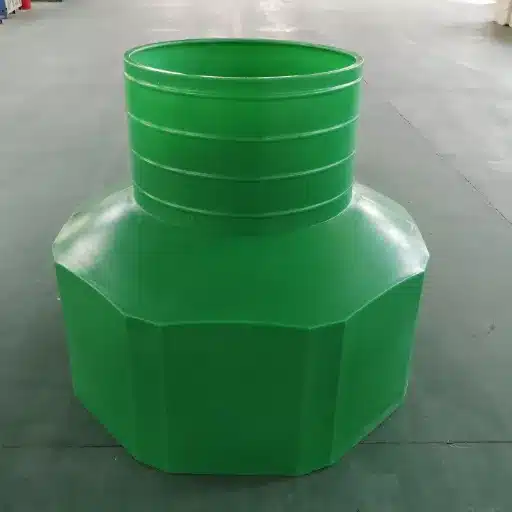
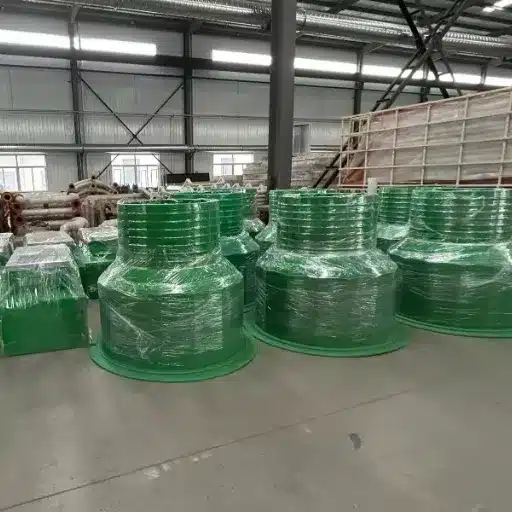
Manhole Wells or Manways, tank sumps, and access covers are all openings at the surface grade level that allow one to enter an underground fuel storage system. They are the devices that connect surface activities to the underneath labyrinth of tanks, pumps, piping, and monitoring systems.
They perform three basic functions:
Maintenance and inspection access. The surfaces have penetrations where service people can enter the operations to fix submersible pumps, change flexi connectors, inspect leak detection systems, and perform inspections for compliance. Otherwise, without proper access points in place, there would have been a need to dig a hole each time maintenance is required.
To provide the environment with the safe surroundings. Good manhole systems ensure that there is no part with surface water, harmful materials, or even debris coming into contact with the underground tank system. The use of rain-proof sealant, evenly raised manholes, and clamping the system in a rigid way will help preserve the environment.
Safety and adherence to regulations. The purpose of manholes is to serve as an access point that can be controlled for leak detection devices, overfill equipment, and even wells for the environmental monitoring of tanks. Such devices maintain effective control of the fueling stations and ensure compliance with EPA, API, and other local jurisdictions.
Marcus Chen, an integrator based in Singapore who was responsible for providing a certain piece of equipment to a fleet fueling station in Vietnam, learned at the last stages of the project that he had underestimated the complexity of an activity that seemed to be within his hands. “Our efforts had been centered towards the construction of tanks and dispensers,” he remembers. “Manholes appeared to be such a simple thing that there was no particular attention paid to them. That is, until we were requested by our client to furnish ATEX certification and clear load rating specifications for heavy tanker traffic. At that point, we had to start all over again. Otherwise, any wrong specification change could have postponed the commissioning for many weeks.”
Knowing numerous kinds of manhole well installations is beneficial because you will be able to choose the right type of equipment for the right application.
Types of Gas Station Manhole Wells
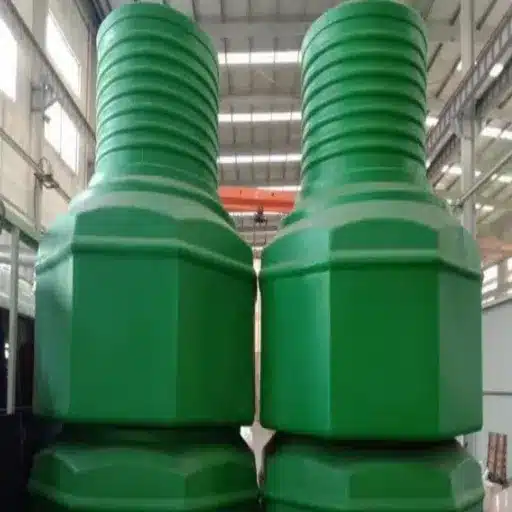
Fuel stations typically employ five distinct manhole types, each engineered for specific functions and access requirements.
1. Spill Bucket Manholes (Fill Port Access)
Spill bucket manholes serve as the gateway between tanker truck delivery hoses and underground tank fill pipes. Positioned at each tank’s fill point, these manholes house spill containment buckets that capture any fuel released during hose connection and disconnection.
Key specifications:
- Diameter: Approximately 11 inches (280mm)
- Elevation: Raised above grade to shed rainwater
- Capacity: 5–15 gallons for spill containment
- Load rating: Minimum H-20 for tanker truck traffic
The raised design proves critical for environmental protection. By sitting above the surrounding surface, spill bucket manholes prevent wash-down water, rainfall, and surface runoff from entering the containment system. The spill bucket itself encapsulates the fill pipe connection, catching drips and minor releases that occur during normal fuel delivery operations.
Color coding follows API standards to identify fuel types:
- White with black cross: Regular unleaded gasoline
- Red: Premium gasoline
- Yellow: Diesel
- Green: Alternative fuels
This coding helps delivery drivers quickly identify the correct fill point, preventing costly misfueling incidents.
2. Tank Sump Manholes (Pump/Turbine Access)
Tank sumps provide personnel access to the equipment that moves fuel from underground tanks to dispensers. These large-diameter manholes house submersible turbine pumps, piping connections, line leak detectors, and interstitial monitoring devices.
Key specifications:
- Diameter: 36–48 inches (900–1200mm) for personnel entry
- Depth: 3–10 feet below ground, depending on tank design
- Contents: Submersible pumps, flex connectors, shear valves, wiring
- Load rating: H-20 minimum; H-25 for high-traffic areas
The generous diameter allows technicians to climb down and perform hands-on maintenance. Modern tank sumps feature liquid-tight construction with contained sides and bottoms, providing secondary containment for the equipment within. If a pump seal fails or a connection leaks, the sump contains the release rather than allowing fuel to reach the surrounding soil.
When the engineering team at a major petroleum distributor in Dubai upgraded their flagship station, they specified 48-inch tank sumps with integrated line leak detection ports. “The larger diameter made maintenance significantly easier,” explains their facilities manager. “Technicians can actually work inside the sump rather than reaching down from surface level. That reduces service time and improves safety.”
3. Tank Monitor/Probe Access Manholes
Tank monitor manholes provide access to equipment that monitors the interstitial space between double-walled tanks. The monitoring system serves as an essential environmental protection system that identifies tank wall leaks before fuel reaches the secondary containment system or the surrounding environment.
Key specifications:
- Diameter: 18–22 inches (450–550mm)
- Purpose: Interstitial space monitoring and leak detection
- Features: Gasketed seals to prevent contamination
- Labeling: Clearly marked “Tank Monitor” per API standards
The interstitial space—the gap between the inner and outer walls of double-wall tanks—requires continuous or periodic monitoring. The manholes allow the installation of sensors, probes, and gauging equipment that monitor the space and trigger alarms when the primary tank’s integrity fails.
4. Monitoring Well Manholes
Distinct from tank monitor access, environmental monitoring wells provide sampling points for regulatory compliance testing. These wells allow environmental professionals to collect groundwater samples, monitor for fuel vapors, and verify that UST systems are not impacting surrounding soil or water resources.
Key specifications:
- Diameter: 18 inches (450mm) typical
- Shape: Often triangular (Model 65TE) to prevent standard tools from opening
- Marking: “MONITORING WELL” clearly visible per API-RP-1615
- Access: Limited to authorized environmental personnel
The triangular cover design serves an important purpose. By preventing standard round covers from fitting, the distinctive shape ensures that only personnel with the proper key and understanding of environmental protocols can access the monitoring well. This limits accidental contamination and maintains the integrity of long-term environmental monitoring data.
5. Dispenser Sumps (At-Grade Access)
Dispenser sumps sit beneath fuel dispensers at the surface level, providing access to piping connections, flex connectors, shear valves, and containment sensors. While technically at grade rather than below ground, these containment systems function similarly to manholes in providing protected access to critical connections.
Key specifications:
- Sizes: 30–44 inches, typical to match dispenser footprints
- Contents: Piping connections, shear valves, sensors, wiring
- Load rating: H-20 for vehicle traffic areas
- Construction: Liquid-tight with contained bottoms
Dispenser sumps contain any leaks from the piping connections between the underground product line and the dispenser itself. They also house shear valves—safety devices designed to sever the fuel connection if a vehicle strikes the dispenser, preventing fuel release during impact accidents.
Material Options and Specifications
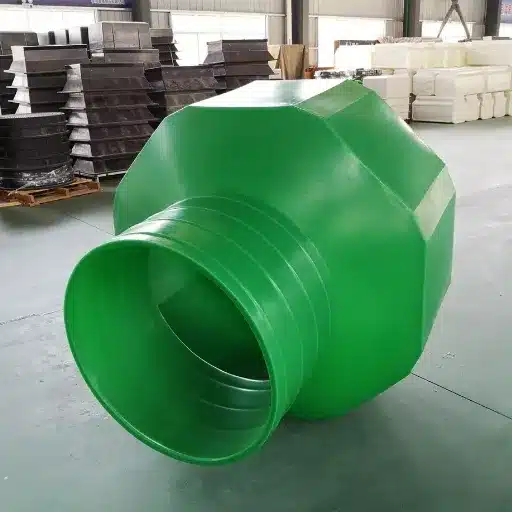
Manhole well materials must balance load-bearing capacity, corrosion resistance, weight, and cost. Four primary material categories dominate the market.
Cast Iron Manhole Covers
Cast iron represents the traditional choice for high-traffic fuel station applications. The material’s density and strength make it exceptionally durable under repetitive vehicle loading.
Key characteristics:
- Load capacity: H-20 and H-25 ratings readily achievable
- Construction: Heavily ribbed underside for load distribution
- Corrosion protection: White polymeric coatings or hot-dip galvanizing
- Weight: Heavy (typically 100+ pounds for 36″ covers)
- Lifespan: 25–30 years with proper maintenance
Cast iron excels in applications where heavy tanker trucks routinely pass over the manhole. The material’s mass helps it seat securely in the frame, maintaining gasket compression and seal integrity. However, weight presents handling challenges—removing and replacing large cast iron covers requires proper lifting equipment or multiple personnel.
Fabricated Steel Covers
Fabricated steel covers offer versatility in sizing and configuration. Manufacturers can produce custom dimensions more readily than cast alternatives.
Key characteristics:
- Construction: Diamond plate steel, 3/8″ to 1/2″ thickness
- Skirts: 12–18 gauge galvanized steel (superior rust protection)
- Reinforcement: Structural channel reinforcement for covers 42″+
- Weight: Moderate (lighter than cast iron)
- Finish: Hot-dip galvanizing per ISO 1461
Steel covers provide excellent value for standard fuel island applications. The diamond plate surface offers inherent anti-slip properties, while galvanized skirts resist the corrosive effects of fuel vapors, salt, and environmental exposure. The 1/2″ thickness standard for 30″–36″ covers (exceeding the industry 3/8″ minimum) provides additional rigidity and load distribution.
Composite/Fiberglass Covers (GRP/SMC)
The fastest-growing sector in manhole cover development involves the usage of glass-reinforced plastic (GRP) and sheet molding compound (SMC) composite materials. These materials provide significant benefits to particular use cases.
Key characteristics:
- Weight: 60% lighter than metal alternatives (single-person lift)
- Load rating: H-25 achievable despite light weight
- Corrosion resistance: Impervious to fuel, salt, and chemicals
- Safety: Anti-static, non-conductive, anti-slip surface
- Lifespan: 30+ years
- Certifications: ATEX, EN 124, BSI Kitemark available
Composite covers shine in applications requiring frequent access. A single technician can safely remove and replace a 36-inch composite cover weighing 40 pounds, versus a 120-pound cast iron equivalent. The method decreases workforce expenses while increasing maintenance efficiency, and it prevents back injuries that occur from lifting heavy items.
The ATEX certification for explosive atmospheres makes composite covers particularly suitable for fueling environments. The non-sparking, anti-static properties eliminate ignition risks during handling.
When a European petroleum retailer standardized their station network, it specified composite manhole covers for all non-traffic areas. “The safety improvement was immediate,” reports their health and safety director. “No more strains and sprains from lifting cast iron. Our corrosive coastal environment demonstrated better resistance to corrosion than galvanized steel.”
Material Comparison Summary
| Material | Load Rating | Weight | Corrosion Resistance | Best Application |
|---|---|---|---|---|
| Cast Iron | H-20/H-25 | Heavy (100+ lbs) | Good with coating | High-traffic tanker areas |
| Steel | H-20/H-25 | Moderate | Excellent (galvanized) | Standard fuel islands |
| Composite | H-25 | Light (40-60 lbs) | Superior | Frequent access areas |
Load Ratings and Standards Explained
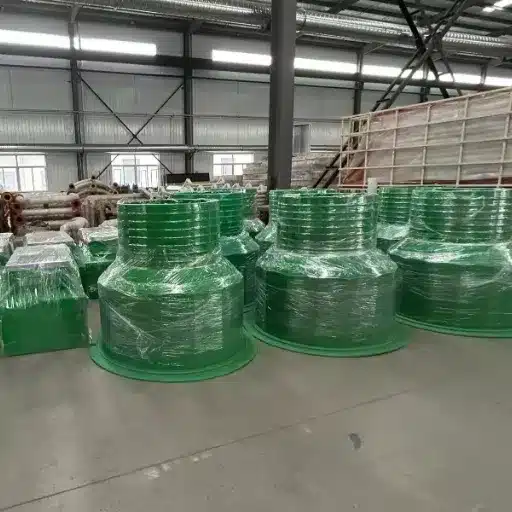
Understanding load rating standards ensures you specify manhole covers that withstand the actual traffic conditions at your fueling facility.
AASHTO H-20 and H-25 Standards
The American Association of State Highway and Transportation Officials (AASHTO) defines the most commonly referenced load standards in North America:
The H-20 Rating establishes
- 16,000-pound axle load
- 10,000-pound wheel load
- Standard for most fuel station traffic areas
The H-25 Rating establishes
- 20,000-pound axle load
- 12,500-pound wheel load
- Heavy-duty applications with tanker truck traffic
Most fuel station applications require H-20 minimum. H-25 specifications should be used in areas that experience tanker truck traffic or heavy delivery vehicle traffic or high-volume convenience store traffic.
EN 124 European Classifications
European markets follow EN 124 standards, which classify manhole covers by load capacity:
| Class | Load Capacity | Application |
|---|---|---|
| A15 | 1.5 tons | Pedestrian only |
| B125 | 12.5 tons | Roadways, parking lots, fuel islands |
| C250 | 25 tons | Curbside, heavy equipment areas |
| D400 | 40 tons | Main roads, truck lanes |
For fuel station applications, Class B125 represents the minimum acceptable rating. Class C250 or D400 provides additional safety margins for high-traffic areas.
API and Industry Standards
Manhole wells need to meet industry-specific standards that go beyond their load ratings.
API-RP-1615: Covers installation of underground petroleum storage systems, including monitoring well designation and marking requirements.
ASTM C478: Standard for precast concrete manhole sections when concrete structures are employed.
EPA UST Regulations: The regulations in 40 CFR Part 280 require UST systems to have spill prevention systems, overfill protection systems, and corrosion control systems, which include manhole elements.
ATEX Directive: All equipment that operates in potentially explosive environments throughout Europe must obtain ATEX certification.
Key Specifications for Selection
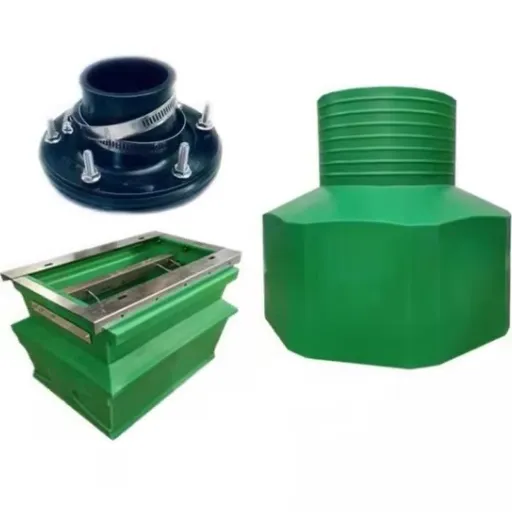
When specifying manhole wells for your project, consider these critical dimensions and features.
Diameter Sizing
Standard diameters accommodate different access requirements:
- 18 inches: Monitoring wells, probe access
- 30 inches: Small dispenser sumps, limited access
- 36 inches: Standard tank sumps, personnel entry
- 42–48 inches: Large tank sumps, complex piping installations
Oversizing provides easier access but increases cost and surface area, requiring protection. Undersizing creates maintenance difficulties and safety hazards.
Cover Thickness
Cover thickness directly impacts load distribution and durability:
- 3/8 inch: Industry minimum for steel covers
- 1/2 inch: Recommended standard for 30″–36″ covers in traffic areas
- Reinforced: Structural channel reinforcement for 42″+ covers
Thicker covers resist deformation under load, maintaining seal integrity and preventing rocking or noise under traffic.
Skirt Depth and Construction
The skirt—the vertical wall connecting the cover to the tank or sump—must accommodate site-specific burial depths:
- Standard depths: 9–12 inches typical
- Custom lengths: Available for deep burial applications
- Construction: 12–18 gauge galvanized steel
- Features: Bottom concrete locking flange for secure anchoring
The concrete locking flange prevents the manhole from shifting or lifting under load, transferring forces to the surrounding concrete pad rather than the tank shell.
Gasket and Sealing Systems
Environmental protection depends on proper sealing:
- Materials: Buna-N rubber standard; EPDM or neoprene for chemical resistance
- Design: Rain-tight and vapor-tight configurations
- Replacement: Gaskets require periodic inspection and replacement (typically 3–5 years)
Rain-tight seals prevent surface water entry during normal rainfall. The vapor-tight seals protect against vapor loss while complying with environmental regulations that apply to sensitive areas.
Installation and Maintenance Best Practices
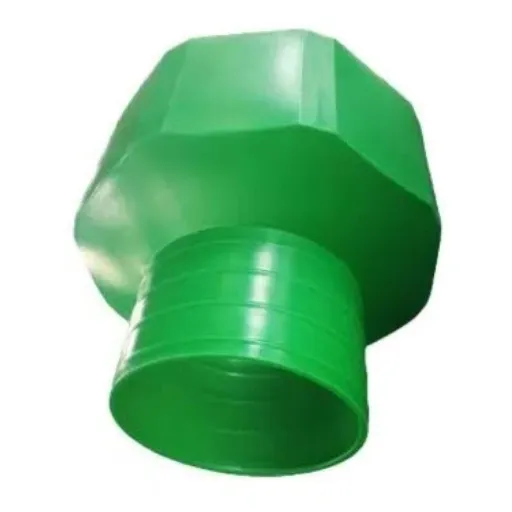
Proper installation ensures manhole wells perform as designed throughout their service life.
Installation Considerations
Concrete Surround: Manholes require a concrete surround or collar that locks the skirt in place and distributes traffic loads. A minimum 6-inch thickness of reinforced concrete provides adequate support for H-20 loading.
Grade Elevation: Spill bucket manholes require raised installation above the surrounding grade. This elevation—typically 2–4 inches—prevents surface water from flowing into the containment system during rainfall or pressure washing.
Leveling: Covers must sit level in their frames to maintain gasket compression. Uneven installation leads to rocking, accelerated wear, and seal failure.
Maintenance Requirements
Quarterly inspections help identify issues before they become costly problems:
Visual Inspection:
- Check the cover and frame for cracks, deformation, or corrosion
- Verify gasket integrity and compression
- Confirm bolts are present and secure
- Inspect the surrounding concrete for cracking or settlement
Functional Testing:
- Remove and replace covers to verify smooth operation
- Check for water intrusion in sumps after rainfall
- Verify spill bucket drain valves operate freely
Documentation: Maintain inspection logs for regulatory compliance. Many jurisdictions require documented proof of UST system maintenance.
Common Issues and Solutions:
| Issue | Cause | Solution |
|---|---|---|
| Water in the sump | Failed gasket, improper elevation | Replace the gasket, verify the grade |
| Cover rocking | Uneven installation, worn frame | Re-level, repair concrete |
| Corrosion | Inadequate coating, harsh environment | Re-coat or replace with composite |
| Bolt seizure | Rust, overtightening | Use anti-seize compound, stainless hardware |
Choosing the Right Manhole Well
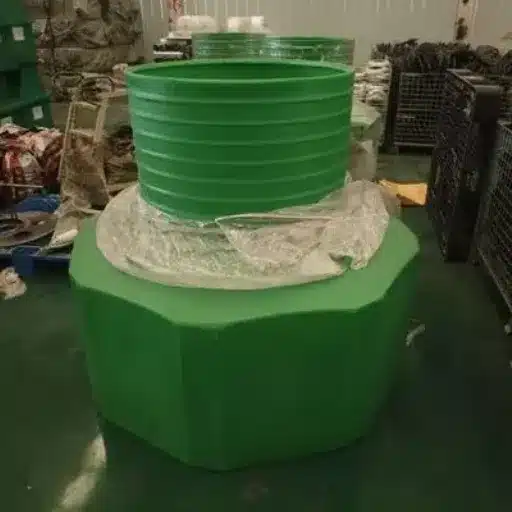
Selecting appropriate manhole specifications requires evaluating your specific application requirements.
Decision Framework
Step 1: Identify the function. Is this needed for filling the port, maintaining the pump, monitoring the equipment, or conducting environmental tests? The function determines the manhole type.
Step 2: Assess traffic loading. Will passenger vehicles, heavy trucks or tankers cross this manhole? Traffic determines load rating requirements.
Step 3: Consider access frequency. Daily inspection, quarterly maintenance, or emergency-only access? Material selection depends on how often people will access the area, which requires a composite material for frequent use and a cast iron material for permanent installation.
Step 4: Evaluate environmental conditions. Coastal salt air, extreme temperatures, or chemical exposure environmental conditions determine which materials and coating specifications should be used.
Step 5: Verify regulatory requirements. Local jurisdictions have their own specific requirements regarding load ratings and materials, and certifications.
New Construction vs. Retrofit
New construction offers maximum flexibility in manhole specification. Retrofit projects face constraints:
Existing opening size: Replacement covers must match existing frame diameters unless you’re prepared to replace the entire manhole assembly.
Concrete limitations: Existing concrete surrounds may limit skirt depth options or require cutting and re-pouring for proper installation.
Compatibility: Retrofit sump covers must interface with existing sump geometries. Universal covers fit most major manufacturers’ sumps (OPW, EBW, EMCO, FLEX-ing), but verification prevents costly mistakes.
Budget vs. Performance Trade-offs
While cast iron typically costs less upfront, composite covers often deliver a lower total cost of ownership through reduced maintenance labor and longer service life. Factor in:
- Labor costs for cover removal/replacement
- Frequency of required access
- Replacement part availability
- Corrosion environment severity
Conclusion
Manhole Wells may be installed obliviously under the feet of drivers, but they are critical infrastructure for the safety of fueling operations. Meeting the correct requirements ensures adherence to regulations, environmental health, and many other benefits. However, a wrong specification results in costly failures of regulations as well as environmental problems.
Key takeaways:
- Match the manhole type to the function: Spill buckets for fill ports, tank sumps for pump access, and monitoring wells for environmental compliance.
- Specify adequate load ratings: H-20 minimum for most applications. If heavy traffic, opt for H-25.
- Consider material trade-offs: Cast iron offers toughness and affordability, composites are lightweight and corrosion-resistant, while steel offers a nice balance of performance characteristics.
- Prioritize proper installation: Concrete surrounding accompanied by correct elevation and levels would surely embrace hod to perpetuating serviceability.
- Maintain inspection discipline: Quarterly inspections will always catch any problems while it’s still inexpensive to fix.
Approaching a specification for manholes must be done just as meticulously as when undertaking a job on a tank, a pump, or a safety system, since such activity will pave the way for an infrastructure intent on protecting the investments and the natural spaces for hundreds of years.
At Shandong Shengrui Intelligent Equipment Co., Ltd., we have expertise in manufacturing manhole casings and UST access systems up to international standards with API, EN 124, and ATEX certifications. The engineering team provides specifications custom-tailored to local regulatory requirements and site-specific conditions to support your project worldwide.