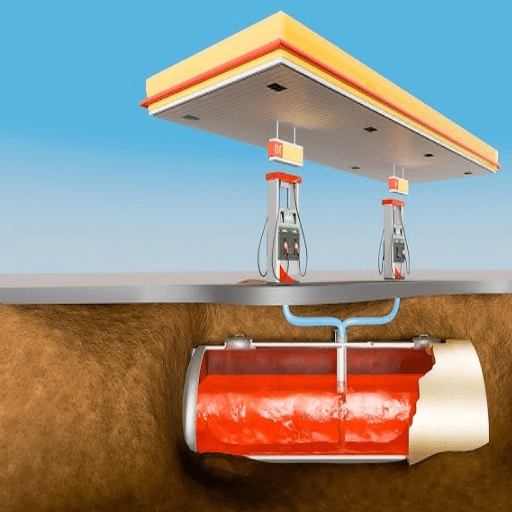
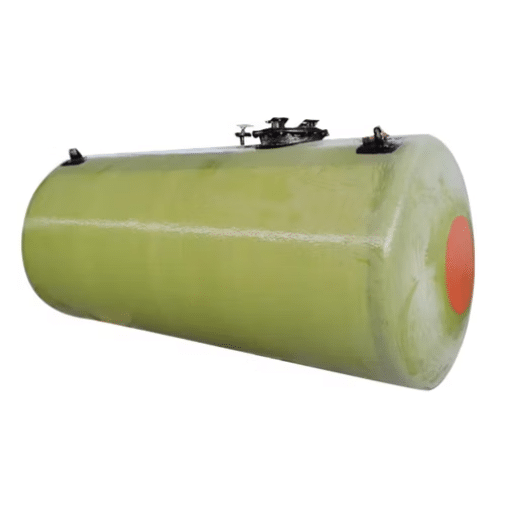
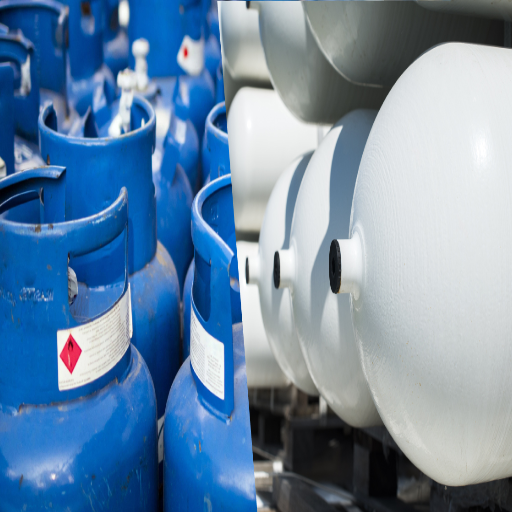
In 2019, Marcus Chen, a project engineer based in Houston, finalized the site plan for a new retail fueling station. His design called for four separate underground storage tanks. Then the excavator arrived. The proposed layout would cut directly through an existing drainage system, triggering a $22,000 relocation quote and a six-week permit delay. Marcus made one change. He replaced four tanks with two component tanks, each divided into dual compartments. The footprint shrank by 60 percent. The drainage system stayed intact. And the station opened on schedule.
If you manage, build, or supply equipment for fueling facilities, you have probably faced a version of this problem. Space is limited. Permits are slow. And every additional tank multiplies your costs, your compliance burden, and your environmental risk. Component tanks, also known as multi-compartment fuel storage tanks, solve this by storing multiple fuel grades inside a single tank structure.
In this guide, you will learn what component tanks are, how they work, and why they are the most cost-effective way to store multiple fuels underground. We will cover material selection, installation best practices, compartment-specific monitoring, and the regulatory standards that govern multi-compartment designs in 2026.
What Are Component Tanks

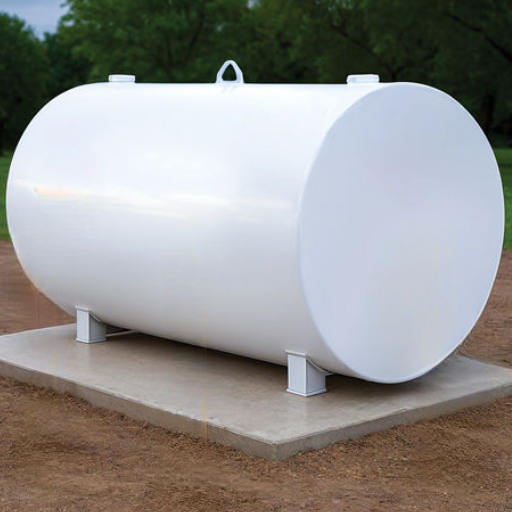
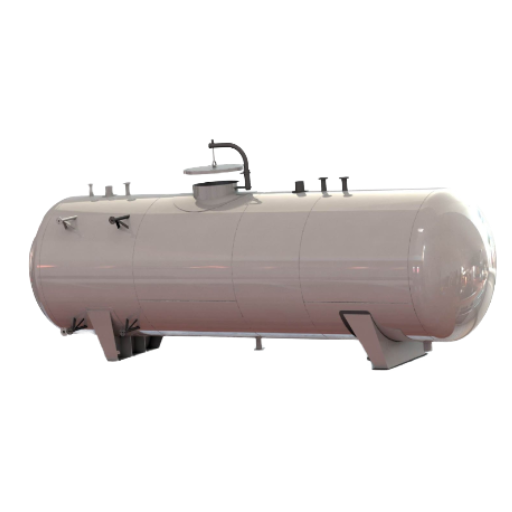
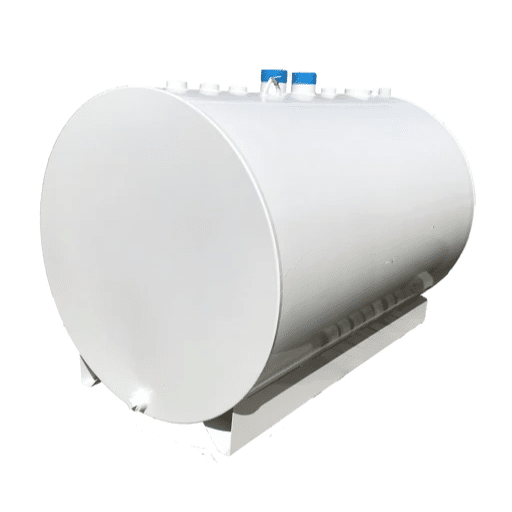
Component tanks are underground storage tanks divided internally into two or more separate, sealed compartments. Each compartment functions as an independent storage chamber with its own fill port, vent line, and product connection. A single tank body can store regular unleaded, premium gasoline, and diesel without mixing fuels or compromising safety.
This design is not new. Manufacturers have produced multi-compartment tanks for decades. However, advances in fiberglass construction, double-wall bulkhead technology, and independent interstitial monitoring have transformed component tanks from a space-saving convenience into the preferred solution for modern fuel storage.
Terminology varies across the industry. You may hear them called compartment tanks, multi-compartment tanks, multi-product tanks, or multi-chamber tanks. All refer to the same concept: one tank, multiple isolated fuel storage zones. For a broader view of how underground storage tanks fit into your overall fueling infrastructure, see our complete guide to fuel storage tank solutions.
Common Configurations
A dual-compartment underground tank is the most common configuration for retail stations. A typical setup stores regular gasoline in one chamber and diesel in the other. Triple-compartment tanks add a third chamber for premium or mid-grade fuel, allowing a single tank to serve an entire fueling island.
Capacity per compartment typically ranges from 2,000 to 20,000 gallons, depending on site volume and delivery frequency. Total tank capacity from major manufacturers reaches 50,000 gallons, with compartments sized to match the sales mix of each fuel grade.
Why Component Tanks Outperform Multiple Single Tanks
The math is simple, but many project planners overlook it during early design. One component tank with two compartments costs less to purchase, less to install, and less to maintain than two separate tanks of equivalent total capacity.
Purchase savings come from manufacturing efficiency. One tank shell, one set of end caps, and one structural rib system require less material and labor than two complete tanks.
Installation savings are even more significant. One excavation. One concrete pad. One tank-setting crew. One day of crane time. On a typical retail site, this can reduce underground construction costs by 30 to 40 percent compared to installing multiple single tanks.
Space savings matter for urban stations, convenience stores, and sites with limited real estate. Every square foot of excavation footprint is a square foot that cannot be used for parking, retail, or future expansion.
Regulatory simplification is an underappreciated benefit. Fewer total tank units means fewer permits, fewer inspection records, and fewer compliance deadlines to track. For owners managing multiple sites, this administrative efficiency adds up quickly.
Mini-story: When PetroBuild Construction bid on a convenience store fueling project in Orlando, the client wanted three fuel grades on a 0.4-acre lot. Standard practice would have required three tanks, three sumps, and a complex piping maze that consumed nearly half the available property. The project manager proposed a single triple-compartment fiberglass tank. The design freed enough space to add four additional parking spaces and a second retail entrance. The client accepted the bid immediately. Two years after opening, the station reports zero cross-contamination incidents and maintenance costs 25 percent below the owner’s other single-tank locations.
If you are ready to explore how component tanks can reduce your project footprint and cost, contact our engineering team for a site-specific tank configuration assessment.
Types of Component Tanks and Materials
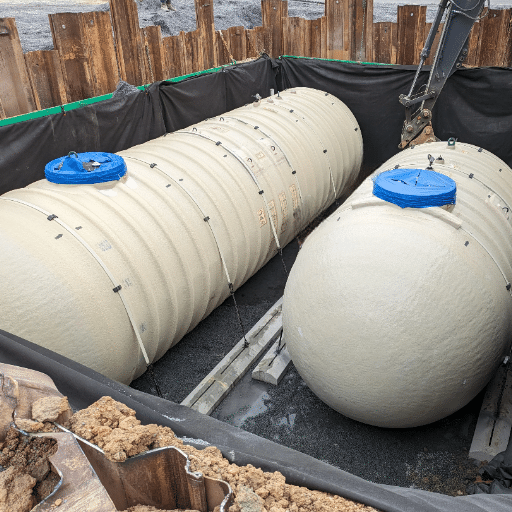
Not all component tanks are built the same. The material you choose determines corrosion resistance, fuel compatibility, structural strength, and total cost of ownership over a 20 to 30 year service life.
Fiberglass (FRP) Component Tanks
Fiberglass-reinforced plastic is the industry standard for modern component tanks and fiberglass compartment tanks. The inner wall stores fuel. The outer wall provides secondary containment. A 360-degree interstitial space between the walls allows continuous leak detection monitoring.
FRP tanks are naturally corrosion-resistant. They do not rust in aggressive soils. They do not degrade when exposed to ethanol blends, biodiesel, or the salt-laden groundwater common in coastal regions. And they require no cathodic protection system, which saves 5,000 to 15,000 in initial equipment and ongoing maintenance over the tank’s lifetime.
Steel-FRP Hybrid (SF Double-Wall)
Steel-FRP hybrid tanks combine a steel inner tank with a fiberglass-reinforced plastic outer jacket. This design delivers the structural strength of steel with the corrosion immunity of fiberglass.
TrueNorth Steel’s Plasteel Elutron system is a prominent example. These tanks carry UL58 and UL1746 certifications and are compatible with gasoline, ethanol blends up to E100, diesel, biodiesel up to B100, and jet fuel. The 30-year limited warranty covers both internal and external corrosion.
Steel-FRP hybrids are often specified for high-traffic sites, extreme soil conditions, or locations where structural load-bearing capacity is a primary concern.
Full Steel Component Tanks
Traditional carbon steel component tanks are still available and carry a lower upfront price. However, steel requires cathodic protection, protective coatings, and more frequent inspection to prevent corrosion failure.
Many jurisdictions now prohibit new single-wall steel tank installations. Even double-wall steel tanks face increasing regulatory pressure in regions with aggressive soil chemistry or high groundwater tables. For most new construction in 2026, fiberglass or steel-FRP hybrid designs are the safer long-term choice.
Fuel Compatibility Matrix
| Fuel Type | Fiberglass (FRP) | Steel-FRP Hybrid | Full Steel |
|---|---|---|---|
| Conventional gasoline | Excellent | Excellent | Good with coating |
| E10 ethanol blend | Excellent | Excellent | Monitor coating |
| E15 ethanol blend | Excellent | Excellent | Requires upgraded coating |
| Biodiesel B20 | Excellent | Excellent | Monitor for corrosion |
| Ultra-low sulfur diesel | Excellent | Excellent | Good with coating |
| Jet fuel | Excellent | Excellent | Good with coating |
For a deeper look at how leak prevention technology protects your entire fuel storage system, explore our guide to gas station leak prevention.
How Component Tanks Prevent Cross-Contamination and Leaks
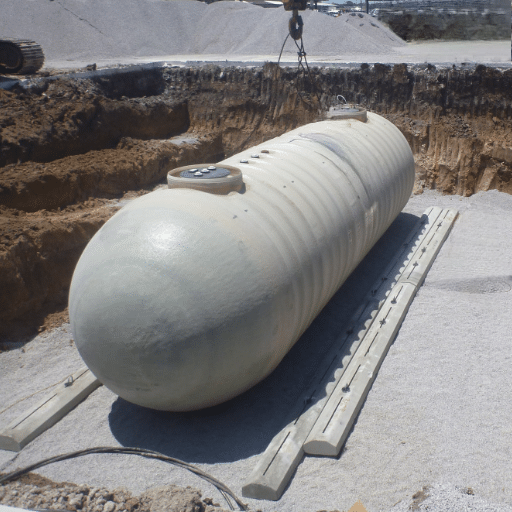
The most common concern buyers raise about component tanks is simple: what if fuel leaks from one compartment into another? Modern engineering has addressed this concern at multiple levels.
Double-Wall Bulkheads Between Compartments
Premium component tanks use double-wall fiberglass bulkheads to separate compartments. Unlike single-wall dividers, these bulkheads incorporate their own secondary containment envelope. If the primary barrier between compartments develops a flaw, the outer layer captures the leak before any fuel migration occurs.
This is a critical distinction. Entry-level multi-compartment designs may use single-wall bulkheads to reduce cost. For commercial fueling applications, double-wall bulkheads should be specified as standard.
Independent Interstitial Monitoring
Each compartment in a modern component tank can be monitored independently for leaks. Sensors placed in the interstitial space detect breaches in the primary wall within hours rather than months.
Nationwide Tanks emphasizes that independent monitoring allows retailers to isolate a problem compartment while keeping other fuel grades fully operational. If a sensor triggers in the regular gasoline chamber, the premium and diesel chambers can continue selling without interruption. This operational flexibility is impossible with a single-wall tank that has developed a structural issue.
Separate Piping and Overfill Protection
Each compartment connects to the surface through dedicated fill tubes, vent lines, and product piping. There is no shared plumbing between compartments. During delivery, each chamber has its own spill bucket and overfill prevention valve. This physical separation eliminates cross-contamination risk at every point where fuel enters or exits the tank.
Mini-story: A retail station operator in Cleveland noticed a gradual drop in inventory for his regular gasoline compartment. The automatic tank gauge flagged a 0.1 gallon-per-hour leak rate. Because the tank was a triple-compartment design with independent monitoring, technicians isolated the regular gasoline chamber immediately. The premium and diesel compartments continued operating while the repair crew addressed a faulty line connection. Total downtime for the affected grade was six hours. The other two grades never stopped flowing. Without compartment isolation, the entire tank would have required emergency shutdown and excavation.
Component Tank Installation Best Practices
Installing a component tank is not fundamentally different from installing a single-compartment tank. However, the multi-compartment design introduces a few additional considerations that are easy to overlook.
Plan piping runs before excavation. Each compartment needs separate product lines, vent lines, and electrical conduits for monitoring sensors. Routing three sets of piping through a single sump requires more forethought than routing one.
Verify bulkhead integrity during factory testing. Reputable manufacturers pressure-test every compartment and every bulkhead before delivery. Request the factory test report and verify that all compartments passed.
Install independent monitoring sensors for each compartment. A single sensor in the interstitial space between the inner and outer tank walls is not enough. Each compartment should have dedicated sensors that can isolate alarms to a specific chamber.
Use approved backfill material. Fiberglass tanks require pea gravel or clean sand backfill free of sharp rocks and debris. Steel-FRP hybrids are less sensitive to backfill quality but still benefit from proper bedding.
Anchor the tank to prevent buoyancy. In high water-table conditions, an empty tank can float. Deadman anchors, hold-down straps, or concrete ballast should be specified based on site-specific hydrostatic analysis.
Commission with compartment-specific tightness testing. After installation, each compartment should be tested individually before fuel is introduced. This confirms that bulkheads, seals, and connections are intact.
For guidance on how piping penetrations are sealed at the sump wall, read our overview of gas station entry boots.
Sizing and Selecting the Right Component Tank
Selecting a component tank should happen during the design phase, not during procurement. The right configuration depends on four factors.
Match the compartment count to the fuel grades sold. A station selling regular, premium, and diesel needs at least three compartments. Some operators add a fourth compartment for future flexibility, such as E15 or an alternative fuel.
Size each compartment for delivery frequency and sales volume. A compartment that turns over every three days needs less capacity than one that turns over every ten days. Oversizing wastes capital. Undersizing triggers emergency deliveries and disrupts operations.
Account for future fuel additions. Fuel formulations change. A station that sells only conventional gasoline today may need E15 or biodiesel capacity within five years. Specifying an extra compartment or larger total capacity provides flexibility without requiring a second excavation.
Verify certification and pressure ratings. Quality component tanks should carry UL 1316 certification for fiberglass or UL58/UL1746 for steel-FRP hybrids. Pressure ratings should meet or exceed local regulatory requirements.
Consider the total cost of ownership. A fiberglass component tank may cost 15 to 20 percent more upfront than a steel equivalent. But when you add the avoided cost of cathodic protection, coating maintenance, and earlier replacement, the fiberglass tank is typically the lower-cost option over a 20-year horizon.
Mini-story: A fuel equipment distributor in Vietnam supplied tanks for a coastal fueling project in Da Nang. Salt air and high groundwater made steel tanks risky, so the team specified fiberglass triple-compartment tanks. Twelve years later, a nearby station built with steel tanks around the same time was scheduling its second major coating rehabilitation. The fiberglass component tanks showed no measurable wall degradation. The station owner, originally skeptical about the higher upfront price, now specifies FRP for every new project.
If you want to learn more about the application of Cathodic Protection at gas stations, see our article on Cathodic Protection for Gas Stations.
EPA Compliance and Regulatory Standards

Component tanks are subject to the same regulatory framework as all underground storage tanks, with a few additional considerations specific to multi-compartment designs.
The EPA’s 2015 federal UST rule requires all new tanks installed after April 2016 to be double-wall construction with continuous interstitial monitoring. This requirement is naturally satisfied by modern fiberglass and steel-FRP hybrid component tanks.
Key compliance requirements include:
- Three-year tank tightness testing. All USTs must pass hydrostatic or pressure testing at least once every three years. For component tanks, each compartment should be tested individually.
- Monthly monitoring system checks. Operators must verify that leak detection sensors, automatic tank gauges, and alarm systems are functioning. Multi-compartment tanks should have a checklist that covers each chamber.
- Material compatibility. Under 40 CFR 280.32(a), all tank components must be compatible with the substances stored. This is particularly relevant for stations selling ethanol blends or biodiesel, where material selection affects both the tank wall and the bulkhead seals.
- State-level variations. California’s updated 2026 UST regulations specify continuous interstitial monitoring systems that must shut down pumps when a release is detected. Other states are adopting similar requirements. Verify your state implementation of the federal rule before specifying equipment.
For more details on how leak detection technology integrates with your tank monitoring system, read our overview of gas station leak detection systems.
Frequently Asked Questions
What is a component tank?
A component tank is an underground storage tank divided internally into two or more separate, sealed compartments. Each compartment stores a different fuel grade and operates independently with its own fill port, vent, product line, and monitoring system.
How many fuel storage tank compartments can a tank have?
Most commercial component tanks have two or three fuel storage tank compartments. Dual-compartment tanks are the most common, storing two fuel grades such as regular gasoline and diesel. Triple-compartment tanks add a third chamber for premium or mid-grade fuel.
Can you store gasoline and diesel in the same tank?
Yes, but only in a component tank with properly sealed compartments. A standard single-compartment tank cannot store multiple fuel grades. Component tanks use double-wall bulkheads and separate plumbing to keep fuels isolated.
What is the difference between a component tank and a single-compartment tank?
A single-compartment tank stores one fuel grade. A component tank stores multiple grades in separate chambers within one tank body. Component tanks reduce installation costs, site footprint, and regulatory paperwork compared to installing multiple single tanks.
Do component tanks cost more than multiple single tanks?
No. One component tank typically costs less to purchase and install than multiple single tanks of equivalent total capacity. The savings come from reduced excavation, one concrete pad, shared structural components, and fewer ancillary items such as sumps and monitoring hardware.
Conclusion
Component tanks represent one of the most practical innovations in underground fuel storage. Dividing a single tank into independent compartments allows station owners to store multiple fuel grades with less space, lower cost, and simpler compliance than multiple single tanks.
The key takeaways from this guide are clear:
- Material selection determines lifetime value. Fiberglass component tanks resist corrosion, require no cathodic protection, and typically outlast steel alternatives in aggressive environments.
- Double-wall bulkheads are non-negotiable. Single-wall compartment dividers save money upfront but compromise the safety margin that makes multi-compartment designs viable.
- Independent monitoring protects operations. Compartment-specific sensors isolate problems and prevent a single leak from shutting down your entire fueling operation.
- Plan for the future. Specifying an extra compartment or additional capacity today avoids costly excavation and replacement tomorrow.
At Shandong Shengrui Intelligent Equipment Co., Ltd., we engineer certified component tanks and complete fuel storage systems for projects worldwide. From dual-compartment fiberglass designs to triple-compartment configurations with integrated monitoring, we help you build infrastructure that maximizes space, minimizes cost, and stays compliant for decades.
Ready to specify the right component tank for your project? Contact us right now, and our engineering team will provide a compartment configuration tailored to your fuel grades, capacity requirements, and site conditions.