The gas station equipment market is going through a major change thanks to new technology, changing customers’ attitudes, and the sustainability trend. Businesses in the sector will not only have to deal with a more demanding and greener consumer market but also have to learn new ways and practices to remain competitive. This article highlights the main drivers of market forces, gives a detailed breakdown of the present growth paths, and delivers a thorough projection through the year 2026. If you are either a stakeholder, an investor, or an expert in the industry, you will get to know how the market is changing and what the future holds in such a significant sector.
Overview of the Gas Station Equipment Market
One of the major factors fueling the gas station equipment market is the ever-increasing fuel consumption, along with the technological progress in automation and the use of eco-friendly practices more and more. The main elements consist of fuel pumps, POS (point of sale) systems, tank surveillance systems, and shelters. The market is also spurred by the need for compliance with laws, the transformation to EV charging stations, and consumer preference for easy access to services. Still, competent and dependable instruments continue to be very important for keeping the operational efficiency and customer satisfaction in the industry.
Definition and Importance of Gas Station Equipment
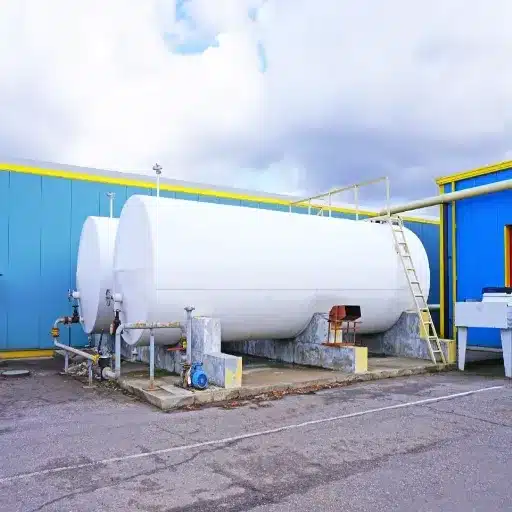
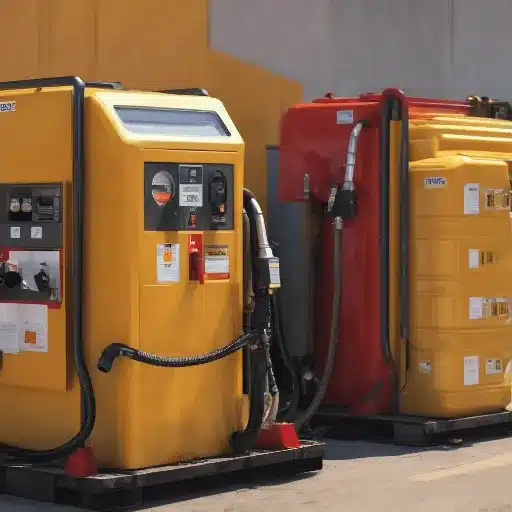
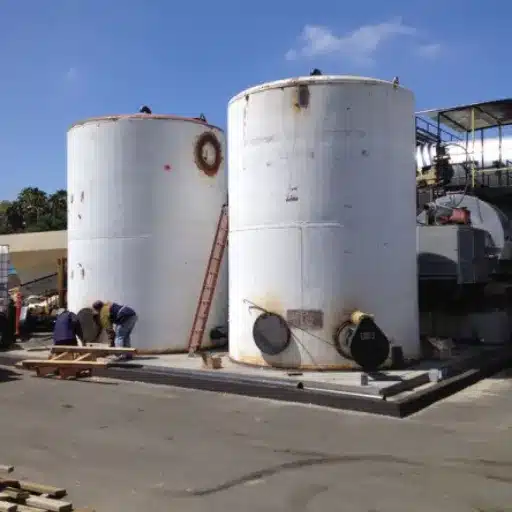
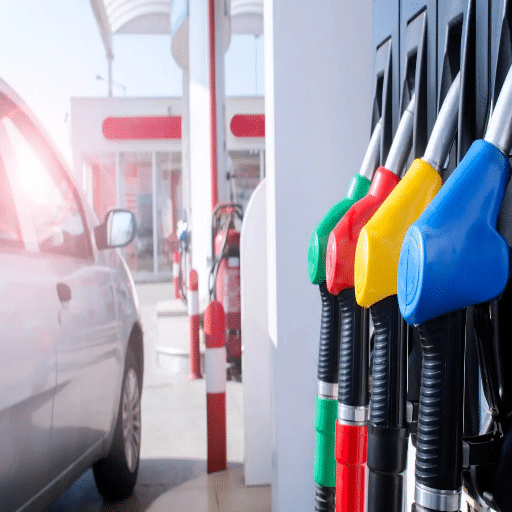
Gas station equipment is the term used to describe, in a broad sense, all the tools, systems, and infrastructure needed for the running of fuel dispensing and convenience service businesses. The main hardware involved in this operation consists of fuel pumps, underground storage tanks, point-of-sale systems, vapor recovery systems, and the latest EV charging stations. The role of gas station equipment in this area is so pivotal that it has become synonymous with safety, compliance with the authorities, and good performance of the business. The use of safety measures such as leak detection and vapor containment is a huge gain to the environment and public health, while on the other hand, the very applications of sophisticated POS systems stimulate customer satisfaction through quick sales and efficient inventory control. The ever-increasing installation of EV charging facilities proves more and more the necessity of advanced technological equipment as a tool for dealing with changing consumer needs and complying with government standards.
Current Market Size and Growth Rate
The recent estimates have put the value of the fuel station equipment market at around $20 billion, and it is anticipated that this market will continue to grow at a CAGR of 5-6% over the coming five years. Demand for sophisticated fueling systems, installations of electric vehicle charging networks, and increased acceptance of automation technologies in fuel stations are the main contributors to this growth, among other factors. Conversion of facilities with outdated technology to modern ones incorporating vapor recovery, leakage detection, and other environmental compliance systems is also supported by the imposition of strict environmental regulations. The introduction of multi-service stations combining old-time fuel dispensing with EV charging and the sale of quick marts has also supported the growth and variety of the market.
Segmentation of the Gas Station Equipment Market
The gas station equipment market is classified into several segments on the basis of product type, application, and region.
- Product Type: The principal product categories consist of fuel dispensers, storage tanks, pumps, vapor recovery systems, and payment terminals. The advanced dispensers with digital interfaces and smart payment systems are the ones that attract more and more customers as the switch to automated operations is gaining momentum. Also, vapor recovery systems and leak detection technologies have become a necessity for obtaining environmental compliance.
- Application: Equipment can be divided into categories based on their application in gas dispensing stations, convenience stores, and multipurpose stations. The integration of conventional fuel dispensing and electric vehicle charging infrastructure has significantly widened the range of applications. Multi-service stations are particularly driving this growth, as they unite different customer demands in one location.
- Region: The geographical segmentation of the market is based on regions of North America, Europe, Asia-Pacific, Latin America, and the Middle East & Africa. Asia-Pacific is the leading region in terms of market growth, and the major reasons for this are rapid urbanization, economic growth, and rising vehicle ownership. In contrast, North America and Europe are experiencing moderate growth because of their stringent regulations and the implementation of eco-friendly technologies.
The division of the market into segments highlights the transformation of the market dynamics, which are being influenced by technology, regulations, and changing consumer preferences.
Market Trends and Key Drivers

Sustainability and energy efficiency have become the big influences on the market today. Among the many reasons for the transformation to eco-friendly technologies, the stringent environmental regulations are at the top, not to mention the full automation and digitization of all sectors. Moreover, the consumers’ environmental consciousness is increasing, and this is the reason why companies are striving harder for pollution-free products. Moreover, the economic growth of the BRICs is a factor that has played a role in the increase in demand for such product,s as the obtained income is spent on better technology and infrastructure. Thus, these factors underscore the need for the industrial sector to be more flexible and to come up with new concepts.
Emerging Trends in the Gas Station Equipment Industry
The gas station equipment industry is experiencing a significant shift, primarily due to evolving technology and consumer habits. One of the main trends is the building of alternative fuel infrastructures that consist of EV charging stations and hydrogen fueling systems, which mainly result from the regulatory bodies and Governments encouraging the cutting down of carbon emissions through incentives. Moreover, many firms are spending huge amounts of money to install electric car charging stations at traditional gas stations as a method of securing their businesses against the rapidly growing number of electric vehicles on the roads.
The digitalization of gas station activities is another major trend. The technologies that are being embraced for the commendation of fuel dispensing and inventory control improvement, alongside customer service enhancement, are IoT devices, cloud systems, and advanced data analysis. These digital solutions offer real-time monitoring and automated activities, thus reducing operating costs and increasing productivity.
To add on, it is a fact that the gas station equipment sector is going very slowly in the process of changing its image to that of a provider of sustainable and energy-efficient solutions. One of the most important changes that the industry is experiencing is the advent of solar-powered fueling equipment, energy recuperation systems, and modular, eco-friendly designs. Both consumers and companies are getting more and more conscious of green practices, and that is why the gas station equipment sector is making a transition to a more environmentally friendly technology and lower ecological impact. These alterations are indicative of the industry’s adjustment to the new energy situation, technological advancements, and global sustainability objectives.
Impact of Alternative Fuels on Market Dynamics
The shift to alternative fuels has introduced a new energy source, and consequently, the market has experienced a dramatic transformation characterized by further innovations and an increase in the variety of the energy and transportation sectors. To mention the primary ones among the renewable alternatives, biofuels, hydrogen, and electricity made from eco-friendly sources are the key ones that are taking the place of fossil fuels, thus leading to a smaller carbon footprint and compliance with the stringent environmental regulations. The resulting changes have brought about the new infrastructure, which includes hydrogen refilling stations and electric vehicle charging networks, to meet the consumer demands of the new era. Additionally, the industries are experiencing price shifts as the main factors determining market prices and adoption rates are resource availability, production technologies, and government incentives. Rivalry has also been noted among the manufacturers as a result of the use of alternative fuels, and who will be the first to introduce powerful, less polluting technologies, thus quickening the energy transition even more. The adoption of renewable energy solutions makes companies not only able to achieve their sustainability targets but also be part of the global decarbonization campaign simultaneously.
Technological Advancements Shaping the Market
Techno-innovation is to a large extent the cause of the transformation of the energy market as it makes the market more efficient, sustainable, and innovative in various sectors. The most significant among them is the smart grid technology, which merges various digital communication systems. Such a system will not only make the power distribution more secure but also allow for instant monitoring of usage and, at the same time, prevent losses during transmission. Besides that, the battery technological advancements, such as solid-state batteries and improved lithium-ion cells, are increasing the storage capacity and thus are one of the main points in the acceptance of renewable energy sources and grid stability. Furthermore, AI and ML are revolutionizing the industries with preventive maintenance, power consumption optimization, and even running without staff for better resource allocation. The merger of all these incrementals is a great step towards a world with less pollution, cost-saving, and reaching the international climate goals.
Regional Analysis of the Global Gas Station Equipment Market

The global gas station equipment market is characterized by significant differences between regions, which are affected by economic activity, urbanization, and technological adoption. North America is still a major market player because of ongoing investments for upgrading fuel dispensing systems and new payment technology coming in. Europe is taking sustainable steps, and with that, there’s a gradual transition to alternative fuel sources and EV charging station integration. The Asia-Pacific region is experiencing rapid growth, which is the outcome of an increase in car ownership, urbanization, and the general public’s rising interest in better fuel infrastructure. Simultaneously, the Middle East and Africa region is going for new fuel stations as their economies are growing and their energy consumption is increasing, though they still have to deal with the problems of inadequate infrastructure. All these regional movements together show the different requirements that are influencing the future direction of the global market.
Market Share by Region
North America, Europe, and the Asia-Pacific are the three chief regions that have a strong impact on the global market share by area. The North American market is very large, mainly due to the presence of developed markets, high-income earners, and the best-in-class infrastructures that give rise to continuous demand. Next in line is Europe, where the environmental rules and regulations mainly lead the changeover to the adoption of new technologies, while another factor is the financing of the power generation sector. On the contrary, the Asia-Pacific region has the fastest-growing demand, which is caused by urban migration, the growing middle class, and the increase in the number of cars. The massive infrastructure projects and the raised energy demands make China and India among the major contributors to the global market. The regions have created the global market map with their varied economic trends, government regulations, and consumption patterns.
Growth Opportunities in Emerging Markets
Emerging markets have become hot spots in the growth map. This is a consequence of the aforementioned factors: changing demographics, tech progress, and improving economic situation. The three key sectors of the growth story are renewable energy, e-commerce, and digital financial services. The government incentives and the inflow of foreign capital are the primary reasons for the unprecedented boom of the renewable energy industry in India and Brazil. Moreover, e-commerce continues to spread, transforming the mindset of buyers in regions like Southeast Asia and Latin America, as the internet and smartphones are the main factors. Besides, digital financial services create access for more people to get finance, which is shown by the growing fintech hubs in Nigeria and Indonesia. The favorable government policies, the opening of markets, and the large inflows of foreign direct investment are the main reasons why emerging markets have not only become players but also important contributors to the global economy.
Regional Forecasts for 2026
The economic growth of the emerging markets is forecasted to be very impressive by the year 2026 as a result of the never-ending demographic shifts, faster technological advancements, and comprehensive policy improvements. The region of Southeast Asia is the one that is to be the fastest-growing, with the likes of Vietnam and the Philippines being projected to have GDP increases of over 5% every year due to the gradual transformation of the manufacturing sector and sharing of the digital world. In like manner, Latin America’s growth is likely to be concentrated in Brazil and Mexico, where the investments in renewable energy and the upsurge of nearshoring will be the major forces driving the industries.
Africa is still a dark horse with a rising economic potential, and Nigeria and Egypt are the ones gaining the most because they are fostering growth in the sectors of fintech, energy, and infrastructure. At the same time, Eastern Europe, especially the countries of Poland and the Czech Republic, is going to reap the benefits of the diversified supply chains and the EU’s economic support packages. It is expected that the digital economy, sustainable energy solutions, and regional trade agreements will be the main contributors to growth across the regions, and thus, the markets will be very effective in setting the international economic dynamics in the coming years.
Market Segmentation and Key Players

In the given situation, market segmentation is grouped according to industry verticals, regions, and technology. The main sectors are renewable energy, digital transformation services, smart manufacturing, and logistics. Apart from this, the geographical segmentation points out the growth of Eastern Europe, Southeast Asia, and Latin America as the regions that are benefiting the most from local policies and international trade agreements that are made specifically for those regions.
The main actors in the market still include the large companies like Siemens in the field of industrial automation, Accenture in the field of digital transformation consulting, and BYD in the field of sustainable energy solutions. The companies use technology and business alliances to stay ahead of the competition, thus supporting the growth of the whole sector.
Major Segments in the Gas Station Equipment Market
The gas station equipment market has been divided into product type, application, and end-user parts, with the leading components being the main drivers of the industry growth. Among the product type sections, the most important are the fuel dispensers, piping units, tanks for storage, and point-of-sale (POS) systems. These systems are not only distributing fuel more efficiently, but also bringing up-to-date features, like remote monitoring and touchless payment options, to smooth out the whole process of operation.
Looking at the application point, the market is split between the traditional fueling stations and the alternative energy ones, like electric vehicle (EV) charging or hydrogen fueling stations. The increasing desire for green fueling practices has pushed the installation of EV charging systems and hydrogen infrastructure, which are backed up by government tax breaks and state policies favoring the environment.
To end with, inside the end-user category, there are both independent gasoline and oil stations as the main consumers, as well as the super majors. On the one hand, the big oil companies are interested in deploying automated solutions to run their high-volume operations efficiently; on the other, the independent stations are generally looking for budget-friendly and modular equipment. The rivalries within these segments are made even more intense as connected technologies, sustainability drive, and changing consumer preferences engage in advancing the market.
Competitive Landscape and Market Share Analysis
The global market for fuel dispensers is significantly influenced by the competition among the leading manufacturers, which in turn includes Gilbarco Veeder-Root, Dover Fueling Solutions, and Tatsuno Corporation. The said companies are primarily fueling the market with their market presence all over the world, the introduction of new products, and strong manufacturing capacities. Gilbarco Veeder-Root is mainly using its cutting-edge payment systems and integrated software solutions to attract the markets of both developed and developing nations. Dover Fueling Solutions has implemented a way of sustainability and modular designs, thus appealing to the wide-ranging customer base that places energy efficiency as a top priority. The world-class dispensing technology of Tatsuno Corporation, together with its unyielding commitment to reliability and performance, provides the company with a competitive edge.
The market is getting more complex with new companies coming in and regional rivals offering the public different economic options and niche markets. Furthermore, the smart fueling systems have gained more popularity, and the IoT technologies have been connected, which created rivalry among all market players. The planning for partnerships, mergers, and acquisitions still persists as the primary approach for the giants to enlarge their market share and to improve their technology. The creation of a competitive climate shows the rapid expansion of the fuel dispenser industry, which is primarily attributed to innovations, environmental regulations, and changing customer preferences.
Strategies of Key Players in the Industry
The main players within the fuel dispenser industry are employing a variety of strategies to keep their competitive edge and meet the changing demands of the market. Mostly, companies are putting a lot of money into research and development (R&D) to produce new-generation dispensers with remarkable features, among which integrated payment solutions, improved security protocols, and IoT compatibility are the most attractive ones. As a result, they are mainly focusing on the need for smart fueling solutions and supporting the integration of the existing smart city infrastructures with the new ones.
The industry has been greatly affected by sustainability, which has become a top concern, and the main players have started using green technologies to comply with the most stringent environmental regulations. One of the practices they practice is the production of dispensers that can manage alternative fuels such as biofuels, hydrogen, and even electric vehicle (EV) charging, thereby aligning themselves with the renewable energy trends and reducing the carbon footprint of the fueling process.
Contrarily, the strategic partnerships remain one of the leading factors in the industry, where companies are establishing alliances or getting involved in mergers and acquisitions just to improve their market penetration and add their technological capabilities. The collaborations enable the companies to share their expertise, achieve supply chain efficiencies, and thus, be faster in making the advanced working infrastructures available globally. In short, these strategies are not only the future but also the way to go through the industry’s challenges while still encouraging innovation and being environmentally responsible.
Future Outlook and Forecast for the Gas Station Equipment Market

The gas station equipment market is expected to experience a steady increase in sales over the next decade, mainly owing to the global shift to renewable energy sources and the demand for more efficient refueling systems. Among the major trends driving the market are the installation of electric car (EV) charging stations, the updating of gasoline dispensing systems, and the use of cutting-edge payment, monitoring, and safety systems. The stakeholders of the market are urged to make long-term investments in the emerging markets and to come up with comprehensive solutions for the different kinds of alternative fuels, which will be the primary drivers of the industry. Industry experts are of the opinion that the market will continue to expand as both the government and private sectors are eager to support the initiatives that aim at reducing carbon emissions and transitioning to renewable energy grids.
Market Forecast for 2026 and Beyond
The global market for fuel dispensing equipment is predicted to grow steadily, mainly due to technological innovations and the shift towards cleaner energy. The market is estimated at more than 4 billion USD by 2026, representing a CAGR of around 5.8% from 2021 to 2026. The major areas that will drive this growth are the deployment of electric vehicle (EV) charging stations, the implementation of smart fuel management systems, and the incorporation of renewable energy sources into fueling networks.
North America and Europe are the foremost areas on the market, marked by government support and rigorous emission regulations, thus encouraging the use of cleaner energy. Meanwhile, the Asia-Pacific and Africa markets are to appropriate the demand for modern fueling solutions as a result of urbanization and quickly developing industries. Innovations in cloud monitoring and IoT-enabled devices will bring the industry to reap operational efficiency shifts, aside from that.
In summary, the outlook of the market is a transition that is very much in sync with the global effort to cut carbon emissions and enhance the resilience of energy supply. Market players need to go along with the adoption of cutting-edge, eco-friendly technologies, which will ensure their competitiveness in such a fluctuating landscape.
Challenges Facing the Gas Station Equipment Market
The gas station equipment market is under severe pressure due to one of its main challenges, which is the need to implement eco-friendly technologies because of the environmental regulations that are getting stricter. Being from the inside of the industry, I can tell you that there is a great demand for energy-efficient solutions, and at the same time, a very high investment is required. Meanwhile, the shift to electric and hydrogen across the board complicates things for the upgrade of infrastructure, as it requires adequate planning and a lot of cash invested in it. On top of all this, there is the continuous technological evolution of the equipment, and this creates the challenge of constantly innovating to keep up with the changing market. Finally, disruptions in the supply chain and fluctuations in the costs of raw materials are other factors that add uncertainty to the situation, thus affecting the timelines of production as well as the profits.
Recommendations for Stakeholders
1. Invest in Advanced Infrastructure
The stakeholders have to give the modernization of the infrastructure for supporting the alternative fuel technologies like electric vehicles (EVs), charging networks, hydrogen refueling stations, etc., the highest priority. The rapid introduction of these technologies, as well as their cost-effectiveness, can be realized through an alliance with governmental organizations for finance and granting policy support.
2. Focus on Research and Development (R&D)
The company must make continuous investments in R&D to stay ahead of the competition in terms of technology. The R&D investment would spread over the whole area of energy storage systems, where the batteries would be developed through the invention of materials that are less reliant on the volatile raw material markets. Besides, teaming up with research institutions would increase the efficacy of the investments manifold.
3. Strengthen Supply Chain Resilience
Supplier diversification, along with the application of digital supply chain management tools, can help in reducing the risks associated with interruptions. Hence, it is recommended that the stakeholders utilize real-time analytics and predictive modeling for managing their manufacturing processes and, consequently, ensure that their production schedules are not disrupted.
4. Adopt Public-Private Partnerships (PPPs)
Participation in public-private collaborations will enable the funding and, therefore, the scaling up of green transport programs. These partnerships, besides being the quickest to provide the needed solutions to the huge market, are also the best for the sharing of resources.
5. Enhance Workforce Training Programs
Workers who have the matching competencies for the electric and hydrogen technology-based industry will hence be prepared for the operations. Skill development along with certification will not only be a remedy for the labor shortage but will also create a future-ready workforce in this transitioning industry by imparting skills.
The implementation of these strategic recommendations will empower the stakeholders to not only break through the existing barriers but also to reorient themselves according to the market demand changes and consequently make the most of the opportunity brought in by the alternative fuel market advancements.
Reference Sources
Competitive Effects of Entry in Gasoline Markets
This academic paper provides insights into the competitive dynamics of gas stations, including pricing and quality analysis.
The State of EV Charging in America – Harvard Research
A Harvard Business School study discussing trends in EV charging stations, which are increasingly relevant to gas station equipment markets.
Empirical Evidence from the German Retail Gasoline Market
A Yale University study analyzing algorithmic pricing and its impact on competition in the gas station market.
Frequently Asked Questions (FAQs)
Market report: What does the gas station equipment market report reveal?
The comprehensive market report and market study report offer a detailed investigation of the various regional markets, which consist of North America’s gas station equipment, Europe’s gas station equipment, gas station equipment in the Pacific region, Africa’s gas station equipment, and South America’s gas station equipment markets. The report covers the market size and shares, and the market is divided by product (dispensers, tanks, c-store equipment, detection systems, EV chargers), end users (retail gas stations, service stations, fleet refueling), and also by fuel types (gasoline, diesel, natural gas, compressed natural gas). Furthermore, the report highlights the fact that the market is characterized by the trends of digital payment acceptance, sustainability-oriented upgrades, and multi-fuel dispensers being one of the main driving forces.
Market during the forecast period: forecasts for gas station equipment
How does the market behave during the forecast period, and what should stakeholders expect? During the forecast period, the market for gas station equipment is projected to experience steady growth, reflecting the changing number of gas stations worldwide, comprising both expansion in developing areas and consolidation in mature markets. Forecasts take into account that the gas station network will grow, gas station owners and operators will invest heavily in c-store equipment and EV charging infrastructure, and regulatory shifts will favor the adoption of compressed natural gas and natural gas. Market research shows that manufacturers are concentrating on producing modular, retrofit-friendly systems to take advantage of market opportunities.
Market segment: How is the station equipment market segmented?
What are the principal categories of market segments in the gas station equipment market investigation? The market for station equipment has been segmented into distinct groups based on various criteria such as product (pumps & dispensers, point-of-sale and c-store equipment, tanks and piping, gas detection equipment, and EV charging stations), fuel type (gasoline, diesel, compressed natural gas, natural gas), end user (retail gas stations, service stations, fleet depots) and region (us gas station equipment, western europe gas station equipment, eastern europe gas station equipment, pacific, africa, south america). The division of the market into segments in the research report makes it easier for manufacturers and operators of stations to identify the areas of the market and products for their focus.
Key Trends: What key trends are shaping the gas station equipment market?
What are the key trends affecting the demand for equipment in service stations and convenience store operators? Among the trends, the charging stations’ electrification and their placement in the convenience store layout, upgrades for compressed natural gas and natural gas dispensers, demand for smart pumps, contactless payments, enhanced gas detection equipment, safety systems, and c-store equipment modernization to increase non-fuel revenue are significant. Market analysis and market research reports have highlighted the trends of sustainability goals and regulatory pressures, which have led to station owners’ investments in low-emission, quiet equipment and digitized monitoring.
Gas station equipment market analysis for north america and europe
What are the main differences in analyzing the gas station equipment market between America and Europe? In North America, the demand for gas station equipment is significantly affected by the fact that the U. S. boasts the largest number of gas stations, the requirement for upgrading convenience store equipment, and the growing installation of electric vehicle charging stations. Conversely, the Western European gas station equipment market is primarily driven by the adoption of cleaner fuels, particularly compressed natural gas, and natural gas in some areas, in addition to which Western Europe imposes very strict emissions and safety standards while undergoing a consolidation of gas station operations. The markets in Eastern Europe and the Pacific are, in some cases, higher-growth-rate territories, but they also present different challenges in terms of infrastructure. Market analysis has indicated that regional variations in standards, expenses, and technology acceptance are the main issues that impact the market’s revenue and opportunities.
Operation of gas stations: How should station operators invest in equipment?
What factors should be taken into account by gas station operators and station operators when they upgrade or purchase new equipment? The total cost of ownership, compatibility with present fuel types (gasoline, diesel, natural gas, compressed natural gas), regulatory compliance (mostly gas detection equipment and spill prevention), and the ability to boost convenience store revenue through c-store equipment modernization should be considered by the station operators. According to market research, the best investment strategy is to phase the capital expenditure during the forecast period to allow for revenue uplift and to consider collaborations with equipment manufacturers for maintenance and remote monitoring solutions.