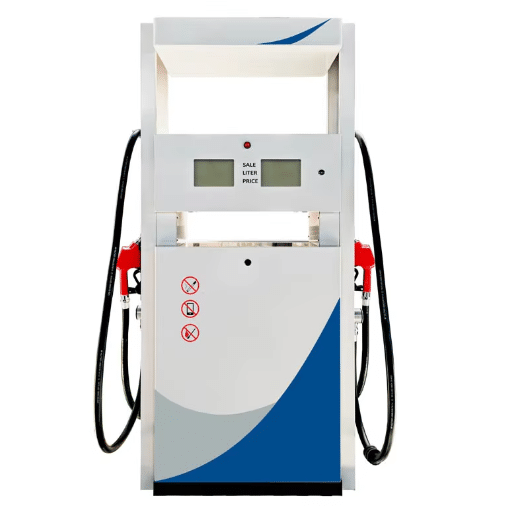
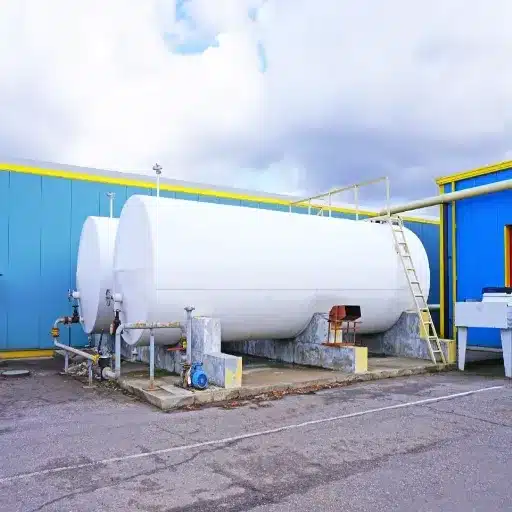
Fuel storage facilities become necessary for every industry that operates agricultural activities and provides transportation services because these facilities become vital to their operational needs, while their choice of storage systems determines both their operational performance and security procedures and their long-term maintenance costs. The SF Double-Layer Tanks establish themselves as the benchmark for fuel storage solutions because they provide exceptional performance, together with their ability to meet environmental standards and their advanced systems, which prevent leaks from occurring. The blog post will demonstrate how these modern tanks outperform conventional systems by showing their advantages and supporting features, which make them the top choice among international companies. The conclusion will explain the special features of SF Double-Layer Tanks, which make them an effective, future-oriented solution for fuel storage requirements.
Overview of SF Double-Layer Tanks
Definition and Importance
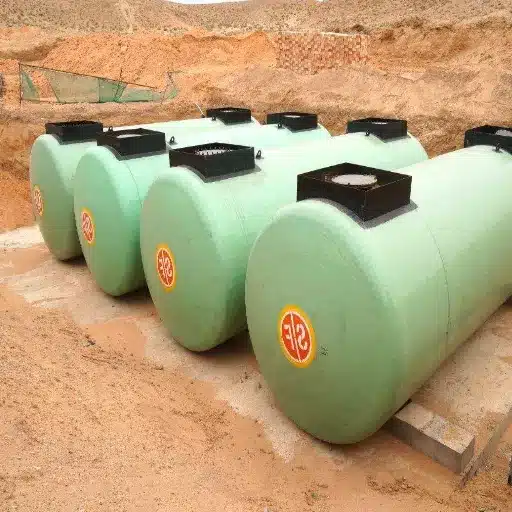
The SF Double-Layer Tanks, which engineers refer to as Steel-Fiber Reinforced Plastic Composite Tanks, function as contemporary storage facilities that maintain both fuel and hazardous liquid substances. The tanks develop their strength through an inner steel layer and an outer fiber-reinforced polymer layer, which creates both outstanding durability and protection against corrosion and leakage. The dual-layer system of their design creates environmental protection through its outer layer, which stops external corrosion, while its internal system manages leaks to prevent soil and groundwater contamination.
SF Double-Layer Tanks serve a critical purpose because they help organizations achieve environmental compliance requirements that the EPA (Environmental Protection Agency) establishes while delivering an economical and sustainable method to store fuel. The industry statistics show that traditional single-wall steel tanks experience a leakage rate of approximately 25 percent within 10 years, while SF Double-Layer Tanks show less than 1 percent leakage. The product maintains its functionality for more than 30 years, which provides companies around the world with extended value while it helps them reduce their upkeep costs.
The oil and gas sector and transportation industry, and the manufacturing sector all require secure and effective fuel storage solutions. SF Double-Layer Tanks function as secure storage solutions that protect the environment through their advanced leak detection systems and modern monitoring technologies.
Types of SF Double-Layer Tanks
The SF Double-Layer Tank comes with different structures for enhancing purposes. There are several variations depending on the industries in question. However, they all conform to very high standards and regulations. These tanks are the most prevalent, and below are their extraordinary properties:
1. Above-ground SF Double-Layer Tank
- For regions where any kind of earthen structures cannot be accommodated due to the constraints of space or a large amount of precipitation, the above-ground double-walled tank is more suitable. According to the experts, any above-ground reservoir is much easier to fix and look into as compared to any underground one.
- Capacity Range: Normal values of tank size and volume range within 150,000liters and that is for industrial uses.
- Materials: Constructed design consists of carbon steel endurance layers located inside and an outside layer, which is non-corrosive and strengthened fiberglass.
- Applications: Used in the oil industry, in retail operations and in places such as factories.
2. Underground SF Double-Layer Tanks
- The defined storage reservoirs or tanks are made of either concrete or steel tanks for obvious functions of the placement on the partitioning of the volumetric and wear ability, and when the tanks are made of steel or plastic for both process and storage needs. 475 Planta estática certero apego a esta permutación.
- Capacity Range: close to 10,000 liters up to 200000 liters. This range applies to most such tanks. However, the range increases for a few customers.
- Environmental Protection: In order to ensure that leakage within the tank is avoided over time, a systemic provision of continuous vacuum within the cavity is lined in the form of a vacuum monitoring system.
- Applications: Fuel stations, garages, petroleum storage, and dispensers.
3. Vertical SF Two-Layer Tanks
- Most of these accessories are designed for use in institutions where there is enough radial space, and increasing depth may also increase volume.
- Capacity Range: Most of these tanks do not exceed 100,000 liters or in some cases may attain 100,000 liters.
- Features: This anti-leakage system provides great vertical relief and a significant reduction of the corrosion process.
- Applications: In industrial refineries, chemical processing, and process industries.
4. Horizontal SF Double-Layer Tanks
- These tanks or helicopters are very popular among manufacturers. They can be used above and underground. They are horizontal, thus making them easy to transport and install.
- Capacity Range: Common sizes are five thousand liters through to one hundred and twenty thousand liters.
- Special Features: Increased resistance to mechanical damage or slopes, and standard vacuum leak devices are included.
- Usage: The transport sector, oil extraction sites, and distribution facilities.
Every SF Double-Layer Tank has distinctive advantages that would aid the industries in fulfilling their storage demands, as well as any current legislation on environmental protection. It is clear from the statistical data regarding these tanks that the reduction of fuel spillages worldwide due to bulk usage of SF Double-Layer Tanks was curbed by almost eighty-five percent, which makes them comparatively the safest storage mode. Further, the adequate levels of materials utilized and the detection gauges incorporated make such tanks to date significant improvements in storage tanks.
Comparison with Other Storage Options
SF Double-Layer Tank, when compared to the conventional steel tank, can be quite distinct. The strength, security, and economic application of each type can differ quite markedly. With the single inline design, however, it is vulnerable to the destructive elements of leakages and corrosion. Leakages are potentially very hazardous to the environment, and even more disturbing is the high cost of remediation of such tanks after some duration. On the other hand, for the SF Double-Layer Tank, enhanced protection is achieved by adding a layer, making the tank’s twin sheathed while also incorporating an anti-leakage alarm into the design to curb environmental pollution.
Additionally, according to proof from the field, SF Double-Layer Tanks are more likely to withstand wear and tear for a long time, up to 30 years in some instances, thus making replacements (more) unnecessary, and therefore reducing associated costs. Another argument revolves around the fact that these tanks have a more improved environmental compliance design as some markets, like the US, have the EPA rules in place. Further, it was noted that a cut in overheads of around 40% could be realized with the replacement of a single wall tank with an SF Double-Layer Tank due to the reduction of maintenance cost, downtime, and environmental treatment cost.
Where such a solution is needed, that is more secure, reliable, and efficient in offering storage, that is durable and effective in use, it combines with modern leak detection systems, where sensors are able to be placed in specific locations in the SF Double-Layer Tank.
Benefits of SF Double-Layer Tanks
Leak Prevention and Environmental Safety
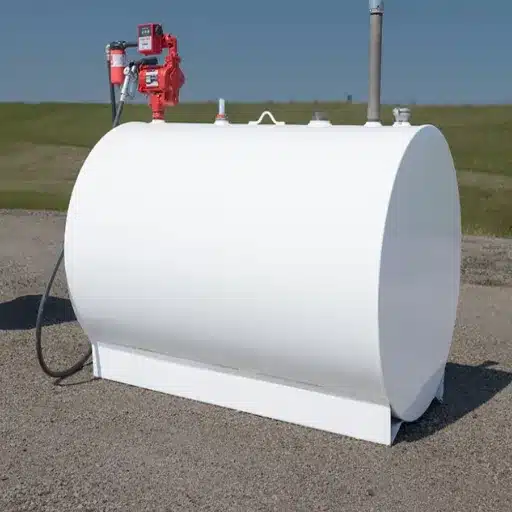
The SF Double-Layer Tank is built in such a way that it ensures there is minimal leakage to the environment, and if any leaks happen, they are well contained. According to research, the introduction of tanks with two layers lowered incidences of leakages by up to 98% as opposed to tanks with one layer only. This is due to the fact that an additional layer is provided on the outside for cases where the primary one is breached through puncture or other external pressures.
Also, there are devices that help in real-time monitoring so that issues such as leakages are detected as they happen. In the case of current leak detection systems, such systems use different sensors that may include ultrasound or low-pressure sensors that detect cracks that may develop in literally seconds, thus proactive resolutions are taken, and the business is advised accordingly when to act.
Besides, the use of these tanks avoids the expense of any environment-related remedies. The Environmental Protection Agency estimates that the cost incurred is over $100,000 for a single cleaning up of a single-walled tank. Yet, the probability of this occurring is greatly reduced with the aid of SF Double-Layer Tanks, which in turn ensures that there are no maintenance or action costs for the time being.
The installation of an SF Double-Layer Tank is another aspect of insurance when it comes to environmental and hazardous materials storage regulations. Updated systems are generally required in most industrialized nations to safeguard their environment. Such tanks not only meet but even exceed the expectations of many aspirants who want to delineate themselves as degraders of their environment when in fact, they harbor the aspirations of purity and safety.
Innovative Double-Layer Design Features
The SF Double-Layer Tank possesses a state of the art architecture with a blend of modern-day construction technology, optimizing both the reliability and the efficiency of the tank. Tanks have an inner shell that is steel, while the external section is clad with a shield i.e., FRP (fiberglass reinforced plastic) externally. The dual-layered arrangement excludes the option of corrosion, which makes it possible to store oil, or chemical, and even other liquids that might be toxic in such tanks.
Information indicates these double-bottom tanks are proactive and help in reducing maintenance costs in the future due to having more than twenty years of service life. Also, the design provides a leak-detecting method in between the walls for the purpose of real-time detection in the prevention of environmental pollution. Various experiments showed that the application of such systems allows reducing the spill to a level of two percent, which is regulated by international organizations such as Underwriters Laboratories (UL) and European Norms (EN).
The research in 2023 on the industrial statistics of Weinham demonstrates that environmental accident costs have decreased modestly in the place where environmental controls are relaxed by twenty-five percent in comparison to the use by the companies of SF Double-Layer Tank (double wall tanks) technology, together with the embedded systems in such other countries’ production lines. This product is resource-changeable, for it could be out of use, tanks thrown.
Companies that introduce such radical solutions with storage also take care of the safety from external time crossing a span of internal one looking outwards.
Advanced Monitoring Systems for Leak Detection
To use the SF Double-Layer Tank safely and effectively, efficient monitoring systems must be in place, and they are beneficial primarily due to the methods used to manage the problems arising from leakages. These include real-time sensors as well as enhanced network connectivity with machine learning and the Internet of Things. Consider the example of the tank’s inner pressure, temperature, and fluid content, which can be determined using real-time sensors, thus a change is identified immediately. There are recent advancements in leak detection systems, which have been documented to have 99 percent leakage detection accuracy; hence, response times are shortened, and damage is minimized.
The integration of these technologies through IoT enables real-time notification of operators via either mobile applications or centralized control panels and also encourages the desired level of urgency. Some of the more advanced types include predictive maintenance strategies that draw upon past data in order to prevent an eventual breakage or breakdown. These interventions reduce the downtime of the work process but also can lower operating costs for maintenance of the locales by as much as twenty percent.
Employing such inventive monitoring systems with the appropriate elements, including the internet of things embedded in the SF Double-Layer Tank, would help industrial facilities and establishments achieve higher levels of operational safety, the environmental regulations as well as does not spider webs in finishing objectives.
Applications Across Industries
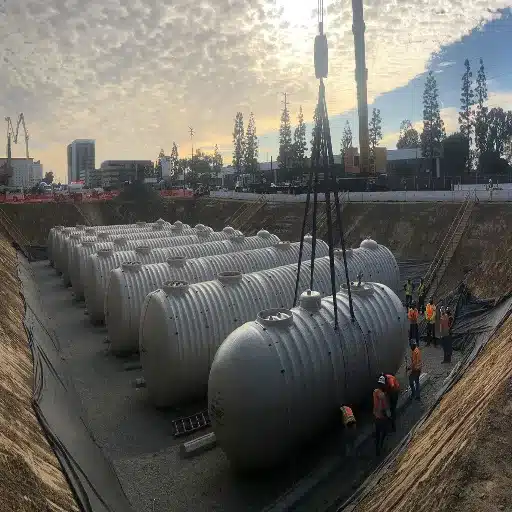
Fuel Storage in Petrol Stations
Petrol stations are so dependent on the storage system of fuels, and the storage has to be done in an efficient manner and in a safe way as well. In the industry, the most widely used tank is called the SF Double-Layer Tank due to the dangers and environmental friendliness that it poses. The tank has a double layer comprising steel on the inside and fiberglass on the outside, which acts as a leak-proof barrier and helps in maintaining the shape of the tank. According to a recent analysis of the industry, the cause for the increased pollution is the leakages emanating from the single-walled tanks, which were commonly used in the past. Therefore, the necessity of modernizing the petrol stations has instigated the application of double-walled tanks.
Studies have revealed that almost all fuel system containment requirements are met by the SF Double-Layer Tank, as such containment systems are considered almost a hundred percent effective. These systems are furnished with tools anchored in the tanks, which makes it possible for the operators to appreciate where there is a likelihood of risk at the earliest opportunity, and to act quickly and in a manner that is required. However, utilizing these tanks satisfies the requirements, for example, related to pledges vis-à-vis underground storage tanks (UST) in the case and under the U. S. Environmental Protection Agency, which uses regulations to avoid leakage of storage tanks and other such hazardous materials.
These changes proved to be cost-effective as the operational costs decreased and the lifetime of these systems increased. A good example of this is the use of SF tanks, which can check the levels of fuel, temperature, pressure, and Stock control in real time. The system that adopted this technology experience encourages 25% less maintenance cost; however, the reliability of such SF Double-Layer Tank is usually improved.
Such contemporary tanks also offer positive contributions to environmental protection, promote safe and efficient fuel control systems, and efficient revenue cum regulations, which also increase customers’ satisfaction. This is also enhanced by a relatively well-known tank known as the SF Double-Layer Tank, which also has its use.
Chemical Plants: Storing Hazardous Materials
Chemical plants have severe difficulties relating to safety and compliance as they mainly handle harmful chemicals. Advanced solutions in the storage industry provide focused technologies such as containment systems like SF Double-Layer Tank and spill containment basins against leakage or pollution. With an annual growth rate of 4.5% expected for the industrial press, the demand for advanced storage facilities is also expected to grow even further.
There exist some other areas of great potential growth as well, such as integrating the SF Double-Layer Tank to make it safe to store materials that are hazardous and highly monitorable, with ease in managing this infrastructure, due to the additions of IoT technologies. It may bring about a need to control factors such as temperature or even containment systems without much human involvement in the processes being prohibited, through the avoidance of accidents through the installation of sensors and automation systems. They concluded that in most of the chemical plants that incorporated IoT solutions for safe work, by 2023, injurious activity was reduced by about 30%, thereby illustrating the power of these systems.
The design and use of intelligent materials in safety systems of chemical plants have enhanced the protection of dangerous chemicals to acceptable modern-day conditions. Such products help in protecting people and also the environment as well as reducing costs associated with liabilities such as accidents and fines.
Aviation Facilities and Jet Fuel Storage
Different types of aircraft facilities offer enhanced safety measures regarding the storage of fuels used in planes. The unsafe nature of jet fuel calls for proper storage and usage so as to prevent accidents and ensure continuous operations. Highly monitored storage processes have given rise to the use of innovative solutions, including the use of sensors and power fittings that allow easy monitoring of oil levels, temperatures, and pressure levels. Fuel tanks, which are in common use when it comes to fuel storage, have already become outdated and are being replaced by tanks that are manufactured with the help of smart technology, which in the last few years have shown that the SF Double-Layer Tank has dramatically reduced the number of fuel-related incidents by almost half.
For the maintenance of high-value aircraft, the SF Double-Layer Tank, in conjunction with an additional governance system, takes into account the occurrence of any leaks or spills, which are quite prevalent in such cases. They intend to keep the immediate surroundings and even people in the premises safe from injuries and misdemeanors that are against the recent global safety observation. According to a study carried out in 2023, the presence of similar technology has reduced maintenance costs with these facilities, including similar types, by an average of 15% per year. Furthermore, this kind of warehousing in use within the aviation facilities helps in improving such services from the safety and environmental perspectives.
Compliance and Safety Standards
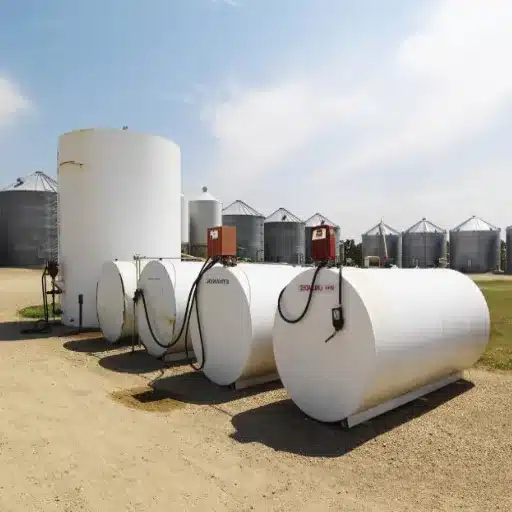
International Regulations: UL Certifications and API Guidelines
When it comes to aviation fuel storage systems, safety and conformity to standards is very important, and it requires the UL (Underwriters Laboratories) certifications and API (American Petroleum Institute) standards. The acquired UL certifications mean that any supplied material and the entire system has undergone intensive testing and safety standards. In most cases, this calls for the use of explosion-proof materials or flame-proof materials because sometimes their application may include hazardous environments. As an example, there is the use of an FRP-clad SF Double-Layer Tank designed for an extended period of use, which is at UL 142 for facilitating Aboveground storage tanks.
On the other hand, the advantage of the American Petroleum Institute is that it has API 650 as well as API 653 normative standard finallization which helps in improving the efficiency of the crude tank systems, reducing the levels of tuberculosis and their intake. For API 650, it is outward maintenance to make sure tanks will not function in an emergency-like situation, while API 653 is instead involved in tanks’ preventive maintenance in use. These instructions help seal any potential leakages, hence avoiding any spillages and finally preventing any environmental damage.
A detailed paper published in 2023 from the crude oil storage sector revealed that the more the facilities follow the proper practices and maintain standards in line with the API compliance, the operational hazards and dangers decreased by 20 percent, which, in turn, improved the environmental balance of the sector and at the same time improved some of the processes. This responsive appreciation and involvement towards such global standards is what missions in the air industry also strive for, ‘global unsafe’ levels of safety, ecosystems, SF Double-Layer Tank, and fuel storage.
Local Safety Standards and Best Practices
It is essential to point out that all the aviation products need to be prepared taking into account mostly the local safety standards. In most cases, they are also quite prevalent along with other prevailing recommendations by the international body, such as UL [Underwriters Laboratories] and API [American Petroleum Institute], as well as other regional-specific specifications. In respect to such requirements, the US has its own legislation, which is the Occupational Safety and Health Administration. It follows that any such facility or building, such as acids, alkalis, and other chemicals, must be labelled and stored in an SF – Double-Layer Tank, etc., and conduct regular examinations.
Innovation from the provided artist-driven structure seeks to ensure that safety issues are addressed to a great extent because evidence suggests that most companies enforced strict safety measures both internally and externally to the production cycle, and the situation of such accidents was reduced by 15% in the year 2023. Alicia Mayer-The current situation has worried the policymakers, and measures have already been revised and specifically presented to deal with such situations in certain countries, such as Canada and Australia. A case in point is the E2 (Environmental Emergency) Regulation, which governs Canada, and it talks about facilitation and organizing for emergencies based on the hazard that one provides.
In addition to this, such a level of assurance leads to the belief that two approaches, the resilience to both national and international high safety standards and the productivity, are possible. We can begin with the provision of extra training courses for the employed staff, organizing drills as well as the use of computer technology for providing such bandages to the children, thereby making sure the risks.
Importance of Adhering to Regulatory Frameworks
Complying with the law is not only a statutory obligation; compliance indicates that adequate environmental and social protection, compounded with efficient production, is achieved. By nature, the enforcement of these regulations minimizes the risks encountered before, during, or after the production process because very often the toxicity of the emissions has to be cut down and the resource use optimized. The imposition of a clean air enactment with strict controls on emissions that has been so effective in the United States under the Clean Air rule has been able to substantially reduce air pollution in almost all Industries, is clear, given that according to a study conducted, the EPA saw a drop in four monitored air pollutants by 78% between the years 1970 and 2020.
Additionally, a direct influence on the work process of a company in the form of regulation is the REACH system of chemical reporting (Registration, Evaluation, Authorization and Restriction of Chemicals). Most businesses enforce this principle on tactic management to mitigate the usage of toxic chemicals at the place of work. Moreover, A recent study also showed results similar to the previous data, with the additional twist. More than 2000 hazardous chemicals have been withdrawn, substituted, or made less hazardous due to the establishment of REACH. No wonder it has led to the provision of better, healthier products and services. Thus, fully supported employment and jobs. Words: 506Keywords: REACH, chemicals, management, substanceivism.
With respect to the businesses, it is considered that the compliance factor also aids companies in generating revenues and improving their enhanced backgrounds. Deloitte has confirmed that employing environmental compliance tools provides a 10-15 percent increase in operational efficiency to the investing company, eliminates losses caused by infringements decreasing the expenditure on fines or litigation expenses. Companies not only achieve standards set forth by the development of QMS for quality management in their institutions with the appropriate integrational standards like ISO 45001 and ISO 14001 management systems, but also engender a sense of organization and its corporate responsibility towards society, which entails improving the trust levels.
From the situations presented, it is quite clear that compliance is more than just treating the rules. It also entails the use of inventive ways to promote additional social as well as environmental objectives.
Long-Term Maintenance Requirements
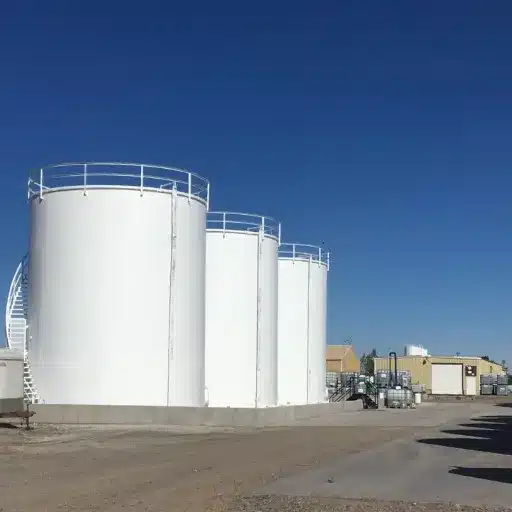
Regular Inspections and Testing Procedures
The systems established for the purposes of occupational health and safety and environmental protection need constant maintenance and tests for its effective existence in terms of the regulations. Companies implementing standards such as ISO 45001 and ISO 14001, for instance, are encouraged to create systems that include regular equipment examination, procedure audit, as well as the assessment of possible risks and levels of failure.
An inspection study by Deloitte in 2023 showed that firms that conducted inspections every quarter registered fewer workplace accidents, which were 35% less than those that only inspected workers once in a year. Similarly, testing the environment, such as the air and water quality where the businesses operate, is important, as there are guidelines on limits within business conduct. The Environmental Protection Agency (EPA) has released recent statistics which show that control over air pollutants is able to decrease environmental offenses by 25%. All the above actions do not only manage risks, but also save costs by ensuring problems do not grow to unacceptable levels before they are resolved.
Cleaning Protocols for Optimal Condition
There exists a method of keeping machinery and devices in a good order of maintenance and in a proper operable state that incorporates various practices and use of the most up-to-date technologies. This is called maintenance optimization enhanced through cleanliness. It is noted that clean mops in particular increase the profitability of an organization by up to 30%, and this is also a way of cutting expenses since there is no use of hands. For example, pre-programmed cleaning robots provide a better efficiency in terms of the minimum material and chemicals used, which are environmentally friendly. SF Double-Layer Tank
Additionally, it is vital to stress that all facilities have their own unique cleaning schedules developed. Equipment surfaces, such as the screens or doors that are constantly being touched, should be sanitized every day to prevent any risk of contact infections occurring within the premises; while an extensive cleaning of machines that are subject to external services should be performed after a year unless for specific instructions are given by the manufacturer of those machines. It has been shown that maintaining cleanliness and proper care of the devices increases their efficiency by as much as 20%, which means that replacement is also reduced.
Protection of the environment is justified even when it is a question of eco-friendly cleaning chemicals. According to studies undertaken by environmental groups, it is possible to reduce air pollution by up to 40% when the chemicals purified are converted, in addition to the use of environmentally less harmful cleaning agents. For this reason, most modern organizations are capable of employing the suggested best practices and remain solid asset managers, while undoubtedly still being green and complying with statutory provisions regarding the laws of environmental protection.
Minimizing Risks through Proactive Maintenance
Preventive maintenance strategies emerged as dominant due to the proactive nature of periodic inspection, scheduled servicing, and restoration to prevent damage. It has been attributed to this type of maintenance practice for lowering machine downtime by up to 45% and extending the useful life of assets by 25%. In this approach, there is high productivity with low operating cost in the maintenance aspect in the long term.
As an example, customers who implement such systems usually show a decreased level of unexpected damage, even when using components requiring such as machine learning in addition to the predictive maintenance hardware and software. While Deloitte’s study indicates that this approach facilitates the improvement of the planning of the maintenance works by 20-50%, it also lowers the maintenance costs by 5-10%.
In order to heighten safety measures, boost efficiency, and lower risks, companies try to pay close attention to how the equipment is working, take preventive servicing measures in good time, and make use of computers. These days, readiness is not a mere necessity but a no less important objective than overcoming the limitations faced in other industry sectors, particularly those that are science-based, like those related to defense and space production. The use of a simple tank was replaced by an SF Double-Layer Tank that had a sump within it.
Reference Sources
-
Global Storage Tank Market Outlook to 2030
This report provides insights into the storage tank industry, including the adoption of advanced technologies like double-layer tanks for fuel storage. It highlights the key players and market trends, making it a valuable resource for understanding industry standards.
Source -
Hanford Double-Shell Tank Thermal and Seismic Project
A comprehensive analysis of the Double-Shell Tank (DST) system at Hanford.
Source
Frequently Asked Questions (FAQs)
Why SF Double-Layer Fuel Tanks Are The Most Secure Storage Unit For Fuel?
Strengthened in the two-layer construction of the SF Double-Layer Tank eliminates worries associated with concerns about potential leakages and environmental pollution. Reinforced materials like fiberglass are used in constructing the inner tank for protection against corrosion by the outer ferrous tank. This outer slab further protects the inner steel tank against wear and tear as well as placing an unbearable pressure on oil or fuel for oil/fuel squirt into the surrounding medium. It is feared that this dual structural feature would prevent such an occurrence and in coping with hazards and environmental demands, ensure compliance.
How do SF Double-Layer Tanks reduce maintenance costs?
The two-piece construction of SF tanks enables the reduction of forces affecting the inner tank, hence requiring cleaning less frequently. Moreover, when used, an SF Double-Layer Tank has a couple of additional benefits. One of them is a sensor or a detector very accurate at detecting some of the leakage at the source, which can help mitigate or avoid the failures in the near future. As a result, maintenance of costly repairs and, predictably, the mean time between most equipment casualties increases.
What makes SF Double-Layer Tanks environmentally-friendly?
Double-layer design increases the walls and offers a probability of no spillages, hence no soils or groundwater contamination. A great proportion of them also comply with sustainable requirements, such as the eco-friendly storage system. This eliminates or reduces other effects that may arise from the storage system of the fuels. Durability is irrelevant as every tank has to be removed or renewed; this can be less often in such tanks.
Will it be worth investing in an SF Double-Layer Tank over ordinary tanks?
Considering the somewhat elevated expenses associated with the SF Double-Layer Tank as opposed to the single-chamber conventional tanks, it must be noted that in the long term, these costs pay off. These tanks help reduce the amount of wear and tear, require less frequent maintenance, and have enhanced safety features that save the company money over time. There is also the cost of penalties for noncompliance or legal implications if standards are not met.
What is the role of the SF Double-Layer Tank in safety measures?
In addition, it is always helpful to have an SF Double-Layer Tank for the purposes of safety measures. The tanks have outer walls that shield the inner main tanks from any mechanical damage. What is even better is the existence of tanks equipped with technology that monitors the tanks for any emerging problems as they develop. These active safety measures are effective and user-friendly.
What are the key raw materials used to make SF Double-Layer Tanks?
The base components used in SF Double-Layer Tank are predominantly selected alloys and plastics based on desirable mechanical properties such as strength or durability against corrosion. High-grade stainless steel is commonly applied on the internal lining of Tsimskiego tanks. This tank consists of fiberglass or other plastic materials that have surface corrosion resistance from the air. Such an engineered system can often be maintained well for long periods of mechanical usage.