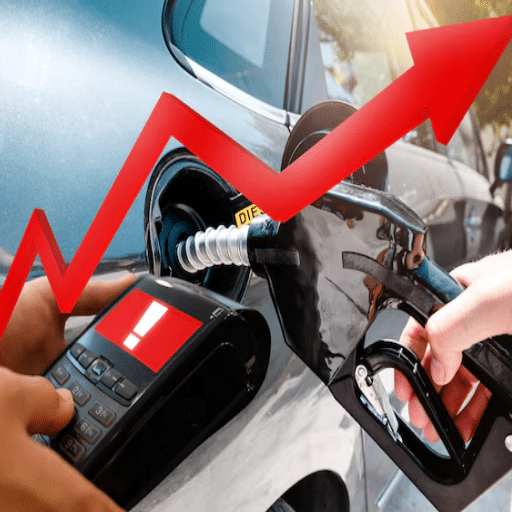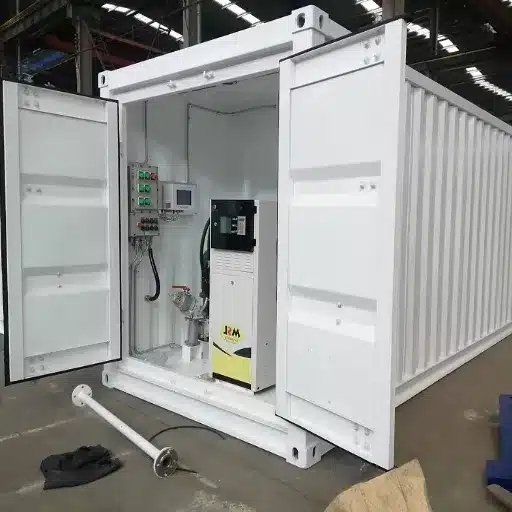
Even though many people may not give much thought to gas station nozzles and hoses in everyday life, they are a very important part of today’s refuelling equipment. These basic instruments are an interface between the fuel and the car, facilitating the correct and efficient exchange of gasoline, oil, and even other types of fuels. This article takes a closer look at the form, function, and safety features of both nozzle and hose systems designed to comply with very strict international regulations and procedures, and incorporate new technology without compromising each constructed feature. This article is an enlightening source of information for a layman who finds it interesting to learn the fuel delivery system found in every day filed or any professional who deals with such equipment in their work.
Introduction to Fuel Hoses and Nozzles

Gas station nozzles and hoses play an imperative role in the process of fuel transfer, which is aimed at making the process of liquid fuel delivery safe and effective. While the function of the fuel hose is to convey the fuel from the storage to the dispensing nozzle, the latter regulates its movement to the receptacle tank, which is generally installed in a vehicle or a machine. Present-day fuel hoses are made from strong and flexible materials to withstand stress caused by pressure, chemicals, and other elements. Nozzles, however, have devices such as automatic closing tools that serve the purpose of avoiding overfilling and spills of fuel, thus focusing on safety and precision first in the fuel delivery system. These components function perfectly together to guarantee high levels of dependability and adherence to industry standards.
What is a Fuel Hose?
Fuel hoses are engineered rubber or composite hoses specially manufactured to facilitate the movement of fuel to various destinations, e.g., from a fuel tank to an engine or a nozzle. Such hoses enable transferring the fuel while avoiding its corrosion, withstanding high-pressure networks. These lengths of rubber-made material in the hoses are often reinforced by tight bands that make use of materials like nitrile rubber or thermosetting polymers for better adaptability, reliabilityand secure use even during extreme weather and operation scenarios. These hoses should be manufactured in accordance with high safety requirements, such as SAE ones (Society for Automotive Engineers), in order to allow them to be used with a wide range of fuels, from gas station nozzles and hoses, all the way up to bio-degradable fuels.
Types of Fuel Nozzles
Fuel nozzles are important elements of fuel supply systems, which are specifically designed to perform effective, accurate, and safe fueling. Generally, the fueling nozzles may be divided into automatic, manual, and high-flow nozzles.
Automatic Fuel Nozzles
Most automatic nozzles used in gas station nozzles and hoses usually have an inbuilt shutoff system, which allows them to prevent overfilling of the fuel tank as soon as it becomes full by cutting off fuel supply. This attribute aids in the effectiveness and preservation of fuel losses.
Manual Fuel Nozzles
These nozzles are easy to use because the user has to regulate the fuel supply himself/herself, and therefore, they are very useful in situations where accuracy is less important. They are, for the most part, used in sectors where resistance to breakage and economy of scale are very important aspects.
High Flow Fuel Nozzles
High-flow nozzles that can be applied in heavy-duty and commercial industries, such as refuelling of big fuel tanks found in boats, commercial trucks, or even construction equipment. The nozzles are designed to deliver a higher flow rate and are coupled with heavy-duty filters in order to minimize particles.
All types of glass gas station nozzles and hoses come with the appropriate design and materials to meet compatibility with different fuels and operating pressure.
Importance of Quality in Fuel Dispensing
Ensuring the efficiency, safety, and durability of the fuel components lies on the manufacturer’s shoulders. It is pertinent to appreciate the high importance of clean nozzles and parts for dispensing fuel. This reduces the chances ofit being contaminated and possibly leading to damage or worse performance of the engine. Moreover, correct fuel flow measurements result in proper dispensing rather than causing waste and even a breach of regulations. Some systems capable of gripping any fuel type in any pressure under any circumstances are designed to meet the relevant requirements of the API, ISO, SAE, and so on. Replacement of inferior systems with high-quality ones provides maintenance cost and inactive time amendments, thereby promoting continuity in operations for both corporate and industrial use.
Components of a Fuel Pump System
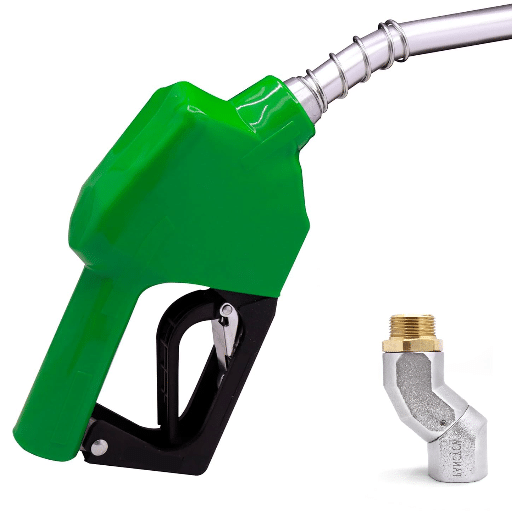
A gas pump kit contains a series of components, each having a specified role for seamless operation:
| Component | Function |
|---|---|
| Fuel Pump | The major device that pumps fuel from the reservoir tank to the engine or dispensing unit. |
| Strainer/Filter | Such a device is to ensure that dirt and foreign particles do not invade the fuel system, thus, the other components’ cleanliness is upheld. |
| Pressure Regulator | This device functions to regulate the fuel pressure in the system to allow a controlled fuel flow and to avoid damage. |
| Hoses and Fittings | These are important components that enable the safe transport of fuel from one component to another. |
| Pump Control System | Ensures the fuel pump is turned on, manages its performance, and ensures it is switched off after use, which is sometimes automated for accuracy. |
| Fuel Tank | This is the tank that holds the fuel for use by the pump system. |
All these components function so as to provide a stable and constant supply of gas while still adhering to all the safety and operating norms still being adhered.
Understanding the Gas Pump Nozzle
The fuel dispensing process is such an activity, designed for safe and effective transfer of fuel to a vehicle, in which fuel is not lifted from a height but poured down into the vehicle’s tank. Such an activity is made possible through many elements embedded into the gas pump nozzle:
Automatic Shutoff Mechanism
A gas pump nozzle is fitted with a venturi sensor that determines the fuel level within the tank. The fuel level within the tank causes a pressure change in the venturi tube and activates the trigger, which in turn stops the gas from being dispensed.
Flow Control Lever and Trigger
This system allows the user to vary how much fuel is being dispensed by pulling on the trigger. The more recent versions have included different nozzles for each flow setting in order to reduce the adjustments at the gas station nozzles and hoses.
Design to Last
Gas station dusters are generally comprised of substance materials like aluminum or strong plastic to come into direct contact with the gas and resist corrosion without decaying. In this case, where the fuel is preserved inside without any leakage, ‘to eliminate any possible risks of leakage’, the parts are constructed in a reinforced manner.
Vapor Return & Recovery Device
There are gas station nozzles and hoses that come with a feature of vapor recovery attached to the nozzle during refueling. This system collects vapors and directs them into the storage tank or back to the refueling facility. This eliminates or reduces the levels of the gas pollutant emissions.
Composed of such an intricate scientific device and created with the highest security measures, this room key triangulates the effort of refueling both the end users and the station attendants without ignoring the set standards of the market.
The Role of Hoses in Fuel Transfer
In order to guarantee the efficient and effective transfer of fuels to different areas, hoses are critical items in this regard. Mostly made of cloth reinforcement or plastic reinforcements, gas station nozzles and hoses undergo immense stresses, including those of chemicals, enhanced temperatures, and high pressures. Such hoses ‘flex fuel’ in them – they can be used without any difficulty when I say maneuver them under extreme circumstances, while ‘rigid’ structures do not do so due to the outline.
Likewise, there are trip fuel lines which are fitted with ends or attachments for leak-tight performance through special hardware which eliminates any chances of spills or depots involving overfill. High-end designs may even provide for the incorporation of anti-static material, which is critical in the avoidance of ignition chances, no matter the degree of fuel being transversed. Adherence to worldwide standards such as those from the Society of Automotive Engineers and those from Underwriters Laboratories makes hose passing such very tough safety and performance-based checks. Given the advancement of technology and the uncompromising rules, hoses help greatly with the safe, clean, and effective conveyance and storage of fuel.
Fittings and Connections in Fuel Systems
Fuels are volatile substances that require careful handling during transportation processes. However, enough seal fittings and connections have to be provided to prevent leakage as well as to ensure that fuel is transported at all of its operating pressures and temperatures. There are different types of fittings made from different materials: brass, stainless steel, or even aluminium to make the entire fuel system operate effectively, depending on the fuel used, and provide sustainable solutions to the maintenance of corroded materials. There is no ‘standard’ connection for this purpose, as connecting threads, flares, and even quick-connections are available to meet the vibe of the different streams. Fittings ought to be chosen with such care and handled very effectively to avoid any eventualities of leakages, fire explosions, and abide by approved regulatory standards, the likes of SAE and International Organisation for Standardisation (ISO), among other systems. Also use of advanced o-ring sealing and gaskets is advantageous as it prolongs the system’s life span and eliminates any vulnerabilities from failures.
Different Types of Nozzles
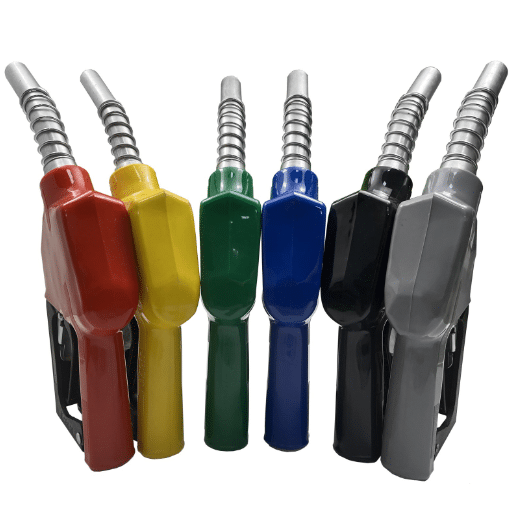
Various types of nozzles are categorized depending on their function and type of application, and it is possible to differentiate as follows:
| Nozzle Type | Description | Applications |
|---|---|---|
| Spray Air Nozzles | Designed with features such as adjustment in the spray pattern, flow rate, and size of the droplets to be sprayed | Irrigation schemes, cooling systems, and cleaning systems |
| Jet Nozzles | Offers a focused, fast stream of fluid | Cutting operations, cleaning, and propulsion |
| Flat Fan Type Nozzles | Provides a flat, extended, and sharp spray | Spraying operations in farming and manufacturing |
| Air Nozzles | Used particularly in the design and management of airflow systems | Ventilation, drying mechanisms, and pneumatic processes |
| Misting Nozzles | Fitted with nozzles that make fine mists | Cooling solutions, humidifying sprays, and dust control |
The nozzles are rescuers to mankind since they are found in numerous areas. The most common applications are, for example, gas station nozzles and hoses, tymosches, sprayers, mist systems, flame bushes, and spray teeming.
Different nozzles serve certain conditions very well. This depends on the application required, the amount of flow needed, and the pressure at which the operation is desired.
Manual vs. Automatic Nozzles
Manual Nozzles
Conventional nozzles require the operator to handle the operation so as to control the flow, angle, and pressure, and therefore, such nozzles work well in situations that need precise applications. Thus, the nozzles can be used, for example, in firefighting, promoting cleaning, and spray washing in the agricultural sector since the user can operate them actively without being passive to any changes.
Automatic Nozzles
Contrarily, automatic nozzles are devised to be used without hand-on-hand assistance. They bring to bear devices like sensors, solenoids, and pressure regulators that modify flow and spraying action according to the parameters set by the operator. These nozzles are best suited for very sophisticated operations such as those found in the manufacturing, irrigation, and cooling systems, where the performance of the equipment must be assured at all times.
The application conditions, whether the operations need to be controlled every now and then, and the level of control of those operations, whether to have human interference or not, are key factors that determine whether a particular task will employ manual or automatic nozzles.
Important Note: Nozzles at gas stations, however, mostly use manual control because of the fixed distance between the gas station nozzles and hoses.
Diesel Nozzles: Features and Uses
Presentations named intrasclal jetties do not just aim at containing the dispersion of fuel through combustion chambers of diesel engines, but also the perfection of the introduction of fuel within. Mainly, they aim to facilitate the conveyance of oil to the combustion area at tremendous pressure in a fog-like state that allows for the thorough mixing of the fuel and the air for better combustion processes. Diesel nozzles are characterized by the features that include self-balance spray patterns, anti-high-pressure capabilities, and, more importantly, tough materials that help to resist the very high temperatures and abrasion. Enhanced diesel nozzles incorporate particularly multi-hole and electronic control (ECN) methodologies to ensure economic oil fuel consumption, which decreases emissions.
In several industries, from automotive to agriculture and diesel engines for industrial purposes, there are numerous diesel nozzles of different designs available. They play a vital role in effective engine operation, meeting emission standards, and efficient utilization of fuel fuel consumption. It is therefore important to carefully choose and care for the gas station nozzles and hoses to prevent premature breakdown, limit fuel wastage, and facilitate smooth operation of diesel-powered systems.
Swivel Hoses and Their Advantages
Swivel hoses are structurally made with a swivel connector that facilitates comfortable use of the hose by enabling it to rotate around its axis. They are in common use in agriculture, automotive repair, and chemical processing practices because of the allowance for repeated movements or changes in direction when in use. Most importantly, swivel hoses have the advantage of minimizing or even eliminating any damage caused by twisting or kinking the hose, hence prolonging or rather lengthening the service life of the hose indefinitely. Above all, it also increases the productivity of the users by ensuring that the workflow is smooth and does not trap the cables, even when working within narrow working places that are mostly uncomfortable. In return, the health and the way in which the male-to-female threads are joined within any of the joints is enhanced since there is no tension in such areas when using swivel hoses, thereby making them more effective and less prone to leaks or damages thus enabling their usefulness as devices in systems that require efficient and high-pressure fluid transport.
Safety Features in Fuel Dispensing
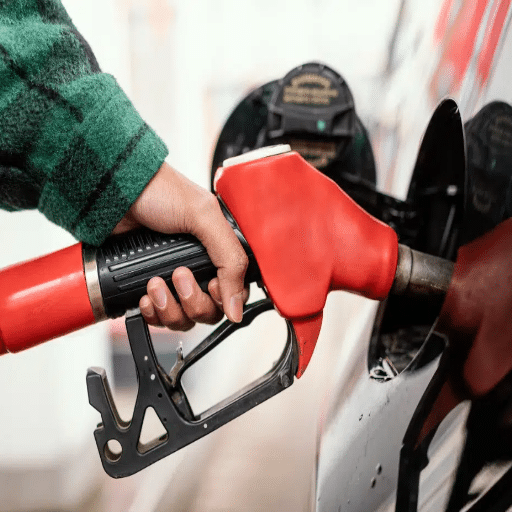
At a petrol station, different mechanisms such as shutting valves and other important devices control the operations of dispensing back essential fluids in the vehicle. These include Nozzles, which have a mechanism that automatically shuts off when the tank of the vehicle is filled in order to eliminate the occurrence of overflowing. No harm is done to the environment because the harmful elements generated by the fumes during filling up are controlled through vapor recovery systems. Disengage couplings allow minimum contact with the hose in order to facilitate the uncoupling. Enabling the safety of fuel handling is also provided through the proper use of flame arrestors in the supply of the fuel tank. Combining these devices assures protection for the users and compliance with rules and regulations.
Automatic Shut-Off Mechanisms
Automatic shut-off devices are fitted with gas station nozzles and hoses, engineering them against overflow and dangerous conditions during fueling operations. These are made possible by the inclusion of a detector in the spout, which senses a rise in fuel reaching the mouth of the tank. When airflow in the venturi in the spout is cut by any liquid, the gauge detects this immediate drop in pressure and automatically cuts the fuel supply. The whole operation is designed to prevent overfilling, fuel loss, and other adverse environmental effects. These procedures are vital in ensuring that safety standards are observed while also improving the functionality of fuel systems.
Shut-Off Fuel Nozzles Explained
Shut-off fuel nozzles are an essential part of contemporary fueling systems that enhance safety, streamline operations, and protect the environment. The nozzles work on the principle of a venturi device and sense when a tank is full by measuring the increased pressure during filling. In such cases, when the fuel reaches the fill pipe, the venturi tube airflow through the filling nozzle is blocked, and the automatic filling valve. This dramatically reduces fuel wastage and chances of spilling, ensuring that no fuel vapors are vented outside to such a degree that it poses a challenge for the requirements of such regulatory departments in the USA, such as the Environmental Protection Agency.
In addition, shut-off nozzles are designed to survive increased wear and tear and a range of operations, exploiting materials like aluminium, which does not rust, as well as tough seals for long-lasting performance. Some higher models may have systems such as the splash guard and vapor recovery systems that further reduce the amount of risk in the fuel filling process. These considerations are then meshed with adequate engineering and the regulated standards to perfection, making the issue of fuel dispensers’ safety and functionality almost non-existent in gas station nozzles and hoses across the world.
Maintaining Safety Standards at Service Stations
In the course of each day, service stations are exposed to heightened safety risks for many reasons, not least being that they are the storage and dispensing points for hazardous fuels, and also the heavy machinery used in various operations. Several important safety procedures have to be enforced if, for whatever reason, there are acceptable safety limits to be observed.
- Checking the Equipment Regularly: Periodic or even constant inspection of fogging machines, buried tanks, emergency gas station nozzles and hoses, shafts, and flange studs for pump mounting is a must so that any wear and tear, corrosion, or breakages are attended to. operational and waste-free standards.
- Training and Operational Procedures for Employees: Instruct all employees to conduct fuel handling practices in a specified manner devoid of any spillage or wastage, in addition to conducting emergencies correctly with procedures such as hazard communication. Clear signage and SOPs for operations are additional measures enhancing safe behaviors in the station.
- Environmental Safeguards: The adoption and installation of vapor recovery and containment systems will help in reducing harmful exhaust fumes and spills into the air and the environment.
- Regulatory Compliance: Adherence to statutory guidelines such as those of OSHA, NFPA, and EPA is relevant for the maintenance of a healthy working environment. This consists of proper labeling, fire suppression systems, and secondary containment measures, among others, as required.
- Preparedness for Emergencies: There are properly maintained fire extinguishers, spill kits, and emergency shut-off systems close at hand should an accident happen. Regular drills ensure that personnel can respond effectively.
Such measures allow for efficient functioning and incorporation of eco-friendly practices whilst maintaining the highest standards of safety in service stations.
Choosing the Right Fuel Hose and Nozzle

An ideal choice of both the fuel nozzle and hose must be made to perform safely, effectively, and oil-free without any hassle. Among the most significant components are:
- Design Compatibility: The hose material should continue to match the vessel fluid (e.g., gasoline, diesel, biodiesel, etc.). Make sure to consider the chemicals and operational limits of the fuel during the design of the nozzle.
- Pressure Endurance: The necessary pressure levels, together with the suitable environmental conditions, are to be taken into account while choosing hoses and fitting nozzles. It is preferable to use fortified materials that ensure a longer useful life.
- Expected Flow: Choose the right match of nozzle and hose designed for efficient operation with respect to the target flow rate and accuracy.
- The Safety Solution: To avoid excessive spillage, there should be only automatic gas station nozzles and hoses with overfill prevention devices. Where necessary, hoses should not contaminate cargo and, due to safety, must be provided with adequate fittings and an appropriate degree of anti-static protection.
Keeping in view the factors mentioned above, the operations at the fuel service areas and industrial process units may be scaled up, improved, and made safer throughout gas station nozzles and hoses used during fuel processing.
Factors to Consider When Selecting Nozzles
During the selection of gas station nozzles and hoses, there are several important parameters that you should pay attention to, to guarantee safe and efficient work with fuels:
- Flow speed: Choose a nozzle with a specific or required flow rate. Higher flow speeds are more suited for industrial applications, while the lower flow speeds are most suitable for the relatively small and precision tasks.
- Materials: Make sure the nozzle is made of resistant materials applicable to the type of fuel or liquid. For instance, one of the most common ones is stainless steel or aluminum, which can withstand corrosion or chemical attack and is durably strong.
- Pressures: Ensure the nozzle is rated for the pressure of the system. Utilising a nozzle beyond its maximum pressure rating may cause the equipment to break down or operate in a dangerous manner.
- Fuel Type: Manufacturers fabricate nozzles from assorted raw materials as per the fuel to be transferred, whether it is petrol, diesel, or biodiesel. To prevent engines from being blocked or fuel from being dispersed inefficiently, check the suitability of the nozzle.
- Safety and Environment: Look at the availability of a feature such as shut-off in order to avoid overflowing or the existence of any measure aimed at discharging any charge produced, thus avoiding any danger of fire in insubstantial work stations. Outdoor places would benefit from UV protection for the nozzle in order to enhance its durability.
- Ergonomics and Ease of Use: Inspect its weight as well as grips so as to restrict fatigue as much as possible during use. Gas station nozzles and hoses that are awkward to use because of weight or design cause withdrawal of effort from the user, hence reduced efficiency.
If these factors are considered more keenly than others, the operators will choose a nozzle that will bring about a balance between the performance, durability, and safety as per the functions.
Compatibility of Hoses with Different Fuels
The suitability of hoses in terms of fuel usage or availability is influenced first by the hose construction material and secondly by the type of fuel. In my view, choosing a hose in the correct way means understanding the materials’ chemical compatibility with the different fuels, such as gasoline, diesel, ethanol mixes, or biofuels. As an illustration, the fact that many gas station nozzles and hoses contain nitrile and fluoropolymer is due to their excellent properties when it comes to hydrocarbons, while requiring specific tests for ethanol blends to avoid material breakdown. I am able to achieve this by ensuring that the material used for hoses fits the type of fuel and meets compliance requirements, such as those of the SAE or UL.
Recommendations for High-Quality Fuel Transfer Equipment
While choosing fuel transfer equipment, it is necessary to take into account such essential aspects as compatibility, durability, and compliance with relevant regulations, seeking the effectiveness and safety of the processes. Upon examination of reputable data sources, the following guidance can be offered:
Reliable Pumps for the Purpose
Pumps should be geared towards the kind of fuel to be moved; that is, gasoline, diesel fuels, kerosene, or any biofuel. Pumps made from construction materials such as cast iron or aluminum are tough and are able to withstand a lot of corrosion. Pumps should also be compatible with standards, e.g., UL or ATEX-rated safety measures in dangerous zones.
Gas station nozzles and hoses are manufactured from a wide range of materials.
To ensure seamless fuel transfer, it is imperative to use hoses that are compatible with the fuel type as well as the operating pressure, but also exceed the latter to account for pressure variations. Hoses with rubber or nitrile lining are ideal for hydrocarbon transportation, while those with fluoropolymer lining are preferable for biofuels and ethanol because the latter is known to have chemical degradation issues, especially with the lining of the system. Automatic shut-off nozzles should be installed or built in with these nozzles so as to reduce or avoid spills.
Filtration + prevention of contamination
Particular attention should be paid to incorporating filters into the fuel system to filter out particulates, water, and other substances that can affect the quality of the fuel or destroy the equipment. Filters should have a coarse micron rating as per the application, so as to provide cleanliness during the processes of dispensing.
Flow Performance Enhancement
Use flow meters manufactured and conform to the type of fuel that is to be used, to enable proper levels to be achieved in terms of measuring the fuel. It is recommended to use digital meters due to their simplicity of use and also for a better degree of accuracy in comparison with the old mechanical ones.
Storage and Maintenance Solutions
For instance, take the gas station nozzles and hoses for distributing the fuel (M. O. G. A. S.) or comprehend it as Petrol. It will be operational ouch time, only if the management carries out its status and condition checks.
Following these instructions and taking into account regulations, you will make every effort to use the fuel transfer equipment efficiently for a long time while guaranteeing the safety of operations.
By observing these standards and considering environmental concerns, one can use a fuel system smoothly and effectively, thereby prolonging its life expectancy.
Reference Sources
-
Cornell Law School – Illinois Administrative Code: Discusses regulations for dispensing nozzles, including requirements for automatic closing types. Read more here.
-
Motor Gasoline Technical Review: A technical review document that includes information on gas pump nozzles and their design to prevent misfueling. Read more here.
-
University of California Agriculture and Natural Resources – Safety Note: Highlights safety concerns related to faulty pumps, hoses, and nozzles. Read more here.
Frequently Asked Questions (FAQs)
What purpose does a fuel transfer hose serve, and how is it operated with a fuel transfer pump?
A fuel transfer hose is a conduit that is made in such a way that it allows the transfer of liquid substances like diesel fuel, gasoline, kerosene, biodiesel, or DEF from one tank or any container to another. When used for transferring liquids, the hose forms a conduit between a fuel transfer pump or the transfer pumps and the destination or the vehicle. The material (rubber, reinforced polymer, aluminum alloy fittings) and design of the NPT thread end fitting also control the compatibility and pressure endurance of a hose. These include hose’s rating performance, static discharge behavior, petroleum or ethanol compatibility, anti-static, along with self-recovery rate aids, for swells and abuse damages in case of high speed and high flow transfers.
What function does an automatic shut-off of a fuel nozzle or that of an auto shut-off system serve when it comes to preventing the overflow of a vehicle?
A clutch system prevents cases of excessive air in the carburetor and also reduces fuel that overflows with different pressure ranges during refueling, since the fuel exits through different ports in the filler neck. Most petrol, unleaded nozzles come with the automatic shut-off feature; diesel and even portable nozzle dispensers incorporate the same technology. It also becomes very handy in fueling tanks or any fuel dispensers with hoses, as it helps minimize the risk of overflow and pollution.
In what cases is it appropriate to select manual gas station nozzles and hoses over the automatic fuel nozzles?
You should use a manual nozzle, whether a fuel nozzle or just a nozzle, when managing transfers using gravity, when looking to pump faster, or static liquids, e.g., greases, when there is a need for continuous control or the ability to stay open. For all common occasions of refueling vehicles and where safety is important, install an automatic fuel or cut-off nozzle to prevent overfilling. If it is for heavy usage and high flow, a heavy-duty manual nozzle can be used with suitable hose swivels and adaptors because of their strength.
Hold on, Are Hose Swivels and Fuel Hose Swivel Adapters Needed in the Gas Pump Handle or in the Portable Fuel Configuration?
Hose swivels and fuel hose swivel adapters help minimize twisting and wear and tear of the hose that attaches to the gas pump handle or the fuel nozzle. This is even more important on temporary fuel piping systems and transporting pumps, to promote comfort of use and prevent hose failures. Everything from biodiesel and diesel fuel to ethanol mixes can be used in them; measures such as the use of corrosion-resistant materials, like aluminum or aluminum alloy, for example, for the swivels, can be undertaken.
Is there something important I have to know regarding the NPT threads, adapters, and compatibility of the nozzle?
NPT, also known as National Pipe Thread, is mainly used in fuel fittings for tapered threads. Ensure that the nozzle possesses NPT sizes that are in the range of the adapter and the hose, allowing the easy connection of the nozzle to the hose and the pump. Always utilize the appropriate adapters when interchanging Fill-Rite or any other type of nozzles. Leaky or inappropriate NPT fittings lead to drips, pressure drop, and turn into, quite literally, safety nightmares—thread sealant is always rated for petroleum service when needed.
Is it possible to interchange fuel nozzles for gas, unleaded, and diesel fill nozzles at the gas station?
Not necessarily. Generally, the nozzles follow different colors and forms as each and every fuel has its own viscosity and safety requirements. The nozzle diameter of diesel fuel is large, and auto-shut off is not the same as that of the gasoline mucous nozzle. Thus, where cross-fuel application is called for, check that the material (aluminum alloy) or other metal used, and the materials used, and the nozzle supports petroleum, biofuel, or fuels mixed with ethanol and soy or vegetable oil to prevent fuel spillage and incorrect refueling exercises
Please help me in sustaining high flow as well as heavy-duty operation of the gas station spouts and hoses.
When dealing with heavy flow and extreme duty scenarios, it is necessary to use the hoses and nozzles for that particular flow capability and with pressure resistance in mind, accounting for enhanced structure and heavy fittings. Check regularly if there is any worn-out or cracked damage on hose swivels, hose fittings in pumps, or on straight hoses. Make sure that safety factors are not compromised by the use of accessories such as hold open devices, and make sure the respective pipe, adapter, as well as pump are capable of handling the respective flow rate to avoid cavitation or leakages of the system already installed.