In 2019, a major Midwest fuel wholesaler had three of its underground storage tanks leaking. The spill reached the soil to threatening a creek nearby. The cost of cleaning was over $2.3 million-looking at more than ten times higher than what it would have been if the area had been upgraded to double-walled modern systems in the decade passed. The same story replicates itself hundreds of times every year in the United States, where most of such accidents could have been prevented through technology.
If you are building a gas station, decommissioning legacy infrastructure, or quoting some price for tank storage, understanding which type of tank you have is more than compliance. It is about what protects your investment, community, and long-term operational viability. This guide will capacitate consumers to understand the technology related to SF double-layer tank technology, from building and specification to Price, installation, and regulatory compliance.
What you’ll learn in this guide:
- How SF tank technology works and why it prevents environmental contamination
- Technical specifications and capacity options for your project
- How SF tanks compare to single-wall, FF, and SS alternatives
- Pricing guidance and total cost of ownership analysis
- Installation requirements and maintenance best practices
What Is an SF Double-Layer Tank?
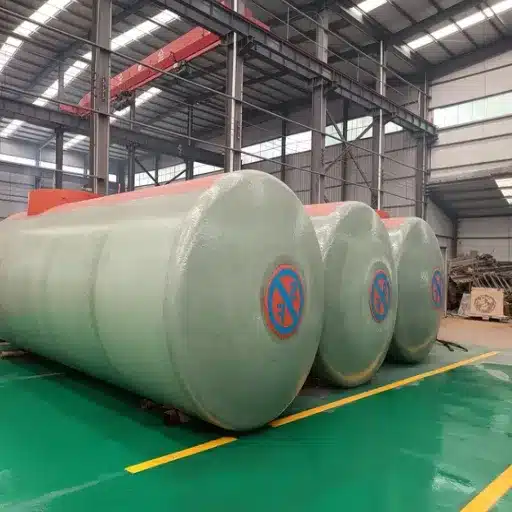
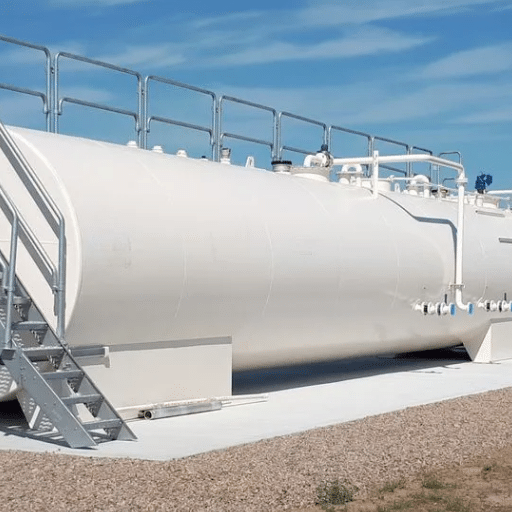
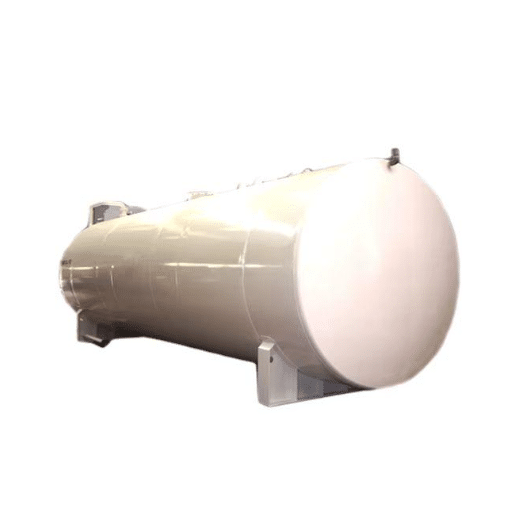
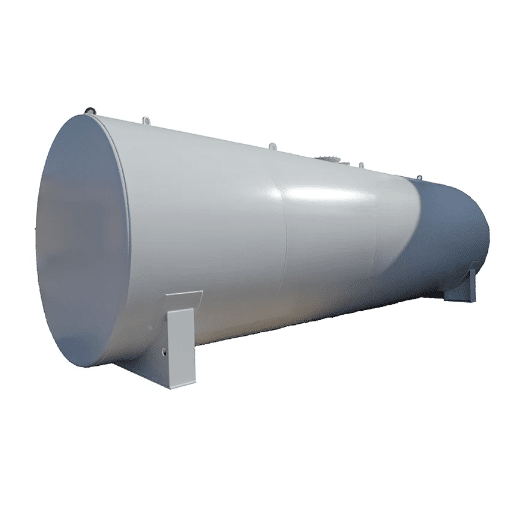
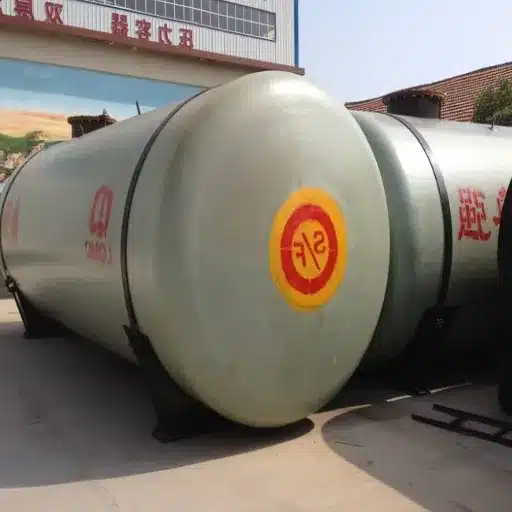
The SF double-layer tank is a fuel container for underground installation, consisting of a carbon steel tank sheathed with a fiberglass reinforced plastic (FRP) tank. ‘SF’ refers to Steel-Fiberglass. The structure is mixed, with steel providing the strength and fiberglass providing the anti-corrosive capabilities of the storage tank, and is meant to protect the stored liquids from the soil and water for 30-50 years.
The concept itself was devised by the American Steel Tank Institute in 1985, following various environmental concerns caused by cracking and leaking single-wall tanks underground. Nowadays, for most of the new fuel storage facilities, SF tanks are used as standard across many countries all over the world.
Understanding the Three-Layer Construction
The effectiveness of SF tanks comes from their engineered multi-layer design:
| Layer | Material | Thickness | Primary Function |
|---|---|---|---|
| Inner tank | Q235B carbon steel | 6-10mm | Primary fuel containment; structural integrity |
| Interstitial space | Vacuum/monitored gap | 0.1-5mm | Leak detection channel; secondary containment |
| Outer shell | Fiberglass reinforced plastic | ≥4mm | Corrosion barrier; environmental protection |
The steel tank inside enhances the inbuilt strength required to absorb soil, its self-weight on fuel, and any alteration of ground structures. The external fiberglass reinforced plastic (FRP) layer prevents any corrosive attacks from soil moisture, seawater, petrol, diesel, or leaded fuels. 24-hour surveillance is possible as a result of the space between these layers.
How the Interstitial Monitoring System Works
When Marcus Chen commissioned a new fuel station outside Phoenix in 2022, his engineer insisted on SF tanks with automated interstitial monitoring. Eighteen months later, a sensor alert detected 0.3 liters of fuel in the interstitial space of one tank — the inner wall had developed a microscopic crack from settling soil. Because the leak was detected immediately, the tank was repaired without any environmental release. Without that monitoring system, the leak could have gone undetected for years.
The interstitial space in SF tanks is equipped with sensors that continuously monitor for:
- Presence of liquid fuel between the walls
- Loss of pressure in vacuum-monitored systems
- Changes in electrical conductivity
- Physical breach indicators
When sensors detect anomalies, they trigger immediate audible and visual alarms. Advanced systems can send remote alerts to facility managers and integrate with SCADA systems for centralized monitoring.
SF Tank Technical Specifications
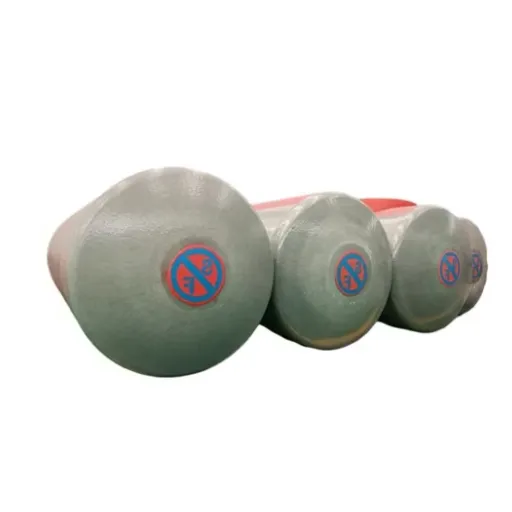
Selecting the right tank capacity and specifications ensures your fuel storage meets operational demands while complying with local regulations. SF tanks are manufactured in standardized capacities ranging from 5 cubic meters to over 100 cubic meters, with specific dimensions optimized for transportation and installation.
Standard Capacity and Dimensions
The most common capacities for gas station applications are 20m³, 30m³, 40m³, and 50m³. Here’s how these translate to specifications:
| Capacity | Diameter | Length | Shell Thickness | Head Thickness | Approx. Weight |
|---|---|---|---|---|---|
| 10m³ | 1,900mm | 3,916mm | 6mm | 7mm | 2,100kg |
| 20m³ | 2,400mm | 4,840mm | 6mm | 7mm | 3,400kg |
| 30m³ | 2,400mm | 7,100mm | 6mm | 7mm | 4,800kg |
| 40m³ | 2,600mm | 8,050mm | 7mm | 8mm | 6,200kg |
| 50m³ | 2,600mm | 10,080mm | 7mm | 8mm | 7,500kg |
These dimensions assume horizontal cylindrical construction, which is standard for underground fuel storage. The 90% fill ratio (0.9 filling coefficient) accounts for thermal expansion and safe operation.
Operating Parameters
SF tanks are created for heavy-duty underground use:
- Design temperature range: -20°C to 200°C temperatures
- Operating pressure: Between atmospheric and medium pressure
- Design pressure: Typically 0.1-0.6 MPa, depending on industry standard
- Service life: 30-50 years or more, if repaired
- Corrosion resistance: The FRP layers on the outside of the tank ensure its strength against gasoline, diesel, ethanol blends, biodiesel, saltwater, and soil chemicals
Material Specifications
The internal metallic casing of the tank is made of Q235B carbon steel (similar to A283 Grade C), which is an easily weldable steel that is also easy to roll. For harsher duties, some alternatively offer Q345R. Its exterior FRP wall includes E-glass fiber and an isophthalic or vinyl ester type resin system, giving it better chemical capabilities than polyester-only type resins.
SF vs. Single-Wall vs. FF vs. SS Tanks
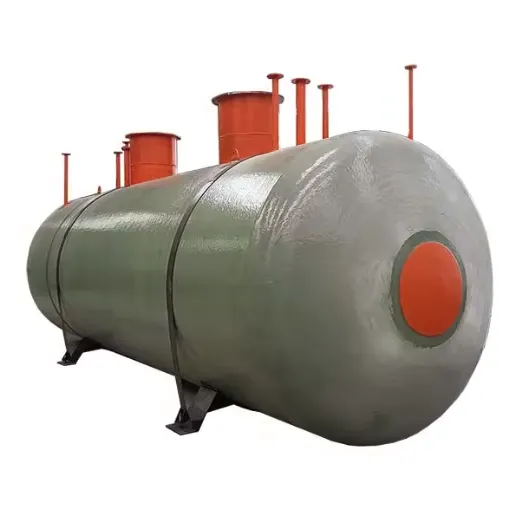
Understanding how SF tanks compare to alternatives helps you make an informed decision based on your project requirements, regulatory environment, and budget constraints.
SF (Steel-Fiberglass) Tank Advantages
SF tanks are the most suitable tanks in terms of several factors, such as structural integrity, corrosion protection, and cost:
- Structural integrity: Inner tank walls are made of steel that is resistant to ground loads and displacement
- Corrosion protection: The outer surface made of FRP is rust and electrochemical deterioration-proof
- Leak detection: Interspace monitoring facilitates earlier detection of damage to the inner tank layer
- Direct burial: In most cases, the tanks can be placed without the need for underground enclosures
- Economic efficiency: The ownership of the tanks in question is cheaper than that of FF tanks, and the resistance to corrosion is higher than that of the SS tanks
Single-Wall Tank Limitations
Single-wall steel tanks were the industry standard for decades, but present significant risks:
- No leak containment: Any breach results in immediate environmental contamination
- Corrosion vulnerability: Steel corrodes from both interior (fuel) and exterior (soil moisture) surfaces
- Regulatory non-compliance: Most jurisdictions now prohibit new single-wall installations for fuel service stations
- Liability exposure: Owners face significant cleanup costs and regulatory penalties
When the EPA’s 2015 UST regulations took full effect, they effectively mandated secondary containment for new installations. Single-wall tanks are now largely restricted to heating oil storage and agricultural applications with reduced regulatory requirements.
FF (Fiberglass-Fiberglass) Tank Comparison
FF tanks feature inner and outer layers of fiberglass reinforced plastic with no steel component:
| Factor | FF Tanks | SF Tanks |
|---|---|---|
| Structural strength | Moderate | High (steel reinforcement) |
| Corrosion resistance | Excellent | Excellent |
| Installation flexibility | Good | Good |
| Typical cost | 20-40% higher | Moderate |
| Seismic resistance | Good | Excellent |
| Monitoring complexity | Moderate | Standardized |
FF tanks excel in highly corrosive environments with aggressive soil chemistry, but their higher cost and reduced structural strength make SF tanks the preferred choice for most standard gas station applications.
SS (Stainless Steel-Steel) Tank Comparison
The SS double-walled tanks have their inside made of stainless steel, while the outside is constructed from carbon steel:
- Corrosion resistance: The inner material, which is stainless steel, is perfect for compatible fuel tanks
- Cost: It is generally fifty to one hundred percent higher than that of an SF tank
- Weight: It is likely to be heavier than the SF double-layer tank, making the transport and installation more challenging
- Applications: Fuel-compatible chemicals and special chemicals
When it comes to gasoline, diesel, and ethanol blended fuels, SF tanks offer the same level of protection against corrosion without the added expenses.
Which Tank Type Is Right for Your Project?
Choose SF tanks for:
- Retail gas stations and fleet fueling facilities
- Standard gasoline, diesel, and ethanol storage
- Projects requiring optimal cost-effectiveness
- Seismically active regions requiring structural strength
Choose FF tanks for:
- Extreme soil corrosion conditions
- Specialized chemical storage
- Applications where steel is contraindicated
Choose SS tanks for:
- High-purity fuel storage requirements
- Specialized industrial chemical applications
- Projects where budget constraints are secondary to material compatibility
SF Tank Applications and Use Cases
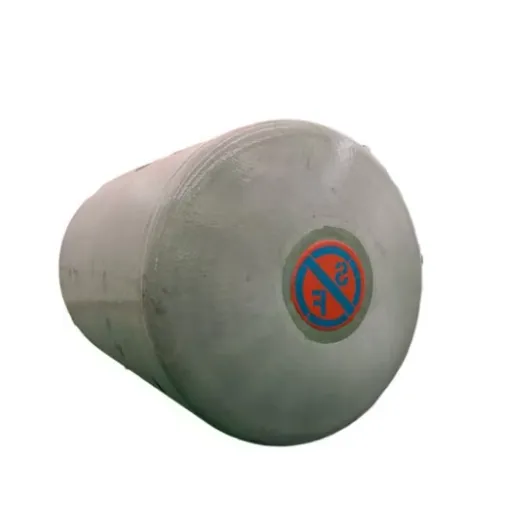
SF double-layer tanks serve diverse applications across the fuel storage industry, from retail service stations to industrial mining operations.
Gas Stations and Filling Stations
The main target market for SF double-layer tanks is the gasoline stations. For instance, a four-station establishment will require several tanks arranged in different ways depending on the type of fuel in question:
- Regular unleaded: 30,000-40,000 liters, which are common
- Premium unleaded: 20,000-30,000 liters
- Diesel: 20,000-40,000 liters, depending on the traffic of lorries
The station structural usefulness always matches the 30-50 year span of SF tanks (in most cases), which means new tank installations are rarely done as part of facility redesigns.
Industrial and Mining Operations
Remote industrial sites and mining operations rely on SF tanks for:
- Fleet fueling for heavy equipment
- Generator fuel storage for critical power backup
- Bulk storage for operational fuel requirements
Direct burial installation simplifies deployment in remote locations where concrete vault construction would be impractical. The double-wall construction provides environmental protection in sensitive ecological areas where spills would have severe consequences.
Airport and Aviation Fuel Storage
Aviation fuel storage demands the highest safety and quality standards. SF tanks meet these requirements with:
- Compatibility with jet fuel and aviation gasoline
- Precision leak detection for regulatory compliance
- Integration with fuel farm management systems
- Seismic and impact resistance for airport environments
Emergency Backup Power Systems
SF tanks are installed for various applications, which would include powering the back of office buildings during periods of loss of electricity. They detect leaks reliably, in combination with their long service life, ensuring fuel availability in emergencies, including those in which the backup power is necessary.
Regulatory Compliance and Certifications
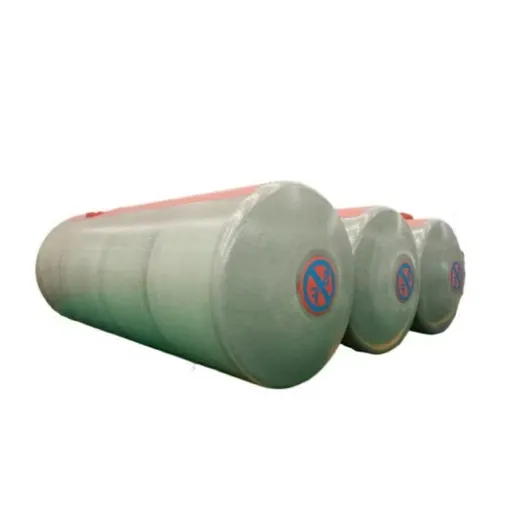
SF tanks must meet governmental requirements, which are much higher than driven by their need to be one, to prevent possible damage to the environment and also to ensure operational safety. Understanding what these standards are helps you to specify compliant equipment and all the correct documentation.
EPA Underground Storage Tank (UST) Requirements
The EPA regulates USTs under 40 CFR Part 280. Knee-buckling 320 dollars, EPA records USTs operating up to 534534 along 192,000 facilities within the USA as of the end of March 2024. The 2015 UST regulation update established enhanced requirements for:
- Secondary containment: This is automatically satisfied by double-walled tanks.
- Interstitial monitoring: A monitoring system p-enabled continuous monitoring of the surrounding area between the walls of a container.
- Compatibility: Material of the tank: Fuel, determined to be up to 90%, emulsified with 8:1 heat treating materials, such as stove pipe, or, as an alternative, 920 gallons or more of water up to 99.5% of biodiesel.
- Spill prevention: Most areas comprising a tank should have sufficient containment to restrict the amount of fuel that falls within the machine’s vicinity.
For the fiscal year 2024, EPA reported a count of only 4,047 confirmed releases; it was the low one in some program history. This clear enhancement had become the increase in the usage of double-wall tank technologies and enhanced monitoring systems.
UL Certification Standards
The certification of Underwriter’s Laboratories (UL): An external body is involved, where the third-party tank is tested for safety and performance.
- UL 1316: FRP Underground Tanks designed to store gasoline and made of Glass Fiber Reinforced Plastic (FRP outside).
- UL 142: Storage tanks made of steel, which may contain volatile substances.
- UL 2085: Controlled aboveground tanks with combustible and flammable liquids.
- UL 58: Steel underground tanks are mainly used for storing flammable or combustible liquids
The test was performed to test against the crucial issues of load-bearing stability, rust-proof durability, and leak-proofing issues. Along with this, the factory is also inspected via that certificate. For timely, precise quality checks, including inspections conducted at production lines.
Chinese Standard SH/T 3178-2015
For international projects and equipment sourcing, SH/T 3178-2015 provides the Chinese technical specification for buried SF double-walled tanks. This standard specifies:
- Material requirements for steel and FRP components
- Manufacturing quality control procedures
- Testing protocols for leak detection systems
- Installation and maintenance guidelines
SF tanks manufactured to SH/T 3178-2015 meet or exceed international performance requirements and are widely exported to global markets.
ISO Quality Certifications
Below are the certifications for maintaining the standard of quality while in production:
- ISO 9001: Quality Management System
- ISO 14001: Environmental Management System
- OHSAS 18001 / ISO 45001: Occupational Health and Safety Management
The certification means that an organization has an established quality process, that they maintain the environment, and that there will always be safety in the workplace during the manufacturing activities.
SF Double-Layer Tank Pricing and Cost Factors
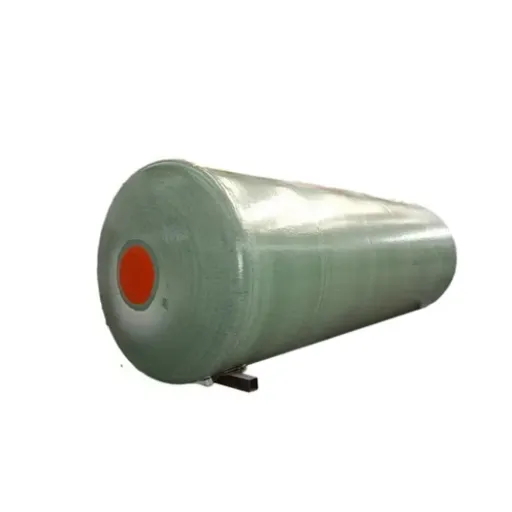
Understanding the complete cost picture helps you budget accurately and evaluate the total cost of ownership for SF tank installations.
Price Range by Capacity
SF tank prices vary based on capacity, certification requirements, and customization:
| Capacity | Price Range (USD) | Typical Applications |
|---|---|---|
| 5-10m³ (1,300-2,600 gal) | 2,500–2,500–9,000 | Small stations, generator backup |
| 20-30m³ (5,300-7,900 gal) | 15,000–15,000–25,000 | Standard retail gas stations |
| 40-50m³ (10,500-13,200 gal) | 30,000–30,000–45,000 | High-volume stations, fleet fueling |
| 60-100m³ (15,800-26,400 gal) | 45,000–45,000–80,000+ | Industrial, aviation, bulk storage |
These prices are FOB (free on board) manufacturing costs. Other expenditures included are:
- Shipping: 500−500−3,000+, depending on distance and quantity
- Customs/import duties: May range from 5 to 15 percent, depending on the country of destination
- Installation: 5,000−5,000−25,000 depending on site conditions
Installation Cost Considerations
Significantly, among all costs, it is the cost that has to be considered for installation as part of a higher cost.
- Excavation: From 2,000 to 10,000. Conditions apply depending on soil conditions and tank size.
- Bedding material: It is usually a base of sand or sometimes pea gravel, ranging from 500 to 2,000.
- Anchoring systems: They include hold-down straps and deadmen for buoyancy prevention.
- Piping and fittings: These are essentially for the connection between the dispenser and the fuel management systems.
- Leak detection system: Comprising sensors, control panels, and wiring.
- Backfill and restoration: Compacted backfill, as well as surface restoration.
A general range of total costs can go from 60,000 to 150,000for a typical two-tank installation of a gas station. The standard installed cost, with one gasoline and one diesel installation, will be the total cost of the machines plus the installation, including tanks and additional equipment.
Total Cost of Ownership Analysis
When evaluating tank options, consider the 30-50 year lifecycle:
SF Tank TCO Advantages:
- Reduced maintenance: FRP outer layer eliminates external corrosion; minimal maintenance required
- No external containment costs: Built-in secondary containment eliminates the need for concrete vaults
- Lower insurance premiums: Double-wall construction often reduces environmental liability insurance
- Extended service life: 30-50 years vs. 10-15 years for single-wall tanks with cathodic protection
- Avoided cleanup costs: Leak detection prevents costly environmental remediation
A retail station in Texas calculated that their SF tank installation would break even against single-wall tanks after 12 years when accounting for avoided cathodic protection maintenance, insurance savings, and reduced monitoring complexity. Over 30 years, the SF tanks would save an estimated $85,000 in maintenance and monitoring costs.
Sizing and Selection Guide
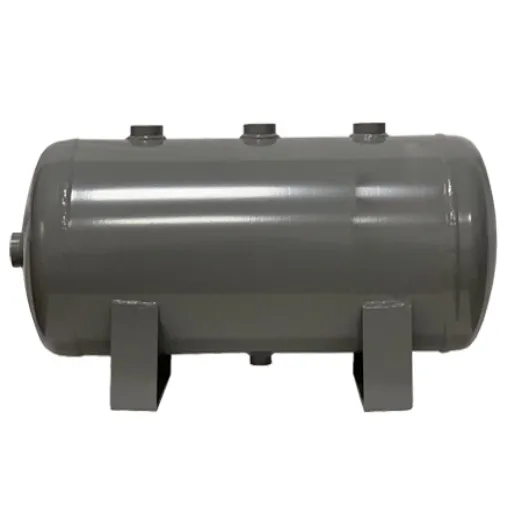
Proper tank sizing ensures adequate fuel storage capacity without oversizing, which increases unnecessary costs.
Calculating Required Fuel Storage Capacity
Tank capacity requirement is based on:
- Daily fuel throughput: The daily highest demand or sales that is possible to a tanker.
- Delivery frequency: Number of times fuel is dispatched to the tanker
- Safety stock: Minimal stock level that can prevent stockouts
- Minimum regulatory requirements: Some jurisdictions mandate enforced minimum storage capacities.
Basic sizing formula:
Minimum tank capacity = (Daily throughput × Days between deliveries) + Safety stock (typically 10-15%)For a service station with an average daily volume of 8,000 liters and bi-weekly delivery
- Three days would mean 24,000 liters
- Adding 15% safety stock to 3,600 liters
- Minimum advised capacity: 30 m³ (30,000 liters)
Gas Station Tank Sizing Standards
The guidelines by the industry suggest:
- Small stations (1-2 islands): The range is 20,000-30,000 liters for the total capacity
- Medium stations (3-4 islands): The range is 40,000 to 80,000 liters for the total capacity
- Large stations/truck stops (5+ islands): 100,000+ liters total capacity
There are several tanks to store different fuel grades separately and offer redundancy in operation if one tank needs to be repaired.
Multi-Tank Configurations
Common configurations:
- Two-tank system: One for gasoline as regular/premium and one for diesel.
- Three-tank system: One tank each for regular, premium, and diesel fuel.
- Four-tank system: Tank for each of regular and premium gasoline, with one for diesel and a specific alternative diesel fuel (E85, Biodiesel, DEF).
Be aware of the distance that needs to be maintained (at least 600 mm from one tank to another), as well as manifold piping locations when designing multiple tank systems.
Installation Requirements and Best Practices
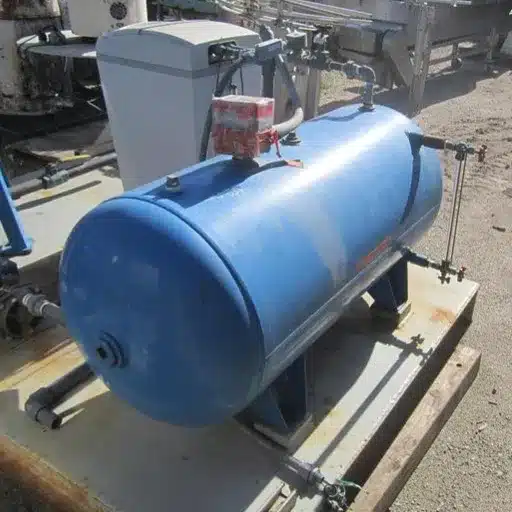
Proper installation ensures tank performance, regulatory compliance, and long service life.
Site Preparation and Excavation
Site preparation includes:
- Soil Analysis: Soil constitution examination, bearing capacity, and groundwater arrangement.
- Underground utility clearance: Make sure that there are no clashes with existing infrastructures as well.
- Excavation dimensions: The length of the tank must have an additional thousand millimeters for entry at each side; the width is the diameter of the tank plus at least six hundred millimeters.
- Bedding preparation: Base thickness is 100mm-150mm compacted sand or pea gravel.
Groundwater considerations: Bouyancy forces must be calculated, and a suitable anchoring system must be put in place where the water table is very high. An empty tank can float in saturated conditions and will likely cause catastrophic damage.
Direct Burial vs. Concrete Vault
SF tanks are designed for direct burial installation without concrete vaults in most jurisdictions. This reduces installation costs and simplifies future tank removal.
Direct burial requires:
- Proper bedding material (sand or pea gravel)
- Correct backfill material (free-flowing granular material)
- Adequate compaction to prevent settlement
- Proper anchoring for buoyancy prevention
Concrete vaults may be required in:
- High groundwater areas
- Contaminated soil conditions
- Specific local regulations
- Tank farms requiring secondary containment for multiple tanks
Leak Detection System Setup
Interstitial monitoring system installation includes:
- Sensor placement: Position sensors at the lowest point of the interstitial space
- Conduit installation: Rigid conduit from tank to monitoring panel
- Control panel mounting: Weatherproof enclosure in an accessible location
- Alarm configuration: Set threshold levels and notification protocols
- Calibration: Verify sensor accuracy and alarm functionality
Testing after installation confirms:
- Sensor response to simulated leak conditions
- Alarm activation and notification
- Data logging accuracy
- System integration with facility monitoring
Post-Installation Testing Requirements
Regulatory agencies require testing to verify installation integrity:
- Hydrostatic test: Fill the tank with water and verify no leakage
- Interstitial space test: Verify monitoring system functionality
- Tightness test: Pressure test tank and piping systems
- Documentation: As-built drawings, test results, and certification
Maintenance and Inspection Procedures
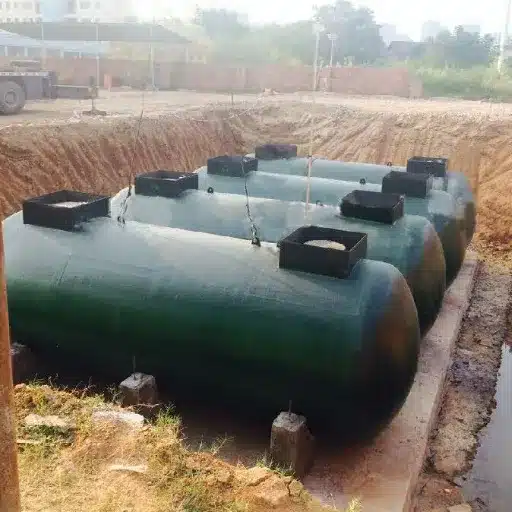
While SF tanks require less maintenance than single-wall alternatives, routine inspection ensures continued performance and regulatory compliance.
Routine Inspection Checklist
Monthly inspections:
- Verify the leak detection system operational status
- Check for alarm conditions or sensor errors
- Inspect the monitoring panel for damage or corrosion
- Review delivery records for unusual inventory changes
Annual inspections:
- Professional inspection of the interstitial monitoring system
- External tank inspection (if accessible) for settlement or damage
- Spill bucket and containment sump inspection
- Overfill prevention equipment testing
- Documentation review and record updates
Three-year inspections:
- Interstitial integrity test
- Tank and piping tightness test
- Corrosion protection system check (if applicable)
- Comprehensive system evaluation by a certified inspector
Interstitial Monitoring Maintenance
Modern SF tanks feature automated interstitial monitoring requiring minimal maintenance:
- Sensor calibration: Verify annually per manufacturer specifications
- Probe cleaning: Remove and clean sensors if readings become erratic
- Connection inspection: Check wiring and conduit integrity
- Software updates: Update monitoring system firmware as released
30-Year Service Life Optimization
To maximize tank service life:
- Maintain proper cathodic protection for associated steel piping
- Monitor fuel quality to prevent internal corrosion
- Keep accurate records of all inspections and maintenance
- Address any alarm conditions immediately
- Plan for eventual tank replacement as part of long-term capital planning
Conclusion
SF Double-Layer Tanks set the industry standard for underground fuel storage as they combine structural steel strength with fiberglass resistance to corrosion. These tanks are the best choice for fuel storage in gas stations, industrial facilities, and critical infrastructure as they offer a service life of 30 to 50 years, leak detection, and compliance.
Key takeaways:
- Double-walled construction with continuous monitoring keeps one safe from environmental contamination through leaks from SF tanks
- Total cost of ownership favors SF tanks to single-wall alternatives, where lifetime maintenance and liability considerations are considered
- Proper sizing, installation, and maintenance would offer decades of reliable service
- Regulatory compliance requires certified equipment and professional installation
The wrong question is whether double-wall construction is worth the investment when you are planning for fuel storage in your next project: Anything less is simply too much risk.