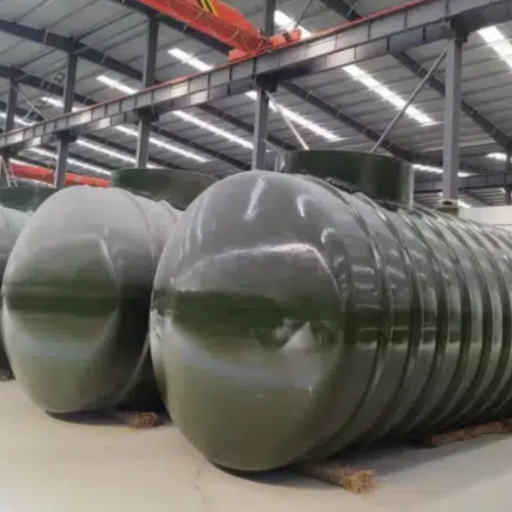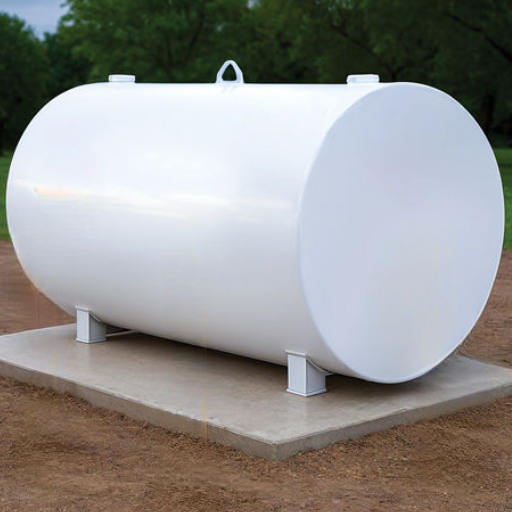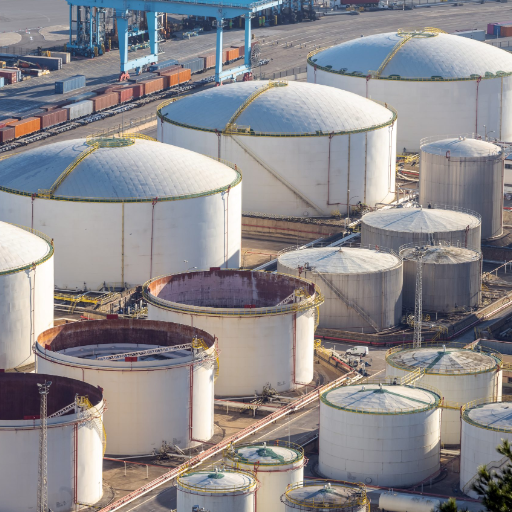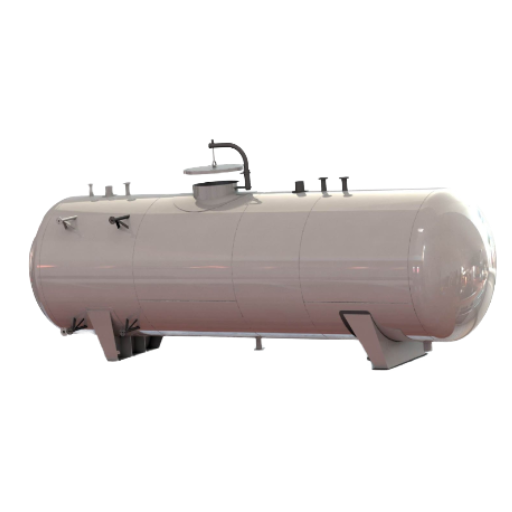
In 2019, a fuel tanker took fire on-site in an isolated mining operation in a secluded part of Western Australia. The driver managed to escape unharmed, but the truck, fully loaded with 40,000 liters of diesel, kept burning for about an hour and beyond. Initially, rescue crews stood by, expecting the worst course of events-loud, destructive explosion and flaming debris all over the place. It never happened. The tank just burned, full. It never blew up.
The difference? Inside that tank, there was a honeycombed aluminum matrix that was to convert a potential disaster into a manageable incident. This is the reality of HAN barrier explosion-proof material. Such technology does not merely reduce the risk of explosions; fundamentally, indeed, it prevents any explosion from occurring by means of passive and intrinsic protection.
This article will show you:
- How HAN barrier technology works to eliminate explosion risk
- Why military and commercial operators trust this solution
- When skid-mounted stations with HAN barrier make sense for your project
- What specifications and certifications to demand
- How to evaluate this technology against alternatives
What Is HAN Barrier Technology?
The Origin: From Military Battlefields to Commercial Fuel Storage
HAN barrier has its start from military warfare, where there was a need to stop explosions due to impacts on tanks, which led to threats in life and mission. Such technology was invented and standardised by the US military in the specification MIL-B-87162A that stipulated the fuel systems be resistant to ballistic hits and fires to some extent.
It derives its name from the high-density spiral suppressive matrix, unlike the active fire suppression systems that need threat detection and reaction. HAN barrier, on the other hand, uses physical engineering to provide ‘always-on’ passive protection.
At Shandong Shengrui Intelligent Equipment Co., Ltd., MIL-originated technologies remain safe and adapted to commercial fuel storage by the use of tried and tested military tactics built for security; hence, fuelling infrastructure is safe but still resembles the time of war.
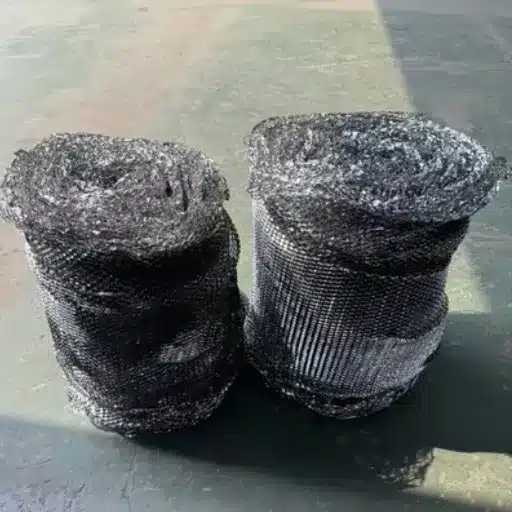
The Honeycomb Structure Explained
HAN Barrier Technology is one of the most ground-breaking technologies with a unique fabrication process. The list of aluminum alloys, 5052, 5056, 3003, and 7075, which are the most commonly used in aviation, is of concern in this production process:
- Aluminum foil strips are precision-machined to specific thicknesses
- These strips are expanded into a fine mesh pattern
- The mesh is rolled and formed into a three-dimensional honeycomb structure
- The resulting matrix fills the vapor space within fuel storage tanks
Such a structure normally consists of thousands of very small cells constructed and placed within the vapor space of the tank; the void ratio is known to be over 98.2%, meaning that the internal volume potentially filled by the barrier only takes 2% out of the tank’s space.
Maria Chen works as a safety specialist with fuel at one of the biggest port facilities in Southeast Asia. She spent half a year assessing available explosion confinement technology for the vessel fueling industry. Her colleagues had to examine several options before settling on the tanks that contain HAN Barriers. “We saw a video demonstration of tanks, both equipped and not equipped with barriers, being tested under controlled ignition conditions. The contrast was so obvious and simply striking. In his video, without a barrier, there was quick burning of the flames followed by back pressure. With the barrier, it was the same ignition manner, but since it did not build up much heat dumped by flames against the wall, the fire was suppressed.”
How HAN Barrier Prevents Explosions: Three Mechanisms of Protection
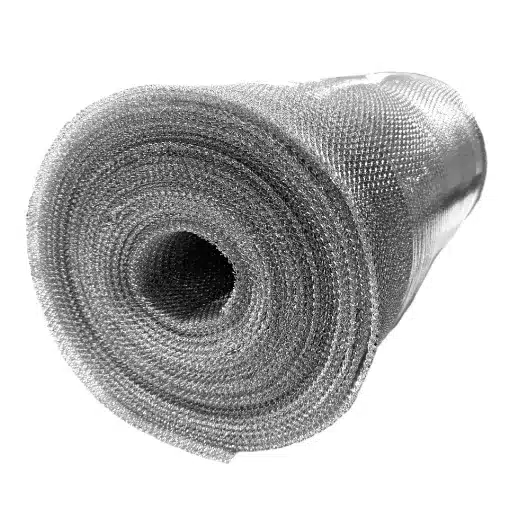
Understanding how HAN barrier explosion-proof material works requires examining the physics of fuel tank explosions. When fuel vapors ignite in a conventional tank, three catastrophic events occur in rapid succession: flame propagation, thermal expansion, and pressure buildup. HAN barrier interrupts each of these failure modes.
Flame Quenching and Fragmentation
The honeycomb structure physically divides the tank’s vapor space into thousands of microscopic cells. When ignition occurs, these cells perform a critical function: they tear the advancing flame front into countless tiny fragments.
In a conventional tank, flame fronts propagate freely, creating a continuous burn that rapidly consumes the available fuel-air mixture. This produces the devastating pressure waves characteristic of tank explosions. In a HAN barrier-equipped tank, each cell isolates flame fragments, preventing them from sustaining continuous propagation. The flame essentially fragments into non-viable micro-clusters that self-extinguish.
Research published in Frontiers in Materials demonstrates this effect through fluid-structure coupling analysis. The aluminum honeycomb core creates discontinuities that disrupt flame front coherence, fundamentally changing the combustion dynamics within the tank.
Thermal Energy Dissipation
The thermal conductivity of aluminum alloys ranges from 180 to 235 W/m-K, depending on the grade of the alloy, and is quite good. This aspect is especially important when it comes to ignition events.
Upon loft of the smoke, the aluminum matrix serves as an enormous heat sink, rapidly extracting thermal energy from the reaction front. This, in turn, confers two key safety benefits:
- Vapor cooling: The heat sink effect cools the fuel vapors below the self-ignition temperature, diminishing the likelihood of sustained combustion.
- Temperature limiting: The highest possible temperature reached in a contained burn is much lower than in the tanks without such protection, which decreases the thermal stress on the materials of the tanks.
Experimental data indicate that HAN Barrier tanks can be directly exposed to an open flame while 90% filled and survive more than 1 hour without any damage. Such a ‘burn with no blow up’ ability gives emergency responders that precious time needed to manage situations.
Pressure Wave Control
The most incredible change that the HAN Barrier can bring is how the power of explosion is changed. In the standard explosion in tanks, the pressure increases exponentially with time as the combustion process is allowed to proceed till the structure of the tank, unable to hold any more pressure, bursts open, and the walls are ruptured.
The dangerous pressure build-up is counteracted with the aid of a honeycomb matrix, the purpose of which is to cause the pressure to extend in a controlled manner. The design allows it to effectively disperse the pressure through various channels created by the cellular structure while further enhancing the strength of the structure through deformation and transfer of heat by the aluminum alloy. As a consequence, an incendiary burn with a relatively low speed is achieved, in contrast with the very fast detonations that are observed.
Ahmed Hassan manages a fleet of vehicles in Dubai, where right now the weather in summer is usually more than 45°C. “As recently as three years back, there was an accident caused by a conventional tank, which was then followed by an explosion, causing damage to three other vehicles next to it as well as injuries to two workers. This, in turn, led to the conversion of the entire fleet to HAN Barrier tanks. Last year, one of the new tanks was also involved in such an incident. The contrast was stark. The tank burned, and we controlled it, but there was no explosion, no shrapnel, and no additional damage caused.”
Technical Specifications and Product Tiers

Material Specifications
| Property | Specification |
|---|---|
| Material | Aluminum alloys (5052, 5056, 3003, 7075) |
| Density | 28-45 kg/m³ (tier-dependent) |
| Void Ratio | ≥98.2% |
| Volume Displacement | <1.1-1.5% |
| Service Life | 30-40+ years |
| Thermal Conductivity | 180-235+ W/m·K |
| Cell Size | Variable based on application requirements |
| Corrosion Resistance | Passivated surface treatment |
The minimal volume displacement, less than 1.5% even in the densest configurations, means HAN barrier technology preserves nearly all of your tank’s storage capacity. For a standard 30,000-liter tank, you lose approximately 330-450 liters of capacity, a trade-off most operators find acceptable given the safety benefits.
Product Tier Selection
HAN barrier materials come in three primary density grades, each optimized for specific applications:
HB-Commercial (28-32 kg/m³)
Designed for standard retail gas stations and commercial fueling operations. This tier provides excellent explosion protection while maximizing storage efficiency. Ideal for:
- Urban gas stations
- Fleet fueling facilities
- Commercial distribution centers
- Standard industrial applications
HB-Industrial (35-38 kg/m³)
Engineered for heavy-duty industrial fuel farms and high-throughput operations. Enhanced protection for:
- Industrial fuel farms
- Port and marine facilities
- Mining operations
- High-volume distribution terminals
HB-Strategic (42-45 kg/m³)
Utilization of the most secure measures available is imperative for areas encompassing treasured infrastructure and areas in which very high security is needed. The compact layout allows it to be used for:
- Fuel systems for military vehicles
- Strategic oil stockpiles
- Protection of the President’s and VIPs’ vehicles
- Infra-protection essential services
- Combating in a high-risk environment
International Certifications and Standards
The fuel storage systems provide HAN barriers that secure the system and ensure its compliance with global safety requirements.
United States
- UL 2085: Protected Aboveground Tanks for Flammable and Combustible Liquids
- UL 2245: Standard for Below-Grade Vaulted Protected Tanks
- MIL-B-87162A: Military specification for fuel tank explosion protection
European Union
- ATEX Directive 2014/34/EU: Equipment for potentially explosive atmospheres
- EN 13501: Fire classification of construction products
International
- ISO 28300: Petroleum and natural gas industries, venting of atmospheric and low-pressure storage tanks
- OIML R 85: International standard for automatic level gauges
China
- GB 50156: Code for design and construction of vehicle fueling stations
- AQ/T 3001: Safety technical code for barrier explosion-proof skid-mounted fuel stations
Applications and Real-World Use Cases

Skid-Mounted Fuel Stations: Urban Deployment
Skid-mounted gas stations equipped with HAN barrier technology represent one of the fastest-growing applications. These modular, containerized fueling systems can be deployed rapidly in locations where permanent construction would be impractical or prohibited.
The explosion-proof characteristics of HAN barrier enable these stations to operate with reduced safety setbacks, sometimes as little as 3-5 meters from property lines, versus 15-25 meters for conventional stations. This space efficiency opens urban and suburban markets previously inaccessible to fuel retail.
A construction consortium in Lagos, Nigeria, faced a critical challenge: they needed on-site fueling for a major infrastructure project, but local regulations prohibited conventional fuel storage within 50 meters of any building. “The HAN barrier skid station solved our problem,” explains project manager James Okonkwo. “We positioned the station 8 meters from our main office. The safety authority approved it because the technology eliminates the explosion risk that drives setback requirements. We saved weeks of fuel transportation logistics and kept our project on schedule.”
Mining and Remote Industrial Operations
Remote mining and industrial sites present unique fuel storage challenges. Transporting fuel over rough terrain creates sloshing and agitation that increases electrostatic and mechanical risks. HAN barrier addresses these concerns through:
- Slosh reduction: The honeycomb matrix reduces liquid movement by up to 40%, minimizing kinetic energy and electrostatic generation during transport
- Static dissipation: The conductive aluminum structure provides continuous grounding paths, preventing dangerous charge accumulation
- Ballistic protection: The barrier material helps contain penetrations from debris or accidental impact
Military and Defense Applications
The original application for HAN barrier technology remains one of its most demanding. Military fuel systems must withstand:
- Ballistic impact from small arms and shrapnel
- Fire exposure in combat conditions
- Extreme environmental conditions
- Rough handling during deployment
Military specifications require fuel tanks to resist catastrophic failure even when penetrated by projectiles. The honeycomb matrix prevents fuel surge and contains ignition sources that would otherwise cause tank explosions.
Marine and Port Facilities
Port fuel farms and marine bunkering operations benefit from HAN barrier’s combination of safety and space efficiency. Marine applications particularly value:
- Vibration resistance for shipboard installations
- Corrosion-resistant aluminum construction for saltwater environments
- Compact safety perimeters for space-constrained dock facilities
Aviation and UAV Applications
The aerospace industry has adopted HAN barrier technology for unmanned aerial vehicle (UAV) fuel systems and ground support equipment. The lightweight aluminum construction provides maximum protection with minimal weight penalty, critical for aircraft applications.
Research from Frontiers in Materials demonstrates that aluminum honeycomb structures significantly improve blast resistance in aircraft fuel tanks. Under controlled testing, honeycomb-protected tanks showed less strain under 3000g TNT equivalent than unprotected tanks under just 150g.
Benefits of HAN Barrier Technology

Safety Benefits: Eliminating Catastrophic Failure Modes
The most straightforward advantage of HAN barrier’s explosion-proof material is the fundamental shift in the modes of failure of the vessel. It does not, in fact, stop ignition (not even feasible in many cases), but it does ensure that ignition does not lead to a cataclysmic explosion.
This “burn without explosion” capability provides:
- BLEVE prevention: 100% elimination of Boiling Liquid Expanding Vapor Explosion risk, the most devastating type of fuel tank failure
- Ballistic resistance: Containment of penetrations from firearms, shrapnel, or collision debris
- Fire endurance: Sustained burning without tank rupture, providing emergency response time
- Static control: Continuous dissipation of electrostatic charges during fueling operations
Operational Benefits: Minimal Impact, Maximum Protection
The HAN barrier technology provides unmatched safety levels with minimal operational compromises.
Minimal Capacity Loss: Storage capacity drop was almost 1.5% only as, falling within void ratios in the range of over 98.2%. A 40,000-litre tank is obviously losing less than 600 litres.
Zero Maintenance Requirements: Usage is more than usual daily; as such, there is no worry over whether the HAN barriers will work, especially in conditions; it therefore becomes a standby solution. An aluminum matrix is also prepared to last the tank’s whole lifetime without any maintenance requirements.
Extended Service Life: Also, HAN barriers, made of materials that exceed the life limits of the tanks they install, guarantee them to retain all guarding attributes for 30 to 40 years. The degradation of the fatigue or realizing the corrosion that could affect the fuel at the aluminum surface modified by passivation was absent.
Transport Stability: The matrix also serves as an internal baffle during transport. It reduces the sloshing of liquids by as much as up to 40%. This factor enhances vehicle stability while, at the same time, reducing mechanical stresses placed on the tank walls.
Environmental and Regulatory Benefits
Beyond the explosion-proofing that the HAN barrier technology provides, there are subsequent environmental benefits:
VOC Emission Reduction: The surface of the material helps in the formation of microporous which would hence help in the evaporation of the fuel. It said approximately by about 43% that it would minimize oil and gas concentration loads during the unloading process, which in the end leads to lower volatile organic compound emissions and hence makes it environmentally safer.
Regulatory Compliance: It can be highly stated as having the ability to meet or surpass the world’s most stringent standard of storage safety, which is a result of an HAN barrier system installed in the tank, thereby ensuring a faster way to allow the tank to withstand inspections.
Insurance Implications: Several reports have provided insider information about premiums of insurance being reduced after the installation of a HAN barrier-equipped storage. The reduction refers to the quantifiable decrease in potential insurance premiums.
HAN Barrier vs. Alternative Protection Methods

Comparison with Double-Wall Tank Technology
Double-wall tanks represent the most common alternative safety approach. These systems employ a secondary containment vessel surrounding the primary tank, capturing any leaks before environmental release.
| Factor | HAN Barrier | Double-Wall Tank |
|---|---|---|
| Primary Protection | Explosion prevention | Leak containment |
| Maintenance | None required | Interstitial monitoring required |
| Capacity Impact | <1.5% loss | 10-15% additional tank volume |
| Installation Cost | Moderate premium | Higher material costs |
| Regulatory Acceptance | Growing global recognition | Established worldwide |
| Space Requirements | Standard footprint | Larger footprint required |
Double-wall tanks excel at environmental protection through leak prevention. HAN barrier technology excels at personnel and asset protection through explosion prevention. For many high-risk applications, the optimal solution combines both technologies: double-wall construction with internal HAN barrier protection.
Comparison with Active Suppression Systems
Active fire suppression systems detect ignition events and respond with extinguishing agents, typically foam or chemical suppressants. While effective when functioning correctly, these systems have inherent limitations:
Response Time: Even the fastest detection and activation systems require seconds to respond. Explosions develop in milliseconds. HAN barrier protection is instantaneous and always active.
Maintenance Dependency: Active systems require regular inspection, testing, and component replacement. System failures during critical moments have contributed to major incidents.
Power Requirements: Electronic detection and activation systems require reliable power. HAN barrier functions without any external energy source.
Single-Point Failures: Complex active systems have multiple potential failure points. HAN barrier is a passive material with no moving parts or electronics.
Decision Framework: When to Choose HAN Barrier
Consider HAN barrier technology when:
- Urban or populated area deployment requires minimal safety setbacks
- Your risk assessment identifies explosion as a primary concern
- Maintenance resources are limited
- The tank will experience transport or mobile deployment
- Regulatory requirements specify intrinsic safety solutions
- Insurance or risk management programs reward passive protection
HAN barrier may be unnecessary when:
- Remote location with minimal personnel exposure
- Budget constraints preclude any safety premium
- Local regulations do not recognize or reward intrinsic safety
- The tank contains non-flammable liquids
Installation and Maintenance Considerations

Installation Approaches
HAN barrier materials can be installed using two primary methods:
Factory Pre-Installation: The barrier matrix is installed during tank manufacturing, ensuring optimal fit and quality control. This approach is preferred for new tank construction and provides the highest confidence in installation quality.
Field Retrofit: Existing tanks can be retrofitted with HAN barrier materials through tank entry and manual installation. This approach requires certified confined space entry procedures and specialized installation expertise.
Quality Control Checkpoints
Whether factory or field installed, quality control should verify:
- Complete tank volume coverage with no gaps or voids
- Proper density grade for the application
- Secure positioning that prevents shifting during operation
- Verification of material certifications and traceability
Maintenance Requirements
HAN barrier technology lives up to its “fit and forget” reputation. The passive nature of the protection means:
- No periodic inspection or testing requirements
- No component replacement schedules
- No calibration or adjustment needed
- No power or utility dependencies
During routine tank inspections, visual confirmation of barrier integrity is sufficient. The aluminum material does not degrade in fuel environments and maintains its protective properties indefinitely.
Frequently Asked Questions
What does HAN stand for?
HAN is not an acronym. The term refers to the high-density spiral suppressive matrix structure that characterizes this explosion-proof technology. The name reflects the engineering characteristics rather than representing specific words.
How much fuel storage capacity is lost with the HAN barrier?
Capacity loss is minimal. With void ratios exceeding 98.2%, the HAN barrier occupies less than 1.5% of tank volume. A standard 30,000-liter tank loses approximately 330-450 liters of capacity. Most operators consider this an acceptable trade-off for the safety benefits provided.
Is special maintenance required for the HAN barrier?
No. The HAN barrier is indeed an active protection system requiring no maintenance, inspection, or any replacement within the tank’s entire service life. The aluminum material is chemically inert to conventional fuels and does not degrade over time.
Is the HAN barrier compatible with all fuel types?
Materials of the HAN barrier are not detrimental to fuel gases but are chemically resistant to all petroleum product fuels, or at least to gases, petrol, diesel, and aviation fuels, if not all. The passivated aluminum surface is not chemically reactive with the fuels. As for extremely specialized fuels or additives, the compatibility with the manufacturer should be confirmed under a specific system.
Which certifications are passed by the HAN barrier?
HAN barriers are certified against numerous international standards, including UL 2085 (USA), ATEX 2014/34/EU (Europe), GB 50156 (China), and military specifications MIL-B-87162A. Specific certifications vary by product tier and application.
Can the HAN barrier withstand direct fire exposure?
Yes. Testing demonstrates that HAN barrier-equipped tanks can withstand open flame exposure for over one hour at 90% capacity without catastrophic explosion. The “burn without explosion” capability provides critical time for emergency response.
How does the HAN barrier affect fuel quality?
Properly manufactured HAN barrier materials do not shed particles or contaminate fuel. The passivated aluminum surface is chemically stable and does not react with standard fuels. Fuel quality remains unaffected by the presence of the barrier material.
What is the ROI on HAN barrier installation?
Return on investment varies by application but typically includes:
- Insurance premium reductions (10-30% reported)
- Reduced safety setback requirements (enabling otherwise impractical sites)
- Elimination of active suppression system maintenance costs
- Risk mitigation value (catastrophic incident prevention)
Most operators find the incremental cost of HAN barrier technology, typically 8-15% above conventional tanks, is recovered through insurance savings and risk reduction within 3-5 years.
Can existing tanks be retrofitted with an HAN barrier?
Yes, though retrofit requires tank entry and professional installation. The economics of retrofit versus tank replacement depend on tank age, condition, and remaining service life. New tank installations with factory-installed HAN barrier typically offer better value.
How does the HAN barrier compare to fire suppression systems?
HAN barrier provides passive, intrinsic protection that is always active and maintenance-free. Active fire suppression systems detect and respond to fires but require power, maintenance, and can fail to activate. The two technologies can complement each other, with HAN barrier providing explosion prevention and active suppression providing fire control.
Conclusion
HAN barrier explosion-proof material represents a fundamental advance in fuel storage safety. By transforming the physics of tank combustion through passive engineering, this technology eliminates the catastrophic explosion risk that has long been an accepted hazard of fuel storage.
Key takeaways from this guide:
- HAN barrier provides intrinsic safety through flame quenching, thermal dissipation, and pressure control
- The technology requires no maintenance and lasts the full service life of the tank
- Applications range from urban gas stations to military vehicles to remote industrial operations
- International certifications ensure global regulatory compliance
- The minimal capacity loss and operational benefits provide compelling value
For gas station owners, project integrators, and safety engineers evaluating fuel storage options, HAN barrier technology deserves serious consideration. The question is no longer whether you can afford explosion-proof protection, but whether you can afford to operate without it.