If an underground storage container has only a single hole as large as a pinprick, 400 gallons of gas may be spilled in a year. The cost to clean up such leaks can be estimated to be not less than $250,000. Gas station leak stoppage is not only an EPA mandate for gas station owners and builders; it is a matter of business continuity.
You are already familiar with the potential risk. Underground storage tanks are subject to rusting, pressure loads, and many years of environmental exposure. One overlooked crack fracture is sufficient to incur authorities’ penalties, trading bans, ground cleaning, and disputes that are still ongoing even after several years.
It is not the ability to stop leaks that is important. The crucial thing is how good the system is at preventing leaks from occurring.
In this article, you will learn:
- What component tanks are and why fiberglass outperforms traditional steel
- How double-wall construction and interstitial monitoring create a built-in safety net
- The complete leak prevention system from tank to dispenser
- EPA compliance requirements and what they mean for your project
- How to choose the right component tank system for long-term protection
As Raj Patel made improvements to his gas station in the Chicago area in 2022, he encountered a situation that was familiar to him. The existing steel tanks were almost at the limit of the permitted service time, exceeding 30 years. Paying for tests to monitor corrosion was already costing more than Raj had planned. Worse still, one of the nearby facilities in the city encountered a problem similar to this, where a slow leak led to a significant quantity of hazardous substances being released into the ground.
Raj Patel went for the new underground components tanks with an assurance monitoring system. Fast to the present, and it takes him only fifteen minutes to fill compliance reports today only that in the month. The premiums of his insurance have since reduced. He is happy now that the tank design is such that even if there is a steel failure, it is always self-contained.
What Are Component Tanks?
In the monitoring component rack of the tank, one big problem arises, i.e., how resistant this equipment/control systems is to the different control actions that are imposed on the system by the process being monitored. Such actions such as start-up or shut-down or transient operations of the process may or may not degrade the performance of the monitoring equipment.
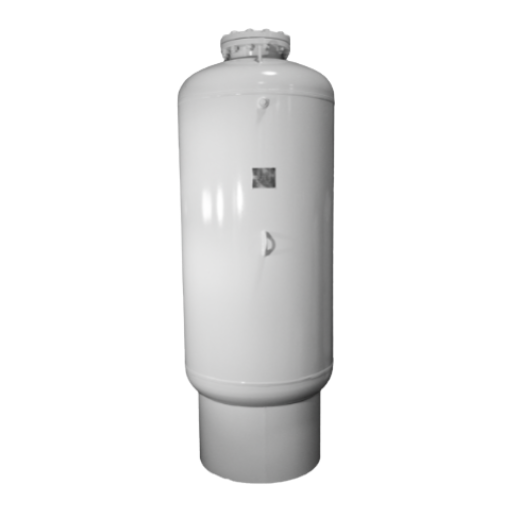
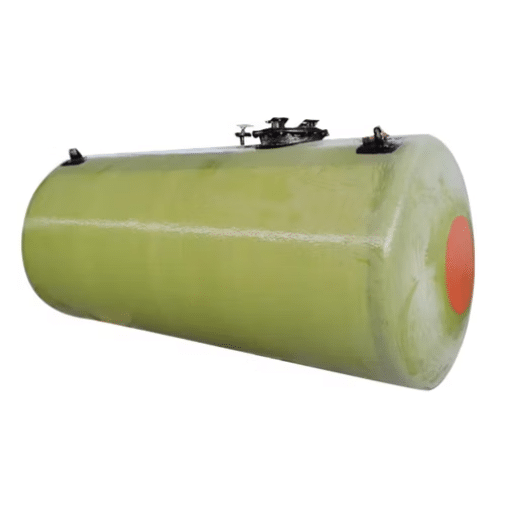
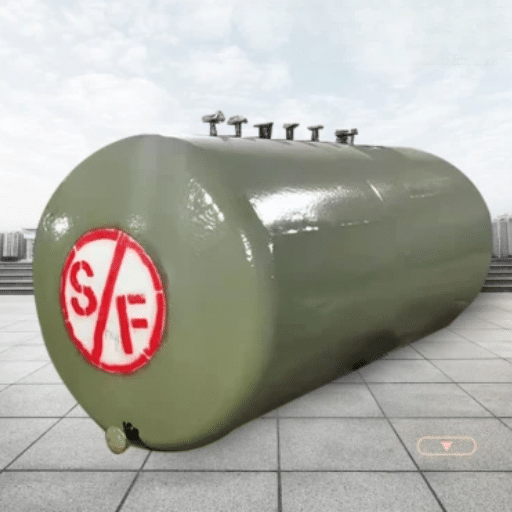
A typical fiberglass component tank includes:
- An inner wall that holds gasoline, diesel, or alternative fuels
- An outer wall that forms a protective shell around the inner vessel
- An annular (interstitial) space between the two walls for leak detection
- Factory-installed monitoring ports and sensor conduits
Steel tanks differ a lot from the preceding designs. They are made with the assumption that cathodic protection should be activated, as well as, the tank walls to be painted or coated and even have the containment system fitted. No wonder there is risk waste associated with problems like corrosion and leaking and hence the use of FRP tanks is preferred to address all such problems.
Fiberglass vs. Steel: The Material Difference
It is sturdy but it also means corroded. And the chemicals and even the modern alcohol-content gasoline that exists in the current society presents a challenge that was not experienced when some of these tanks were designed during their installation. Current statistical data by the EPA is that at least 60% of all underground storage tanks in the United States have at one time or another, leaked their contents into the environment. This has conventionally been the primary reason for the tank’s failure.
Fiberglass-reinforced plastic does not rust. It does not pit. It does not degrade when exposed to soil moisture or petroleum vapors. For station owners, this means:
- No cathodic protection systems to maintain, test, and repair
- No external coatings to inspect and reapply
- No internal lining degradation from biofuels or sulfur compounds
- Service lives exceeding 30 years with minimal structural degradation
Another significant advantage of Fiberglass component tanks is their lightweight nature. A 10,000-gallon tank in fiberglass material would have a weight slightly exceeding half of its steel counterpart. This results into low freight charges, minimal requirements in terms of the crane, as well as quick and easy installation.

Leak prevention is valid from more than one standpoint, the first being the environmental standpoint. One gallon of petroleum can contaminate up to one million gallons of water. Any cracks in containment become paths only setting out to pose dangers to drinking water, ecosystems, and even such problems for more than the lifetime of the station itself.
But the business case is just as compelling. Here is what the numbers look like:
- 528,000 total leaks have been remediated nationally in the United States, costing more than $1 billion per year in combined state and federal funds.
- 57,437 active cleanup sites were backlogged as of FY 2023.
- $255,491 is the average active remediation cost for a single leaking UST site.
- In Illinois alone, 73,000 registered USTs have produced nearly 31,000 leaks since 1984.
These lower figures illustrate costs associated with removal and repair. We do not count indirect effects like the money lost due to the shutdown of other stations, attorneys’ fees for litigation, or the decrease in value of the property because of harmful waste presence.
The Hidden Costs of Non-Compliance
Once Maria Santos bought a non-branded gas station in New Jersey, she instantly found out that the tanks had not been advanced since the 1990s. The former manager had run things on the basis of an inaccurate stock count and taking dip sample measurements every so often. But within six months of completion of the transaction, a state transition inspection issued a citation for insufficient leak detection.
Maria was in a position where she could not receive any deliveries until she had internal tank gauging as well top and bottom access double wall tanks in place. This action cost her $8,000 in fuel sales every week. The unfortunate thing was that she had to do the necessary upgrade though it was not very practical to do it the expensive way as per the eminent situation.
Instances of such as the evidence of the dangers of gas leaks to the health of tank floor preventions provide gas station owners who think forwards from perceiving gas station leak prevention as high focus capital planning but not crisis management.
How Component Tanks Prevent Leaks
Recent fuel tanks components such as systems have been improved to provide solutions towards preventing leaks rather than just spotting them. They are equipped with different protections at three levels: the basic manufacturing approach, the resistance properties of the materials and how tanks are done at the facility level.
Double-Wall Construction with Interstitial Monitoring
Following the US EPA’s UST class rule from 2015, all tanks that are being installed or replaced after April 11, 2016, are required to be installed inside a secondary containment with interstitial detection. This provision is not merely some option. It is the only form of release detection accepted for new construction projects and replacements.
A trench with a double wall component integration will meet the requirements, obviously. A closed space is formed between the two walls, and this can be used as a containment area. Here is how the monitoring works:
- Brine-filled monitoring: The interstitial space is filled with anti-freezing propylene glycol. Three level sensors situated at the base of the tank calculate the hydrostatic pressure. It is so complicated that even when petroleum products make it to the primary wall the level of the antifreeze rise and the alarm signal is generated immediately.
- Dry monitoring: Sensors detect the physical presence of leaked fuel or vapors in the dry interstitial space.
- Vacuum monitoring: The annular space is held under slight vacuum. A pressure loss indicates a breach in either wall.
Corrosion Resistance
Corrosion is not one singular controlled process. It includes outer rust from the effects of groundwater, soil substances, internal pitting as a result of the use of gasoline containing more than 20% ethanol or biodiesels and galvanic reactions together with the effects of steel/plastic materials reinforced with members. All these problems are resolved when using the fibreglass component tanks.
Hence, providing up-to-date fuel booster addition is a significant matter. The main difference with modern fuel additives is that now they have a higher content of ethanol and biodiesel. These bio-components are hygroscopic substances that bring about internal steel degradation in their own lifetime. FRP is chemically resistant to most popular fuel types, such as gasoline, diesel, ethanol up to E85, and ultra-low sulfur diesel.
For station owners, compatibility translates to lower maintenance, longer service intervals, and reduced risk of premature tank failure.
Factory Pressure Testing
Such a rule for every fuel additive, fiberglass, and pressure vessel component can be established by the Department of Transportation. It makes sense that this is done not at the final product line laboratory but at the manufacturing facilities. The hydrostatic resisting test or pneumatic test is performed on each and every vessel to see whether the wall withstands the load and presence of leakage due to any seam in a tank under test.
The Complete UST Leak Prevention System

The component tank is invaluable in undertaking gas station leak such avoidance. Nonetheless, the component is only a minor portion of the entire system. In the latter-day dispensing station, various protection methods, which range from the delivery truck up to the customer vehicle, are utilized.
Automatic Tank Gauging (ATG)
An automatic tank gauging system is a dynamic system because it makes use of electronic probes that are installed within a tank in measuring parameters such as position, temperature, and density in an ambient organized dispensing of fuel. These systems are supposed to recognize even the smallest of holes of a size 0.2 gallons per hour with a probability of 95% within the new legislation already in place.
The ATG console, typically located in the station office, performs several functions:
- Inventory reconciliation: It compares deliveries against sales and tracks shrinkage.
- Leak detection algorithms: It analyzes level changes over quiet periods (when no fuel is being dispensed) to identify potential leaks.
- Real-time alarms: It sounds audible and visual alerts if a leak is suspected or if equipment malfunctions.
- Remote monitoring: Advanced systems can send alerts to smartphones or central operations centers.
ATG can tell how much fuel is in their tank and there is no significant volume of fuel between the tank and the pipes in space (or other object). Interstitial monitoring watches the tank walls themselves. Together, they create overlapping detection zones with very few blind spots.
Piping and Dispenser Safeguards
The fuel stored in tanks does not remain stagnant. It typically flows through restin underground ducts up to service/dispensing pumps. It is this piping that causes most of the leakages hence the need for the recent legal requirements as far as:
- Double-wall piping with its own interstitial monitoring and containment sumps
- Automatic line leak detectors (ALLD) on pressurized lines that can shut down flow if a breach is detected
- Shear valves at the base of dispensers that seal the fuel line if a vehicle collides with the pump
- Breakaway valves on hoses that separate cleanly if a customer drives off with the nozzle attached
This is when many concerns are alleviated. Even when we separate the tank, pipes, and dispensing system along with the fuel marketing equipment as a unit, the protective mechanisms work together even more strongly.
Spill and Overfill Prevention
Not all gasoline spills are the result of metal that has become corroded. Some spills occur during transport. The tanker forcibly disconnects the hose very fast. An overfill condition occurred since the operator of the station at one time forgot to handle the remote counting down. Therefore, the spill and overfill dispensing nozzles eliminate these reasons for the loss of safety measures due to the errors of persons in charge in situations where fuel would otherwise spill.
Standard prevention equipment includes:
- Spill buckets (catchment basins) around fill pipes that capture small spills during hose disconnection
- Flapper valves that close automatically if the spill bucket fills with liquid
- Ball float valves and high-level alarms that slow or stop delivery when the tank reaches 90–95% capacity
- Automatic shutoff devices on the tanker or at the fill pipe that halt flow before the tank overflows
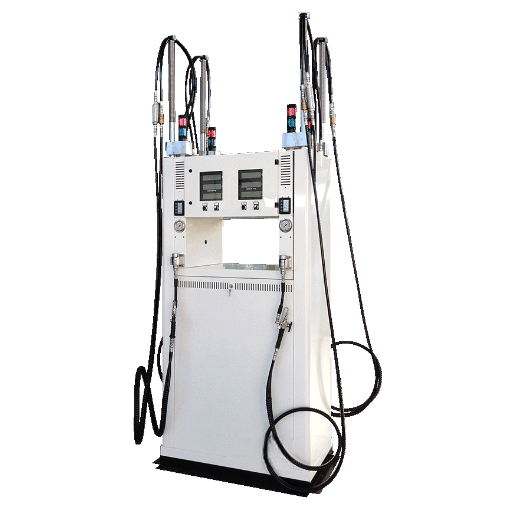
Require meticulous, precision-engineered fuel dispensers with in-built safety mechanisms? Check out our thorough fuel dispenser solutions which are purpose-built to ensure precision and durability, continuing over time.
EPA Compliance Requirements Explained

An important update was made to the regulations pertaining to underground tanks as per the 40 CFR Part 280 in 2015 by EPA. The modifications included enhanced controls with regard to inspection, monitoring and training in particular. Below is what operators should be privy to.
For Tanks Installed After April 11, 2016
New and replaced USTs shall have secondary containment with interstitial monitoring. However, they must have in place primary release detection methods such as automatic tank gauging (ATG), statistical inventory reconciliation (SIR), or manual tank gauging (MTG) alone.
In new installations, this is expected to provoke the use of double-wall tanks for aboveground and belowground tanks.
For Existing Tanks
Older tanks have two compliance pathways:
- Monthly monitoring using an approved leak detection method (ATG, vapor monitoring, groundwater monitoring, SIR, or interstitial monitoring)
- Monthly inventory control plus tank tightness testing every 5 years
Many states have accelerated these deadlines or added stricter rules of their own.
Inspection and Testing Schedules
- Monthly: Check that release detection equipment is operating with no alarms
- Annually: Test operability of spill prevention equipment, overfill prevention equipment, and release detection equipment
- Every 3 years: Test containment sumps and hand-held release detection equipment for liquid tightness
- Every 6 months to 3 years: Test cathodic protection systems (if steel components are present)
Recordkeeping
The tank owners have to maintain a file of the materials that reflect the test results of the leak detection, any equipment functioning tests and repairs done, and training records for a specified duration of one to three years. And as such, record-keeping not only complies with legal requirements, but also acts as an individual’s weapon in the event of a leakage claim or a dispute about the leak with the insurance company.
Choosing the Right Component Tank System

Not all fiberglass tanks are identical. When specifying a component tank system for a gas station project, consider these factors.
Capacity and Fuel Type
When buying tanks, always select one of the correct size which will meet the anticipated business activity and delivery plan. Tank capacities are usually between 5,000, and 50,000 gallons. In case the facility sells several fuel types, it is however possible that the gasoline and diesel are placed in the same tank but separate chambers inside it which is known as the component multi-tank. This results in less digging, less cost of effectiveness and eliminates reasons for any errors.
Confirm that the tank material is certified for the specific fuels you plan to store, including any ethanol or biodiesel blends.
Certification Standards
Look for tanks that meet recognized international standards:
- UL 1316 or ANSI/CAN/UL/ULC S1316 for glass-fiber-reinforced plastic underground storage tanks
- ISO 9001 for manufacturing quality management
- ATEX or IECEx certifications if the installation region requires explosion protection documentation
If provided such tanks come with the relevant manufacturer guaranteeing factory reports and warranty support that speeds up local authority approval.
Manufacturer Partnership
The quality of a fuel tank is only as good as the realization of it as an integral part of the whole gas station. A company that designs a gas station leak prevention in the form of a system, not merely any device, will be able to guide your choices in compatible ATG systems, piping, pumps, and sumps.
For global tasks, it’s better to contact those who have experience in exporting projects, do the multi-regional standard adjustment and provide on-line engineering support. A single video call that lasts for two hours with an engineer who has experience in your region may prevent permit issuance delays of up to six months.
Constructing a modular or a remote fuel facility and need storage? Our fuel stop projects consist of tank modules, dispensers, safety facilities and assembled pre-fabricated units for number of pump islands.
Frequently Asked Questions
What is a component tank?
A component tank, also known as the hybrid tank, is an FRP (fiber-reinforced plastic) underground storage tank that is built with internal double-wall structure, secondary containment and monitoring ports. Unlike customary ones, which are made of metal, such tanks do not rust, and are built and placed after being tested for impermeability.
How often do gas stations check for leaks?
It is a regulation by federal EPA that when checking any release detection method, that method should be free from any alarms. Moreover, operability testing of spill prevention, overfill prevention, and release detection equipment tests must also be carried out on an annual basis. Moreover, Containment sumps need to be tested tight once in 3 years.
Do fuel tanks need secondary containment?
Yes. In the newly issued 2015 UST regulations of the EPA, all USTs installed or retrofilled following April 11, 2016, ought to incorporate secondary containment with interstitial monitoring systems. Additionally, most governing bodies in the states also have mandates for the upgrading of containment systems within the current facilities.
What happens if a gas station UST leaks?
In the event of a leak, the determiner should make a report to the regulatory agency that is in charge, suspend usage of the tank in question and commence actions on its remediation. This may lead to actions from the government or even from the polluter’s shareholders directly. Recovering from a spillage can cost more than $250,000 for just one site. Also, embarrassment, recovery actions, inhibiting ad hoc business activities and trailing liabilities are typical.
Conclusion
Leak-prevention measures for gas service stations begin at the storage tank itself. There are present day tanks specifically for fuel or storage with different sizes that are made out of fiberglass reinforced plastic which eliminates the probability of corrosion, protect the surface, and may communicate directly with the automatic monitoring system in your phone for prompt intervention.
It is always said that it is shrinking prevention that is better than cure. A double-shell tank with an auto level gauge, anti-tank upstands spillage prevention program and other associated devices in the context of the well protective measures enables undertakers and implementing agencies to do their work without any constraints of another examination, or worse, another rainfall.
Whether you are intending to develop a fresh convenience store for fuels, replace dilapidated steel storage tanks or support a natural gas erection, the appropriate component tank system is the best insurance to protect your assets, your neighbors, and your prospects.