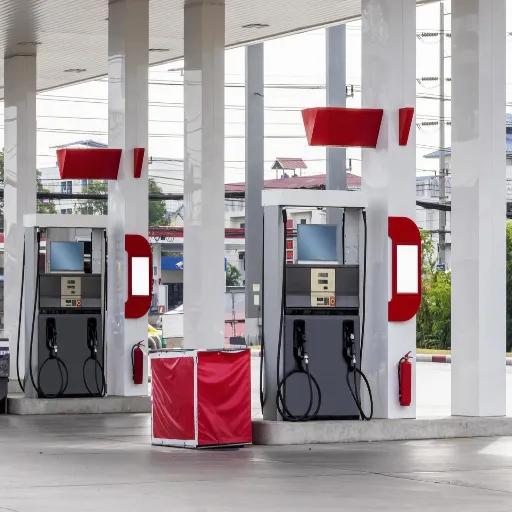
The selection of a retail fuel dispenser is a crucial factor in the operation of a convenience store that can either sag or soar in terms of customer satisfaction, efficiency, and profits. During recent years, advanced fuel dispensing solutions have transformed the whole process of pumping fuel into an operation with the utmost convenience for the customer and management alike. In this article, the critical features of industry-leading retail fuel dispensers, their contribution to operational success, and the ways they can transform your convenience store to outshine the rest of the market are discussed. Even if your goals are to boost fuel sales, to speed up transactions, or to cut down on maintenance costs, this blog will provide you with practical tips that enable you to make the right choice.
Understanding Fuel Dispensers
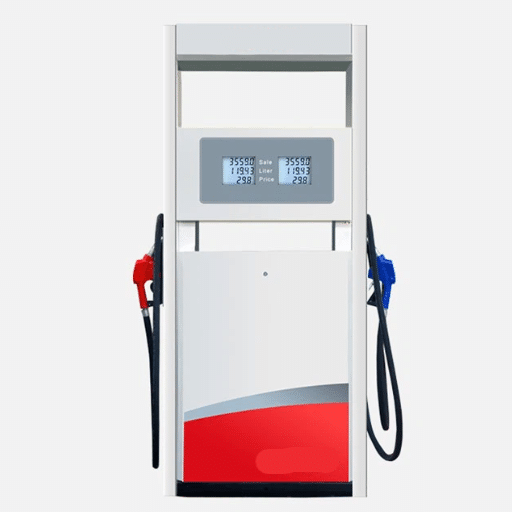
Fuel dispensers play a pivotal role in the retail fueling sector, as they are the most efficient and precise devices for dispensing fuel to customers. The latest fuel dispensers not only make use of cutting-edge metering systems but also come with user-friendly interfaces for convenient and precise fuel delivery, along with a smooth transaction process. The main parts of these dispensers are hoses, nozzles, flow meters, and built-in payment systems, all of which interact to give dependable service. The introduction of features like digital screens, non-contact payment methods, and better fuel monitoring has turned fuel dispensers into machines that not only save a lot in terms of cost but also yield high efficiency for operators, besides, of course, enhancing the customer experience.
What is a Retail Fuel Dispenser?
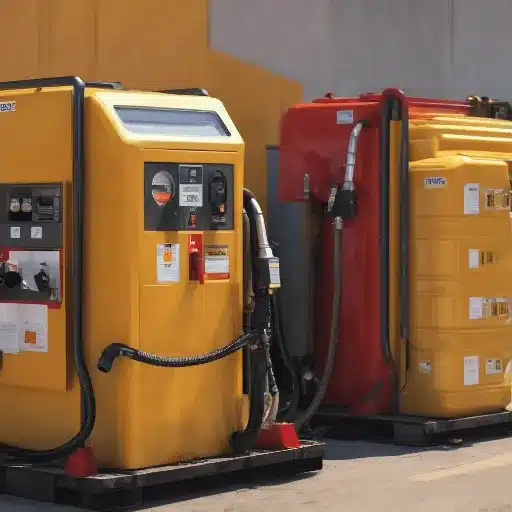
A retail fuel dispenser is a machine at a gas station that dispenses various fuels such as gasoline, kerosene, or alternatives to cars. A fuel dispenser consists of a pumping unit, tubes, a nozzle, and a flow meter, which are the main components that provide the exact amount of fuel needed. With the help of modern technology, these systems can now have digital displays that show the data live, different payment methods that include contactless payment, and monitoring systems that ensure accuracy, safety, and efficiency. Retail fuel dispensers are also subject to serious regulations regarding environmental leak prevention and fuel measurement accuracy, which makes them vital to the global transport and energy industries.
How Fuel Dispensers Work
Fuel dispensers work through the coordination of mechanical and electronic systems that are highly accurate in measuring and transferring the precise amount of fuel from the underground storage tank to the vehicle. The process begins with the pump being switched on either manually or through a pre-payment system. Then, the submersible pump in the storage tank pushes the fuel through the pipe to the dispenser. The fuel then goes through a filter before reaching the flow meter, which removes any impurities. The flow meter then measures the volume of the fuel being dispensed with high precision, which is achieved by using modern calibration mechanisms.
The flow meter sends this information to the controller of the dispenser, which then shows the volume and cost of the product on the digital display for the customer to see. The nozzle contains built-in sensors and automatic shut-off systems that prevent overflow by cutting off the flow of fuel once the tank is full. Newer systems have been equipped with vapor recovery technologies so that emissions are reduced, and environmental regulations are met. Moreover, electronic valves control the fuel pressure to make the delivery process not only efficient but also accurate. The perfect combination of these parts makes it possible for the fuel dispensers to operate correctly, following the rules and also ensuring the safety measures are in place.
Traditional vs. Modern Fuel Dispensers
Mechanical systems were the main components of traditional fuel dispensers in measuring and delivering fuel. Simple gear assemblies and analog displays were used to show the quantity and cost of the dispensed fuel. Generally, accuracy was poor, and calibration was a time-consuming manual task. Moreover, conventional systems had very little vapor control, which led to higher emissions and losses through vaporization.
However, the new generation of fuel dispensers is fully equipped with digital technology, and manual workis cut to the bare minimum. Furthermore, the new generation of fuel dispensers consists of very high-precision electronic flow meters, programmable logic controllers for controlling the processes, and very friendly interfaces with touchscreens for very easy operation of the machine. At the same time, vapor recovery systems’ presence in contemporary dispensers is a key factor in mitigating the environmental harm caused by the fuel vapor that was previously released into the atmosphere, as they are capable of trapping it. On top of that, these dispensers come with payment systems such as RFID and contactless, thus ensuring a stress-free user experience. The combination of enhanced safety measures, adherence to strict environmental regulations, and real-time monitoring makes modern dispensers super-efficient and trustworthy in comparison to their traditional counterparts.
Choosing the Right Retail Fuel Dispenser
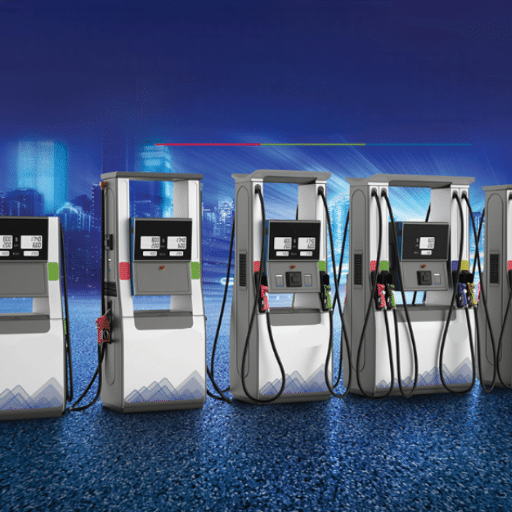
If you want to choose the best retail fuel dispenser for your operation, it is recommended that you first consider these crucial factors:
Fuel Compatibility: Check if the dispenser is suitable for the fuel type sold at your gas station, which could be gasoline, diesel, or even alternative fuels such as ethanol blends or compressed natural gas.
Regulatory Compliance: Assess whether the dispenser conforms to all local, state, and federal environmental and safety regulations.
Payment Integration: Enrich the customer’s experience and security with the integration of modern payment solutions, such as contactless systems or EMV compliance.
Durability and Maintenance: Go for a fuel dispenser that is made for a long service life, easy maintenance, and durable parts that are less likely to cause downtime.
Technology Features: Invest in the dispensers that come with monitoring and analytics in real time so that you can leverage them to improve operational efficiency and inventory management.
Ultimately, do not forget to perform thorough research and, most importantly, to assess your specific business needs so that you can choose a dispenser that matches both your operational goals and the expectations of your customers.
Factors to Consider When Selecting a Fuel Dispenser
Flow Rate and Flexibility: The Dispenser Life must have an adequate flow rate according to the operation requirements, which could be standard vehicles or high-flow commercial applications. Dispensers with flow rates that can be adjusted provide the flexibility to serve the needs of different customers.
Safety Standards and Certifications: Make sure that the dispenser is adhering to safety regulations and has a certification, such as ATEX, UL, or ISO, that applies to it. This not only guarantees safe operations but also that the equipment is environmentally friendly since it complies with industry standards.
Durability and Material Quality: High-quality materials that can withstand weather, corrosion, and fuel types should be used for the dispensers. It is a way of reducing wear and prolonging the life of the equipment, which means less expenditure for a long time.
Fuel Compatibility: Besides those widespread fuels like gasoline and diesel, modern dispensers have to be compatible with ethanol blends and biodiesel, to mention a few. Also, charging the batteries for hybrid and electric cars is a fuel type for which dispensers have to be compatible.
User Interface and Accessibility: User experience becomes better with user-friendly interfaces that have nice, clear displays and multilingual support. Think about interfaces that are designed for accessibility and that can serve a wide range of customer types.
Aligning these factors with your operational goals allows you to pick a fuel dispenser that guarantees safety, efficiency, and future readiness at the same time, catering to your business demands.
Cost Analysis of Different Fuel Dispenser Options
When planning a cost analysis for fuel dispensers, it is very important to look at different aspects that affect the initial investment and the long-term costs at the same time. According to the leading sources, the following are the main points to consider:
Initial Purchase Costs: When it comes to price, there is a huge difference between different types and models of dispensers. The prices of basic fuel dispensers usually lie between $10,000 and $20,000, while for the state-of-the-art models with all kinds of features like payment systems, multimedia displays, and monitoring via connectivity, the price is located in the area of $25,000 to $50,000 and even more.
Installation Expenses: Depending on how complicated the station’s infrastructure is, the installation costs may be between $5,000 and $15,000, for example, connecting to underground tanks, plumbing, and integrating software. If older systems are going to be retrofitted with modern dispensers, then additional incurred costs are inevitable.
Replacement and Operation Expenses: The vending machines will have to go through a series of maintenance rounds to fulfill the standards of compliance, safety, and user-friendliness. Annual maintenance costs per unit range from a few hundred dollars to several thousand, depending on the model and usage. The digital platforms, conversely, may require occasional updates or software repairs.
Energy Efficiency and Usage Costs: Power consumption reduction is one of the benefits of using models with energy-saving features, such as energy-efficient pumps and advanced monitoring systems. This translates into lower costs over time, especially for high-traffic stations.
Return on Investment (ROI): The dispensers with the latest amenities like integrated payment systems, multimedia advertising, and fast-refueling capabilities command a higher ROI because of the multiple revenue streams and enhanced customer satisfaction. To justify the higher upfront costs of these models, they also offered considerable long-term financial benefits.
Through a comprehensive assessment of these cost factors and proper selection of a model according to the workflow, companies can reduce the initial costs and, at the same time, increase the long-term efficiency and profits.
Maintenance Tips for Retail Fuel Dispensers
The retail fuel dispensers are properly maintained. They make it possible to operate incredibly efficiently, provide service that pleases customers, and most importantly, meet the safety standards. Here are the top tips for maintaining fuel dispensers:
Routine Visual Inspections
The dispenser gets a regular visual inspection to detect any damages like hoses, nozzles, or fittings that are worn or torn. In addition, during the maintenance routine, checks are done for issues that might endanger safety and effectiveness, such as visible fuel leaks, cracks, or worn seals.
Meter and Calibration Checks
Mete calibration periodic has to be performed to ensure that fuel measurements taken are not only accurate but also used. Customers’ mistrust is the end of a long road for the company; hence, it is very important for regulatory compliance. Miscalibrated dispensers can lead to financial losses or legal penalties.
Cleaning and Filter Replacement
Clogs in components, nozzle spouts, screens, and vapor recovery systems are prevented to maintain high-performance flow rates. The use of fuel dispenser filters is a routine practice that, if not adhered to, can lead to contamination and the delivery of dirty fuel to vehicles.
Testing Electrical Components
Electrical connections, circuit breakers, and the control system are examined to find and fix any potential electrical faults. Grounding systems are tested to confirm that their strength is sufficient to prevent static build-up, and hence, the safety of the operation is guaranteed.
Preventative Maintenance Schedule
The establishment of a preventive maintenance schedule is necessary to monitor and manage every detail of the dispenser, among which are the lubrication of the moving parts and the inspection of the hydraulic systems. Collaborating with the certified technicians ensures that every task is performed in adherence to the industry standards.
Stay Updated on Software and Security
Check that fuel dispensers are running the most current software. Point-of-sale systems, as well as security protocols to prevent unauthorized access and credit card fraud, are included in this.
The adherence to these maintenance practices will help the operators of retail fuel dispensers to prolong the life of the equipment, enhance the customers’ experiences, and cut down on the chances of unforeseen downtimes or expensive repairs.
The Importance of Convenience in Fuel Retail
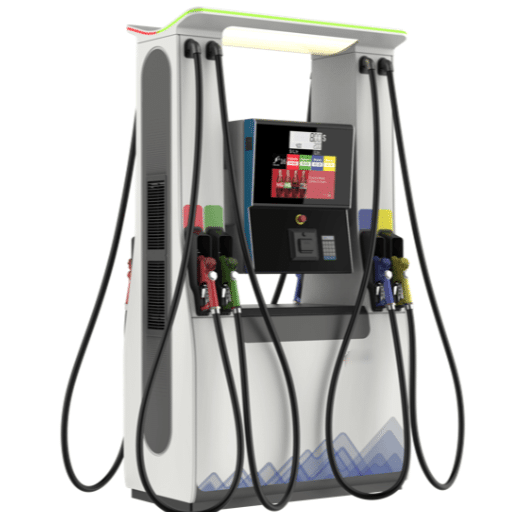
Fuel retail convenience is very critical to winning customers both ways. Consumers prefer quick and efficient service, as the purchase of fuel is usually a task that is a part of their daily activities. Customer satisfaction is doubled when they have features like easy-to-use payment systems, numerous fueling options, and convenient facilities. The joining of convenience stores plus value-added services like car wash or food options also helps in getting regular customers. Giving priority to convenience not only enhances the customer experience but also leads to increased sales and brand loyalty in an already competitive market.
Enhancing Customer Experience at Fuel Stations
For the purpose of improving customer experience at gas stations, the operators should adopt a few measures that are centered on the customer. The first step is to introduce cutting-edge payment technologies that are customer-friendly, like contactless payment systems, mobile app payments, and cashless payment. These technologies will lead to fewer transactions and quicker service. The second measure, if not the first, is the cleaning of premises, security, lighting, and all. The operator’s perception will be good, and trust will be established by the customer. Along with automatic fuel dispenser maintenance, placement of clear signs is also an important factor in the fueling process simplification.
Moreover, having a plethora of options like convenience stores, drive-thru food service, and electric vehicle charging stations will support the idea of being customer-centric since the above-mentioned facilities will cater to the needs of a larger audience. Personalizing services via loyalty programs that grant customers discounts or rewards will certainly be a way of creating a bond with the consumer and will also. In addition, the use of digital solutions to give real-time information to customers about fuel prices, availability, and special promotions will not only be a competitive advantage in the market but also a customer satisfaction strategy over the long haul.
Innovative Features in Modern Fuel Dispensers
The latest fuel dispensers contain the most sophisticated technologies that aim at making the dispensers more efficient, user-friendly, and earth-friendly. The primary breakthroughs are the high-precision metering systems that allow for very accurate measurements of fuel, thus lowering the chances of any discrepancies or losses to almost nothing. The super-easy-to-use touchscreens coupled with the super-secure payment systems make the whole transaction process very smooth and secure. They even accept the old payment methods of credit/debit cards and also use mobile wallets.
Moreover, along with the fuel dispensers, there are now real-time monitoring systems that keep track of fuel consumption, the performance of the equipment, and any problems that might arise. The operators can receive this data straight away, which allows them to do predictive maintenance for equipment and hence, less downtime. Another major advancement is the vapor recovery systems, which not only capture the harmful emissions but also keep the environmental impact very low and meet the stringent regulatory standards during the fueling processes.
Integration of Internet of Things (IoT) is also leading to the transformation of dispensers into smart devices that can be managed remotely, their pricing can be adjusted dynamically, and the communication with customers can be enhanced. All these revolutionary features work hand in hand to optimize the operations, enhance the safety measures, and provide the customers with an even better fueling experience.
Integrating Convenience Stores with Fuel Dispensers
The incorporation of convenience shops alongside fuel dispensing systems is a major trend in the retail gas industry, blending customer comfort with better-managed operations. New-age fuel dispensers have payment systems installed that allow in-dispenser transactions, which means that the customers will not have to wait long and can also get the c-store items and fuel through a single transaction. Billboards on dispensers that are digital dispensers also promote in-store products and thus lead to more revenue streams for the owners.
Internet-connected systems not only make it easier for gas stations to be integrated with the retail sector but also allow for direct communication between dispensers and store systems. This interconnectedness enables management of stocks in real-time, instant promotion updates, and even pricing strategies that are in sync. By taking advantage of consumer data, the operators can make the customer experience a bit more personal— for instance, delivering customized discounts or loyalty rewards at the pump that entice customers to walk into the store.
Moreover, the cutting-edge mobile payment technologies are not only facilitating but also linking the fueling and the shopping experience. When the customers are immersed in the fueling experience, they can order their desired store items from the mobile app at the same time. The digital ecosystem that is so fluid is the one that makes it possible for both the customers and the business operators to have more efficient and even more engaging experiences that translate into solid customer retention and profitability. Physical spaces combined with digital technologies and services make for a modernized, demand-driven retail fuel market.
Leading Brands in the Fuel Dispenser Industry
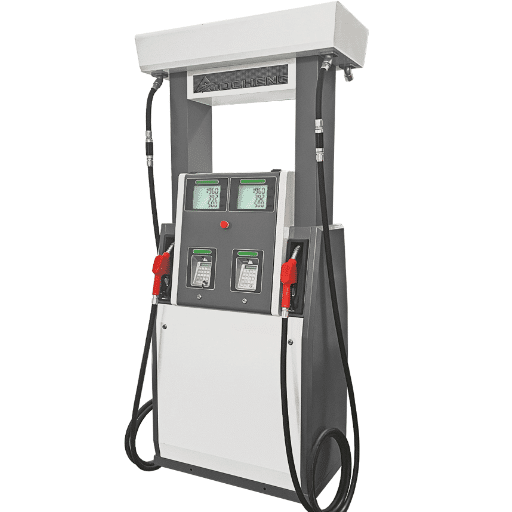
The fuel dispenser industry is ruled by a number of production companies because of their innovativeness, reliability, and worldwide availability. The major players are:
Gilbarco Veeder-Root: This company is famous for its cutting-edge fuel dispensing systems and integrated solutions for both convenience stores and gas stations.
Wayne Fueling Systems: One of the first companies to create energy-efficient and user-friendly fuel dispensers equipped with modern payment technologies.
Tokheim: Known for dispensers and systems with a focus on tough and high-performance, thus making them durable and long-lasting.
OPW: Offers fueling solutions that are not only safe but also compliant with environmental regulations and efficient in terms of operations.
These brands are still at the forefront of the industry thanks to their technological innovations and addressing customer and operational needs that are constantly evolving.
Gilbarco: A Trusted Name in Fuel Solutions
Gilbarco is a worldwide frontrunner in offering cutting-edge and dependable fueling and payment solutions for both retail and commercial applications. The company is recognized for its advanced dispensers, point-of-sale systems, and forecourt technologies, as Gilbarco provides a variety of products that are capable of improving not only the operational efficiency but also the customer experience. Integrated software solutions from the company ensure that payment processing, inventory management, and real-time analytics occur without any hiccups, which in turn meet the requirements of the modern-day fueling settings. Besides, the company not only focuses strongly on sustainability but also creates energy-efficient products like EV chargers through its focus, making the chargers adaptable to the future market needs. Due to its continuous supply of superior quality and versatile systems, Gilbarco can keep up with its image as a reliable ally in fuel tech.
Comparing Industry-Leading Fuel Dispensers
In the course of determining the major fuel dispensers that are presently ruling the market, three large manufacturers have been noticed for their progressive technologies and operational efficiency: Gilbarco Veeder-Root, Wayne Fueling Systems, and Tatsuno Corporation. These players regularly put forward the best and most advanced solutions that suit the varying client needs.
Gilbarco Veeder-Root
The company Gilbarco not only manufactures but also supplies the fuel dispensers with excellent durability, precision, and interoperability. The SK700-II is one of those products that enables smooth interaction with payment systems, monitoring of real-time data, and the use of alternative fuels like biofuels and gas. Such options not only speed up the work but also coincide with the current requirement of environmental care.
Wayne Fueling Systems
The Helix series from Wayne is a product of the company that has attracted attention. It combines the latest aesthetic trends with great utility. The basic wins are personalized fueling services, components that can be extended, and highly secure ways to protect against fraud. Furthermore, Wayne provides user-friendly operating systems and modular systems, thus making their dispensers versatile for different fueling stations.
Tatsuno Corporation
Tatsuno Corporation is known for its precision engineering; hence, its dispensers also provide highly accurate fuel measurement and quick fueling capabilities. Besides, their models are more energy-efficient and can serve the traditional as well as the alternative fuels market. The dispensers of Tatsuno are automated and hence, the company claims that it meets the throughput requirements while at the same time adhering to the global standards set by the oil industry.
These companies are leading the fuel dispenser market mainly because of their innovative designs, technological progress, and commitment to the environment. By providing distinguished features that are not only to customer needs but also to those of the environment, they are still the best in the area of fuel technology solutions.
Choosing the Right Fuel Dispenser for Your Station
The process of choosing the best fuel dispenser for your station is not a simple task. It needs to be done with a lot of consideration, weighing the factors of operational efficiency, customer satisfaction, and legal compliance. Take the first step by determining the fuel types that are available in your station. These may include standard gasoline, diesel, biofuels, or even alternatives like CNG or EV charging. The next step would be to identify the fuel dispensers that can support the fuels you have chosen. One thing that is very important is taking the throughput for the station into account and hence choosing the models with the flow rates that are appropriate for the demand at your station.
Dispensers that have advanced technology will be the ones that you should be looking at, such as digital payment integration, accurate metering systems, and intuitive interfaces. IoT connectivity is one of the modern features that allows the monitoring of the dispensers in real-time and also allows predictive maintenance to the dispensers so that downtime can be greatly reduced and performance can be increased. Besides, the environmental regulations and the industry certifications are some of the factors that you have to consider when choosing the dispensers so that you do not fall into compliance issues.
Do not let the budget limit you in a way that you are overlooking the long-term reliability and efficiency; purchasing the very best, the most durable dispensers will definitely result in fewer repair or replacement needs. Take the time to research what manufacturers are offering and their customer service rating, along with technical support. When you align the capabilities of the dispensers with the needs of your station, you can ensure that service efficiency is at the highest level, operating costs are greatly reduced, and your customers will definitely have a better overall experience.
Future Trends in Retail Fuel Dispensing
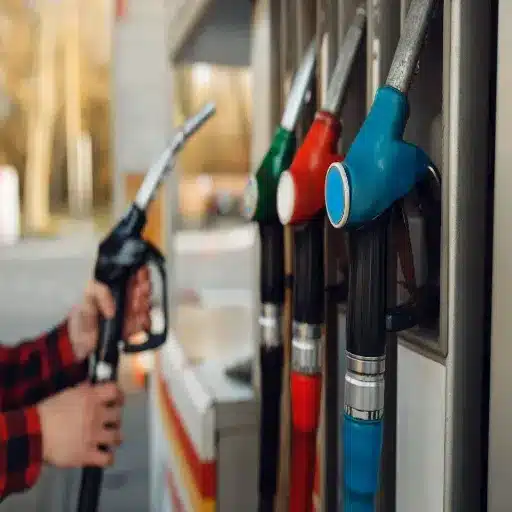
The retail fuel dispensing sector is moving in the direction of technology that is being used more extensively to improve the efficiency of the operation, as well as the customer experience. One major trend is the payment systems that are contactless, thus allowing quicker transactions and better convenience. Furthermore, the technology used in data analysis and connected systems is enabling the fuel stations to have real-time dispenser performance monitoring, which in turn is leading to the reduction in downtime and the optimization of maintenance schedules. Gradually, the switch to alternative fuels, such as electric charging stations and hydrogen dispensers, is also being driven by the rising consumer interest in green power. This is all happening at the same time when the fuel stations are being turned into multipurpose energy centers due to these innovations, and the changing eco-friendly and market needs are also being catered to.
Sustainability and Eco-Friendly Fuel Options
The fuel sector’s sustainability chase is the creation and use of alternative energy solutions that would reduce the environment’s degradation to the least possible extent. Electric vehicle (EV) charging stations are still in the limelight as one of the main solutions, which are supplied with energy from renewable sources such as solar and wind. On the other hand, hydrogen fuel is taking the place of fossil fuels as the cleanest alternative, one of its advantages being that only water vapor is released when it is consumed, thus making it suitable for cutting down greenhouse gas emissions. Besides, there are biofuels from organic matter like algae and agricultural wastes, which are environmentally friendly and, compared to fossil fuels, one of the major advantages they have is the considerably smaller carbon footprint they create. Moreover, developments in carbon capture and storage technologies are targeted at making emissions from already existing fuel sources less damaging to the environment, so as to contribute to a sustainable future. All these innovations are working together to support the world in reaching its carbon neutrality targets while at the same time meeting the increased power demand.
Technological Advancements in Fuel Dispensing
To me, the main focus of advancements in fuel dispensing technology has been on achieving efficiency, accuracy, and environmental friendliness. Automatic systems that use precise metering and real-time monitoring greatly cut down on fuel wastage, making it easy to adhere to the set regulations. Moreover, the use of IoT devices has opened up excellent opportunities for data analytics and predictive maintenance, which in turn has made it possible to reduce the time and money spent on operations. These new technologies are not only making the fuel delivery process more efficient but also helping the sector inch closer to the realization of the green fueling solutions vision, which includes supporting alternative energy sources like hydrogen and biofuels.
The Role of Automation in Convenience Fuel Stations
Automation has changed the game in convenience fuel stations by enhancing operational efficiency, customer experience, and resource management. The major change is the installation of automated payment systems that make transactions easier through mobile apps, contactless payment terminals, and self-service kiosks, which cuts down the time customers spend waiting for their transactions to be complete by a large margin. Moreover, automated inventory management systems are monitoring fuel stocks around the clock with the help of real-time data and issuing alerts to operators for timely replenishment, thus guaranteeing uninterrupted service. Besides, enhanced safety measures such as automated leak detection and emergency shutdown systems are contributing to regulatory compliance while at the same time reducing the risks of environmental damage.
Artificial intelligence (AI) and machine learning are among the emerging technologies that empower the stations to devise better pricing strategies and forecast demand. Furthermore, automated loyalty programs give the customer a unique experience, using data analytics to provide tailored promotions and rewards. The whole lot of innovations, along with digital tools integration, is setting a good precedent for a greener and more economical operation of the fuel station, thus meeting the demand for both efficiency and environmental responsibility that the fuel industry is currently facing.
Reference Sources
Smart Fuel Dispenser Using RFID Technology and IoT
Key Findings: This paper investigates the combination of RFID technology and IoT-based monitoring applied to fuel dispensers. The research points out the advantages of automation, including the accurate dispensing of fuel, real-time monitoring, and increased efficiency in the operation.
US Retail Fuel Companies’ Perceptions Regarding the Adoption-Diffusion of Higher Ethanol Fuel Blends
This study examines the adoption of higher ethanol fuel blends and
Frequently Asked Questions (FAQs)
What is it about the Dover Fueling Solutions (DFS) retail fuel dispensers that makes them field-proven, durable, and easy to maintain?
The retail fuel dispensers from Dover Fueling Solutions (DFS) are practically made choices of field-proven deployment, robust materials, and modular parts that allow for easy maintenance by on-site technicians. Wayne Ovation® and Wayne Helix® fuel dispensers are examples of DFS craftsmanship as they represent maintenance-demanding, less downtime, and longer service intervals in metropolitan islands with high traffic and remote rural areas.
Can the model of dispenser limit the installation to an island or forecourt and consequently non-stop operations?
The model option determines the total number of hoses, working nozzles, and the capability to carry out multi-hose operations. The flexibility of the configuration enables the operators to position single- or multi-hose fuel dispensers and pumps either on the island or in a large forecourt, thereby boosting their throughput. The appropriate configuration will facilitate traffic flow, meet petroleum equipment specifications, and allow for future expansion, which would translate into increased capacity generation at the station.
Have DFS and the Dover company brought along upgrade advice for your forecourt in the form of technologically advanced components?
Yes, indeed, Dover and DFS offer assistance and expertise in upgrading your forecourt with modernized components such as remote monitoring platforms, payment integrations, and suction pumps, where applicable. The upgrades are inexpensive, and their application is aimed at providing ease and flexibility to the operator, thus facilitating the operator’s modernization and turning him into an innovator who can support the future business with minimal disruptions.
Do the Wayne Ovation® and Wayne Helix® fuel dispenser range mean the same thing when it comes to technology and innovation throughout North America?
Definitely, these two models are equivalent to technology and innovation over North America, combining tried-and-tested mechanical design with electronic innovations, remote connectivity, and security features. Such units can cater to a wide range of petroleum products while the operators are assured of compliance; their users’ experience will be just as good as it is for the attendants and customers.
In what ways do remote monitoring platforms, together with on-site control systems, bring about better operations and provide data on fuel?
Operators can get real-time telemetry information about fuel dispensers and pumps through remote monitoring platforms, which enables them to keep track of transactions, inventory levels, and errors without physically being at the location. The data extracted from these high-tech devices, when combined with on-site control systems, can be utilized for several activities, such as directing tram traffic, service planning, shrinkage reduction, and creating layouts of dispensers that offer better throughput and profitability.
Is it worth it to replace older suction pumps, dispensers, or petroleum equipment in metropolitan areas that have a high volume of traffic as compared to rural areas with less traffic?
The answer is location sensitive; however, it is almost always financially savvy to replace outdated suction pumps or dispensers in busy metropolitan areas as well as quiet rural locations, though the different business terms apply. High-traffic sites can instantly enjoy enhanced uptime and faster transactions, while rural operators will reap the benefits of lower maintenance costs and equipment longevity. DFS would assist in estimating ROI based on traffic patterns, dispenser model options, and fuel blend.
What safety and compliance benefits come with the use of such fuel dispensers and pumps that are both easy to operate and have been tested in the field?
User-friendly and field-tested pumps and dispensers contribute greatly to safety enhancement and compliance with regulatory requirements by offering secure payment and vapor recovery options, providing diagnostic alerts for leaks or meter discrepancies, and reducing the chance of operator errors. High technology and certified configurations give assurance that your station meets the local petroleum regulations and environmental standards.
How can I increase my capacity or upgrade my dispenser platform to allow for future needs and innovations that will keep my business going?
To start with, conduct a site assessment to determine the right number of dispensers for installation, the possibility of having multi-hose, and traffic management for capacity expansion. Shifting to a flexible dispensing platform that consists of remote connectivity, modular electronics, and tried-and-true dispenser models allows for gradual growth and simpler incorporation of new payment or branding features. DFS’s expertise and the Dover company’s service offerings will ensure the necessary planning and on-site support to upgrade your forecourt cost-effectively and efficiently.