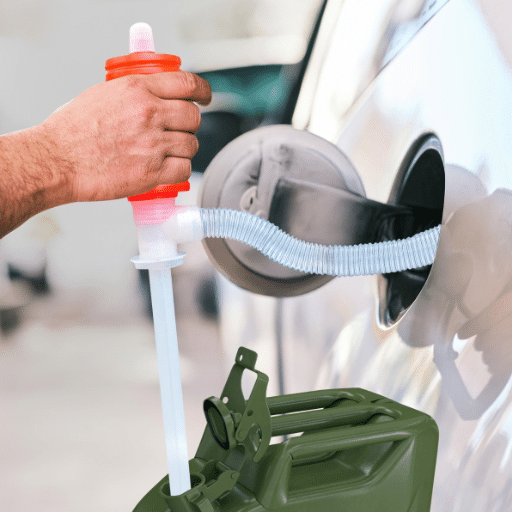
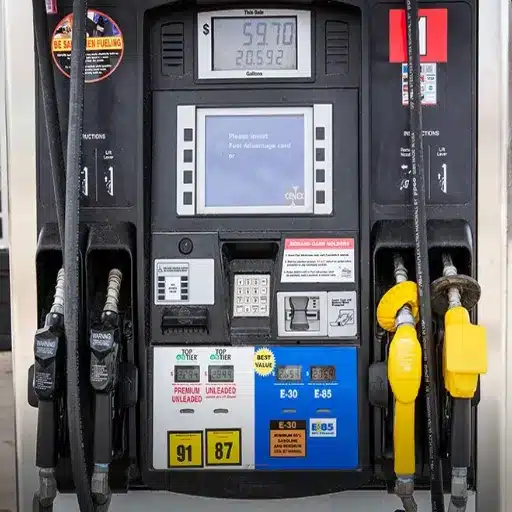
Regular maintenance is a must if you want your car’s engine to perform at its best. The engine’s condition is a determining factor of its performance, efficiency, and overall life. Among the different maintenance procedures, changing the oil is perhaps the most crucial as it will not only keep the engine well-lubricated but also reduce the chances of engine failure significantly. However, it can be a challenge to find the right time during the day to book and get the service done, considering the fast-paced modern world. This is where the oil change services at gas stations come into the picture – they offer the fastest, most convenient, and most reliable solution for the constantly rushing drivers. This paper will analyze the advantages of going for gas station oil change services, presenting the argument that it is the most suitable option for the busiest ones who need high-quality maintenance without interruption to their schedules.
Understanding Oil Change Services

An oil change service involves removing the used engine oil and replacing it with entirely new oil, thereby enabling the smooth and efficient performance of the engine. Oil, regardless of its quality, will eventually become ineffective and lessen its lubricating quality, which is the reason why oil changes are necessary. With lubrication, the engine stays cool and runs efficiently since the parts are lessening the heat caused by friction and also preventing wear. If you really want to be sure about your engine’s output, fuel consumption, and the car’s longevity, then professional oil changes are the ones to help you. Most of the technicians agree that it is best to follow the manufacturer’s recommendations because they are based on the particular necessity of your car model and the driving conditions.
What is an Oil Change?
Changing the oil is a standard car maintenance procedure that consists of removing the old and degraded engine oil and putting in fresh, good-quality oil to maintain the optimal performance of the engine. Besides that, the oil filter that has been used is usually replaced as well in order to stop the contaminated oil from circulating throughout the engine. Thus, all lubricant areas of the engine will receive good lubrication, thus reducing the friction and heat produced during the working of the engine. Putting this into practice, the engine will not only be free of sludge but also suffer less, thus fuel efficiency will be maintained, and the engine will live longer. The specific time frame for an oil change varies according to the type of oil utilized (conventional, synthetic blend, or full synthetic), the way the vehicle is driven, and the advice from the manufacturer.
Types of Oil Used in Services
For oil changes, it is very critical to know the various oils available because it eventually points to the right option that satisfies the car’s needs. Generally, three main types of oils are utilized in automotive services:
Conventional Oil
Conventional oil is produced from crude oil and is mainly used for older cars and engines with simple designs. It gives the basic lubrication function but at a lower cost and requires more frequent oil changes because of its lower resistance to wear caused by high temperatures and stress.
Synthetic Blend Oil
Synthetic blend oil is made up of a mixture of conventional and synthetic oil. Most importantly, it performs better than the conventional one, especially in extreme temperatures, and still costs less than the fully synthetic oil. Consequently, it has become the favorite option for consumers who are looking for the best performance at a reasonable price.
Full Synthetic Oil
The full synthetic oil, in fact, is a man-made compound created to deliver the utmost performance and safeguard the engine. The oil’s attributes include reducing friction, allowing the engine to run faster, and having a longer life even in the harshest conditions. Full synthetic oil is generally suggested for modern and powerful cars, particularly for those that are driven hard every day.
On the other hand, like different oils have different viscosity grades, these have to be matched with the manufacturer’s specifications to guarantee the engine’s effectiveness and reliability. Consult the owner’s manual of your car or contact the certified service provider to get the right oil type and the maintenance change interval.
The Importance of Regular Oil Changes
Timely oil changes are a must for the engine’s long life and smooth operations. The primary function of engine oil is to act as a lubricant that cuts down the friction among the engine parts, thus preventing wear and overheating. When oil ages, it is subjected to heat, contamination, and oxidation, which degrade its quality and result in a loss of its efficiency. Engine wear, sludge accumulation, and ultimately high-priced repairs are the consequences of ignoring the fact.
Sticking to the oil change intervals recommended by the manufacturer results in getting the best performance from your engine. High-tech engines equipped with the latest innovations, such as turbocharging and variable timing, are the most likely to suffer from using old oil. Fresh oil also plays a significant role in keeping the fuel expenses low as it reduces mechanical resistance and keeps dirt away from the internal components.
Regularly neglecting to change the oil can result in a decrease in engine power, higher fuel consumption, and eventually, the engine’s premature breakdown. Always use the oil type and viscosity grade mentioned in your vehicle’s manual for every oil change, and also monitor the service intervals according to your driving habits and conditions.
Choosing the Right Oil Change Location
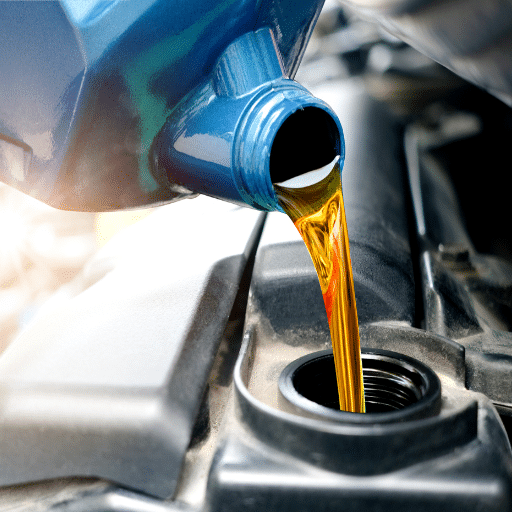
There are several key elements that you should take into consideration while oil change location:
- Reputation and Reviews: Select a service provider whose clients gave positive feedback and who has an established track record of rendering good service. Reliable technicians or repair shops usually get uniform high praise on the internet.
- Certification: Utilize only those technicians who are trained and certified to work on your vehicle’s make and model. The certifications that are offered are commonly in accordance with the industry standards, such as ASE, for instance.
- Cost Transparency: Go for a location that indicates clearly and upfront the pricing for an oil change, including labor and materials, in order to keep unexpected charges at bay.
- Quality of Products: Take it as a fact that the facility will use high-quality engine oils and filters that meet the manufacturer’s specifications for your vehicle.
- Convenience: Operating hours, courtesy car inspections, and other services should matter instead of distinctions of residence and socioeconomic status.
Taking these factors into account will lead to a well-informed decision, with a positive impact on vehicle performance and life.
Benefits of Gas Station Oil Change Services
Gas station oil change services can be considered one of the best and most convenient ways to keep the car in good condition:
Accessibility and Convenience
Gas stations are easy to find, and their extended hours of operation benefit the customers by allowing access to the oil change services at the time that suits them best. Extended services are also provided at many locations, like topping off fluids or checking tire pressure, as part of the service package.
Quick Turnaround
These services are done very quickly; they usually have setups with drive-throughs or express lanes that allow an oil change to be completed in 30 minutes or even less. This is particularly attractive to those people who put speed very high on their list of priorities and do not want to be waiting around.
Affordability
Gas station oil change services are normally way less expensive than specialized auto shops. The competitive prices and the lack of labor-intensive diagnostics contribute to the reduction of the overall cost, which is very appealing to the customers who keep a close eye on their finances.
Routine Maintenance on the Go
An oil change service at a gas station really brings the convenience factor into the picture. It allows drivers to take care of their crucial maintenance needs while on the fuel stop. This visit that serves both purposes saves time and makes the maintenance less of a hassle.
Standardized Procedures
A majority of the oil change centers located at filling stations are adhering to a well-defined procedure and utilizing oils and filters that are approved by the manufacturers. Thus, the service maintains a high level of quality and also meets the requirements of the industry and the vehicles concerned.
The synergistic effect of these advantages shows that gas station oil change services are indeed very attractive for consistent, easy maintenance of the vehicle, particularly for straightforward maintenance requirements.
Factors to Consider When Selecting a Service Location
- Reputation and Reviews: You can ascertain the service center’s condition by reading and checking its ratings online. A continuous stream of positive remarks from customers indicates that the service is excellent; conversely, grievances are an indication that there could be an issue.
- Technician Expertise: Check if the site has expert and certified professionals who are familiar with your car make and model. This certification allows them to use oils and services exclusively designed for your vehicle as per the manufacturer’s requirements.
- Quality of Products: Ask if the station is using good oils and filters that are recommended by the manufacturers. Using bad quality parts will not only make the engine perform poorly but also shorten its life.
- Pricing Transparency: Watch out for very clear pricing plans that include the price of the service and all the extra charges. Do not go to service stations that do not disclose their pricing or recommend services that are not really necessary.
- Wait Times and Convenience: Make your choice for a service station that has reasonable delay times and operates at convenient hours. Some places might even have things like online scheduling to make the whole process even more convenient.
- Warranty and Guarantees: Discover if the establishment has warranties or customer satisfaction guarantees for their oil changing service. It is an indication of commitment to quality and accountability.
Evaluating these factors is a task that requires a lot of caution on the part of the drivers so that they are sure to select a service center that suits their needs and also maintains their cars in excellent condition.
How to Find a Convenient Oil Change Location
Making a choice of an oil change place that is the most convenient for you means that you have to consider factors such as proximity, service quality, and efficiency. Moreover, with the help of Google Maps or similar navigation platforms, start your search for oil change services at the place of your residence and see what is nearby. Then, it is advisable to take care of those having the best customer ratings because they usually mean that the service was good and the customers were happy.
Then check the available services at the different locations. Besides, look for such additional amenities as making appointments online, operating hours that go beyond the regular ones, or free inspections. Often, the places that give clear information about the prices and have routine maintenance packages are supplying a lot and being open at the same time.
Finally, investigate the experience and qualifications of the place. Look for the facilities that hire certified technicians and lube up the vehicle according to the manufacturer’s recommendations for oil changes. This not only means good care of your car but also that the warranty will be saved. Thus, the drivers can quickly find the oil change provider that is not only in their area but also up to their standards by simply applying these research strategies.
The Oil Change Process
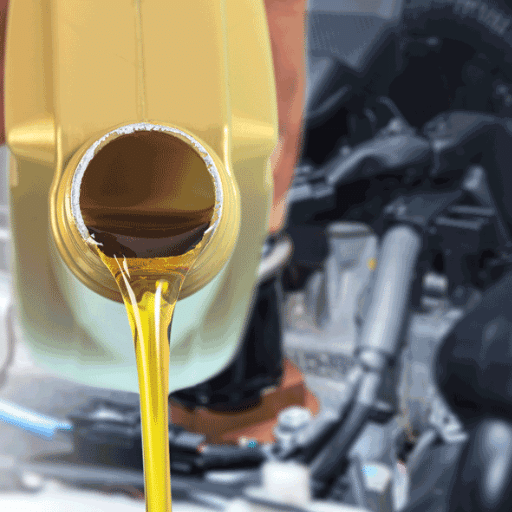
The oil change procedure consists of several essential steps to make sure that the engine is running smoothly and well lubricated:
Step 1: Preparation— First of all, the car is put in a safe place, and the engine is allowed to cool down if it is hot from recent usage. The necessary tools and materials, such as new oil and an oil filter, are collected.
Step 2: Draining Old Oil— Remove the drain plug and allow used oil to fall into a pan, which will remove diseased oil along with impurities.
Step 3: Replacing the Oil Filter— First, the old filter is removed from its location so as to be replaced by the new one. The removal helps to keep the dirt from the engine without being transferred along with the oil.
Step 4: Adding New Oil— Fresh oil is supplied to the engine according to the manufacturer’s standards, and it is then put in the corresponding compartment that is marked. It is extremely crucial to apply the exact type and quantity of oil that is specified for the car.
Step 5: Final Checks— The engine is run for a short time, after which the drain plug is secured, leak detection is done, and proper new oil circulation is verified. Then the oil level is checked once more, and in case it is insufficient, it is replenished.
Having increased the engine life, this method also gives the vehicle the capacity to work with its full potential.
What to Expect During Your Appointment
A complete service procedure will be performed by a skilled technician during your oil change visit to ensure proper engine servicing of your car. To start, they will confirm the correct oil and filter for your car as per the manufacturer’s specifications. The old oil will be drained, and the oil filter will be replaced. New oil will then be added, strictly observing the precise volume and specifications required for your engine. The technician will perform a comprehensive inspection of belts, hoses, fluid levels, and air filters to uncover any issues. After this, the vehicle will be driven for a short distance to check oil circulation, and then the oil level will be rechecked with any last adjustments made if required. All this means the engine will remain in peak condition, and its life span will be the longest possible.
Typical Duration of an Oil Change Service
The standard oil change service lasts normally from 15 minutes to 45 minutes. This schedule may change from one service to another based on, for example, the car brand and model, the kind of oil (conventional or synthetic), and the service provider’s speed, if at all. The majority of newer cars have smoother systems that make it easier to change the oil, but inspections may take longer, including the time for filter changes and dealing with unexpected problems. Going to a professional service center means not only an oil change that is thorough and fast, but also one that does not violate the manufacturer’s warranty for your car.
Additional Services Offered During Oil Changes
Professional oil change services usually come with different additional maintenance checks to ensure that your vehicle is in the best possible running condition. In most cases, these services include changing the air filter and monitoring it if needed, keeping an eye on the fluid levels of various parts such as brake fluid, transmission fluid, coolant, and windshield washer fluid, and refilling them if necessary. Tire checks, which consist of checking the pressure and evaluating the tread depth, are often conducted to reduce the risk of misalignment and to promote safety. In addition, the service provider might carry out a visual examination of the crucial systems, such as belts, hoses, and the battery, to prevent any potential issues from becoming more serious. All these extra services are performed simultaneously with the oil change, thus prolonging the vehicle’s life and enhancing its performance while also complying with the manufacturer’s maintenance recommendations.
Types of Oil Change Services Available

| Service Type | Description | Best For |
|---|---|---|
| Conventional Oil Change | For this service, standard motor oil is used, which provides basic engine protection. | Suitable choice for older vehicles or those with simple engine designs. |
| Synthetic Oil Change | Synthetic oil is made to perform better, giving better lubrication, endurance, and protection during extreme temperatures. | Perfect for modern or high-performance engines. |
| High-Mileage Oil Change | This oil type is specially made for cars with more than 75,000 miles on their clocks. It helps to stop leaks and burn-off while making the engine last longer. | Vehicles with over 75,000 miles. |
| Blend Oil Change | A combination of both kinds of oils, offering a good mix of performance and price for cars that ask for a little more protection and thus have moderate use of the oils. | Vehicles with moderate usage needs. |
Similar to how the change of oil, the different types of oil serve the various needs of the engines. The performance and durability of the oil depend on the vehicle’s age, the number of miles driven, and the manufacturer’s suggestions, and thus, the right type of oil will be the one that is used.
Conventional vs. Synthetic Oil Changes
Composition and performance are the two major factors that distinguish conventional oil from synthetic oil the most. The principal source of traditional oil is crude oil extraction; less processing is necessary, and the output is of lower purity. It is usually less expensive and adequate for old engines or vehicles that are not used much or moderately. However, conventional oil does not withstand high temperatures and, hence, has to be replaced more often.
On the other hand, synthetic oil is the result of a well-controlled chemical process that removes all the unwanted materials and at the same time, enhances the molecular structure of the oil to provide even better performance. The main advantages of synthetic oil include superior lubrication, even higher thermal stability and greater resistance to breakdown caused by high or low temperature and strain. It is the most suitable oil for modern cars, racing cars and those working under extreme driving conditions. While it may be pricier, synthetic oil still proves to be a cost-effective option over the long haul as it increases engine protection and, consequently, the intervals between oil changes can be stretched.
Ultimately, the choice of oil, either conventional or synthetic, should depend on the vehicle manufacturer’s recommendations, the vehicle’s age and mileage, and the driver’s specific needs regarding usage.
Specialized Services for Diesel Engines
Diesel engines are quite complex machines, which need very particular maintenance in order to run well and survive a long time. The major services that are carried out include the usage of diesel-specific oils for regular oil changes, diesel-engine cleaning and inspection, and checking of glow plugs or spark plugs to ensure ignition is effective. Also, monitoring and changing of air and fuel filters are carried out as part of the maintenance because diesel engines are highly sensitive to dirt. It often takes advanced diagnostics to troubleshoot problems that are unique to diesel systems, such as the efficiency of the turbocharger and the management of emissions through diesel particulate filters (DPF) and selective catalytic reduction (SCR). It is very critical to follow the correct maintenance schedules according to manufacturers’ guidelines in order to prevent costly repairs and have the engine running efficiently through a variety of loads and conditions.
Choosing the Right Oil for Your Vehicle
The selection of the appropriate oil for your car is a significant step in maintaining the engine’s top performance, longevity, and fuel efficiency. First, find the manual of your car; one among all the details and recommendations issued by the maker will be the viscosity grade (for example, 5W-30 or 10W-40) and type of oil (conventional, synthetic, or synthetic blend). These parameters are the basic ones that ensure compatibility with engine parts and the environment.
When oils are compared, it is wise to prefer the ones that at least meet the requirements of the industry certifications, APIs (American Petroleum Institute), or ACEA standards (Association des Constructeurs Européens d’Automobiles). Furthermore, take into account the weather pattern in your area—multi-grade oils are created to work efficiently throughout a wide temperature range, providing cold start protection as well as high-temperature stability.
In extreme conditions and high-performance engines, synthetic oils are usually preferred because of their great resistance to thermal degradation and better lubrication properties. Still, they are expensive. Besides price, other factors must be taken into consideration, such as the age and mileage of the engine; in case of engines that are not brand new, it is better to use high-mileage oils with special additives to stop leaks and protect seals.
The most suitable way to do it is to partner the recommendations for the oil change intervals with the choice of a product that meets the specifications of your vehicle, because this not only guarantees optimum engine performance but also prolongs its life. Trust your intuition and consult a reputable mechanic for advice; it always leads to a correct decision.
Maintaining Your Vehicle with Regular Oil Changes

Oil changes are required for every car if you want it to run smoothly, and also if you want to avoid the engine wearing out. The primary role of the engine oil is to provide lubrication to the moving parts, decrease friction, and help in the heat dissipation so the engine stays at its peak temperature. However, the oil can only be good for a limited period, and then it deteriorates to a mixture of dirt and other particles, which leads to a high wear rate of the engine parts. If the oil is changed according to the recommendations made in the owner’s manual, the impurities will be removed, and the lubrication will be of the proper quality, which, in turn, will improve engine performance and life. On the other hand, failure to change the oil will result in expensive repairs, particularly due to sludge buildup and reduced engine power.
How Often Should You Schedule Your Next Oil Change?
The oil change frequency is influenced by many factors, such as the type of oil, the driving habits of the driver, and the recommendations of the manufacturer. Conventional oil usually has a replacement interval of 3,000 to 5,000 miles, while synthetic oil is commonly changed at 7,500 to 15,000 miles. Furthermore, many modern automobiles come with engine monitoring systems that alert the owner to an oil change according to the car’s performance and the driving conditions. It is a good idea to check the owner’s manual for the specific recommendation from the manufacturer, as it is very important to follow the suggested schedule in order to keep the engine working efficiently and to avoid the risk of wear and tear or damage due to improper maintenance.
Signs Your Vehicle Needs an Oil Change
Based on my own experience, I have recognized and even begun to expect some major indicators that signal the necessity of an oil change. To give you an example, I always take the dashboard light as my starting point; if the oil pressure light comes on or the oil change warning light is activated, this could not be more obvious. Besides, I watch the engine working—when it is not as smooth, it has to be louder, or produce strange noises, this is a very clear message. Moreover, I use the dipstick to check the condition of the oil; dark, filthy, or gritty oil is another indication. In addition, too much exhaust fume or the scent of burnt oil could mean that the oil is ready for change already. With the help of these indicators, I can ensure that my engine does not suffer any malfunctions.
Tips for Keeping Track of Oil Change Services
- Maintain a Service Log: Keep a strict track of oil changes that will include date, mileage, and type of oil used in either a notebook, an app, or a vehicle service history tracker that is solely dedicated to this purpose. This tactic secures a quick reference and puts an end to the risk of going past the due time.
- Set Reminders: Configure reminders using mobile apps, phone calendars, or technology from earlier recommendations made by the car manufacturers, according to mileage or time frames.
- Follow Manufacturer Guidelines: Consult the owner’s manual of your vehicle for the specific oil change intervals recommended by the manufacturer. Adhering to these rules will not only prevent the oil from being disposed of earlier than necessary but will also contribute to the engine’s longevity.
- Monitor Dashboard Alerts: Oil life monitoring systems or “change oil soon” lights are among the features present in many modern cars. Always deal with these alerts as soon as they pop up, thereby keeping the engine performance at its best.
- Keep Records With Your Mechanic: If your mechanic does the oil changes for you, ask him for the service receipts. Besides, maintain digital or paper copies so that the service history is easily accessible for you to check.
In summary, the implementation of these measures assures that your vehicle will have a routine oil change service, thus extending the life of the engine and concurrently reducing the chance of unrepairable issues arising.
Reference Sources
A Brief History of the Gasoline Service Station
This article explores the evolution of gas stations, including the addition of services like oil changes.
This book provides a comprehensive history and analysis of gas stations, including their role in offering automotive services.
Effect of Customer Service Modernization on Customer Satisfaction in Shell Petrol Stations in Oman
This study examines how modernized services, including oil changes, impact customer satisfaction at gas stations.
Frequently Asked Questions (FAQs)
Check: What methods do the gas station oil change services use for checking the oil in your car?
The majority of the service stations will determine the level and quality of the oil by pulling up a dipstick and looking for the color, thickness, and possible metal particles; they might further evaluate motor oil for your automobile to make it clear whether a standard oil change or a synthetic one is recommended for keeping your vehicle running smoothly and efficiently.
Lube and maintenance: What does an auto center do with a lube job?
A typical lube service consists of the replacement of motor oil, the replacement of the oil filter, the lubrication of chassis parts, and a small inspection of other parts, such as belts and hoses; this preventive maintenance is economical and is intended to provide a quick, reliable, and trustworthy service that keeps your car safe and functional.
Car courtesy: Will a courtesy inspection be given to the customer for an oil change?
Yes, a lot of gas station oil change services offer a courtesy inspection that may include checking tire pressure, fluid levels, battery terminals for corrosion, and visual inspection of undercarriage metal components; such checks assist in spotting problems early before they turn into expensive repairs.
Motor oil and conventional oil: How can I determine if conventional oil is suitable for my car?
The manufacturer prescribes the type of oil in the owner’s manual; conventional oil could be suitable for engines aged or if the vehicle’s mileage is within standard, whereas synthetic oil is usually beneficial for the engines. Car technicians will identify the needs of your car, recommend the motor oil corresponding to your driving habits, and provide guidelines from manufacturers — such recommendations might differ for various models.
Tire and 15 minutes: Is it possible to do an oil change and tire rotation in 15 minutes?
A lot of gas station centers promote quick service and are capable of performing a basic oil change along with a swish tire rotation in about 15 minutes, but the actual time might be different depending on car type, the need for brake inspection or adjustment, or if extra services are required; safety remains our priority while we strive to offer swift, efficient service.
Auto center: What quantity of oil will the service give to my engine in quarts?
The personnel on duty will refer to your car’s specs to find out what the exact quarts count and the right viscosity are; typically, between 4 and 6 quarts are required for most passenger cars, and the center will provide just the right amount so that there is a proper oil pressure with the lubrication of all engine parts.
Customer maintenance: How do oil change services protect against engine wear and metal damage?
Through the process of constantly changing the oil, the impurities in the oil are getting removed, and the lubrication is restored, friction between the metal parts is reduced, and ultimately, premature wear is prevented. Besides, this maintenance keeps the fuel economy at the same level. The manufacturers indicate that the maintenance intervals should be followed strictly in order to get the best results.
Check and inspect: What extra inspections are carried out to ensure my vehicle runs smoothly and efficiently?
Besides replacing oil and filters, other maintenance services will include air filters, belts, hoses, tire tread and pressure, and fluid levels checking; also, they might adjust tire pressure, top off fluids, and provide a comprehensive report of any problems detected, allowing you to take right decisions about repairs.