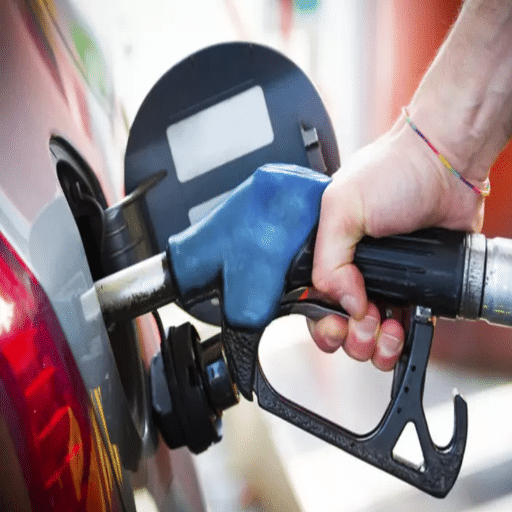
About 4,150 fires erupt on average in petrol stations throughout the USA every year. It results in about 3 lives, 43 injuries, and $30 million worth of direct property loss every year. These stats, presented annually by the National Fire Protection Association, are not to raise an alarm to the operators but remind them that every fire has a catalyst. Most of them are associated with equipment that was not available, too old, or plainly neglected over time.
For a fuel station or gas station construction works, gas station safety equipment is not just something one has to buy to be compliant. This is rather the only thing that ensures that your personnel survives, the licenses remain valid and the investments are not lost. Nonetheless, many project managers demonstrate neglect in safety and only purchase fire extinguishers and spill kits once the auditor insists on credible evidence.
Guides contain a wealth of information about the safety equipment every fueling station has, and which type of safety codes are prepared in different locations such as the United States and Europe, the Middle East, and China, and what prices would be in place if real extensive safety control measures are to be constructed. Also mentioned is a Gas Station Safety Checklist that is structured in terms of how often certain inspections are to be carried out, that is, daily, monthly and annually.
What you will learn:
- The seven categories of gas station safety equipment every project needs
- How NFPA 30A, OSHA 1910.106, EPA 40 CFR 280, and ATEX standards affect your specification
- A complete inspection checklist for daily, monthly, and annual compliance
- Real cost ranges for safety equipment across station sizes
- How to integrate safety systems into a complete Chinese gas station equipment build
Mini-story: The $180,000 spark
It was during a hot day that a malfunction caused dynamics in the temperature gauges of the Class I Division 1 rated area of an oil facility outside Dallas. The resulting sparks set off the fumes blowing out from the storage area. The fire consumed two gas pumps and pulled down an entire structure supported by the steel beams. But the insurance adjusters did not want to pay, and as an excuse they informed the owner about some imperfections with the electrical equipment. The owner however parted with 180,000 dollars for the damage repairs. The inspection would have cost 800.
What Is Gas Station Safety Equipment?

Safety equipment in gas stations refers to sophisticated systems and structures that are installed in every gas station to protect the environment and people in proximity to a gas station from the risks of fire during the storage and distribution of petroleum products. This encompasses among others, firefighting equipment, emergency shutdown systems, containment of spills, vapor recovery as well as hazardous area electrical systems, building control and PPE.
There is a critical difference between safety and safety practices. Hardware, in this case, is the physical material that assists in reducing potential hazards. This involves processes and work practices that support the effective functioning of the built-in protection. A fire extinguisher hanging on the walls is a piece of hardware, whereas monthly verification of its pressure gauge is a practice. Both are vital. One cannot do without the other.
For project integrators sourcing a complete station, fuel station safety should be engineered into the design from the first drawing, not added during final inspection. When you specify explosion-proof gas station equipment early in the procurement process, you avoid the costly retrofits and change orders that derail timelines.
Planning a complete station build? Explore our turnkey gas station construction packages that integrate certified safety systems with dispensers, tanks, and canopies from day one.
Fire Suppression Systems for Gas Stations and Emergency Response
Gas station fire safety begins with suppression. Fire is the hazard that every operator fears and every regulator tests for first. The fire suppression layer of gas station safety equipment has three components: portable extinguishers, fixed fire suppression systems for gas stations, and emergency fuel shutoffs.
Portable Fire Extinguishers
According to OSHA 29 CFR 1910.157, fire extinguishers must only be available for use within the fueling area within 50 feet distance. For gas stations, Class B extinguishers with the capability to handle flammable liquids will be the standard, with a minimum rating of at least 10B: C. The extinguishers must be fixed in an open position, visible, and checked monthly for pressure and seal condition. Qualified people carry out fire extinguisher service and the cylinders undergo hydrostatic testing as per different cylinder ratings, that is, every 5 or 12 years.
Fixed Fire Suppression Systems
For large stations, truck stops, and facilities with tank storage above the ground, “wet water” fixed fire suppression systems are also needed. These amount to foam-based systems for fuel fires because they are able to cover the liquid and turbo gases. Protection systems based on clean agents like inert gas systems and Novec 1230 are highly recommended for such areas as control rooms and electric vaults, which should not be allowed to get wet.
In 2025, the revised version of OISD 116, India’s Petroleum Storage Fire Protection Code, introduces automatic water spray systems in Class A petroleum storage tanks over 190 cubic meters. This trend is being seen among the requirements of the fire suppression systems across Asian countries and most countries in Africa as well.
Emergency Shut Off Systems for Fuel Stations
Every dispensing installation needs emergency shut-off systems fuel station operators can rely on. A master emergency shutoff stops fuel flow to all dispensers instantly. NFPA 30A requires this shutoff to be accessible, clearly labeled, and located more than 20 feet but less than 100 feet from the dispensers. Individual dispenser emergency stops are also required. Testing these systems monthly is not a suggestion. It is a survival protocol.
Mini-story: The monthly check that saved a life
Piotr owned a family-run station outside Warsaw. Every first Monday, he tested the master emergency shutoff before the morning rush. In March 2024, a delivery driver overfilled Tank 3. Fuel surged up the vent line and began pooling on the concrete. The attendant hit the master shutoff. Flow stopped. Deputy chief of the district fire department, however, was sure that without an appropriate shutoff, the fuel would be on the main electric switchboard of the station in a minute and a half. Piotr’s $400 fast shut off valve prevented this happening.
Spill Containment Equipment and Environmental Protection

A fuel spill is an environmental incident before it becomes a fire. The spill containment equipment layer of gas station safety equipment prevents released fuel from reaching soil, groundwater, or storm drains.
Spill Response Kits
All places are advised that a spill response kit should indeed be present within the fueling station site and that it must comply with health and safety. A proper spill kit shall include petroleum-rated absorbent pads, rolls, oil containment booms, disposal bags, non-sparking tools and the necessary PPE as may be required. Also, the capacity should allow for the largest compartment or hose, or as per the given scenario, which is the worst one likely to occur during operations of the station.
Under-Dispenser Containment
Under-dispenser containment sumps and fill port spill buckets must be kept clean and dry. EPA 40 CFR Part 280 requires periodic testing of these containment systems. A sump holding liquid fuel indicates a leak, a failed seal, or a delivery overflow. Any liquid in a containment sump is a red flag that demands immediate investigation.
Secondary Containment Systems
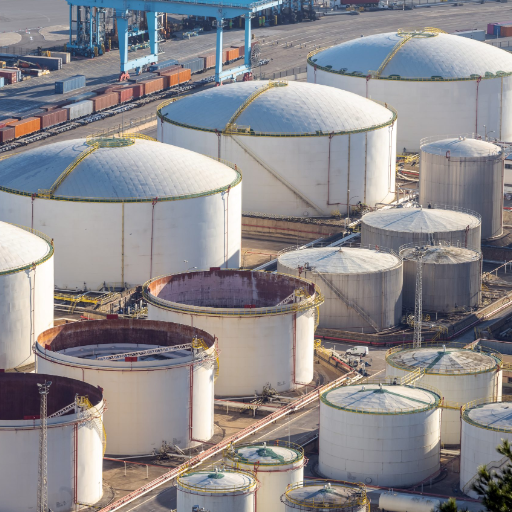
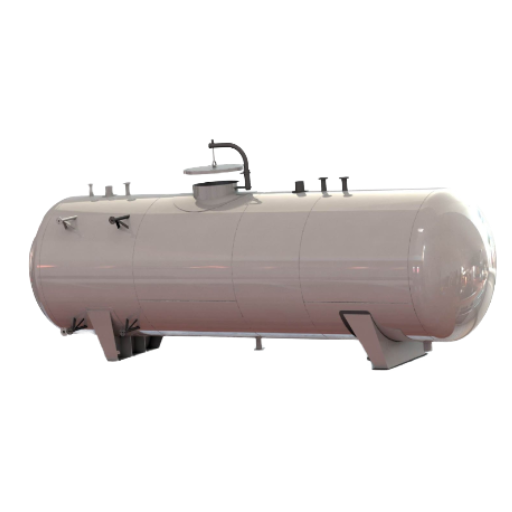
Double-wall storage tanks with interstitial monitoring and overfill prevention devices provide secondary containment for the most critical part of any station: the fuel inventory. If the primary tank wall fails, the secondary wall captures the release. For stations sourcing SF double wall tanks from Chinese manufacturers, specifying tanks with built-in interstitial monitoring ports simplifies leak detection integration.
For a deeper look at tank-level environmental protection, see our guide to fuel storage tank solutions that covers secondary containment, leak detection, and regulatory compliance.
Vapor Recovery and Air Quality
Fuel vapors contain benzene and other volatile organic compounds that are both fire hazards and health risks. Vapor recovery systems are a required component of gas station safety equipment in most jurisdictions. They capture these emissions during delivery and dispensing.
Stage I vapor recovery prevents vapor escape during tanker truck unloading. Stage II systems, where still mandated, capture vapors at the dispenser nozzle during vehicle fueling. Both are standard gas station safety equipment requirements in regulated markets. In the United States, CARB standards in California and similar state-level rules set the strictest requirements. In Europe, the ATEX framework and national environmental agencies govern vapor control.
Fixed detectors, commonly placed in the vicinity of service stations, such as close to dispensers, tank vents, and the tank-truck parking space, are configured to detect the presence and level of any mix of gases alarming in a controlled manner. A change in the 2025 OISD 116 standard is the provision of automatic detection of gas at the loading trends and LPG terminal areas which is now mandatory due to the increasing interest in controlling the quality of air in meters.
Hazardous Area Electrical Safety
The fueling forecourt is a classified hazardous location. Under NFPA 70, areas around dispensers and tank openings fall under Class I, Division 1 or Division 2, depending on vapor presence under normal or abnormal conditions. Every electrical device in these zones must be rated for the classification.
Explosion-Proof Lighting for Gas Stations
Explosion-proof lighting gas station fixtures have replaced traditional incandescent and fluorescent units in modern stations. These LED systems offer longer lifespans, lower energy consumption, and compatibility with smart monitoring systems.
The worldwide market for these types of lighting that was resistant to both fire and explosions was estimated at around $445.7 million by the end of the year 2025, with the oil and gas segment accounting for more than 45% of the overall market.
When specifying lighting, verify the certification mark matches your target market. ATEX-certified fixtures are required for European Union member states and many Middle Eastern jurisdictions. UL-listed equipment is standard for North America. For a technical deep-dive on certification differences, refer to our guide on explosion-proof gas station equipment standards.
Grounding and Bonding
Static electricity generated during fuel flow can arc and ignite vapor. Proper grounding and bonding at dispensers, tanks, and delivery connections prevent this. Any gas station safety equipment specification for hazardous areas must include verified grounding continuity. All conductive components must be bonded together and grounded to earth. Ground fault monitoring systems detect breaks in this protection chain before they create a hazard.
Emergency Lighting and Signage
It is a necessity that such lighting be present also in all service stations with shops and similar areas. It is also mandatory to have adequate labeling indicating the grade of fuel, no lights zones and emergency contacts. The lettering on the safety signs should be 50 millimeters high as per local codes.
Structural and Physical Protection

Comprehensive gas station safety equipment addresses more than fire and vapor. Physical impact and structural failure can release fuel and create ignition sources. Impact barriers and bollards around dispensers, tank fill ports, and electrical equipment prevent vehicle collisions. Steel bollards set in concrete foundations and spaced to block vehicle intrusion are standard. For stations with gas station canopy design requirements, structural steel must be rated for wind and snow loads appropriate to the region.
Payment terminal protection gadgets and cameras against abuse and tampering are more than effective. While they may not fall under the gas station safety category, these devices significantly reduce most of the human factor-related issues that account for equipment damage and fuel spill hazards.
Personal Protective Equipment
No strategy consisting of safety functionalities in a gas station composition can neglect the protection of the individuals who handle all the processes in the service bays. Employees operating fuels, servicing motor vehicles, and dealing with spillage make sure they have personal protective equipment. What applies to such a kit is flame bigotry with a fabric achieving level B1 according to the EN ISO 11612 and also complying with EN 1149 standard. Chemical protective apron and boots, suitable eye protectors conforming to EN 166 specification and high visibility jackets are the other additional kit items that are used by all pump attendants.
Gas Station PPE has gone through an evolution with time and also with the current provisions of different states’ Environmental and Labour Laws. Should a concentration of a vapor or gas approach or exceed the level of its toxic threshold limit value, it becomes necessary for all operators, especially during loading, unloading of tanks and entering confined spaces. For most fuel handling tasks, half-mask respirators with organic vapor cartridges are the base level.
The Daily, Monthly, and Annual Safety Checklist
Checklists for the safety of gas stations serve as the basis for the work of the safety program in service stations. The most efficient operators split the checks achieved into three timeframes, which are daily, monthly and then annual. This system also allows for efficiency as the organization achieves equal and equitable distribution of the inspections, so that the middle way takes care of problems faster.
Daily Inspections
- Inspect fuel dispenser hoses, nozzles, and breakaway fittings for cracks or leaks
- Verify emergency shutoffs are accessible, clearly labeled, and unobstructed
- Check fire extinguisher pressure gauges and mounting security
- Confirm spill kits are stocked and accessible
- Review automatic tank gauge readings for anomalies
- Inspect under-dispenser sumps and spill buckets; they must be clean and dry
- Check vapor recovery system indicators for proper operation
- Verify no-smoking and stop-engine signage is visible and legible
- Ensure canopy and forecourt lighting is functional
- Walk the site for trip hazards, standing water, or fuel odors
Monthly Inspections
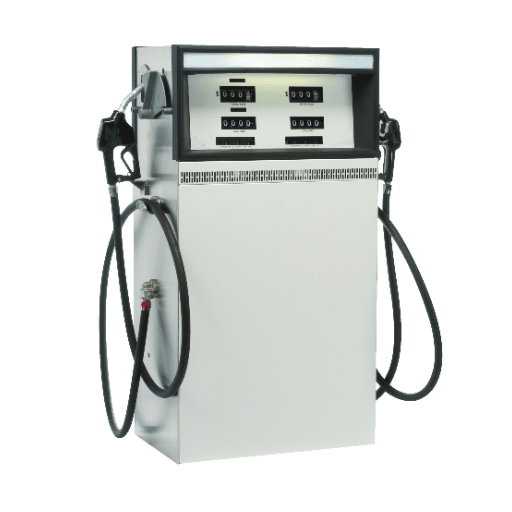
- Test dispenser emergency stops for proper operation
- Inspect fire extinguisher inspection tags and pressure levels
- Test gas leak detector alarm functionality
- Inspect electrical conduit, junction boxes, and lighting in hazardous areas
- Review hazard communication program and SDS accessibility
- Check impact barriers and bollards for damage or displacement
- Verify security cameras and emergency lighting are operational
- Review delivery records against tank gauge data for discrepancies
Annual Certifications
- Schedule professional fire extinguisher maintenance and hydrostatic testing
- Conduct fixed fire suppression system inspection by certified technician
- Perform UST tightness testing per EPA or local schedule
- Complete cathodic protection survey by corrosion specialist
- Test spill bucket integrity and containment system function
- Conduct vapor recovery performance testing where required
- Audit PPE inventory and replace expired or damaged items
- Review and document staff training on spill response and emergency procedures
Regional Compliance Differences

Regulations regarding the need to prep fuel stations with health and safety gear and technology vary from country to country. In particular, in Europe, risky electrical equipment used in health and safety measures required in fuel stations is usually required to be well labelled with ATEX markings. To this end, the outlets that have come directly from China are inspected and the document does not comply with the requirements of the market in which the product is intended to be released.
| Region | Governing Standards | Key Requirements |
|---|---|---|
| United States | NFPA 30A, OSHA 1910.106, EPA 40 CFR 280 | Class I electrical ratings, 0.2 gph leak detection, fire extinguishers within 50 ft |
| European Union | ATEX Directive 2014/34/EU, EN standards, Seveso III | ATEX certification for Zone 1/2 gas station safety equipment, EN ISO 11612 PPE, vapor recovery |
| China | GB50156-2021, GB/T standards | Hazardous area equipment ratings, fire suppression for tanks, environmental monitoring |
| Middle East & Africa | SASO (Saudi Arabia), SONCAP (Nigeria), ESMA (UAE) | Regional certification marks, fire marshal approval, import conformity documentation |
This is of strategic importance to those who wish to make investments outside of their country’s regulatory standards, as a reference should be set at bidding and not at the time of export. A manufacturer from China can include ATEX, and so can UL, or SASO, among others, in the equipment. Only those conditions should be included in the purchase order. Self-standing institutions are also practical in the industry.
Mini-story: The inspector’s first question
Maria handled purchasing duties related to a new four-pump station project in Nairobi. She had just got in tanks, dispensers and canopy from a Chinese vendor. They arrived on time. They were installed. Everyone was happy. When fire marshal came for final inspection, the first think he asked about was not the tanks included but rather the drought electrical panel. He asked “where is the spill kit” which the sub contractor had forgotten. Opening was postponed by approximately three weeks as the SONCAP documentation was amended and re – submitted. A simple gas station safety checklist would have uncovered it within minutes.
Cost Overview: Budgeting for Gas Station Safety Equipment
Labor, or safety items in gas stations, fill smaller amounts of the total station capital cost, yet protect the whole investment.
| Equipment | Unit Cost | Typical Station Requirement |
|---|---|---|
| Portable fire extinguishers | 150−400 each | 4-6 units per station |
| Emergency shutoff system | 800−2,500 | 1 master system |
| Spill containment kit | 300−800 | 2-3 kits |
| Explosion-proof LED fixtures | 200−600 each | 6-12 canopy and area lights |
| Fixed fire suppression | 5,000−25,000 | 1 system for larger stations |
| Gas leak detectors | 400−1,200 each | 2-4 detectors |
| PPE set per worker | 200−500 | Varies by staff count |
For a typical four-pump retail station, total safety equipment investment ranges from 12,000 to 35,000, depending on local code requirements and station configuration. This investment should be viewed against the $30 million in annual property damage from station fires in the United States alone. Prevention is always less expensive than recovery.
Ready to specify safety equipment for your project? Contact our technical team for a site-specific assessment that integrates fire suppression, spill containment, and hazardous area electrical systems with your complete fuel storage tank solutions and station infrastructure.
Conclusion
Gas station safety systems stand as the core structure on which everything else within the station runs. In their absence, storage tanks, canopies, and dispensers are a danger to their operators. An appropriate safety procedure or structure goes a long way in protecting workers, the property and customers from hazards such as fire, spill and vapor as well as from electricity while helping your business comply with the various provisions of the law.
Key takeaways:
- Fire suppression, emergency shutoffs, and spill containment form the core safety triad for every station
- NFPA 30A, OSHA 1910.106, and EPA 40 CFR 280 set the baseline in the United States; ATEX, GB50156, and regional standards apply elsewhere
- A daily, monthly, and annual inspection checklist prevents small problems from becoming catastrophic failures
- Total gas station safety equipment investment for a four-pump station typically ranges from 12,000 to 35,000
- Certifications must be specified at procurement to avoid customs delays and inspection failures
It doesn’t matter if you are improving an existing object or creating a new technical station from building infrastructure for safety; you should handle safety with the same attention and care as you do for fuel management systems, gas station canopy design, and storage facilities. Also, compliance arises automatically whenever one sources from a vendor that includes safety elements in all designed systems, as opposed to what is conventionally done during the very last stage.
Ready to build a station where safety is engineered in from day one? Contact our technical team to help you formulate the gas station safety equipment specification baseline and regulations for your particular market.