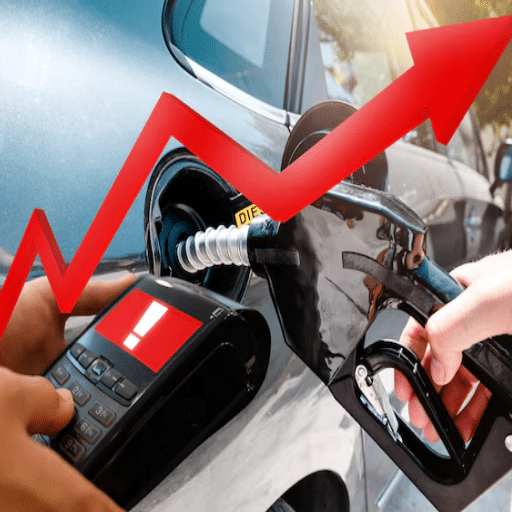
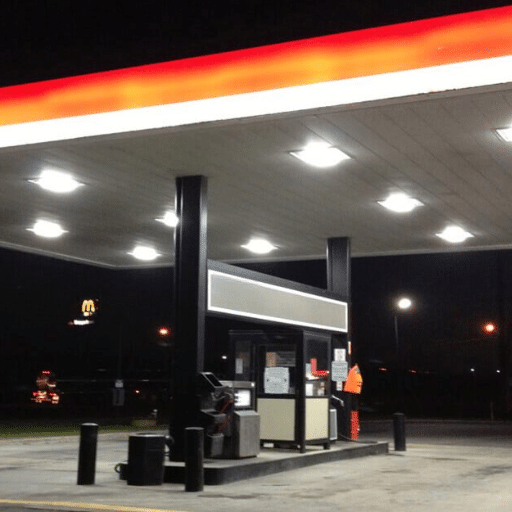
In June 2019, a hydrogen refueling station near Oslo experienced a significant explosion. The blast damaged the facility and made global headlines. But the real story was in what did not happen.
Because the station had been designed with proper safety distances, explosion-proof barriers, and automatic shutdown systems, the explosion caused zero fatalities and zero injuries. The incident became a powerful case study in why hydrogen refueling safety is not about luck. It is about engineering.
If you are a project integrator, station owner, or equipment buyer, you have probably asked the same question that every client asks us: Is hydrogen fueling actually safe?
You already know hydrogen is the future of clean transport. Governments across Asia, Europe, and North America are pouring billions into hydrogen infrastructure. China alone targets 1,500 hydrogen stations by 2035.
But the transition from gasoline or CNG to hydrogen raises real questions about hazards, equipment, and compliance.
This guide answers those questions directly. We will break down the real hazard data, the critical safety equipment your station needs, the global standards that govern design in 2026, and the practical lessons from real-world incidents. You will leave with a clear understanding of how to build or upgrade a hydrogen station that protects people, property, and your investment.
Planning a hydrogen or multi-fuel station? Browse our range of explosion-proof gas station equipment engineered to Group IIC and T6 standards for the world’s most demanding hazardous environments.
Why Hydrogen Refueling Safety Matters Now

The global hydrogen fueling station market surged past $1 billion in 2025. Analysts project growth at 16% to 23% CAGR through 2035, with Asia-Pacific leading at roughly 77% of global revenue. Heavy-duty transport is driving much of this demand. Fleet operators, bus networks, and logistics hubs need high-capacity fueling infrastructure that can handle 35 MPa and 70 MPa dispensing pressures safely.
With that growth comes urgency. Station developers are racing to meet demand, and many are coming from traditional fuel backgrounds. They understand gasoline safety. They understand CNG.
But hydrogen behaves differently. It is the smallest molecule on earth. It leaks through seals that stop gasoline cold. It ignites with less energy than a static spark.
These properties do not make hydrogen unsafe. They make it different. And different requires different equipment.
When Chen Wei received the RFP for a new hydrogen fueling station in Shenzhen last March, he faced a familiar challenge with an unfamiliar fuel. His team had built dozens of gasoline and CNG stations across Guangdong Province.
But hydrogen? The spec sheet listed requirements he had never seen before: Group IIC explosion-proof classification, 70 MPa dispensing pressure, and T6 temperature ratings. Chen spent three weeks comparing certifications before he realized the same hazardous-area principles his team already understood applied directly to hydrogen.
The difference was the pressure and the molecular size. Once he mapped his existing knowledge to the new standards, the project moved forward. Chen’s station passed inspection on the first attempt in November 2025.
Stories like Chen’s are becoming common. The buyers who succeed are the ones who treat hydrogen refueling safety as a design priority from day one, not an afterthought.
Understanding Hydrogen’s Unique Hazards
Hydrogen is not inherently more dangerous than gasoline. In fact, data tells a different story. The United States averaged roughly 5,000 fires per year at gasoline stations between 2004 and 2008.
Over the past 60 years, the entire global hydrogen industry recorded approximately 626 accidents, or about 10.4 per year worldwide. The safety record is strong because the engineering is rigorous. But the engineering must be rigorous for a reason.
Flammability and Ignition Risk
Hydrogen has a flammability range of 4% to 75% concentration in air. Gasoline vapor, by comparison, ranges from about 1.4% to 7.6%.
This means hydrogen can ignite across a far wider spectrum of mixtures.
Its minimum ignition energy is approximately 0.017 to 0.02 millijoules. A static discharge from clothing can provide enough energy to ignite a hydrogen leak.
Additionally, hydrogen burns with an invisible flame in daylight. Flame lengths can exceed 100 meters under high-pressure release conditions. Specialized UV flame detectors are essential for any station design.
High-Pressure Storage and Leak Potential
Hydrogen refueling stations operate at extreme pressures. Light-duty vehicles typically fuel at 35 MPa or 70 MPa. Heavy-duty trucks under the new SAE J2601/5 protocols may see even higher flow rates.
Under these pressures, the smallest molecule on earth becomes a significant engineering challenge. Hydrogen permeates seals, gaskets, and joints that contain gasoline or diesel without issue. It also causes embrittlement in certain metals, leading to micro-cracks that grow over time.
Leak frequency data from Japanese refueling stations shows that compressors, refueling nozzles, and hoses exhibit the highest leak rates. Valves, seals, and joints are the most common leak sources. Roughly one-third of all leaks have originated from safety systems themselves, which underscores the need for redundant detection and maintenance protocols.
Hydrogen Embrittlement
Hydrogen embrittlement occurs when atomic hydrogen diffuses into metal structures and reduces ductility. This phenomenon affects high-strength steels and certain alloys commonly used in industrial piping and pressure vessels.
For hydrogen service, equipment must use compatible materials such as 316L stainless steel, titanium, or gold-plated diaphragms in sensors. This is not optional. A single incompatible fitting in a 70 MPa line can develop a crack that leads to catastrophic failure.
Critical Safety Equipment for Hydrogen Refueling Stations
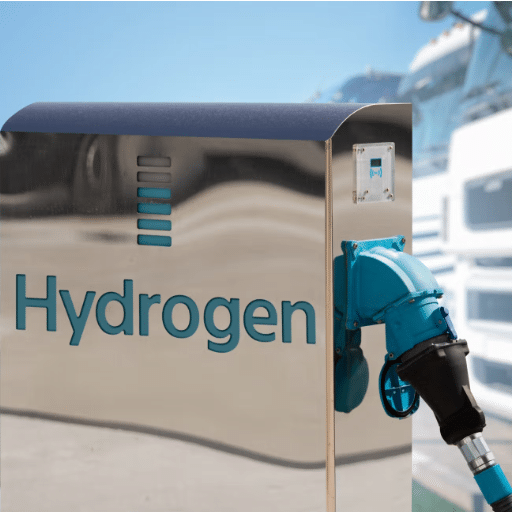
Safe hydrogen operations depend on layered protection. No single system prevents every incident. The stations with the strongest safety records combine certified electrical equipment, redundant gas detection, automatic shutdown systems, and a rigorous maintenance culture. Here is what that looks like in practice.
Explosion-Proof Electrical Systems (ATEX/IECEx Group IIC, T6)
Every electrical device in a hydrogen station must carry the correct hazardous area certification. Hydrogen falls into Gas Group IIC, the most severe classification under ATEX and IECEx standards.
Equipment rated for Group IIC automatically covers all lower gas groups, but the reverse is not true. A station planning dual-fuel capability should specify IIC-rated equipment from the outset.
Temperature class T6 is the preferred standard for fuel dispensing environments. T6 certification ensures surface temperatures remain below 85 degrees Celsius, providing a substantial safety margin against auto-ignition.
Protection methods typically include Ex d (flameproof) enclosures for motors and switchgear in Zone 1 areas, and Ex ia (intrinsically safe) circuits for sensors and instrumentation. Our guide to hazardous area classifications for fuel stations explains Zone 0, Zone 1, and Zone 2 designations in detail.
For a deeper comparison of certification schemes, see our article on ATEX vs IECEx vs UL certifications.
Leak Detection and Gas Monitoring
Fixed hydrogen sensors with sensitivity down to 1 ppm should cover all high-risk zones. These include compressor enclosures, dispenser islands, and storage vessel areas. UV flame detectors address the invisible flame problem. But sensors alone are not enough.
Data from operational stations in Japan shows that approximately one in seven leaks were first detected by human operators, not automated systems. This means personal gas monitors are standard PPE for maintenance personnel.
Thermal imaging cameras can identify temperature anomalies around high-pressure fittings before sensors trigger. The best stations use all three layers: fixed sensors, portable detectors, and trained human vigilance.
Emergency Shutdown and Pressure Relief
Safety Instrumented Systems (SIS) under IEC 61508/61511 provide automated emergency shutdown capability. When a fixed sensor detects hydrogen above threshold levels, the SIS cuts power to compressors, closes isolation valves, and stops fueling operations.
Thermally activated pressure relief devices (TPRDs) on vehicle tanks open between 100 and 110 degrees Celsius to prevent over-pressurization in fire scenarios.
Compressors should include automatic gas source cutoff on leak detection, anti-vibration mounts, and static discharge protection. Every safety-critical component must achieve defined Safety Integrity Levels (SIL) under IEC 61508/61511.
Fire Suppression and Ventilation
Hydrogen fires often self-extinguish because the gas disperses rapidly upward. It is 14 times lighter than air and does not pool on the ground like gasoline. However, station design must still include dry chemical extinguishers, passive blast-resistant walls, and non-combustible materials in hazardous zones.
Enclosed compressor rooms require forced ventilation designed to NFPA 2 standards. Venting must direct hydrogen away from buildings, ignition sources, and public areas. Grounding and bonding of all metallic components prevent static discharge accumulation.
Global Standards and Certifications (2025-2026 Update)

Hydrogen refueling safety operates within a complex web of international, regional, and national standards. Understanding which codes apply to your project is the first step toward compliance.
NFPA 2 and North American Codes
NFPA 2, the Hydrogen Technologies Code (2023 edition), is the foundational safety document for station design in North America. It governs everything from minimum safety distances to ventilation requirements and electrical installations.
NFPA 70, the National Electrical Code, applies to wiring and equipment placement. Together, these codes establish the baseline for safe hydrogen operations in the United States and Canada.
ISO 19880 and SAE J2601 Protocols
The ISO 19880 series defines general requirements for gaseous hydrogen fueling stations. It covers station design, couplings, connectors, valves, and operational safety. SAE J2601 specifies fueling protocols for light-duty vehicles.
The 2025 update, SAE J2601/5, establishes high-flow prescriptive fueling protocols for medium and heavy-duty vehicles at flow rates from 60 to 300 grams per second. This standard is critical for safely fueling larger hydrogen storage systems without overheating.
FMVSS 307 and 308: New U.S. Federal Rules
In July 2025, NHTSA implemented two new Federal Motor Vehicle Safety Standards. FMVSS 307 governs fuel system integrity for hydrogen vehicles during normal use and post-crash scenarios. FMVSS 308 establishes requirements for compressed hydrogen storage systems to reduce fire and explosion risks.
These rules, based on UN Global Technical Regulation No. 13, mark the first comprehensive U.S. federal regulations specifically targeting hydrogen vehicle fuel systems.
ATEX, IECEx, and Regional Requirements
In Europe, ATEX Directive 2014/34/EU governs equipment for explosive atmospheres, while Directive 1999/92/EC addresses workplace area classification. The IECEx scheme provides international certification with mutual recognition across member countries. For global projects, IECEx certification simplifies exports and cross-border compliance.
In Asia, local codes increasingly reference IEC 60079 for area classification and electrical installations. Hong Kong’s Code of Practice for Hydrogen Filling Stations explicitly requires compliance with IEC 60079 standards. China’s rapid buildout means buyers must balance domestic requirements with export certification goals.
For a technical breakdown of protection methods, read our guide comparing intrinsically safe versus explosion-proof design.
Lessons from Real-World Incidents
Theory is important. But operational data teaches lessons that specifications alone cannot.
Accident Patterns and Root Causes
Global analysis of hydrogen incidents reveals consistent patterns. Approximately 48% of documented accidents involved explosions, 31% involved fires, and 21% involved leaks without ignition.
Equipment failure, design deficiencies, improper installation, and inadequate maintenance are the most common root causes.
The 2019 incident at a hydrogen station in Santa Clara, California, followed a similar pattern. A leak developed in a high-pressure component. The safety systems performed as intended, and no injuries occurred.
But the station remained offline for months during the investigation and redesign. The financial impact of downtime often exceeds the physical damage.
What the Data Says About Risk Distance
Quantitative risk assessment provides practical guidance for site planning. For a standard gaseous hydrogen refueling station processing 1,000 kilograms per day, the safety distance corresponding to a risk level of 10^-6 is approximately 35 meters.
At 50 meters from the station, the risk level drops to 10^-9 or lower for gaseous supply. These distances assume proper equipment, maintenance, and operational protocols.
Liquid hydrogen supply presents different numbers. The 10^-9 risk level for liquid hydrogen is reached at roughly 270 meters.
Catastrophic instantaneous release scenarios, such as a tank car rupture, can have effect distances up to 1,200 meters under conservative modeling. However, the probability of such events is extremely low, approximately 3.5 x 10^-8 per year.
The Human Element
Maria Santos, a maintenance technician at a hydrogen fueling depot in California, starts every shift the same way. She clips on her personal hydrogen gas detector, checks the fixed sensor readings on the control panel, and walks the compressor room with a thermal imaging camera.
In February 2026, that routine paid off. Maria noticed an anomaly on the thermal imager: a faint heat signature around a compressor discharge valve that the fixed sensors had not yet flagged. She shut down the line and called engineering.
The inspection revealed a hairline crack in the valve seal. Left undetected, the crack could have developed into a high-pressure leak within days. Maria’s proactive approach prevented what might have become a costly shutdown.
Her story illustrates a point that data alone cannot capture. The best safety equipment in the world still depends on trained people using it correctly.
Designing a Safe Hydrogen Station: Best Practices
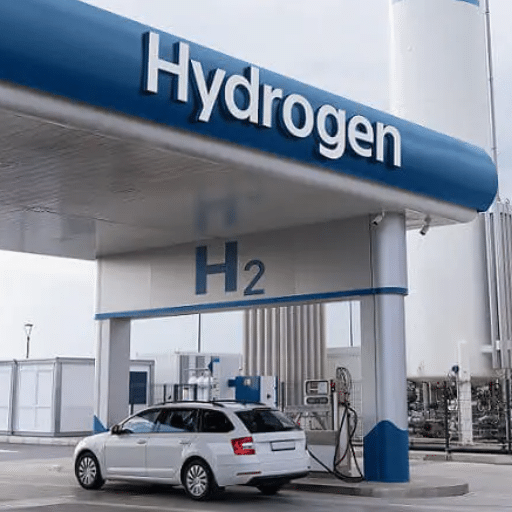
Engineering a safe hydrogen refueling site requires systematic planning across hazardous area classification, equipment selection, and operational protocols.
Hazardous Area Classification
IEC 60079-10-1 provides the methodology for classifying zones in hydrogen facilities. Typical classifications include Zone 0 near storage vessels where gas may be present continuously, Zone 1 at dispenser nozzles where gas is likely during operation, and Zone 2 in compressor rooms where gas is present only under abnormal conditions. Conservative classification is essential. Zone 2 equipment must never be installed in a Zone 1 location.
Our article on explosion-proof barrier materials discusses passive protection strategies that complement active electrical safety systems.
Maintenance Protocols and Staff Training
Regular inspection of high-pressure joints, seals, and flexible hoses should follow manufacturer schedules and local regulatory requirements. Maintenance personnel must wear personal gas detectors as standard PPE. Flash-fire protective clothing, safety glasses, and hearing protection are minimum requirements for compressor work.
Emergency response drills should cover leak detection, fire response, and evacuation procedures. Technicians must understand that hydrogen fires are invisible in daylight and that dry chemical extinguishers are the standard tool for suppression. Defueling procedures should vent to the designed systems away from fueling areas.
Safety Distances and Site Layout
NFPA 2 specifies minimum separation distances between hydrogen equipment, buildings, property lines, and public areas. These distances vary based on storage pressure, quantity, and configuration. Site planners must also account for prevailing wind direction in ventilation design and emergency response access.
Grounding and bonding of all metallic components prevent static discharge. Pipeline routing should minimize the number of joints and fittings in high-pressure sections. Every additional connection is a potential leak path.
Conclusion
Hydrogen refueling safety is not a mystery. It is a discipline. The stations with the strongest records share three characteristics.
They specify certified equipment designed for the actual hazards. They follow global standards such as NFPA 2, ISO 19880, and ATEX/IECEx without compromise. And they treat maintenance and training as non-negotiable operational requirements.
The data support this approach. Roughly 626 hydrogen industry accidents across 60 years of global operations are a remarkably low figure.
It reflects an industry that has taken safety seriously from the beginning. As the market scales from $1 billion today to projected multi-billion-dollar levels by 2035, that safety culture must scale with it.
Here are the key takeaways for your project:
- Specify Group IIC, T6, Ex d, or Ex ia equipment for all hazardous-area components.
- Design for leaks, not just fires. Hydrogen’s small molecule size demands redundant detection.
- Follow NFPA 2, ISO 19880, and SAE J2601. Add FMVSS 307/308 for vehicle-facing projects in the U.S.
- Train staff and maintain equipment rigorously. The best sensors still need human partners.
- Plan safety distances conservatively. Site layout prevents incidents before equipment ever detects them.
Whether you are building your first hydrogen station or adding hydrogen islands to an existing fuel site, the principles are the same. Precision engineering, certified equipment, and disciplined operations create the conditions for safe, profitable hydrogen refueling.
Ready to move forward with your hydrogen station project? Request a quote from Shandong Shengrui Intelligent Equipment Co., Ltd. Our engineering team provides consultation, customized equipment specifications, and global export support from selection through installation.