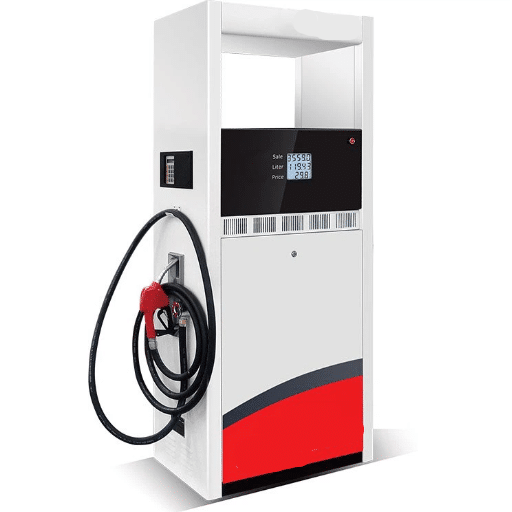
What happens when your skid-mounted gas station arrives at port, but the shipping documents classify it as dangerous goods? The container sits. Demurrage fees climb. Your project timeline slips.
For international buyers, skid mounted gas station shipping logistics is not a back-office detail. It is the difference between a smooth delivery and a costly customs nightmare.
Most procurement teams focus on capacity, dispensers, and price. They often assume the factory will “handle shipping.” But factory dispatch is only the start.
You still need the right container, correct certification, safe offloading, and a site that is ready to receive several tonnes of steel and fuel equipment.
This guide explains how to plan container fuel station shipping from the factory floor to the final placement. You will learn standard dimensions and weights, transport modes, dangerous-goods rules, export packaging, crane requirements, and the real factors that drive portable fuel station shipping cost.
At Shandong Shengrui Intelligent Equipment Co., Ltd., we design skid-mounted stations for global export and help clients coordinate packaging, documentation, and delivery planning.
Skid mounted gas station shipping logistics is the process of planning, documenting, and physically moving a prefabricated fuel station from the factory to its final site. It covers container selection, certification, transport mode, customs clearance, crane offloading, and foundation readiness.
Need help planning a shipment? Explore our skid mounted gas station solutions and request a shipping-planning consultation with our export team.
Why Skid Mounted Gas Station Shipping Logistics Matters

A skid-mounted station is sold as “portable,” but portability depends on proper logistics. The unit may be factory-tested and ready to operate, yet it still has to survive a multi-thousand-kilometer journey, clear customs, and land safely on your foundation.
Cost Impact on Total Landed Cost
Shipping can represent 10% to 25% of the total landed cost for international buyers. Container fuel station shipping rates vary by weight, dimensions, hazardous classification, and Incoterms. A misunderstanding about who pays for port handling or special road permits can erase the savings you negotiated on the unit itself.
Timeline Impact on Project Schedules
Sea freight from China to Africa, Latin America, or Europe typically takes 2 to 8 weeks. Add customs clearance, inland transport, and offloading, and a single documentation error can add days or weeks. For mining or construction projects with strict mobilization dates, those delays are expensive.
Compliance Risks
Fuel stations contain or have contained flammable liquids. If residues remain, the unit may fall under dangerous-goods rules such as ADR for road, IMDG for sea, or DOT for U.S. transport. Missing a CSC plate, MSDS, or gas-free certificate can lead to port rejection, fines, or forced re-export.
Site Readiness and Offloading
A 40 ft container fuel station can weigh more than 13 tonnes dry and over 50 tonnes when filled. If your site lacks a suitable crane, reinforced foundation, or access road, the delivery truck cannot unload. Planning skid mounted fuel station transport means planning the destination as carefully as the origin.
If your project involves hazardous-area electrical components, review our explosion-proof equipment to ensure compliant installation after delivery.
When Ana, a procurement manager for a logistics hub in Nigeria, ordered her first 20 ft container station, she assumed standard ocean freight would be simple. The supplier shipped the unit cleaned and gas-freed, with full CSC certification. It cleared Lagos port in three days and reached the depot on a flatbed truck.
Because the foundation and a 25-tonne crane were pre-booked, offloading took under two hours. The right logistics planning kept her project on schedule.
Standard Skid Mounted Gas Station Shipping Dimensions and Weights
Container fuel stations are usually built around ISO shipping container frames. This design simplifies sea freight because the unit can be lifted by standard container cranes, stacked on vessels, and transferred to trucks or rail chassis.
20 Ft Container Fuel Stations
A standard 20 ft ISO container measures approximately 6,058 mm long × 2,438 mm wide × 2,591 mm high. In a container fuel station shipping configuration, this frame typically holds 10,000 L to 26,000 L of fuel storage. Choosing the right capacity before shipping matters; see our guide to choosing the right capacity for sizing advice.
The dry unit weight ranges from about 4.2 tonnes for a smaller single-compartment unit to roughly 7.0 tonnes for a larger or multi-compartment design.
40 Ft Container Fuel Stations
A 40 ft ISO container measures approximately 12,192 mm long × 2,438 mm wide × 2,591 mm high, with a high-cube version at 2,896 mm. These stations commonly store 30,000 L to 60,000 L. Dry weights range from about 6.95 tonnes for a 30,000 L unit to over 13.4 tonnes for a 60,000 L high-cube station.
Flat-Rack and Break-Bulk Options
When a station exceeds standard container weight limits or cannot fit inside a closed box, it ships on a flat-rack container or as break-bulk cargo. Flat-rack shipping leaves the unit exposed but allows heavier or wider loads. Break-bulk is used for very large or non-containerized skids that must be lifted individually onto a vessel.
| Container Type | Typical Dimensions | Capacity Range | Dry Weight | Best For |
|---|---|---|---|---|
| 20 ft ISO | 6.058 × 2.438 × 2.591 m | 10,000–26,000 L | 4.2–7.0 t | Compact stations, single-fuel sites |
| 40 ft ISO | 12.192 × 2.438 × 2.591 m | 30,000–45,000 L | 6.95–10.0 t | Mid-to-large fleets, retail sites |
| 40 ft High Cube | 12.192 × 2.438 × 2.896 m | 40,000–60,000 L | 8.4–13.4+ t | High-capacity mining or logistics hubs |
| Flat-Rack | Varies by platform | 30,000 L+ | 10.0 t+ | Overweight or oversized units |
Remember that these weights are for the empty, dry unit. Fuel adds roughly 0.75 to 0.85 kg per liter. A 50,000 L station could carry 40 to 50 tonnes of fuel alone. That is why most container fuel station shipping moves units empty and fuels them on site.
Skid Mounted Fuel Station Transport: Modes and Planning

Choosing the right transport mode depends on distance, urgency, weight, dimensions, and destination infrastructure. For most international buyers, mobile fuel station logistics involves a combination of sea, road, and sometimes rail.
Road Transport
Road transport is common for the first or last mile. A 20 ft unit on a standard flatbed or container chassis is straightforward. A 40 ft unit or an overweight load may need a lowboy trailer, special permits, and in some cases, a pilot car.
Local road weight limits are often the real constraint. In the United States, the federal gross vehicle weight limit for tractor, chassis, and cargo combined is 80,000 lbs, or about 36,287 kg. After accounting for the tractor, chassis, tare weight, and fuel, the practical no-permit cargo limit is roughly 17.2 tonnes for a 20 ft container and 19.9 tonnes for a 40 ft container.
Sea Freight
Sea freight is the standard for international container fuel station shipping. A unit built to ISO dimensions can move as a standard dry container, a shipper’s own container (SOC), or on a flat-rack. Rates depend on weight, origin port, destination port, and whether the cargo is classified as dangerous goods. Empty, cleaned stations usually ship under simpler terms than units containing fuel residues.
Rail Transport
Rail is an option in regions with intermodal rail terminals and compliant rolling stock. It works well for long inland legs after sea freight, especially in North America, Europe, China, and Russia. Rail weight limits and dangerous-goods rules differ by country, so rail should be planned with the carrier directly.
Multi-Modal Combinations
Most international shipments use multi-modal logistics. For example, a station may travel by truck from factory to port, by vessel to the destination country, by truck to an inland depot, and finally by crane onto its foundation. Each handoff requires compatible lifting points, lashing, and documentation.
Shandong Shengrui builds export-ready skid-mounted gas station models with standardized corner castings and lifting lugs to simplify every handoff.
When a mining contractor in Chile imported two 40 ft diesel stations to a remote Andean site, sea freight to Valparaiso was only the first leg. From there, the units moved on specialized lowboy trailers through mountain roads with weight restrictions. Because the shipment was planned as break-bulk with reinforced lifting lugs, a 100-tonne crane could offload each unit directly onto the prepared concrete slab.
Need a detailed comparison between Container Fuel Station and Skid Mounted? Please read our article on Container Fuel Station vs Skid Mounted.
Fuel Station Container Transport Regulations and Compliance
Certification is where many buyers underestimate mobile fuel station logistics. A fuel station container is not just a box. It is a pressure-bearing, hazardous-area structure that must satisfy international transport rules and fuel station container transport regulations.
ISO Standards
Container fuel stations are typically built to ISO 668 for dimensions and ratings, ISO 1161 for corner fittings, and ISO 1496 for structural testing. These standards ensure the unit can be handled by standard container cranes, reach stackers, and chassis around the world.
CSC Plate and Inspection
Every ISO container used in international transport must carry a valid CSC plate. The Convention for Safe Containers (CSC) requires the plate to show the maximum gross weight, stacking load, transverse racking test load, and inspection dates. The first inspection must occur within five years of manufacture. Subsequent inspections are required at a maximum of 30-month intervals, or the container must be enrolled in an Approved Continuous Examination Program (ACEP).
Dangerous Goods Classification
If a skid-mounted station ships with fuel inside or with uncleaned residues, it usually falls under dangerous-goods regulations. Proper tank design makes compliance easier; our double-wall storage tank construction helps reduce leakage risk during transport and operation.
Common classifications include:
- UN 1202 for diesel fuel
- UN 1203 for gasoline or petrol
- UN 1993 for flammable liquid, N.O.S.
Under ADR for road and IMDG for sea, these substances fall into Class 3 flammable liquids. Compliance may require proper shipping names, UN numbers, class labels, packing instructions, segregation from incompatible cargo, and emergency response information. These fuel station container transport regulations exist to protect crews, ports, and the public during transit.
Empty vs. Filled Transport
An empty, cleaned, and gas-freed station with proper certification may ship under normal cargo terms. However, if any fuel residue, vapor, or contamination remains, the unit is usually treated as dangerous goods. Always obtain a cleaning or gas-free certificate from a qualified inspector when shipping empty to simplify documentation and reduce freight costs.
Our storage tank solutions are engineered with double-wall construction, leak detection, and certification support to help stations meet fuel station container transport regulations and international safety standards from the factory.
Packaging and Export Preparation
Proper export packaging protects the unit during transit and ensures it clears customs without delay. Shandong Shengrui prepares skid-mounted stations for export with the destination environment and transport mode in mind.
Nude Packing vs. Containerized vs. Crated
- Nude packing means the skid is shipped uncovered on a flat-rack or break-bulk vessel. It is cost-effective for large units but exposes the equipment to weather and salt air.
- Containerized shipping places the entire skid inside a 20 ft or 40 ft container. This offers the best protection and uses standard ocean freight rates.
- Crated shipping wraps sensitive components, such as dispensers, control panels, or glass, in wooden crates with ISPM- 15-compliant heat-treated wood.
Moisture and Corrosion Protection
Sea voyages create humidity and salt spray. Export preparation should include VCI paper, plastic sheeting, desiccant bags, and protective coatings on exposed metal. Electrical components and dispensers are often wrapped separately to prevent corrosion.
Marking and Labeling
Every package or skid should be clearly marked with:
- Gross weight and net weight
- Center of gravity
- Lifting point locations
- Overall dimensions
- Handling cautions such as “No Hooks” or “Fragile”
- Country of origin
Documentation Checklist
Accurate documents prevent customs delays. Typical paperwork includes:
- Commercial invoice and packing list
- Bill of lading or sea waybill
- Certificate of origin
- MSDS or SDS for any residual fuel or lubricants
- CSC certificate or ACEP documentation
- Gas-free or cleaning certificate, if applicable
- Inspection certificates for pressure vessels or electrical equipment
When a construction fleet operator in Kenya received his first skid-mounted station, the shipment arrived without a gas-free certificate. Although the tank was visually clean, port authorities classified it as a potentially hazardous residue. The container sat at Mombasa for eleven days while additional testing was arranged.
Since then, he requires a gas-free certificate and MSDS with every shipment. That single document now saves him weeks.
Lifting, Offloading, and Site Placement

Even the best-planned shipment can fail at the final 50 meters. Offloading a skid-mounted station requires the right crane, rigging, foundation, and site access.
Lifting Lug Design
Skid-mounted stations should have engineer-certified lifting lugs welded to the frame. Each lug must be rated for the full weight of the unit with an appropriate safety factor. Lugs are typically positioned at the corners or along the top frame so the load remains balanced during lifting.
Crane Capacity Selection
Crane capacity must match the safe working load at the required lifting radius. A 20 ft station may need a 25-tonne crane. A 40 ft or break-bulk unit may require 50 to 100 tonnes or more, depending on weight and reach. Always account for the rigging weight, wind, and any offset in the center of gravity.
Trial Lift and Rigging
Before the main lift, raise the skid a few hundred millimeters and pause. Check that slings, shackles, and lifting lugs are properly seated. Confirm the unit is level and stable. Use tag lines to control rotation, and keep personnel outside the exclusion zone.
Foundation Readiness
The foundation must be ready before the truck arrives. A typical 20,000 L skid requires a reinforced concrete slab 6–8 m long, 2.5–3 m wide, and 20–30 cm thick. Larger units need engineered slabs rated for the fully loaded weight, which can exceed 60 tonnes. The site must also allow truck turning, crane setup, and tanker access.
Before commissioning, confirm fuel dispenser installation requirements match your site electrical and piping layout.
Final Positioning
After the skid is lowered, check levelness and secure anchor bolts. Connect inlet and outlet piping, vapor recovery lines, electrical supply, and grounding. Pressure-test the system, verify leak detection, and commission the fuel dispensers before first use.
Portable Fuel Station Shipping Cost and Quote Factors
Portable fuel station shipping cost is not a fixed line item. It depends on several variables that buyers should understand before requesting a quote.
Unit Size and Weight
Larger and heavier units cost more to ship. A 40 ft container station will generally have a higher freight rate than a 20 ft unit. Overweight loads may require tri-axle chassis, special permits, or flat-rack equipment.
Container Type
Standard dry containers are usually the cheapest option. High-cube containers, flat-racks, open-top containers, and break-bulk vessels cost more but may be necessary for tall or heavy units.
Origin and Destination Ports
Freight rates depend on the shipping lane, port congestion, and available vessel capacity. Common export ports from China include Qingdao, Tianjin, and Shanghai. Remote or secondary destination ports may require transshipment and add cost.
Hazardous Cargo Classification
If the unit ships as dangerous goods, expect higher freight rates, additional documentation, and possible segregation requirements. Cleaning and gas-freeing the unit before shipment can often eliminate this surcharge.
Incoterms
Incoterms define who pays for each leg of the journey. Common terms include:
- EXW (Ex Works): Buyer arranges everything from the factory.
- FOB (Free On Board): Seller delivers to port and loads the vessel; buyer pays ocean freight and beyond.
- CIF (Cost, Insurance, and Freight): Seller pays to the destination port; buyer handles unloading and inland transport.
- DAP (Delivered at Place): Seller arranges delivery to the buyer’s named destination.
Clarifying Incoterms before ordering prevents disputes about who pays for storage, customs, or inland trucking.
Seasonal Freight Fluctuations
Ocean freight rates rise before major holidays, during peak shipping seasons, and when fuel prices increase. Planning shipments during slower periods can reduce costs.
A logistics hub in Southeast Asia needed two 20,000 L stations for a new depot. Rather than ship one oversized load, the project manager split the order into two 20 ft container shipments. Each unit stayed below road weight limits, avoided special permits, and qualified for standard container freight rates. The total shipping cost was 18% lower than the single heavy-load quote.
Common Shipping Mistakes to Avoid

Even experienced buyers make mistakes. Here are the most common errors in skid mounted gas station shipping logistics and how to prevent them.
Underestimating Road Weight Limits
A container station that is legal at sea may not be legal on local roads. Confirm tractor, chassis, and cargo weight against national limits before the truck leaves the port.
Shipping with Fuel Residues
Residual diesel or gasoline vapors can trigger dangerous-goods rules. Always clean, purge, and certify the unit gas-free unless you intentionally want to ship fuel under full hazmat compliance.
Missing CSC or Inspection Documentation
An expired CSC plate or missing ACEP record can block the unit from being loaded onto a vessel. Verify container certification before dispatch.
Inadequate Crane Planning
Booking the crane on delivery day is too late. Confirm crane capacity, lifting radius, site access, and foundation readiness before the vessel arrives.
Poor Packaging Leading to Corrosion
Salt air and humidity damage unprotected steel, electrical panels, and dispensers. Invest in proper wrapping, desiccants, and VCI protection for sea shipments.
A Practical Skid Mounted Gas Station Shipping Checklist
Use this checklist to coordinate your next shipment from factory to foundation:
- Confirm unit dimensions, dry weight, and center of gravity with the manufacturer.
- Choose the right container type: 20 ft, 40 ft, high cube, flat-rack, or break-bulk.
- Verify CSC certification and inspection validity.
- Decide whether the unit will ship empty, cleaned, or with fuel under hazmat rules.
- Obtain MSDS, gas-free certificate, and any pressure-vessel inspection documents.
- Agree on Incoterms with the supplier.
- Book sea freight, inland trucking, and customs clearance.
- Arrange crane capacity and rigging for offloading.
- Prepare the foundation, access road, and utilities before delivery.
- Inspect the unit for moisture or transit damage before commissioning.
Following this process reduces the risk of delays, extra fees, and site-level surprises.
Conclusion
Skid mounted gas station shipping logistics is not a detail to hand off without review. The right container, certification, transport mode, and offloading plan protect your investment and keep your project on schedule. From ISO dimensions and CSC plates to dangerous-goods rules and crane capacity, every step benefits from planning.
A well-shipped station arrives clean, certified, and ready to install. A poorly planned shipment creates demurrage, customs delays, and site headaches that can cost more than the equipment itself.
Key takeaways:
- Match container type and capacity to unit weight and dimensions.
- Ship empty and gas-freed whenever possible to simplify hazmat rules.
- Verify CSC certification and inspection dates before dispatch.
- Plan crane capacity, foundation, and site access before delivery.
- Clarify Incoterms so freight responsibilities are clear.
If you are planning an international skid-mounted station project, the right logistics plan starts with the right partner. Browse our skid-mounted fuel station systems to explore export-ready models, or contact Shandong Shengrui Intelligent Equipment Co., Ltd. today for a shipping logistics assessment and custom quote for your skid mounted gas station shipping logistics.