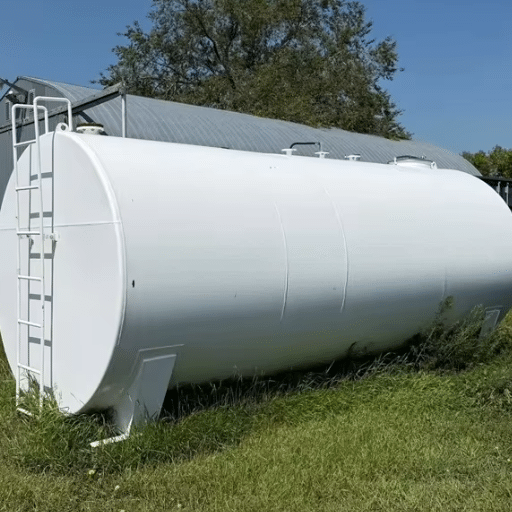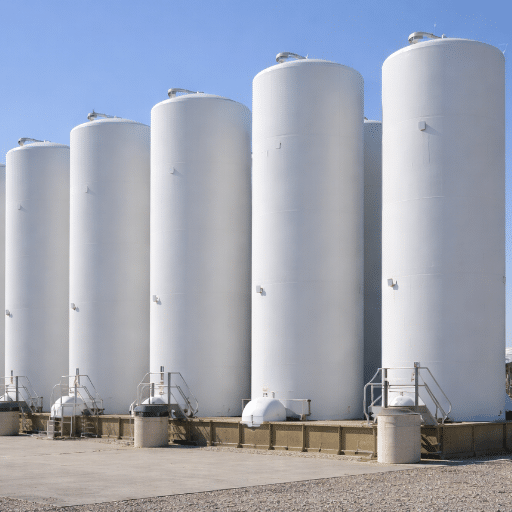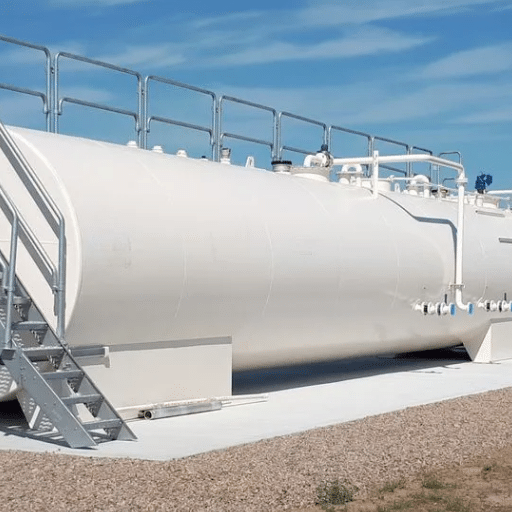
A mining contractor in Zambia wins a 12-month copper extraction contract and needs diesel on site within three weeks. Permanent construction is impossible, and every day without fuel costs the project thousands of dollars in lost productivity. A 40,000L skid mounted diesel fuel station arrives flat-rack, drops onto a prepared pad, connects to power, and starts pumping within five days.
This scenario plays out daily on construction sites, in remote quarries, at fleet depots, and behind backup power facilities worldwide. Buyers who need reliable diesel fueling quickly often turn to skid mounted diesel fuel stations. They combine storage, dispensing, and safety systems into one transportable unit.
In this guide, we will explain what a skid mounted diesel fuel station is. We will show how it differs from gasoline skids and fixed diesel stations. We will also cover which components matter most, how to choose the right capacity, and what diesel-specific engineering considerations apply.
If you already know you need a skid-mounted solution, our complete skid mounted gas station solution guide covers all fuel types and global sourcing considerations.
What Is a Skid Mounted Diesel Fuel Station?

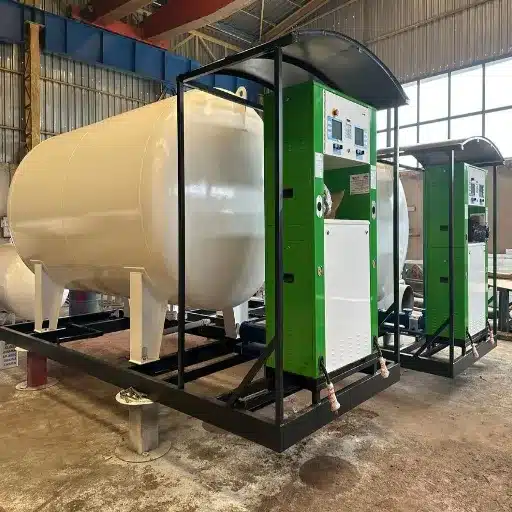
A skid mounted diesel fuel station is a factory-built, self-contained diesel storage and dispensing system. It is mounted on a steel frame or base. These modular diesel fuel station designs combine storage, dispensing, and safety into one transportable frame. The tank, pumps, dispensers, piping, filtration, safety equipment, and control systems are pre-assembled and tested before shipment. Once delivered, the unit needs only a level foundation, power connection, and fuel inlet.
These stations range from 1,000L compact units up to 60,000L systems for mining and industrial depots. Because the entire system ships as one unit, installation time drops from months to days.
The key advantage is relocatability. Unlike underground tanks or permanent above-ground installations, a skid mounted diesel fuel station can be lifted by crane. It can be transported by truck or ship. It can be repositioned as project needs change.
How Diesel Skids Differ from Gasoline Skids
Diesel and gasoline may look similar at a glance, but their physical properties create different engineering requirements for skid stations.
Flash point: Diesel has a flash point of approximately 52–96°C (125–205°F). Gasoline flashes below -40°C. Under NFPA 30, diesel is typically a Class II combustible liquid. Gasoline is a Class I flammable liquid. This difference affects tank venting, electrical area classification, and vapor recovery requirements.
Vapor recovery: Gasoline skids usually need Stage II vapor recovery systems. These capture volatile organic compounds. Diesel produces far less vapor at ambient temperatures, so vapor recovery is often simpler or not required.
Flow rates and hardware: Heavy equipment in mining and construction needs high-flow diesel dispensers delivering 60–120 L/min. Retail vehicle dispensers typically operate at 40–60 L/min. Hoses, nozzles, and seals must handle diesel’s higher lubricity and viscosity.
How Diesel Skids Differ from Fixed Diesel Stations
Fixed diesel stations involve site excavation, tank installation, permanent civil works, and longer permitting timelines. A skid mounted diesel fuel station eliminates most of that work. You prepare a concrete pad, deliver the unit, connect utilities, and commission.
Unlike buried tanks, above ground diesel storage on a skid simplifies inspection and maintenance. If the site changes, the station moves with you.
This distinction matters for contractors, mining operators, and fleet managers. They often cannot justify multi-month construction schedules or permanent infrastructure investments.
Why Choose a Skid Mounted Diesel Fuel Station?
The decision usually comes down to speed, cost, mobility, and control. Let’s look at each factor.
Rapid Deployment for Remote Sites
Traditional fuel station construction can take three to six months. A skid mounted diesel fuel station can be operational within days of arrival. For remote mines, highway projects, or disaster-response zones, that speed translates directly into productivity.
Mini-story: When a highway contractor in Indonesia started a 180-kilometer road project in 2024, the nearest fuel station was 40 kilometers away. Haul trucks and excavators were losing nearly two hours per day in travel time. The contractor installed a 10,000L skid mounted diesel fuel station at the project midpoint. Fueling time dropped to minutes. The project saved an estimated 15% on fleet operating costs during the first quarter.
Lower Capital and Operating Costs
Skid-mounted systems avoid civil construction, excavation, and permanent building costs. Industry estimates suggest they can reduce capital expenditure by 50–70% compared with permanent facilities. To choose the right skid mounted gas station, please read our article on Skid Mounted Gas Station Capacity Selection.
Operating costs also fall because fuel is available on site. Drivers do not waste time traveling to public stations. Fleet managers can negotiate bulk diesel purchases instead of paying retail prices.
Mobility and Flexibility
Construction phases move. Mining pits deepen and shift. Agricultural operations follow harvest schedules. Portable diesel refueling with a skid mounted diesel fuel station adapts to these changes. Instead of building new infrastructure at each location, you relocate the existing unit.
Better Fuel Control and Security
Integrated fuel management systems let you track every liter dispensed. IC cards, QR codes, and vehicle tags tie fuel usage to specific drivers or machines. This visibility reduces theft, unauthorized use, and accounting errors.
Mini-story: A logistics depot in Lagos installed a 20,000L diesel skid with an IC card fuel management system in early 2025. Within three months, reported fuel consumption per kilometer dropped by 12%. Driver-level accountability made it easier to identify inefficient routes and unauthorized fueling.
Key Components of a Skid Mounted Diesel Fuel Station

Understanding the components helps you evaluate quotes and avoid under-specified systems.
Diesel Storage Tank System
The tank is the core of any skid mounted diesel fuel station. Skid mounted diesel storage systems typically use carbon steel or stainless steel construction. Common configurations include:
- Single-wall tanks: Lower initial cost, but usually require external secondary containment.
- Double-wall tanks: An inner tank surrounded by an outer shell, with an interstitial space for leak detection.
- Self-bunded tanks: A type of double-wall design where the outer bund provides containment without additional civil works.
Materials typically include carbon steel grades Q235-B or Q345R. Stainless steel may be specified for corrosive environments such as coastal or chemical-industry sites. Capacities range from 1,000L to 60,000L as standard. Custom sizes are available.
Diesel Dispensing System
Diesel dispensers must match your equipment. Two flow-rate categories dominate:
- Standard-flow dispensers: 40–60 L/min, suitable for light vehicles, vans, and pickups.
- High-flow dispensers: 60–120 L/min, necessary for haul trucks, excavators, and large generators.
Flow meters should meet OIML R117 accuracy standards, typically within ±0.25%. Hoses, nozzles, and breakaway devices must be rated for diesel service. They must also match the expected flow rate.
Transfer and Pump Systems
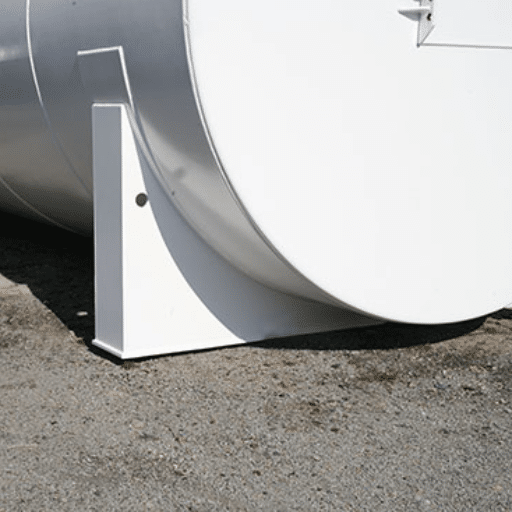
Pumps move diesel from the storage tank to the dispenser. The diesel fuel tank skid forms the structural foundation of the entire system. Common options include:
- Submersible turbine pumps: Located inside the tank. Quiet and efficient for high-throughput applications.
- Suction pumps: Located in the dispenser cabinet. Simpler and often used for smaller skids.
Filtration is critical for diesel quality. At a minimum, specify a particulate filter and a water separator. Some applications also benefit from coalescing filters or fuel polishing systems.
Diesel-Specific Safety Systems
Safety systems protect people, equipment, and the environment. A well-specified skid mounted diesel fuel station includes:
- Leak detection: Monitors the interstitial space in double-wall tanks.
- Overfill protection: High-level alarms and automatic shut-off during fuel delivery.
- Static grounding and lightning protection: Prevents sparks during unloading and operation.
- Emergency shut-off valves: Allow operators to stop fuel flow quickly.
- Spill containment: Bunds or containment trays capture leaks.
- Fire suppression: Automatic extinguishing systems for high-risk environments.
For hazardous-area electrical requirements, read our overview of explosion-proof gas station equipment.
Fuel Management and Monitoring
Modern skid mounted diesel fuel stations often include telemetry and access control. Features include:
- IC card or QR code authorization.
- Real-time tank level monitoring.
- Dispensing records by vehicle, driver, or machine.
- Remote alerts for low levels, leaks, or unauthorized access.
These systems turn a simple fueling point into a controlled logistics asset.
For system security information, please read our article on Skid Mounted Gas Station Safety Systems.
Capacity Selection for Diesel Skid Stations
Choosing the right capacity for your skid mounted diesel fuel station prevents both excessive capital spending and fuel shortages during peak demand.
Compact Range (1,000L–5,000L)
Compact diesel skid stations suit small fleets, generator backup, remote outposts, and light agricultural use. They are often trailer-mounted or placed on small concrete pads. Typical price range: 2,200–8,000.
Mid-Range (10,000L–20,000L)
Mid-range units fit construction sites, medium fleets, rural retail, and data-center backup power. They balance storage volume with footprint and can support two or more dispensers. Typical price range: 8,000–25,000.
Large Capacity (30,000L–60,000L+)
Large skids serve mining operations, industrial depots, major logistics hubs, and semi-permanent retail stations. They support high-flow dispensers and multi-product configurations. They also handle heavy daily throughput. Typical price range: 25,000–100,000+.
Capacity Selection Formula
A simple approach is to size your tank for three to seven days of average diesel consumption. Multiply daily consumption by your desired reserve days. Then add 15–20% for peak demand and future growth.
Also consider delivery logistics. Remote sites with infrequent fuel deliveries need larger tanks than sites with a reliable daily supply.
| Capacity Range | Typical Use | Flow Rate | Price Range (USD) |
|---|---|---|---|
| 1,000L–5,000L | Small fleets, generators | 40–60 L/min | 2,200–8,000 |
| 10,000L–20,000L | Construction, medium fleets | 40–80 L/min | 8,000–25,000 |
| 30,000L–60,000L+ | Mining, industrial depots | 60–120 L/min | 25,000–100,000+ |
Diesel-Specific Engineering Considerations

A diesel skid built like a gasoline skid will underperform. Diesel has unique properties that affect design.
Cold-Weather Operation
Diesel can gel below its cloud point. This typically happens between -15°C and +15°C, depending on grade and additives. Cold-climate packages include:
- Tank and pipe insulation.
- Electric or glycol tank heaters.
- Fuel additive injection systems.
- Heated dispensers and hoses.
Without these features, a skid mounted diesel fuel station may fail to operate in winter conditions.
Hot-Climate Operation
In extreme heat, diesel expands. Vapor pressure rises. Hot-climate designs include:
- Pressure-relief venting.
- Shaded or insulated enclosures.
- Cooling for electrical components.
- UV-resistant coatings and seals.
Fuel Quality Management
Clean diesel is essential for modern engines. Specify:
- Particulate filtration to ISO 4406 cleanliness targets.
- Water separation to prevent microbial growth and corrosion.
- Tank bottom drainage and sampling points.
- Fuel polishing for long-term storage applications.
Dust and Environmental Sealing
Mining and desert environments demand IP-rated electrical enclosures, sealed dispensers, and dust filters on ventilation points. Ruggedized cabinets and reinforced steel framing extend service life in abrasive conditions.
Applications and Use Cases
From mining pits to fleet depots, a skid mounted diesel fuel station adapts to diverse operational needs across many industries.
Mining and Quarry Operations
A skid mounted fuel station for mining must serve large haul trucks and excavators that consume thousands of liters of diesel daily. High-capacity skids with high-flow dispensers keep equipment running and reduce time away from the work face.
Construction Sites
Highway, pipeline, and building projects move through phases. A relocatable diesel skid follows the work, eliminating fixed infrastructure costs at each stage.
Fleet and Logistics Depots
Trucking companies, bus operators, and delivery fleets benefit from 24/7 on-site diesel. Fuel management integration provides cost control and operational visibility.
Agriculture and Forestry
Seasonal operations need flexible fueling for tractors, harvesters, and forestry machines. Compact or mid-range skids fit farm yards and remote logging sites.
Backup Power and Data Centers
Hospitals, data centers, and telecommunications facilities require a reliable generator diesel supply. A skid mounted diesel fuel station provides dedicated storage. It also includes monitoring and leak detection.
Marine and Ports
Shore-side diesel skids refuel vessels, port equipment, and fishing fleets. Corrosion-resistant materials and sealed electrical systems handle salt-air environments.
Safety Standards and Compliance
Every skid mounted diesel fuel station must meet compliance requirements that vary by region, though several standards commonly apply globally.
International Certifications
- ATEX/IECEx: For explosion-proof electrical equipment in hazardous areas.
- OIML R117: Accuracy standard for fuel dispensers.
- UL 142 / UL 2085: Construction standards for aboveground flammable and combustible liquid tanks.
North American Standards
- NFPA 30: Flammable and Combustible Liquids Code.
- NFPA 30A: Code for Motor Fuel Dispensing Facilities and Repair Garages.
- EPA: Spill Prevention, Control, and Countermeasure (SPCC) rules for aboveground storage.
Chinese and Regional Standards
- GB 50156: Automobile gas station design and construction code.
- GB 3836: Explosion-proof electrical equipment standards.
Regional import requirements may include SONCAP for Nigeria, SASO for Saudi Arabia, COC/PVoC for East Africa, and INMETRO for Brazil.
Shipping and Logistics
How your skid mounted diesel fuel station ships affect both cost and delivery timeline.
Transport Methods
- Standard container (20ft/40ft): Fits smaller and mid-range units. A containerized diesel fuel station often ships in a 40ft container for simpler customs handling.
- Flat-rack container: Used for oversized skids that exceed standard container dimensions.
- Break-bulk or RO-RO: For very large units shipped as deck cargo or driven onto vessels.
Packing and Protection
Manufacturers typically apply anti-corrosion coatings, brace components, and seal electrical cabinets for sea transport. Desiccants help control moisture during long voyages.
Customs and Hazardous Cargo
Fuel equipment may be classified as dangerous goods. It may also require special documentation. HS codes, UN classifications, and CSC certification for containerized units should be confirmed before shipping.
For a direct format comparison, see our article on container fuel station vs skid mounted systems.
Commissioning and Installation of Equipments

Proper installation of your skid mounted diesel fuel station ensures safety and performance. The main phases include:
- Site preparation: Level concrete pad, grounding grid, drainage, and containment.
- Delivery and positioning: Crane or forklift placement using manufacturer-approved lifting points.
- Utility connections: Power supply, fuel inlet piping, and dispensing lines.
- Testing: Leak tests, pressure tests, dispenser calibration, and safety system checks.
- Commissioning: Trial operation, documentation, and operator training.
For a complete step-by-step workflow, refer to our mobile fuel station installation guide.
Cost Breakdown and Total Cost of Ownership
Equipment price is only part of the budget.
Equipment Pricing Tiers
| Capacity Range | Price Range (USD) |
|---|---|
| 1,000L–5,000L | 2,200–8,000 |
| 10,000L–20,000L | 8,000–25,000 |
| 30,000L–60,000L+ | 25,000–100,000+ |
Hidden Costs
- Shipping: typically 10–20% of equipment value for ocean freight.
- Customs duties and import certificates.
- Foundation and site preparation.
- Installation supervision and commissioning.
- Electrical and grounding work.
Total Cost of Ownership
On-site diesel fueling reduces vehicle downtime. It cuts third-party fuel margins. It also improves bulk purchasing power. For mobile operations, relocation costs are usually 15–30% of the original equipment cost. That is far less than building new fixed stations at each site.
Mini-story: A copper mine in Zambia needed diesel for 30 haul trucks and excavators in a remote location. The mine installed a 40,000L skid mounted diesel fuel station with high-flow dispensers and heavy-duty filtration. Commissioning took five days. The mine eliminated 45 minutes of travel time per vehicle per shift, which translated to measurable production gains within the first month.
How to Evaluate a Skid Mounted Diesel Fuel Station Supplier
Choosing the right supplier matters as much as choosing the right specifications.
Manufacturing Capability
Look for suppliers with experience in your capacity range and fuel type. Ask about steel grades, welding standards, surface treatments such as hot-dip galvanization, and fabrication quality control.
Certification and Compliance Support
Confirm that the supplier can support the certifications your market requires. These may include ISO 9001, ATEX/IECEx, UL listing, OIML R117, and regional import certificates.
Export Experience
Suppliers with projects in your region understand local logistics. They also know climate challenges and regulatory expectations. Request reference projects, spare parts availability, and warranty terms.
Red Flags
- Vague or incomplete specifications.
- Missing certifications or unwillingness to provide documentation.
- No reference projects in similar climates or applications.
- Poor communication during the quoting process.
At Shandong Shengrui Intelligent Equipment Co., Ltd., we engineer skid mounted diesel fuel stations from 1,000L to 60,000L with customization for high-flow dispensing, cold-weather operation, dust sealing, and integrated fuel management. We support global certification requirements and provide technical documentation, CAD drawings, and remote installation guidance.
Conclusion
A skid mounted diesel fuel station offers a fast, flexible way to bring diesel fueling to remote sites, mobile operations, and high-demand facilities. By understanding diesel-specific requirements, choosing the right capacity, and selecting a supplier with proven export experience, you can deploy a system that performs reliably for years.
Key takeaways:
- Diesel skids differ from gasoline skids in flash point, vapor recovery, and flow rate.
- Capacity should match three to seven days of consumption plus growth.
- Cold-weather, hot-climate, and dust-sealing packages are essential in extreme environments.
- Compliance standards include NFPA 30, NFPA 30A, ATEX/IECEx, OIML R117, and regional import rules.
- Total cost of ownership includes shipping, customs, foundation, installation, and fuel savings.
Ready to specify your skid mounted diesel fuel station? Contact our engineering team for a tailored specification, capacity recommendation, and compliance guidance for your region.