A logistics operator in Jakarta needs to fuel 50 new delivery trucks within 90 days. LPG is cheap and widely available. However, it lacks the range his regional routes demand. LNG offers the energy density he wants, yet the cryogenic equipment raises his capital budget. CNG looks clean and simple, but compressor capacity and local pipeline access are uncertain. One wrong choice locks him into incompatible tanks, dispensers, and safety systems for the next decade.
This scenario plays out daily across fleet depots, mining sites, industrial parks, and port authorities worldwide. Buyers who need gas-fuel infrastructure quickly often turn to a skid mounted solution. But an LPG, LNG, CNG skid mounted station is not one-size-fits-all. Each fuel turns the skid into a different engineering challenge.
In this guide, we will explain what a gas-fuel skid mounted station is. We will show how it differs from liquid-fuel skids. We will also compare LPG, LNG, and CNG skid stations side by side, then cover the components, safety standards, capacity selection, and supplier evaluation criteria that matter most.
If you are new to skid-mounted systems, our complete skid mounted gas station solution guide covers definitions, capacities, and deployment basics for all fuel types.
What Is a Gas-Fuel Skid Mounted Station?

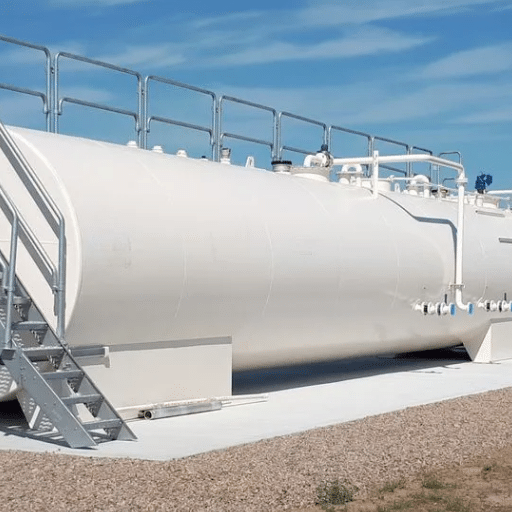
A gas-fuel skid mounted station is a factory-built, self-contained storage and dispensing system for LPG, LNG, or CNG. In other words, an LPG, LNG, CNG skid mounted station combines the pressure vessels, pumps or compressors, dispensers, piping, safety devices, and control systems on one steel skid or inside a container frame.
These systems range from compact 2,000 L LPG cylinder-filling skids to large LNG stations with 180 m³ cryogenic tanks. CNG daughter stations can handle thousands of Nm³ per hour. Because the entire package ships as one unit, installation time drops from months to days.
The key advantage is modularity. A skid mounted gas fuel station can be lifted by crane, transported by truck or ship, and repositioned as project needs change. This flexibility makes an LPG, LNG, or CNG skid mounted station attractive for projects that move or expand. Need a detailed comparison between Container Fuel Station and Skid Mounted? Please read our article on Container Fuel Station vs Skid Mounted.
How Gas-Fuel Skids Differ from Liquid-Fuel Skids
Diesel and gasoline skid stations store liquid fuels at low pressure or atmospheric conditions. Gas-fuel skids must manage pressure, phase changes, or cryogenic temperatures. Therefore, each fuel type requires a different approach to tank design, safety systems, and electrical classification.
Storage design: LPG is stored as a liquid under moderate pressure. LNG is stored as a liquid at approximately -162°C. CNG is stored as a gas under high pressure, typically 20–25 MPa. Each state demands a different tank or cylinder technology.
Vapor and gas management: LPG produces vapor that must be handled safely. LNG boils off slowly and requires boil-off gas (BOG) recovery or venting. CNG systems must manage compression heat, pressure cycling, and leakage detection.
Electrical classification: Gas-fuel skids require explosion-proof electrical equipment rated for hazardous areas, commonly Ex d IIBT4. Liquid diesel skids have less stringent vapor-area requirements.
Compliance codes: Liquid fuels fall under NFPA 30 and NFPA 30A. LPG follows NFPA 58. CNG follows NFPA 52 and ISO 16923. LNG follows NFPA 59A and ISO 16924.
LPG Skid Mounted Stations: Propane and Butane Fueling
LPG skid mounted stations are the simplest gas-fuel entry point. They store propane, butane, or a mixture in pressurized steel vessels. They dispense liquid or vapor depending on the application.
Storage and Tank Design
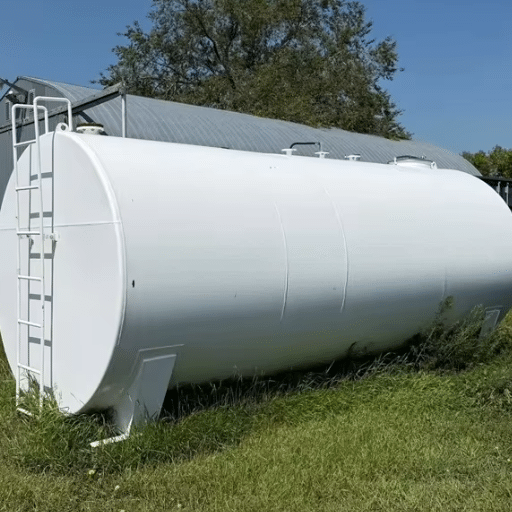
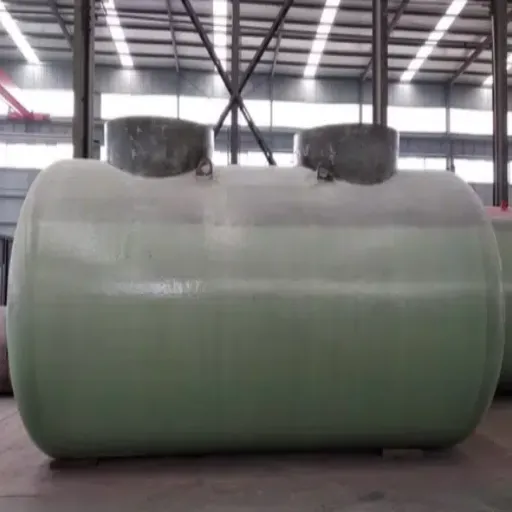
The tank is the heart of any LPG skid mounted station. Common materials include Q345R, SA-516, SA-517, and P460 pressure-vessel steels. Design pressure is typically around 1.77 MPa. Hydrotest pressure is usually near 2.22 MPa.
Configurations include:
- Single-wall tanks: Lower cost, but usually require external secondary containment or bunding.
- Double-wall tanks: An inner vessel surrounded by an outer shell with an interstitial space for leak detection.
- Self-bunded skids: The outer bund is integrated into the skid frame, eliminating the need for separate civil containment.
Capacities commonly range from 5,000 L to 50,000 L. Smaller 10 m³ skids suit cooking-gas cylinder filling. Larger 50 m³ units serve autogas stations and small industrial depots.
Dispensing Configurations
LPG skid stations support several dispensing formats:
- Autogas dispensers: Refuel cars, forklifts, and light commercial vehicles with liquid LPG.
- Cylinder filling scales: Fill domestic and industrial cooking-gas cylinders on a bottling line.
- Vapor distribution: Supply propane vapor for industrial heating or cooking applications.
Each format requires different pump, meter, nozzle, and safety configurations. Cylinder filling, for example, needs weighing scales and overfill protection that autogas dispensing does not.
Typical Applications
LPG skid stations fit applications where fuel is already familiar and infrastructure is light:
- Autogas fleets and taxi conversions.
- Forklift fleets in warehouses and factories.
- Cooking-gas bottling plants in residential markets.
- Remote heating and industrial LPG supply.
Mini-story: In 2024, a delivery operator in Ho Chi Minh City chose an LPG skid mounted station for a 40-vehicle autogas fleet. The lower storage pressure and existing LPG supply chain kept the project under $35,000. The station was operational in two weeks, and drivers reported fuel costs 20% below gasoline.
LNG Skid Mounted Stations: Cryogenic Natural Gas Fueling
LNG skid mounted stations handle liquefied natural gas at cryogenic temperatures. They are more complex than LPG skids. They also offer the highest energy density of the three gas fuels.
Cryogenic Storage System
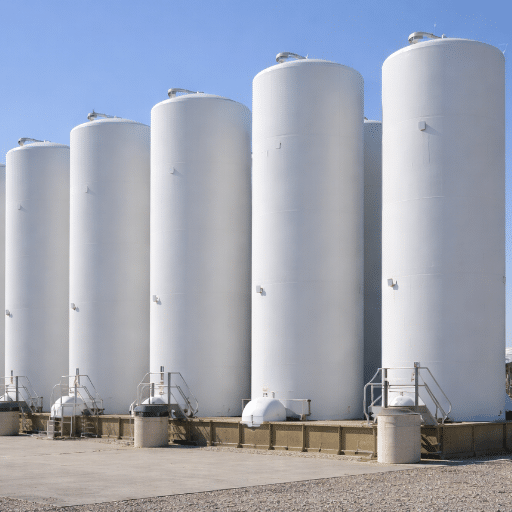
LNG is stored at approximately -162°C in double-wall vacuum-insulated tanks. The inner vessel holds the liquid. The outer shell maintains a vacuum or perlite insulation layer. This design minimizes heat ingress.
Typical tank design pressure ranges from 1.44 MPa to 2.0 MPa. Maximum working pressure is usually around 1.2 MPa. Station sizes range from small 30 m³ fleet units to large 180 m³ industrial stations.
Cryogenic storage demands careful material selection. The inner tank and piping typically use stainless steel 304 or 316. Supports must handle thermal contraction. The entire system must maintain vacuum integrity over years of service.
Vaporization and Dispensing
LNG cannot be dispensed directly into a vehicle in liquid form for long. A submerged LNG pump transfers liquid from the tank to a dispenser or to a vaporizer.
Key components include:
- Submerged pump: Moves LNG from storage to the dispenser at flow rates such as 340 L/min or 430 L/min.
- Vaporizer: Converts LNG back to gas using ambient air, water bath, or electric heating. Vaporizers also build tank pressure and saturate fuel before dispensing.
- LNG dispenser: Measures liquid or saturated gas into the vehicle tank. Accuracy is typically ±1.0%. Flow rates range from 3 kg/min to 80 kg/min.
A complete fueling cycle takes 2–4 minutes for a heavy-duty truck.
L-CNG Combination Skids
An L-CNG skid mounted station produces compressed natural gas from LNG. First, a high-pressure pump pressurizes LNG to more than 23 MPa. The liquid then passes through a high-pressure vaporizer. Finally, it enters CNG storage cascades. This allows one station to serve both LNG and CNG vehicles.
L-CNG systems add cost and complexity, but they reduce dependence on pipeline gas. They are popular in areas where LNG is available, but pipeline CNG is not.
Typical Applications
LNG skid stations suit heavy-duty, long-range, or high-throughput applications:
- Long-haul trucking and mining haulers.
- City bus depots with high daily mileage.
- Marine bunkering and port equipment.
- Remote power generation and off-grid industrial heat.
Mini-story: In 2023, an iron-ore contractor in Western Australia installed two 60 m³ LNG skid mounted stations at remote mine sites. The cryogenic skids replaced diesel for 25 haul trucks. Refueling time dropped to under four minutes per truck, and the mine cut fuel transport costs by eliminating long diesel tanker runs.
CNG Skid Mounted Stations: High-Pressure Natural Gas Fueling

CNG skid mounted stations compress and store natural gas at high pressure. They are the most common bridge between pipeline gas and vehicles that cannot connect to a pipeline.
Compression and Storage
A CNG skid mounted station starts with a natural gas compressor. The compressor draws gas from a pipeline or local source. It pressurizes the gas to 20–25 MPa. Common drive types include electric motors and hydraulic power units.
Compressed gas is stored in:
- Tube skids: Multiple high-pressure cylinders mounted on a trailer or skid. Capacities range from 150 m³ to 500 m³ equivalent.
- Cascade storage: Groups of cylinders divided into low, medium, and high-pressure banks. Sequential control draws from each bank to maximize fill rate and storage life.
Tube materials include steel, aluminum, or composite. Steel is durable but heavy. Composite is lighter and more expensive. Design pressure commonly reaches 250–450 bar.
Mother-Daughter and Virtual Pipeline Systems
A CNG mother station compresses pipeline gas and loads it onto tube trailers. A CNG daughter station receives the trailers. It then reduces pressure or boosts it, and dispenses CNG to vehicles. Together, mother and daughter stations form a virtual pipeline.
This model delivers natural gas by road to industrial users, municipalities, or fleets that are not connected to a physical pipeline. Virtual pipelines can extend supply up to 500 km from a gas source.
Daughter stations may include:
- Pressure reduction skid (PRS): Drops high-pressure trailer gas to dispenser pressure.
- Booster compressor: Raises pressure when trailer pressure falls or fast fill is required.
- Sequential control panel: Manages cascade fill logic.
Dispensing and Flow Rates
CNG dispensers meter gas by mass or volume. Accuracy typically falls within ±0.5% to ±1.5% under OIML R117. Fill time depends on compressor capacity, storage size, and vehicle tank state.
- Fast-fill: Similar to gasoline, completing in 3–5 minutes. Requires a large compressor and cascade storage.
- Slow-fill: Vehicles refuel overnight over several hours. Common for fleets that return to a central depot.
Typical station capacity ranges from 500 Nm³/h for small depots to 3,000 Nm³/h or more for busy public stations.
Typical Applications
CNG skid stations fit applications with access to pipeline gas or tube-trailer supply:
- Urban bus fleets and municipal vehicles.
- Light and medium-duty trucks.
- Passenger natural gas vehicles (NGVs).
- Industrial parks and remote municipalities via a virtual pipeline.
- Stranded-gas monetization at wells or biogas plants.
Mini-story: In 2022, a municipal gas utility in Bulgaria built a CNG mother station near a pipeline terminus. Tube trailers now carry gas to 13 municipalities within a 200 km radius. Each daughter PRS skid serves local buses and fleets. The network supplies roughly 100,000 people without a buried transmission pipeline.
LPG vs. LNG vs. CNG Skid Mounted Station Comparison
| Factor | LPG Skid Mounted Station | LNG Skid Mounted Station | CNG Skid Mounted Station |
|---|---|---|---|
| Storage state | Liquid under pressure | Liquid at cryogenic temperature | Gas under high pressure |
| Typical pressure | 0.5–1.8 MPa | 0.5–1.6 MPa (tank) | 20–25 MPa (250–450 bar) |
| Temperature | Ambient | -162°C | Ambient |
| Tank type | Pressurized steel vessel | Double-wall vacuum-insulated cryogenic tank | High-pressure cylinders or cascade |
| Key components | Pump, dispenser, vaporizer | Submerged pump, vaporizer, dispenser | Compressor, storage cascade, dispenser |
| Energy density | Higher than CNG, lower than LNG | Highest | Lowest |
| Refueling time | Fast | Fast | Moderate to slow |
| Best for | Autogas, forklifts, cooking gas | Heavy trucks, marine, remote power | Urban fleets, virtual pipelines, NGVs |
| Footprint | Compact | Larger due to insulation and vaporizer | Medium to large due to compressor and cascade |
| Relative cost | Lowest | Highest | Medium to high |
This LPG, LNG, CNG skid mounted station comparison explains why fuel choice must come before station design. For example, a buyer who selects CNG for long-haul mining trucks may find refueling times and storage weight unacceptable. On the other hand, a buyer who selects LNG for a small urban taxi fleet may overpay for cryogenic complexity.
Key Components of an LPG, LNG, CNG Skid Mounted Station
Despite their differences, LPG, LNG, and CNG skid stations share a common architecture.
Pressure Vessels and Tank Systems
Every gas-fuel skid starts with a certified pressure vessel. Tank fabrication must follow ASME Section VIII Division 1, PED, GB 150, or equivalent national codes. Materials must be traceable, welds must be inspected, and hydrostatic or pneumatic tests must be documented.
Dispensing and Metering Systems
Dispensers measure and control fuel delivery. LPG dispensers use liquid flow meters. LNG dispensers use cryogenic mass flow meters. CNG dispensers use mass flow meters with temperature compensation. All three should meet OIML R117 or equivalent accuracy standards.
Compression, Pump, and Vaporization Systems
- LPG uses liquid pumps and small vaporizers for pressure building.
- LNG uses submerged cryogenic pumps and ambient or heated vaporizers.
- CNG uses high-pressure compressors and sometimes hydraulic boosters.
Safety and Emergency Systems
A well-specified LPG, LNG, and CNG skid mounted station includes:
- Pressure relief valves and rupture disks: Protect vessels from overpressure.
- Gas detection sensors: Detect leaks before they reach explosive concentrations.
- Flame detectors: Trigger shutdown in high-risk areas.
- Emergency shut-off valves (ESD): Stop fuel flow instantly.
- Explosion-proof electrical equipment: Rated Ex d IIBT4 or equivalent.
- Static grounding and lightning protection: Prevent sparks during operation.
- Thermal relief and venting: Manage pressure changes from temperature swings.
For a deeper look at hazardous-area electrical requirements, read our overview of explosion-proof gas station equipment.
Control and Telemetry
Modern skids include PLC-based control cabinets with human-machine interface (HMI) screens. Operators can monitor level, pressure, temperature, flow, and alarms. Remote telemetry sends alerts for leaks, low inventory, or unauthorized access. These features turn a simple fueling point into a controlled logistics asset.
For system security information, please read our article on Skid Mounted Gas Station Safety Systems.
Safety Standards and Compliance by Fuel Type

Compliance requirements vary by fuel and region. However, several standards commonly apply globally.
LPG Standards
- NFPA 58: Liquefied Petroleum Gas Code. Governs container construction, location, fire protection, and vehicle fuel dispensers.
- ASME Section VIII Division 1: Pressure vessel construction for LPG storage tanks.
- API 2510: Design and construction of LPG installations.
- PED / EN 12542: European pressure equipment and LPG equipment standards.
- ATEX / IECEx: Explosion-proof electrical equipment in hazardous areas.
LNG Standards
- NFPA 59A: LNG production, storage, and handling.
- ISO 16924: LNG fuelling stations — design, construction, and operation.
- ASME / EN cryogenic codes: Pressure equipment for low-temperature service.
- IMO / IGF Code: Requirements for LNG bunkering and marine fuel systems.
CNG Standards
- ISO 16923:2026: Natural gas fuelling stations for CNG — design, construction, operation, and inspection.
- NFPA 52: Vehicular natural gas fuel systems code.
- ASME: Pressure vessel construction for CNG storage cylinders and cascades.
- OIML R117: Accuracy standards for CNG dispensers.
Shared Electrical and Hazardous Area Standards
- ATEX / IECEx: Certification for explosion-proof electrical devices.
- GB 3836: Chinese explosion-proof electrical standards for export models.
- IEC 60079: International electrical apparatus for explosive atmospheres.
Regional Import Requirements
Regional approvals may include SONCAP for Nigeria, SASO for Saudi Arabia, INMETRO for Brazil, and COC/PVoC for East Africa.
Capacity Selection and Sizing
Choosing the right capacity prevents both excessive capital spending and fuel shortages during peak demand. To choose the right skid mounted gas station, please read our article on Skid Mounted Gas Station Capacity Selection.
LPG Sizing
Size the tank based on daily liters or metric tons consumed. Add a peak factor for rush periods and a reserve for delivery intervals. For cylinder filling, size the scale count and pump flow to match hourly bottling targets.
LNG Sizing
Size based on daily Nm³ or kilogram demand. Consider vehicle tank sizes and daily turnover. A 60 m³ LNG tank holds roughly 25,000 kg of LNG, enough for many mid-size fleet depots. Remote sites with infrequent deliveries need larger tanks.
CNG Sizing
Size the compressor in Nm³/h based on daily demand and fueling window. Storage cascade size determines fast-fill capability. A small fleet with slow-fill overnight needs less storage than a public fast-fill station.
Sizing Formula Framework
A simple approach is:
Daily demand × peak factor × reserve ÷ fueling window = required throughput
Then match the throughput to tank capacity, pump or compressor size, and dispenser count.
Applications and Use Cases
LPG, LNG, and CNG skid stations serve different operational needs across many industries.
Fleet and Vehicle Fueling
- LPG: Autogas networks, forklifts, light commercial vehicles.
- LNG: Heavy-duty long-haul trucks, mining haulers, city buses with high mileage.
- CNG: Urban buses, municipal fleets, light and medium trucks, passenger NGVs.
Industrial and Remote Power
- Virtual pipelines: CNG mother-daughter systems extend pipeline gas to off-grid factories and mines.
- Remote power: LNG skid stations feed gas turbines or generators in areas without pipeline access.
- Industrial heating: LPG vapor distribution supports kilns, dryers, and furnaces.
Marine and Ports
- LNG bunkering: Shore-side LNG skid stations refuel vessels and port equipment.
- LPG and CNG shore supply: Smaller skids refuel fishing fleets, tugs, and harbor vehicles.
Emergency and Temporary Deployment
Mobile gas-fuel skids can deploy after natural disasters or support construction phases. For example, a mobile CNG refueling station can arrive by truck and start dispensing within days. This makes CNG a practical choice for temporary fleet expansion or emergency energy supply.
Cost Breakdown and Total Cost of Ownership

Equipment price is only part of the budget.
Equipment Pricing Tiers (Indicative)
| Capacity / System | LPG Skid | LNG Skid | CNG Skid |
|---|---|---|---|
| Compact / mobile | 8,000–25,000 | 25,000–60,000 | 30,000–80,000 |
| Mid-range | 20,000–60,000 | 60,000–150,000 | 80,000–250,000 |
| Large / industrial | 60,000–200,000+ | 150,000–500,000+ | 200,000–600,000+ |
Prices vary widely based on pressure class, materials, dispenser count, control systems, and certification scope.
Hidden Costs
- Shipping and customs: Pressure vessels may require special handling and third-party inspection.
- Foundation and siting: LNG skids need more space and cryogenic safety clearances. CNG skids need compressor power and noise mitigation.
- Gas supply logistics: LNG needs cryogenic transport. CNG needs pipeline access or tube-trailer delivery.
- Maintenance and recertification: Pressure vessels require periodic inspection. Compressors and cryogenic pumps need preventive maintenance.
Fuel Economics
Fuel price per gigajoule or per kilometer varies by region. LPG often has the lowest entry cost where distribution exists. LNG competes with diesel on long-haul routes. CNG is competitive where pipeline gas is cheap. Vehicle conversion costs and maintenance intervals also affect the total cost of ownership.
How to Evaluate a Gas-Fuel Skid Station Supplier
Choosing the right supplier matters as much as choosing the right specifications.
Manufacturing Capability
Look for suppliers with proven pressure vessel fabrication. Ask about:
- ASME U-stamp, PED, or GB 150 certification.
- Material traceability and welding procedures.
- Non-destructive testing (NDT) records, such as radiography or ultrasonic inspection.
- Cryogenic experience for LNG, compressor integration for CNG, and LPG autogas experience.
Certification and Compliance Support
Confirm that the supplier can support the certifications your market requires. These may include ISO 9001, ATEX/IECEx, OIML R117 dispenser approval, and regional import certificates.
Export Experience
Suppliers with projects in your region understand local climate, logistics, and regulatory expectations. Request reference projects, spare parts availability, and warranty terms.
Red Flags
- Vague pressure ratings or missing pressure vessel documentation.
- No gas detection, ESD, or explosion-proof electrical in the standard scope.
- Unwillingness to provide test reports, QA/QC records, or third-party certificates.
- No reference projects in similar climates or applications.
At Shandong Shengrui Intelligent Equipment Co., Ltd., we engineer LPG, LNG, CNG skid mounted stations for LPG, LNG, CNG, and L-CNG configurations. Our systems are built with certified pressure vessels, explosion-proof controls, and global compliance support. We provide technical documentation, CAD drawings, and remote installation guidance for projects worldwide.
Conclusion
An LPG, LNG, or CNG skid mounted station gives buyers a fast, modular way to deploy gas-fuel infrastructure. But each fuel creates a different engineering path. LPG offers the simplest, lowest-cost entry where distribution exists. LNG delivers the highest energy density for heavy transport and remote power. CNG extends pipeline gas to fleets and industrial users through fixed or virtual pipeline networks.
Key takeaways:
- LPG skids use pressurized steel vessels and suit autogas, forklifts, and cylinder filling.
- LNG skids require cryogenic storage, submerged pumps, and vaporizers for heavy-duty fueling.
- CNG skids rely on high-pressure compressors and cascade storage, often in mother-daughter virtual pipelines.
- Safety systems must match each fuel: NFPA 58 for LPG, NFPA 52 and ISO 16923 for CNG, NFPA 59A and ISO 16924 for LNG.
- Capacity sizing must start with daily demand, peak factor, and fueling window before selecting tank or compressor size.
Ready to specify your skid mounted gas fuel station? Contact our engineering team for a tailored specification, capacity recommendation, and compliance guidance for your region.