A single pinhole leak in an underground fuel tank can shut down a station for weeks and trigger regulatory fines that erase years of profit. For station owners and project integrators, the real question isn’t whether a tank will eventually need replacement—it is knowing exactly when and how to act before failure becomes a crisis.
You already understand that safety, compliance, and uptime depend on equipment that stays invisible and reliable beneath the forecourt. In this guide, you will learn the typical underground fuel tank lifespan, the warning signs that replacement is near, how the replacement process works, and what steps extend the life of your investment.
You will also see how a planned replacement strategy protects both your bottom line and the environment around your site.
New to underground storage? Start with our complete guide to underground fuel storage tanks before you choose a specific tank type.
What Determines Underground Fuel Tank Lifespan?

Most modern underground fuel tanks are engineered to last 20 to 30 years, but that range is not a guarantee. Several factors push a tank toward the shorter or longer end of that window.
Material and Construction Quality
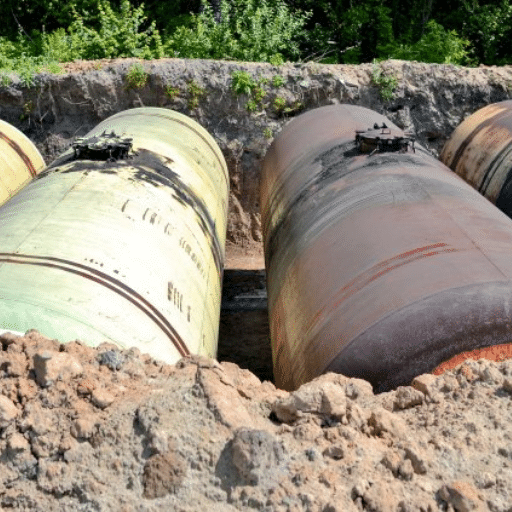
Steel tanks dominated the market for decades, and many are still in service today. However, unprotected steel is vulnerable to corrosion from soil moisture and electrochemical reactions. Modern double-wall storage tanks add a secondary containment layer that not only improves leak protection but also reduces the stress on the primary shell. Fiberglass-reinforced polymer tanks resist corrosion better than bare steel and often reach the upper end of the lifespan range when installed correctly.
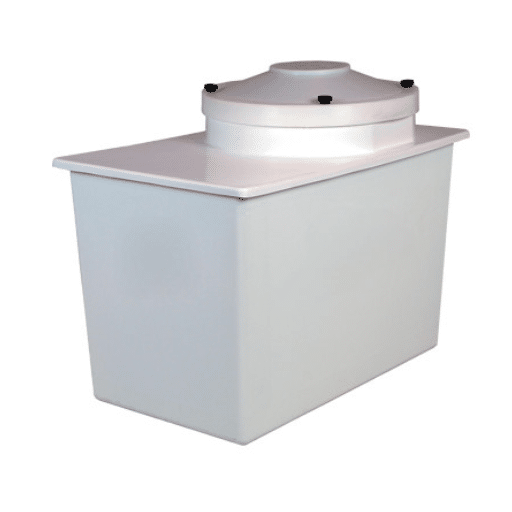
At Shandong Shengrui Intelligent Equipment Co., Ltd., our SF double-layer storage tanks combine a steel primary layer with a fiberglass-reinforced secondary layer. This construction is designed to meet international safety standards while delivering long-term performance in demanding environments.
Soil and Environmental Conditions
Soil chemistry plays a larger role in tank longevity than many owners realize. Acidic soils, high groundwater tables, and stray electrical currents accelerate corrosion. Sites near coastal zones or industrial areas face additional challenges from salt and chemical runoff. A tank in stable, dry soil may outlast an identical tank in aggressive ground conditions by 10 years or more.
Installation Quality
A tank is only as durable as the bed beneath it. Improper backfill, inadequate bedding material, poor compaction, or missed cathodic protection connections can create stress points that shorten lifespan. Professional installation following manufacturer and regulatory requirements gives a tank the best chance of reaching its full design life.
Maintenance and Monitoring
Tanks that receive regular inspections, calibrated leak detection systems, and preventive maintenance consistently last longer. Early detection of pressure anomalies, water intrusion, or coating damage allows owners to correct small problems before they cause structural damage.
If you are unsure how your current fuel storage setup compares, explore our complete range of underground fuel storage tanks and request a technical assessment.
Warning Signs Your Underground Fuel Tank Needs Replacement
Waiting for a visible failure is the most expensive way to manage fuel storage. Smart owners watch for early indicators and plan replacement on their own schedule rather than reacting to an emergency.
Persistent Leak Detection Alarms
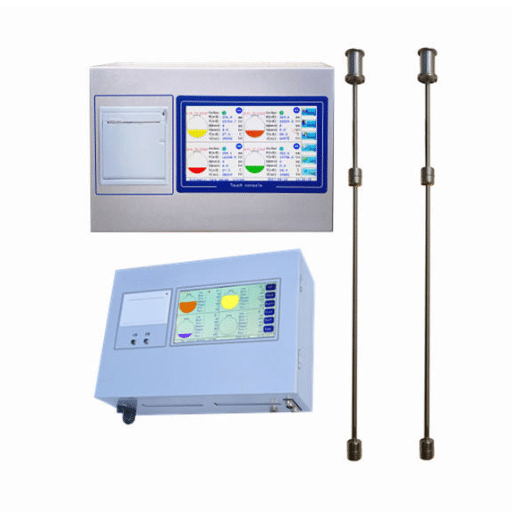
Modern automatic tank gauge systems monitor inventory levels, pressure, and interstitial space between tank walls. Occasional false alarms happen, but repeated or unexplained alarms deserve attention. A pattern of alerts may indicate a breach in the primary tank, a compromised secondary wall, or a failed sensor that needs replacement. Either way, it is a signal to inspect thoroughly.
Fuel Contamination or Water Intrusion
Water inside a tank accelerates corrosion of internal components and can contaminate fuel. If you notice repeated water infiltration despite normal operations, the tank may have developed cracks, failed seals, or compromised entry points. Fuel discoloration, odor changes, or filter clogging can also point to internal degradation.
Corrosion on External Fittings and Pipes
While the tank itself may be protected, exposed piping, fill caps, and manway covers show corrosion first. Heavy rust, pitting, or flaking metal around these components often means the same environmental forces are attacking the tank shell. Replacement planning should start before corrosion reaches critical areas.
Regulatory Non-Compliance
Regulations for underground storage tanks continue to tighten in many jurisdictions. Older tanks may lack required spill containment, overfill prevention, or secondary containment features. If upgrading a tank to meet current rules costs more than replacement, it is time to consider a new installation.
Declining Structural Integrity
Sagging, shifting, or visible deformation of tank access points can indicate that the surrounding soil has settled or that the tank shell has weakened. Any change in the physical position of the tank or its fittings requires immediate professional evaluation.
When Marcus Chen took over a rural station in 2023, the existing steel tank was 28 years old and had survived three minor leaks. A certified inspector found pitting along the bottom seam and recommended replacement rather than a third patch. Marcus chose a new double-wall tank with enhanced leak detection. The upfront investment was higher, but it eliminated the cycle of emergency repairs and brought the site into full compliance with updated state regulations.
Replacement vs. Repair: Making the Right Call
Not every problem requires a full tank replacement. In some cases, repairs such as internal lining, pipe replacement, or leak detection upgrades can add years of service. The decision depends on age, condition, and compliance status.
Consider repair when:
- The tank is less than 15 years old and generally well-maintained
- Damage is isolated to external piping, dispensers, or sensors
- A qualified inspector confirms the primary shell is sound
- Upgrading monitoring systems resolves compliance gaps
Consider replacement when:
- The tank is approaching or exceeding 25 years of service
- Leak detection indicates primary or secondary wall failure
- Corrosion is widespread or has penetrated the shell
- Repair costs approach 50% or more of replacement cost
- New regulations make the existing tank non-compliant
A careful cost-benefit analysis usually favors replacement once a tank passes the midpoint of its expected underground fuel tank lifespan. Each emergency repair adds labor, downtime, and risk. Replacing once eliminates repeat visits and gives you a clean compliance record.
The Underground Fuel Tank Replacement Process
Replacing an underground fuel tank is a structured engineering project, not a simple swap. Understanding the phases helps owners budget, schedule, and avoid surprises.
Phase 1: Site Assessment and Permitting
A qualified contractor evaluates soil conditions, groundwater levels, utility locations, and the existing tank’s position. Environmental permits, excavation permits, and regulatory notifications must be completed before work begins. This phase also includes temporary fueling arrangements if the station must remain operational.
Phase 2: Tank Emptying and Cleaning
The existing tank is pumped free of product and cleaned to remove residual fuel, vapors, and sludge. Proper cleaning is critical for worker safety and environmental protection. A professional team will also recover any usable fuel and dispose of waste according to local regulations.
Phase 3: Removal of the Old Tank
Once certified as clean, the old tank is excavated. Steel tanks may weigh several tons and require lifting equipment. The excavation exposes surrounding soil, which is inspected for staining or contamination. If leaks have occurred, contaminated soil must be removed and disposed of properly.
Phase 4: Installation of the New Tank
The new tank is placed on a prepared bedding layer, leveled, and connected to fill lines, vent lines, and dispenser piping. Cathodic protection systems are installed or verified. Double-wall tanks are tested to confirm integrity of both layers before backfilling.
Phase 5: Testing, Backfill, and Commissioning
After installation, the system undergoes pressure tests, leak detection calibration, and functional checks. Proper backfill with clean, compatible material protects the tank from future ground movement. Final documentation includes test reports, compliance certificates, and as-built drawings.
The entire process typically takes one to three weeks depending on site size, regulatory requirements, and weather. Stations with multiple tanks or complex piping may need longer.
If you are planning a replacement project, our team can supply certified gas station equipment and provide engineering support to streamline installation.
If you need to remove an underground fuel tank, please read our article about underground fuel tank removal.
Cost Factors in Underground Fuel Tank Replacement

Replacement costs vary widely based on tank size, material, site conditions, and regional labor rates. A typical single-tank replacement for a retail station can range from 25,000 to 100,000 or more when excavation, disposal, and regulatory work are included.
Key cost drivers include:
- Tank size and material — Larger tanks and corrosion-resistant materials cost more upfront but reduce lifecycle costs
- Excavation complexity — Rock, high groundwater, or proximity to buildings increases labor and equipment needs
- Soil remediation — Contaminated soil removal and disposal can add significant expense
- Permitting and inspection — Regulatory fees vary by jurisdiction
- Downtime and temporary fueling — Lost revenue during construction should be factored into the total project cost
- Upgrades — New piping, leak detection, and spill containment add to initial costs but improve compliance
Owners who plan replacement proactively can often schedule work during slower seasons, bundle upgrades, and avoid the premium pricing of emergency response.
For a full cost breakdown including worked examples, read our dedicated guide to underground fuel tank cost and TCO.
Choosing the Right Replacement Tank
Selecting a replacement tank is not only about matching the old capacity. It is an opportunity to improve safety, monitoring, and future-proofing.
Capacity and Throughput
Match the tank size to current and projected fuel demand. Installing a tank that is too small creates delivery headaches and limits revenue. A tank that is far larger than necessary increases capital cost without proportional benefit.
Material Selection
Double-wall steel-fiberglass tanks offer a strong balance of structural strength and corrosion resistance. For sites with aggressive soil or high groundwater, all-fiberglass tanks may be worth considering. Your engineer can recommend the best material based on site-specific conditions.
Leak Detection and Monitoring
Modern tanks should include interstitial monitoring, automatic tank gauging, and sump sensors. These systems provide early warning and satisfy regulatory requirements in most jurisdictions. Investing in quality monitoring during replacement pays dividends over the tank’s life.
Compatibility with Fuel Types
If your station may add alternative fuels, ethanol blends, or biodiesel in the future, confirm that the tank material and seals are compatible. Future fuel flexibility protects your investment against changing market demand.
How to Extend Underground Fuel Tank Lifespan
The best replacement is the one you delay through good stewardship. While no tank lasts forever, proper care can add years of reliable service.
Inspect Regularly
Schedule visual inspections of fill caps, manways, spill buckets, and containment sumps. Look for cracks, pooled water, corrosion, or damaged gaskets. Internal inspections by qualified technicians should follow manufacturer and regulatory intervals.
Maintain Leak Detection Systems
Automatic tank gauges, interstitial sensors, and sump sensors are your first line of defense. Calibrate them according to manufacturer specifications and investigate every alarm promptly. A well-maintained sensor system catches problems while they are still small.
Protect Against Corrosion
Cathodic protection systems sacrifice anode material to protect the steel tank from electrochemical corrosion. These systems require periodic testing and anode replacement. Keeping cathodic protection functional is one of the most effective ways to extend tank life.
Control Water Entry
Water is one of the most damaging contaminants in fuel storage. Keep spill containment sumps dry, repair cracked caps quickly, and ensure fill connections seal properly. Fuel polishing or water removal may be needed if water accumulates inside the tank.
Keep Accurate Records
Documentation supports warranty claims, regulatory compliance, and resale value. Maintain records of installation, inspections, repairs, test results, and product deliveries. Good records also help future buyers or inspectors assess the true condition of the asset.
When the operations team at a regional logistics hub implemented a quarterly inspection program in 2021, they discovered early corrosion around a sump sensor on a 12-year-old tank. The repair cost under $3,000 and prevented the moisture intrusion that would have likely required a full tank replacement within five years.
Compliance and Environmental Responsibility

Underground fuel tanks operate under strict environmental regulations because leaks can contaminate soil and groundwater for decades. In the United States, the EPA’s underground storage tank program requires leak detection, spill and overfill prevention, corrosion protection, and financial responsibility. Many other countries maintain similar standards.
Working with certified equipment and experienced installers ensures that your replacement project meets all applicable codes. Double-wall tanks, advanced leak detection, and robust spill containment are no longer optional in most jurisdictions—they are baseline requirements for responsible fuel storage.
Conclusion
Underground fuel tank lifespan depends on material quality, installation, environment, and ongoing care. Most tanks serve 20 to 30 years, but proactive monitoring and maintenance can push the upper limit. Recognizing warning signs early gives you the power to plan replacement on your own terms, avoid emergency costs, and maintain compliance.
If your tank is approaching the end of its service life or showing signs of wear, the next step is a professional assessment. Our engineering team at Shandong Shengrui Intelligent Equipment Co., Ltd. provides site-specific evaluations and certified underground fuel storage tanks designed for safety and long-term performance.
Contact us today to discuss your fuel storage needs and receive a tailored recommendation for your station.