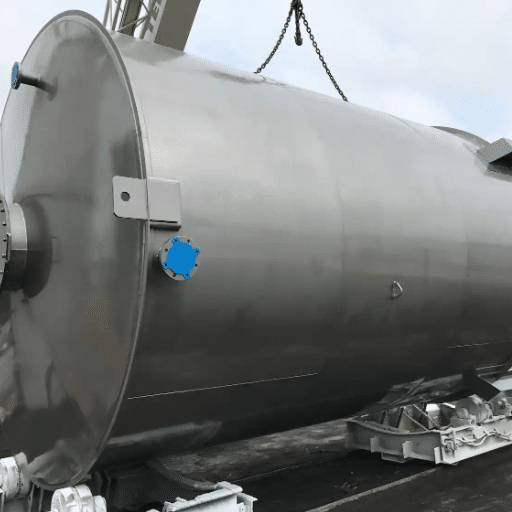
A gas station owner in Texas once budgeted $50,000 for a new underground fuel tank. By the time the dewatering pumps stopped, the soil tests came back clean, and the fuel islands were repaved, the final invoice had climbed to $120,000. The tank itself was only part of the story.
That is the real challenge behind underground fuel tank cost. Online estimates range from a few thousand dollars to nearly $400,000, leaving buyers unsure what number to trust. This guide breaks down every major cost category so you can budget accurately and avoid the surprises that turn a reasonable project into a budget emergency.
For a complete overview of tank types and safety systems, start with our guide to underground fuel storage tanks.
How Much Does an Underground Fuel Tank Cost? (Quick Answer)

Tank-Only Prices
For commercial-grade USTs, the tank alone typically represents 25–40% of the total installed cost. A 13,000-gallon fiberglass UST may cost around $40,000, while a split-tank package with fittings, sumps, anchoring, freight, and tax can reach $60,000–$65,000.
Wholesale and international pricing differs sharply. A 20,000-liter carbon-steel or fiberglass double-wall tank from a manufacturer may range from $6,000 to $12,000 before shipping, import duties, and regional certification.
Installed Prices for Commercial USTs
A complete commercial installation commonly runs $30,000–$150,000+. Larger or more complex gas station projects can fall between $60,000 and $380,000, depending on size, material, site conditions, and regional labor rates.
Residential and Small-Scale USTs
Residential underground tanks are far smaller and simpler:
- Underground heating oil tank: $1,500–$3,000 for the tank; $3,500–$10,000+ total replacement cost
- Underground propane tank (500–1,000 gallons): $1,500–$4,000 tank; $3,000–$8,000 total installed
- 500-gallon underground tank installation: national average $2,047–$2,537, reaching $3,899 in high-cost regions
Cost by Capacity
| Capacity | Tank-Only Estimate | Installed Estimate | Typical Use |
|---|---|---|---|
| 500 gallons | 1,500–3,000 | 2,000–4,000 | Residential propane/heating oil |
| 1,000 gallons | 2,500–5,000 | 4,000–8,000 | Residential/lift station |
| 5,000 gallons | 15,000–25,000 | 25,000–50,000 | Small fleet/marina |
| 10,000 gallons | 25,000–40,000 | 40,000–80,000 | Retail gas station |
| 13,000 gallons | 35,000–50,000 | 60,000–120,000 | Standard retail station |
| 20,000+ gallons | 50,000–80,000+ | 100,000–200,000+ | High-volume/commercial |
Prices are approximate and vary by region, material, and project scope.
What Drives Underground Fuel Tank Cost?
Tank Size and Capacity
Larger tanks cost more total dollars but less per gallon. A 10,000-gallon tank does not cost twice as much as a 5,000-gallon tank. Capacity, shipping weight, and excavation volume all scale together.
Material and Construction Type
Steel tanks usually cost less upfront than fiberglass but require cathodic protection and shorter inspection cycles. Fiberglass and composite tanks resist corrosion but carry higher purchase prices. Double-wall construction adds 20–40% to tank cost but is required for many EPA-regulated installations.
Single-Wall vs Double-Wall Construction
Single-wall tanks are cheaper but increasingly restricted. Post-2015 EPA rules generally require secondary containment for new UST systems. A double-wall tank eliminates the need for a separate containment structure and simplifies leak detection. For a deeper comparison, read our article on double wall vs single wall fuel tanks.
Certifications and Compliance Standards
Tanks built to UL 58, UL 1316, EN 12285-1, or GB50156-2021 cost more than uncertified alternatives. Certification ensures the tank meets pressure, corrosion, and fire-resistance standards required by insurers and regulators.
Geographic Location and Regional Labor Rates
Northeast and California prices typically run 15–25% above national averages. Texas, Oklahoma, and the South often fall 5–15% below. Remote sites add freight, travel, and per diem costs for installers.
Underground Fuel Tank Cost by Material

Steel Tanks
Steel USTs are the traditional choice. They are strong, widely available, and relatively affordable. However, steel requires cathodic protection, coatings, and periodic testing to prevent corrosion. Over a 30-year life, maintenance costs can narrow the upfront price gap with fiberglass.
Fiberglass Tanks
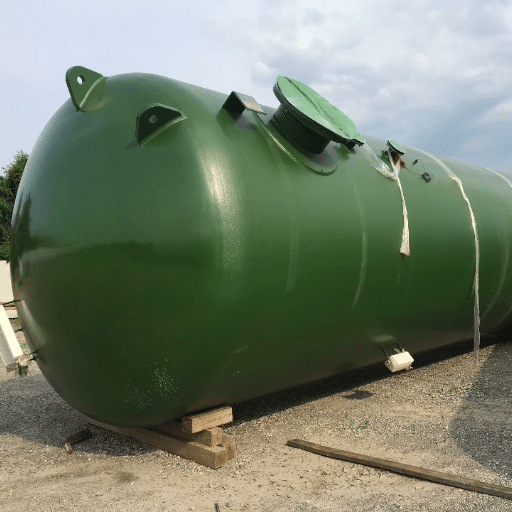
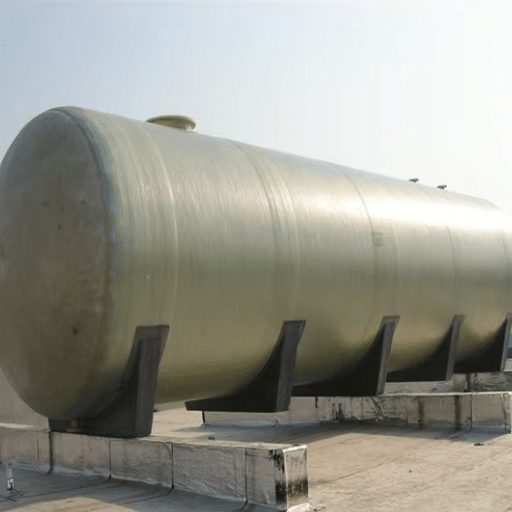
Fiberglass-reinforced plastic (FRP) tanks resist corrosion and typically last 30–40 years. They are popular for gas stations and environmentally sensitive sites. The purchase price is higher than steel, but long-term maintenance is lower.
Steel-Fiberglass (SF) Double-Wall Tanks
SF tanks combine a steel inner shell with a fiberglass outer shell. They offer the strength of steel plus the corrosion resistance of fiberglass. The interstitial space supports continuous leak detection. SF double-wall tanks are a strong value for commercial gas stations.
Fiberglass-Fiberglass (FF) Double-Wall Tanks
FF tanks use FRP for both the inner and outer shells. They are the most corrosion-resistant option and often the most expensive. They are ideal for aggressive soils, high groundwater, or sites with strict environmental requirements.
For details on SF construction, see our SF double wall tank guide.
Cost Breakdown: Tank, Installation, and Site Work
Equipment and Tank Package
The equipment line item includes the tank, fittings, manways, spill buckets, dispenser sumps, anchoring hardware, and interstitial sensors. A split-tank package for a 13,000-gallon fiberglass UST with fittings, sumps, anchoring, freight, and tax typically lands at $60,000–$65,000.
Excavation, Dewatering, and Bedrock
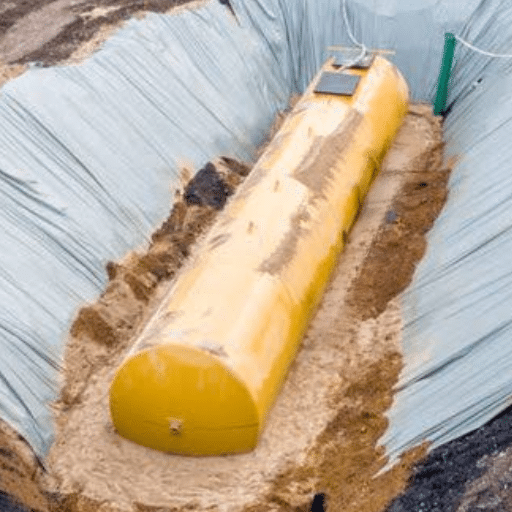
Excavation is often the highest variable cost. Soft, dry soil is cheap to dig. High groundwater requires dewatering pumps and may trigger anti-flotation engineering. Bedrock or contaminated soil can multiply excavation costs.
Bedding and Backfill Materials
Approved bedding and backfill, such as clean sand, pea gravel, or crushed stone, are not free. Native soil is usually prohibited because it can damage coatings and create voids. For large tanks, imported backfill can add several thousand dollars. For more details, see our underground fuel tank installation guide.
Piping, Sumps, and Leak Detection
Double-wall piping, containment sumps, automatic tank gauges, and interstitial monitors add cost. These systems are required for compliance and protect against leaks, but they represent a meaningful share of the installed budget.
Cathodic Protection Systems
Steel tanks and metallic piping need cathodic protection, either sacrificial anodes or impressed current systems. Installation adds cost, and testing must be repeated every 3 years under federal rules.
Permits, Inspections, and Testing
Permit fees vary by jurisdiction. Third-party inspections, tank tightness testing, hydrostatic testing, and cathodic protection verification add cost but are required for compliance and warranty.
Surface Restoration and Concrete Work
After backfill, fuel islands, driveways, and aprons must be restored. Concrete and asphalt work can exceed the tank cost on small projects. Marking tank and piping locations prevents future damage.
Labor and Contractor Fees
Qualified UST installers charge for tank handling, piping, electrical, testing, and coordination. Labor is a major cost driver in high-wage regions and on complex sites.
Underground Fuel Tank Installation Cost Scenarios
Scenario 1: Single-Tank Replacement at an Existing Station
A retail station replacing one aging 10,000-gallon tank may spend $40,000–$80,000 installed. If the old tank must be removed and the soil is clean, the project stays at the lower end. Contaminated soil or a cramped site pushes it higher.
Scenario 2: New Two-Tank Gas Station Installation
A new station with two 13,000-gallon tanks, dispensers, leak detection, and paving can reach $150,000–$300,000. Tank cost is only one line item; excavation, concrete, electrical, and dispenser islands dominate the budget.
Scenario 3: Remote Mining or Fleet Fueling Site
Remote sites often use skid-mounted or modular fueling systems to reduce civil work. A skid-mounted station with an integrated tank, dispensers, and containment can cost $50,000–$150,000 but avoids much of the excavation and restoration expense.
Scenario 4: Residential Underground Propane or Heating Oil Tank
A 500-gallon residential installation typically costs $2,000–$4,000. Removal of an old tank adds $1,000–$3,000. Cleanup of contaminated soil can escalate the project quickly.
Hidden Costs and Budget Killers

Dewatering and Soil Stabilization
Groundwater is the silent budget killer. A site that looks dry in summer may flood in spring. Dewatering, wellpoints, and soil stabilization can add tens of thousands of dollars.
Unexpected Contamination or Remediation
If a removed tank leaked, soil or groundwater remediation becomes the dominant cost. Cleanup can range from $5,000 to over 1 million, with EPA estimates averaging around $154,000.
Utility Relocation and Access Challenges
Underground utilities, tight property lines, or limited site access force creative excavation and longer schedules. Each delay increases labor and equipment rental costs.
Upgrading Dispensing and Monitoring Systems
A new tank may not work with old dispensers or monitoring consoles. Upgrading POS integration, ATG systems, and vapor recovery can add $20,000–$100,000 to a station project.
Change Orders and Schedule Delays
Every unknown condition becomes a change order. A clear geotechnical report, as-built drawings, and a detailed scope of work reduce these surprises.
Underground Fuel Tank Removal and Replacement Cost
Tank Removal Cost
Removing an existing UST typically costs $1,000–$5,000, depending on size, depth, and location. A 550-gallon residential oil tank might cost $1,470–$1,740, while a 1,000-gallon commercial tank can reach $3,700–$5,000. If you need to remove an underground fuel tank, please read our article about underground fuel tank removal.
Soil Testing and Contamination Assessment
Before backfilling a removed tank pit, most regulators require soil samples. Testing costs are small compared to remediation but essential for documenting environmental clearance.
Cleanup and Remediation Cost Range
If contamination is found, cleanup costs vary dramatically. Minor soil contamination may cost $5,000–$25,000. Groundwater impacts or large plumes can exceed $100,000 or even 1 million in extreme cases.
When Replacement Is Cheaper Than Repair
Repairing a corroded single-wall tank is usually a short-term fix. Replacing it with a certified double-wall tank eliminates future leak risk and often reduces insurance and regulatory burdens.
To learn about the lifespan and replacement of underground fuel tanks, please read our article on underground fuel tank lifespan & replacement.
Long-Term Cost of Ownership
Annual Inspections and Testing
UST owners must budget for 30-day walkthrough inspections, annual leak-detection equipment testing, and periodic spill/overfill equipment testing. These costs are modest but recurring.
Cathodic Protection Maintenance
Impressed current systems require rectifier checks every 60 days and field testing every 3 years. Sacrificial anodes have a finite life and may need replacement after 10–20 years.
Leak Detection Monitoring
ATG systems, interstitial sensors, and alarm monitoring may carry software subscriptions or service contracts. These are small compared to the cost of an undetected leak.
Insurance and Regulatory Fees
Many insurers offer better rates for double-wall tanks with modern monitoring. Annual state UST fees, compliance inspections, and operator training also add to ownership cost.
Expected Lifespan and Replacement Timeline
Steel tanks may last 15–25 years, while fiberglass and SF/FF double-wall tanks often reach 30–50 years. Planning for replacement before failure protects both the environment and the business.
Underground Fuel Tank Cost vs Above Ground
Initial Cost Comparison
Underground tanks typically cost $1,500–$3,000 more than above-ground equivalents of the same capacity. The extra cost comes from excavation, cathodic protection, and permitting.
Installation Complexity Difference
Above-ground tanks avoid excavation and backfill but require containment dikes, fire setbacks, and visual screening. Underground tanks save space and reduce vapor exposure but need more site work.
Long-Term Maintenance and Space Trade-Offs
Underground tanks have higher inspection and corrosion-protection costs but free up valuable site space. Above-ground tanks are easier to inspect and repair but consume more real estate.
How to Get an Accurate Underground Fuel Tank Quote

Information to Provide to Suppliers
To receive an accurate tank quote, share:
- Required capacity and fuel type
- Preferred material and construction (single-wall, double-wall, SF, FF)
- Required certifications (UL, EN, GB)
- Number of tanks and orientation
- Shipping destination and incoterms
Information to Provide to Installers
For an installed quote, provide:
- Site plans and soil conditions
- Groundwater level and drainage
- Existing tank removal needs
- Dispenser count and piping layout
- Local permit and inspection requirements
Questions to Ask Before Signing
- Is dewatering included in the estimate?
- What backfill material and compaction method will be used?
- Are permits, inspections, and testing included?
- What is the warranty on the tank and installation?
- Who handles unexpected contamination or soil issues?
Why Manufacturer-Supported Quotes Reduce Surprises
Working directly with the tank manufacturer or a certified representative ensures the quoted tank matches the site requirements and that installation support is available. Manufacturers can also clarify freight, customs, and certification costs for international projects.
At Shandong Shengrui, we provide detailed factory-direct quotes for SF double-wall tanks, including drawings, 3D assembly support, and optional on-site supervision to help your installer avoid costly surprises.
FAQ
How much does a 10,000-gallon underground fuel tank cost?
A 10,000-gallon commercial UST typically costs $25,000–$40,000 tank-only and $40,000–$80,000 installed, depending on material, site conditions, and regional labor rates.
How much does it cost to install a 500-gallon underground fuel tank?
The national average for a 500-gallon residential tank installation is $2,047–$2,537. High-cost regions like Long Island or California can push this above $3,500.
Are underground fuel tanks more expensive than above-ground?
Yes, typically by $1,500–$3,000 or more for the same capacity. The added cost covers excavation, cathodic protection, permitting, and backfill.
How much does it cost to remove an underground fuel tank?
Removal alone costs $1,000–$5,000. If contaminated soil is found, cleanup can add $5,000 to over 1 million.
What is the cheapest underground fuel tank material?
Bare steel is usually the cheapest upfront, but it requires cathodic protection and shorter inspection cycles. Over 30 years, fiberglass or SF double-wall tanks may be more economical.
How long does an underground fuel tank last?
Steel tanks last 15–25 years, while fiberglass and SF/FF double-wall tanks often last 30–50 years with proper installation and maintenance.
Conclusion
Underground fuel tank cost is not a single number. It is a stack of decisions: tank size, material, site conditions, installation scope, and long-term ownership. A $40,000 tank can become a $120,000 project when excavation, dewatering, and paving are added. A $6,000 wholesale tank can become far more expensive after freight, duties, and local certification.
Before your next underground fuel tank cost estimate, gather your site data, define your scope clearly, and ask installers exactly what is included. Compare total cost of ownership, not just tank price.
At Shandong Shengrui Intelligent Equipment Co., Ltd., we manufacture certified SF double-wall tanks and support global projects with factory-direct pricing, CAD drawings, and installation guidance. Contact our team for a detailed quote tailored to your capacity, material, and site requirements.