When Marcus launched his gas station retrofit in spring 2024, he specified a double-wall steel/FRP tank for diesel and ethanol blend service. The supplier confirmed “standard fuels” at the bid stage. Six months later, his E15 blend began causing seal swelling and false interstitial alarms.
The compatibility conversation that should have happened at the RFQ stage had become a $12,000 remediation project in year one. Stories like Marcus’s are why SF tank fuel compatibility belongs in the specification, not as an afterthought, but as a design input documented before the tank ever ships. This guide covers gasoline, diesel, ethanol blends, biodiesel, and jet fuel, plus the SF double-wall tank specification clauses that protect your project.
If you need the full procurement procedure, how to specify an SF double-wall tank covers the submittal package and the rejection process.
SF Tank Fuel Compatibility: Why It Belongs in the Specification
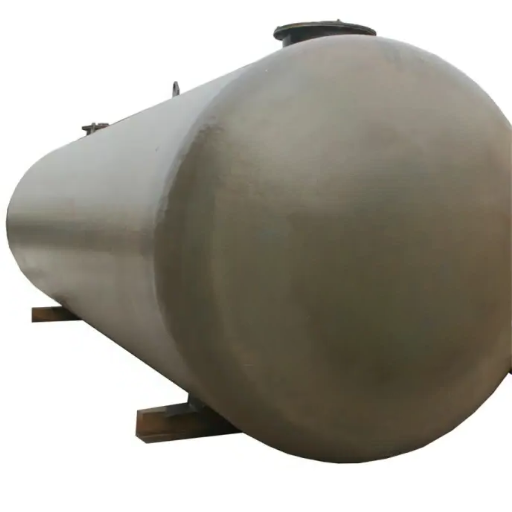
Fuel compatibility is a design input, not a warranty claim. The pattern is consistent across our engineering team and confirmed by supplier submittals: name the fuel list at bid stage, get written confirmation for each fuel type, and keep that confirmation in the project file. When compatibility is assumed rather than specified, you risk elastomer degradation, resin swelling, seal leakage, and false interstitial alarms.
Installation and protection standards such as API RP 1615 and STI-P3 set the framework. The fuel list is what you add on top, and it is the part most often left blank.
A tank specified for diesel only, later operated with ethanol blends, is not the same product. The steel inner wall may show no reaction, but the FRP outer wall’s resin system and the elastomeric fittings will degrade, sometimes in as little as 18 months. Don’t wait until year four to discover what the supplier could have confirmed in writing at bid stage.
Gasoline and Diesel: The Baseline
Any credible SF double-wall tank handles gasoline and diesel as baseline fuels. These mineral-based products are the standard against which all other fuel compatibilities are measured. An SF tank gasoline specification and SF tank diesel specification should list the grades and any additives in use. If your station carries premium gasoline with performance enhancers, or diesel with winter anti-gel additives, put them on the list.
You’ll need written confirmation from the supplier that the tank’s steel inner wall and FRP resin system tolerate those grades before project sign-off. Certification under UL 1746, or the UL standard itself, covers the external corrosion protection system. It does not cover the fuel list, so the two documents work together.
Ethanol Blends: Where the Limit Is
Ethanol is not the concern for the steel inner wall. The resin system and elastomers are what matter. Ethanol absorbs water, can soften certain resins, and affects seal materials differently depending on concentration. The distinction between blend levels is where ethanol blend compatibility is decided.
E10: The Retail Standard
E10 is the most common blend at retail stations. It has minimal impact on most FRP resin systems, but written supplier confirmation is still best practice.
E15: Growing Market Share
E15 is increasingly common in some markets. It requires vinyl ester or specially formulated polyester resin. Nitrile (NBR) elastomers may show swelling over time, so confirm the elastomer grade alongside the resin.
E85: Aggressive Service
E85 is aggressive. It requires a dedicated fuel specification because many standard FRP resin systems are not rated for high-ethanol service without a specific formulation. Perfluoroelastomer (FFKM) seals are recommended at all fuel contacts.
Specification clause example: “Maximum ethanol blend: E10. If the site will dispense E15 or higher, the supplier shall confirm resin system and elastomer compatibility for the listed blend concentration in writing. Elastomer material: Viton or perfluoroelastomer recommended for blends above E10.”
The steel inner wall is generally compatible with all ethanol blends. The protection concern shifts to the FRP jacket and monitoring fittings. That’s why the specification must name the maximum blend the tank will handle, and the supplier must confirm the complete system, not just the tank shell.
When David’s fleet fueling station upgraded from diesel to E10 without updating the tank specification, his monitoring system triggered false leak alarms within 10 months. The elastomer gaskets in the interstitial fittings had swollen from ethanol absorption, changing the pressure signature.
A simple specification addendum specifying E10 maximum and confirming Viton elastomers resolved the issue, at $450 in specification revision costs, versus $8,200 in unnecessary leak investigations over 18 months.
Biodiesel: A Stronger Solvent Than Mineral Diesel
Biodiesel is a stronger solvent than mineral diesel, and its effects accumulate over time. Biodiesel fuel tank compatibility depends on the concentration, so the threshold decides whether the impact is minor or needs a dedicated specification.
B5: Bundled With Diesel
B5 is often bundled with diesel fueling. It has minimal impact on most resin systems and seal materials. Many suppliers include B5 in their baseline rating without additional documentation.
B20: The Fleet Standard
B20 is the most common commercial blend for fleet operations, and it needs specification attention. Vinyl ester resin systems handle B20 well, but polyester resins may show gradual degradation. Nitrile (NBR) elastomers can swell noticeably over 12 months in B20 service, so specify Viton where the fittings see fuel contact.
B100: Dedicated Specification
B100 is aggressive solvent service. It affects both the resin system and the seal materials. A dedicated tank specification is required, typically with vinyl ester construction and FFKM seals at all fuel contacts. Some jurisdictions restrict or ban B100 in standard double-wall tanks.
Specification clause example: “Biodiesel concentration limit: B20. If the site will handle B20 or above, the supplier shall confirm vinyl ester resin system and FFKM elastomer compatibility for the listed concentration in writing. For B100 service, separate tank scope may be required.”
The solvent power of biodiesel differs fundamentally from mineral diesel. It’s not just a blend ratio question; it’s a material compatibility question. Biodiesel’s ester chemistry can penetrate and soften resins that mineral diesel would not affect, and the damage adds up over months of exposure.
Mini-story: Elite Fleet Management specified a standard SF tank for B20 biodiesel service without calling out the blend concentration. Eighteen months into operation, their maintenance team discovered resin discoloration and minor seepage at a fitting.
The supplier’s initial denial (“all our tanks handle diesel”) shifted once the B20 concentration was documented. A specification revision with written B20 confirmation and Viton elastomer replacement cost $6,800, plus 10 weeks of downtime for the fleet depot. Written confirmation at bid stage would have cost $300 and prevented the entire issue.
Jet Fuel and Aviation Gasoline: Separate Handling Requirements
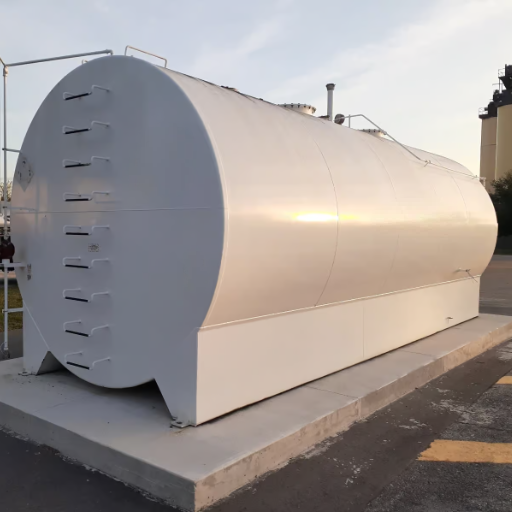
Jet fuel in double-wall tank service is not the same as diesel storage. Jet fuel (AVTurbo, JP-8, Jet A-1) and aviation gasoline (AVGAS) bring their own handling and quality requirements. Tanks serving aviation should be specified against those fuel types, not treated as diesel with a different label. The underground fuel storage tank guide covers installation and monitoring; this section covers only the fuel list.
Specification clause example: “Jet fuel or aviation gasoline service; supplier to confirm tank design and fitting compatibility for aviation fuel. Minimum fuel cleanliness standards per API 1584 shall apply. Separate vent and filtration requirements may apply.”
The steel inner wall and FRP outer wall system that handles diesel and gasoline may not be rated for aviation fuel’s specific chemical composition. Fuel stability, water separation, and additive compatibility all differ from road fuel specs.
Mini-story: When Pacific Regional Airport specified a standard SF double-wall tank for jet fuel storage, the supplier confirmed “diesel compatibility” at bid stage. Six months later, the airport’s fuel quality team detected microbial growth in the tank.
That’s a known issue with aviation fuel in tanks not designed for its specific water-handling and stability requirements. The tank was repurposed for diesel storage only, and a jet-fuel-rated tank specification was ordered at triple the original cost. Aviation fuel requires separate specification, not a diesel-by-another-name approach.
Fuel List Specification Protocol: The Repeatable Process
The practical process for specifying fuel compatibility across projects follows these five steps. A fuel compatibility specification clause is only useful if it names concentrations, not just fuel families. This is the checklist your team can reuse across RFQs, spec sign-offs, and project files.
Step 1: Name the fuel list at bid stage. Include all fuel types the tank will handle, even blends. List each fuel and its maximum concentration. Example: “Diesel (standard), Diesel (B20), E10 gasoline, Jet A-1.” The fuel list is the foundation; every subsequent step depends on it being complete.
Step 2: Get written confirmation. For each fuel type and concentration listed, the supplier confirms resin system material, elastomer material, and compatibility. This confirmation should be on the supplier’s letterhead, signed by a qualified engineer, and include the specific fuel(s) and concentration(s) addressed. Verbal confirmation or “standard fuels” statements without specifics do not meet this step.
Step 3: Keep that confirmation in the project file. Year-four compatibility failures are very expensive conversations without it. File the written confirmation in the project’s specification submittal folder, cross-referenced to the tank specification number. If the fuel list changes at any point, a new blend is added, or concentration is increased, a revised specification and new written confirmation are required before the change is implemented.
Step 4: Reference in submittal package. Fuel compatibility confirmation appears in the submittal documentation delivered to the project engineer or owner. This is not a formality; it’s the documented evidence that the tank’s fuel handling capability has been vetted and confirmed.
Step 5: Update if fuel list changes. Any new fuel type or blend concentration triggers a spec revision. Do not assume the original confirmation covers additions. A simple addition of E15 to an existing E10-only specification requires new written supplier confirmation before the change is implemented on site.
For a detailed comparison, please read our article on steel-fiberglass vs fiberglass-fiberglass tanks.
Summary Table: Fuel Compatibility Matrix
| Fuel Type | Steel Inner Wall Tolerance | FRP Resin System Tolerance | Elastomer Material Recommendation | Written Confirmation Required |
|---|---|---|---|---|
| Gasoline (standard) | Compatible | Compatible (polyester or vinyl ester) | Nitrile (NBR) acceptable | Yes, grade specification |
| Gasoline (E10) | Compatible | Vinyl ester recommended | Viton or NBR with confirmation | Yes, max blend concentration |
| Diesel (standard) | Compatible | Compatible | Nitrile (NBR) acceptable | Yes, grade specification |
| Diesel (B20) | Compatible | Vinyl ester recommended | Viton recommended | Yes, B20 concentration |
| Biodiesel (B100) | Compatible (steel unaffected) | Vinyl ester required | FFKM (perfluoroelastomer) | Yes, B100 concentration |
| Ethanol (E85) | Compatible (steel unaffected) | Not rated for standard systems | FFKM required | Yes, dedicated specification |
| Jet Fuel (Jet A-1) | Supplier confirmation required | Supplier confirmation required | Supplier confirmation required | Yes, aviation fuel specification |
| Aviation Gasoline (AVGAS) | Supplier confirmation required | Supplier confirmation required | Supplier confirmation required | Yes, aviation fuel specification |
Note: Always verify with the supplier for specific resin system and elastomer formulations. This matrix is a guideline, not a replacement for written supplier confirmation.
Frequently Asked Questions
What fuels can an SF tank store?
SF double-wall tanks store gasoline, diesel, ethanol blends up to the specified limit, biodiesel blends, jet fuel, and aviation gasoline. The steel inner wall handles the fuel. The resin system and elastomers set the blend limits, so confirm the exact fuel list with the supplier in writing.
What is the maximum ethanol blend for an SF tank?
Most SF tanks are rated to E10 as standard. E15 requires vinyl ester resin and confirmed elastomer compatibility. E85 needs a dedicated specification with FFKM seals. The maximum blend belongs in the specification, not just the marketing sheet.
Can an SF tank store B100 biodiesel?
Only with a dedicated specification. B100 requires vinyl ester construction and FFKM seals at all fuel contacts. Some jurisdictions restrict B100 in standard double-wall tanks, so confirm local rules before ordering.
Do SF tanks need cathodic protection?
Usually no. The FRP outer wall isolates the steel from soil and groundwater. Under UL 1746, the listed part decides: Parts II and III include external corrosion protection for the steel, while a bare steel tank needs cathodic protection supplied separately.
Conclusion: Specify the Fuel List, Save the Project
The pattern is consistent: name the fuel list up front, get written confirmation, keep records. A compatibility failure discovered in year four of operation is a very expensive conversation without it. Marcus’s $12,000 remediation, David’s $8,200 in leak investigations, and Elite Fleet’s $6,800 plus 10 weeks of downtime were all preventable with the Fuel List Specification Protocol.
Your next steps: Review the next RFQ or specification you’re preparing. Before signing, verify the fuel list is complete, each fuel type and concentration has written supplier confirmation, and the confirmations are filed in the project specification folder. It takes five minutes and saves thousands.
Ready to specify the right tank for your project? Visit the SF double-layer tank product page or contact our engineering team for personalized support. We’ll walk through your fuel list, confirm compatibility with our tank specifications, and provide the written documentation your project needs.