A single specification error on a chemical storage tank can turn a capital savings into a six-figure remediation. In 2024, a procurement team in Southeast Asia selected an unlined carbon steel vessel for a solvent blending operation. The tank looked identical to the stainless option on paper, but it cost 35% less. Within 18 months, internal corrosion had thinned the shell below code thickness, triggered an unplanned outage, and forced a full replacement, wiping out the original savings three times over.
Stories like this are why material, standard, and lining decisions matter so much. Carbon steel chemical storage tanks can deliver decades of safe service, but only when they are matched to the right chemical, built to the right code, and protected with the right corrosion strategy.
In this guide, you’ll learn:
- What carbon steel chemical storage tanks are and where they fit best
- Which chemicals are compatible with carbon steel, and which require linings or alternative materials
- How to choose between API 650, API 620, ASME VIII, and UL 142 for chemical service
- How carbon steel compares to stainless steel and FRP for chemical storage
- Practical steps for specifying, protecting, and sourcing your next tank
Whether you are an engineer writing a specification, a procurement manager comparing quotes, or an EPC contractor sourcing equipment globally, this article will help you make a confident, compliant choice.
Want a deeper look at carbon steel grades and applications? Read our complete carbon steel tank buyer’s guide before making your final decision.
What Are Carbon Steel Chemical Storage Tanks?

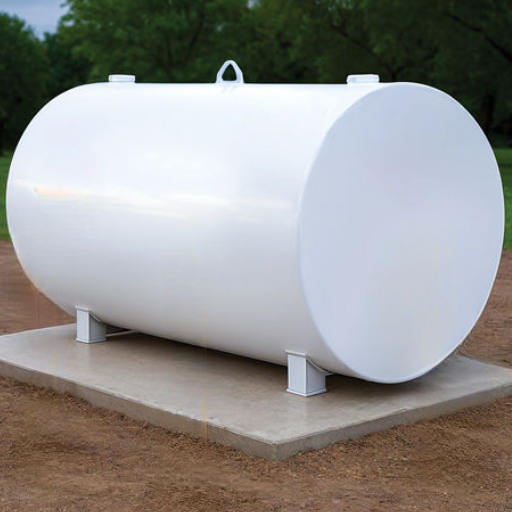
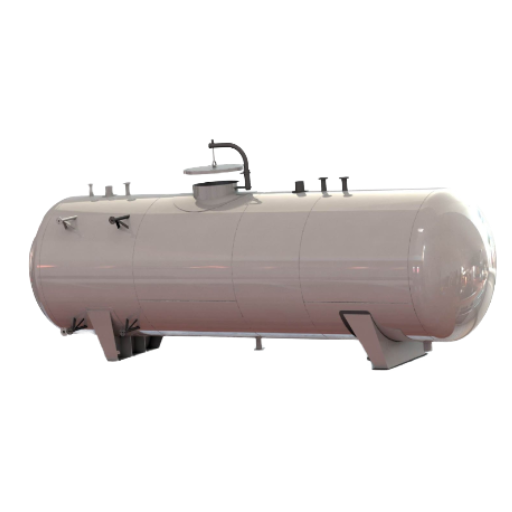
A carbon steel chemical storage tank is a welded metal vessel built mainly from carbon steel plate. It stores industrial chemicals, petrochemicals, solvents, oils, and intermediates. Because bare carbon steel corrodes when exposed to moisture, oxygen, and many chemicals, these tanks usually need internal linings, external coatings, cathodic protection, or added shell thickness called a corrosion allowance.
These tanks are manufactured in several configurations:
- Vertical or horizontal orientation, depending on site footprint and liquid head requirements
- Single-wall or double-wall construction, with double-wall designs providing secondary containment
- Atmospheric or pressure-rated, with the design code changing as pressure increases
- Shop-fabricated or field-erected, depending on size and transport limits
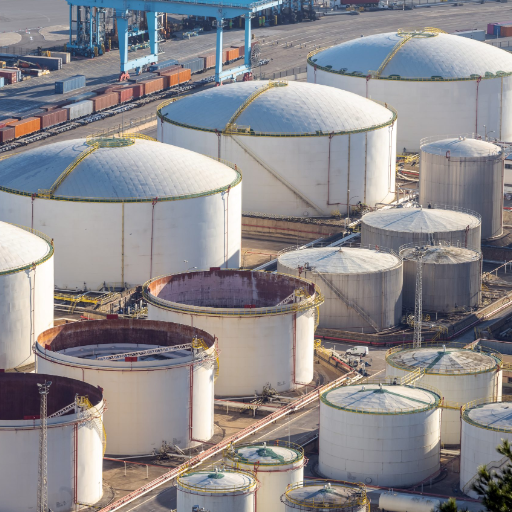
Carbon steel chemical storage tanks are common in refineries, chemical plants, pharmaceutical facilities, wastewater treatment sites, and bulk liquid terminals. They are especially popular for hydrocarbons, solvents, and non-corrosive industrial liquids where their strength and lower material cost create a clear economic advantage.
When to Choose Carbon Steel for Chemical Storage
Carbon steel is not a universal solution. Its value depends on the chemical being stored, the operating environment, and the lifecycle budget. Understanding these boundaries is the first step in a sound chemical storage tank selection.
Chemicals Well-Suited to Carbon Steel
Carbon steel performs reliably with non-corrosive or mildly corrosive liquids. Good examples include diesel, kerosene, fuel oils, and many lubricants. Non-corrosive hydrocarbon solvents such as toluene and xylene also store well. Certain crude oil fractions and petrochemical intermediates fit, along with some non-potable water and wastewater applications.
For these products, carbon steel’s high tensile strength, weldability, and relatively low cost make it the default choice for bulk storage.
When Linings Make Carbon Steel Viable
A bare carbon steel tank is limited, but a lined carbon steel tank is far more versatile. Internal linings can extend carbon steel into services such as:
- Dilute acids and acid by-products, when paired with acid-resistant rubber or PTFE linings
- Caustic solutions at controlled concentrations and temperatures, with phenolic or epoxy linings
- High-purity or aggressive chemicals, when glass-flake or fluoropolymer linings are applied
The key is matching the lining material to the specific chemical, concentration, and temperature. A lining that works for one acid may fail in another.
When to Avoid Carbon Steel
Carbon steel is generally not the best choice for:
- Strong mineral acids such as hydrochloric acid or concentrated sulfuric acid, unless a proven lining is specified
- Chloride-rich environments, including seawater and certain brines, which accelerate pitting
- Caustic solutions at elevated temperatures, which can cause stress corrosion cracking
- Hydrogen peroxide or other oxidizers that react violently with unprotected steel
- Food-grade, pharmaceutical, or ultra-high-purity applications where iron contamination is unacceptable
When any of these conditions apply, stainless steel, duplex steel, FRP, or specialty alloy tanks often become the safer long-term investment.
| Chemical Type | Carbon Steel Suitability | Typical Protection |
|---|---|---|
| Hydrocarbons, fuel oils | Generally suitable | External coating, optional internal coating |
| Non-corrosive solvents | Generally suitable | Compatible epoxy or phenolic lining |
| Dilute acids | Conditional | Acid-resistant rubber, PTFE, or glass-flake lining |
| Caustics | Conditional | Phenolic or epoxy lining, temperature limits |
| Chlorides, seawater | Usually avoid | Consider FRP or stainless steel |
| Strong oxidizers | Avoid | Use stainless, FRP, or specialty alloys |
Key Design Standards for Carbon Steel Chemical Tanks

Choosing the right code is as important as choosing the right material. The most common standards for industrial chemical storage tanks are API 650, API 620, ASME BPVC Section VIII Division 1, and UL 142. Each has a specific pressure, capacity, and application range.
API 650, Welded Steel Tanks for Oil Storage
API 650 governs vertical, cylindrical, aboveground welded steel tanks operating at or near atmospheric pressure. It is the most common standard for large field-erected API 650 chemical storage tank projects. The code covers shell thickness, roof design, wind and seismic loads, foundations, welding, and hydrostatic testing.
Use API 650 when:
- The tank is atmospheric or low pressure, typically up to 2.5 PSIG internal pressure
- The tank is large-diameter and field-erected
- The stored product is compatible with carbon steel, either directly or with a lining
API 620, Large Welded Low-Pressure Storage Tanks
API 620 applies to large welded carbon steel tanks designed for internal pressures up to approximately 15 PSIG. It bridges the gap between atmospheric API 650 tanks and true pressure vessels.
Use API 620 when:
- Internal pressure is higher than API 650 allows but still relatively low
- The tank is nitrogen-blanketed or operates under a controlled vapor pressure
- Anchorage and pressure-rated roofs are required
ASME BPVC Section VIII Division 1, Pressure Vessels
ASME VIII Division 1 is the governing code for pressure vessels, including pressurized ASME chemical storage tank designs. It is legally adopted in most U.S. states and many other jurisdictions.
Use ASME VIII when:
- Internal pressure exceeds 15 PSIG
- The vessel is a small to medium pressure tank, reactor, or receiver
- Jurisdictional stamping and certified fabrication are required
Specifying ASME VIII for a simple atmospheric tank is over-engineering and adds unnecessary cost. Specifying API 650 for a pressurized vessel is unsafe and non-compliant.
UL 142, Steel Aboveground Tanks for Flammable and Combustible Liquids
UL 142 covers smaller aboveground steel tanks for flammable and combustible liquids. It is commonly referenced for tanks up to 2,500 gallons used in chemical, petroleum, and industrial facilities.
Use UL 142 when:
- The tank is aboveground and stores flammable or combustible liquids
- Factory-built, listed construction is required by local authority
- Capacity and pressure fall within the UL 142 scope
Inspection and Maintenance Standards
For existing tanks, API 653 provides rules for inspection, repair, alteration, and reconstruction. Supporting recommended practices include API RP 651 for cathodic protection and API RP 652 for tank-bottom lining systems. These standards help extend tank life and maintain compliance after commissioning.
| Standard | Pressure Range | Typical Application |
|---|---|---|
| API 650 | Atmospheric to 2.5 psig | Large field-erected chemical tanks |
| API 620 | Up to 15 psig | Low-pressure, nitrogen-blanketed tanks |
| ASME VIII Division 1 | Above 15 psig | Pressurized chemical vessels and receivers |
| UL 142 | Atmospheric | Smaller aboveground flammable liquid tanks |
| API 653 | N/A | In-service inspection, repair, and alteration |
Carbon Steel vs. Stainless Steel for Chemical Storage
The carbon steel vs stainless steel chemical tank decision usually starts with cost. It should end with lifecycle value. Both materials have valid roles, but the right choice depends on corrosion risk, purity requirements, and total cost of ownership.
Corrosion Resistance
Stainless steel forms a self-healing chromium oxide layer that resists many acids, chlorides, and oxidizers. Carbon steel has no such protection. Without coatings or linings, carbon steel rusts quickly in moist, saline, or chemically aggressive environments. Weld zones, nozzles, and bottom dead zones are especially vulnerable.
Upfront Cost
Carbon steel typically costs 30–40% less than stainless steel in material alone. Fabrication is also faster and less specialized. For large bulk tanks in compatible service, this cost gap is significant.
Lifecycle Cost
The real comparison happens over 15 to 25 years. A carbon steel tank in aggressive service may require lining replacement, recoating, repairs, or early replacement. A stainless steel tank in the same service may need only cleaning, inspection, and occasional passivation. In corrosive environments, the higher first cost of stainless steel is often recovered through lower maintenance and longer service life.
Service Life
With proper coatings, cathodic protection, and maintenance, carbon steel chemical storage tanks can last 25 to 40 years. Well-maintained welded carbon steel tanks in mild service can reach 40 to 100 years. Stainless steel tanks in suitable service commonly exceed 15 to 25 years with minimal corrosion-related maintenance.
When to Choose Each Material
Choose carbon steel when:
- The chemical is compatible with carbon steel or an acceptable lining is available
- Capital budget is constrained, and operating environment is controlled
- A strong inspection and maintenance program is in place
- The tank is large, and the cost premium of stainless steel is prohibitive
Choose stainless steel when:
- The chemical is corrosive to carbon steel even with linings
- High purity or low iron contamination is required
- The site is humid, coastal, or exposed to chlorides
- Lifecycle cost analysis favors reduced maintenance over lower upfront cost
For a deeper comparison of material trade-offs, see our carbon steel vs. stainless steel tank comparison.
Corrosion Protection and Lining Options

Because carbon steel is vulnerable to both internal chemical attack and external atmospheric corrosion, protection is not optional in most chemical services. A complete protection strategy combines coatings, linings, cathodic protection, and design allowances.
External Coatings
External coatings protect the shell from rain, humidity, ultraviolet light, and industrial pollutants. Common systems include:
- Epoxy primers and intermediate coats for chemical resistance
- Polyurethane topcoats for UV stability and weathering
- Zinc-rich primers for sacrificial protection, especially on tank bottoms and welds
Internal Linings
Internal linings create a barrier between the steel and the stored product. Selection depends on chemical compatibility, temperature, and abrasion risk:
- Epoxy linings, general chemical resistance, common for solvents and mild acids
- Phenolic linings, good for some acids and caustics at moderate temperatures
- Rubber linings, excellent for hydrochloric acid and abrasive slurries
- PTFE and fluoropolymer linings, high chemical inertness for aggressive chemicals
- Glass-flake linings, strong barrier properties for acids and solvents
Proper surface preparation, application, and cure are critical. A high-performance lining applied poorly will fail early, usually at welds or sharp edges.
Cathodic Protection
Cathodic protection controls external corrosion, especially on tank bottoms in contact with soil or water:
- Sacrificial anodes use zinc or magnesium that corrodes preferentially to protect the tank
- Impressed current systems use an external power source and inert anodes for larger tanks
ICCP systems are often designed to extend tank-bottom life to at least 20 years.
Corrosion Allowance
A corrosion allowance adds extra wall thickness beyond the structural requirement. Typical allowances range from 1 to 3 millimeters for industrial tanks and 3 to 5 millimeters for aggressive environments. This allowance is consumed gradually over the design life and must be monitored with ultrasonic thickness testing.
For more detail on selecting the right barrier system, read our tank coating and lining guide and our overview of corrosion protection best practices.
How to Specify a Carbon Steel Chemical Storage Tank
A well-written specification reduces ambiguity, controls cost, and prevents field problems. Follow these six steps when specifying a carbon steel chemical storage tank for your project.
1. Define the Stored Product
Document the chemical name, concentration, temperature range, impurities, and expected variations. A tank designed for 70% sulfuric acid may fail at 95%. A solvent blend with trace chlorides may corrode carbon steel even if the main component is compatible.
2. Determine Pressure, Vacuum, and Capacity
State the normal operating pressure, maximum allowable working pressure, vacuum conditions, and required storage volume. These parameters determine whether API 650, API 620, or ASME VIII is the correct code.
3. Select the Design Standard
Match the code to the service. For atmospheric bulk storage, specify API 650. For low-pressure service up to 15 psig, specify API 620. Pressure vessels above 15 psig need ASME VIII Division 1. For smaller aboveground flammable liquid tanks, specify UL 142.
4. Specify Material Grade, Corrosion Allowance, and Lining
Select the carbon steel grade, such as ASTM A36, A516 Grade 70, or equivalent. Define the corrosion allowance based on predicted corrosion rates and design life. Specify the internal lining system by product name, thickness, cure schedule, and inspection method.
5. Plan Foundation, Containment, Venting, and Instrumentation
Include requirements for:
- Foundation type, drainage, and sand bedding
- Secondary containment or double-wall construction
- Pressure-vacuum venting per API 2000
- Level gauges, temperature sensors, leak detection, and emergency vents
6. Require Documentation and Testing
Request mill certificates, welding procedures, non-destructive testing reports, hydrostatic test records, and lining inspection reports. Factory acceptance testing and third-party inspection provide additional assurance, especially for export projects.
Common Specification Mistakes to Avoid
Even experienced buyers make these errors. Avoiding them can save high cost and risk.
- Specifying API 650 for a pressure vessel. API 650 is for atmospheric or low-pressure welded steel tanks. Pressurized service requires API 620 or ASME VIII.
- Omitting corrosion allowance or lining. Carbon steel cannot simply be made thicker indefinitely. In corrosive service, an inadequate corrosion allowance leads to premature retirement.
- Ignoring degradation by-products. A chemical may be stable when fresh but produce corrosive by-products over time. Temperature cycling can also accelerate corrosion.
- Inadequate foundation drainage. Standing water or contaminated backfill under a tank bottom accelerates external corrosion. Clean sand bedding and good drainage are essential.
- Poor venting and vapor-space protection. Vapor spaces in intermittently operated tanks are prone to corrosion. Proper vents, blanketing, and internal coatings that extend above the liquid line reduce this risk.
- Selecting a supplier based on price alone. The lowest quote may omit linings, testing, or documentation that are essential for safe operation.
For full cost breakdown information, read our dedicated guide to carbon steel tank cost.
Sourcing Carbon Steel Chemical Tanks from a Global Manufacturer

Global projects add complexity to sourcing. Beyond price, buyers should evaluate a supplier’s engineering capability, quality system, certification, and after-sales support.
What to Look For in a Supplier
- Relevant certifications such as ISO 9001, ASME U-Stamp, and API 650/620 fabrication experience
- Traceable materials with mill certificates and welding consumable records
- Qualified welding procedures and certified welders
- Non-destructive testing including radiographic or ultrasonic inspection
- Factory acceptance testing and third-party inspection options
- Export experience with packaging, shipping, and customs documentation
The Shandong Shengrui Approach
At Shandong Shengrui Intelligent Equipment Co., Ltd., we engineer storage solutions built to last and backed by global expertise. From fuel storage tank solutions to custom carbon steel chemical storage tanks, every product is designed with strict quality standards and clear compliance documentation.
Our team supports projects worldwide with:
- Custom engineering and OEM/ODM services for site-specific requirements
- Welding and fabrication aligned with API, ASME, and international codes
- Factory testing, inspection reports, and export-ready documentation
- Remote technical assistance and on-site supervision options
We listen to your needs, tailor the tank specification to your chemical and operating conditions, and support you from selection through installation and beyond.
Conclusion
Carbon steel chemical storage tanks remain one of the most cost-effective and structurally proven choices for bulk chemical storage. Their success depends on three decisions: matching the tank to the right chemical, selecting the correct design standard, and protecting the steel with the right lining and corrosion strategy.
Choose carbon steel when the chemical is compatible or can be made compatible with a proven lining. Select API 650 for atmospheric bulk tanks, API 620 for low-pressure service, and ASME VIII for true pressure vessels. Invest in coatings, cathodic protection, and regular inspection, and your tank can deliver decades of reliable service.
If you are planning a chemical storage project, our engineering team can help you specify the right tank for your product, site, and regulatory environment.
Contact us today for a customized quote or technical consultation.