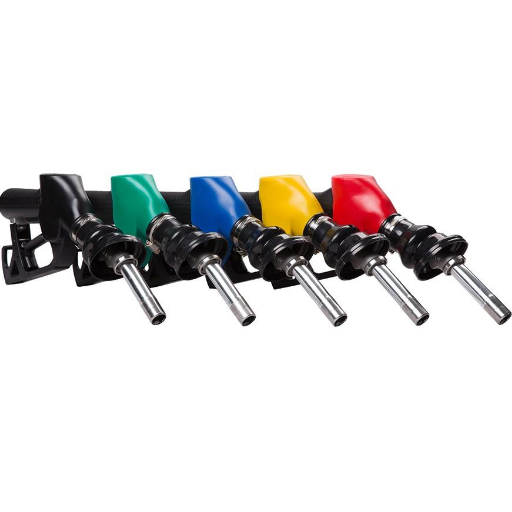
Understandably, a lot of the Asia-Pacific revenues do come from China; more specifically, approximately 40% of the earnings are from the fuel dispensers and related equipment. However, most of the foreign purchasers still have a problem distinguishing the fraudulent companies from the manufacturers who are authentic. If you have spent enough time crawling through the various foreign supplier lists and felt even more confused at the end than at the beginning, you are definitely not alone. The high number of suppliers certainly does not help in assessing the intrinsic level of features such as quality of engineering, legitimacy of certificates, warranty support, and other long-term security measures.
In this guide, you will find a number of ways in which a China-based fuel dispenser dealer can be distinguished from an agent in China who is usually a risk-engaged element. The document will demonstrate how to establish the life of a certificate, position the quotations well and perform design quality checks before approaching the most critical stage in the contract execution. Plus, you will learn in which direction the business dynamics are flowing in regard to the provision of fuel and multiple other relevant details in the design of a plant for the next project. In the end, you shall have a criterion for partner choosing that assists in saving one’s money and maintains compliance for the existing facility.
Need a turnkey solution now? Explore our complete gas station equipment solutions to see how integrated engineering simplifies your project from day one.
Why China Dominates Global Fuel Dispenser Manufacturing

China is not just the king of fuel dispenser consumption. It is also very active in the manufacturing industry, being one of the largest producers in the world. Asia-Pacific’s market for fuel dispensers, per Grand View Research, achieved USD 1.41 billion in 2023, with China alone contributing 40.1% of that amount. In its report, IndexBox experts say that the Chinese market for petrol and oil dispensing pump will increase to 1.5 million units and USD 1.2 billion by the year 2035. These figures reflect a notable consumption in the country and a country that has a robust export-oriented industrial base.
China is regarded as one of the largest economies in the world for a number of reasons. First of all, the number of cars in China is always going up. It can be noted that the Nation witnessed over 26 million new passenger vehicle registrations in the year 2023, and now a daily sales of a new car necessitates the existence or development of retail vehicle refilling facilities in these markets. Second, since provinces such as Zhejiang, most especially Wenzhou, Henan, Beijing, and Shandong are established industrial hubs,v
In any case, thirdly, Chinese production has undergone changes and now we can see the possibilities of Chinese manufacturers in the market. Today’s good manufacturers have the ability to set up IoT-compatible dispensers, multi–compatible dispensers and even modular skid station structures rather than just assembling simple devices. Thus, whenever you buy a fuel dispenser from China, you are not only simply purchasing a dispenser but also you are buying advanced engineering, which, in most cases, would be capable of fulfilling the same functions performed by Western technological fuel dispensers but at a much lower direct cost.
For example, Marcus, a project integrator working in Lagos, had to find out the hard way. In 2024, despite the many rejections, he still selected a manufacturer on basis of the lowest price offered – $1800 per dispenser. The dispensers were delivered without the OIML R117 certificates and customers did not take them for six good weeks. By the time Markus paid for the third-party inspection and unloading, his “savings” instead incurred an additional delay of 12,000. Out of the disaster, he learned that cheapness is just one factor in a more complex aspect.
5 Criteria to Evaluate a China Fuel Dispenser Manufacturer
Just because a supplier has a factory listed on a B2B platform, it does not mean that the factory is certified. So, in order to save your precious time, it will be wise to apply these five criteria before even requesting a quote.
Manufacturing Certifications and Compliance
Certifications are often the most effective and reliable methods used to verify if manufacturers in a certain jurisdiction comply with internationally accepted safety and soundness guidelines. With this standard, the caution to a credible China fuel dispenser manufacturer is OIML R117 certification on measuring Instrument accuracy. In the event of equipment installation within hazardous locations, ask for ATEX or IECEx EC Type certification for explosion-proof rated equipment. If customers intend their products for the American market, then they look forward to the UL listing and PEI construction requirements.
ISO 9001 is yet another indicative guideline. It does not meaningfully impact product quality but is telling on the existence of a documented quality control mechanism in a factory. A way of ensuring that your choice of supplier is credible is to ask for a reference number and counter-check with the certifying body. Any serious supplier is able to produce such a document within the next business day.
R&D Depth and Product Range
Businesses that invest in research and development are likely to enjoy resilient performance in the long run. Check whether there is a presence of in-house engineering scholars, patent applications and products that have advanced from the basic mechanical dispensers. An established equipment provider must supply electronic dispensing meters, conduct remote asset transports using IoT and enable fuelling with different blends like petrol, diesel, ethanol and newer ones like CNG or hydrogen.
In some situations, if the suitor’s catalog is made up of only entry-level products, they might be a resurrection venture. Information such as supply voltage, flow rates and environmental temperatures at which they can function should be included in data sheets. Detailed information proves that the enterprise possesses proper engineering credentials.
Customization and Turnkey Capability
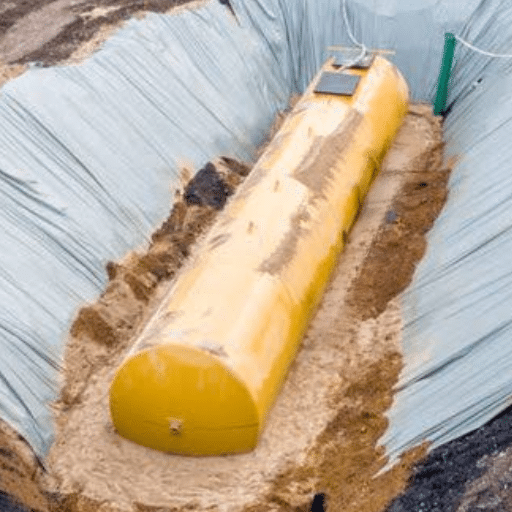
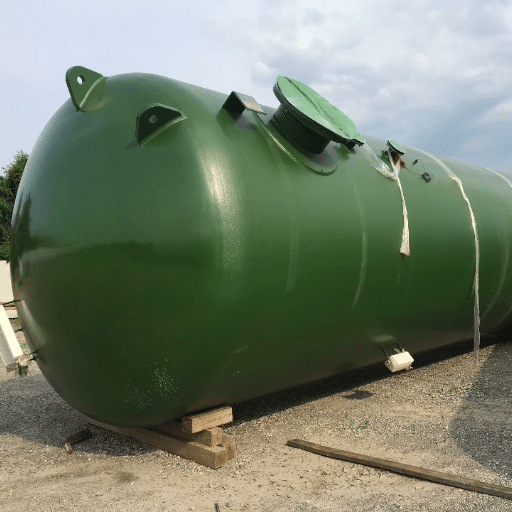
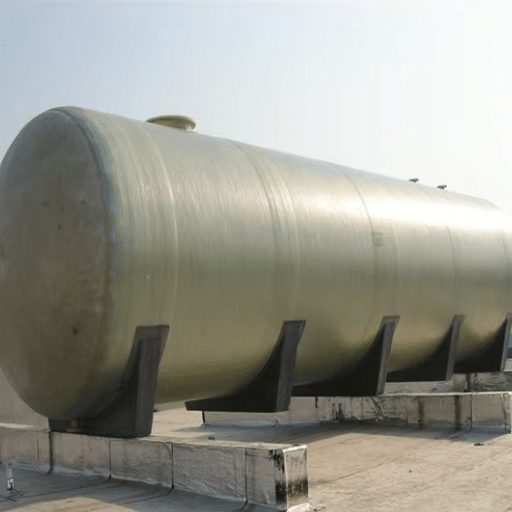
Every oil station has a characteristic by which it differs from others and these differences are dictated, amongst other things, by soil conditions, the local climate, local electrical requirements, and space available for placing the necessary equipment. A good partner should offer designs that will allow any number of the dispensers, canopies, and tanks to be configured, if limited space were a challenge. Such a partner should also provide complete fuel station kits comprising of storage tanks, dispensers, pipework and safety revetments for the fuel area.
Having a turnkey ability lowers the workload of managing the vendors and rules out the potential of getting subsystems that don’t fit well with each other. It also cuts the time that would have been spent on the project as the manufacturer manages all areas of approach such as structural, electrical, and fuel-system engineering on their own.
Export Experience and Documentation
Transportation of fueling equipment from one country to another includes: the determination of customs nomenclature and commodity codes, declaration of particular classification of the cargo as hazardous, and compliance with the statutory requirements in the importing jurisdiction. This is because an established dealer, say from China, of fuel dispensers will have a detailed shipping history to that country and their crew will know everything about Incoterm 2010, the bill of lading and packing list, and what is important in customs clearance documents.
In addition, feel free to ask your prospective supplier for some contacts of clients from your target sector. When you don’t achieve that, opt for a red flag. On that front also, reputable manufacturers offer resources like computer-aided design (CAD) drawings, 3-dimensional (3D) assembly instructions and English version guides for easy erection of equipment.
After-Sales Support and Parts Availability
Fuel dispensers are subjected to a range of demanding conditions. Having been in use, hoses stretch, nozzles erode, and calibrated tanks need recalibration. Inquire about the warranties, parts, and aids of the suppliers. Top-performing companies have video proactive maintenance and breakdown technical support, remote technical support valves, and on-site monitoring for site work involving several technologies.
Market Leaders and Specialist Manufacturers

There are plenty of chained petrol station manufacturer companies in this country some of which are ordinary huge corporations and others are very sophisticated engineering organizations. Knowing the subtleties will enable you choose the right company according to the scale and the complexity of the project.
The Specialist Advantage
Although there are some reasons as to why a client might by it makes sense to opt for the services of a specialized manufacturer regardless. Shandong Shengrui Intelligent Equipment Co., Ltd. falls under this category. Established in the year 2009 and based in the Shandong region, the major task of the company is the creation of intelligent gas station infrastructure, the barrier angle explosion technology and the Mindelo kilometro line for fuel system.
Shandong Shengrui’s range of products includes accurate dispensers, double-walled underfloor tanks, HAN barrier coatings, skid plants from 1000 liters to 5000 liters, among others. With respect to the others what sets them apart is the execution of projects from concept to acceptance, including after-sales service, not the sale of equipment. For project integrators and consumers of gas stations, the implementation of this method invariably reduces the risk.
Price Context at a Glance
| Equipment Tier | Typical Ex-Works Price Range | Best For |
|---|---|---|
| Mobile/portable dispensers | 600–700 | Fleet yards, construction sites |
| Standard retail dispensers | 2,000–3,500 | Low-to-mid volume stations |
| High-flow / commercial units | 2,500–4,000 | Truck stops, mining, agriculture |
| IoT-enabled / multimedia | 3,000–5,500 | Modern retail, brand experience |
| Skid-mounted stations | 10,000–20,000 | Remote, temporary, or modular sites |
The costs vary based on the flow rate, hose design, integration of payment systems, and the standard requirements. You are advised in every quotation to ask for a detailed breakdown of costs rather than a lump sum.
Certifications Explained: What Buyers Should Demand
Certificates are more than just pieces of paper in the form of compliance regulations. They indicate what territory you can work in and at what rate facilities will be accurately evaluated.
OIML R117, Metrology and Accuracy
OIML R117 is a standard test used for metering systems for fuel measuring that are used in the whole world today. Moving on, it involves the accuracy of the labeled point, the resistance of painted surfaces to exposure, the number of repeating measurements possible. Equipment approved to satisfy OIML R117 shows that the flow meters do not lose their accuracy within the permissible limits in changes in temperature and over the periods of use. The reason is that such certificates are necessary for authorization in retail sales of the fuels since tax and trade terms are dependent on gallons or liters.
ATEX and IECEx, Hazardous Area Safety
ATEX (European) and IECEx (global) certifications validate that the electrical components, boxes, and cables in the equipment of the dispenser will not ignite the gases around it. The correct covered design unit utilizes flameproof enclosures, intrinsically safe circuits, and sealed cable glands. If your overall plan is to construct new plants in the Middle East, Africa or Europe, ATEX requirements have to be complied with.
UL and PEI, North American Market Access
The benchmark for construction, electrical safety, and performance in North America is set by Underwriters Laboratories (UL) and the Petroleum Equipment Institute (PEI). The UL listed dispensers allow for peace of mind as they have successfully gone through fire, electrical, and mechanical stress tests that are more severe than the regular international standards. Therefore, it is important to get the UL file number and the PEI construction code compliance before making the order, if the intention is to trade or set up in North America.
ISO 9001, Manufacturing Consistency
The Shift Toward Intelligent and Modular Fuel Solutions

The advancement in technology has been drastic, especially in the petroleum dispensers’ sector. Those keen on such changes can now benefit from productive investments in the line and avoid depreciation problems before the time is due.
Smart Dispensers and IoT Integration
Any modern fuel dispensers are more likely to have more technological features such as a touch screen display, latest modes of payment like tap and pay as well as the equipment sending the data to the cloud. Such enablement of these processes helps the fuel station owners with various tools like checking the station stock without being on site, checking equipment which is about to break to avoid down time and even delivering petrol sales promotion around the point of sale. There is a forecast for an increase of network fuel self-service dispensaries within the projects of construction of new industrial and civil complexes in China, where they will be both operating and exported.
Submersible Systems Dominate
At present, submersible turbine pumps are preferred by almost 77 percent of all consumers in the country because they are less cumbersome for installing at the pump and provide a silent, high volume and less vapor-rich dispensing solution over the previous suction-type pump models. It is important to note that when you order a dispenser, it is of great importance to ensure it is optimized for decline-mounted tanks rather than traditional suction pumps.
Modular and Skid-Mounted Stations
Skid-mounted and containerized fueling installations are the most effective means to provide fuel and diesel at construction sites that are in remote locations, for mining operations, and at small transit fleet docking stations, among other places. These systems with tanks, not only, dispensers, safety barriers but also leak detection alarms are supplied already assembled. Installation requires only a hard standing finishing of the place and an electric power supply.
In this connection, the company Shandong Shengrui had started the production of modular explosion safe fuel complexes with capacity of 1,000 to 5,000 litres, equipped with Hermetic Explosion Resisting and energy-saving barrier technology or HAN barrier and intellectual control cabinets. Such an approach allows for the transformation of a construction schedule that takes several weeks to complete into a task involving only a second of the previously spent duration on the construction.
Pricing, MOQs, and Total Cost of Ownership

The unit price is the first thing shoppers look at when buying goods, but it is often not the price that would be of most concern. When working with equipment or gear, calculations must capture all elemental values such as the cost of carriage, fees, labor, installations charges and maintenance for a given period of time thereafter.
Understanding the Full Cost Stack
When a standard dispenser for retail use is listed as costing 2,500 units within the country, the separate figure, once inclusive of ocean freight, insurance, customs clearance, and local electrical compliance would by all means be easily doubled. The skid mounted stations that could cost as much as the cost of $10,000 to $20,000 may require enormous amounts of upfront cost. They are known, however, to have low civil and site labor piecemeal costs. In all instances, ask every party for a price that considers delivery and installation, instead of a price that is picked up from the factory.
Minimum Order Quantities
Reasonably, Chinese sellers insist on a minimum order quantity of one set of product even on B2B trading location. Given the nature of the target clients, this framework is advantageous for small-size contracts, although it may also create an impression that the company is a third-party contractor arranging unit orders on behalf of several different factories. When dealing with real manufacturers, it is truly surprising that they conveniently change the company policies in terms of warranties, and certainly much more in terms of special preferences, when there is an order that is less than a container. When negotiating, emphasize the overall value of the investment and not just the number of units that can be involved in the project.
Why the Lowest Price Often Costs the Most
It is well known that it is cheaper to cut costs on the quality characteristics than on changes in the design while fitting the dispenser with components. These sacrifices lead to non-compliance, involuntary losses, and may even cause safety issues. How many shops skip on this important detail? One repair or one return to stock cost more than the difference between a non-certified dispenser and an expensive certified one. For that reason, think not only about the price that is stated on the bill, but also about the total cost of ownership for a 10-year design service period.
Ready to compare specifications? Request a customized quote for your fuel dispenser package and receive certified engineering documentation tailored to your project site.
Conclusion
If you are planning to buy a petrol pump for China, then let me tell you the first rule – choose the company, not the goods only. First, check the following, namely, whether the factory has certificates in the field of OIML R 117, ATEX, and ISO 9001. This should be followed by the examination of the level of research and development, ability to modify the already built product, level of exports, and the support offered after sales. Focus on the overall cost of the machine rather than the unit price, and the provision given for installation and running the equipment on this, understanding how intelligent and modular systems can ease the installation process and minimize operational risk.
The market sure does have a lot of choices but the vendors, who offer true engineering that includes turnkey integration, safety systems certification with qualification, and efficient technical service provision rather than price concessions among the trading companies, have managed to make a difference. If you are bound to need options about gas station infrastructure, what is meant to be reliable, corresponding and having the responsibility concentrated under a specific one, you need to utilize this type of explanation and insist on analysis at every phase.