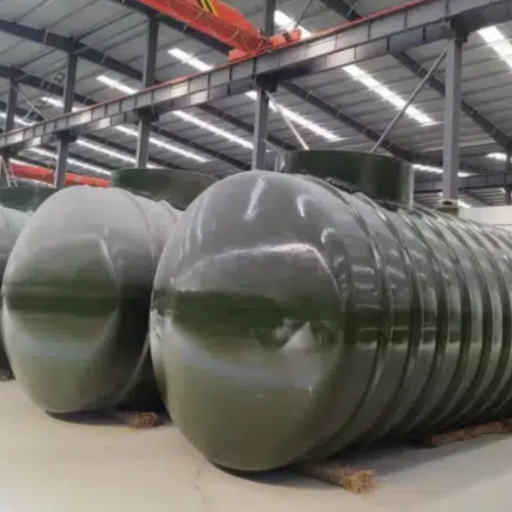
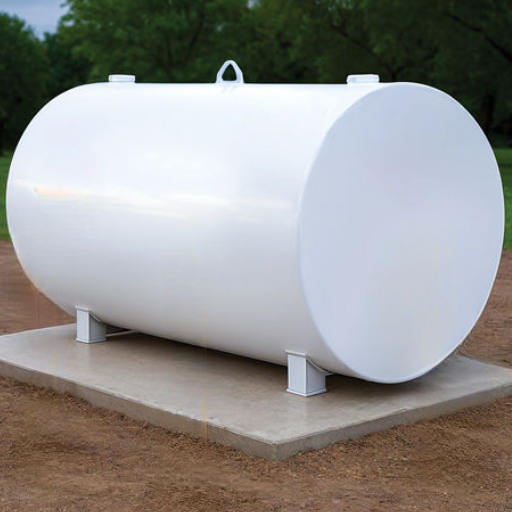
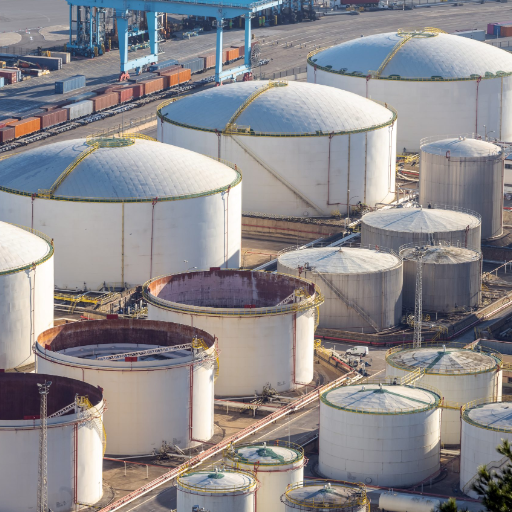
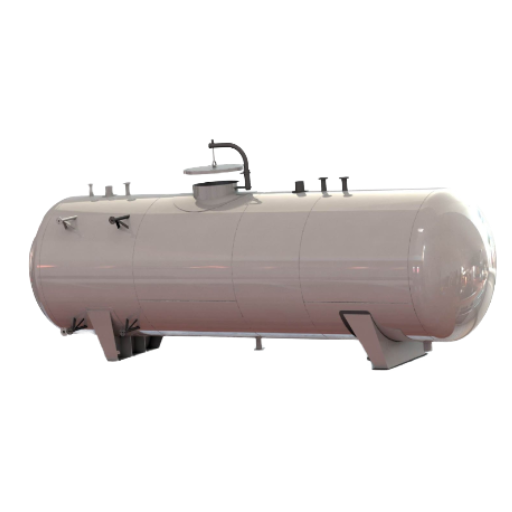
A coastal depot ran a stainless steel diesel tank for years without complaint. Then a weld repair left heat tint, and a carbon-steel grinding wheel smeared free iron across the surface. Within a season, rust-coloured corrosion “islands” appeared on the tank bottom. The tank was the right grade. The protective layer was the problem.
That story repeats more often than operators expect. Stainless steel resists corrosion because of a transparent chromium oxide film only a few nanometres thick. Damage that film with poor welding, contaminated tooling, or aggressive fuel blends, and the metal can pit and rust like ordinary steel. The fix is a process most fuel operators never learn: stainless steel fuel tank passivation.
In this guide, you will learn:
- What passivation does to your tank’s surface
- Why ethanol, biodiesel, and water demand it
- How to passivate a stainless steel fuel tank, step by step
- When to re-passivate and how to build a maintenance schedule
- How to verify the work and what documentation to demand
Need application-specific advice for your fuel storage? Our engineering team can review your tank and recommend the right grade and maintenance plan — request a custom stainless steel fuel tank specification.
What Is Passivation for Stainless Steel Fuel Tanks?

Stainless steel fuel tank passivation is a chemical treatment that removes free iron and surface contamination from stainless steel, allowing the natural chromium oxide protective layer to form uniformly across the surface. The result is a tank that resists pitting, crevice corrosion, and rust far more effectively than an untreated one.
Stainless steel earns its name from chromium. When the surface meets oxygen, chromium forms a transparent oxide film, roughly one to three nanometres thick, that shields the metal underneath. The film also self-repairs: scratch it lightly, and oxygen rebuilds it within hours. Passivation accelerates and standardizes that process. It removes embedded iron from carbon-steel tooling, weld spatter, and mill scale that would otherwise create tiny corrosion sites.
Equally important is what passivation does not do. It is not a cleaner. A tank loaded with sludge, water, or diesel bug residue must be drained and cleaned first — passivating a dirty tank simply locks contamination under the oxide layer. And passivation will not remove pits that already exist. It restores the surface to its designed corrosion resistance; it does not improve the metal beyond what the grade offers. Our complete buyer’s guide to stainless steel fuel tanks explains how grade, fabrication, and passivation work together.
Why Fuel Tanks Need Passivation: Ethanol, Biodiesel & Water
Generic passivation articles talk about food equipment and pharmaceuticals. Fuel tanks face a different set of threats.
Ethanol blends. Ethanol absorbs water and can carry corrosive chlorides. Research on ethanol pitting shows that passive films on 316L stainless steel stay stable when the surface is properly passivated, but poorly passivated or contaminated surfaces are far more vulnerable to pitting. For stations switching to E10, E15, or higher blends, passivation is not optional.
Biodiesel. Biodiesel holds more water than petroleum diesel and becomes increasingly corrosive above B20 blends. Industry guidance recommends 316L stainless steel with proper passivation for long-term biodiesel storage. Unpassivated or poorly fabricated steel fails faster in this service.
Water and microbial growth. Water is the hidden driver of most fuel tank corrosion. It settles at the bottom of the tank, where it supports microbial growth, the “diesel bug” that produces sludge and acidic by-products. On a stainless tank, water plus a damaged passive layer creates the perfect conditions for localized pitting and crevice corrosion at welds and fittings.
Passivation matters because most of these attacks start at a weak point in the oxide layer. Restore that layer, and 316L stainless steel handles ethanol, biodiesel, and water far better than any carbon steel or coated tank. The grade decision still matters — see our 304 vs 316 stainless steel grade selection guide for when to choose which.
Passivation vs Pickling: What’s the Difference?
Operators often use these terms interchangeably. They are different steps, and fuel tanks sometimes need both.
| Process | Purpose | When Used | Acid Type | Result |
|---|---|---|---|---|
| Pickling | Removes heat tint, weld scale, and the chromium-depleted layer beneath them | After welding, grinding, or hot fabrication | Aggressive acid (nitric/hydrofluoric, or pickling paste/gel) | Bare, clean metal ready for passivation |
| Passivation | Removes free iron and re-forms the chromium oxide passive layer | After cleaning and pickling; periodically during service | Oxidizing acid (nitric or citric) | Uniform protective oxide layer |
The key sequence: weld → pickle → passivate. Heat tint from welding is a visible sign that the chromium layer under the weld has been depleted. Pickling removes that damaged layer. Passivation then rebuilds a healthy oxide film. Skip pickling after a weld repair, and you leave the weakest area of the tank, the weld, exposed to corrosion.
ASTM A967 vs ASTM A380: Which Standard Applies?

When you specify passivation, you need a standard a fabricator can be held to. Two ASTM documents matter most.
ASTM A380 is a practice. It explains how to clean, descale, and passivate stainless steel and provides general guidance, but it does not define enforceable acceptance criteria.
ASTM A967 is a specification. It defines specific chemical treatments, five nitric acid methods and five citric acid methods, plus verification tests you can require. When you want enforceable quality, specify A967.
A clear, enforceable callout for your tank looks like this:
“Pickle per ASTM A380; Passivate per ASTM A967, Citric 4; Verify by Practice D.”
For maritime and cargo storage tanks, note the newer AMPP SP21485-2022 standard, which covers citric-acid passivation of stainless steel storage tanks. It reflects a global shift away from hazardous nitric acid toward safer, biodegradable citric acid. For international buyers, citing both ASTM and AMPP standards shows you understand the compliance landscape in every market.
How to Passivate a Stainless Steel Fuel Tank (Step by Step)
Passivation can happen in the shop, where a new tank is immersed or circulated before delivery, or in the field, where an installed tank is treated in place. The principles are the same. Here is the eight-step procedure.
- Isolate and prepare the tank. Depressurize, drain fuel, and ventilate thoroughly. Lock out any fuel lines and confirm the atmosphere is safe before opening manways. Fuel vapour and acid do not mix.
- Remove sludge, water, and deposits. Clean the interior until bare metal is visible. Use detergents, high-pressure washing, or steam for heavy buildup. Passivation cannot clean a dirty tank.
- Degrease. Apply a pH-neutral degreaser to remove oils and greases that would block the acid from the surface. Rinse and dry.
- Pickle weld zones if needed. Apply pickling paste or gel to any heat-tinted or welded areas for 30 to 45 minutes, per the product instructions. Rinse thoroughly. This restores the chromium-depleted layer under the weld.
- Circulate or apply the passivating solution. For a tank that can hold solution, circulate 4–10% citric acid for about 1.5 hours, or a 20% nitric acid solution at around 140°F for 30–60 minutes, per ASTM A967. Seal the tank and let the acid work for 20–30 minutes after circulation. For large or fixed tanks, use rotary tank-cleaning machines, spinner nozzles, or an atomized spray to coat all internal surfaces, and apply gel to weld zones.
- Rinse to neutral. Flush with fresh water until the discharge pH reaches 6 to 7. Keep chloride in the rinse water below 50 ppm — chlorides defeat the purpose of passivation.
- Dry completely. Ventilate and allow 24 hours of dry time, or an 8–24 hour idle period, so the oxide layer can reform. Natural air re-passivation alone can take up to two weeks.
- Verify and document. Run a verification test (below), log the results, and keep the record for compliance and future maintenance.
Citric or nitric? Citric acid is safer, biodegradable, and produces no nitrogen oxide fumes, which is why it is displacing nitric acid under standards like AMPP SP21485. The trade-off: citric acid does not remove heat tint, so welded tanks may still need pickling first. Nitric acid is the traditional, very effective option but is hazardous to handle and harder on the environment. Both are valid under ASTM A967 — choose based on your site’s safety capability and whether pickling is required.
Field passivation is common for large installed tanks. An aviation fuel depot passivated a fixed stainless tank in place by circulating citric acid through its cleaning system overnight, then rinsing to neutral pH and letting the film reform. No tank removal, no downtime beyond a maintenance window. For application-specific guidance, see our stainless steel diesel tank specifications and standards for diesel service, or consult marine fabrication standards for boats.
For the fabrication standards behind these checks, see our stainless steel fuel tank fabrication guide.
Stainless Steel Fuel Tank Maintenance Schedule

Passivation is not a one-time event. It is part of a maintenance schedule that protects your investment over decades.
Initial passivation, before commissioning. Every new stainless steel fuel tank should be passivated after fabrication to remove mill spatter, filings, and free iron from tooling. This is a standard part of quality fabrication, and you should confirm it is done and documented before accepting delivery.
Routine checks. Quarterly, drain a small sample from the lowest point of the tank and check for water and sludge. Annually, perform a visual external inspection and sample fuel for microbial activity. Every three to five years, or after any contamination event, schedule an internal inspection. An automatic tank gauge helps you monitor levels and water continuously instead of relying on manual checks.
Event-driven re-passivation. Re-passivate immediately after:
- Welding, grinding, or any field modification
- Chemical cleaning that may have stripped the oxide film
- Removing visible rust, staining, or surface contamination
- A corrosive-cargo incident or water intrusion event
Preventive re-passivation. For critical fuel tanks, plan a preventive re-passivation every five to ten years. In aggressive service, cargo-tank operators passivate annually — data from tank-wash operators suggests annual treatment can slow pitting by roughly 25 percent, and results typically last more than two years. Match your interval to fuel type, environment, and how hard the tank works.
For long-term layup, keep the interior dry. Spray a water-displacing coating like WD40 on a drained, dry tank, or use vapour-phase inhibitors to prevent corrosion while the tank is idle. For cost planning, factor passivation and verification into your tank’s total cost of ownership.
How to Verify Passivation Quality (and What Documentation to Demand)
Anyone can claim a tank was passivated. A buyer who wants confidence demands proof. Verification tests catch free iron that the process missed.
- Ferroxyl test. A ferroxyl solution applied to a weld or surface turns blue where free iron remains. The “blue dot” test is the fastest field check.
- Copper sulfate test. A six-minute application produces a pink or copper deposit on any surface still contaminated with free iron.
- Humidity test. Expose the surface to 95°F at 100% humidity for 24 hours and inspect for rust.
- Salt spray. ASTM B117 salt-spray exposure reveals corrosion susceptibility on treated surfaces.
Alongside the test results, require documentation: a passivation certificate, batch records, the acid type and concentration, time and temperature logs, and the verification results. A quality fabricator provides these without being asked.
This is where supplier quality becomes visible. At Shandong Shengrui Intelligent Equipment Co., Ltd., certified stainless steel fuel tanks are fabricated to international standards with documented passivation and testing records. When you buy a custom tank, you get the paperwork that proves the protective layer is real, not a promise.
For detailed information, please refer to our marine stainless steel fuel tanks guide.
Common Passivation Mistakes to Avoid

Most passivation failures are preventable. Watch for these:
- Carbon-steel tooling. Brushes, grinding wheels, and clamps made of carbon steel embed free iron into stainless. Use dedicated stainless tooling.
- Passivating a dirty tank. Sludge and water block the acid. Clean first, always.
- Skipping pickling after welding. Heat tint hides a chromium-depleted zone. Pickle weld repairs before passivation.
- No verification. “It looks fine” is not a test. Run a ferroxyl or copper sulfate check.
- Mixing grades in one acid bath. Treating 300-series and 400-series stainless together risks galvanic attack and flash attack.
- Uncontrolled acid. Overheated or heavily contaminated acid causes “flash attack”, a dark, etched, pitted surface. Keep concentrations, temperature, and contact time within the standard.
- Using stainless electrodes in electrolysis. If you de-rust a tank with electrolysis, never use stainless or chromium-bearing electrodes; they generate toxic hexavalent chromium. Use plain iron rod.
FAQ
What is stainless steel fuel tank passivation?
Stainless steel fuel tank passivation is a chemical treatment that removes free iron and surface contamination from stainless steel, allowing the natural chromium oxide protective layer to reform uniformly. It restores corrosion resistance after fabrication, welding, or contamination so the tank resists pitting and rust.
Do stainless steel fuel tanks need to be passivated?
Yes. Every stainless steel fuel tank should be passivated before commissioning and re-passivated after welding, chemical cleaning, or surface contamination. Passivation restores the protective oxide layer that gives stainless steel its corrosion resistance.
How often should a stainless steel fuel tank be re-passivated?
Re-passivate after any welding or contamination event, and on a preventive schedule of every five to ten years for critical fuel tanks. Aggressive cargo service may require annual passivation, which can slow pitting by roughly 25 percent.
What is the difference between pickling and passivation?
Pickling removes heat tint, weld scale, and the chromium-depleted layer after welding. Passivation removes free iron and re-forms the chromium oxide layer. Welded fuel tanks typically need pickling first, then passivation.
Can you passivate a fuel tank in place?
Yes. Large installed tanks can be passivated in place by circulating citric or nitric acid through tank-cleaning machines, atomized spray, or spinner nozzles, then rinsing to neutral pH and allowing the film to reform over 8 to 24 hours.
Does passivation prevent ethanol and biodiesel corrosion?
Passivation restores the protective layer that resists ethanol and biodiesel corrosion, and it is essential for these fuels. Pair it with the right grade — 316L is recommended for ethanol blends and biodiesel storage.
How do you test if passivation worked?
Use a ferroxyl test (blue spots indicate free iron), a copper sulfate test (pink deposit indicates free iron), a humidity test, or salt-spray exposure per ASTM A967. Require the passivation certificate and batch records from your supplier.
What grade of stainless steel is best for a fuel tank?
316L is the safest default for marine, ethanol, biodiesel, and long-life applications because it resists chlorides better than 304. For mild inland diesel duty, 304 may be sufficient. Our 304 vs 316 grade selection guide breaks down the decision.
Conclusion
Passivation is what makes a stainless steel fuel tank earn its name. It removes the free iron and contamination that cause rust, and it restores the chromium oxide layer that keeps ethanol, biodiesel, and water from pitting the metal. Skip it, and even the best grade will corrode at its weakest point, usually a weld.
Build the habit into your operation:
- Passivate every new tank before commissioning
- Check for water quarterly and inspect internally every three to five years
- Re-passivate after any weld, cleaning, or contamination event
- Plan preventive re-passivation every five to ten years
- Verify the work and keep the documentation
Done right, a passivated stainless steel fuel tank protects your fuel, your equipment, and your compliance record for two to three decades. Our engineering team at Shandong Shengrui Intelligent Equipment Co., Ltd. designs and fabricates stainless steel fuel tanks with documented ASTM A967 passivation and verification records. Contact us to request a customized stainless steel fuel tank specification and quote.
Want to compare materials? Read our guide to fuel storage tank solutions.