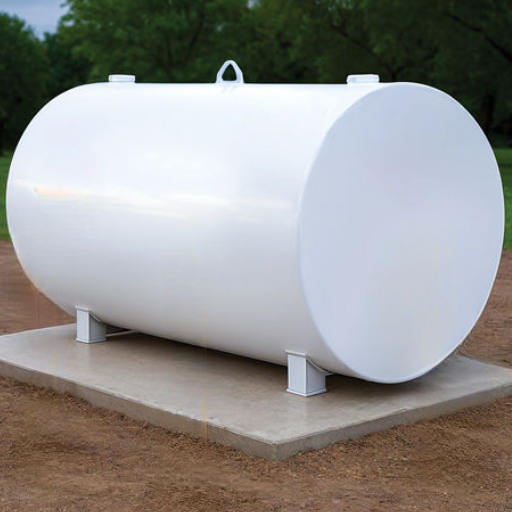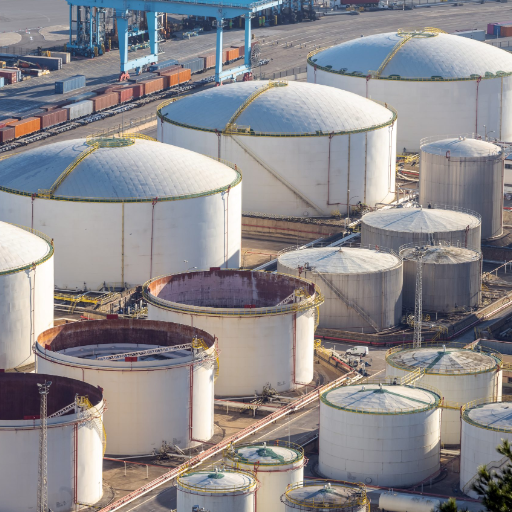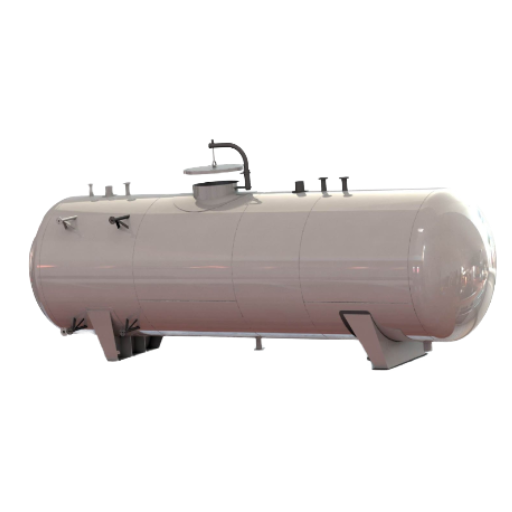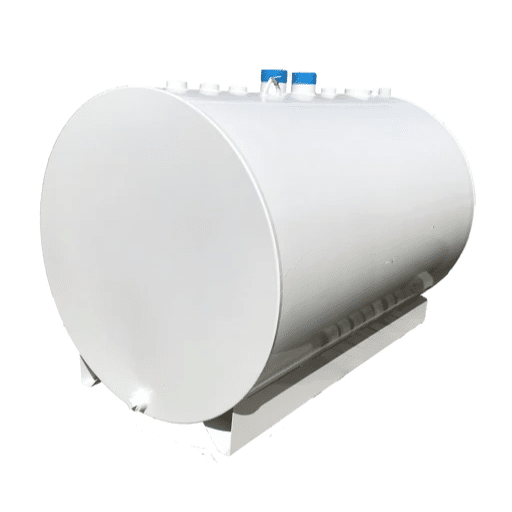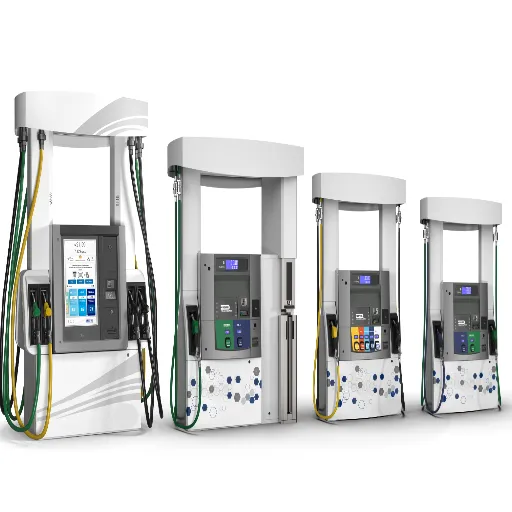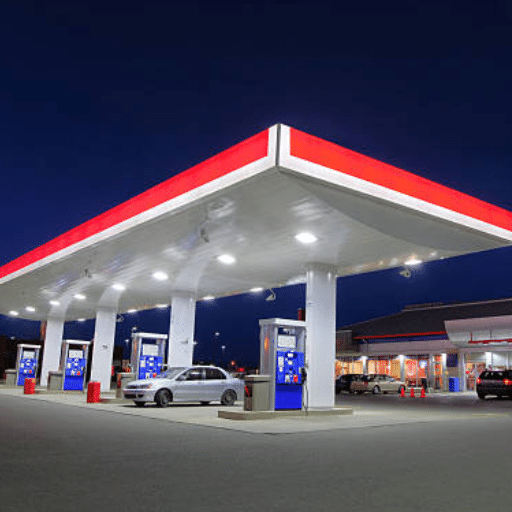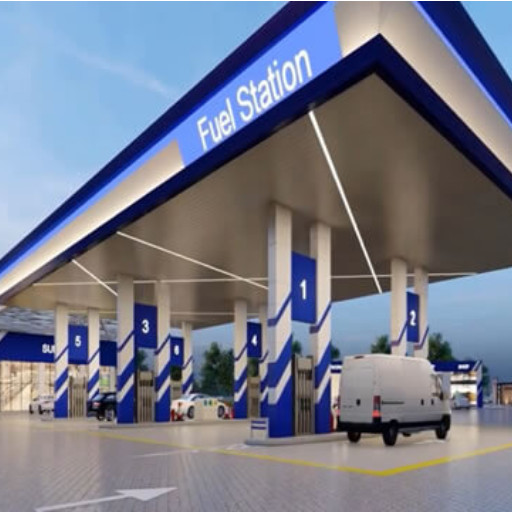
Three years after commissioning a new fleet depot in Southeast Asia, the operations team found rust-colored sludge in every fuel filter. The source was traced back to a painted carbon steel diesel day tank. Humid salt air and condensation had corroded the interior, contaminating fuel and forcing a complete tank replacement before the site reached full throughput.
Diesel storage looks simple on paper, but the details decide whether a tank lasts five years or twenty-five. This guide explains the specifications and standards that govern a stainless steel diesel storage tank, from UL 142 and NFPA 30 to AS 1692 and GB 50156, so you can write a specification with confidence. You will learn which grade to choose, how to size a day tank, what fittings to demand, and which certifications matter for your market.
In this guide, you will learn:
- Which standards apply to stainless steel diesel storage tanks by region and application
- How to choose between 304 and 316L stainless steel for diesel service
- UL 142 specification details: capacities, wall thickness, fittings, and double-wall design
- A practical method for sizing diesel day tanks for generators
- Marine requirements under ABYC H-33, plus biodiesel and DEF compatibility notes
- A ready-to-use specification checklist for your next project
Need help matching a standard to your project? Our engineering team reviews site conditions and target market certifications every week. Request a specification review and get a tank recommendation tailored to your fuel, environment, and compliance needs.
What Standards Apply to Stainless Steel Diesel Storage Tanks?

A stainless steel diesel storage tank is a welded stainless steel vessel that stores diesel fuel above or below ground in retail, industrial, marine, and backup power applications. The right standard depends on where the tank is built, where it will operate, and how it is installed.
There is no single global rulebook for diesel tanks. Instead, buyers work with a mix of national codes, industry standards, and application-specific requirements. The table below summarizes the standards you are most likely to encounter.
| Standard | Region / Scope | What It Covers |
|---|---|---|
| UL 142 | US, export | Steel aboveground tanks for flammable and combustible liquids; construction, testing, and secondary containment |
| NFPA 30 | US, adopted globally | Flammable and Combustible Liquids Code; tank placement, separation distances, venting, and containment |
| NFPA 30A | US | Motor fuel dispensing facilities and repair garages |
| ASME BPVC Section VIII | International | Pressure vessel design and fabrication for pressurized tanks |
| API 650 | US, international | Welded steel tanks for oil storage, typically large bulk tanks |
| EN 12285 | Europe | Workshop-fabricated steel tanks for aboveground storage of flammable liquids |
| AS 1692 / AS 1940 | Australia | Steel tank construction; storage and handling of flammable and combustible liquids |
| GB 50156 | China | Design and construction of automobile fueling and gas filling stations |
| ABYC H-33 | Marine | Diesel fuel systems on boats and vessels |
| ASTM A240 / A967 | International | Stainless steel plate specifications; chemical passivation treatments |
For most aboveground diesel applications in North America, UL 142 is the benchmark. It sets the rules for shop-fabricated steel tanks that store flammable and combustible liquids at atmospheric pressure. Tanks built to this standard must pass leak tests, hydrostatic strength tests, and support load tests, and every production tank is leak-tested before it leaves the factory.
In Europe, EN 12285 governs workshop-fabricated steel tanks, while Australia relies on AS 1692 for tank construction and AS 1940 for storage and handling. In China, the design and construction of fueling stations follows GB 50156, which generally requires underground tank installation for fixed stations. Export buyers often need to satisfy more than one standard, so confirming the requirements of the destination market early in the design phase is critical.
For a detailed cost breakdown, see our stainless steel fuel tank cost and pricing guide.
Stainless Steel Grade Selection for Diesel: 304 vs 316L
Grade selection is the first specification decision because it drives corrosion resistance, cost, and service life. For diesel storage, the two grades that matter most are 304 and 316, usually in their low-carbon forms, 304L and 316L.
| Grade | Chromium | Nickel | Molybdenum | Best Fit for Diesel |
|---|---|---|---|---|
| 304 / 304L | 18-20% | 8-12% | None | Clean, dry inland diesel storage |
| 316 / 316L | 16-18% | 10-14% | 2-3% | Coastal, marine, biodiesel, and long-term storage |
Molybdenum is the deciding element. It improves resistance to pitting and crevice corrosion, which matters when chlorides, salt air, or water contamination reach the tank surface. For inland diesel storage in a dry environment, 304L is often sufficient. For coastal sites, marine service, or future biodiesel blends, 316L is the safer choice.
The “L” designation means low carbon. During welding, standard grades can form chromium carbides at grain boundaries, a problem called sensitization that weakens corrosion resistance near the weld. Low-carbon grades reduce this risk, so 304L or 316L is preferred for welded tanks.
If you need a deeper comparison of alloy chemistry, our dedicated guide on 304 vs 316 stainless steel fuel tanks walks through the differences in detail. For a broader view of tank materials, including aluminum and carbon steel, see our complete buyer’s guide to stainless steel fuel tanks.
Aboveground Stainless Steel Diesel Tank Specifications (UL 142)
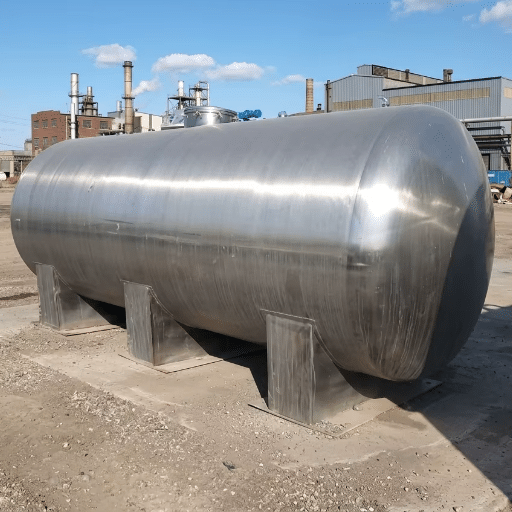
Aboveground tanks dominate industrial, fleet, and backup power diesel storage because they are easier to inspect and maintain than buried tanks. When a buyer specifies a stainless steel aboveground diesel tank, UL 142 provides the most widely recognized construction and testing framework.
Capacity, Dimensions, and Wall Thickness
Stainless steel diesel tanks are available as horizontal or vertical cylinders with elliptical heads, or as rectangular self-bunded units. Typical capacities range from 1,000 to 50,000 liters, with larger custom builds available for bulk storage.
Wall thickness scales with capacity and design pressure. Common shell thicknesses fall in these ranges:
| Capacity | Typical Shell Thickness |
|---|---|
| 1,000-5,000 L | 3-5 mm |
| 10,000-20,000 L | 5-8 mm |
| 30,000-50,000 L | 8-10 mm |
Thicker walls add cost but also add corrosion allowance, which extends service life in harsh environments. For pressure vessel service, the design must also follow ASME BPVC Section VIII and the thickness calculations that come with it.
Standard Fittings and Openings
A complete stainless steel diesel tank ships with a defined set of fittings. Standard items typically include:
- Fill and suction ports, commonly 4″ NPT, in stainless steel
- An emergency vent sized for fire exposure
- A manway, often 24″, with a gasket for inspection access
- Lifting lugs and grounding tabs for safe handling and static discharge
- A level gauge or automatic tank gauge connection
- Optional internal anti-wave baffles, insulation jackets, and additional nozzle openings
Fittings must match the fuel and the filling system. Diesel fuel transfer often uses camlock or dry-break connections, so confirming coupling types before fabrication prevents costly field modifications.
Secondary Containment and Double-Wall Design
Double-wall stainless steel diesel tanks add a second shell around the primary tank. The space between the two walls, called the interstitial space, provides containment and a monitoring point for leaks.
Secondary containment capacity follows clear rules. For a single tank, the outer wall must hold at least 110% of the primary tank volume. For multiple tanks, the requirement is 150% of the largest tank or 10% of the aggregate volume, whichever is larger. If the containment is open to rainfall, extra depth is added to account for collected water.
The interstitial space must be monitorable with leak detection and must have its own emergency venting. This design eliminates the need for an external concrete bund in many installations, which simplifies site work and reduces footprint.
Venting and Overfill Protection
Every aboveground diesel tank needs two levels of venting. A normal vent handles routine pressure changes during filling and dispensing. An emergency vent releases pressure during a fire so the tank does not rupture. NFPA 30 requires emergency venting for each tank compartment, including the interstitial space.
Overfill protection is a separate layer of safety. Standard practice calls for an audible alarm at 90% capacity and an automatic shutoff at 95% where no containment dike is installed. A spill catchment at the fill point catches drips during deliveries. Together, these measures protect both the operator and the surrounding environment.
Ready to compare configurations? Our stainless steel diesel tank product page shows the 304 and 316L options we build, including custom capacities and fittings. You can also review our broader fuel storage tank solutions for context on how tanks integrate with a complete fueling site.
Diesel Day Tank Specifications for Generators

Day tanks supply diesel to engines or generators on demand, buffering the engine from the main bulk storage. Getting the sizing right prevents both fuel starvation and fuel degradation.
A common rule of thumb is to size the day tank for 8 to 12 hours of generator autonomy at full load. You can estimate consumption using the formula: fuel flow in liters per hour is roughly 0.27 times the generator’s rated power in kilowatts. A 200 kW generator, for example, uses about 54 liters per hour at full load, which points to a day tank of 430 to 650 liters for 8 to 12 hours of runtime.
Beyond sizing, a well-designed stainless steel day tank includes:
- Internal baffles to reduce sloshing and turbulence
- A slightly sloped floor, about 2 degrees, toward a water-draw and drain valve
- A desiccant breather or hydrophobic filter to keep moisture out
- An overfill alarm with automatic shutoff at the safe fill level
- A supply inlet positioned above the tank bottom to avoid drawing sediment and water
Never use galvanized or zinc-coated materials in diesel service. Zinc reacts with sulfur compounds in diesel to form filter-clogging particles. Stainless steel or untreated carbon steel piping is the standard choice, with flexible hoses for vibration isolation.
A data center operator in Texas learned this lesson the hard way. He installed a small day tank sized for two hours of runtime to save floor space. During a regional outage, the generator consumed the tank before the bulk transfer pump restarted, and the facility lost power. After installing a 316L day tank sized for ten hours of autonomy, with a desiccant breather and a proper water-draw valve, the site has run through every outage since without interruption.
For more information, please read our article on stainless steel IBC totes for diesel and fuel storage.
Marine Diesel Tanks: ABYC H-33 and Coastal Corrosion
Saltwater and salt air are the most aggressive corrosion environments a diesel tank will face. Marine installations follow ABYC H-33, which sets requirements for diesel fuel systems on boats and vessels.
For marine stainless steel fuel tanks, ABYC guidance points to 316L or 317L low-carbon alloy with a minimum wall thickness of about 0.075 inches. The tank must also be isolated from dissimilar metals to prevent galvanic corrosion, which is why stainless tanks on aluminum-hulled vessels need careful isolation from the aluminum structure.
Crevice corrosion is the other risk in marine service. It develops where stainless steel sits in contact with stagnant, oxygen-depleted water for long periods. Designers avoid this by keeping tanks drained when possible, allowing airflow, and inspecting gasket and fitting areas during routine maintenance.
A commercial fishing fleet in the North Atlantic learned the difference between grades the expensive way. The boats originally used 304 tanks, and pitting appeared around welds after two seasons of salt spray and bilge moisture. The fleet replaced them with 316L tanks and added galvanic isolation from the aluminum structure. Fifteen years later, the second set is still in service.
For the fabrication standards behind these checks, see our stainless steel fuel tank fabrication guide.
Biodiesel and DEF Compatibility with Stainless Steel
Diesel is no longer always petroleum diesel. Biodiesel blends, from B20 to B100, and Diesel Exhaust Fluid (DEF) create additional material demands.
Biodiesel is more corrosive than petroleum diesel and absorbs water, which drives microbial growth and corrosion. Stainless steel performs well, and 316L is the recommended minimum for long-term B20 and higher blends. The fuel system must also use compatible seals, typically Viton or PTFE, because biodiesel degrades natural rubber. Copper, brass, bronze, and zinc accelerate oxidation and must be avoided entirely. Water management is critical, since water contamination drives the majority of biodiesel storage failures. Desiccant breathers, monthly bottom sampling, and temperature control above the fuel’s cloud point are standard practice.
DEF is stored separately and requires its own handling rules. It is typically stored in 304 stainless steel or other approved materials, with thermal insulation to protect against freezing. Mixing DEF with diesel storage equipment, or using the same transfer lines, causes contamination and should be avoided.
If you plan to switch a tank to a fuel blend above 20% biodiesel, regulators in the United States require you to notify the relevant agency and demonstrate tank system compatibility before the change. Confirm the same with local authorities in your market.
Read our full stainless steel fuel tank passivation and maintenance guide for step-by-step procedures.
Skid-Mounted and Mobile Diesel Fuel Stations
Stainless steel tanks also appear in skid-mounted and mobile diesel fuel stations, where the tank, pump, piping, and controls ship as a single prefabricated unit. These systems suit construction sites, mining operations, and remote depots that need rapid deployment.
For coastal or mission-critical sites, a 316L stainless tank module resists corrosion better than coated carbon steel and reduces maintenance over the station’s life. The prefabricated design also shortens on-site installation time compared to a field-built system. Our guide to skid-mounted diesel fuel stations covers capacities, specifications, and applications in more depth.
How to Write a Stainless Steel Diesel Tank Specification

A clear specification prevents costly misunderstandings between buyer and fabricator. Use this checklist when you write yours:
- Define the fuel: petroleum diesel, ULSD, biodiesel blend, or DEF, and expected quality.
- Set the environment: inland, coastal, marine, or industrial, plus temperature extremes.
- Select the grade: 304L for clean inland service, 316L for coastal, marine, or biofuel.
- Confirm capacity and dimensions: volume, orientation, and any site constraints.
- Choose the containment type: single-wall, double-wall, or self-bunded, with the required secondary containment capacity.
- List fittings and openings: fill, suction, vent, manway, level gauge, and accessories.
- Name the standards: UL 142, NFPA 30, ASME VIII, AS 1692, GB 50156, or ABYC H-33 as applicable.
- Require quality documentation: material certificates, welding procedures, NDT records, hydrostatic test results, and passivation reports per ASTM A967.
- Inspection plan: third-party witness points for critical tests if the project requires them.
Get the specification right the first time. Our team can review your draft specification and recommend the grade, standards, and fittings for your market. Send us your project details for a custom stainless steel diesel storage tank recommendation.
Stainless Steel Diesel Storage Tank FAQ
Is 304 stainless steel good for diesel fuel storage?
Yes, for clean, dry inland applications. 304L resists diesel well and costs less than 316L. If the site is coastal, humid, or plans to store biodiesel, 316L is the safer long-term choice.
Do diesel tanks need secondary containment?
Most regulatory codes require secondary containment or bunding for aboveground diesel tanks. A double-wall tank with a monitorable interstitial space is one compliant way to meet that requirement.
How big should a generator day tank be?
Size it for 8 to 12 hours of autonomy at full load. Estimate consumption at roughly 0.27 liters per hour per kilowatt of rated power, then confirm with the engine manufacturer.
Can a stainless steel tank store biodiesel?
Yes. Stainless steel is one of the most compatible materials for biodiesel, and 316L is recommended for B20 and higher blends. Use Viton or PTFE seals and manage water carefully.
What is the difference between a double-wall and a self-bunded tank?
A double-wall tank uses a second steel shell around the primary tank. A self-bunded tank adds an integral containment trough or outer shell sized to hold a leak, and the two terms are often used interchangeably for diesel storage.
Conclusion
A stainless steel diesel storage tank is a long-term asset, but only when it is specified correctly. Start with the standard that governs your market, choose the grade that matches your environment, and demand the fittings, containment, and documentation that protect your operation.
The key decisions are straightforward: 304L for clean inland service, 316L for coastal, marine, or biofuel applications; double-wall construction where secondary containment is required; and a day tank sized for 8 to 12 hours of generator autonomy. Every one of these choices should be written into a clear specification with the relevant standards named.
At Shandong Shengrui Intelligent Equipment Co., Ltd., we engineer stainless steel diesel storage tanks and complete fueling solutions to international standards. We support export buyers with material certifications, passivation records, and third-party inspection coordination. Contact our engineering team to request a customized stainless steel diesel storage tank specification and quote today.