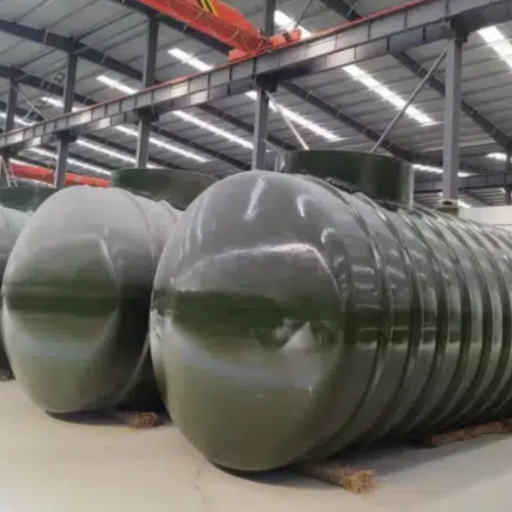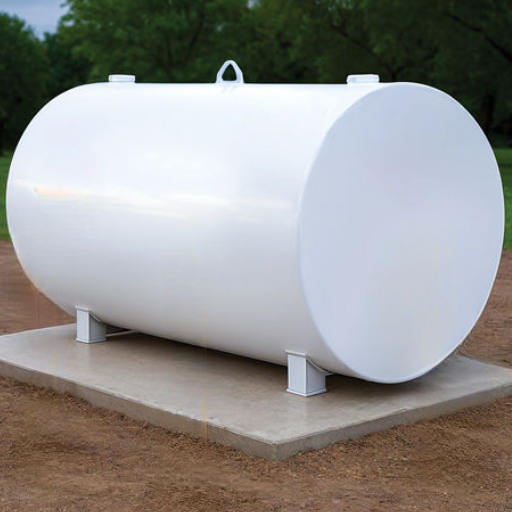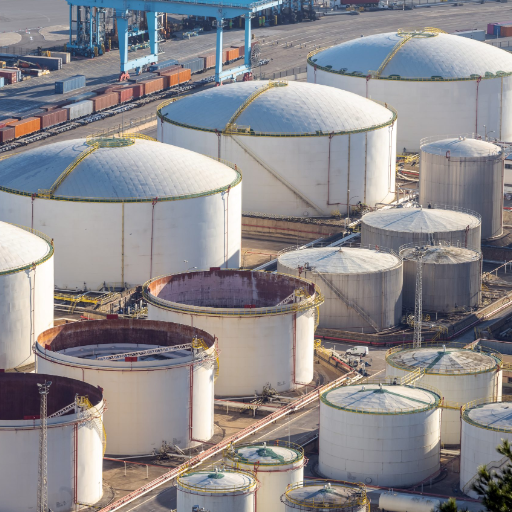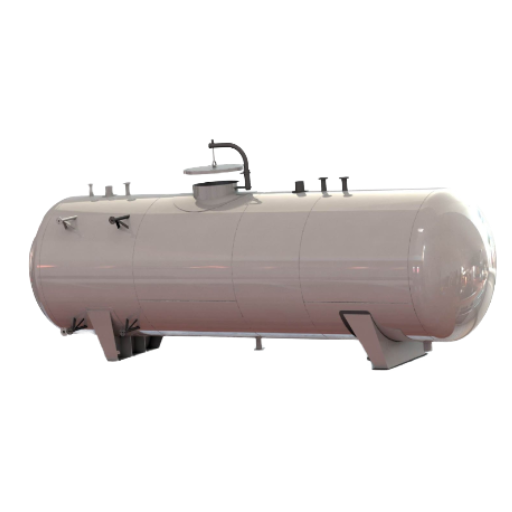
The delivery driver had made this run a hundred times before. At 3:00 a.m. on a Tuesday in Houston, he connected his hose to a 10,000-gallon underground storage tank and started the pump. Then his phone rang. By the time he looked up, diesel was bubbling out of the ground around the fill cap. The tank had taken 400 gallons more than it could hold. The cleanup cost $67,000. The state fine added another $18,000. The owner later learned that a functional overfill prevention device would have stopped the flow automatically for less than the cost of a single month’s insurance premium.
If you own or operate a gas station, overfill prevention is not a suggestion. Under EPA regulations, every underground storage tank that receives deliveries of more than 25 gallons must have approved overfill prevention equipment installed, maintained, and tested on schedule. Yet many station owners still do not understand which device they need, what it should cost, or how to prove compliance during an inspection.
In this guide, we will explain the three types of overfill prevention devices, how each one works, what EPA and state regulators require in 2026, realistic pricing, and how to choose the right system for your tanks. You will finish this article knowing exactly what protects your tanks, your wallet, and your operating license.
Leakage is a very important safety incident for gas stations, and if you want to learn how to prevent it, please check out our article on Gas Station Leak Prevention.
What Are Overfill Prevention Devices and Why Are They Mandatory?

An overfill prevention device is a safety system installed on an underground storage tank that automatically restricts or stops fuel delivery before the tank reaches unsafe capacity. These devices are the last line of defense against spills during fuel deliveries, protecting soil, groundwater, and public safety. Under EPA rules, they are not optional accessories. They are a legal requirement for every UST receiving deliveries.
The Environmental Protection Agency mandates overfill prevention under 40 CFR 280.20. The regulation requires that every UST system have equipment that prevents releases caused by overfilling. Non-compliance carries real consequences. Station owners face federal and state fines, environmental remediation liability, temporary shutdown orders, and civil lawsuits from neighboring property owners if spilled fuel migrates off-site.
At Shandong Shengrui Intelligent Equipment Co., Ltd., we engineer underground fuel storage systems with integrated safety components that meet EPA standards and international certifications. Understanding overfill prevention helps you protect your investment and your community.
The Three Types of Overfill Prevention Devices
Every overfill prevention system falls into one of three categories. The right choice depends on your delivery method, tank configuration, staffing, and regulatory jurisdiction.
Automatic Shutoff Devices (Overfill Prevention Valves)
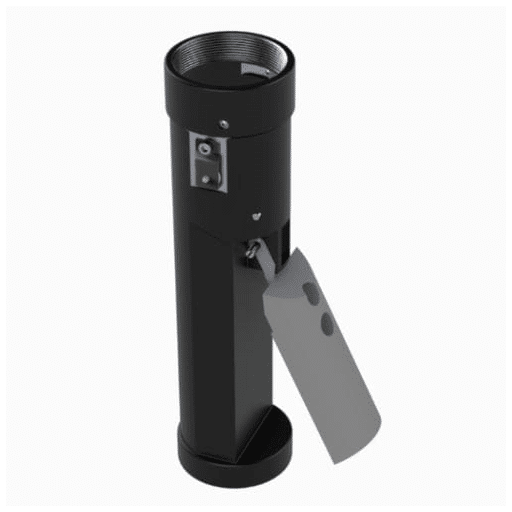
An automatic shutoff device, commonly called an overfill prevention valve or OPV, is installed inside the tank’s fill pipe or drop tube. It uses a mechanical float mechanism that rises with the fuel level. Most modern OPVs are two-stage devices.
At approximately 92% capacity, a lower float partially closes the valve. This sudden flow restriction creates a pressure drop, or “line shock,” in the delivery hose. The hose physically kicks, alerting the driver that the tank is nearly full. If the driver does not respond, a second float at 95% capacity closes the valve completely, positively stopping all flow.
Automatic shutoff devices work with both gravity and pressurized deliveries. They require no external power, need minimal maintenance, and have become the industry standard for new installations. Popular models include the OPW 71SO series and the Franklin Fueling Systems Defender Series.
Ball Float Valves (Flow Restrictors)
A ball float valve sits at the bottom of the tank’s vent line. As fuel rises, a ball floats upward and eventually settles in the vent opening. By blocking vapor escape, it creates back-pressure inside the tank’s ullage space. This back-pressure is intended to slow or stop product flow from the delivery truck.
Ball float valves are inexpensive and simple. They also have serious limitations. They only work with gravity-fed deliveries. They can dangerously over-pressurize the tank if tank-top fittings are not perfectly tight. And they provide no positive shutoff; the driver must still notice the restricted flow and manually stop the pump.
Because of these safety risks, the EPA prohibited ball float valves for new or replacement overfill prevention equipment after October 13, 2015. Several states, including Maryland and New Hampshire, have banned them outright. If your site still relies on ball float valves, you are operating with outdated equipment that may fail inspection.
Overfill Alarms (High-Level Alarms)
An overfill alarm uses electronic probes installed inside the tank. When fuel reaches a preset level, usually 90% capacity, the system triggers an audible and visible alarm. The alarm must be located where the delivery driver can easily see or hear it.
Unlike automatic shutoff devices, alarms do not stop the flow. They rely entirely on human response. For this reason, many regulators consider alarms acceptable only when combined with another form of overfill prevention, or when deliveries are monitored by dedicated personnel.
Overfill alarms are often integrated with automatic tank gauge systems, making them a natural upgrade path for stations already investing in fuel management technology. They do require electrical power, so sites with unreliable grid connections need backup power or a battery-backed alarm unit.
Side-by-Side Comparison
| Feature | Automatic Shutoff | Ball Float | Overfill Alarm |
|---|---|---|---|
| Activation Level | 95% full | 90-95% full | 90% full |
| Action | Stops or reduces flow | Restricts vapor exit | Alerts operator |
| Delivery Type | Pressure or gravity | Gravity only | Any |
| Power Required | None | None | Yes |
| Typical Cost | 750−2,400 | 200−600 | 500−1,500 |
| Regulatory Status | Preferred standard | Phased out | Acceptable with monitoring |
How Overfill Prevention Devices Work: The Mechanics

Understanding the mechanics helps you diagnose problems and communicate clearly with inspectors and service technicians.
Fuel deliveries enter the tank through a fill pipe that extends from ground level down into the tank. Inside this pipe sits a drop tube that carries fuel to the bottom of the tank, preventing turbulence and static buildup. The overfill prevention valve installs inside this drop tube.
In a two-stage mechanical OPV, the lower float arm connects to a flapper or poppet valve. As fuel rises, the float follows. At the first stage, the valve partially closes, reducing flow to roughly 10% of the normal delivery rate. The driver feels the hose kick and should immediately shut off the truck pump. If the driver misses this warning, the upper float seals the valve completely at 95% capacity.
Electronic overfill prevention systems use a different approach. PTC thermistor probes detect when fuel touches a heated sensor pin. The cooling effect changes electrical resistance, signaling a control unit to close a motorized ball valve on the fill line and optionally stop the transfer pump. Some systems also use ultrasonic level sensors for continuous monitoring.
Modern fuel management systems integrate overfill prevention with automatic tank gauges. The ATG knows the tank capacity and current inventory. It can trigger alarms before the physical overfill device even activates, giving the driver an additional layer of warning.
EPA Compliance and Testing Requirements
Staying compliant requires more than installing the right device. You must also test it, document the results, and keep records.
Federal Requirements Under 40 CFR 280.35
The EPA requires overfill prevention equipment to be inspected at least once every three years. The inspection must verify two things: that the device is set to activate at the correct level, and that it actually activates when fuel reaches that level.
Inspection procedures must follow the manufacturer’s requirements, a nationally recognized code of practice such as PEI RP1200, or an equally protective method approved by your state implementing agency.
The activation thresholds are specific. Automatic shutoff devices must activate when the tank is no more than 95% full. Overfill alarms must trigger at no more than 90% full. Any device repaired or replaced must be tested or inspected within 30 days to confirm proper operation.
Need information about UST Compliance? Please check out our article about UST Compliance Requirements.
Recordkeeping
Records of overfill prevention equipment inspections must be maintained for at least three years. Your documentation should include the date, technician name, equipment model, activation level verified, test method used, and pass/fail result. Inadequate documentation is one of the most common citations during regulatory inspections.
Carlos Mendez learned this lesson during a routine audit at his two-pump station outside Phoenix. His overfill prevention valve was functioning perfectly, but he had misplaced the inspection report from 2023. The inspector issued a notice of violation not because the equipment failed, but because Carlos could not produce the paperwork. A $400 follow-up inspection and a weekend spent organizing files taught him to store digital copies of every test report.
2026 Regulatory Updates Every Owner Must Know
Regulatory standards for overfill prevention continue to evolve. Three developments in 2026 deserve your attention.
Ball Float Valve Phase-Out Accelerates
While the EPA banned ball float valves for new installations after October 2015, states are now enforcing stricter rules. Maryland prohibited ball float valves entirely after June 2022. New Hampshire banned them for new tanks in 2013 and now restricts their use in existing systems as well. If your facility still uses ball float valves, check your state’s latest UST regulations. You may need to retrofit sooner than expected.
California CCR Chapter 16 Updates
California’s updated CCR Chapter 16 UST regulations, effective in 2026, now require overfill prevention equipment testing to be performed by a qualified service technician who can demonstrate competence with the specific device model. Test results must be recorded on a state-specific Overfill Prevention Equipment Testing Report Form. Self-testing by station owners is no longer acceptable in California for formal compliance documentation.
Cost Breakdown: What to Budget for Overfill Prevention

Cost transparency helps station owners plan capital expenditures and avoid surprise retrofit bills.
Device Costs
- Entry-level mechanical OPV: 750−1,000 (basic two-stage float, shorter drop tubes)
- Standard vapor-tight OPV: 1,000−1,550 (vapor-tight seals, CARB-certified)
- EVR-certified / specialized OPV: 2,000−2,400+ (enhanced vapor recovery, biofuel-compatible, long drop tubes)
- Overfill alarm systems: 500−1,500 (probe, control unit, audible alarm)
- Ball float valves (legacy): 200−600 (being phased out; not recommended for new installations)
Installation Costs
- New installation labor: 500−1,500, depending on tank accessibility and local labor rates
- Retrofit/replacement: 800−2,500 if excavation or confined-space entry is required
Testing and Maintenance
- Triennial inspection: 200−500 per device, depending on technician travel and test complexity
- Annual visual inspection: 50−150 (owner or technician checks for obstructions, free float movement, alarm function)
Total Cost of Ownership (10 Years)
- Automatic shutoff device: 1,500−4,000, including device, installation, and three triennial inspections
- Overfill alarm system: 1,200−3,500, including device, installation, and periodic probe calibration
For most retail fuel stations, an automatic shutoff device offers the best balance of upfront cost, compliance certainty, and long-term reliability.
Common Overfill Prevention Failures and How to Prevent Them
Even well-maintained devices fail when neglected. Understanding common failure modes helps you build a preventive maintenance program.
Float Mechanism Jamming
Debris, sludge, or corrosion can prevent floats from moving freely. Turbulence from high-flow deliveries or missing dip tubes can also cause premature float activation. Schedule annual visual inspections to verify that floats rise and fall smoothly.
Incorrect Installation Height
An OPV installed at the wrong depth will activate at the wrong fuel level. If set too high, the tank overfills before the valve closes. If set too low, the valve triggers during normal deliveries, causing nuisance shutoffs. Installation must follow the manufacturer’s height chart for your exact tank diameter.
Blocked Air Holes
Many mechanical OPVs have small vents or air holes that allow the float chamber to equalize pressure. If these holes clog with dirt or insect nests, the float may not respond properly. Clean air holes during every annual inspection.
Alarm Power Failures
Electronic overfill alarms depend on continuous power. If your station loses power during a night delivery, the alarm becomes a silent ornament. Install battery-backed alarm units or connect alarms to your emergency power system.
Hose Drain Issues
After an OPV shuts off the flow, fuel remains in the delivery hose. If the hose drain function is blocked, the driver may disconnect a full hose and spill fuel on the ground. Verify hose drain operation during triennial testing.
Preventive Maintenance Checklist
- Visually inspect floats and valves monthly for debris and damage
- Verify alarm audibility and visibility monthly
- Test the activation mechanism annually using manufacturer-approved procedures
- Schedule a formal triennial inspection by a certified technician
- Retain all test records for at least three years
- Replace ball float valves before they fail inspection
How to Choose the Right Overfill Prevention Device
Use this decision framework to guide your selection.
Delivery method: Pressurized deliveries require an automatic shutoff device rated for pressure fill. Gravity-fed systems can use a wider range of OPVs, but automatic shutoff is still the safest choice.
Tank count and configuration: Single-tank sites with simple gravity delivery may operate adequately with a basic mechanical OPV. Multi-tank sites with pressurized deliveries should specify vapor-tight, EVR-certified valves for each tank.
Staffing level: Unattended or minimally staffed sites should rely on automatic shutoff devices rather than alarms that require human response. Attending sites with dedicated delivery monitoring can supplement an OPV with an integrated alarm for added safety.
Existing infrastructure: If you already have an automatic tank gauge system, adding an electronic overfill alarm may be cost-effective. If you are building new or replacing a legacy ball float, specify a modern automatic shutoff valve.
Climate and soil conditions: Sites in flood-prone areas or corrosive soils should select corrosion-resistant valve materials and confirm that alarm enclosures meet NEMA ratings for the environment.
At Shandong Shengrui Intelligent Equipment Co., Ltd., we supply certified underground fuel storage tanks and integrated safety systems designed for global compliance. Our engineering team helps you select overfill prevention equipment that matches your tank specifications, delivery methods, and regulatory requirements. Contact us for a tailored tank and safety system specification.
Frequently Asked Questions About Overfill Prevention Devices
How often must overfill prevention equipment be tested?
Federal EPA regulations require testing at least once every three years under 40 CFR 280.35. Many operators and some state programs recommend annual functional checks between formal inspections.
Do fiberglass tanks need overfill prevention?
Yes. The EPA overfill prevention requirement applies to all USTs receiving deliveries of more than 25 gallons, regardless of tank material. Fiberglass tanks must have automatic shutoff devices, alarms, or other approved overfill prevention.
Can I install an overfill prevention valve myself?
Installation requires working inside a confined space, handling petroleum equipment, and setting the correct activation height. Most jurisdictions require or strongly recommend using a certified technician. Incorrect installation can cause the valve to fail when you need it most.
What happens if my ball float valve fails inspection?
You must replace it with an approved device, typically an automatic shutoff valve or an overfill alarm system. Because ball floats are prohibited for new or replacement installations after October 2015, you cannot simply install another ball float.
Are overfill alarms enough without an automatic shut-off?
Overfill alarms alone may satisfy EPA requirements if they activate at 90% capacity and are located where the delivery person can see or hear them. However, automatic shutoff devices provide a higher level of protection because they do not depend on human response.
Conclusion
Overfill prevention devices are the silent guardians of your underground storage tanks. They stand between a routine fuel delivery and an environmental disaster that can cost tens of thousands of dollars, trigger regulatory action, and damage your reputation in the community.
The three types of devices each have their place, but automatic shutoff valves have become the clear standard for good reason. They work without power, respond without human intervention, and satisfy regulators in every jurisdiction. If you are still relying on ball float valves, the phase-out clock is ticking. If you are building new or upgrading, specify a certified automatic shutoff device from a reputable manufacturer.
Testing every three years, keeping meticulous records, and performing simple monthly visual checks will keep your equipment ready and your inspectors satisfied. The cost of compliance is modest. The cost of failure is not.
At Shandong Shengrui Intelligent Equipment Co., Ltd., we engineer fuel storage and gas station infrastructure that meets the strictest international safety standards. From certified underground storage tanks to integrated leak detection and overfill prevention systems, we help station owners worldwide build safer, compliant, and more reliable facilities.
Ready to protect your tanks and simplify compliance? Request a custom quote from our engineering team and get site-specific overfill prevention guidance for your project.